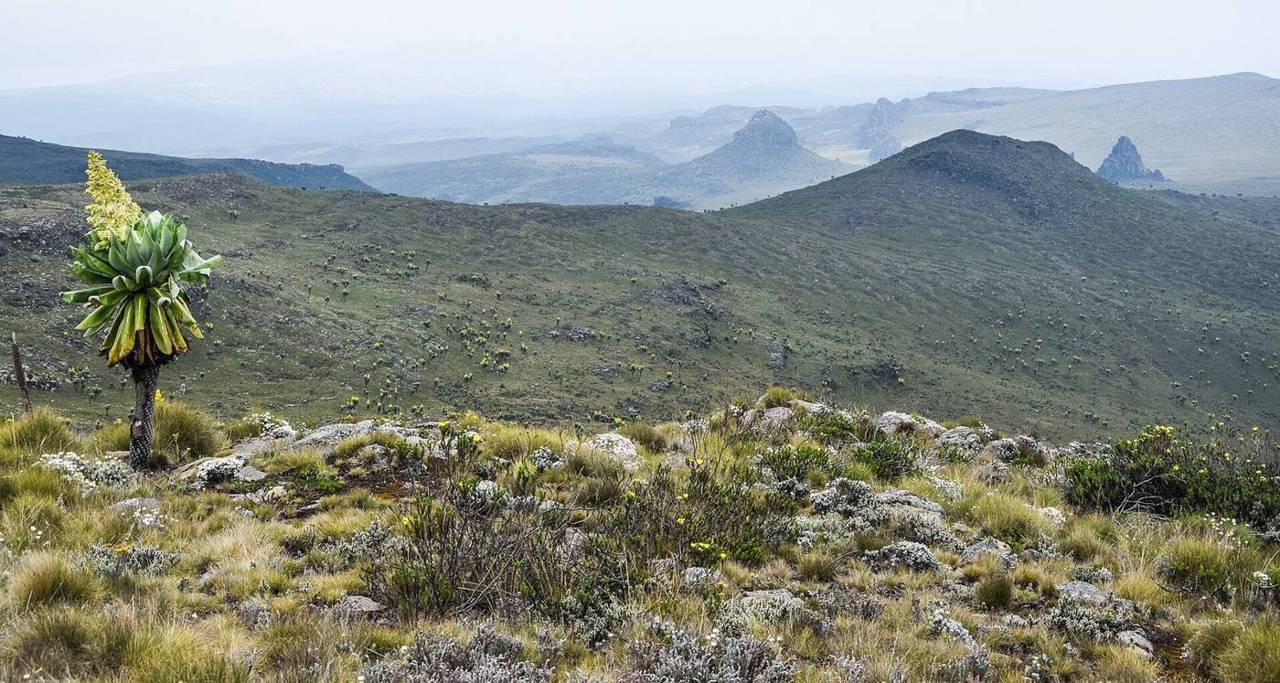
Aberdare National Park
The green mountains of central Kenya: bamboo forests and high moorland, the Karuru and Gura waterfalls, elephants, buffalo and bongo in the forest, and a night in a tree lodge overlooking a floodlit waterhole, where animals come to drink after dark.
- Nairobi
- Nyeri
- Aberdare
- Karuru
Day by day
- Day 1
From Nairobi to Nyeri and a night overlooking the waterhole
Aberdare National Park protects a mountain range north of Nairobi, between 2,000 and 4,000 metres: dense forests of bamboo and moss-covered trees, deep valleys, waterfalls and, higher up, a cold, misty moorland. It is a different Kenya from the savannah: green, damp, often cold. The animals are harder to see, but the atmosphere is unique. In three days it is a short escape from the capital, easy to combine with Mount Kenya or the Laikipia reserves.
From Nairobi you drive north for about three hours to Nyeri, a farming town among tea and coffee plantations. Here, in the garden of an old colonial house, lies the grave of Robert Baden-Powell, the founder of the Scout movement, who spent the last years of his life in Nyeri.
In the afternoon you go up into the park. The classic way to spend the first night is in one of the lodges built on stilts facing a waterhole and a salt lick in the forest. At night the waterhole is floodlit and, from the terraces and windows, you watch elephants, buffalo, warthogs, hyenas and, with a little luck, the rare bongo, a large forest antelope with white stripes, come down to drink. It was in one of these lodges, in February 1952, that Princess Elizabeth learned she had become Queen of England.
Practical tip: at many of these lodges you leave your main luggage below and bring only a small bag for the night. Bring warm clothes: even on the equator, at this altitude the nights are cold.
- Day 2
The moorland and the Karuru and Gura waterfalls
In the morning, after breakfast, drive up by four-wheel drive to the upper part of the park, the moorland, above 3,000 metres. The landscape changes within a few minutes: the bamboo forest gives way to meadows of giant heather, lobelias and giant groundsels, strange plants that grow only on the high mountains of East Africa. Mist often rises from the valleys and covers everything, then suddenly opens onto views that, on clear days, reach as far as Mount Kenya.
The first stop is Karuru Falls, the highest in Kenya, which drops in three steps for more than two hundred metres into a forested gorge. A short path leads to a viewpoint facing the main drop. Not far away are Gura Falls, which fall in a long vertical plunge into a narrow green valley: you see them from a viewpoint on the other side of the gorge. Lower down there are also the smaller Chania Falls, with a pool.
The Aberdares also have an important history: in the 1950s, during the Mau Mau uprising against British colonial rule, these forests were the refuge of the fighters led by Dedan Kimathi, now regarded as a national hero.
In the afternoon, on game drives along the tracks, look for buffalo, forest elephants, black and white colobus monkeys in the branches and the giant forest hog.
Practical tip: the park's tracks become muddy and difficult in the rains, especially from March to May and in November. You need a four-wheel drive with a driver or guide who knows the park well.
- Day 3
A last morning in the forest and return to Nairobi
Your last morning starts early, at dawn, when the forest is most alive. If you are sleeping in a lodge or camp in the park, take a short game drive on the tracks of the lower area, where the morning light filters through the trees and the animals come out of the woods to graze in the clearings. It is the best time to see buffalo, waterbuck, bushbuck and, if you are very lucky, the black rhino, which lives in the park but is rarely seen.
If you prefer to walk, some lodges organise short walks with an armed ranger from the Kenya Wildlife Service along forest paths, discovering medicinal plants and animal tracks. You never walk alone in the park: forest elephants and buffalo can be dangerous.
In the late morning, go down to Nyeri and take the road back to Nairobi, about three hours. On the way you can stop at a coffee farm in the region, where you see the plants, the harvest and the processing of the beans. Kenyan coffee is among the most highly regarded in the world.
If you want to extend the trip, from Nyeri it is easy to continue to the Ol Pejeta reserve, with its rhinos and chimpanzees, or towards Mount Kenya and the Laikipia plains.
Practical tip: you need the eTA electronic authorisation, to be requested online before you leave. Since 19 October 2026 the United States has kept Kenya at level 3 after the Ebola cases in Nairobi: check the latest advice before booking.
Combines with Ol Pejeta or Mount Kenya. It is cold up high, especially at night: bring warm clothes. Park tracks become difficult in the rains. An electronic travel authorisation (eTA) is required, applied for online before travelling. On 19 October 2026 the US raised its Kenya advisory to level 3, after the first Ebola cases in Nairobi; it advises against the counties on the Somali border, Lamu County, Tana River and the coast north of Malindi. This itinerary stays outside those areas.
Before you go
- Documents and visa
- Valid passport and an eTA, applied for online on the official Kenyan government website before leaving. From 5 October 2026 compulsory government travel health insurance is also required.
- Health and vaccines
- Malaria prevention and the yellow fever vaccine are recommended. Drink only bottled water. Emergencies: 999 or 112.
- Money and payments
- Kenyan shilling. Mobile payment, M-Pesa, is everywhere; cards work in cities and lodges.
- Power sockets
- Type G, 240 volts: you need an adapter for British plugs.
- Time zone
- UTC+3 all year.
- Safety
- The United States has rated Kenya level 3 since 19 October 2026 (Ebola, crime, kidnapping, terrorism, unrest). Do not travel: Garissa, Wajir, Mandera, Lamu, Tana River (except Tsavo), Kilifi north of the C103 road, the coast north of Malindi, Marsabit and Turkana within 50 km of Ethiopia. Official advice: GOV.UK.
Information checked in November 2026 for Italian and EU citizens. Rules change: always check before you travel.
Variations
In 2 days: one night in the waterhole lodge and the waterfalls the next morning, returning to Nairobi in the evening.
In 6 days: after the Aberdares, continue to Ol Pejeta and the Laikipia plains, with rhinos, lions and wild dogs.
Frequently asked questions
When is the best time to go?
The dry seasons, from June to September and from December to February. In the rains the tracks become difficult and some areas close.
Will I see the Big Five?
There are elephants, buffalo, leopards, lions and rhinos, but they are hard to see in the forest. The Aberdares are more a place for scenery and atmosphere than for big sightings.
Is it safe to go today?
The United States has Kenya at level 3 and advises against the counties on the Somali border, Lamu, Tana River and the coast north of Malindi. The Aberdares are far from these areas. Always check the advice before you leave.
Indicative itinerary written by World Atlas. Before booking, check timetables, seasonal openings, documents and safety.
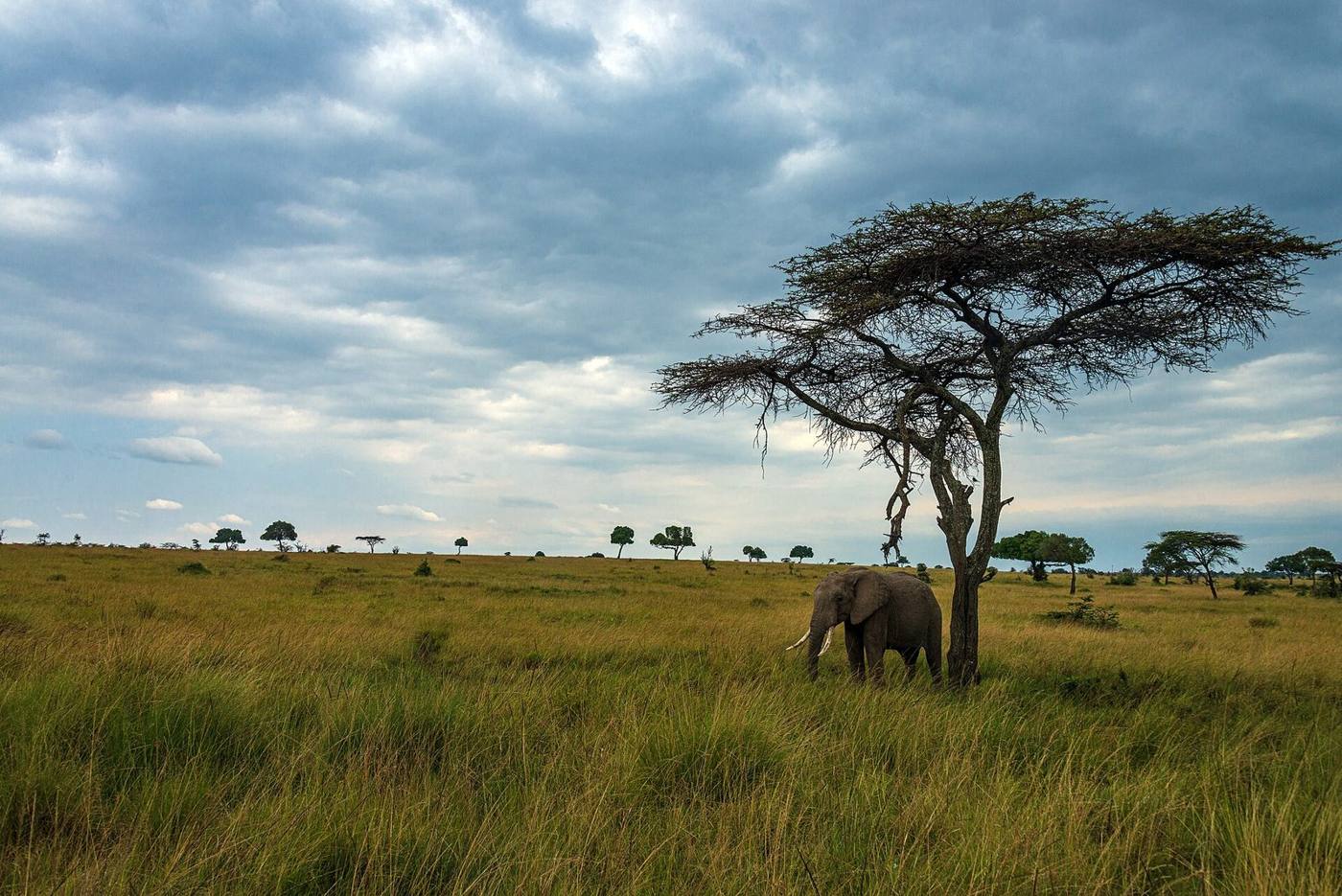 5 daysEasy
The Masai Mara conservancies
The Mara with fewer vehicles: the private conservancies around the reserve, such as Naboisho, Olare Motorogi and Mara North, run with Maasai communities, with limited vehicle numbers, walking safaris with Maasai guides, night drives and small camps, then a day in the reserve.
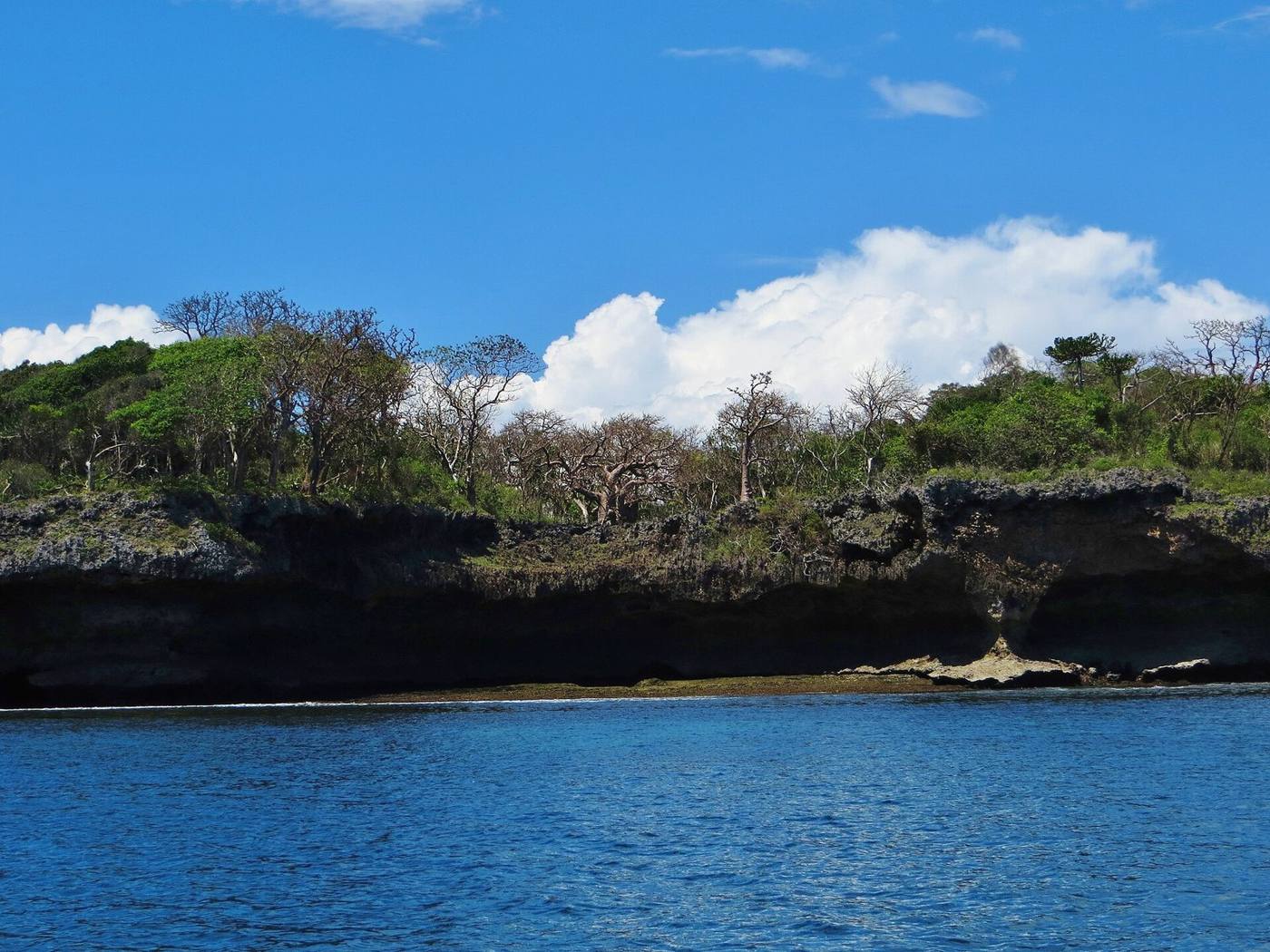 5 daysEasy
Shimba Hills and Kisite Marine Park
The south coast towards Tanzania: the wooded Shimba Hills with sable antelope and Sheldrick Falls, then from Shimoni the dhow to Kisite-Mpunguti Marine Park, with dolphins and snorkelling, Wasini Island and its boardwalk among raised coral formations.
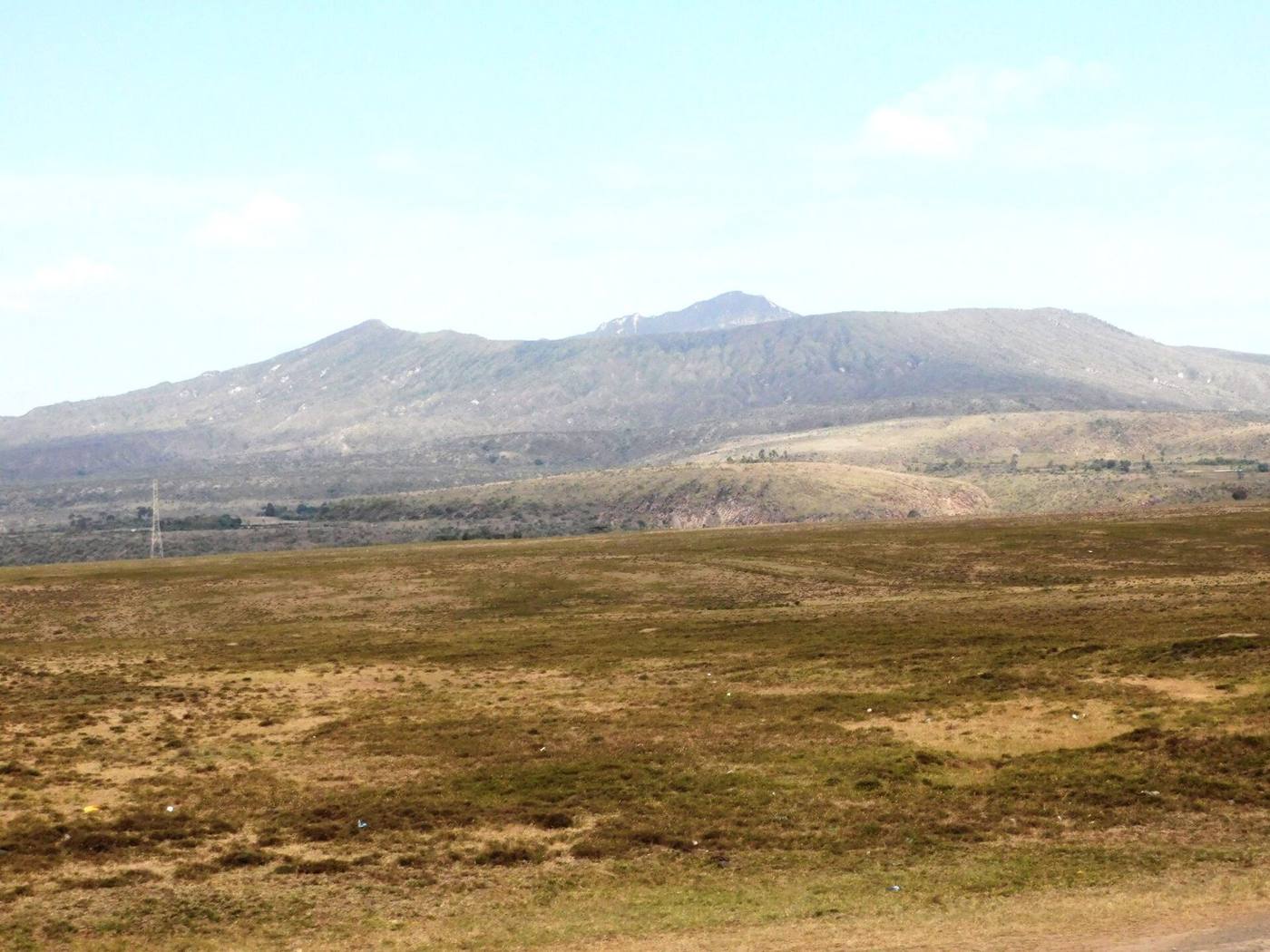 4 daysModerate
Longonot, Hell's Gate and Suswa on foot
The Rift Valley on foot: the crater-rim circuit of Longonot volcano, Hell's Gate gorge by bike among zebras and giraffes, with a descent into the canyon, and the double crater of Suswa with its lava caves full of bats, on Maasai land.