Lamu and the Swahili coast
Lamu's old closed to cars town, its donkeys and dhows, the ruins of Gede and the Watamu marine park.
- Mombasa
- Watamu
- Gede
- Malindi
- Lamu
- Shela
Day by day
- Day 1
Arrival in Mombasa: Fort Jesus and the old town
This trip follows Kenya's Swahili coast on the Indian Ocean, from Mombasa to Lamu. Swahili culture was born of more than a thousand years of contact between the African peoples of the coast and the Arab, Persian and Indian merchants who arrived with the monsoons: towns of coral stone, carved wooden doors, mosques, sailing dhows and spicy coconut cuisine.
Important notice: to enter Kenya you need an electronic travel authorisation, applied for online before departure. The US government has rated Kenya at level 3 of 4 since 19 October 2026, partly because of an Ebola outbreak in the region, and advises against travel to Lamu County and the coast north of Malindi. The United Kingdom and Canada consider only the islands of Lamu and Manda, reached by air, acceptable. This trip goes to Lamu only by air: check current advice before leaving and consider carefully whether to go.
You fly into Mombasa, Kenya's second city. On the first day visit Fort Jesus, a UNESCO World Heritage Site, a fortress built by the Portuguese at the end of the sixteenth century on the harbour, later taken by the Omani Arabs and used by the British as a prison. Today it is a museum with finds from the coast.
Then walk through the Old Town, with narrow lanes, houses with wooden balconies, carved doors, mosques and the old harbour, where dhows once moored.
In the evening have dinner with Swahili food: fish in coconut, spiced pilau rice and chapati.
Spend the night in Mombasa.
Practical tip: the best time is December to March and July to October. In April and May it rains heavily.
- Day 2
Watamu: the marine park and the turtles
Today head north from Mombasa to Watamu, about two and a half hours along the coast, through coconut and sisal plantations.
Watamu is a small seaside village with white sand beaches, turquoise water and a protected lagoon, within Watamu Marine National Park, managed by the Kenya Wildlife Service, and the Malindi Watamu biosphere reserve.
In the morning take a glass bottom boat trip or snorkel on the park's reef, where you see corals, parrotfish, butterflyfish, moray eels and often sea turtles. Dolphins can also be seen in the park and, in some months, whale sharks offshore.
In the afternoon visit the Watamu turtle rescue centre, a local organisation that treats sea turtles injured or caught by mistake in fishermen's nets, and works with the fishermen to release them. You see the turtles being cared for and learn how coastal communities take part in protecting them.
At sunset walk on Watamu beach, where at low tide the coral rocks form natural pools.
Spend the night in Watamu.
Practical tip: entry to Kenya Wildlife Service marine parks costs 25 dollars for foreigners: check the current rules. Before setting off also check that Watamu and Gede are not within the areas advised against in the latest advice.
- Day 3
The Gede ruins in the forest and Mida Creek at sunset
In the morning visit the Gede ruins, a few kilometres from Watamu, in the forest. Gede was a Swahili town founded in the twelfth century and abandoned in the seventeenth, perhaps for lack of water or because of raids by inland peoples. Its coral stone ruins are wrapped in tropical forest: you see the great mosque, the palace, houses with bathrooms and latrines, wells, pillar tombs and walls. Chinese porcelain, Indian beads and Persian objects were found among the ruins, a sign of the coast's great trade. Monkeys live among the trees and a small museum tells the town's story.
In the afternoon visit Watamu village or the nearby Arabuko Sokoke forest, the last large piece of coastal forest in East Africa, with rare birds and butterflies and the golden rumped elephant shrew, found only here.
At sunset go to Mida Creek, a mangrove inlet south of Watamu, where at low tide mud and sand flats are exposed, home to thousands of water birds such as herons, egrets, flamingos and migrants from Europe. A suspended boardwalk crosses the mangroves to a platform over the water. You can take a canoe trip with local fishermen.
Spend the night in Watamu.
Practical tip: Gede and Arabuko Sokoke charge entry: check. In the forest and mangroves use mosquito repellent: there is malaria in the area, ask your doctor.
- Day 4
Flight to Lamu
Today go to Malindi, about half an hour from Watamu, and take a short flight to Lamu, about half an hour. The airport is on Manda island: from here a boat takes you in a few minutes to Lamu town on the island opposite.
Lamu is the oldest continuously inhabited Swahili town in East Africa, a UNESCO World Heritage Site founded in the fourteenth century, and it has kept its traditional appearance. There are almost no cars on the island: people get around on foot, by boat or with donkeys, the traditional means of transport, which carry goods and materials through the narrow lanes.
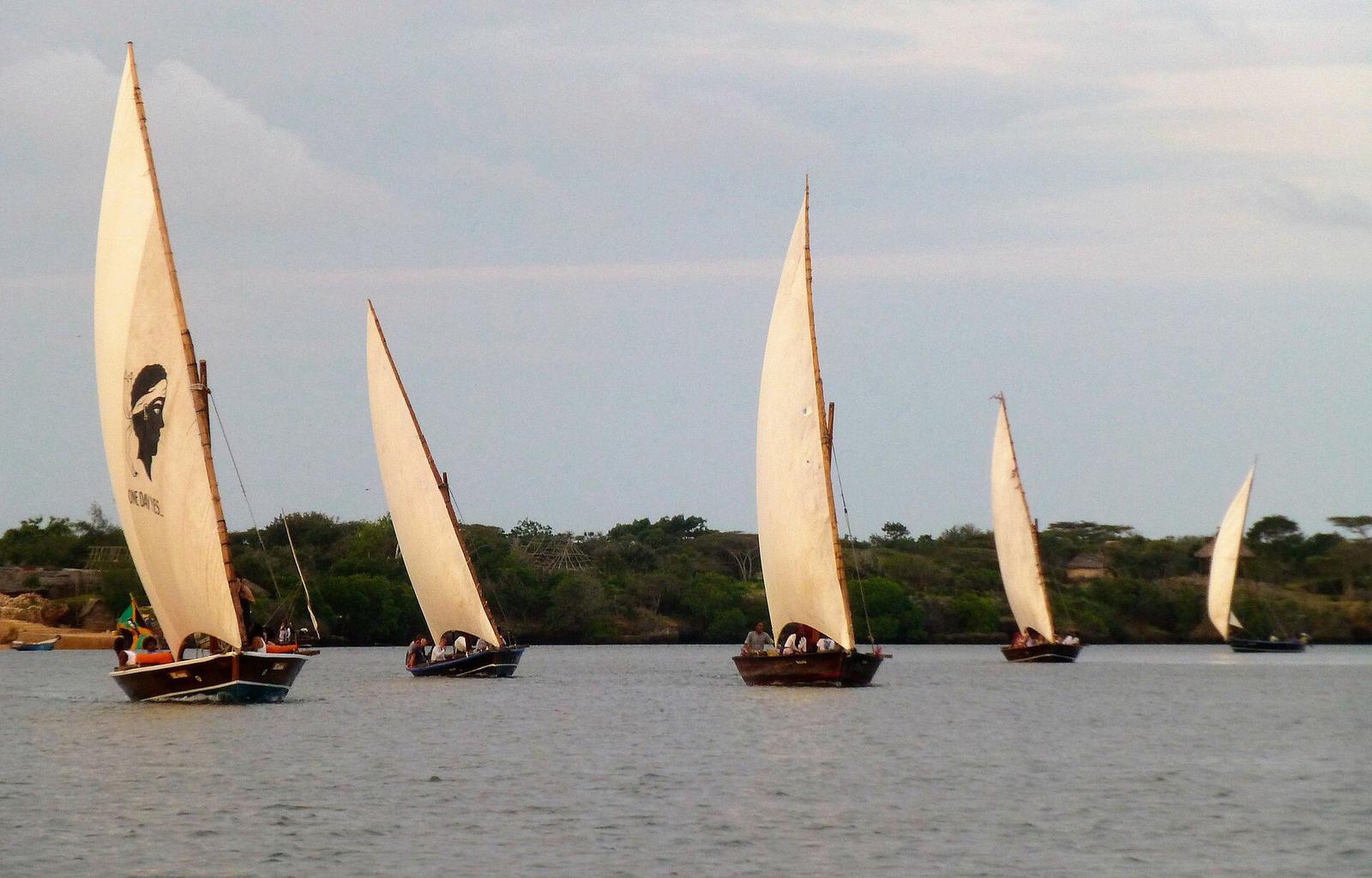
In the afternoon, on arrival, walk along the waterfront, with its boats, dhows with triangular sails, porters unloading goods and open air cafés. Then enter the lanes of the old town, squeezed between two and three storey coral stone houses with roof terraces and carved wooden doors.
At sunset climb to a roof terrace to watch the sun go down behind Manda island and the dhows coming home.
In the evening have dinner with fish, seafood and fresh fruit juice. Lamu is a conservative Muslim town: alcohol is available in only a few places.
Spend the night in Lamu.
Practical tip: in Lamu dress with shoulders and knees covered, especially in town, and always ask permission before photographing people. During Ramadan respect the fast in public.
- Day 5
Lamu: lanes, carved doors, the museum and the Swahili house
Today discover Lamu old town.
In the morning visit the Lamu Museum on the waterfront, in a colonial house, which tells the story of Swahili culture: boats, furniture, jewellery, clothing, musical instruments and two siwa, large ceremonial horns of ivory and brass used at festivals and ceremonies.
Then visit the Swahili House Museum, an eighteenth century traditional house showing how Lamu's wealthy families lived: rooms one behind another, decorated niches in the plaster walls, carved wooden beds and an inner courtyard.
In the afternoon wander through the lanes and look at the carved doors, one of Lamu's symbols: heavy teak or mangrove wood doors with geometric and floral decoration and verses from the Koran, often studded with brass. Each door was a sign of the family's wealth and status. In some workshops you see craftsmen still carving doors and furniture.
Also visit Lamu Fort, a nineteenth century fortress on the main square, now a museum, and the square itself, the heart of town life, with old men sitting on the stone benches.
In the evening listen to the call to prayer from the mosques and stroll along the waterfront.
Spend the night in Lamu.
Practical tip: Lamu's museums have a combined ticket: check. In the lanes always give way to loaded donkeys.
- Day 6
Shela, the dunes and a dhow trip
Today go to Shela, a village about three kilometres south of Lamu, reached by boat in a quarter of an hour or on foot along the shore in about an hour.
Shela is a quieter, more refined Swahili village, with white houses, hidden gardens, an eighteenth century mosque with a round minaret and a very long white sand beach, about twelve kilometres, empty and backed by great sand dunes. It is the best place on the island to swim and walk.
In the morning climb the dunes behind the village for views of the ocean and the coast, then swim in the channel between Shela and Manda island, where the water is calm.
In the afternoon take a trip on a dhow, the traditional Swahili boat with a triangular sail, with a local crew. You sail the channels between the islands of the Lamu archipelago, among mangroves and sandbanks, snorkelling or fishing, and the sailors often grill fish on board or on a beach.
At sunset the dhow returns with its sail full, as the sky turns orange over Manda island.
Spend the night in Shela or Lamu.
Practical tip: agree clearly on the price and programme of the dhow trip before setting off, and check there are life jackets. Do not go by boat towards the mainland or the islands to the north: stay in the Lamu and Manda area.
- Day 7
Matondoni, where dhows are built
Today go to Matondoni, a fishing village on the west coast of Lamu island, about an hour and a half across the island on foot or by donkey, or by boat.
Matondoni is famous because dhows are still built here by hand, with traditional techniques handed down from father to son. On the beach you see hulls under construction, with master shipwrights cutting and bending mangrove and mahogany wood, the planks fixed with nails and the hull caulked with cotton and fish oil. You also see the great sails sewn by hand. The craftsmen explain the stages of the work.
The village has houses of mud and palm leaves, a mosque and a simple life tied to the sea.
In the afternoon return to Lamu by boat through the mangrove channels, and if you have time stop to look at the mangroves from the water: the mangroves of the Lamu archipelago protect the coast, shelter young fish and provide wood for building.
In the evening have a last dinner in Lamu, on the waterfront or a roof terrace, with fish in coconut, crab and Swahili sweets.
Spend the night in Lamu.
Practical tip: the walk to Matondoni is hot with little shade: set off early and carry water. A local guide helps you find the way and talk with the craftsmen.
- Day 8
Departure
On the last day you leave Lamu. A boat takes you to the airport on Manda island, with flights to Malindi, Mombasa and Nairobi.
If your flight is in the afternoon, in the morning you can take a last walk through the old town at dawn, when the streets are quiet and fishermen come in with their catch, or have a last swim at Shela.
Before leaving buy some souvenirs: wood carvings, small model dhows, kikoi and kanga cloths, the colourful fabrics printed with Swahili proverbs, silver jewellery and coastal spices.
From Nairobi or Mombasa there are flights to Europe, usually via the Gulf or Africa.
If you have a few more days, you can add a safari in Tsavo, inland from Mombasa, or a few days at Diani, a long beach south of Mombasa. Before booking, check the current travel advice for these areas too, because the situation on the coast and inland can change from one month to the next, and travel insurance may depend on it.
Practical tip: flights from Lamu are small and may be cancelled or rescheduled: leave at least a day's margin before your international flight. Check the baggage weight limit, usually very low, and use soft bags. Plastic bags are banned in Kenya.
A Kenya few people know, slow and clear of safari: Lamu is a UNESCO site and one of the most authentic places on the African coast. Before going, check your government's travel advice on Lamu county: arrive by air, not by road. Great to add after a safari.
Before you go
- Documents and visa
- Valid passport and an eTA, applied for online on the official Kenyan government website before leaving. From 5 October 2026 compulsory government travel health insurance is also required.
- Health and vaccines
- Malaria prevention and the yellow fever vaccine are recommended. Drink only bottled water. Emergencies: 999 or 112.
- Money and payments
- Kenyan shilling. Mobile payment, M-Pesa, is everywhere; cards work in cities and lodges.
- Power sockets
- Type G, 240 volts: you need an adapter for British plugs.
- Time zone
- UTC+3 all year.
- Safety
- The United States has rated Kenya level 3 since 19 October 2026 (Ebola, crime, kidnapping, terrorism, unrest). Do not travel: Garissa, Wajir, Mandera, Lamu, Tana River (except Tsavo), Kilifi north of the C103 road, the coast north of Malindi, Marsabit and Turkana within 50 km of Ethiopia. Official advice: GOV.UK.
Information checked in November 2026 for Italian and EU citizens. Rules change: always check before you travel.
Variations
In 5 days: Mombasa and Watamu only, without Lamu.
In 11 days: add a safari in Tsavo or a few days on the beach at Diani.
Frequently asked questions
Is it safe to go to Lamu?
The United States advises against Lamu County. The United Kingdom and Canada consider only the islands of Lamu and Manda, reached by air, acceptable. Check current advice before leaving.
Do I need a visa?
You need an electronic travel authorisation, applied for online before departure. Check the current requirements.
When is the best time to go?
December to March and July to October. In April and May it rains heavily.
Indicative itinerary written by World Atlas. Before booking, check timetables, seasonal openings, documents and safety.
 7 daysModerate
Masai Mara and Lake Nakuru
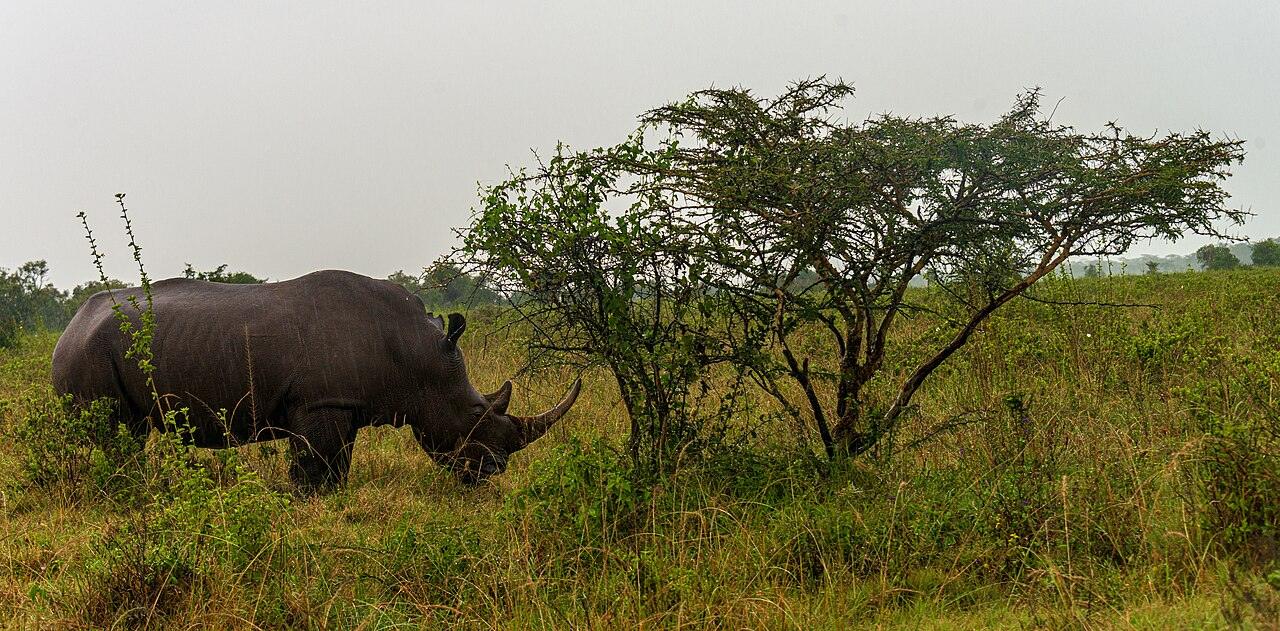
Africa's most famous safari in one week: rhinos at Nakuru, hippos at Naivasha and three days in the Masai Mara.
 15 daysModerate
Samburu, Masai Mara, Amboseli and the coast
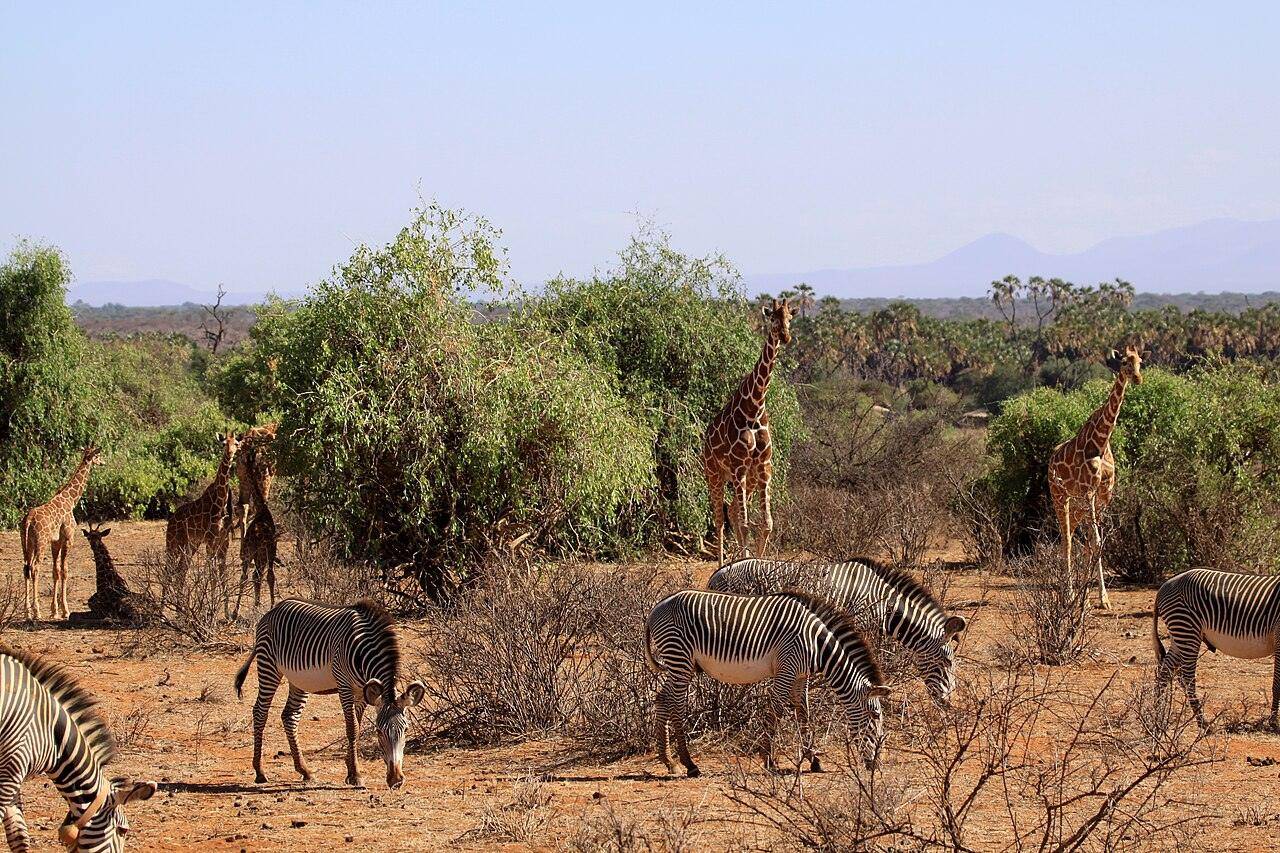
The fullest Kenya: rare northern species, the great savannah, elephants below Kilimanjaro and a finale in Diani.
 12 daysModerate
Magical Kenya: Samburu, the Rift Valley lakes and the Maasai Mara
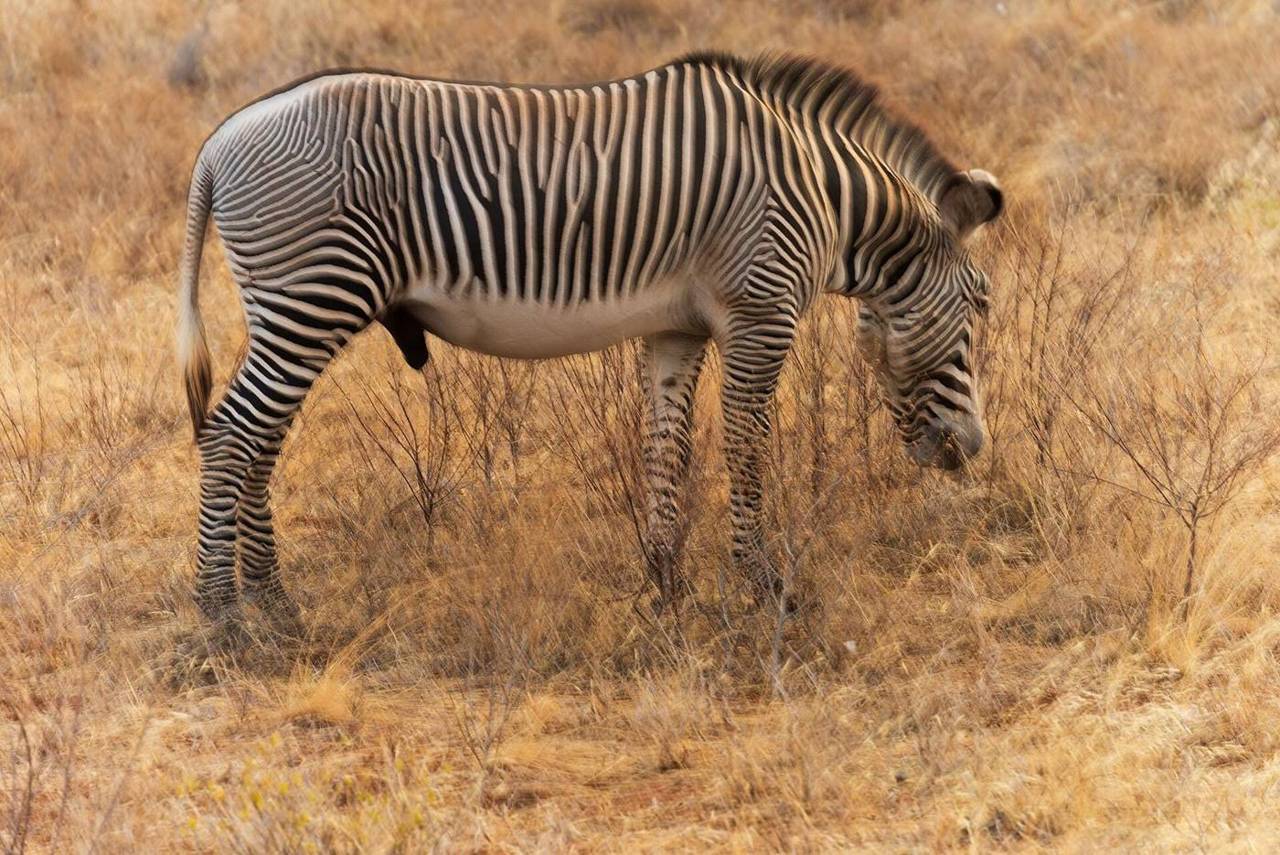
From Mount Kenya to the dry savannahs of the north, then down the Rift Valley lakes to the Maasai Mara: complete Kenya in under two weeks.