Masai Mara and Lake Nakuru
Africa's most famous safari in one week: rhinos at Nakuru, hippos at Naivasha and three days in the Masai Mara.
- Nairobi
- Lake Nakuru
- Lake Naivasha
- Masai Mara
Day by day
- Day 1
Nairobi: the elephant orphanage and the Giraffe Centre
To enter Kenya EU citizens must apply online for the eTA, the electronic travel authorisation, on the official Kenyan government website before leaving. From 5 October 2026 Kenya also requires visitors to have compulsory government travel health insurance: check the current rules on the official website. The US State Department raised Kenya to level 3, reconsider travel, on 19 October 2026, partly because of an Ebola outbreak in the region: check your government's travel advice before leaving.
Nairobi, the capital, is a large modern city on the edge of the savannah. In the morning visit the Sheldrick Wildlife Trust elephant orphanage in Nairobi National Park, where baby elephants orphaned by poaching or drought are cared for. Visits take place at a set time in the morning, when keepers bring the young elephants to drink milk from giant bottles and play in the mud.
In the afternoon go to the Giraffe Centre in the Langata district, which protects the Rothschild's giraffe, a rare subspecies. From a raised platform you feed the giraffes, which stretch out their long dark tongues.
Nearby is the house of Karen Blixen, the Danish author of Out of Africa, now a museum.
Practical tip: in Nairobi do not walk alone at night, do not show valuables and use taxis booked through apps or hotels.
- Day 2
Lake Nakuru National Park and the rhinos
Early in the morning head north-west along the Rift Valley, the great fracture in the earth's crust that runs through East Africa. After about half an hour the road reaches a spectacular viewpoint over the valley, with extinct volcanoes and lakes on its floor. In about three hours you reach Lake Nakuru National Park.
Lake Nakuru is an alkaline lake surrounded by forests of yellow fever trees and cliffs. It was famous for the millions of pink flamingos that coloured its shores; in recent years the lake level has risen considerably and its composition has changed, and the flamingos have declined, but you still see some, together with pelicans and many other birds.
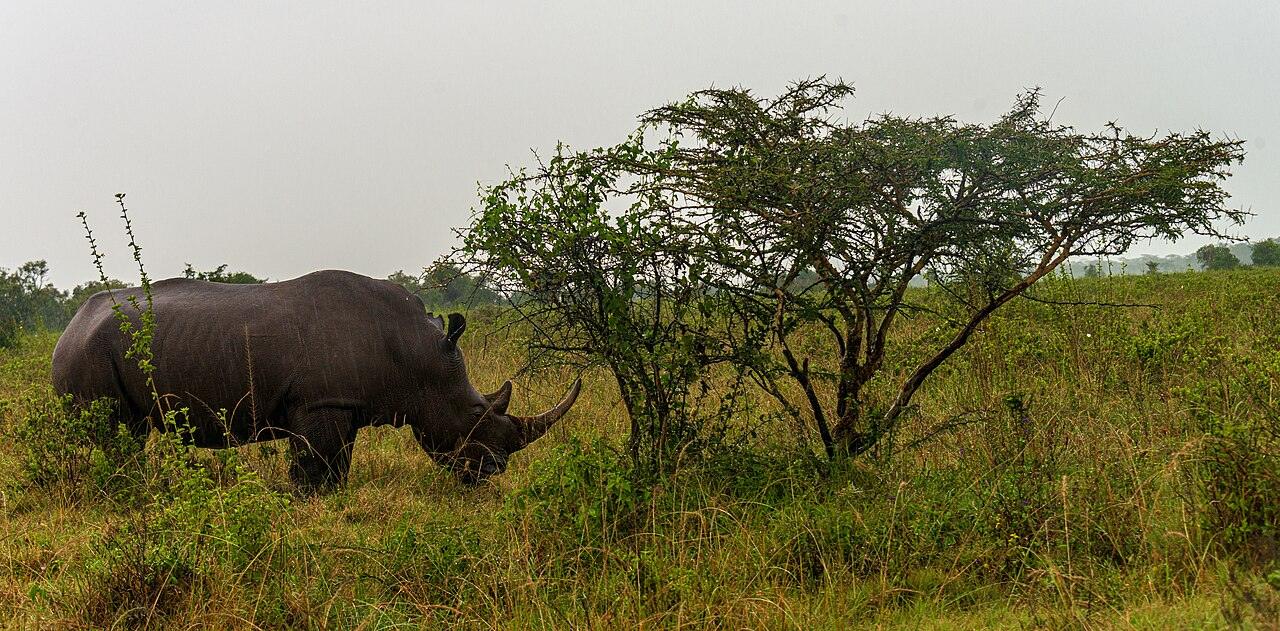
The park is above all a rhino sanctuary, protected by a fence: one of the best places in Kenya to see both the white rhino, larger and with a wide mouth for grazing, and the black rhino, smaller and shy, which browses on bushes. Both species were nearly wiped out by poaching for their horn.
The park is also home to lions, leopards, buffalo, Rothschild's giraffes and large pythons in the forest. Climb to Baboon Cliff lookout for a view over the whole lake.
In the evening stay in a lodge near the park. Practical tip: in the parks always stay in the vehicle; get out only at marked spots such as lookouts, and follow your guide's instructions.
- Day 3
Lake Naivasha and Crescent Island
In the morning drive south to Lake Naivasha, about an hour and a half from Nakuru, one of the few freshwater lakes in the Rift Valley, surrounded by acacia trees and flower farms growing for export to Europe.
Take a boat trip on the lake of about an hour to see hippos, which spend the day in the water and come out at night to graze. The guide keeps a safe distance, because hippos are among Africa's most dangerous animals. You also see African fish eagles diving for fish thrown by the guide, and many waterbirds.
The boat takes you to Crescent Island, a crescent-shaped peninsula where you go on a walking safari with a guide, without a vehicle, among giraffes, zebras, wildebeest, waterbuck and gazelles. There are no large predators on the peninsula, which is why you can walk calmly among the animals. Some scenes of the film Out of Africa were shot here.
In the afternoon, if you like, visit Hell's Gate National Park, a few kilometres away, with red rock gorges and volcanic columns, where you can cycle among zebras and buffalo and walk through a narrow canyon with a guide.
In the evening stay at Naivasha. Practical tip: in the Hell's Gate gorge, rain can cause sudden floods; do not enter the canyon without a guide or under a threatening sky.
- Day 4
To the Masai Mara
In the morning leave for the Masai Mara National Reserve, Kenya's most famous, about five or six hours by road from Naivasha, with the last stretch on dirt roads. Alternatively, small planes link Nairobi with the Mara airstrips in under an hour, a convenient but more expensive choice.
The Masai Mara is the Kenyan continuation of Tanzania's Serengeti and part of the same great ecosystem: golden grass savannahs, hills, umbrella acacias and the Mara and Talek rivers. It is managed by Narok County. For a non-resident adult entry costs 100 US dollars per day from January to June and 200 dollars per day from July to December: check whether it is included in your safari price.
On the way you pass Maasai villages, with herders and their cattle. The Maasai are a pastoral people living across Kenya and Tanzania, known for red cloaks, beaded necklaces and the jumping dance of the men.
In the afternoon, after arriving at camp, the first game drive at sunset: with luck you already see lions, elephants, giraffes and the great herds of wildebeest and zebras.
In the evening sleep in a tented camp in the reserve or in the nearby protected areas called conservancies, run together with Maasai communities. Practical tip: in conservancies vehicle numbers are limited and walking and night safaris, forbidden in the reserve, are also possible.
- Day 5
The Masai Mara and the Great Migration
Today is a full day of game drives in the Masai Mara, starting at dawn, when the light is soft and predators are active. The Mara has one of the highest densities of lions in Africa, and you often see whole prides, with dark-maned males, lionesses and cubs. Cheetahs and leopards are also common, especially along the rivers and in trees.
Between July and October the Great Migration arrives: more than a million wildebeest, with hundreds of thousands of zebras and gazelles, come up from the Serengeti in search of fresh grass. The herds cross the Mara River at particular points, plunging into the water en masse while crocodiles wait: one of nature's most spectacular scenes. You cannot predict when a crossing will happen: sometimes you wait for hours on the bank, in silence.
For the rest of the year the Mara remains extremely rich in wildlife, with fewer vehicles and lower prices.
Lunch is at camp or as a picnic on the savannah in the shade of an acacia. In the afternoon the drive resumes until sunset, when vehicles must return.
Practical tip: at crossing points guides must stay back from the bank and not block the animals' path; choose operators who follow the reserve rules, even when other vehicles get too close.
- Day 6
The Masai Mara and a Maasai village
At dawn, if you wish, take a hot-air balloon flight over the Masai Mara, one of the finest ways to see the savannah and its animals from above, followed by breakfast in the bush. It is expensive: book in advance with a licensed operator.
In the morning continue the safari, looking for animals you have not yet seen: elephants with calves, buffalo, Maasai giraffes, hyenas, hippos in the Mara River and crocodiles on the banks, as well as birds such as the martial eagle and the secretary bird, a long-legged raptor that hunts snakes on the ground. Black rhinos are present in the Mara but very rarely seen.
In the afternoon visit a Maasai village, called a manyatta, with low houses of mud, dung and branches arranged in a circle around the cattle enclosure. The inhabitants show the men's jumping dance, how they light fire with sticks and community life. Choose a visit organised with the community, where payment goes to the village, and ask permission before photographing people.
The last game drive at sunset is one of the finest moments of the trip, with an orange sky behind the acacias.
Practical tip: tipping guides and camp staff is customary in Kenya and part of their income; ask your operator for recommended amounts.
- Day 7
Back to Nairobi
Early in the morning, if there is time, take a last short game drive at dawn, then leave for Nairobi, about five or six hours by road, or take a small plane from the Mara airstrips in under an hour.
On the way stop again at the Rift Valley viewpoint, overlooking the valley and Mount Longonot volcano. In the villages along the road, crafts in wood and soapstone are sold.
In Nairobi, if your flight leaves in the evening, you can visit the National Museum of Kenya, with collections on the prehistory of the Rift Valley, where some of the oldest fossils of human ancestors have been found, and on the cultures of Kenya's peoples. Alternatively the Maasai Market, which moves between different districts during the week, sells fabrics, beaded jewellery and carvings.
Things to take home: Kenyan coffee and tea, among the best in the world, kikoi and shuka fabrics, the red checked Maasai cloak, beaded jewellery bought directly from the women who make it, and carvings in wood and Kisii soapstone.
Practical tip: Kenya has banned plastic bags, which can be confiscated at the airport; use cloth bags. Do not buy ivory, horn, skins or shells: they are forbidden. Reach Nairobi's Jomo Kenyatta airport at least three hours before international flights, because security checks begin at the entrance.
The most accessible African safari for a first time, with the chance to see the great migration from July to October. In those months the Masai Mara is also busy and prices rise. Three days in the Mara is the minimum, four would be better.
Before you go
- Documents and visa
- Valid passport and an eTA, applied for online on the official Kenyan government website before leaving. From 5 October 2026 compulsory government travel health insurance is also required.
- Health and vaccines
- Malaria prevention and the yellow fever vaccine are recommended. Drink only bottled water. Emergencies: 999 or 112.
- Money and payments
- Kenyan shilling. Mobile payment, M-Pesa, is everywhere; cards work in cities and lodges.
- Power sockets
- Type G, 240 volts: you need an adapter for British plugs.
- Time zone
- UTC+3 all year.
- Safety
- The United States has rated Kenya level 3 since 19 October 2026 (Ebola, crime, kidnapping, terrorism, unrest). Do not travel: Garissa, Wajir, Mandera, Lamu, Tana River (except Tsavo), Kilifi north of the C103 road, the coast north of Malindi, Marsabit and Turkana within 50 km of Ethiopia. Official advice: GOV.UK.
Information checked in November 2026 for Italian and EU citizens. Rules change: always check before you travel.
Variations
In 5 days: Nairobi, Lake Naivasha and three days in the Masai Mara, skipping Lake Nakuru.
In 12 days: after the Masai Mara add Amboseli, with elephants beneath Kilimanjaro, and a few beach days at Diani.
Frequently asked questions
What do I need to enter Kenya?
EU citizens must apply online for the eTA on the official Kenyan government website. From 5 October 2026 compulsory government travel health insurance is also required: check the current rules.
How much is the Masai Mara?
For a non-resident adult entry costs 100 US dollars per day from January to June and 200 dollars per day from July to December. It is usually included in the safari price, but it is worth checking.
When can you see the Mara River crossings?
Between July and October, when the Great Migration arrives from the Serengeti. Crossings cannot be predicted: sometimes you wait for hours on the bank.
Indicative itinerary written by World Atlas. Before booking, check timetables, seasonal openings, documents and safety.
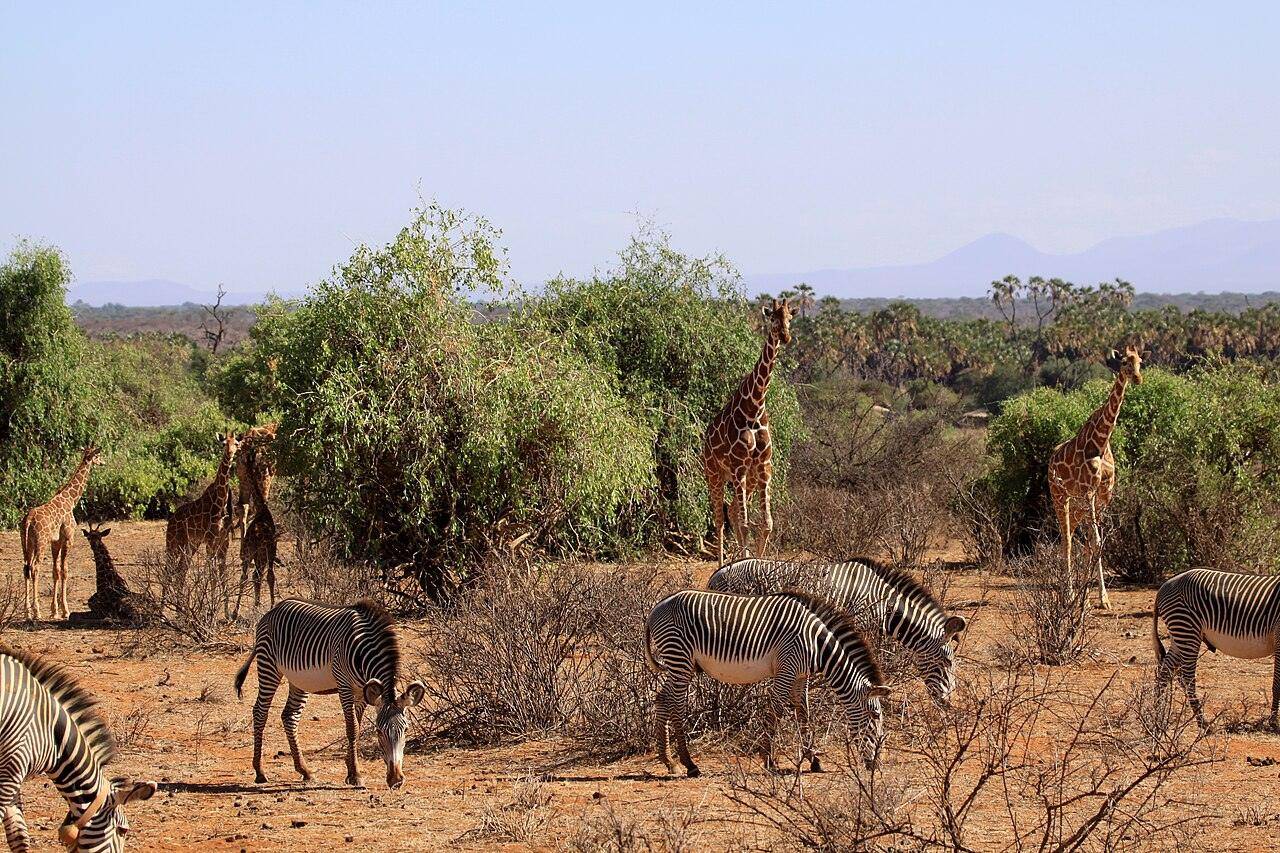 15 daysModerate
Samburu, Masai Mara, Amboseli and the coast
The fullest Kenya: rare northern species, the great savannah, elephants below Kilimanjaro and a finale in Diani.
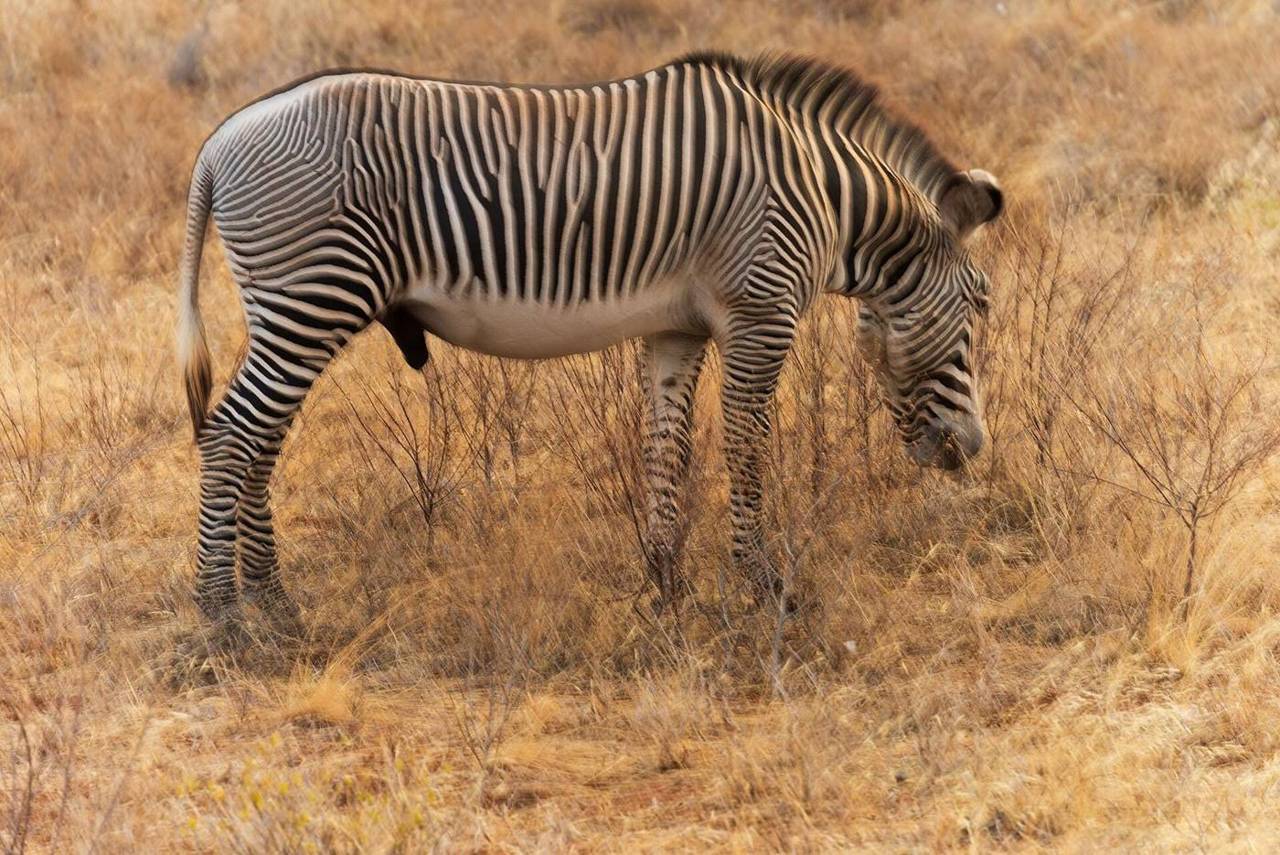 12 daysModerate
Magical Kenya: Samburu, the Rift Valley lakes and the Maasai Mara
From Mount Kenya to the dry savannahs of the north, then down the Rift Valley lakes to the Maasai Mara: complete Kenya in under two weeks.
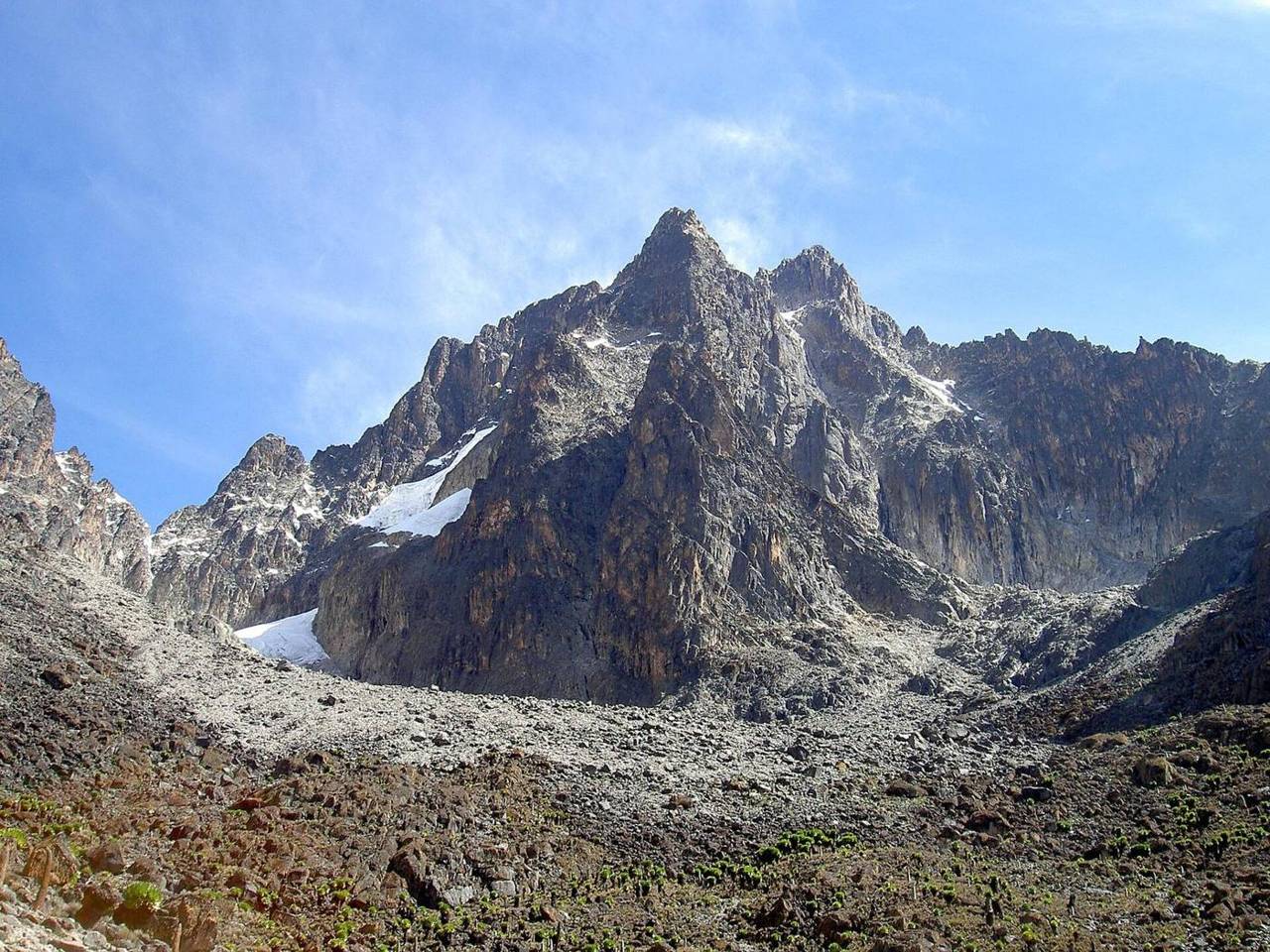 15 daysChallenging
Mount Kenya: trekking to Point Lenana
A circuit of Africa's second mountain, with glacial lakes, giant lobelias and the trekking summit of Point Lenana at 4,985 metres, then the Rift Valley parks.