Magical Kenya: Samburu, the Rift Valley lakes and the Maasai Mara
From Mount Kenya to the dry savannahs of the north, then down the Rift Valley lakes to the Maasai Mara: complete Kenya in under two weeks.
- Nairobi
- Mount Kenya
- Samburu
- Buffalo Springs
- Lake Bogoria
- Lake Baringo
- Lake Nakuru
- Masai Mara
Day by day
- Day 1
Arrival in Nairobi
This trip crosses Kenya from north to south west: the semi arid reserves of Samburu with their northern wildlife, the Rift Valley lakes with geysers, flamingos and rhinos, and finally the savannah of the Masai Mara. You travel by four wheel drive with a driver guide, as on almost all safaris in the country.
Before you leave: Italian citizens need a valid passport; check entry requirements, including the electronic travel authorisation to be requested online. Other nationalities should check their own rules. Since 19 October 2026 the United States rates Kenya at level 3, meaning reconsider travel, because of crime, kidnapping, terrorism, unrest and the health situation: in October there were Ebola cases in the country. The areas in this trip are not among those where the United States says do not travel, but check updated advice before leaving and follow your guide's instructions.
You arrive at Nairobi airport after a flight with one stop. Your driver waits for you at the exit.
Nairobi is a large city on the highlands, at almost 1,700 metres, with a mild climate. The first day is for resting. If you arrive early, in the evening dine in a city restaurant on nyama choma, grilled meat, and ugali, white maize porridge.
Sleep in Nairobi.
Practical tip: in Nairobi do not walk in the evening and do not show your phone and money in the street. Use taxis booked by your lodging.
- Day 2
The slopes of Mount Kenya and the equator
Today you head north and climb towards the slopes of Mount Kenya.
From Nairobi the road crosses the fertile countryside of the central highlands, with coffee and tea plantations, fields of maize and bananas, and the villages of the Kikuyu, the most numerous people of Kenya. The journey to Nanyuki takes about four hours.
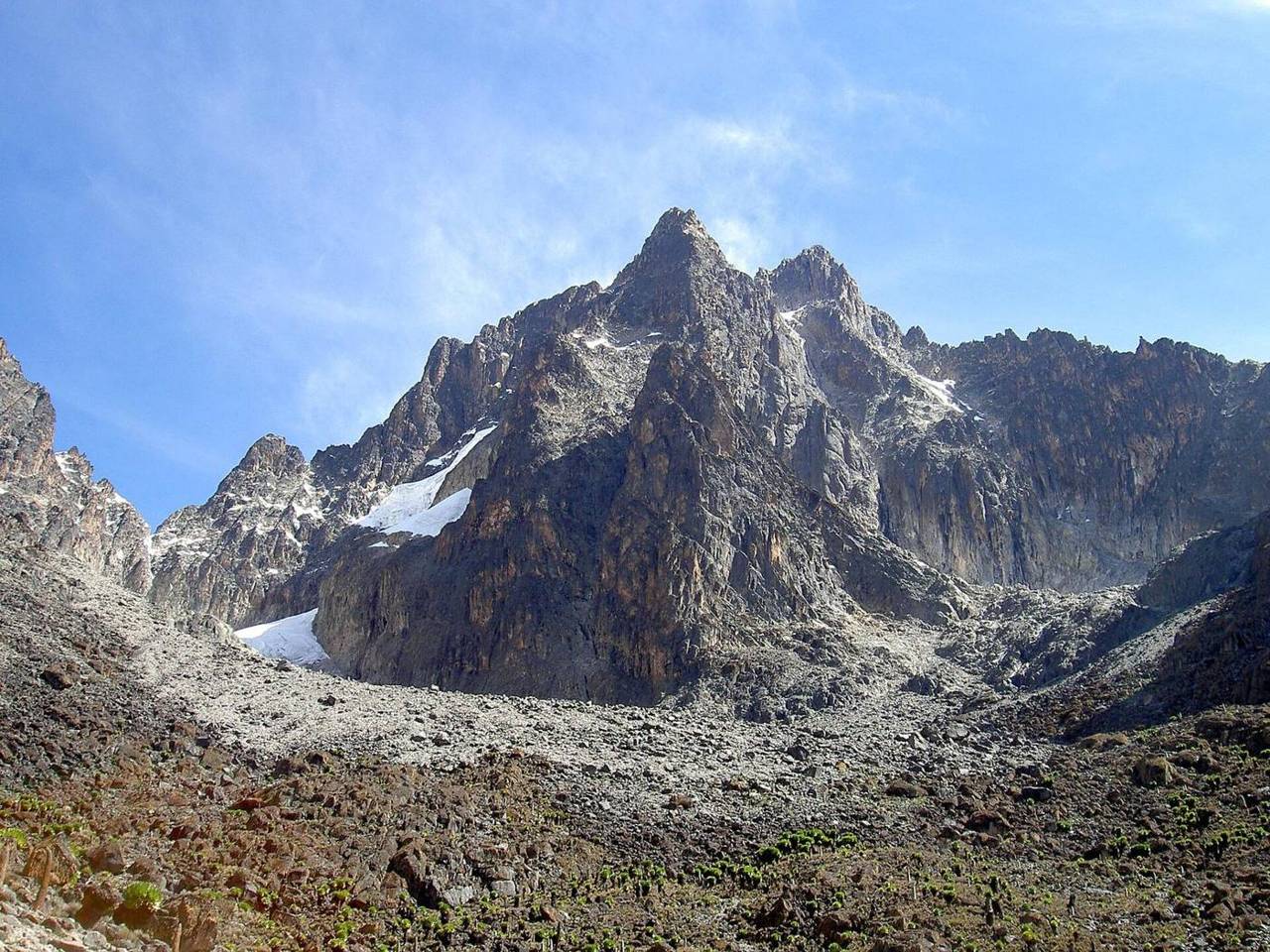
Mount Kenya is the second highest mountain in Africa, over 5,100 metres, with glaciers at the top and forests on its flanks. For the Kikuyu it is the sacred mountain, the home of their god. With a clear sky, especially early in the morning, you see the rock peaks.
At Nanyuki, the town at the foot of the mountain, the equator line passes. There is a sign and someone often shows with a basin of water how water turns in different directions north and south of the line. It is a show for tourists, not a serious experiment.
In the afternoon sleep in lodging on the slopes of the mountain or on the Laikipia plateau, where there are private reserves with many animals.
In the evening, at almost 2,000 metres, it is cool: dinner is often by the fire.
Sleep near Nanyuki.
Practical tip: bring a fleece and a jacket. On the highlands the temperature drops a lot at night.
- Day 3
Samburu: the animals of the north
Today you head down north, into the Samburu and Buffalo Springs reserves, and go on your first safari.
From Nanyuki the road descends from the highlands to the dry plains of the north. The landscape changes in a few hours: from green countryside to red, dusty land, with acacias, doum palms and isolated rock mountains. In about three hours you reach the reserves.
Samburu and Buffalo Springs are two neighbouring reserves, separated by the Ewaso Nyiro River, the only permanent water in the area. The animals gather along the river, especially in the dry season.
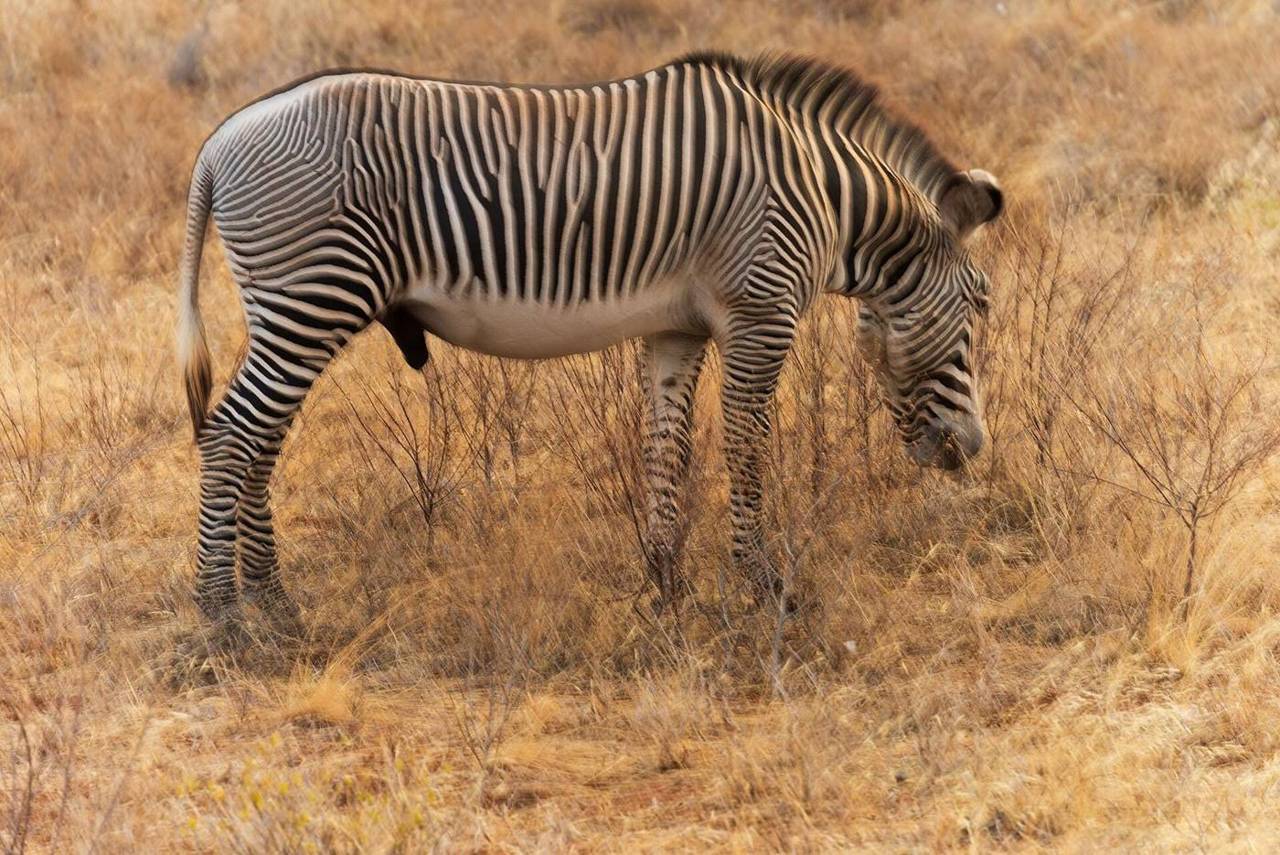
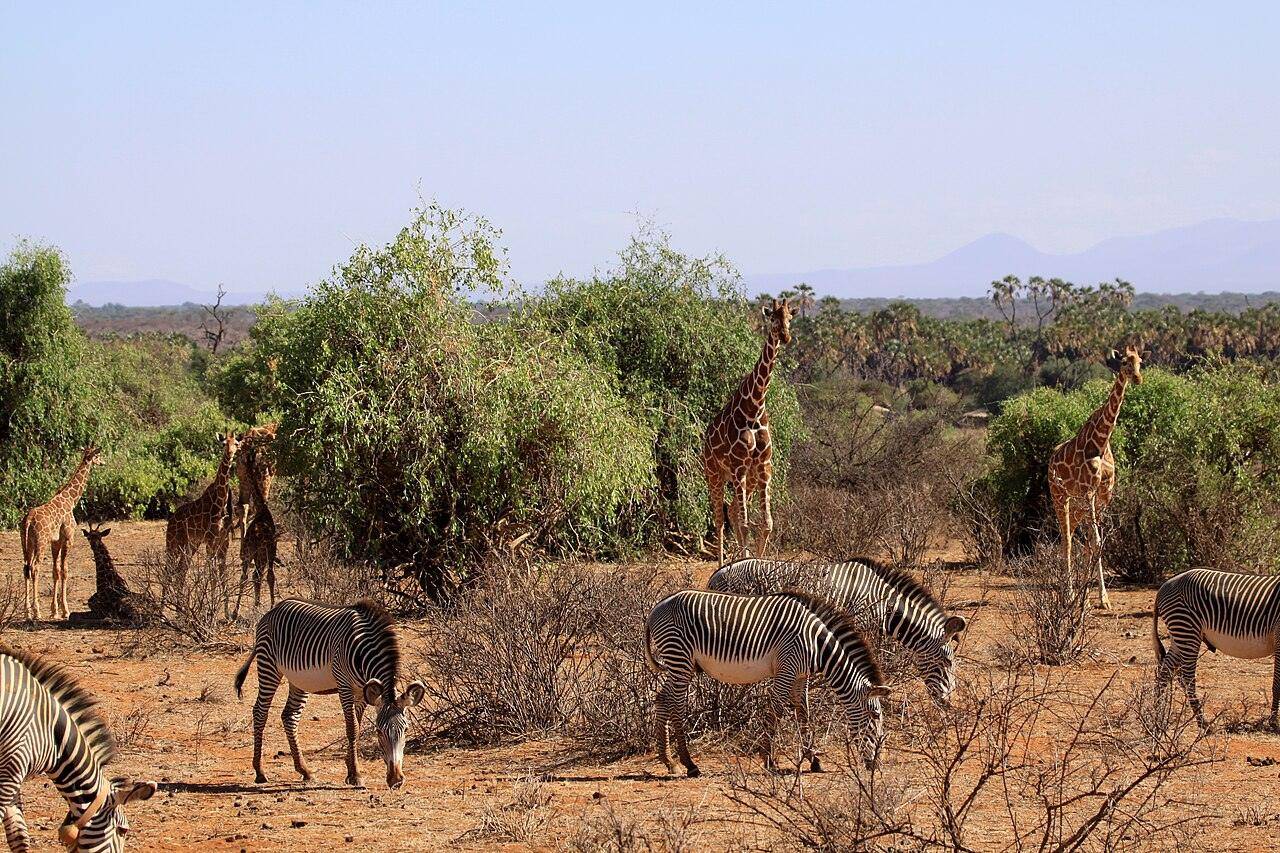
Here live species not seen in southern Kenya, called the Samburu special five: Grévy's zebra, larger, with fine stripes and a white belly; the reticulated giraffe, with patches drawn like a net; the beisa oryx, an antelope with straight horns; the gerenuk, the long necked antelope that stands on its hind legs to eat leaves; the Somali ostrich, with blue legs.
In the afternoon take your first safari along the river. You also see elephants coming down to drink and sometimes lions and leopards.
Sleep in a tented camp or lodge in the reserve.
Practical tip: Samburu is hot and dusty. Bring a scarf to cover your nose and mouth in the vehicle.
- Day 4
Samburu and Samburu culture
Today you spend another day in Samburu, between safaris and meetings with the people who give the reserve its name.
At dawn go out for the morning safari, when the animals are most active and the light is soft. Along the river elephants dig in the sand to find water, crocodiles bask on the banks, baboons and vervet monkeys play in the trees. On the plains look for lions, cheetahs and leopards, which here are often easier to see than elsewhere.
At midday rest at the camp, when it is too hot for animals and people.
In the afternoon, if you like, visit a Samburu village with a guide. The Samburu are semi nomadic herders, related to the Maasai, with their red clothes and coloured bead necklaces. They live from livestock: cows, goats and camels. Many villages are used to visitors: ask beforehand how much the visit costs, who the money goes to and whether photos are allowed.
At sunset return to the river for the last safari. In the evening, at the camp, look at the starry sky: here the air is dry and the stars are countless.
Sleep in Samburu.
Practical tip: in villages always ask permission before photographing people. Many prefer not.
- Day 5
Lake Bogoria: geysers and flamingos
Today you head west, into the Rift Valley, to Lake Bogoria.
The Rift Valley is the great fracture in the earth's crust that crosses East Africa from the Red Sea to Mozambique. In Kenya it forms a long valley with steep walls, extinct volcanoes and a chain of lakes, some fresh water and others salt.
From Samburu to Lake Bogoria takes about five or six hours by road, descending from the highlands to the valley floor. Ask your guide about the conditions of the road and the area.
Lake Bogoria is a hot salt lake, at the foot of a rock wall. On the shore are hot springs and geysers: boiling water bursts from the ground in jets and clouds of steam. Do not get too close and do not touch the water: it is boiling and the ground around is fragile.
The lake is often home to thousands of lesser flamingos, which eat the algae of the salt water and colour the shore pink. Their numbers change a lot with the years and the water level.
In the reserve you also see greater kudu, large antelopes with spiral horns.
Sleep near Lake Bogoria or Lake Baringo.
Practical tip: the floor of the Rift Valley is very hot. Drink plenty of water and cover your head.
- Day 6
Lake Baringo by boat
Today you visit Lake Baringo, a short distance from Bogoria, but fresh water.
Early in the morning board a boat with a local boatman. The lake is a paradise for birds: hundreds of species are counted. The boatman whistles and throws a fish into the water: the African fish eagle swoops down and takes it in its talons. You also see kingfishers, herons, cormorants, and groups of hippos and crocodiles near the shores.
The boat passes near the islands of the lake and the fishing villages. On the shores live the Il Chamus, a small people of herders and fishermen, related to the Maasai, who fish on small rafts made of light wood.
In the afternoon, if you like, walk with a guide along the cliffs near the lake, home to rare birds such as owls and nightjars, or visit an Il Chamus village.
The level of Lake Baringo, like that of the other Rift Valley lakes, has risen a lot in recent years and has submerged houses and roads: ask your guide how life has changed for the communities.
In the evening dine on fish from the lake, fried tilapia.
Sleep near Lake Baringo.
Practical tip: do not swim in the lake. There are crocodiles and hippos.
- Day 7
Lake Nakuru: white and black rhinos
Today you travel down the Rift Valley to Lake Nakuru National Park.
From Baringo to Nakuru takes about two and a half hours. The park surrounds a salt lake at the foot of hills and cliffs, with woods of yellow acacias and a forest of candelabra euphorbias.
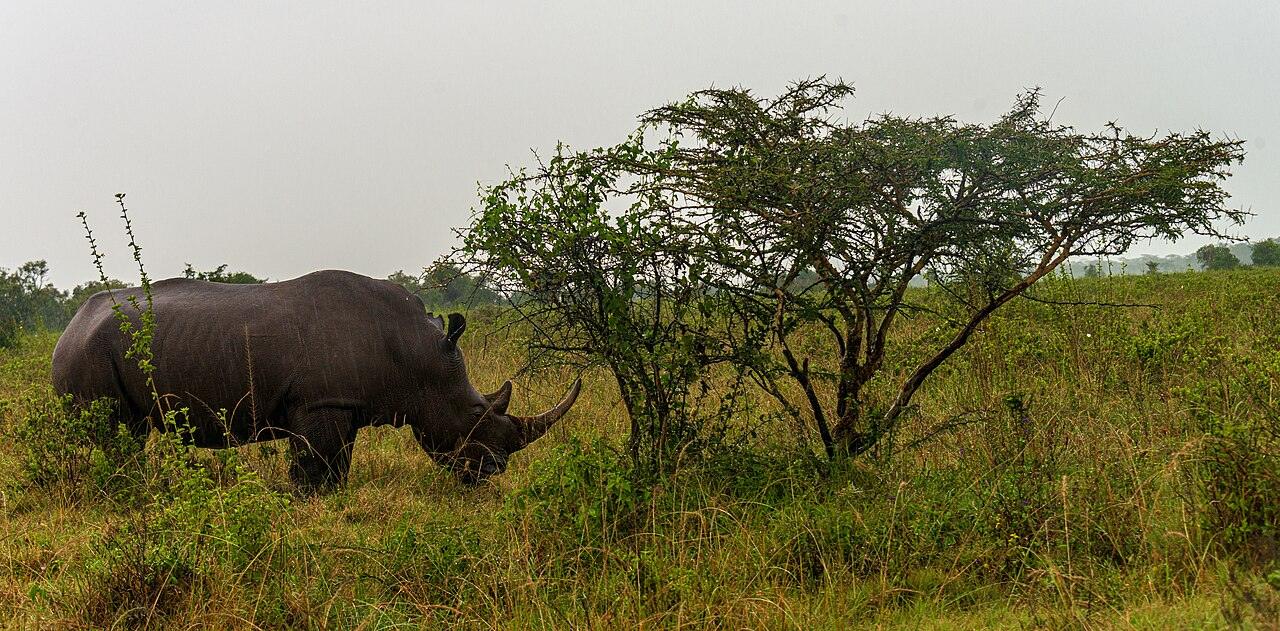
Lake Nakuru is a rhino sanctuary, fenced to protect them from poaching. Here you easily see white rhinos, grazing the grass on the meadows near the lake, and with some luck black rhinos, shyer, in the woods. The park is also home to Rothschild's giraffes, buffalo, lions, leopards, waterbuck and baboons.
The lake was once famous for its millions of flamingos. Today, with higher and less salty water, flamingos are far fewer, but pelicans and many other birds remain.
In the afternoon climb to the Baboon Cliff viewpoint, on the cliff above the lake, to see the park from above.
The park ticket is paid online before entry: check prices and rules of the Kenya Wildlife Service.
Sleep in the park or in Nakuru.
Practical tip: in the park you get out of the vehicle only at viewpoints and marked rest areas. Keep the windows half closed near baboons: they jump into vehicles looking for food.
- Day 8
To the Masai Mara
Today you head south west, to the Masai Mara, Kenya's most famous reserve.
From Nakuru to the Masai Mara takes about five or six hours by road. You cross the Rift Valley and then climb onto the Maasai plateau, between wheat fields and pastures. The last hours are on dusty dirt roads with many potholes. You arrive in time for lunch.
The Masai Mara is a great savannah of open grassland and hills, crossed by the Mara and Talek rivers. At the border with Tanzania it continues into the Serengeti: together they form one of the richest wildlife ecosystems in the world.
The reserve fee is paid every day and is expensive: check current prices with your agency or with the body that manages the reserve. Around the reserve are the conservancies, private areas run together with Maasai communities, with fewer vehicles and stricter rules.
In the afternoon take your first safari. The Mara is famous for big cats: lions, cheetahs and leopards. You also see elephants, giraffes, zebras, wildebeest, topi, gazelles, hyenas and jackals.
At sunset the savannah turns golden and the acacias stand out against the sky.
Sleep in a tented camp in the Mara or in a conservancy.
Practical tip: in the Mara the guide must respect the rules on distance from animals. Ask them not to chase the cats with other vehicles.
- Day 9
The Masai Mara at dawn and the great migration
Today is a full day in the Masai Mara.
At dawn go out in the four wheel drive: it is the best time to see predators hunting or returning from the night's hunt. The Mara's lions live in large prides and are often seen resting in the tall grass or under an acacia.
Alternatively, at dawn you can take a hot air balloon flight over the savannah, with breakfast on the grassland after landing. It is expensive and must be booked ahead: check prices and conditions.
From July to October, usually, the great migration reaches the Mara: millions of wildebeest and hundreds of thousands of zebras and gazelles move from the Serengeti in search of fresh grass. The most famous moment is the crossing of the Mara River, when the wildebeest plunge into the water among the crocodiles. You never know when it will happen: sometimes you wait for hours. The migration dates change every year with the rains.
At midday a packed lunch on the savannah, under a tree, or return to the camp.
In the afternoon continue the safari towards the Mara River, home to huge hippos and crocodiles.
Sleep in the Mara.
Practical tip: bring a hat and sunscreen. The vehicle roof is open and the sun at the equator is very strong.
- Day 10
The Mara and a Maasai village
Today is the last day in the Masai Mara.
In the morning take the last safari, looking for the animals you have not yet seen. The leopard is the hardest: it lives in the trees along the rivers and hunts at night. The cheetah is often seen on the open plains, sitting on a mound or even on the bonnet of vehicles.
In the afternoon, if you like, visit a Maasai village near the reserve with a guide. The Maasai are herders, famous for their red cloaks, bead jewellery and the leaps of the warriors' dance. They live in villages surrounded by a fence of thorny branches, with low houses made of branches, mud and dung. Women build the houses. You also see how fire is lit with sticks and the life of the livestock.
Many villages ask for a ticket for the visit and then offer craft objects for sale. Ask the price first and how the money is shared in the community.
At sunset, at the camp, there is often a sundowner, a drink while watching the sun go down over the savannah.
Sleep in the Mara.
Practical tip: keep small notes in shillings or dollars for tips to the guide and camp staff, at the end of your stay.
- Day 11
Back to Nairobi and the baby elephant centre
Today you return to Nairobi.
You can go back by four wheel drive, about six hours, or by light aircraft from the Mara airstrips to Nairobi's Wilson airport, in about an hour, with a fine view of the Rift Valley. The flight costs more and luggage must be in soft, light bags: check the maximum weight.
In the afternoon, in Nairobi, visit the orphaned baby elephant centre, in Nairobi National Park. Here young elephants left without mothers by poaching, drought or conflict with people are cared for and prepared to return to the wild. At a set time you see the keepers feeding milk from large bottles and the calves playing in the mud. Visits take place only at certain times and with limited numbers: check and book.
Alternatively visit the giraffe centre, where you feed Rothschild's giraffes from a high platform, or the museum in the house of Karen Blixen, the Danish author of Out of Africa.
In the evening a last dinner in Nairobi.
Sleep in Nairobi.
Practical tip: Nairobi National Park is a few kilometres from the skyscrapers. If you have time at dawn, a safari here shows lions and rhinos with the city in the background.
- Day 12
Departure from Nairobi
On the last day you leave from Nairobi international airport.
If your flight is in the afternoon or evening, in the morning you can take a short safari in Nairobi National Park, one of the few parks in the world next to a capital, with lions, rhinos, giraffes and buffalo, and skyscrapers on the horizon.
Alternatively, visit the National Museum of Kenya, with collections on the prehistory of East Africa, where some of the oldest human fossils in the world were found, and on the cultures of Kenya's peoples. Check times and closing days.
Go to the airport well in advance: Nairobi traffic is very slow and there is more than one security check.
What to take home: Kenyan tea and coffee, among the best in the world, Maasai bead jewellery, red checked shuka blankets, woven sisal baskets, wood carvings and Kisii soapstone sculptures.
This trip shows the variety of Kenya: the dry north with its special animals and Samburu herders, the Rift Valley lakes with geysers, birds and rhinos, and the great savannah of the Mara with its big cats and, in the right season, the migration.
Practical tip: plastic bags are banned in Kenya. Do not put any in your luggage, not even for shoes.
The best Kenya for a once-in-a-lifetime trip: Samburu and the lakes add landscapes and animals the Mara alone can't give. Roads north are long, but the pace stays humane. From July to October the migration is in the Mara, the most spectacular (and busiest) time.
Before you go
- Documents and visa
- Valid passport and an eTA, applied for online on the official Kenyan government website before leaving. From 5 October 2026 compulsory government travel health insurance is also required.
- Health and vaccines
- Malaria prevention and the yellow fever vaccine are recommended. Drink only bottled water. Emergencies: 999 or 112.
- Money and payments
- Kenyan shilling. Mobile payment, M-Pesa, is everywhere; cards work in cities and lodges.
- Power sockets
- Type G, 240 volts: you need an adapter for British plugs.
- Time zone
- UTC+3 all year.
- Safety
- The United States has rated Kenya level 3 since 19 October 2026 (Ebola, crime, kidnapping, terrorism, unrest). Do not travel: Garissa, Wajir, Mandera, Lamu, Tana River (except Tsavo), Kilifi north of the C103 road, the coast north of Malindi, Marsabit and Turkana within 50 km of Ethiopia. Official advice: GOV.UK.
Information checked in November 2026 for Italian and EU citizens. Rules change: always check before you travel.
Variations
In 7 days: only Lake Nakuru and the Masai Mara, starting and ending in Nairobi.
In 15 days: add Amboseli with Kilimanjaro in the background and a few days by the sea at Diani.
Frequently asked questions
What documents do I need?
A valid passport and the electronic travel authorisation, to be requested online: check requirements before leaving. Other nationalities should check their own rules.
Is it safe to go to Kenya now?
Since 19 October 2026 the United States rates Kenya at level 3, partly for the health situation. The areas of this trip are not among those to avoid, but check updated advice and travel with a reputable agency.
When can you see the great migration?
Usually in the Masai Mara from July to October, but the dates change every year with the rains. River crossings cannot be predicted.
Indicative itinerary written by World Atlas. Before booking, check timetables, seasonal openings, documents and safety.
 7 daysModerate
Masai Mara and Lake Nakuru
Africa's most famous safari in one week: rhinos at Nakuru, hippos at Naivasha and three days in the Masai Mara.
 15 daysModerate
Samburu, Masai Mara, Amboseli and the coast
The fullest Kenya: rare northern species, the great savannah, elephants below Kilimanjaro and a finale in Diani.
 15 daysChallenging
Mount Kenya: trekking to Point Lenana
A circuit of Africa's second mountain, with glacial lakes, giant lobelias and the trekking summit of Point Lenana at 4,985 metres, then the Rift Valley parks.