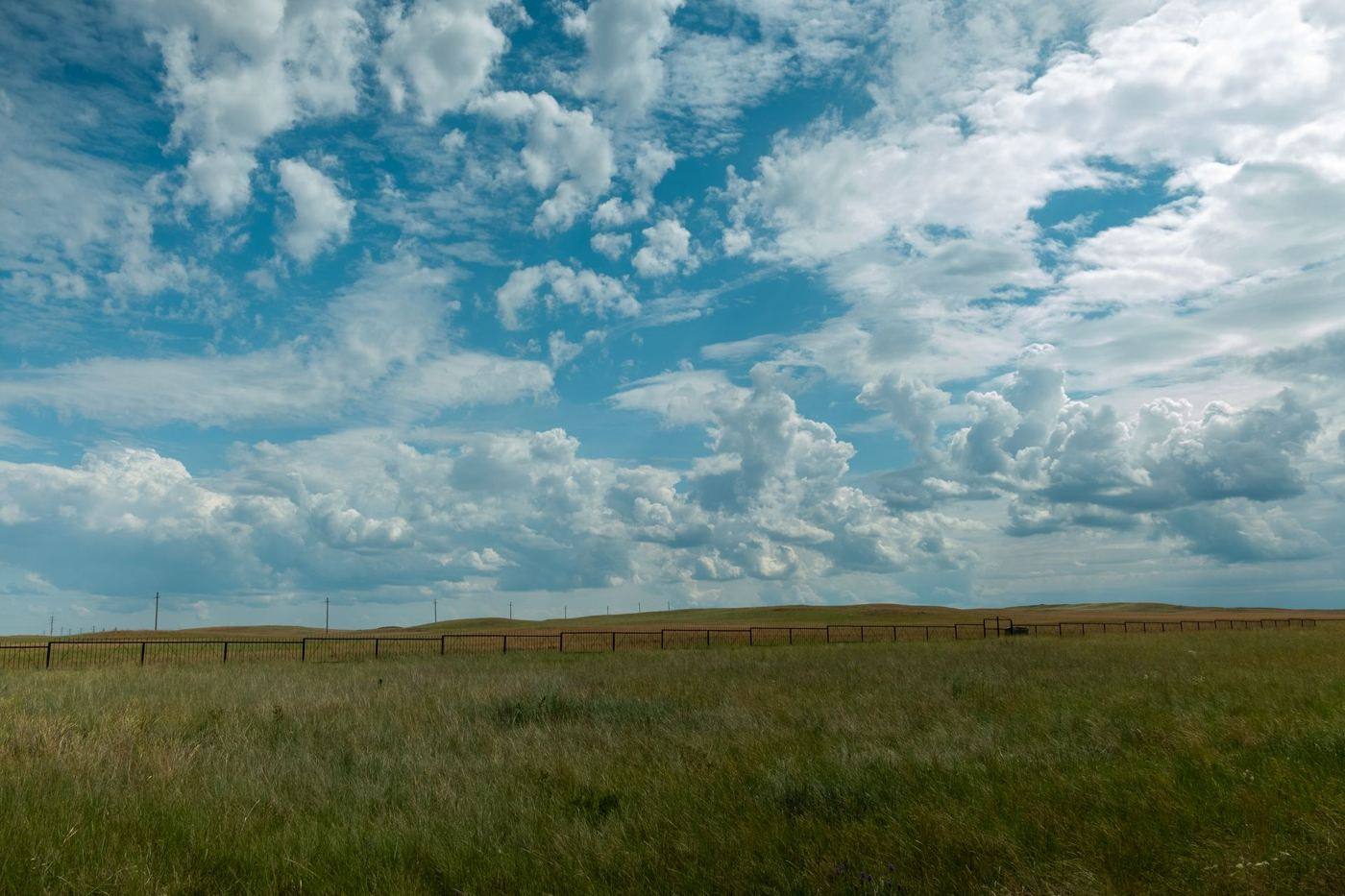
Karaganda and Karlag
The mining city in the middle of the steppe and the Karlag museum at Dolinka, one of the largest Soviet forced labour camps, with the Spassk memorial.
- Astana
- Karaganda
- Dolinka
- Spassk
Day by day
- Day 1
By train from Astana to Karaganda
This journey of memory takes you to the centre of the Kazakh steppe, where the Soviet Union built some of its largest forced labour camps: the mining city of Karaganda, the Karlag museum in Dolinka and the Spassk memorial. It is an intense trip that helps you understand the history of Central Asia in the twentieth century.
Before you go: Italian citizens enter Kazakhstan without a visa for up to 30 days per visit, with a passport valid for at least six months from arrival; the electronic identity card is not enough. For stays of up to 30 days, Italians do not need to register with immigration. From 1 July 2027 you will need the QazETA electronic travel authorisation, applied for online at least 72 hours ahead. Other nationalities should check their own rules. The country is generally stable; at stations and on trains watch your luggage and beware of pickpockets.
If you have time in the morning, visit the ALZhIR memorial museum near Astana, in the village of Akmol, where thousands of wives and daughters of men accused of being traitors to the motherland were imprisoned. It is a good start to this trip. Check times.
In the afternoon take the train from Astana to Karaganda, heading south across the flat steppe: the journey takes a few hours.
Karaganda grew in the 1930s around the coal mines, dug largely by the labour of prisoners and deported peoples: Volga Germans, Koreans, Poles, Chechens and many others. Even today the city has a great variety of origins and religions.
In the evening walk along the wide avenues of the centre, with Soviet buildings and the monument to the miners.
Sleep in Karaganda for two nights.
Practical tip: buy train tickets on the official website or app of Kazakh Railways, and keep your passport handy, because you need it to board.
- Day 2
The Karlag museum in Dolinka
Today you visit the most important place on this trip, the museum dedicated to the victims of political repression.
In the morning go to Dolinka, a village about 45 kilometres from Karaganda, by taxi or with a driver. This was the headquarters of the administration of Karlag, one of the largest labour camps in the Soviet Union, founded in 1931 and spread over hundreds of kilometres of steppe. Political prisoners, peasants, intellectuals, artists and entire deported families passed through it.
The museum is in the old two-storey administration building, with columns on the facade, built by the prisoners themselves. The rooms recreate the barracks, daily life in the camp, the laboratory where imprisoned scientists worked and the works of imprisoned artists. In the basement you see the isolation cells and the interrogation rooms. One room tells the story of the families, with a broken shanyrak, the ring at the top of a yurt, a symbol of the destroyed home. Other rooms cover collectivisation and the great famine that struck the Kazakhs. Explanations are also in English. Check prices and times and allow at least two hours.
In the afternoon walk quietly through the village, where some camp buildings are still standing.
In the evening return to Karaganda and have a simple dinner, such as beshbarmak, boiled meat with wide pasta, or lagman, noodles with vegetables.
Sleep in Karaganda.
Practical tip: this is an emotionally heavy visit. Do not plan anything else for the afternoon and take time to talk about it with your travel companions.
- Day 3
The Spassk memorial and back to Astana
Today you end the trip by the graves of the prisoners and return to the capital.
In the morning take a taxi or a car with a driver to the Spassk memorial, about 35 kilometres south of Karaganda, on the road to Almaty. This was a camp that held mainly foreign prisoners of war, during and after the Second World War.
Beside the road lies the mass grave of some five thousand prisoners, with groups of crosses scattered across the steppe. Several countries whose citizens died here have put up monuments, side by side. Walk among the stones, read the inscriptions in the different languages and stop in silence. The site is open, with no facilities: bring water and a windproof jacket.
At midday return to Karaganda. If you have time, visit the regional museum, with rooms on the history of the mines and the peoples of the region. Check times.
In the afternoon take the train to Astana.
In these three days you have followed the history of the Soviet camps in the steppe: the ALZhIR museum near Astana, the mining city of Karaganda, the Karlag museum in Dolinka and the Spassk memorial.
When to go: the best months are May to September, with long days and mild weather. In winter the steppe is frozen, with very strong winds and temperatures far below zero.
Before you leave, buy something to take home: a book of memoirs about Karlag, or a box of Kazakh sweets to share.
Practical tip: the weather on the steppe changes quickly. Even in summer always carry a windproof jacket and a hat.
A trip of remembrance, intense and important for understanding central Asia. The museum is well made, with explanations in English too. It pairs with Astana.
Before you go
- Documents and visa
- Passport valid for at least six months from the date of entry; you can enter without a visa for up to 30 days per visit, with a maximum of 90 days in any 180 days. Your hotel or host must register your arrival within three working days. From 1 July 2027 you will need the QazETA electronic travel authorisation, applied for online through the official app or portal at least 72 hours before arrival.
- Health and vaccines
- No compulsory vaccinations for travellers from Europe. In the mountains and forests, especially around Almaty and in the east, ticks can carry encephalitis: ask your doctor about the vaccine. Take insurance covering medical costs and repatriation. Emergencies: 112; police 102, ambulance 103, fire 101.
- Money and payments
- Kazakh tenge. Cards work well in cities; in rural areas and deserts carry cash. Cash above the equivalent of 10,000 dollars must be declared.
- Power sockets
- Types C and F, 220 volts: you need an adapter for British plugs.
- Time zone
- Since 2024 the whole country has a single time zone, UTC+5 all year: five hours ahead of the UK in winter, four in summer.
- Safety
- The situation is generally stable and the risk of violent crime against visitors is low, but there are pickpockets and scams in cities. The UK does not advise against any region, but Baikonur, the village of Gvardeyskiy and the districts of Karmakchi and Kazalinsk are closed without a permit. Do not photograph government or military buildings or border areas. Roads are the main risk; in remote areas there is often no phone signal: do not travel alone. Official advice: GOV.UK.
Information checked in November 2026 for Italian and EU citizens. Rules change: always check before you travel.
Variations
In 2 days: only the Karlag museum in Dolinka, by train from Astana with one night in Karaganda.
In 5 days: add two days in Astana, with the Bayterek tower, the National Museum and the Hazrat Sultan mosque.
Frequently asked questions
What was Karlag?
It was one of the largest forced labour camps in the Soviet Union, founded in 1931 around Karaganda. The museum in Dolinka, in its administration building, tells the story of the prisoners and the deported families.
Does the museum have explanations in English?
Yes, the main rooms have explanations in English as well as Kazakh and Russian. To understand the history better you can ask for a guided tour. Check prices and times.
How do you get to Dolinka and Spassk?
From Karaganda go by taxi or with a car and driver: Dolinka is about 45 kilometres away, Spassk about 35 kilometres south, on the road to Almaty.
Indicative itinerary written by World Atlas. Before booking, check timetables, seasonal openings, documents and safety.
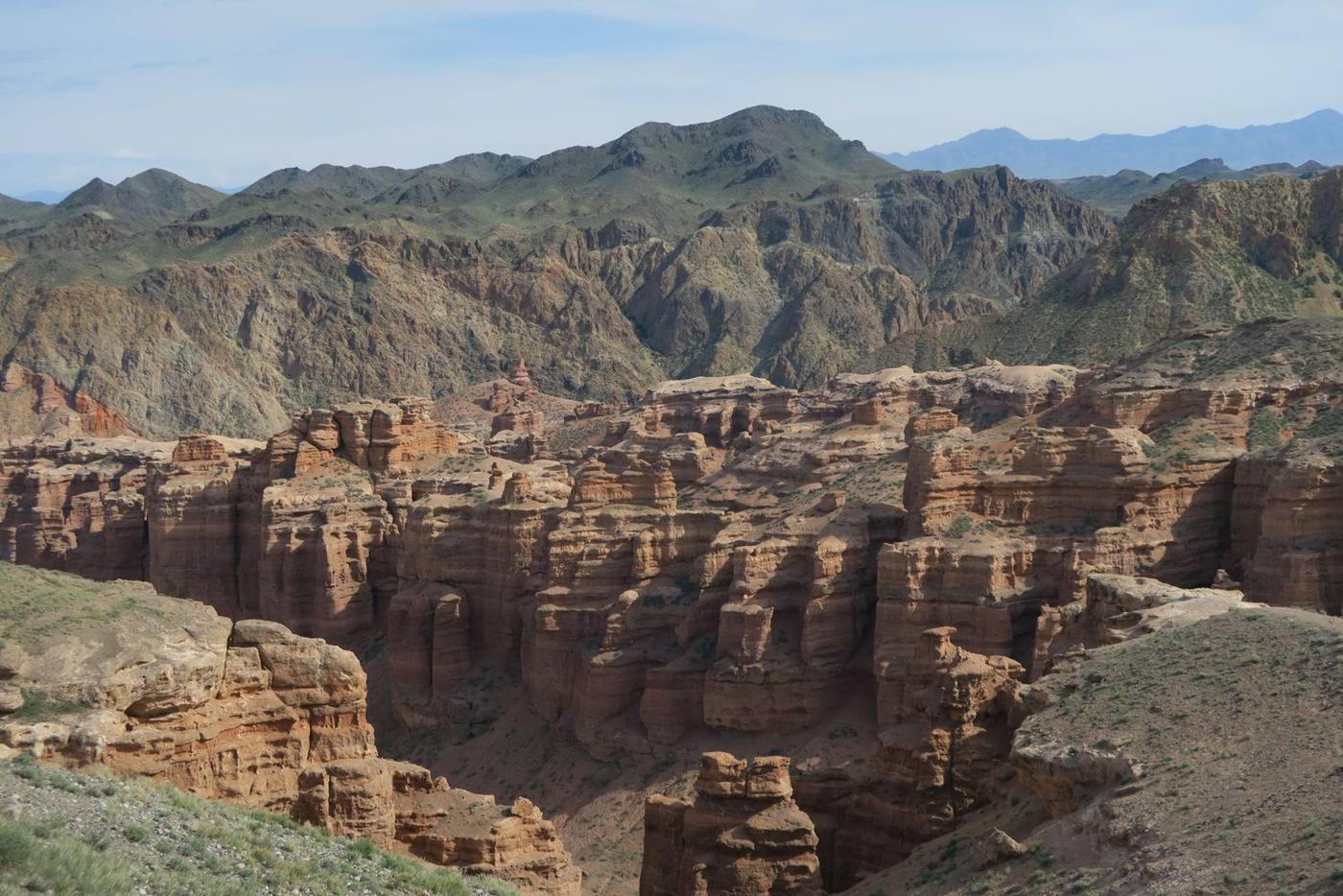 6 daysModerate
Almaty and the canyons
Almaty beneath the mountains, Big Almaty Lake, Charyn Canyon, the Kolsai lakes and the sunken forest of Lake Kaindy.
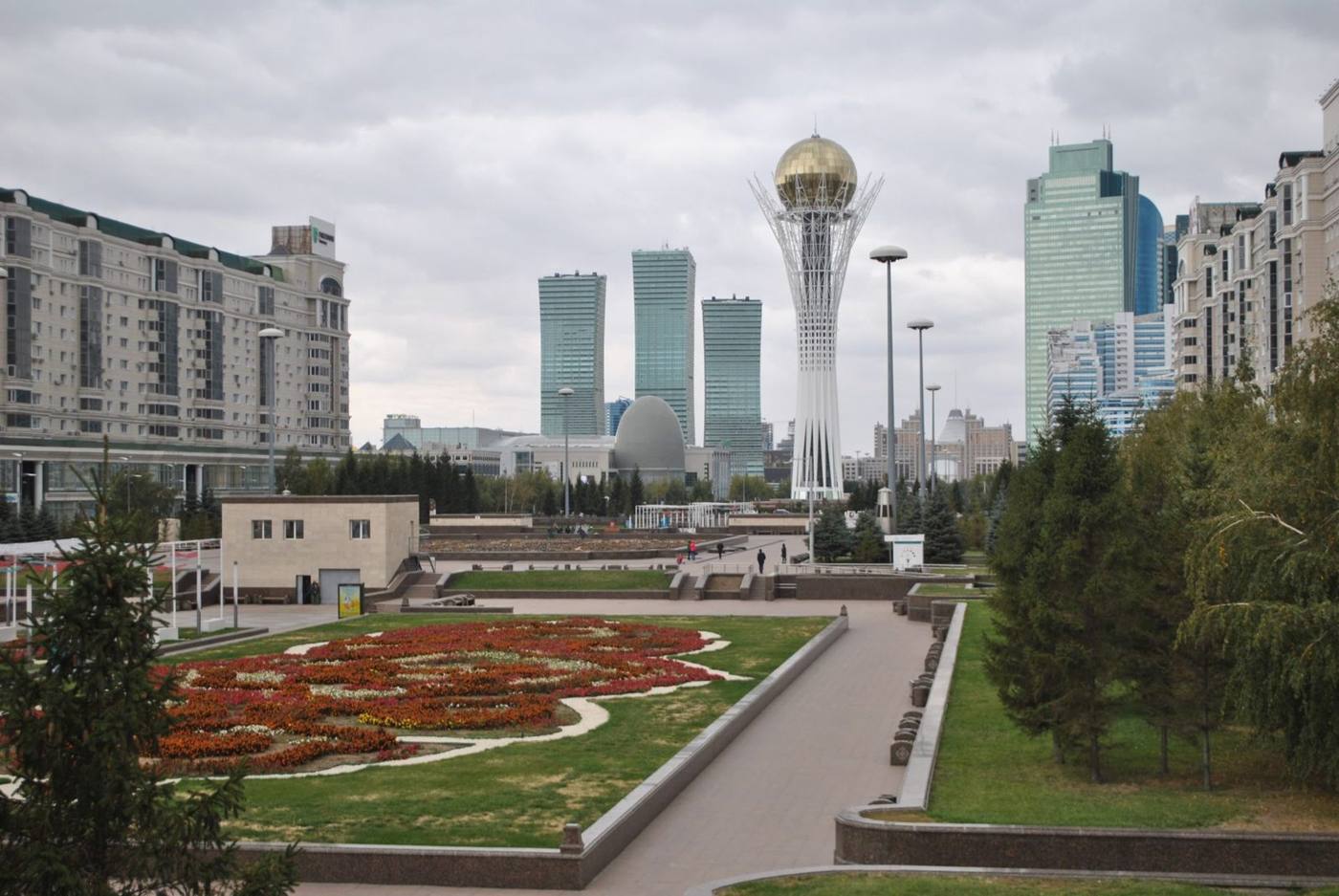 5 daysEasy
Astana and the steppe
The futuristic capital with the Bayterek tower and Khan Shatyr, then Burabay park among lakes and granite rocks.
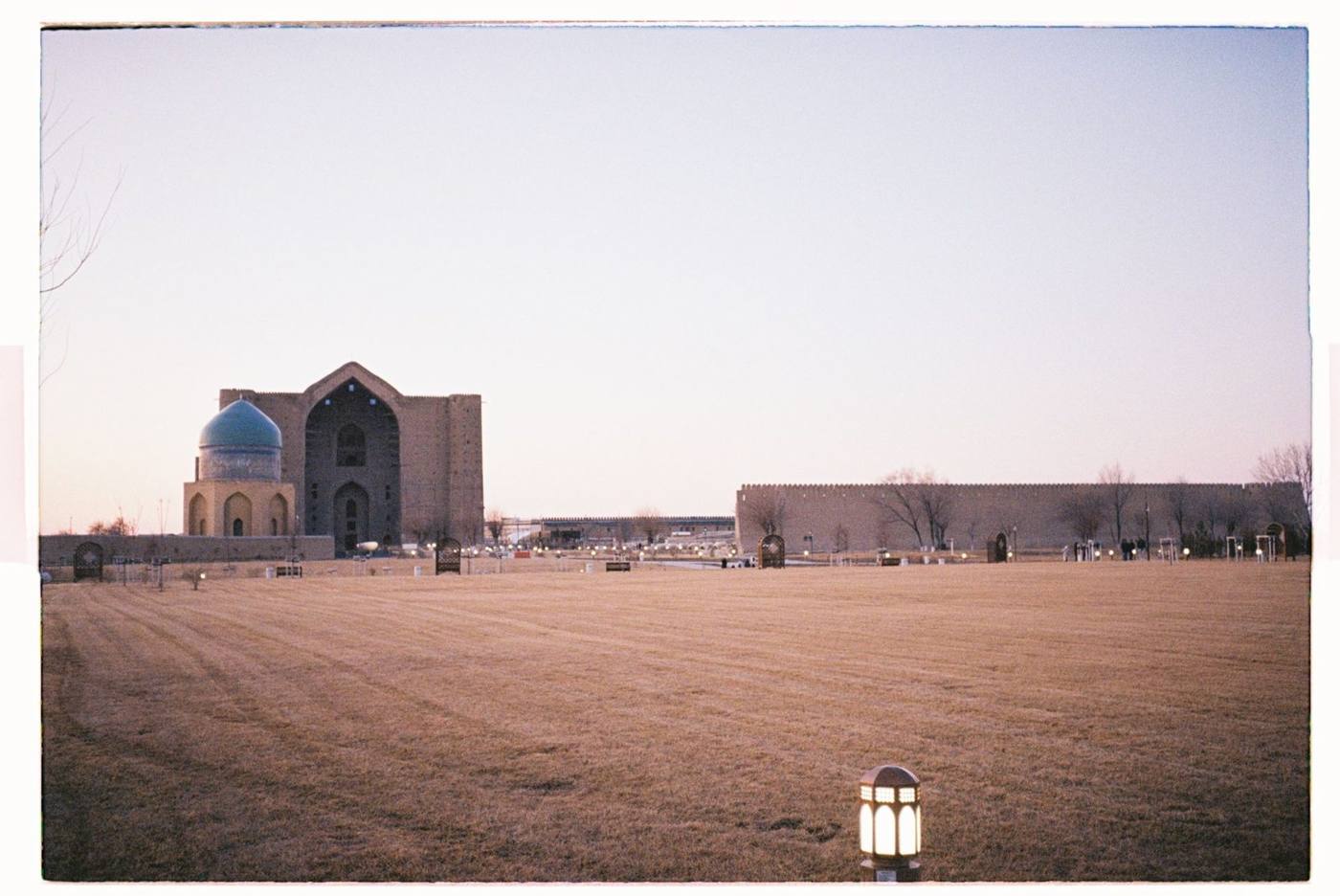 5 daysEasy
Turkestan and the Silk Road
Shymkent, the UNESCO mausoleum of Khoja Ahmed Yasawi in Turkestan, the abandoned city of Sauran and the site of Otrar.