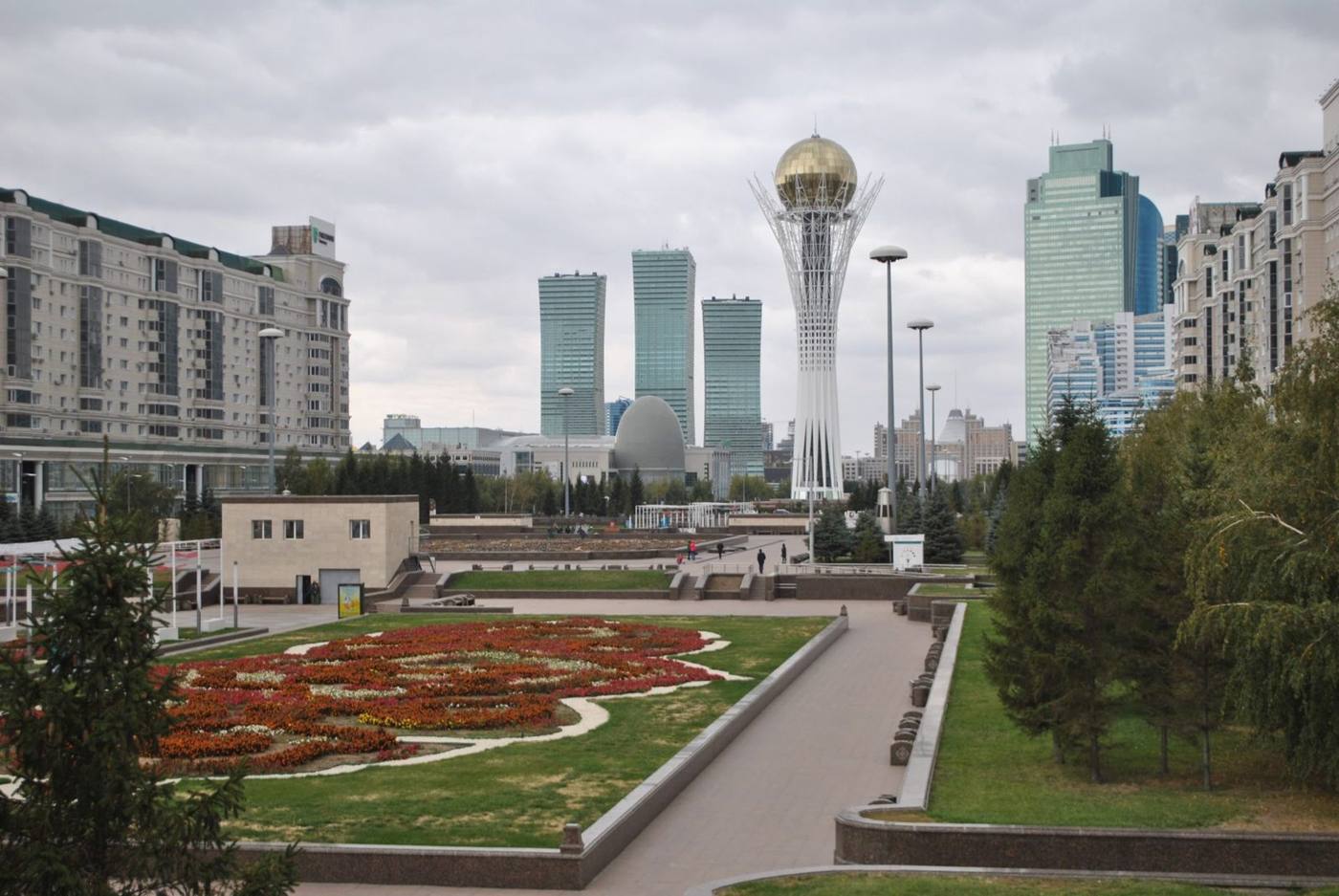
Astana and the steppe
The futuristic capital with the Bayterek tower and Khan Shatyr, then Burabay park among lakes and granite rocks.
- Astana
- Bayterek
- Khan Shatyr
- Burabay
- Shchuchinsk
Day by day
- Day 1
Astana: the Bayterek tower and Khan Shatyr
This trip takes you to Astana, the futuristic capital built on the steppe after 1997, and then north to Burabay National Park, among lakes, pine forests and granite rocks. A short and curious trip, between modern architecture and nature.
Before you go: Italian citizens enter Kazakhstan without a visa for up to 30 days per visit, with a passport valid for at least six months from arrival; the electronic identity card is not enough. For stays of up to 30 days, Italians do not need to register with immigration. From 1 July 2027 you will need the QazETA electronic travel authorisation, applied for online at least 72 hours ahead. Other nationalities should check their own rules. The country is generally stable; do not photograph government buildings or military sites.
You arrive at Astana airport and take a taxi into the city. Astana became the capital in 1997, replacing Almaty, and grew in just a few years along the Esil River.
In the afternoon walk along the great Nurzhol boulevard, the central axis of the new city, with glass buildings, fountains and gardens. In the middle rises the Bayterek tower, 97 metres high, which represents the tree of life holding the golden egg of the mythical bird Samruk. Take the lift up to the golden sphere and look at the city from above. Check prices and times.
Towards evening continue to Khan Shatyr, the huge transparent tent designed by Norman Foster, with shops, restaurants and even a beach with a pool inside. At night it lights up and changes colour.
Sleep in Astana for two nights.
Practical tip: in Astana distances are large and the wind is strong. Use app taxis and, in winter, wrap up well even for short trips.
- Day 2
The Pyramid of Peace, Hazrat Sultan mosque and the National Museum
Today you see the capital's most symbolic buildings and its history.
In the morning visit the Palace of Peace and Reconciliation, a pyramid of glass and steel, also by Norman Foster, built to host the congress of world religions. Inside, go up to the hall at the top, under the coloured glass with doves. Check prices and times; the visit is often guided.
Then cross the boulevard to the Hazrat Sultan mosque, one of the largest in Central Asia, white, with blue domes and minarets. Go in with your shoulders and legs covered; women cover their hair.
In the afternoon visit the National Museum of Kazakhstan, one of the largest in the country. Do not miss the gold hall, with the jewellery and armour of the Saka nomads, and the rooms on the history of the steppe, from the kurgans to the last khans. Check prices and times.
Towards evening, if you like, take a walk along the Esil River, with the bridges lit up and modern buildings on both banks.
In the evening try kazy, horse meat sausage, or beshbarmak, the national dish, with boiled meat and wide pasta.
Sleep in Astana.
Practical tip: many museums and buildings in Astana close one day a week, often Monday. Check opening times beforehand and plan your day accordingly.
- Day 3
Towards Burabay and its lakes
Today you leave the city and head north, to the lakes and pines of Burabay.
In the morning take the train or a car to Shchuchinsk, and then continue to the village of Burabay: the journey takes a few hours. The flat steppe gives way, almost suddenly, to granite hills covered with pine and birch forest, with dozens of lakes: this is why Kazakhs call the area the Kazakh Switzerland.
Burabay National Park is one of the favourite destinations for people from Astana and is very busy in summer. You pay a ticket at the park entrance: check prices and times.
In the afternoon walk along the shore of Lake Burabay. In the middle of the water rises Zhumbaktas, the mysterious stone, a rock that from different sides looks like the face of a woman or an old man. On the shore stands Okzhetpes, a large granite rock whose name means the arrow will not reach: a legend tells of a maiden who would marry only the man who hit the top with an arrow.
Before dinner climb one of the small hills near the village to see the lakes from above. In the evening watch the sunset over the lake and have lake fish for dinner.
Sleep in Burabay for two nights.
Practical tip: in summer, at weekends, places to stay in Burabay are full. Book early and, if you can, choose weekdays.
- Day 4
Trails, rocks and the viewpoint over the lakes
Today you explore the park on foot, among forests and rocks.
Early in the morning take a trail that climbs the hills above the lakes. The highest point in the area is Mount Kokshe, a little under a thousand metres: from the rocks you see the Burabay and Bolshoye Chebachye lakes, the forests and the steppe opening up beyond the park. Ask in the village which trails are open and marked.
The trail is easy but stony in places: wear hiking boots and carry water. Along the way look at the strangely shaped granite rocks, smoothed by the wind, the pines and birches, and the squirrels in the branches. Sometimes you also see maral deer, typical of these forests.
In the afternoon relax by the lake or hire a boat. On the water the silence is broken only by birds, and in the distance you see the granite rocks running down to shores covered with pines.
Towards evening walk to the Okzhetpes rock for the sunset light, when the granite turns red.
In the evening have a simple dinner, such as plov or shashlik, grilled meat skewers.
Sleep in Burabay.
Practical tip: there are ticks in the Burabay forests, especially in spring and early summer. Wear long trousers and repellent, and check yourself after every walk.
- Day 5
Back to Astana and departure
Today you return to the capital and end the trip.
In the morning take a last walk by the lake, when the water is still and the village is quiet.
Then head back to Shchuchinsk and take the train or drive to Astana, a few hours across the steppe and the wheat fields.
In the afternoon, if you have time before your flight, visit the district of old Akmola, the Soviet town from which the capital grew, with its low houses and market. Or walk along the Esil River promenade, where families meet in the evening.
In these five days you have seen two faces of northern Kazakhstan: the futuristic capital with the Bayterek tower, Khan Shatyr, the Pyramid of Peace, the Hazrat Sultan mosque and the National Museum, and Burabay National Park, with its lakes, pine forests and the rocks of Zhumbaktas and Okzhetpes.
When to go: the best months are June to September, with long days and mild weather. In winter Astana is one of the coldest capitals in the world, with temperatures that can drop below minus 30 degrees, and Burabay is very busy at summer weekends.
Before you leave, buy something to take home: a decorated felt object, Kazakh chocolate, dried fruit or a small dombra, the two-stringed instrument of traditional music.
Practical tip: Astana airport is about half an hour from the centre. With snow or ice leave with plenty of time.
A short, curious trip between futuristic architecture and steppe. In winter Astana is one of the world's coldest capitals, below -30 °C. Burabay is popular with Kazakhs in summer.
Before you go
- Documents and visa
- Passport valid for at least six months from the date of entry; you can enter without a visa for up to 30 days per visit, with a maximum of 90 days in any 180 days. Your hotel or host must register your arrival within three working days. From 1 July 2027 you will need the QazETA electronic travel authorisation, applied for online through the official app or portal at least 72 hours before arrival.
- Health and vaccines
- No compulsory vaccinations for travellers from Europe. In the mountains and forests, especially around Almaty and in the east, ticks can carry encephalitis: ask your doctor about the vaccine. Take insurance covering medical costs and repatriation. Emergencies: 112; police 102, ambulance 103, fire 101.
- Money and payments
- Kazakh tenge. Cards work well in cities; in rural areas and deserts carry cash. Cash above the equivalent of 10,000 dollars must be declared.
- Power sockets
- Types C and F, 220 volts: you need an adapter for British plugs.
- Time zone
- Since 2024 the whole country has a single time zone, UTC+5 all year: five hours ahead of the UK in winter, four in summer.
- Safety
- The situation is generally stable and the risk of violent crime against visitors is low, but there are pickpockets and scams in cities. The UK does not advise against any region, but Baikonur, the village of Gvardeyskiy and the districts of Karmakchi and Kazalinsk are closed without a permit. Do not photograph government or military buildings or border areas. Roads are the main risk; in remote areas there is often no phone signal: do not travel alone. Official advice: GOV.UK.
Information checked in November 2026 for Italian and EU citizens. Rules change: always check before you travel.
Variations
In 3 days: Astana only, with the Bayterek tower, the Pyramid of Peace and the National Museum.
In 7 days: add two days in Karaganda, with the Karlag museum in Dolinka and the Spassk memorial.
Frequently asked questions
How far is Burabay from Astana?
Burabay is north of Astana, a few hours by road. You get there by train to Shchuchinsk and then by taxi, or by car with a driver.
Can you visit the buildings in Astana?
Yes, the Bayterek tower, the Palace of Peace and Reconciliation, the Hazrat Sultan mosque and the National Museum are open to visitors. Check prices and times, because some close one day a week.
Is Astana really that cold?
Yes, in winter the temperature can drop below minus 30 degrees, with strong wind. From June to September, on the other hand, the weather is mild and the days are long.
Indicative itinerary written by World Atlas. Before booking, check timetables, seasonal openings, documents and safety.
 5 daysEasy
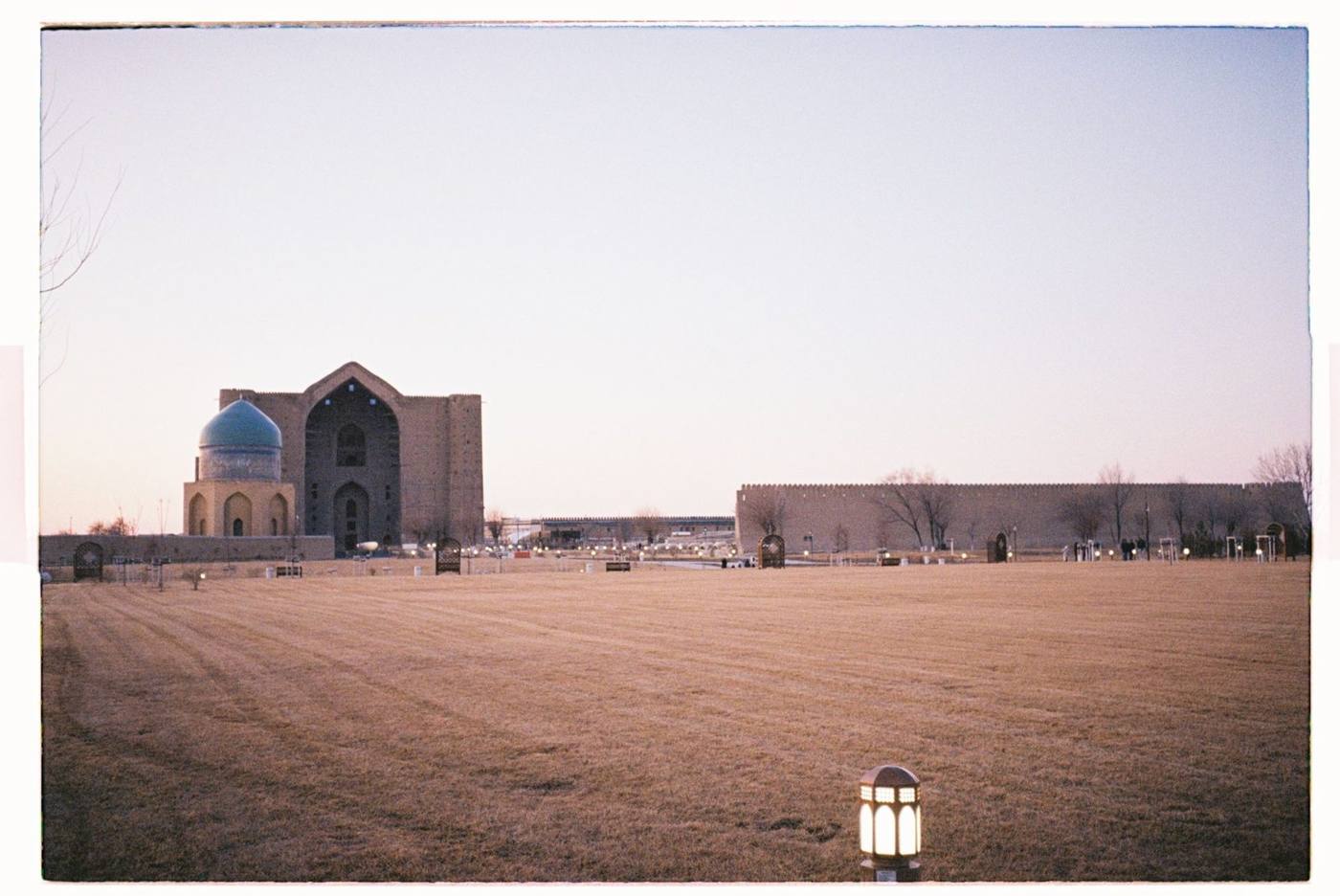
Turkestan and the Silk Road
Shymkent, the UNESCO mausoleum of Khoja Ahmed Yasawi in Turkestan, the abandoned city of Sauran and the site of Otrar.
 3 daysModerate
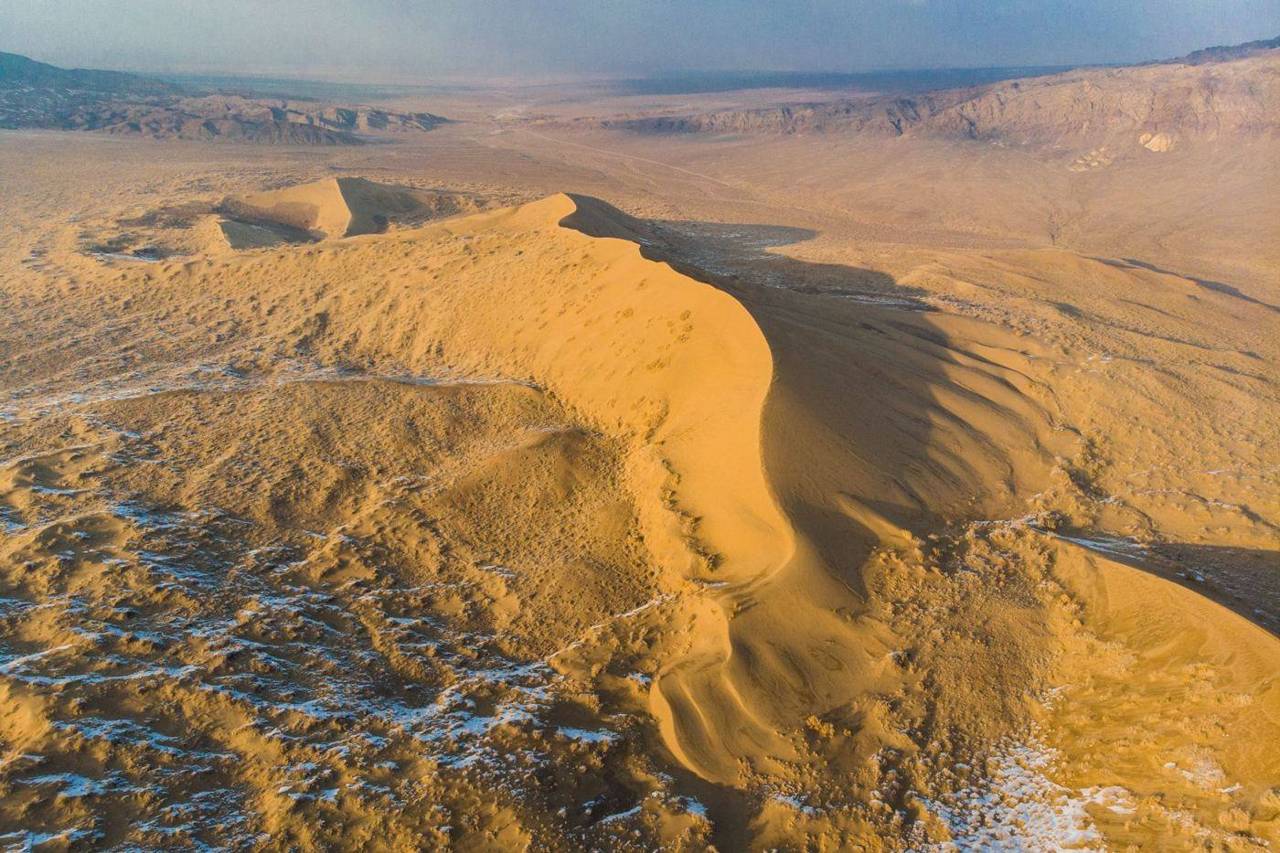
Altyn-Emel
Altyn-Emel National Park: the singing dune, the white and red Aktau mountains, the volcanic Katutau and the gazelles and wild asses of the steppe.
 5 daysModerate
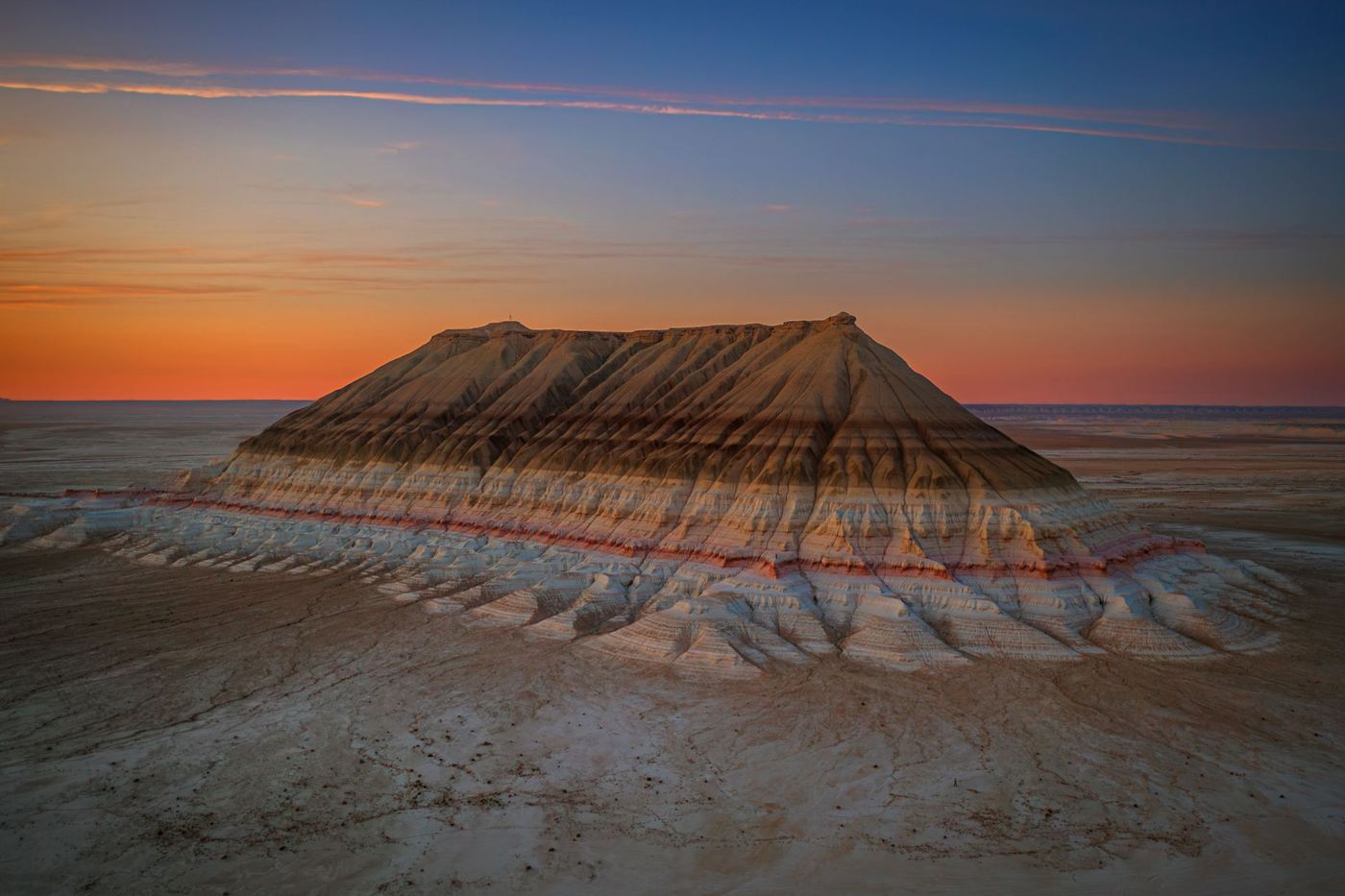
Mangystau
The desert of western Kazakhstan: the white cliffs of Bozzhyra, the underground mosques of Beket-Ata and Shakpak-Ata, the Torysh valley of stone spheres and the city of Aktau on the Caspian.