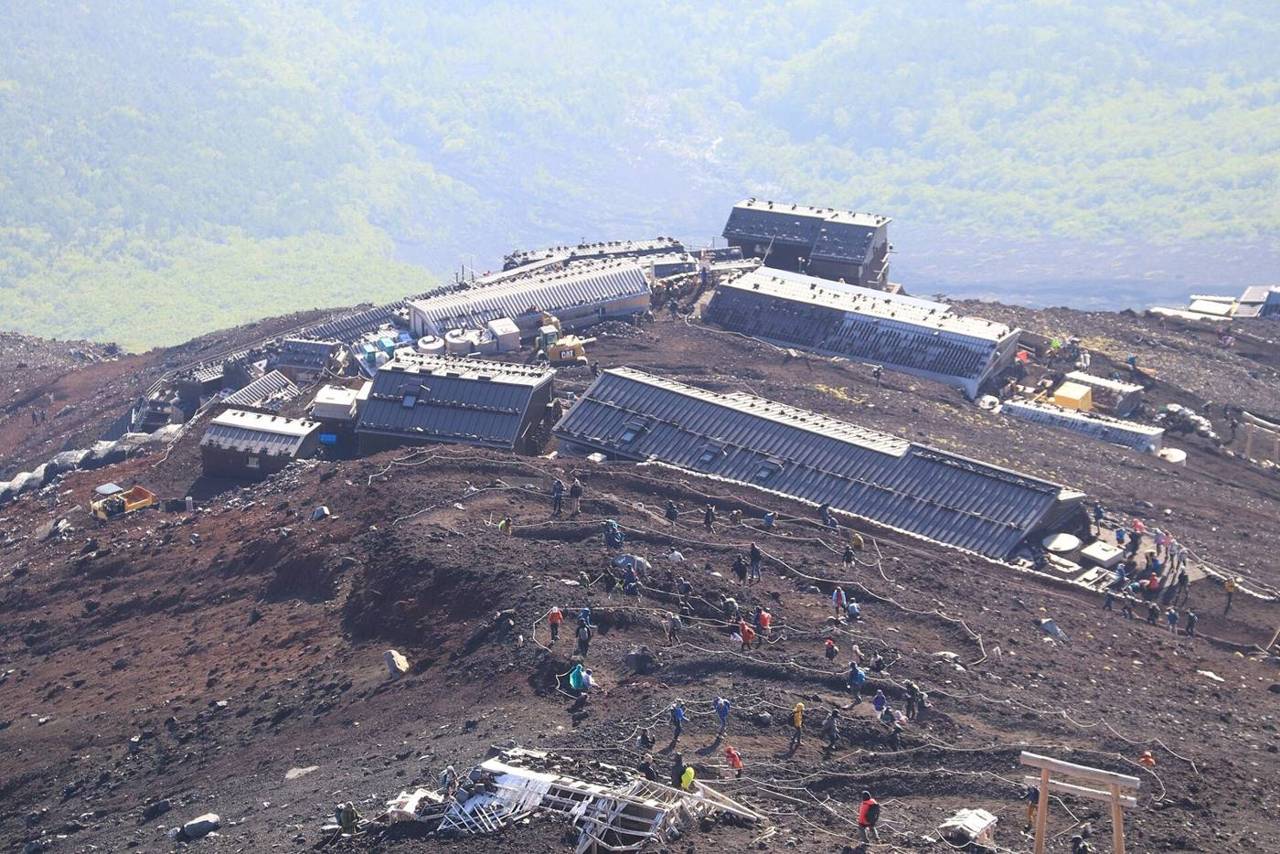
Climbing Mount Fuji on the Yoshida trail
Japan's emblematic mountain (3,776 m) climbed the Japanese way: from the fifth station on the Yamanashi side, a night in a mountain hut, a final climb in the dark to see sunrise from the summit and the crater walk; then rest at the Fuji lakes.
- Tokyo
- Fuji Subaru Line 5th Station
- Mount Fuji
- Kawaguchiko
Day by day
- Day 1
By bus from Tokyo to the Fifth Station and the climb to the hut
Mount Fuji, at 3,776 metres, is Japan's highest mountain and its symbol, an almost perfectly shaped volcano, sacred for centuries and a UNESCO World Heritage site as a place of worship and a source of artistic inspiration. Climbing it is something many Japanese do at least once, usually at night, to see sunrise from the summit. The Yoshida trail, on the Yamanashi side, is the busiest and best served by huts. Italian citizens can enter Japan without a visa for tourism with a valid passport.
The climb is only possible in the official season: in 2026 the Yoshida trail was open from 1 July to 10 September, with a compulsory fee of 4,000 yen per person, a maximum of 4,000 climbers per day and the Fifth Station gate closed from 2 pm to 3 am, except for those with a hut booking. The rules can change every year: check the official website and register online.
In the morning take the direct bus from Shinjuku terminal in Tokyo to Fuji's Fifth Station, at 2,305 metres, in about two and a half hours. Spend an hour at the Fifth Station to adjust to the altitude, eat and check your gear.
In the early afternoon start climbing: the trail crosses sparse woodland, then rises over red and black lava, with rocky sections where you use your hands, to your booked hut at the Seventh or Eighth Station, between 2,700 and 3,400 metres, in about three to five hours. Dinner is simple, often curry rice, and you sleep a few hours in crowded dormitories.
Practical tip: book the hut well in advance; without a booking you cannot pass the gate in the afternoon.
- Day 2
Setting off at night, sunrise from the summit and the crater walk
Around one or two in the morning leave the hut and resume the climb by headlamp, in a long line of lights winding slowly to the top. It is cold, often around freezing, and windy: dress in layers, with a waterproof jacket, gloves and a hat. Walk slowly and stop often to breathe: above 3,000 metres the air is thinner and altitude sickness, with headache and nausea, is common. If symptoms worsen, go down.
You reach the summit on the crater rim before dawn. Goraikō, sunrise seen from Fuji, is the most awaited moment: the sky turns orange above the sea of clouds, the sun rises on the horizon and the mountain's triangular shadow stretches across the clouds and lakes. Many Japanese greet the sun with applause or a cheer.
After sunrise walk around the crater, the ohachi-meguri, in about an hour and a half, circling the volcano's great mouth about two hundred metres deep. You pass the Shinto shrines on the summit, where you can buy a souvenir stamp, and reach Kengamine, 3,776 metres, Japan's highest point, where an old weather station once stood.
The descent follows a separate zigzag trail on slippery volcanic gravel, about three to four hours down to the Fifth Station. Then take the bus to Kawaguchiko at the foot of the mountain.
In the evening stay in Kawaguchiko.
Practical tip: wear gaiters or long trousers for the gravel on the way down, and carry coins for the huts' paid toilets.
- Day 3
An onsen with a view of Fuji and back to Tokyo
In the morning relax in an onsen, a hot spring bath, in Kawaguchiko, one of the five lakes at the foot of Fuji. Many outdoor baths look out on the mountain you have just climbed: gazing at it from the hot water after the effort is the perfect reward. Remember the rules: wash thoroughly before getting into the bath, bathe without a swimsuit, with men and women separate, and at many onsen tattoos are not allowed.
Then stroll along the shores of Lake Kawaguchi, with Fuji reflected in the water on still days. If you have energy, climb the staircase of about four hundred steps in Arakurayama Sengen Park to the Chureito pagoda, a five-storey red pagoda with Fuji behind it, one of Japan's most famous images. Alternatively, take the Mount Tenjo ropeway above the lake for another view of the mountain.
In the afternoon return to Tokyo by direct bus from Kawaguchiko to Shinjuku, about two hours, or by train changing at Otsuki.
In the evening, in Tokyo, celebrate your climb with a Japanese dinner.
Things to take home: a wooden Fuji walking stick branded with the huts' stamps, the summit stamp, Fuji-shaped sweets and Yamanashi produce such as peaches and wine.
Practical tip: when leaving Japan a departure tax of 3,000 yen is charged, usually already included in the air ticket.
A long but non-technical climb, tiring because of altitude and the cold at the summit (often near freezing even in August). On the Yoshida trail the 2026 season ran from 1 July to 10 September, with a 4,000 yen fee, a cap of 4,000 people a day and gates closed from 2 pm to 3 am for those without a hut booking. The fee and the hut are booked separately. Outside the season the climb is discouraged and dangerous.
Before you go
- Documents and visa
- Passport valid for the whole stay; many nationalities, including EU citizens, enter without a visa for up to 90 days for tourism. An electronic travel authorisation (JESTA) has been announced but is not yet in force: check before you go.
- Health and vaccines
- No vaccines required. Healthcare is excellent but expensive: travel insurance with high medical cover is essential. Some common medicines, such as certain codeine painkillers, are banned or restricted. Emergencies: 119 ambulance, 110 police.
- Money and payments
- Yen. Cards are increasingly accepted, but temples, small restaurants and rural areas need cash: convenience-store ATMs accept foreign cards. Tipping is not customary.
- Power sockets
- Type A, 100 volts: you need a flat-pin adapter; phone and laptop chargers work, European hairdryers often do not.
- Time zone
- UTC+9, no daylight saving time.
- Safety
- One of the safest countries in the world. The risks are natural: earthquakes, typhoons from July to October, extreme summer heat. Download an English-language alert app. Official advice: GOV.UK.
Information checked in November 2026 for Italian and EU citizens. Rules change: always check before you travel.
Variations
In 2 days: climb, night in a hut, sunrise and descent, returning to Tokyo the same evening.
In 5 days: add Hakone, with hot springs and Lake Ashi, and Kamakura with the Great Buddha.
Frequently asked questions
When can you climb?
Only in the official summer season: in 2026 the Yoshida trail was open from 1 July to 10 September. Dates change every year.
How much does it cost?
In 2026 the Yoshida trail had a compulsory fee of 4,000 yen per person, with a maximum of 4,000 people per day; the hut is paid separately.
Is it difficult?
It is not technical, but it is tiring because of altitude and ascent: about 1,400 metres of climbing to 3,776 metres, with cold and a risk of altitude sickness.
Indicative itinerary written by World Atlas. Before booking, check timetables, seasonal openings, documents and safety.
 4 daysEasy
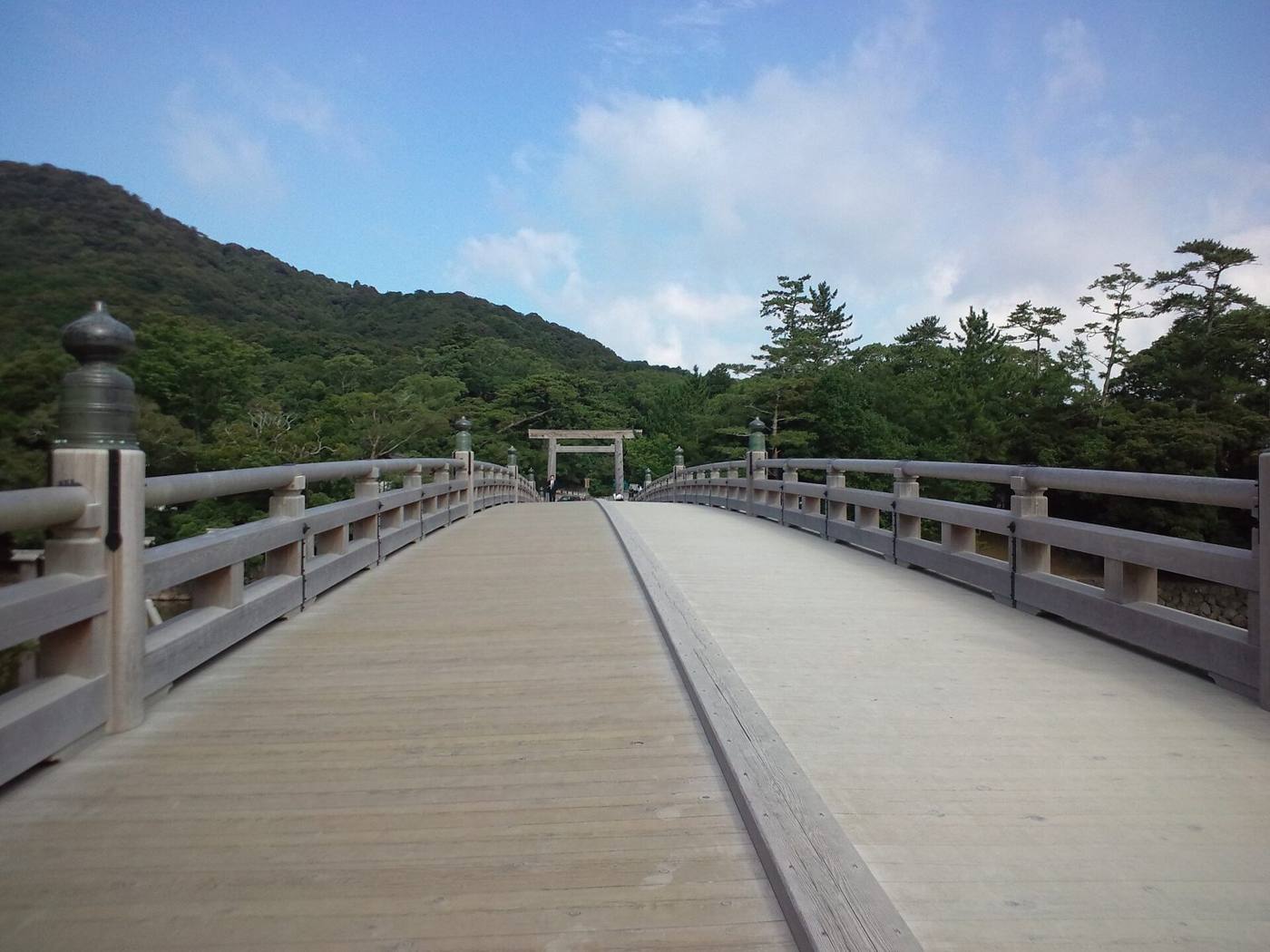
Ise and the Shima peninsula
Japan's most sacred shrine, Ise Jingū, with its buildings rebuilt every twenty years, the Okage Yokochō street, the Wedded Rocks of Futami, the ama divers of Toba and the pearl bays of the Shima peninsula.
 5 daysModerate
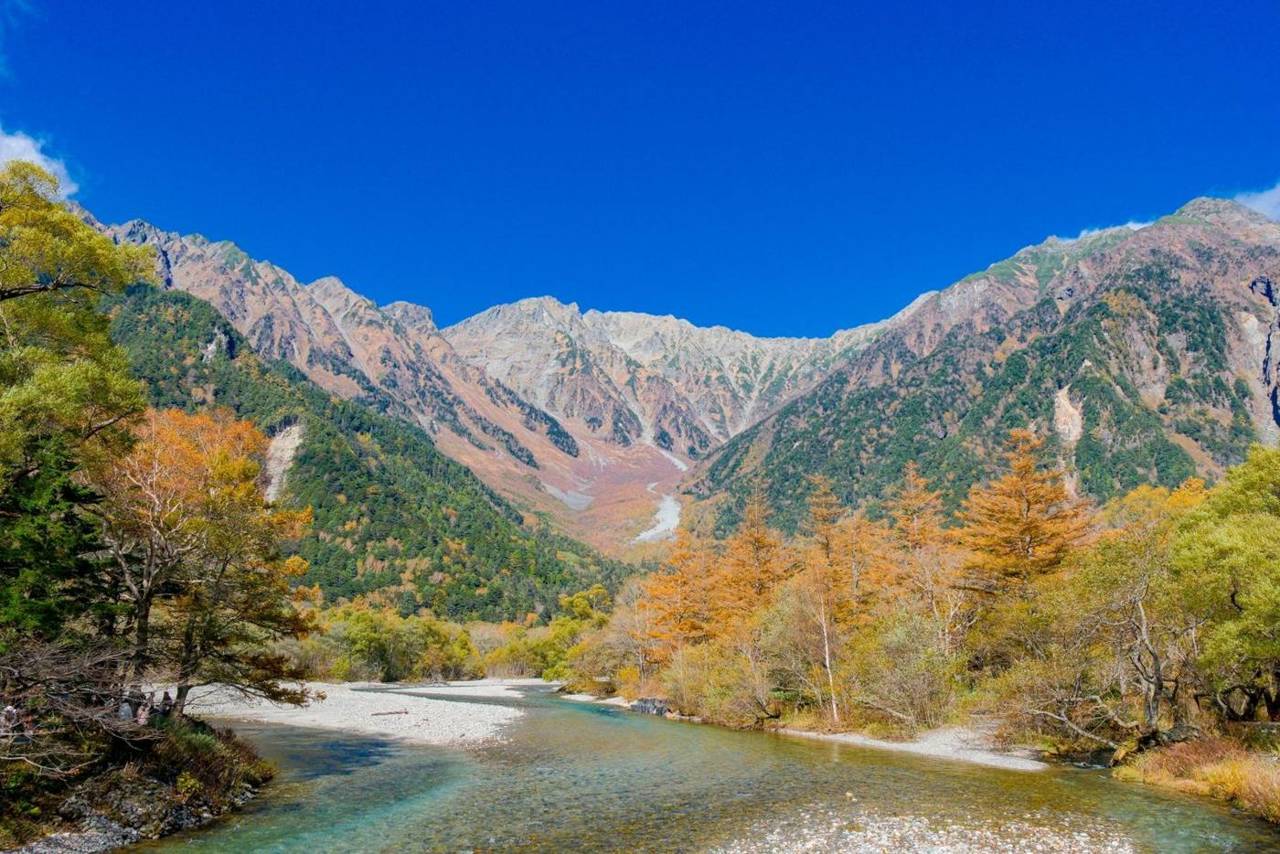
Kamikochi and the Tateyama Kurobe Alpine Route
The Japanese Northern Alps: the Kamikochi closed to cars valley, with Kappa bridge and Taishō pond, then the crossing of the Tateyama Kurobe Alpine Route by ropeway, bus and cable car, from the Kurobe dam to the Murodō plateau with its snow walls in spring.
 10 daysEasy
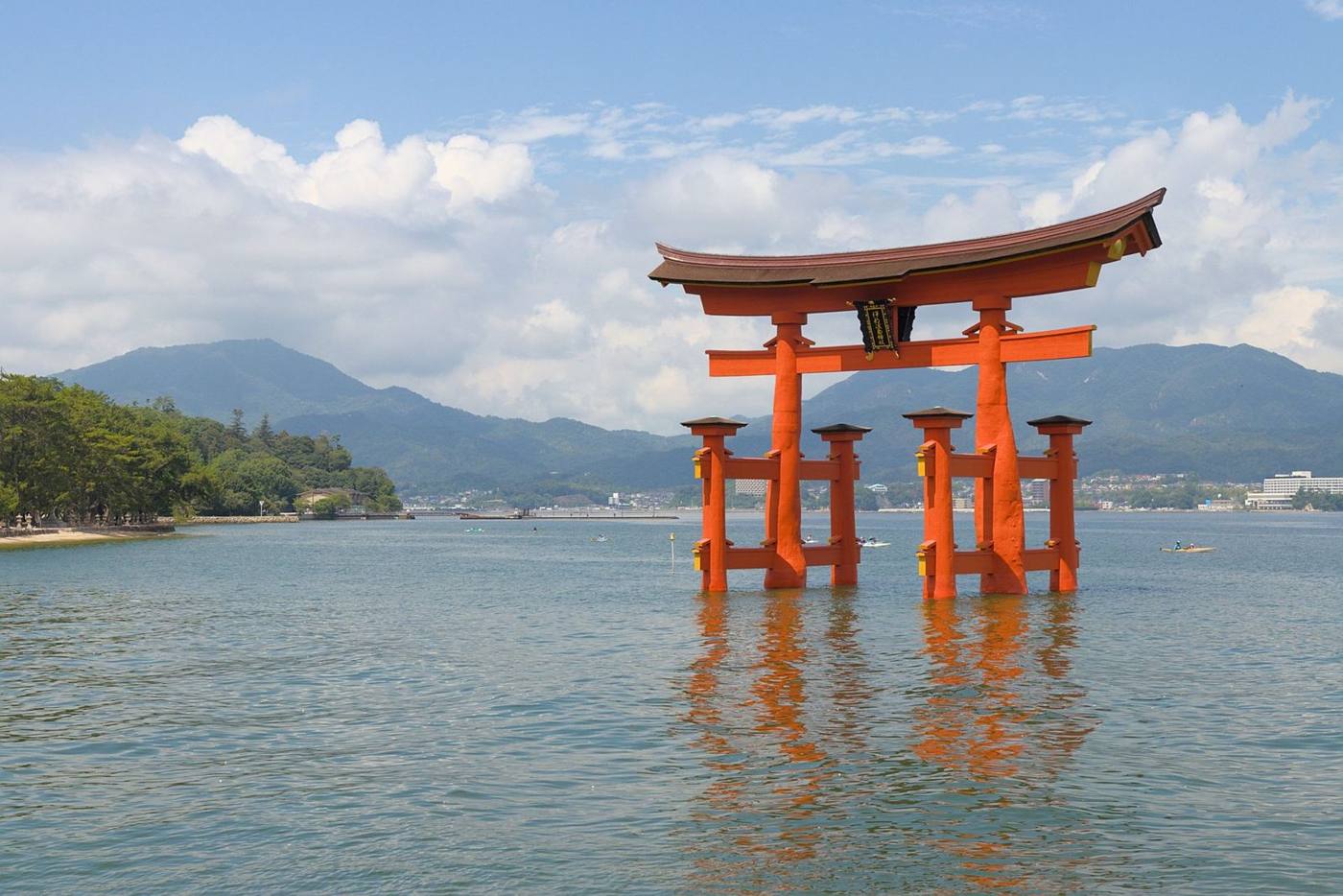
Tokyo, Kyoto and Hiroshima in Ten Days
A first trip to Japan done properly: the metropolis, the shrines of Nikko, the temples of Kyoto and Nara, Osaka's food and the memory of Hiroshima.