Ise and the Shima peninsula
Japan's most sacred shrine, Ise Jingū, with its buildings rebuilt every twenty years, the Okage Yokochō street, the Wedded Rocks of Futami, the ama divers of Toba and the pearl bays of the Shima peninsula.
- Nagoya
- Ise
- Futami
- Toba
- Kashikojima
- Ago
Day by day
- Day 1
The Ise shrine: Gekū, Naikū and the Okage Yokochō street
The Ise shrine, in Mie prefecture, is the most sacred place in Shinto, the traditional religion of Japan. It is dedicated to Amaterasu, the sun goddess from whom, according to tradition, the imperial family descends. Around it is the Shima peninsula, an indented coast of bays, islands and pearl farms, where the ama, the women of the sea, still dive without air tanks. In four days it is a serene trip, very different from the big cities.
From Nagoya or Osaka you reach Ise by train in about an hour and a half to two hours. By tradition you visit the outer shrine first, Gekū, dedicated to Toyouke, the goddess of food and harvests, who prepares the offerings for Amaterasu. The gravel path runs through towering cedars to the buildings of cypress wood, simple and unpainted, with thatched roofs.
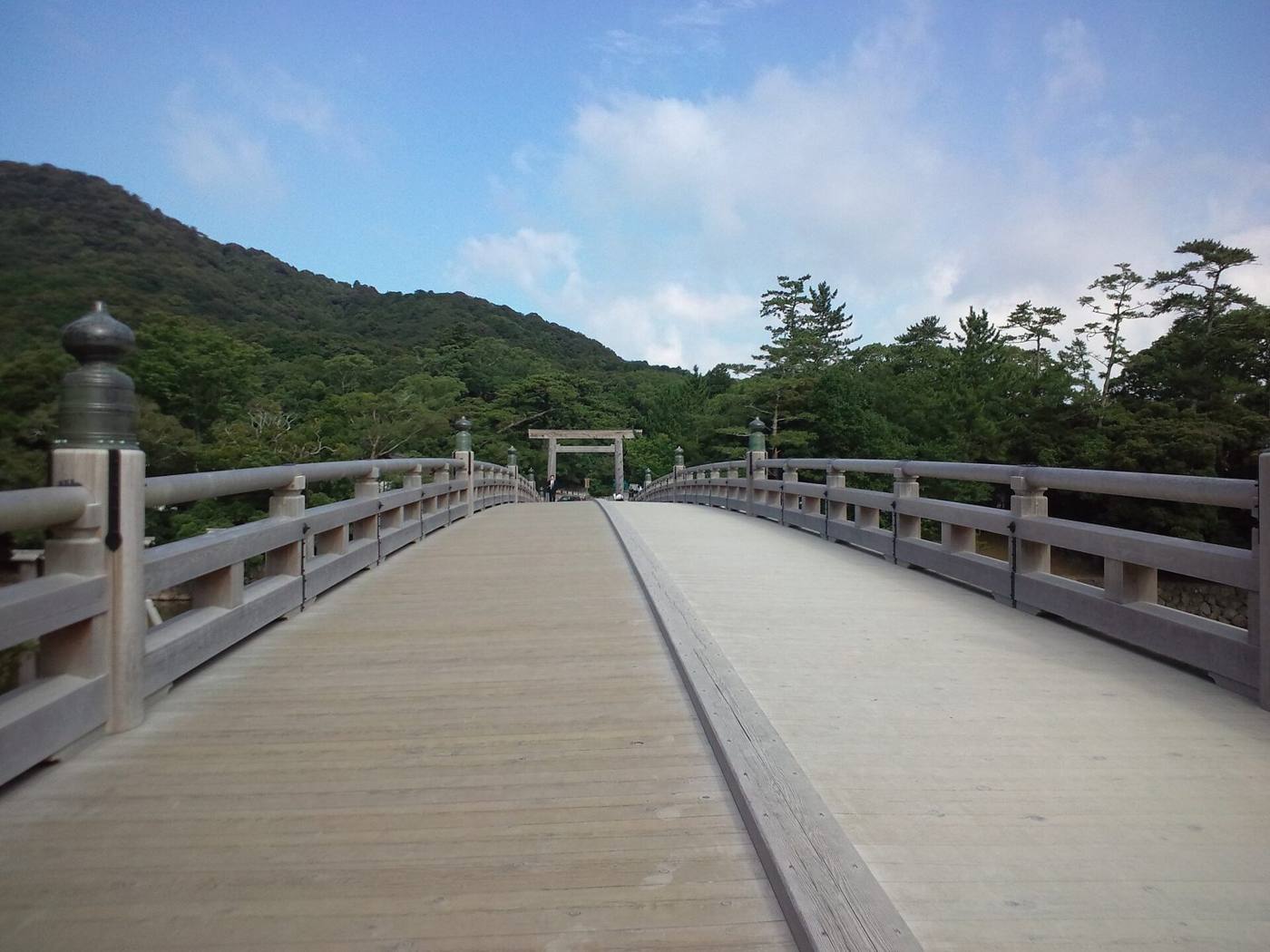
Then take the bus to the inner shrine, Naikū. You enter by crossing the wooden Uji bridge over the Isuzu river, where pilgrims wash their hands in the running water. The forest is ancient and silent. The main buildings are surrounded by wooden fences: you pray in front of the gate, and beyond it you neither enter nor take photos. Every twenty years all the shrines are rebuilt identically on a neighbouring plot, a tradition that has lasted more than a thousand years and keeps the carpenters' techniques alive.
On the way out, stroll along Oharai-machi street and through the Okage Yokochō quarter, with old-style wooden houses, shops and stalls where you can taste sticky rice with red beans and the specialities of the coast.
Practical tip: Naikū and Gekū are a few kilometres apart, so use the bus that links them. Arrive early in the morning to find the forest quiet.
- Day 2
The wedded rocks of Futami at dawn, Toba and the pearl island
Early in the morning, go to Futami, on the coast, about twenty minutes from Ise. Here, in front of the small Futami Okitama shrine, are the Meoto Iwa, the wedded rocks: two rocks in the sea, one large and one small, joined by a thick braided rope of rice straw, the shimenawa, which is replaced several times a year during a ceremony. They represent the union of a man and a woman and the gods who created Japan. From May to July the sun rises right between the two rocks, and on very clear days you can see Mount Fuji on the horizon.
In the shrine and along the shore there are many frog statues, considered lucky because the Japanese word for frog sounds like the word for coming back.
Then continue to Toba, a small seaside town. Opposite the harbour is the island where, in 1893, Kokichi Mikimoto succeeded for the first time in cultivating a pearl in an oyster. On the island a museum tells the story of cultured pearls, how the nucleus is placed inside the oyster and how the pearls are selected. Several times a day the ama give a demonstration: in their white clothes they dive from the boat and resurface with a whistle, the sound they make as they catch their breath.
In the afternoon, if you love the sea, visit the large Toba aquarium, with animals from all over the world, or take a boat trip among the islands of the bay.
Practical tip: for the dawn at the wedded rocks, check the sunrise time and sleep in Ise or Futami so you do not have to leave too early.
- Day 3
Lunch in an ama hut, Ago Bay and the Yokoyama viewpoint
Today you head south, into the wildest part of the Shima peninsula, where the coast breaks into hundreds of inlets and small wooded islands.
At midday you live one of the most authentic moments of the trip: lunch in an amagoya, the wooden hut where the ama warm up around the fire after diving. Some huts around Toba and Shima welcome visitors: the women of the sea, often elderly, grill in front of you the seafood they have caught, such as shellfish, abalone, prawns and, in season, Ise spiny lobster, and tell you about their lives, the cold of the water and how they hold their breath. The ama have been in Japan for more than two thousand years, but today there are fewer and fewer of them and their average age is high.
In the afternoon, go to Ago Bay, a large bay full of islands and wooden rafts where pearl oysters are farmed. Take a boat trip among the rafts to see the farms and the fishermen's work up close.
At sunset, climb to the Yokoyama viewpoint, in Ise-Shima National Park: from a wooden terrace above the forest you see the whole of Ago Bay, with its islands and inlets fading towards the horizon. It is one of the most famous views in the region.
Practical tip: lunch in an ama hut must be booked in advance, often through the tourist office or the website of local associations. Let them know about any seafood allergies beforehand.
- Day 4
Kashikojima and the return
Your last morning on the Shima peninsula. Go to Kashikojima, a small island linked to the mainland by a bridge, at the end of the railway line from Osaka and Nagoya. It is a quiet place, with a boat harbour and a view over Ago Bay; in 2016 it hosted the G7 summit of heads of state, which made the area known around the world.
From the pier you can take a last boat trip on the bay, or walk along the shore and watch the pearl rafts on the water. If the weather is fine, go to one of the beaches on the south coast of the peninsula, sandy and quiet outside summer.
Before leaving, buy a few products from the region: pearls, mother-of-pearl objects, dried seaweed, local soy sauce and the rice sweets sold around the Ise shrine. Remember that quality pearls should be bought from reputable shops, with a certificate, and that prices are high.
In the early afternoon, take the direct train to Osaka or Nagoya, in about two and a half hours. The journey crosses the countryside of Mie and the forested hills.
This itinerary combines very well with Kyoto, Nara or the Kumano Kodo pilgrimage trail, on the Kii peninsula, a little further south-west.
Practical tip: when leaving Japan you pay a departure tax of 3,000 yen, usually already included in your air ticket. The Japan Rail Pass does not cover the private lines to Ise and Shima: for these trains you buy a separate ticket or a regional pass.
A short and peaceful trip, easy to combine with Kyoto, Nara or the Kumano Kodo. Tradition says to visit the outer shrine first and then the inner one; the most sacred buildings cannot be entered or photographed. The ama are women who dive without tanks: lunch in their huts must be booked ahead.
Before you go
- Documents and visa
- Passport valid for the whole stay; many nationalities, including EU citizens, enter without a visa for up to 90 days for tourism. An electronic travel authorisation (JESTA) has been announced but is not yet in force: check before you go.
- Health and vaccines
- No vaccines required. Healthcare is excellent but expensive: travel insurance with high medical cover is essential. Some common medicines, such as certain codeine painkillers, are banned or restricted. Emergencies: 119 ambulance, 110 police.
- Money and payments
- Yen. Cards are increasingly accepted, but temples, small restaurants and rural areas need cash: convenience-store ATMs accept foreign cards. Tipping is not customary.
- Power sockets
- Type A, 100 volts: you need a flat-pin adapter; phone and laptop chargers work, European hairdryers often do not.
- Time zone
- UTC+9, no daylight saving time.
- Safety
- One of the safest countries in the world. The risks are natural: earthquakes, typhoons from July to October, extreme summer heat. Download an English-language alert app. Official advice: GOV.UK.
Information checked in November 2026 for Italian and EU citizens. Rules change: always check before you travel.
Variations
In 2 days: Ise only, with Gekū and Naikū on the first day and the wedded rocks and Toba on the second.
In 7 days: after Shima, go down to the Kii peninsula to walk the Kumano Kodo for two or three days, with its great shrines and mountain villages.
Frequently asked questions
When is the best time to go?
Spring and autumn, with mild temperatures. Summer is hot and humid, but it is the ama diving season. At New Year the Ise shrine is extremely crowded.
Can I take photos at the Ise shrine?
Yes, in the woods and along the paths. You do not photograph the most sacred buildings behind the fences. Walk quietly and respect the worshippers.
What documents do I need?
Italian citizens only need a valid passport for tourist stays of up to 90 days, without a visa.
Indicative itinerary written by World Atlas. Before booking, check timetables, seasonal openings, documents and safety.
 5 daysModerate
Kamikochi and the Tateyama Kurobe Alpine Route
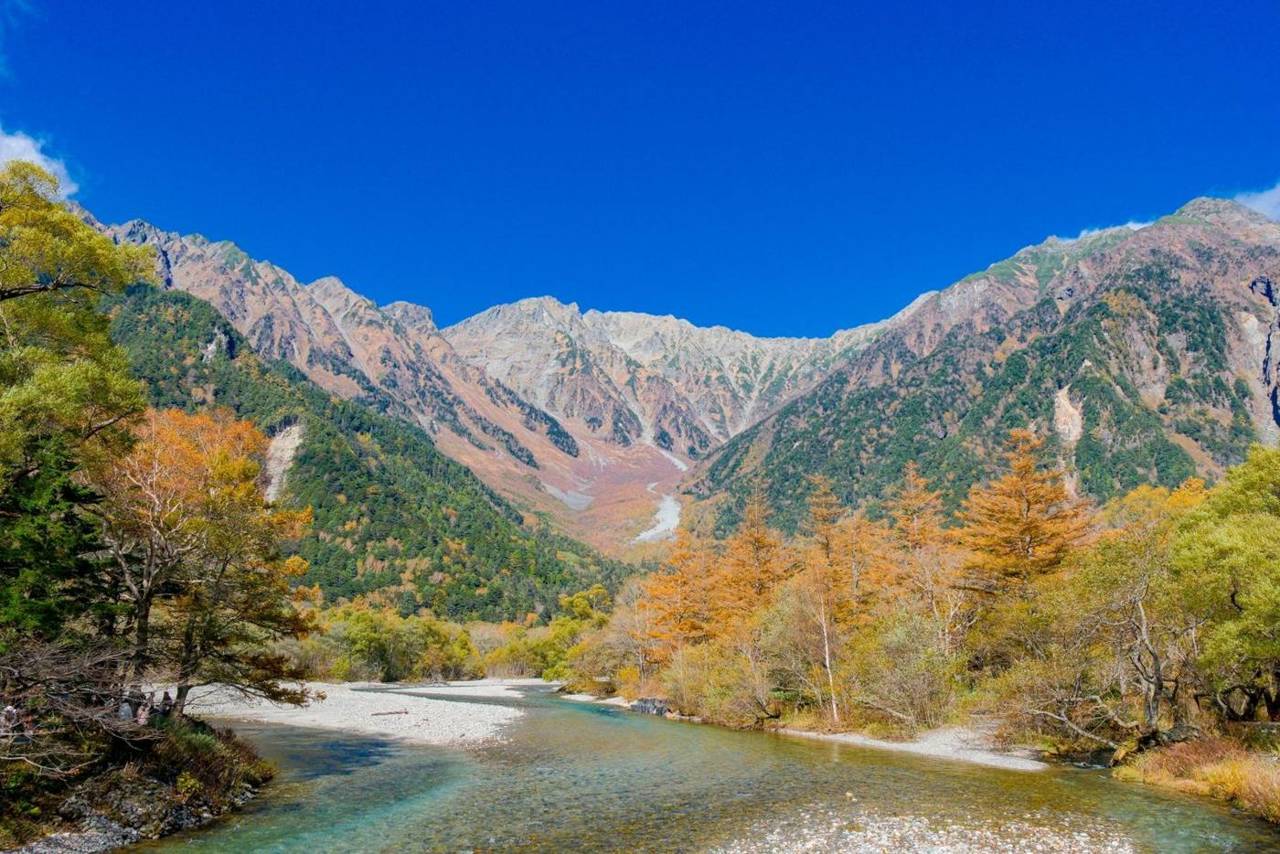
The Japanese Northern Alps: the Kamikochi closed to cars valley, with Kappa bridge and Taishō pond, then the crossing of the Tateyama Kurobe Alpine Route by ropeway, bus and cable car, from the Kurobe dam to the Murodō plateau with its snow walls in spring.
 10 daysEasy
Tokyo, Kyoto and Hiroshima in Ten Days
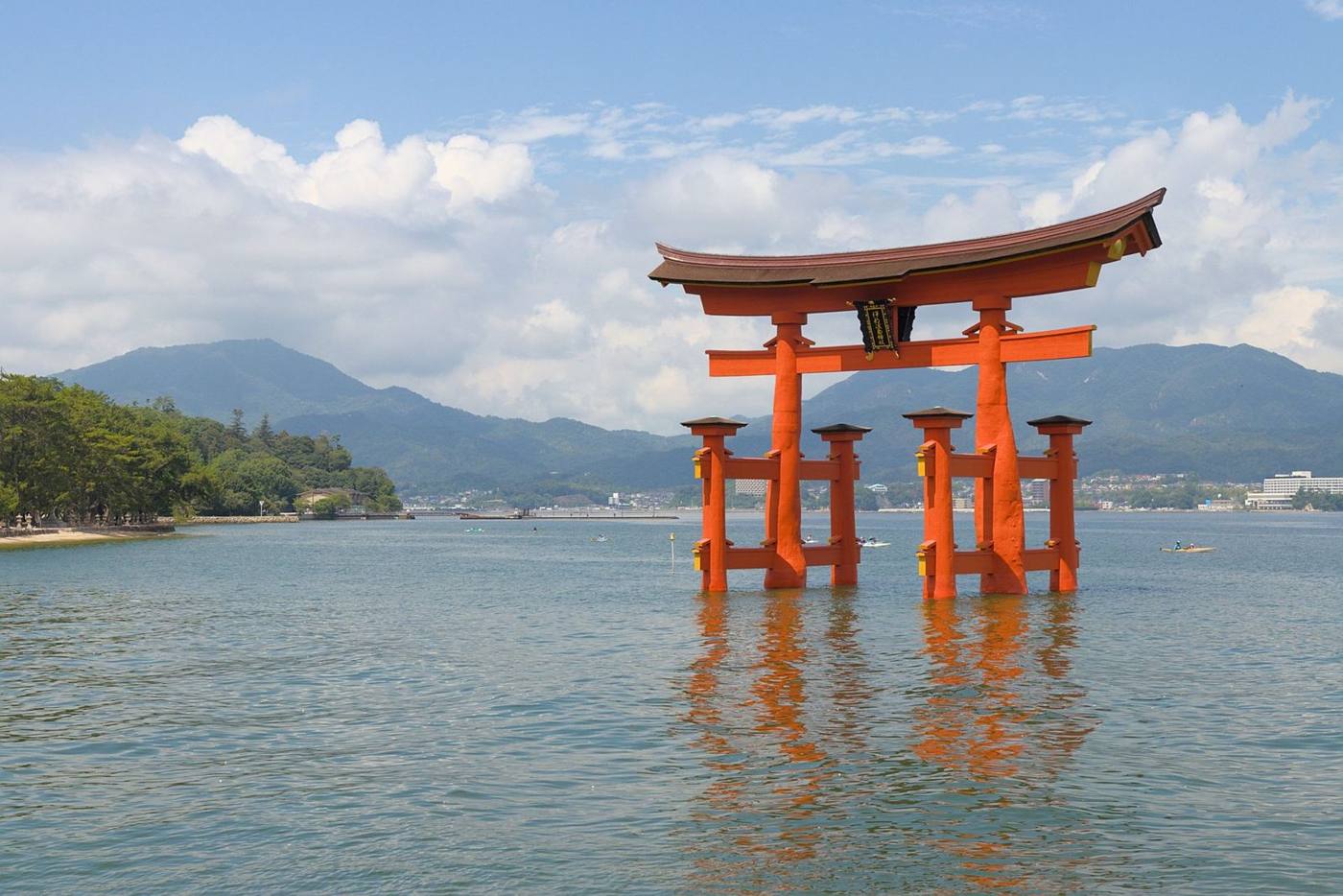
A first trip to Japan done properly: the metropolis, the shrines of Nikko, the temples of Kyoto and Nara, Osaka's food and the memory of Hiroshima.
 7 daysModerate
The Japanese Alps and the Nakasendo in a Week
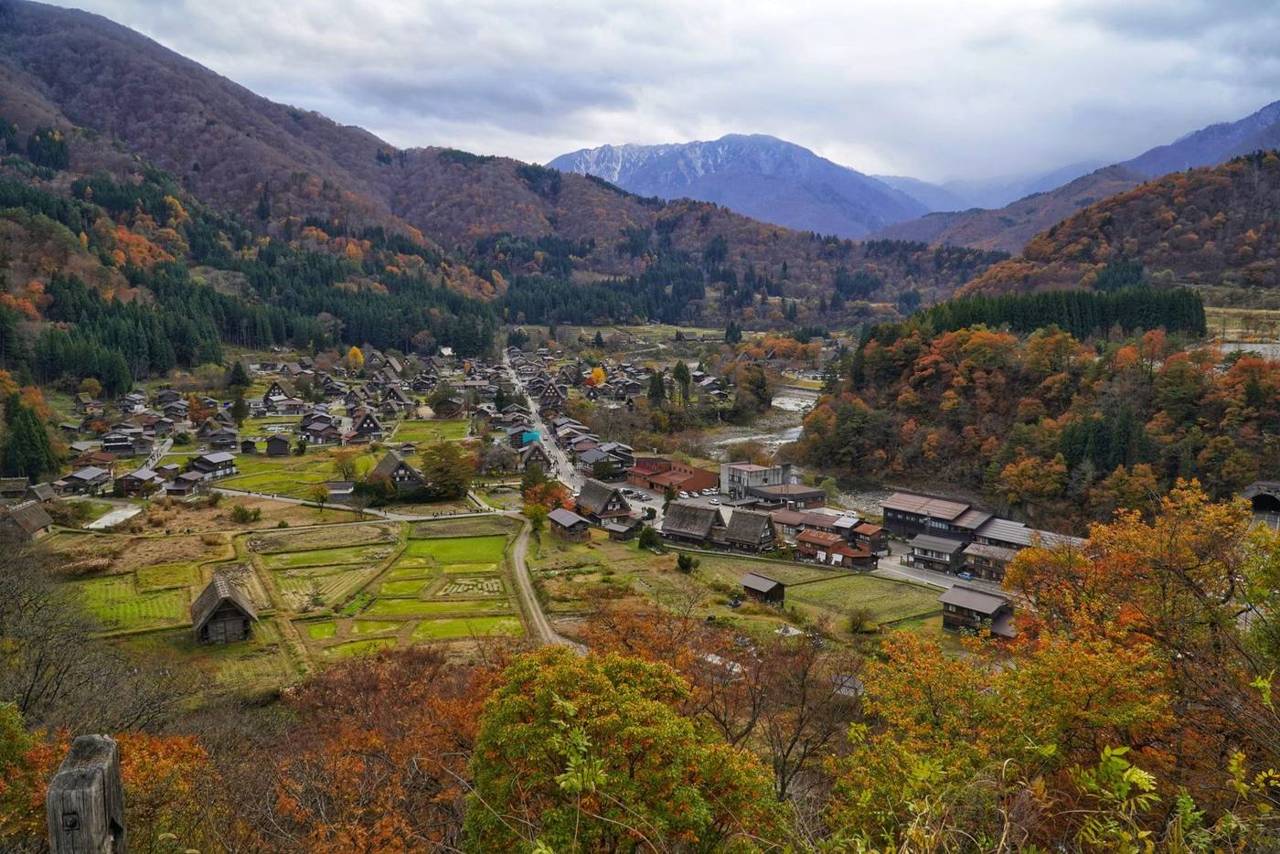
A Japan of mountains and timber: Matsumoto's black castle, the old post road of the Kiso Valley, Takayama, Shirakawa-go and the gardens of Kanazawa.