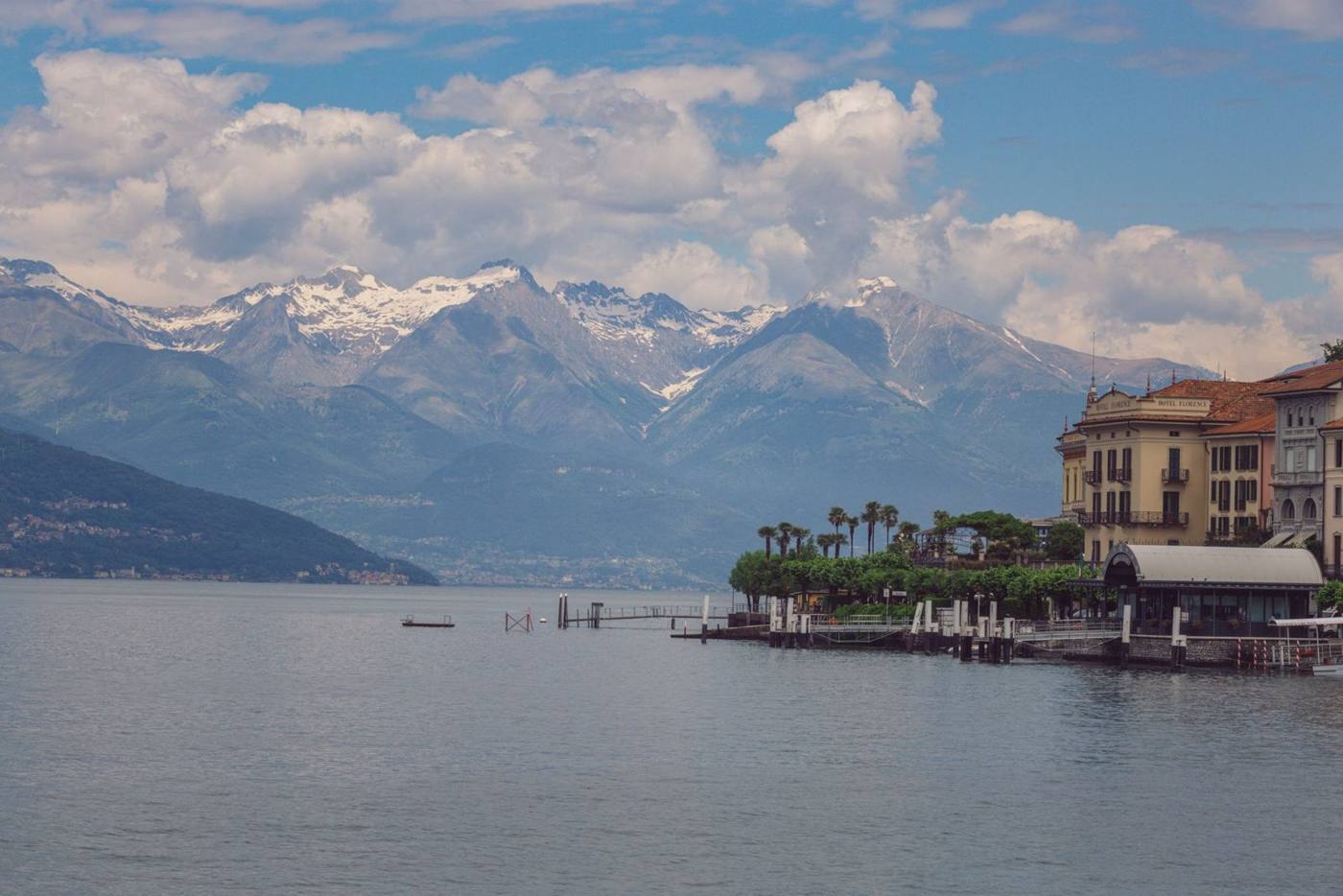
The great lakes: Como, Maggiore and Garda
The villas of Lake Como with Bellagio and Varenna, the Borromean Islands on Lake Maggiore, Sirmione and the Trentino shore of Lake Garda.
- Stresa
- Borromean Islands
- Como
- Bellagio
- Varenna
- Sirmione
- Riva del Garda
Day by day
- Day 1
Lake Maggiore: Stresa and the Borromean Islands
The great lakes of northern Italy, Maggiore, Como and Garda, were formed by glaciers at the end of the last ice age at the foot of the Alps. They have a mild climate, with olive, lemon and palm trees and camellias, and their shores are lined with aristocratic villas whose gardens are famous worldwide. Italy is in the Schengen area and uses the euro; EU citizens need only a valid identity card.
From Milan Malpensa airport you reach Stresa, on the Piedmont shore of Lake Maggiore, by car in about forty minutes, or by train from Milan in about an hour.
Stresa is an elegant Belle Époque town, with a flower-lined lakefront and grand nineteenth-century hotels frequented by writers such as Ernest Hemingway, who set part of A Farewell to Arms here.
From the pier take the boat to the Borromean Islands, three small islands off the town. Isola Bella is almost entirely taken up by the seventeenth-century Palazzo Borromeo, with frescoed halls, grottoes decorated with shells and stones and an Italian garden on ten terraces shaped like a ship, with white peacocks. Isola dei Pescatori, the only one inhabited all year, has a small village of narrow houses and lanes, with nets hung out to dry. Isola Madre has a botanical garden with exotic plants and parrots.
In the evening try lake fish such as perch, often served with risotto.
Practical tip: buy the day boat ticket, which lets you hop on and off between the islands as often as you like.
- Day 2
Villa Taranto, the Mottarone and Orta
In the morning take the boat or drive to Verbania on the opposite shore to visit the botanical gardens of Villa Taranto, created in the 1930s by a Scottish captain. They hold thousands of plants from around the world, including giant tropical water lilies in the pools, tulips in spring and dahlias in summer, with terraces, fountains and waterfalls.
Alternatively go up the Mottarone, the mountain above Stresa, about 1,490 metres high. From the summit on clear days you see seven lakes and the Alps with Monte Rosa. Check first whether the cable car is running; otherwise drive up the scenic road.
In the afternoon take a trip to Lake Orta, about half an hour from Stresa, a small, quiet and romantic lake. The village of Orta San Giulio has a square on the lake, houses with iron balconies and stone lanes. Opposite the village, the island of San Giulio, a few minutes by small boat, has a Romanesque basilica and a Benedictine convent; the path around the island is called the way of silence, with signs inviting meditation. Above the village, the Sacro Monte of Orta, a UNESCO World Heritage site, has twenty chapels with statues and frescoes on the life of St Francis.
In the evening return to Stresa.
Practical tip: boats on Lake Maggiore run a reduced timetable in winter; check the lake navigation website.
- Day 3
Lake Como: Villa del Balbianello and Tremezzo
In the morning drive to Lake Como, about an hour and a half from Stresa. The lake is shaped like an upside-down Y with three branches and is surrounded by mountains dropping steeply to the water, with colourful villages on the shores.
Visit Villa del Balbianello at Lenno, on the tip of a wooded promontory, an eighteenth-century villa with terraces and gardens above the lake, where films such as Casino Royale and Star Wars were shot. The villa belongs to the FAI, the Italian National Trust. You arrive by water taxi from Lenno or on foot along a path of about a kilometre; on some days access on foot is restricted, so check opening times and days beforehand.
In the afternoon visit Villa Carlotta at Tremezzo, a seventeenth-century villa with a large botanical garden, famous in spring for azaleas and rhododendrons in a thousand colours, and a museum of sculpture and painting, including works by Antonio Canova.
In the evening stay in Bellagio or Varenna, the lake's most beautiful villages.
Practical tip: the road along Lake Como is narrow and busy in summer, with difficult parking; use the boats to move between villages. In spring, the gardens of both villas are at their most colourful, so allow time for a slow walk.
- Day 4
Bellagio and Varenna by boat
Today is a day among the villages of central Lake Como, all linked by boats and car ferries forming a triangle between Bellagio, Varenna and Menaggio in a few minutes.
In the morning visit Bellagio, called the pearl of the lake, on the tip of the peninsula where the three branches divide. The village has stepped lanes, stone alleys with shops selling silk, for which Como is famous, and a lakefront lined with cafés. Visit the gardens of Villa Melzi on the shore, with exotic plants and lake views, or the gardens of Villa Serbelloni on a guided tour.
In the afternoon take the boat to Varenna on the east shore, a small fishing village with colourful houses stepping down into the water. Walk the Lovers' Walk, a path suspended over the lake, and visit the gardens of Villa Monastero, stretching for about two kilometres along the shore with cypresses, citrus trees and palms. Above the village, the medieval Vezio castle looks over the whole lake, up a path of about twenty minutes.
In the evening try missoltini, lake shad dried and grilled, a traditional dish, or risotto with perch.
Practical tip: buy the day ticket for the central lake boats, worth it if you make several trips; in summer queues at the piers can be long.
- Day 5
Lake Garda: Sirmione
In the morning drive east to Lake Garda, Italy's largest lake, about two hours from Como. Garda is shared by three regions, Lombardy, Veneto and Trentino, and is wider and brighter than the other lakes in the south, while in the north it is narrow and enclosed by mountains, like a fjord.
Reach Sirmione, on a narrow peninsula about four kilometres long reaching into the lake from the southern shore. You enter the village over the drawbridge of the Scaliger castle, a thirteenth-century fortress surrounded by water, with a fortified dock, one of the few in the world still preserved. You can climb the towers for the lake view.
Walk through the lanes of the centre, full of shops and ice cream parlours, to the tip of the peninsula, home to the Grotte di Catullo, the remains of a large first-century Roman villa, one of the most important Roman villas in northern Italy, among olive trees with views over the lake. Nearby is Jamaica beach, with flat white stone slabs sloping into clear water.
Sirmione is also famous for its thermal waters, which rise hot from the lake bed, with spas open to the public.
In the evening take a boat trip around the peninsula at sunset.
Practical tip: cars cannot enter the centre of Sirmione; park outside the village in the paid car parks.
- Day 6
Riva del Garda, the Ponale path and departure from Verona
In the morning drive north along the lakeshore on the Gardesana road to Riva del Garda, at the northern tip of the lake in Trentino, about an hour and a half from Sirmione. Here the lake is squeezed between mountains, and the steady wind, called Pelèr in the morning and Ora in the afternoon, makes this one of Europe's most famous areas for sailing, windsurfing and kitesurfing.
Walk the Ponale path, an old military and trade road cut into the rock in the nineteenth century, climbing from the shore at Riva towards the Ledro valley, now closed to cars and reserved for walkers and cyclists. You walk through tunnels and along balconies high above the lake, with spectacular views over the water. In about an hour you reach the viewpoint; you can continue to Lake Ledro.
Alternatively visit Malcesine on the Verona shore, with its castle and the cable car up Monte Baldo, about 1,760 metres high, whose cabin rotates during the ascent.
In the afternoon drive to Verona, about an hour and a half away, for departure from the airport or station. If you have time, take a short walk in the centre, with the Roman Arena and Juliet's house.
Things to take home: Garda extra virgin olive oil, lemons and citrus products from Limone sul Garda, Como silk, and wines from Valtènesi and Bardolino.
Practical tip: lake roads are narrow with many tunnels; in summer set off early.
Elegant, easy landscapes with gardens, villas and mountains above the water. On the lakes it is better to travel by boat than by car, especially on Como where roads are narrow and busy. The villas charge admission and some must be booked. In summer Bellagio and Sirmione are very crowded.
Before you go
- Documents and visa
- EU citizens only need a valid identity card or passport; hotels and guesthouses must register it on arrival. Other nationalities should check the visa rules for the Schengen area.
- Health and vaccines
- No vaccines required. EU citizens should bring their European Health Insurance Card (EHIC). Emergency number: 112.
- Money and payments
- Euro. Cards are accepted almost everywhere; many cities charge a tourist tax per night, paid directly at your accommodation.
- Power sockets
- Types C, F and L, 230 volts.
- Time zone
- Central European Time (UTC+1), summer time (UTC+2) from the last Sunday of March to the last Sunday of October.
- Safety
- A safe country. In big cities and on crowded public transport watch out for pickpockets. Emergencies: 112. Official advice: GOV.UK.
Information checked in November 2026 for Italian and EU citizens. Rules change: always check before you travel.
Variations
In 3 days: a day on Lake Maggiore with the Borromean Islands, one on Lake Como between Bellagio and Varenna, one in Sirmione.
In 9 days: add more days on Garda, with Limone, Malcesine and Monte Baldo, or smaller lakes such as Iseo with Monte Isola.
Frequently asked questions
How do you get around between the lake villages?
By the lake navigation boats and ferries, which link the main villages; in summer they are easier than driving, because roads are narrow and parking is scarce.
Which lake should I choose if I have little time?
Lake Como for villas and villages, Maggiore for gardens and islands, Garda for beaches, sport and medieval towns.
When is the best time to go?
Spring, from April to June, with gardens in bloom, and September; summer is hot and crowded, while in winter many villas and boats cut their hours.
Indicative itinerary written by World Atlas. Before booking, check timetables, seasonal openings, documents and safety.
 5 daysEasy
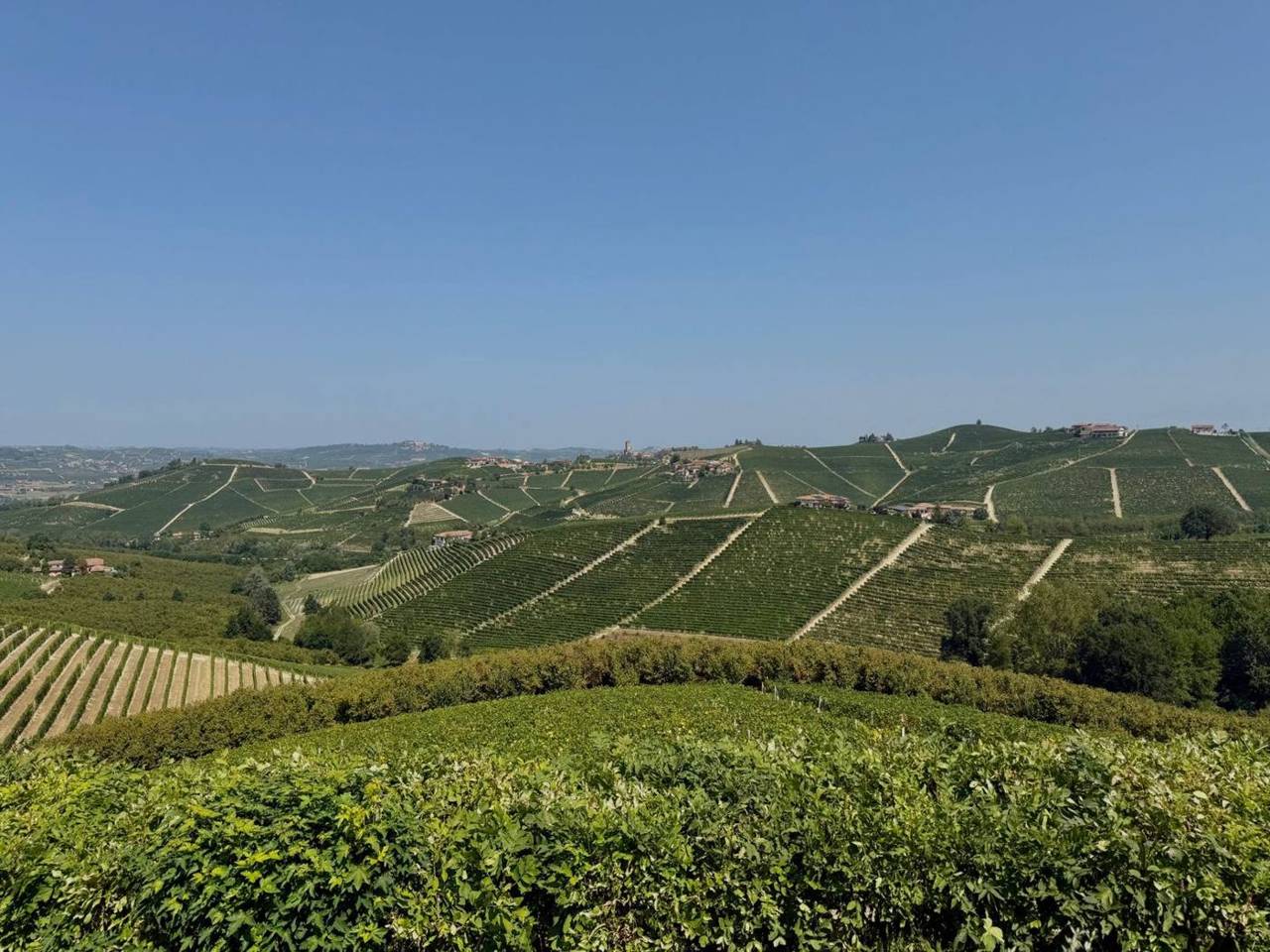
Piedmont: Turin and the Langhe
Turin with the Egyptian Museum and its historic cafés, then the UNESCO-listed hills of the Langhe and Roero among Barolo, Barbaresco, Alba and white truffles.
 8 daysEasy
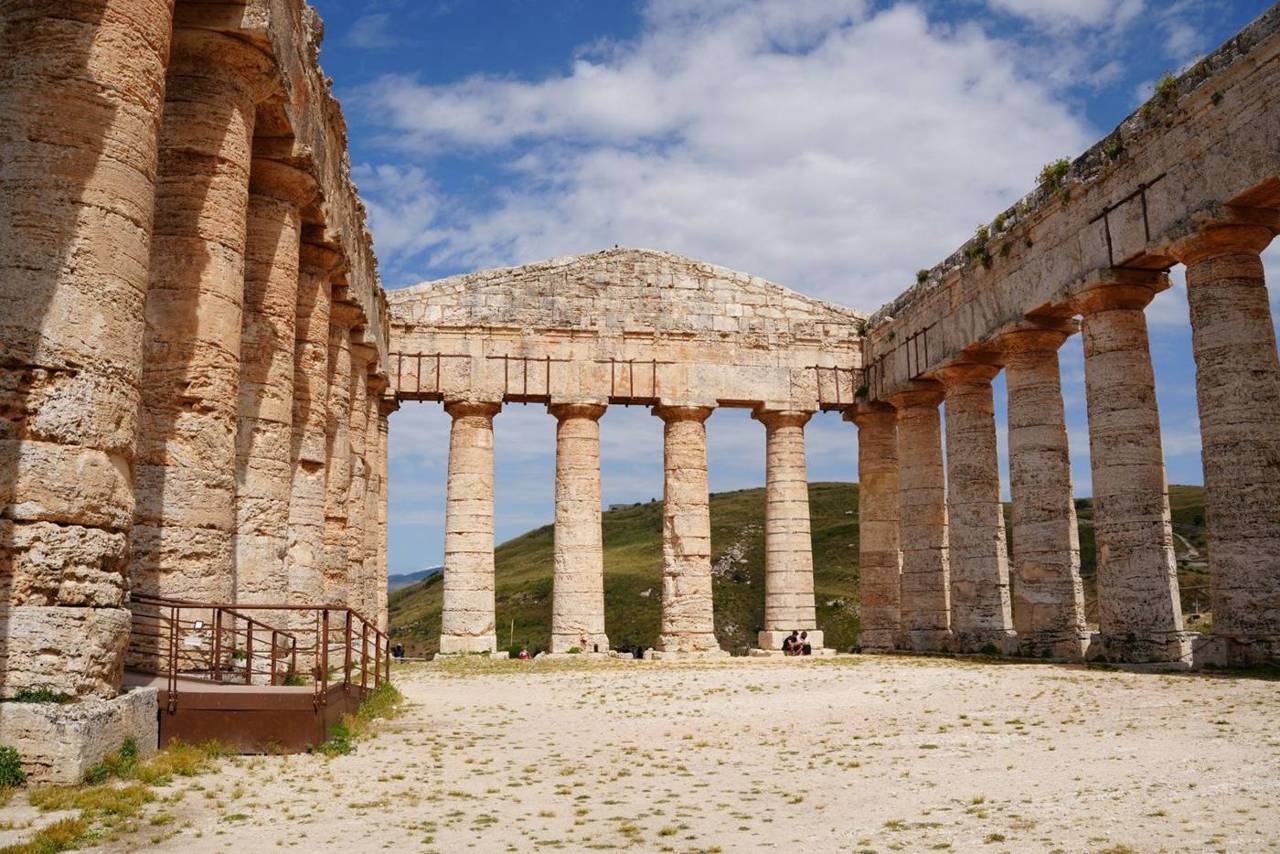
Western Sicily: Palermo, Trapani and Agrigento
From the Arab-Norman mosaics of Palermo and Monreale to the temple of Segesta, from the medieval village of Erice to the salt pans of Trapani and Marsala, ending at Selinunte and the Valley of the Temples in Agrigento.
 6 daysEasy
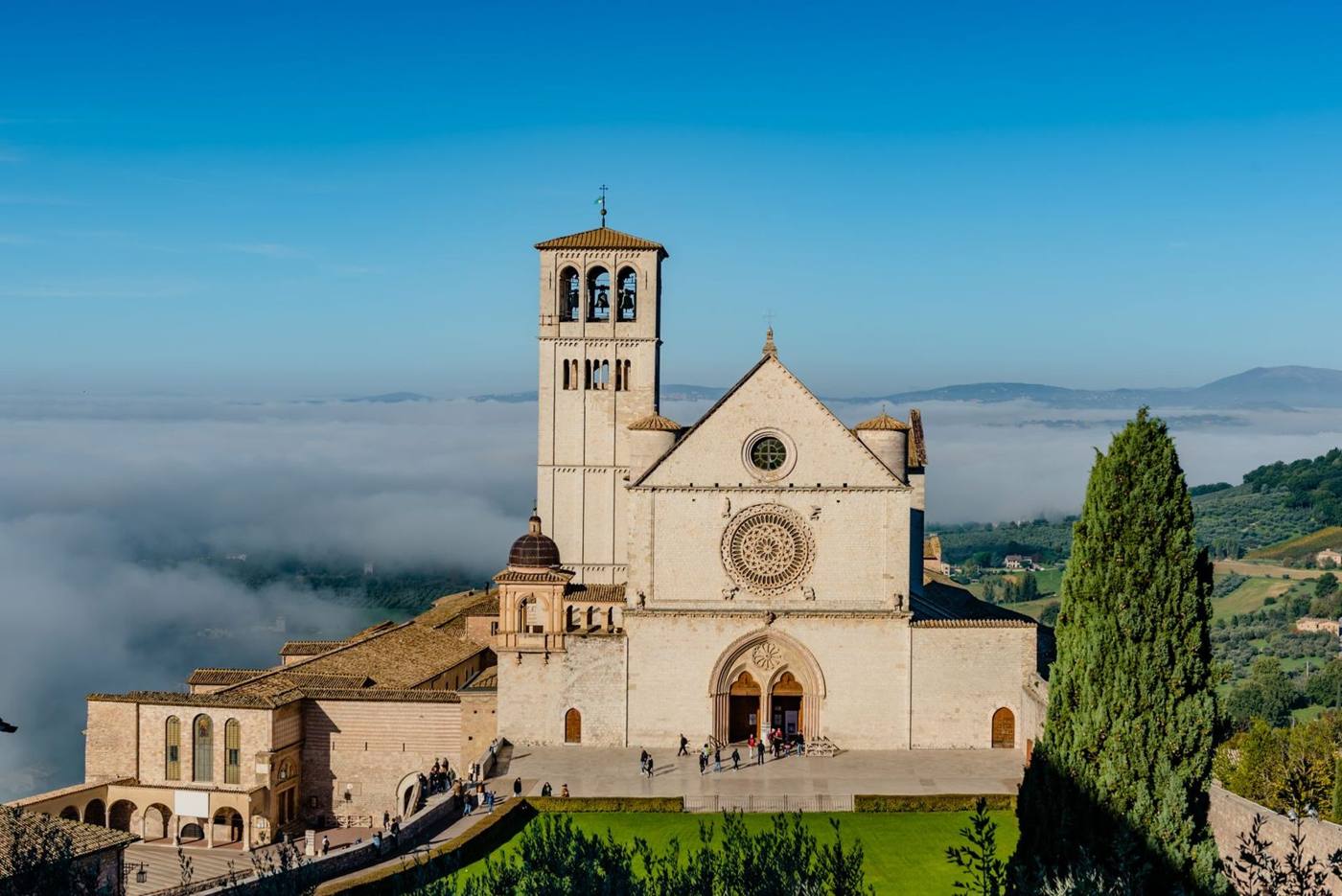
Umbria and Marche: Assisi, Perugia, Gubbio and Urbino
The green heart of Italy: the Basilica of Saint Francis in Assisi, the villages of Spello and Spoleto, Perugia and its lanes, medieval Gubbio and the ducal palace of Urbino, a Renaissance city.