Piedmont: Turin and the Langhe
Turin with the Egyptian Museum and its historic cafés, then the UNESCO-listed hills of the Langhe and Roero among Barolo, Barbaresco, Alba and white truffles.
- Turin
- Royal Palace of Venaria
- Alba
- Barolo
- La Morra
- Barbaresco
- Neive
Day by day
- Day 1
Turin, the Egyptian Museum and the baroque centre
Turin was Italy's first capital, from 1861 to 1865, and for centuries the city of the House of Savoy. The centre is elegant and orderly, with long arcades, more than eighteen kilometres of them, which let you walk dry even when it rains. You arrive by train at Porta Nuova or Porta Susa, both central, or at Caselle airport, linked by train and bus. To stay, choose the historic centre between Piazza Castello and Piazza San Carlo, or the San Salvario district, lively in the evening.
In the morning visit the Egyptian Museum, the world's oldest museum devoted to Egypt, founded in 1824, considered the most important after the one in Cairo. The rooms display colossal statues of pharaohs, sarcophagi, mummies, papyri and the intact tomb of the architect Kha and his wife Merit, with its complete grave goods. A full ticket costs 18 euros; it is best to book your entry time online, especially at weekends. Allow at least three hours.
In the afternoon stroll in Piazza San Carlo, Turin's drawing room, with its twin churches and historic cafés under the arcades, and in Piazza Castello, with Palazzo Madama and the Royal Palace. Step into the church of San Lorenzo, with Guarini's baroque dome.
Towards evening try bicerin, Turin's layered drink of coffee, chocolate and cream, born in the eighteenth century. Practical tip: the Torino+Piemonte Card includes many museums and transport; consider it if you plan several visits.
- Day 2
The Mole, the Cinema Museum and the Venaria Royal Palace
In the morning go up the Mole Antonelliana, the city's symbol, 167 metres high, begun as a synagogue in the nineteenth century and now Turin's most recognisable monument. A glass panoramic lift rises through the great interior hall and reaches the small temple at the top in seconds, with views over the rooftops, the Po and, on clear days, the arc of the Alps. Inside the Mole is the National Cinema Museum, one of the most important in the world, with the history of cinema from magic lanterns to modern films, sets, costumes and red armchairs for watching films in the great hall. Book the lift, which has limited places.
In the afternoon go to the Reggia di Venaria, about half an hour from the centre, one of the great Savoy residences, a UNESCO World Heritage site. Built in the seventeenth century as a hunting lodge, it is an immense palace: the Great Gallery, eighty metres long and full of light, the chapel of Sant'Uberto and the restored gardens, with fountains and avenues fading into the park.
In the evening return to the centre and walk along the Po at the Murazzi, or in the Roman Quadrilateral around Piazza Emanuele Filiberto, full of places for aperitivo, a Turin tradition.
Practical tip: there are buses and trains from the centre to Venaria; on Saturdays and Sundays there are also dedicated shuttles. Check times on the palace website.
- Day 3
Alba and the white truffle
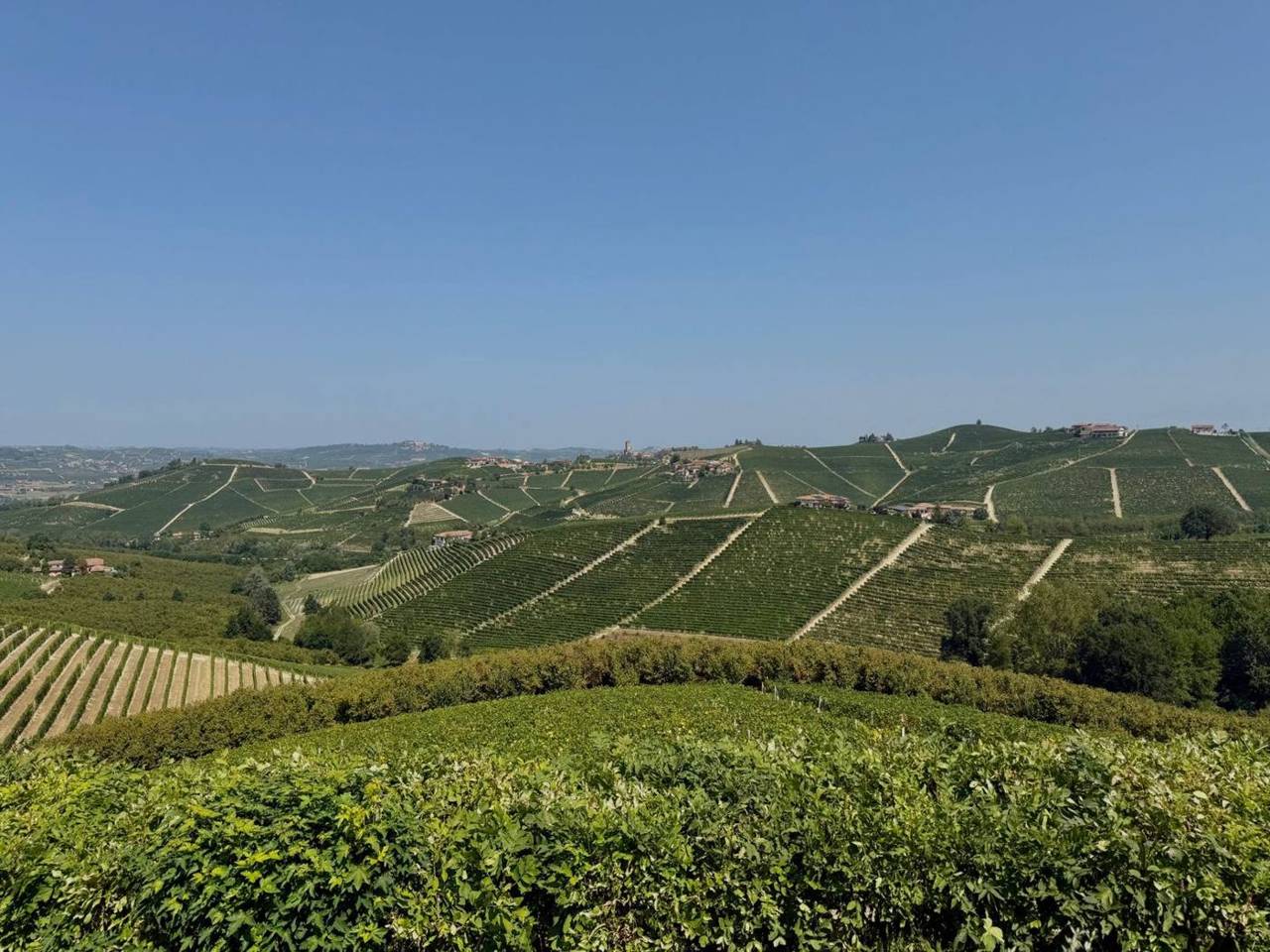
In the morning leave Turin and drive south to the Langhe, about an hour and a quarter. The Langhe, Roero and Monferrato are a UNESCO World Heritage wine landscape: hills covered with vineyards, villages on the ridges, castles and towers. You need a car to explore them, as public transport is scarce.
Alba is the capital of the Langhe, a medieval town called the city of a hundred towers, with its historic centre gathered around San Lorenzo cathedral and the main street, Via Vittorio Emanuele, which locals call Via Maestra. It is world famous for the white truffle, the most prized of all. Every autumn, from October to early December, the International Alba White Truffle Fair is held, with the truffle market, where you can smell and buy truffles with the guarantee of inspections, tastings and events in the centre. Check the exact dates on the fair's official website, as they change every year.
In the afternoon many join a truffle hunt with a trifolao, the truffle hunter, and his dog in the woods around the town. It is a fine experience even out of season, when black truffles are hunted.
Sleep in Alba or in a farmhouse among the hills. Practical tip: the price of white truffles varies greatly from year to year according to the harvest; buy only at inspected points of sale and always ask the price per gram before weighing.
- Day 4
Barolo and La Morra, the heart of the wine
Today is Barolo day, one of the world's great red wines, made from nebbiolo grapes in eleven villages of the Langhe. In the morning visit the village of Barolo, with the Falletti castle, home to WiMu, a modern interactive wine museum, and the regional wine shop. From the castle walls you see hills covered with vines as far as the eye can see.
Nearby, La Morra is a hilltop village at over five hundred metres, with the most famous viewpoint in the Langhe: from here you see the Barolo villages, Castiglione Falletto, Serralunga d'Alba and Monforte, and on clear days the Alps with Monviso. Among the vineyards near La Morra is the Barolo chapel, a small church painted in bright colours by two contemporary artists.
In the afternoon visit a winery for a tasting: many estates, small and large, open to visitors by appointment. The wineries explain winemaking, ageing in large casks and the differences between vineyards, called geographical mentions.
At dinner try the typical dishes of the Langhe: tajarin, thin egg noodles, often with butter and truffle or with meat sauce; beef braised in Barolo; vitello tonnato; plin, small pinched ravioli. Practical tip: if you go tasting, choose a driver or an organised tour; Italy's drink-driving limits are low and checks frequent.
- Day 5
Barbaresco, Neive and the return
On the last morning visit the Barbaresco area, home to the other great nebbiolo red of the Langhe, made in a few villages north-east of Alba. The village of Barbaresco is small and quiet, dominated by a thirty-metre medieval tower open to visitors, with views over the Tanaro river and the vineyards. The regional wine shop is in a deconsecrated church.
Continue to Neive, a few kilometres away, one of the most beautiful villages in Italy: a medieval village on a hill, with narrow cobbled streets, noble palaces, a clock tower and views over the hills of the area's four most famous wines, Barbaresco, Dolcetto, Barbera and Moscato. It is perfect for an unhurried walk and a last lunch with a view.
In the early afternoon head back towards Turin, about an hour and a half. On the way, if you have time, stop in Bra, the town where the Slow Food movement was born, famous for Bra sausage, or Pollenzo, with the university of gastronomic sciences in the Savoy residence. Or pass through Grinzane Cavour, with the castle where Camillo Cavour lived, now a museum and wine shop.
Things to take home: Langhe wines, Piedmont hazelnuts, Turin's gianduiotti chocolates, hand-stretched grissini, Castelmagno cheese or Roccaverano robiola. Practical tip: in autumn the hills are often covered in morning fog; drive slowly on the narrow village roads.
Italy for lovers of fine food and wine, less touristy than Tuscany or the Veneto. Turin is elegant, with world-class museums and reasonable prices. Visits to the best wineries must be booked. In October and November the vineyard colours and truffles make the trip special, but lodging in the Langhe fills up.
Before you go
- Documents and visa
- EU citizens only need a valid identity card or passport; hotels and guesthouses must register it on arrival. Other nationalities should check the visa rules for the Schengen area.
- Health and vaccines
- No vaccines required. EU citizens should bring their European Health Insurance Card (EHIC). Emergency number: 112.
- Money and payments
- Euro. Cards are accepted almost everywhere; many cities charge a tourist tax per night, paid directly at your accommodation.
- Power sockets
- Types C, F and L, 230 volts.
- Time zone
- Central European Time (UTC+1), summer time (UTC+2) from the last Sunday of March to the last Sunday of October.
- Safety
- A safe country. In big cities and on crowded public transport watch out for pickpockets. Emergencies: 112. Official advice: GOV.UK.
Information checked in November 2026 for Italian and EU citizens. Rules change: always check before you travel.
Variations
In 3 days: one day in Turin with the Egyptian Museum and the Mole, then two days in the Langhe between Alba, Barolo and La Morra, skipping Venaria.
In 7 days: add the Roero and Monferrato, with castles and the underground cellars of Canelli, or two more days in Turin for the Pinacoteca Agnelli, the Lingotto and the Superga hill.
Frequently asked questions
How much is the Egyptian Museum in Turin?
A full ticket costs 18 euros. It is best to book your entry time online, especially at weekends and on public holidays.
When is the Alba truffle fair?
Every autumn, from October to early December, with the truffle market at weekends. The exact dates change every year: check them on the fair's official website.
Do I need a car for the Langhe?
Yes, it is almost essential: the villages are scattered across the hills and public transport is scarce. Alternatively there are organised tours with a driver from Alba or Turin.
Indicative itinerary written by World Atlas. Before booking, check timetables, seasonal openings, documents and safety.
 8 daysEasy
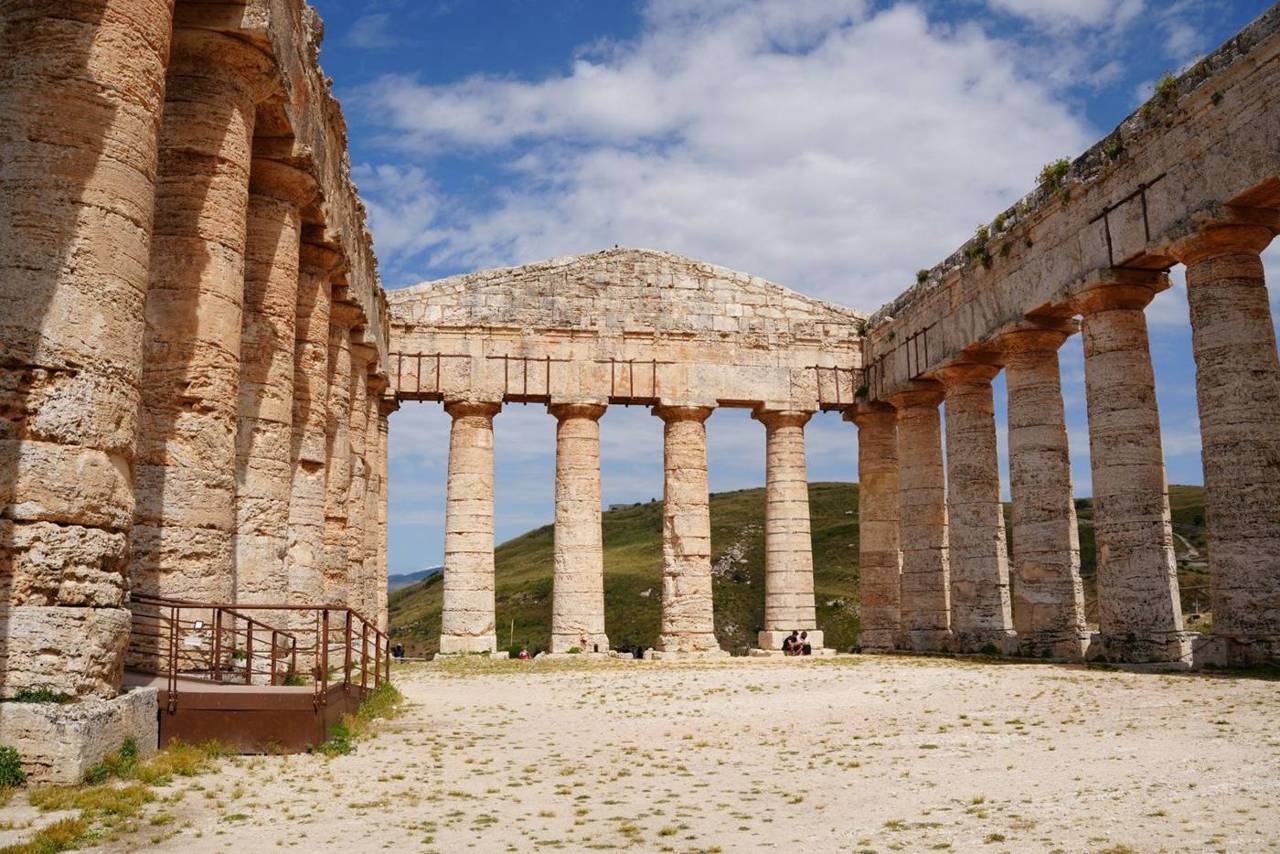
Western Sicily: Palermo, Trapani and Agrigento
From the Arab-Norman mosaics of Palermo and Monreale to the temple of Segesta, from the medieval village of Erice to the salt pans of Trapani and Marsala, ending at Selinunte and the Valley of the Temples in Agrigento.
 6 daysEasy
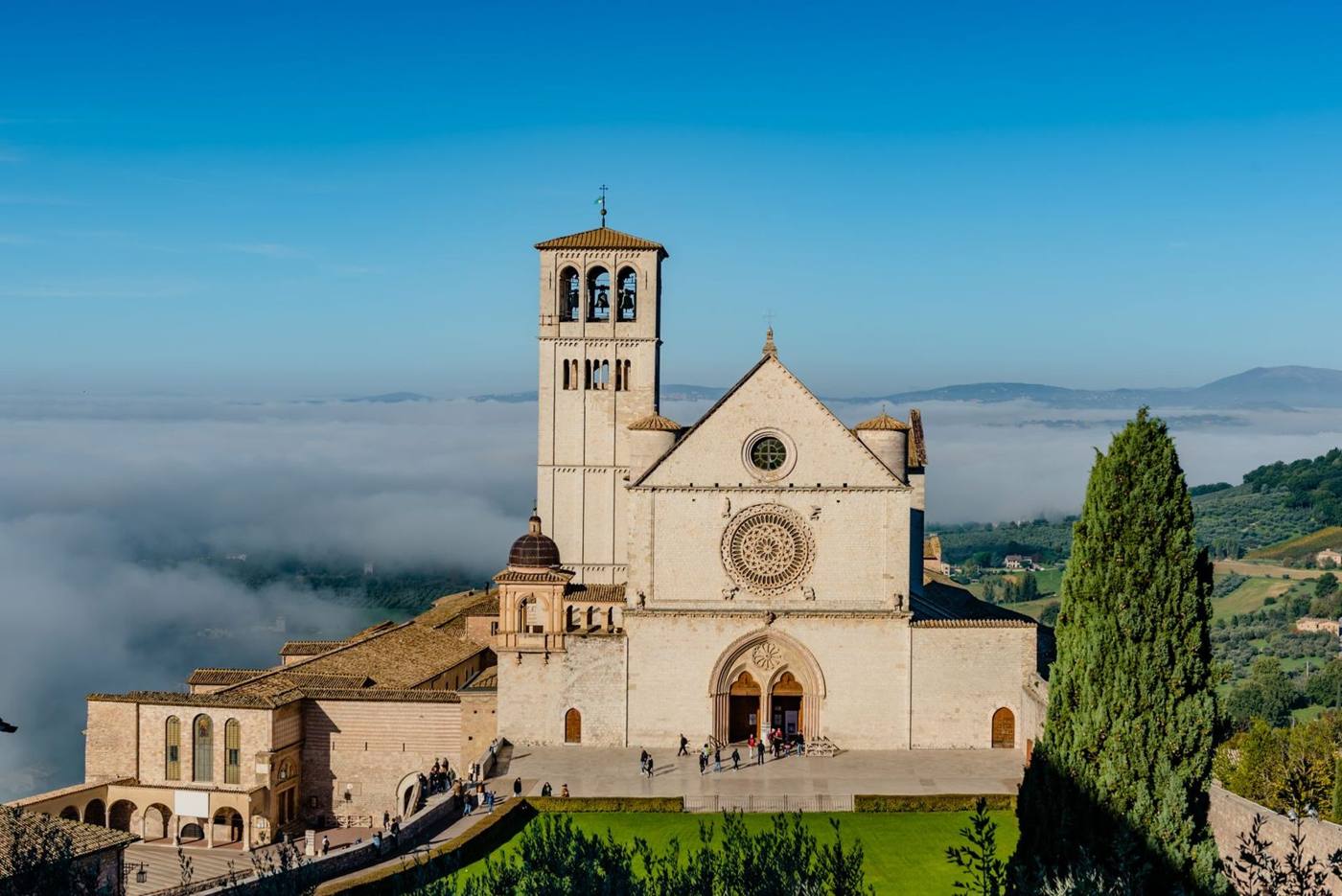
Umbria and Marche: Assisi, Perugia, Gubbio and Urbino
The green heart of Italy: the Basilica of Saint Francis in Assisi, the villages of Spello and Spoleto, Perugia and its lanes, medieval Gubbio and the ducal palace of Urbino, a Renaissance city.
 5 daysModerate
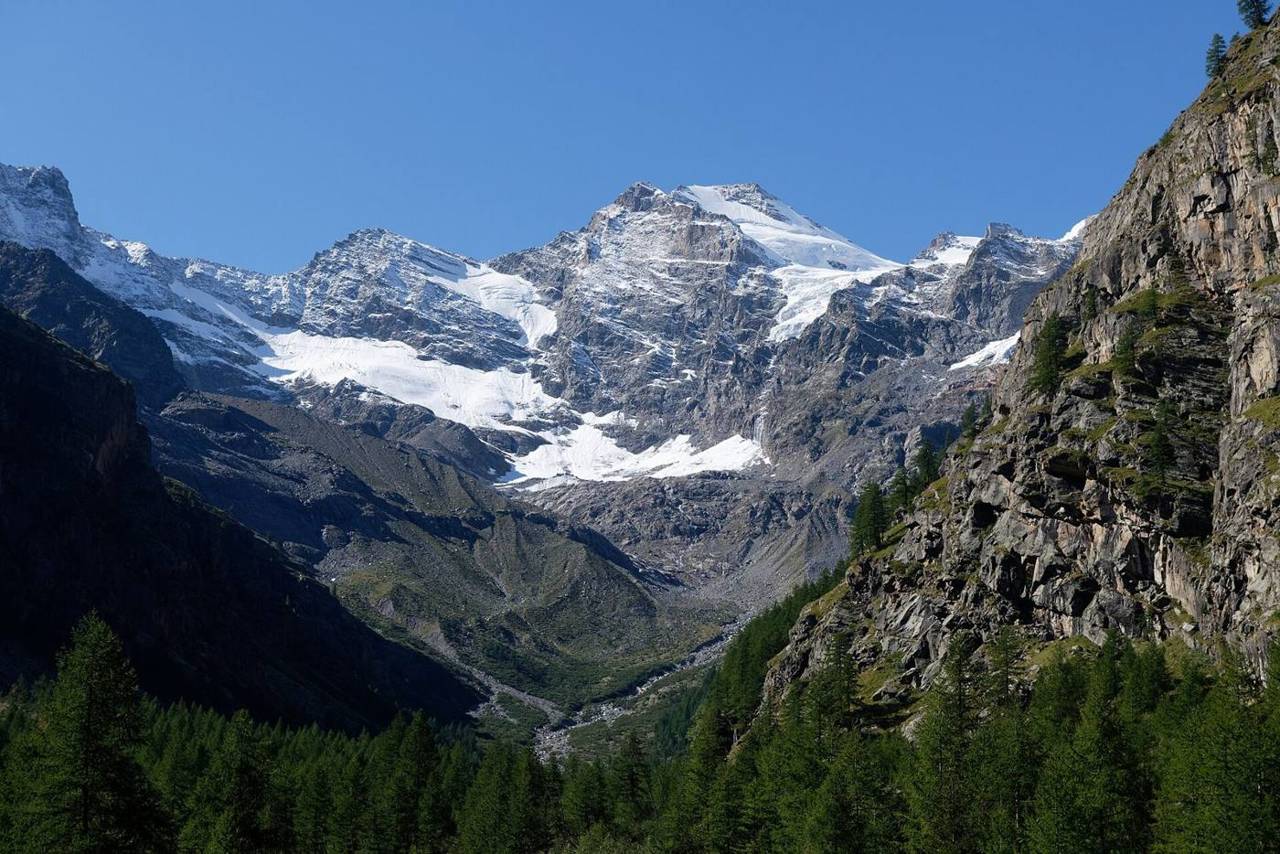
Aosta Valley: Mont Blanc and Gran Paradiso
Italy's smallest region and its highest mountains: the Skyway cable car on Mont Blanc, the Cogne and Valsavarenche valleys in Gran Paradiso National Park with ibex and chamois, Roman Aosta and the castles along the Dora.