The Ring of Kerry and Dingle
Kerry at a gentle pace: Killarney and the Gap of Dunloe, the Ring of Kerry and the Skellig Ring, the Dingle Peninsula and its pubs.
- Killarney
- Gap of Dunloe
- Kenmare
- Portmagee
- Skellig Michael
- Dingle
Day by day
- Day 1
Killarney, the national park and Muckross House
Ireland is in the European Union but not in the Schengen area: EU citizens need only a valid identity card, checked on arrival. The currency is the euro. The easiest way to reach Kerry is to fly into Kerry airport near Farranfore, or into Shannon or Cork and rent a car: Ireland drives on the left, and country roads are narrow, with stone walls on either side.
Killarney is the starting point, a lively town on the edge of Killarney National Park, Ireland's first national park: lakes, mountains, oak and yew woods, and the country's only herd of native red deer. In the afternoon visit Muckross House, a large nineteenth-century Victorian mansion on the lakeshore, with gardens and a reconstructed traditional farm next door.
From Muckross an easy walk leads to Torc Waterfall, about twenty minutes through the woods, and to the old fifteenth-century Muckross Abbey, with a cloister around a great yew tree. Many explore the park by bicycle, rented in town, or by jaunting car, horse-drawn carriages driven by local jarveys who tell stories and legends.
In the evening many pubs in Killarney have live traditional music, called a session: fiddles, flutes, bodhrán. Stay three nights in Killarney. Practical tip: in Kerry the weather changes several times a day; dress in layers and always carry a waterproof jacket, even in summer.
- Day 2
The Gap of Dunloe on foot or by bike and a boat across the lakes
Today brings one of Kerry's finest experiences: the Gap of Dunloe, a narrow glacial valley between the Macgillycuddy's Reeks, which include Carrauntoohil, Ireland's highest peak at just over a thousand metres. A narrow road with almost no traffic crosses the pass for about eleven kilometres, past five small lakes and an old stone bridge called the Wishing Bridge.
The classic route starts at Kate Kearney's Cottage at the northern entrance: you go through the Gap on foot, by bike or by carriage to Lord Brandon's Cottage in the Black Valley on the other side, and from there return by boat across Killarney's three lakes, under the old Brickeen Bridge, to Ross Castle. It takes half a day or a full day and is organised with the boats and transfers leaving from Killarney: book the boat, which depends on water levels and weather.
On your return visit Ross Castle, a fifteenth-century tower house on Lough Leane linked to the O'Donoghue clan. In the evening return to Killarney.
Practical tip: there are sheep and a few residents' cars in the Gap; cyclists should know that the climb to the pass, though short, is steep. Bring lunch and water: there are very few services in the valley.
- Day 3
The Ring of Kerry: from Killarney to Portmagee
The Ring of Kerry is a scenic road of about 180 kilometres around the Iveragh peninsula, past mountains, lakes, cliffs and beaches. Coaches drive it anticlockwise and drivers are wise to do the same, because the road is narrow in places: meeting a coach on a bend is no fun. Split it over two days to enjoy it at leisure.
Leave Killarney for Killorglin and Glenbeigh, with the great beach of Rossbeigh, then continue to Cahersiveen, where you can see the circular stone forts of Cahergal and Leacanabuaile, built more than a thousand years ago. From Cahersiveen a bridge leads to Valentia Island, with its lighthouse, the Bray Head cliffs and the fossil footprints of an animal that lived 385 million years ago, among the oldest vertebrate tracks on land.
In the afternoon drive the Skellig Ring, a narrow and spectacular detour past the Kerry Cliffs viewpoint and Portmagee, a fishing village with colourful houses. From here, on clear days, you see the Skellig islands on the horizon.
Stay in Portmagee or Ballinskelligs so you are ready tomorrow morning. Practical tip: on the Ring of Kerry sheep cross the road without warning and viewpoints are often small; do not stop on the road for photos and use only lay-bys.
- Day 4
Skellig Michael by boat and the rest of the Ring
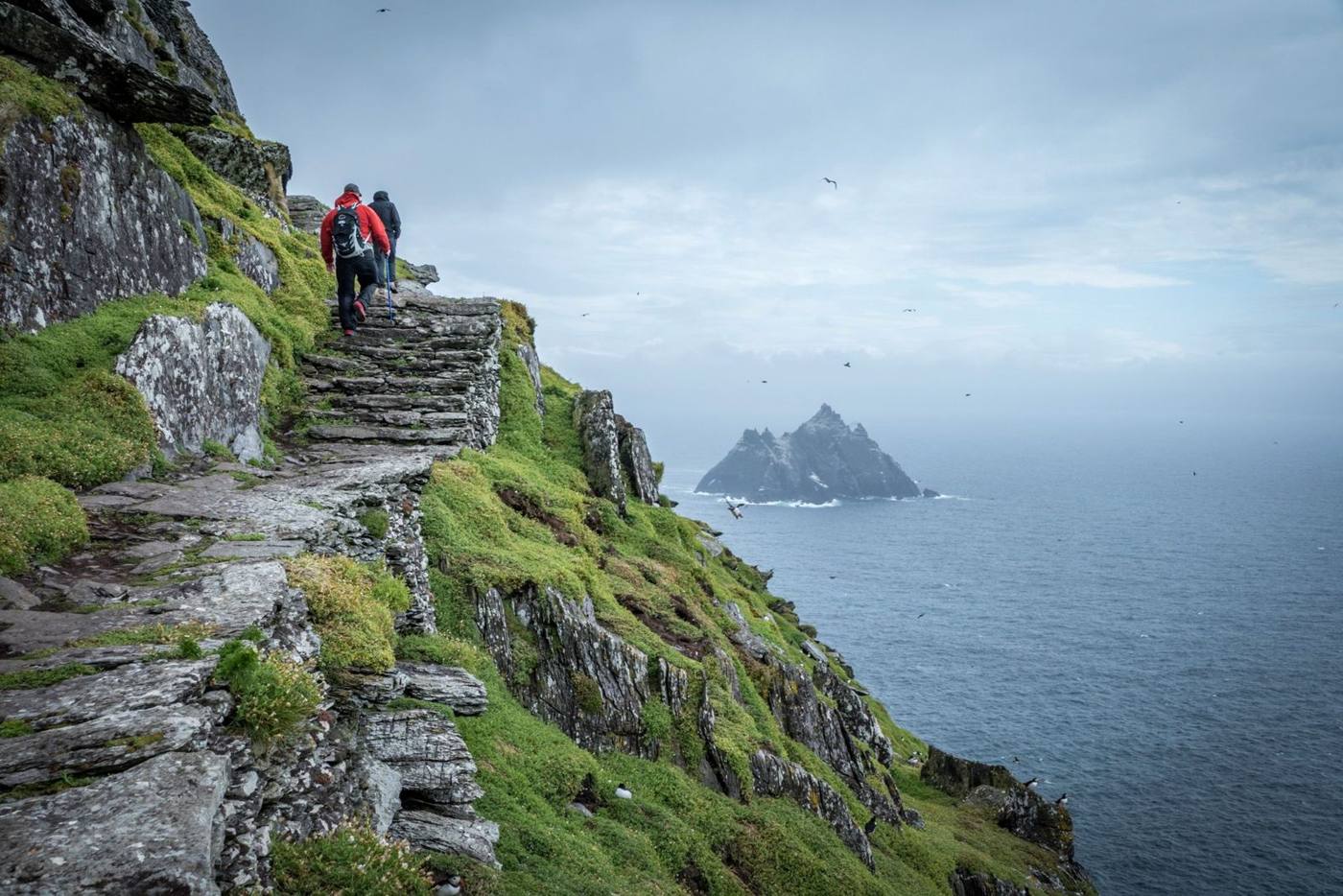
Skellig Michael is a rock island rising sheer from the ocean about twelve kilometres offshore, a UNESCO World Heritage site. From the sixth century a community of monks lived in a monastery built near the summit, almost 200 metres above the sea: their stone beehive cells still stand. Landing is possible only with boat operators holding an official permit, from mid-May to the end of September, and only if the sea allows: the guides on the island decide each morning. Entry to the island is at no cost; you pay for the boat.
The crossing from Portmagee takes about 45 minutes and you spend about two and a half hours on the island. You climb more than 600 ancient stone steps without handrails to the monastery: you need good shoes, no fear of heights and no strong wind. Along the way there are puffins, which nest on the island from spring to early August. Nearby Little Skellig, where no one lands, hosts one of the largest gannet colonies in the world. If you do not want to climb, take the boat trip around the islands without landing.
In the afternoon complete the Ring of Kerry south and east: Derrynane Bay with its white beaches and Daniel O'Connell's house, the village of Sneem and the Ladies' View viewpoint over the Killarney lakes. Return to Killarney. Practical tip: book the landing months ahead and keep a spare day, because trips are often cancelled for rough seas.
- Day 5
The Dingle peninsula: Slea Head and Gallarus Oratory
In the morning drive to the Dingle peninsula, north-west of Killarney, about an hour, past the long beach of Inch, where more than one film was shot. Dingle is a colourful fishing town in an area where Irish is still spoken, the Gaeltacht: many signs are only in Gaelic, and Dingle's official name is An Daingean.
From Dingle drive the Slea Head Drive, a loop of about fifty kilometres around the tip of the peninsula, Ireland's westernmost point. Along the way are the stone beehive huts of Fahan, inhabited more than a thousand years ago, Coumeenoole beach between the cliffs and views of the Blasket Islands, abandoned in the 1950s. The Blasket Centre at Dunquin tells the story of the islanders and their books.
In the afternoon stop at Gallarus Oratory, a small dry-stone church shaped like an upturned boat, built more than a thousand years ago without mortar and still watertight. Nearby are the ruins of the Romanesque church of Kilmalkedar.
In the evening in Dingle choose one of the pubs with traditional music: many have a session every night in summer. Stay in Dingle. Practical tip: the Slea Head Drive is driven clockwise, as the signs indicate; the Conor Pass, Ireland's highest mountain road towards Brandon Bay, is narrow and not advised for campervans and large cars.
- Day 6
Departure from Kerry or Shannon
The last day depends on your departure airport. If you fly from Kerry, you still have the morning in Dingle: walk along the harbour and the path to the lighthouse and Eask Tower, overlooking the mouth of the bay, or take a boat trip around Dingle Bay. The harbour is known for fishing and fresh seafood, from mussels to shellfish.
If you leave from Shannon, the finest route is via the ferry across the River Shannon from Tarbert to Killimer, which avoids the detour through Limerick and brings you into County Clare: about twenty minutes' crossing with views of the estuary. If you have a few hours, in Clare you can see the Cliffs of Moher, over 200 metres above the Atlantic, before heading to the airport, just over an hour's drive away.
Return the car with a full tank, checking for scratches: Kerry's narrow roads and hedges often mark the sides, so photograph the car at pickup and drop-off.
Things to take home: Aran wool sweaters, tweed, Irish whiskey, books and traditional music. Practical tip: Irish airports are small and quick, but Kerry airport has few flights a day; if you miss yours, alternatives are rare, so leave plenty of margin.
Ireland's most spectacular region, seen without hurrying. Landing on Skellig Michael, with its monastery above the sea, is one of the country's great moments, but it depends on the sea and places are very few: book months ahead and keep a spare day. Coaches drive the Ring anticlockwise, so it is best to do the same.
Before you go
- Documents and visa
- EU citizens need only a valid identity card or passport. Ireland is in the European Union but not in the Schengen area, so documents are checked on arrival.
- Health and vaccines
- No vaccines required. The European Health Insurance Card is valid. Emergencies: 112 or 999.
- Money and payments
- Euro. Cards are accepted almost everywhere, including in pubs and for small amounts.
- Power sockets
- Type G, three rectangular pins, 230 volts: you need an adapter.
- Time zone
- UTC in winter, UTC+1 in summer.
- Safety
- A very safe country. Watch for pickpockets in cities; on Atlantic cliffs and beaches waves and wind can be dangerous. Traffic drives on the left. Official advice: GOV.UK.
Information checked in November 2026 for Italian and EU citizens. Rules change: always check before you travel.
Variations
In 4 days: Killarney and the national park, the Ring of Kerry in a single day and Dingle with Slea Head, skipping Skellig Michael and the Gap of Dunloe.
In 9 days: after Dingle continue north into County Clare for the Cliffs of Moher, the Burren and a night on the Aran Islands.
Frequently asked questions
Can I land on Skellig Michael all year?
No: landing is possible only from mid-May to the end of September, with permitted boat operators, and depends on the sea each day. In 2026 the season ended early on 21 September because of the weather. Out of season you can only take a boat trip around the islands.
Do I need a passport for Ireland?
No: EU citizens need only a valid identity card. Ireland is not in the Schengen area, so documents are checked on arrival.
Which direction should I drive the Ring of Kerry?
Coaches drive it anticlockwise, and it is advisable to do the same by car to avoid meeting them on narrow stretches.
Indicative itinerary written by World Atlas. Before booking, check timetables, seasonal openings, documents and safety.
 5 daysEasy
Connemara and the Aran Islands
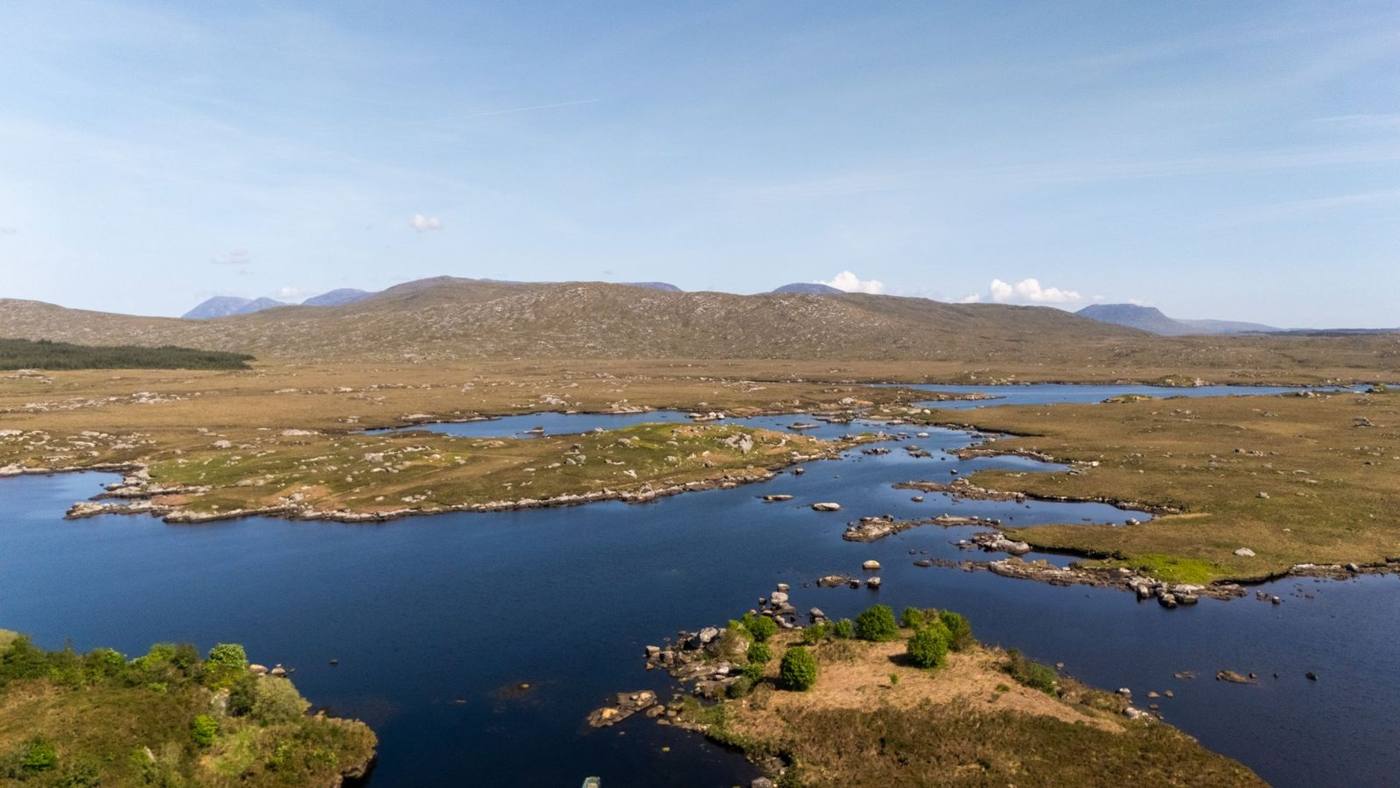
Irish-speaking Ireland: the Aran Islands by bike, dry-stone walls, Connemara with its bogs and the Killary fjord.
 5 daysModerate
Donegal
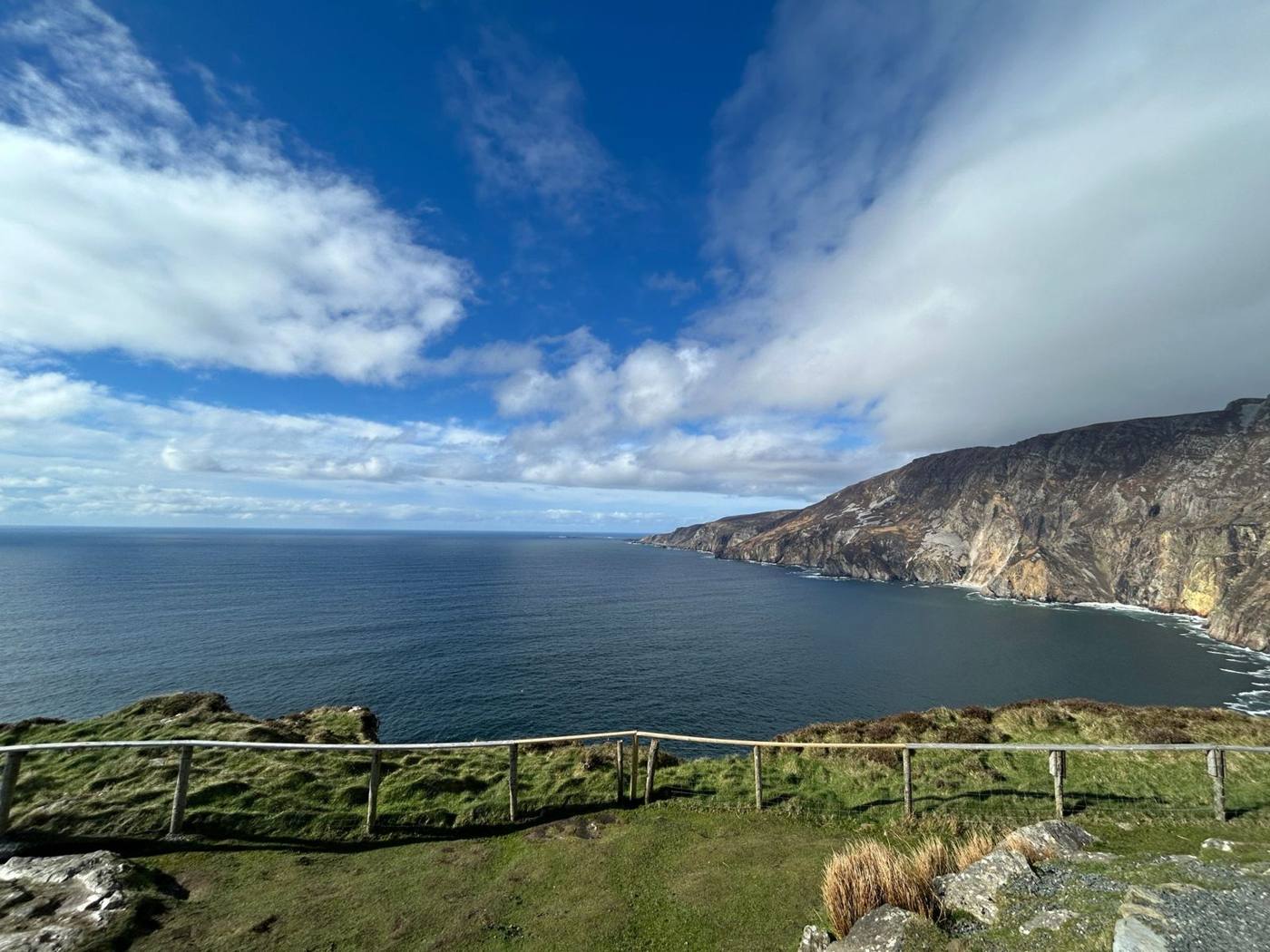
Ireland at its wildest: the Slieve League cliffs, Glenveagh National Park, Mount Errigal and the empty beaches of the Inishowen Peninsula up to Malin Head.
 14 daysEasy
The complete Ireland
Around the island in two weeks: Dublin, Kilkenny and Cashel, Kerry, the Cliffs of Moher, Galway and Connemara, Donegal and the Causeway Coast.