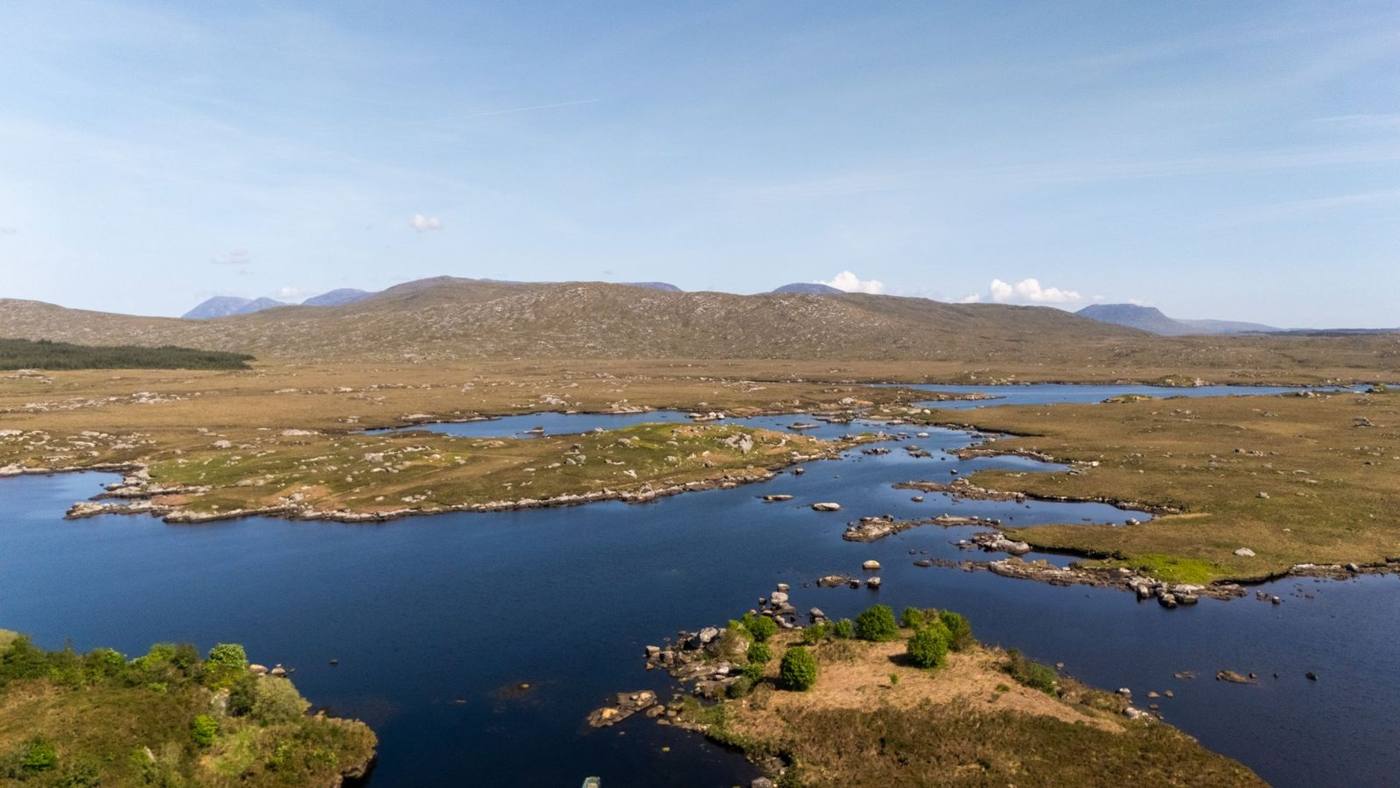
Connemara and the Aran Islands
Irish-speaking Ireland: the Aran Islands by bike, dry-stone walls, Connemara with its bogs and the Killary fjord.
- Galway
- Inis Mór
- Inis Oírr
- Roundstone
- Clifden
- Killary
- Galway
Day by day
- Day 1
Galway and the ferry from Rossaveal
Ireland is in the European Union but not the Schengen area: documents are checked at the border, and EU citizens need only a valid identity card or passport. Driving is on the left.
Galway, on the west coast, is the gateway to Connemara and the Aran Islands. You arrive by train or bus from Dublin in about two and a half hours, or by car. Galway is a lively, young city with a university, the colourful pedestrian streets of the Latin Quarter, buskers and pubs with live traditional music every evening. Stroll along Shop Street to the Spanish Arch, an old arch of the city walls at the mouth of the River Corrib, and to the Claddagh district, home of the famous ring with a heart and crown.
In the afternoon drive to Rossaveal harbour, about forty minutes away, in the Gaeltacht, the area where Irish is still spoken, and take the ferry to Inis Mór, the largest of the Aran Islands, in about forty minutes. In summer there are also ferries from Doolin in County Clare.
In the evening stay on the island in Kilronan, the main harbour, to enjoy the atmosphere once the day visitors have left.
Practical tip: Aran ferries can be cancelled in rough seas, especially in winter; check the timetable the day before and book online in summer.
- Day 2
Inis Mór by bike
Today is a whole day on Inis Mór, an island of grey limestone about fourteen kilometres long, covered by a network of dry-stone walls dividing small fields, built over centuries by islanders with the stones cleared from the land. Irish is spoken on the island, and people live from fishing, tourism and farming.
Rent a bike at Kilronan harbour, the best way to get around the island; alternatively there are minibuses with drivers and pony and trap rides.
The main sight is Dún Aonghasa, a prehistoric stone fort over three thousand years old, built on the edge of a cliff about ninety metres above the Atlantic, with no barriers. From the car park you walk up in about twenty minutes. On the road to the fort, shops sell Aran jumpers in white wool with cable stitches, born on the island as fishermen's clothing.
In the afternoon cycle to the Worm Hole, in Irish Poll na bPeist, a natural rectangular pool in the rock filled with seawater, where international cliff-diving competitions are sometimes held. Along the way you see seals resting on the rocks near Port Chorrúch.
In the evening stay in Kilronan.
Practical tip: near the edge of the cliffs at Dún Aonghasa the wind can be very strong; keep away from the edge, especially with children.
- Day 3
Roundstone, Derrigimlagh bog and Clifden
In the morning take the ferry back to Rossaveal. If the sea allows and you have time, you can make a short stop on Inis Oírr, the smallest of the Aran Islands, with the wreck of the Plassy on the shore.
Then drive west into Connemara, a wild region of mountains, lakes, bogs and indented coastline, with few houses and sheep roaming the roads. The coast road passes Roundstone, a fishing village with a harbour and colourful houses, and white sand beaches such as Gurteen and Dog's Bay, with turquoise water.
In the afternoon stop at Derrigimlagh bog, where a loop path of about five kilometres crosses a wide plain of peat and pools. Here in 1919 Alcock and Brown landed at the end of the first non-stop transatlantic flight in history, and here Guglielmo Marconi built a radio station in 1907 for the first commercial transatlantic communications service: signs along the path tell both stories.
In the evening reach Clifden, the main town of Connemara, a small town with two churches with pointed spires against the mountains. Drive the Sky Road, a scenic road of about fifteen kilometres above the ocean, at sunset.
Practical tip: Connemara roads are narrow and sheep often cross; drive slowly, especially on bends.
- Day 4
Diamond Hill and Killary fjord
In the morning climb Diamond Hill in Connemara National Park at Letterfrack, about twenty minutes from Clifden. The loop trail, about seven kilometres long, climbs on wooden boardwalks and stone steps to the 442-metre summit in about two and a half to three hours. From the top you see the Twelve Bens mountains, lakes, islands and the Atlantic. Entry to the park is at no cost. Connemara ponies, a local breed, live in the park.
In the afternoon visit Kylemore Abbey, a few kilometres away, a neo-Gothic castle built in the nineteenth century by a wealthy businessman for his wife, on a lakeshore at the foot of the mountain, now home to Benedictine nuns. You visit some of the rooms, the small neo-Gothic church and the large Victorian walled garden.
Continue to Killary Harbour, one of Ireland's few fjords, about sixteen kilometres long, marking the border between counties Galway and Mayo, with mountains dropping into the water. You can take a cruise on the fjord or walk the old famine road along the shore. The small Aasleagh Falls at the head of the fjord are famous among salmon anglers.
In the evening return to Clifden or stay in Leenane.
Practical tip: on Diamond Hill the weather changes quickly; bring a waterproof jacket and hiking shoes.
- Day 5
Back to Galway and departure
In the morning leave Connemara and drive back towards Galway, about an hour and a half from Clifden, on the inland road through mountains and lakes.
On the way stop at Oughterard, a village on Lough Corrib, one of Ireland's largest lakes, with more than three hundred islands. From here or from Cong on the far shore you can take boat trips on the lake. Cong is famous for its ruined twelfth-century Augustinian abbey and for being where the film The Quiet Man, with John Wayne, was shot.
In Galway, if your flight leaves in the afternoon, visit the cathedral, a large twentieth-century building with a green dome, and the city museum near the Spanish Arch, which tells the story of Galway and Connemara. Alternatively stroll along the Salthill Promenade, the seafront where, by tradition, locals kick the wall at the end of the walk.
The nearest airports with international flights are Shannon, about an hour and a half away, and Dublin, about two and a half hours away.
Things to take home: Aran wool jumpers, Claddagh rings, Irish whiskey, green Connemara marble and tweed fabrics.
Practical tip: in Ireland rain is frequent all year; dress in layers and always carry a waterproof jacket. Check your government's travel advice before leaving.
One of Ireland's most authentic areas, where Irish is still spoken. A night on Inis Mór, after the day-trippers leave, completely changes the atmosphere. Distances are short but the roads are slow. A great complement to a Dublin trip.
Before you go
- Documents and visa
- EU citizens need only a valid identity card or passport. Ireland is in the European Union but not in the Schengen area, so documents are checked on arrival.
- Health and vaccines
- No vaccines required. The European Health Insurance Card is valid. Emergencies: 112 or 999.
- Money and payments
- Euro. Cards are accepted almost everywhere, including in pubs and for small amounts.
- Power sockets
- Type G, three rectangular pins, 230 volts: you need an adapter.
- Time zone
- UTC in winter, UTC+1 in summer.
- Safety
- A very safe country. Watch for pickpockets in cities; on Atlantic cliffs and beaches waves and wind can be dangerous. Traffic drives on the left. Official advice: GOV.UK.
Information checked in November 2026 for Italian and EU citizens. Rules change: always check before you travel.
Variations
In 3 days: Galway, a day on Inis Mór with Dún Aonghasa and a day in Connemara as far as Clifden and Kylemore.
In 8 days: add the Cliffs of Moher and the Burren in County Clare, or County Mayo with Achill Island.
Frequently asked questions
How do I get to the Aran Islands?
By ferry from Rossaveal, about forty minutes from Galway, with a crossing of about forty minutes; in summer also from Doolin. Sailings can be cancelled in rough seas.
Do I need a passport for Ireland?
No: EU citizens need only a valid identity card. Ireland is not in the Schengen area, so documents are checked at the border.
When is the best time for Connemara?
May to September, with long days. It rains often in every season, but the landscape changes constantly with the light.
Indicative itinerary written by World Atlas. Before booking, check timetables, seasonal openings, documents and safety.
 5 daysModerate
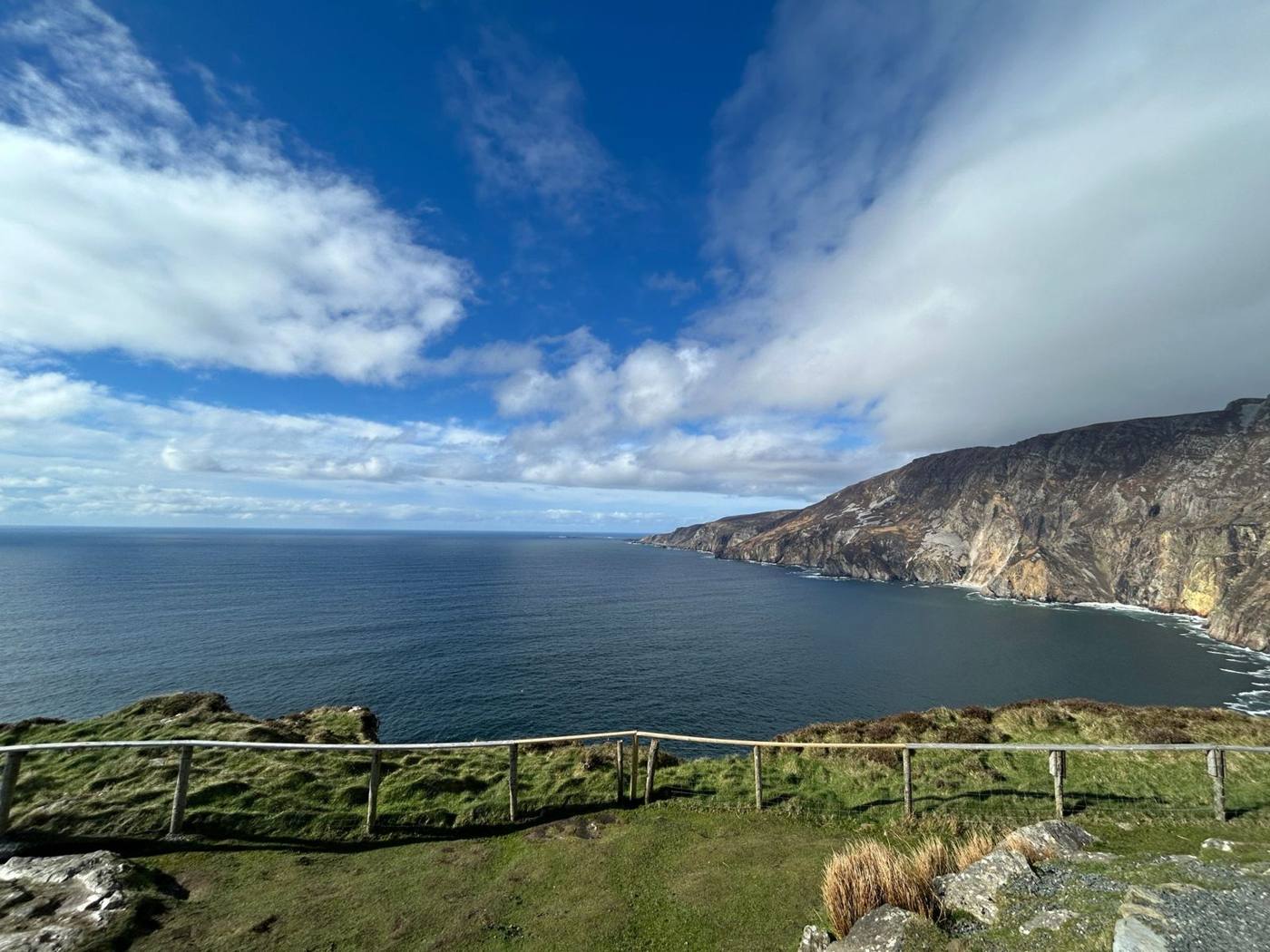
Donegal
Ireland at its wildest: the Slieve League cliffs, Glenveagh National Park, Mount Errigal and the empty beaches of the Inishowen Peninsula up to Malin Head.
 14 daysEasy
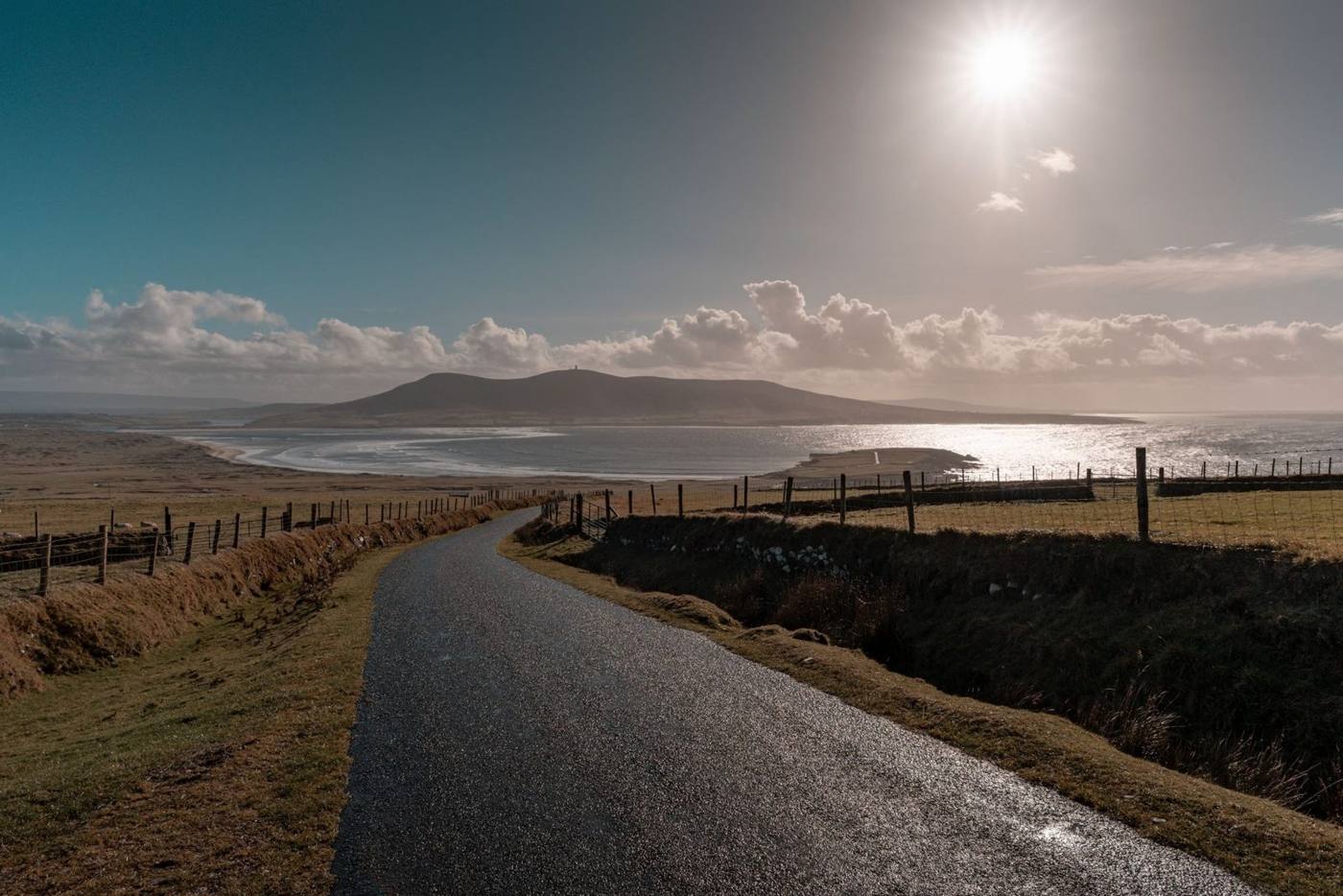
The complete Ireland
Around the island in two weeks: Dublin, Kilkenny and Cashel, Kerry, the Cliffs of Moher, Galway and Connemara, Donegal and the Causeway Coast.
 5 daysEasy
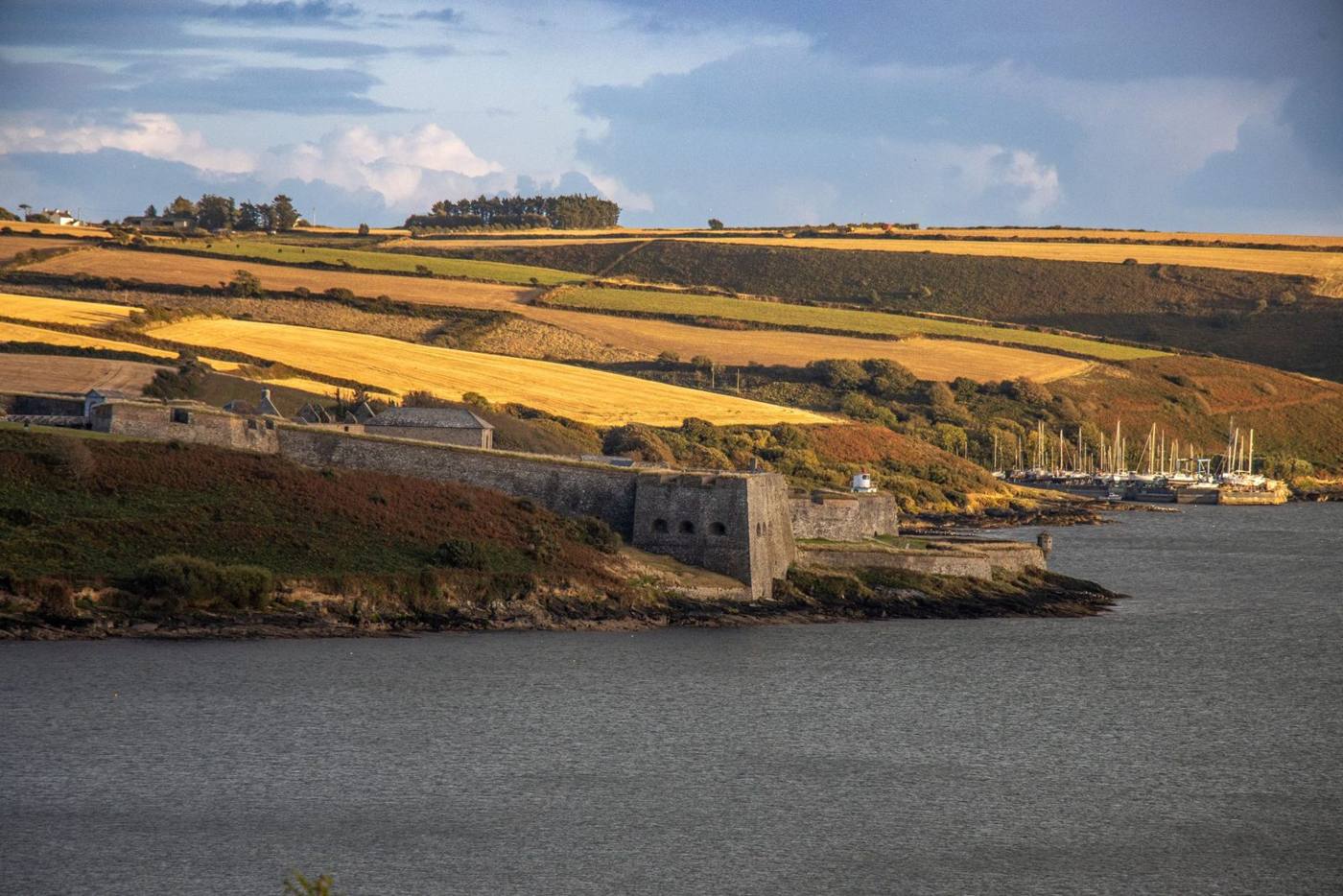
Cork, Kinsale and West Cork
The foodie south: Cork's English Market, the colourful harbour of Kinsale, Cobh and the Titanic, the villages and bays of West Cork.