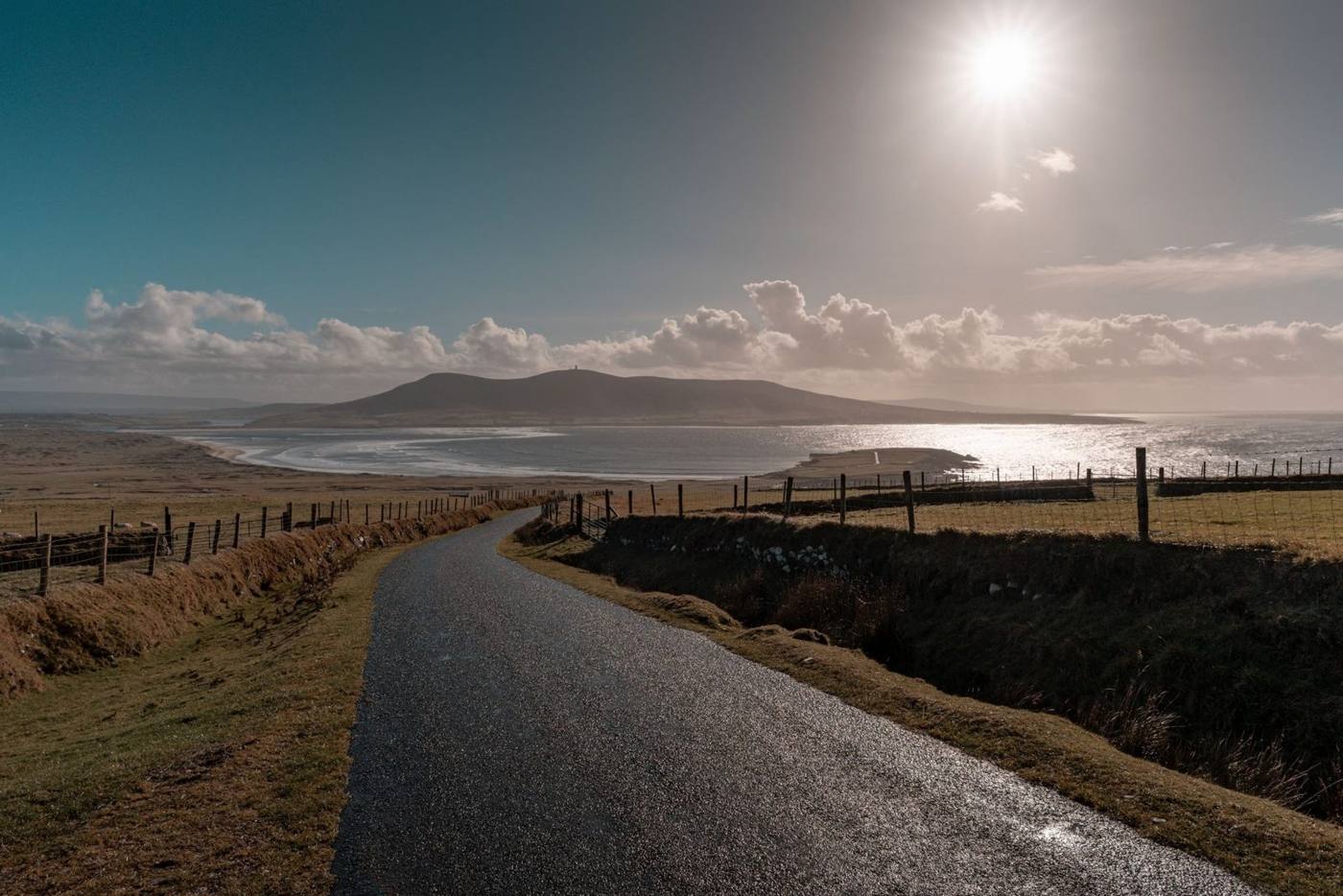
The complete Ireland
Around the island in two weeks: Dublin, Kilkenny and Cashel, Kerry, the Cliffs of Moher, Galway and Connemara, Donegal and the Causeway Coast.
- Dublin
- Kilkenny
- Cashel
- Killarney
- Dingle
- Cliffs of Moher
- Galway
- Connemara
- Donegal
- Giant's Causeway
- Belfast
Day by day
- Day 1
Arrival in Dublin
This trip makes a full tour of the island of Ireland in two weeks: Dublin, the medieval towns of the south east, the peninsulas of Kerry, the Cliffs of Moher and the Burren, Galway and Connemara, wild Donegal and finally the Antrim coast and Belfast, in Northern Ireland. From the third day you travel by hire car.
Before you go: Ireland is part of the European Union but not of the Schengen area, and uses the euro. Italian citizens need a valid electronic identity card for travel abroad or a passport; the paper identity card has not been valid for travel abroad since 3 August 2026. Northern Ireland, however, is part of the United Kingdom: you need a passport, because the identity card is not accepted, and you need the ETA, the British electronic travel authorisation, which costs 20 pounds and is applied for online. The currency there is the pound sterling. Other nationalities should check their own rules.
You arrive at Dublin airport, about half an hour from the centre by bus.
In the afternoon walk around the centre: St Stephen's Green, with its pond and statues, the pedestrian Grafton Street with its buskers, and the river Liffey with the iron Ha'penny Bridge, from 1816.
In the evening go to a pub with live traditional music, called a session: fiddle, flute, guitar and bodhrán drum, played by musicians sitting around a table.
Sleep in Dublin.
Practical tip: in Dublin you do not need a car. The centre is explored on foot and by tram and bus, which you pay for with a contactless card or a prepaid transport card.
- Day 2
Dublin in depth
Today you discover the main sights of the capital.
In the morning go to Trinity College, the university founded in 1592, with its stone quadrangles and the campanile at the centre. The Old Library displays the Book of Kells, a Gospel manuscript illuminated around the year 800 by Irish monks. Then you climb into the Long Room, a hall 65 metres long filled with old books up to its vaulted ceiling. Tickets are bought online with an entry time: check prices and availability.
Then visit the National Museum of Archaeology, with Bronze Age gold, Celtic jewellery and the bodies preserved in the bogs, Iron Age men found almost intact after more than two thousand years. Check opening times.
In the afternoon go to Kilmainham Gaol, where many leaders of the Irish independence risings were imprisoned and executed, including the leaders of the 1916 rising. The visit is guided and must be booked, because it sells out quickly. Then walk to St Patrick's Cathedral, the largest in Ireland, where Jonathan Swift, the author of Gulliver's Travels, was dean.
In the evening have a traditional dish for dinner, such as Irish stew of lamb and potatoes.
Sleep in Dublin.
Practical tip: in Dublin the pubs of the Temple Bar district are the most expensive and crowded. For traditional music look for pubs in the nearby neighbourhoods, where local musicians often play. Ask locals where the best session is that evening: it changes from night to night.
- Day 3
Kilkenny and the Rock of Cashel
Today you leave Dublin and drive south.
In the morning collect your hire car. In Ireland you drive on the left and speed limits are in kilometres per hour. Country roads are narrow and winding: start slowly.
In about an hour and a half you reach Kilkenny, a medieval town with narrow lanes and stone houses. Visit Kilkenny Castle, from the twelfth century, surrounded by a large park. Then walk along the Medieval Mile, the street linking the castle to St Canice's Cathedral, with its ninth century round tower that you can climb. Check opening times and tickets.
In the afternoon continue for about an hour to Cashel, in County Tipperary. On the hill above the town stands the Rock of Cashel, the ancient seat of the kings of Munster, where tradition says Saint Patrick converted the king to Christianity in the fifth century. On the rock there are a round tower, a Romanesque chapel with frescoes and a great roofless Gothic cathedral. Check opening times and tickets.
From the meadow below the rock look at the ruins of Hore Abbey, standing in the fields.
In the evening have dinner in Cashel.
Sleep in or near Cashel.
Practical tip: in Ireland the weather changes several times a day. Always keep a waterproof jacket and a jumper in the car: even in summer the wind on the coast is cold.
- Day 4
Killarney and its park
Today you reach Kerry, in the south west.
In the morning drive west for about two and a half hours to Killarney, a lively town on the edge of the national park of the same name. The park has three lakes, mountains, oak and yew woods, and the only herd of native red deer in Ireland.
Visit Muckross House, a large nineteenth century mansion on the lake shore, with gardens and a reconstructed traditional farm. Then walk to Torc Waterfall, a few minutes into the woods, and climb the steps to the viewpoint above the falls. Check opening times and tickets for the house.
In the afternoon go to Ross Castle, a fifteenth century tower house on the shore of Lough Leane. From here, in summer, boats leave for Innisfallen Island, with the ruins of an ancient monastery. You can also tour the park by jaunting car, a Killarney tradition.
In the evening Killarney comes alive: many pubs have live music.
Sleep in Killarney, for three nights.
Practical tip: if you like walking, the Gap of Dunloe is a narrow valley between the mountains west of Killarney, which you can walk or cycle for about 11 kilometres among small lakes and rocks. Early in the morning there are fewer visitors. Wear good shoes, because the track is rough in places and often wet.
- Day 5
The Ring of Kerry
Today you drive the Ring of Kerry, the most famous scenic road in Ireland.
The Ring of Kerry is a loop of about 180 kilometres around the Iveragh peninsula, between sea, mountains and colourful villages. Tour coaches drive it anticlockwise; by car it is best to follow the same direction, so as not to meet them head on in the narrow stretches. Allow at least seven or eight hours with stops.
In the morning you pass through Killorglin and Glenbeigh, with Rossbeigh beach. Then you reach Cahersiveen and cross the bridge to Valentia Island, with its lighthouse, the Bray Head cliffs and the fossil footprints of an animal that lived 385 million years ago, among the oldest vertebrate tracks on land.
In the afternoon drive the Skellig Ring, a narrow and spectacular detour through Portmagee, a fishing village with colourful houses. From here, on clear days, you see the Skellig islands. Then pass through Waterville, Caherdaniel and Sneem, and climb to the Ladies View viewpoint, above the lakes of Killarney.
In the evening return to Killarney.
Sleep in Killarney.
Practical tip: landing on Skellig Michael, the island with the monastery on the rock, is possible only from mid May to September, with licensed boats, and depends on the sea. Book well ahead and keep a spare day.
- Day 6
The Dingle peninsula
Today you explore the Dingle peninsula, the westernmost in Ireland.
In the morning drive for about an hour to Dingle, a fishing town with colourful houses, craft shops and a harbour. In this area Irish, the Gaelic language, is still spoken: road signs are often in Irish only.
Then drive the Slea Head Drive, a loop road of about 50 kilometres around the tip of the peninsula. The road runs above sheer cliffs, pale beaches and fields divided by stone walls. Along the way there are beehive shaped stone huts built by monks, the clochán, and the remains of Iron Age forts. From the Slea Head viewpoint you see the Blasket Islands, inhabited until 1953.
In the afternoon visit Gallarus Oratory, a small dry stone church shaped like an upturned boat, built perhaps more than a thousand years ago and still watertight. Then head back towards Dingle passing, if the weather is clear, over the Conor Pass, one of the highest road passes in Ireland, with views over two bays and lakes.
In the evening in Dingle eat fresh fish from the harbour.
Sleep in Killarney.
Practical tip: the Conor Pass is very narrow in places, with a rock wall on one side and a drop on the other. If you are driving a large car or there is fog, go back by the main road. On a clear day it is the finest view of the whole peninsula.
- Day 7
The Cliffs of Moher and the Burren
Today you head north, into County Clare.
In the morning drive towards Tarbert and take the ferry to Killimer, which crosses the Shannon estuary in about twenty minutes and saves many kilometres. Check the timetable.
Then continue to the Cliffs of Moher, which rise sheer above the Atlantic for about eight kilometres and reach 214 metres in height. From the paths along the top you see the Aran Islands and, on clear days, the mountains of Connemara. In spring and summer thousands of seabirds nest on the rocks, including puffins. The main access is from the visitor centre, with paid parking: check prices and opening times.
In the afternoon cross the Burren, a plateau of grey limestone that looks like a lunar landscape. Plants from the Alps and the Mediterranean grow side by side in the cracks of the rock, something unique in Europe. Stop at Poulnabrone dolmen, a portal tomb about 5,800 years old, with a large stone slab resting on two upright stones.
In the evening, in Doolin, a small village between the cliffs and the Burren, listen to traditional music: Doolin is famous for its sessions.
Sleep in or near Doolin.
Practical tip: on the Cliffs of Moher always stay on the paths and behind the barriers. The wind is very strong and the edge of the rock can collapse. In fog you see almost nothing, so check the weather and move the visit to another day if needed.
- Day 8
Galway
Today you reach Galway, the liveliest city in the west.
In the morning, before leaving Doolin, if the sea is calm you can take the ferry to Inis Oírr, the smallest of the Aran Islands, for a few hours: stone walls, a lighthouse and a shipwreck on the beach. Check times and weather. Otherwise drive along the Burren coast to the village of Ballyvaughan.
In about an hour and a half you reach Galway, a university city on the bay, with central streets full of buskers, pubs and shops. Leave the car and explore on foot.
In the afternoon walk through the Latin Quarter, with the pedestrian Shop Street and Quay Street, to the Spanish Arch, a sixteenth century stone arch that was part of the city walls near the harbour. Then walk along the river Corrib to the cathedral and to the seafront promenade of Salthill, where tradition says you kick the wall at the end of the promenade.
In the evening Galway is full of music: choose a pub in the centre.
Sleep in Galway, for two nights.
Practical tip: in Galway, in July, there are the arts festival and the horse races, and accommodation prices rise a lot. If you travel at that time, book months in advance. In the other summer months it is easier, but the best rooms in the centre still go quickly.
- Day 9
Connemara
Today you explore Connemara, the wildest region of the west.
Connemara is a land of lakes, bogs, quartzite mountains and deep bays, where Irish is still widely spoken. There are sheep roaming on the road and few villages.
In the morning drive west through Oughterard and along the lakes to Clifden, the main town of the region. Here drive the Sky Road, a scenic loop of about 15 kilometres above the bay, with views over the islands and the ocean.
Then go to Connemara National Park, near Letterfrack, and climb Diamond Hill, at 442 metres, on a loop path of about seven kilometres, with wooden boardwalks over the bog and views over the whole coast. It takes about two and a half hours.
In the afternoon visit Kylemore Abbey, a nineteenth century castle on the shore of a lake, now a Benedictine monastery, with a large walled Victorian garden. Check opening times and tickets. Then continue to Killary Harbour, Ireland's only fjord, about 16 kilometres long between the mountains.
In the evening return to Galway through the Maam valley or along the coast.
Sleep in Galway.
Practical tip: in Connemara petrol stations and shops are few. Fill up in Galway or Clifden and bring something to eat for the day. On the boardwalks of Diamond Hill the wind can be strong, so carry a warm layer even on a sunny morning.
- Day 10
Sligo and Donegal
Today you head north west, into County Donegal.
In the morning drive north for about two and a half hours to County Sligo. Stop below Benbulben, a table shaped mountain with striped walls. At its foot, in Drumcliff churchyard, lies the poet William Butler Yeats, Nobel prize winner, who wrote a great deal about these places.
Then enter County Donegal, the northernmost on the island, with wild coasts, mountains and Irish speaking villages. Pass through the town of Donegal, with its castle on the river, and continue west to Slieve League, among the highest sea cliffs in Europe, about 600 metres. From the main viewpoint you see the wall dropping to the ocean, with colours changing from red to green. If the weather is good, walk the path along the ridge; on the highest ridge the wind can be dangerous.
In the afternoon continue to Glencolmcille, a village in a valley at the end of the peninsula, with an open air museum of traditional thatched cottages.
In the evening eat fish from the Donegal harbours, such as Killybegs, the largest fishing port in Ireland.
Sleep in Donegal, for two nights.
Practical tip: in Donegal the roads are narrow mountain roads, and journeys take longer than they look on the map. Allow twice the time shown by the satnav.
- Day 11
Glenveagh and northern Donegal
Today you explore northern Donegal, between a national park and lighthouses on the ocean.
In the morning go to Glenveagh National Park, a great valley of mountains, lakes and bogs. On the lake shore stands Glenveagh Castle, a nineteenth century residence with gardens full of exotic plants. From the visitor centre you reach the castle on foot along the lake, about three and a half kilometres, or by shuttle bus. Check opening times and tickets.
Golden eagles, which had disappeared from Ireland in the twentieth century, have been reintroduced to this park.
In the afternoon choose between two coastal roads. The first is the Fanad peninsula, with Fanad Head lighthouse on a cliff between Lough Swilly and the ocean. The second is the Inishowen peninsula, with Malin Head, the northernmost point of the island of Ireland, where the Atlantic waves break on dark rocks.
In the evening, on clear nights in winter and autumn, the northern lights can sometimes be seen from northern Donegal, although not often.
Sleep in Donegal.
Practical tip: if you are travelling by hire car, tell the company you will enter Northern Ireland. It is usually allowed, but extra cover may be needed. Check the terms of the contract before collecting the car, so there are no surprises at the counter.
- Day 12
Derry and the Causeway Coast
Today you enter Northern Ireland.
In the morning drive to Derry, also called Londonderry, the second city of Northern Ireland, a few minutes from the border. There are no border checks between Ireland and Northern Ireland, but from here distances are in miles and you pay in pounds sterling.
Derry is the only city in Ireland with its seventeenth century walls still complete. Walk along the walls, about a kilometre and a half, with their old cannons and views over the city's neighbourhoods. Then cross the Peace Bridge, the footbridge over the river Foyle opened in 2011 as a symbol of reconciliation. To understand the city's recent history, visit the museum dedicated to the years of the Troubles in the Bogside district, below the walls. Check opening times.
In the afternoon drive east along the coast to Dunluce Castle, the ruins of a medieval castle on the edge of a cliff, and then to the Giant's Causeway. Here about 40,000 basalt columns, almost all six sided, step down into the sea like a staircase. They formed about 60 million years ago from a cooled lava flow. It is a UNESCO World Heritage site. The visitor centre charges a fee; check prices and access rules.
In the evening sleep in one of the coastal towns, such as Portrush or Bushmills.
Sleep on the Causeway Coast.
Practical tip: at the Giant's Causeway go very early or at sunset, when there are fewer people and the light on the columns is at its best.
- Day 13
The Antrim coast to Belfast
Today you drive one of the finest coastal roads in Europe.
In the morning go to the Carrick-a-Rede rope bridge, a suspension bridge about 20 metres long and about 30 metres above the sea, leading to a small island once used by salmon fishermen. Visitor numbers are limited and you need a timed ticket: check prices and booking. In strong wind the bridge closes.
A little further on is the small harbour of Ballintoy, with black rocks and clear water. Then, inland, pass the Dark Hedges, an avenue of eighteenth century beech trees with interlaced branches, made famous by a television series. To protect the trees the road is closed to cars: you park nearby and walk.
In the afternoon follow the Antrim coast road, which passes through the villages of Cushendun and Cushendall and the Glens of Antrim, nine green valleys running down to the sea. From the coast, on clear days, you can see Scotland, about twenty kilometres away.
In the evening you arrive in Belfast, the capital of Northern Ireland.
Sleep in Belfast, for one night.
Practical tip: on the Antrim coast road there are many scenic stops but few petrol stations. Fill up before leaving the north coast. Drive slowly through the villages, where the road narrows and people walk along the edge.
- Day 14
Belfast and departure
Today you discover Belfast before leaving.
In the morning visit the Titanic Quarter, on the harbour, where the famous ship that sank in 1912 was built. Here a large modern museum, with a facade shaped like a ship's bow, tells the story of the city's shipbuilding and of the Titanic's voyage. Check opening times and tickets. Next to it you see the great dry docks and the yellow cranes of the shipyards.
Then walk to City Hall, a large white building from 1906 with a green dome, in the centre of the city, and on to the Cathedral Quarter, with its alleys, colourful murals and pubs.
In the afternoon, if you have time, visit the Falls Road and Shankill Road districts, with murals telling the story of the conflict between the communities and the peace walls that still separate some parts of the city. The best way is a tour with a local guide, who explains both stories.
Then leave from Belfast airport, or drive back to Dublin in about two hours and return the car there. Check the hire terms for drop off.
When to go: the best months are from May to September, with long days and milder weather. In June it stays light until ten in the evening. Winter is wet and windy.
Practical tip: in Belfast and throughout Northern Ireland talk about politics and religion with great care. Listen more than you comment. People are usually happy to tell their own story if you ask with respect.
The full tour of the island, Northern Ireland included. There are no border checks between the two, but the currency changes: euro in the south, sterling in the north. Check that your hire car may cross into Northern Ireland. In 14 days the pace is full but manageable.
Before you go
- Documents and visa
- EU citizens need only a valid identity card or passport. Ireland is in the European Union but not in the Schengen area, so documents are checked on arrival.
- Health and vaccines
- No vaccines required. The European Health Insurance Card is valid. Emergencies: 112 or 999.
- Money and payments
- Euro. Cards are accepted almost everywhere, including in pubs and for small amounts.
- Power sockets
- Type G, three rectangular pins, 230 volts: you need an adapter.
- Time zone
- UTC in winter, UTC+1 in summer.
- Safety
- A very safe country. Watch for pickpockets in cities; on Atlantic cliffs and beaches waves and wind can be dangerous. Traffic drives on the left. Official advice: GOV.UK.
Information checked in November 2026 for Italian and EU citizens. Rules change: always check before you travel.
Variations
In 8 days: Dublin, Kilkenny, Killarney with the Ring of Kerry, the Cliffs of Moher and Galway, returning to Dublin in about two and a half hours.
In 18 days: add two nights on the Aran Islands, a night on the Beara peninsula and two days in the Mourne Mountains, south of Belfast.
Frequently asked questions
What documents do I need?
For Ireland a valid electronic identity card for travel abroad or a passport is enough. For Northern Ireland, which is in the United Kingdom, you need a passport and the British ETA, which costs 20 pounds and is applied for online. Other nationalities should check their own rules.
Can you drive between Ireland and Northern Ireland?
Yes. There are no border checks, but the currency, distances in miles and speed limits change. Tell the hire company before you set off.
What is the weather like?
The weather often changes within the same day, with rain, sun and wind. Temperatures are mild all year. Always bring a waterproof jacket and warm layers, even in summer.
Indicative itinerary written by World Atlas. Before booking, check timetables, seasonal openings, documents and safety.
 5 daysEasy
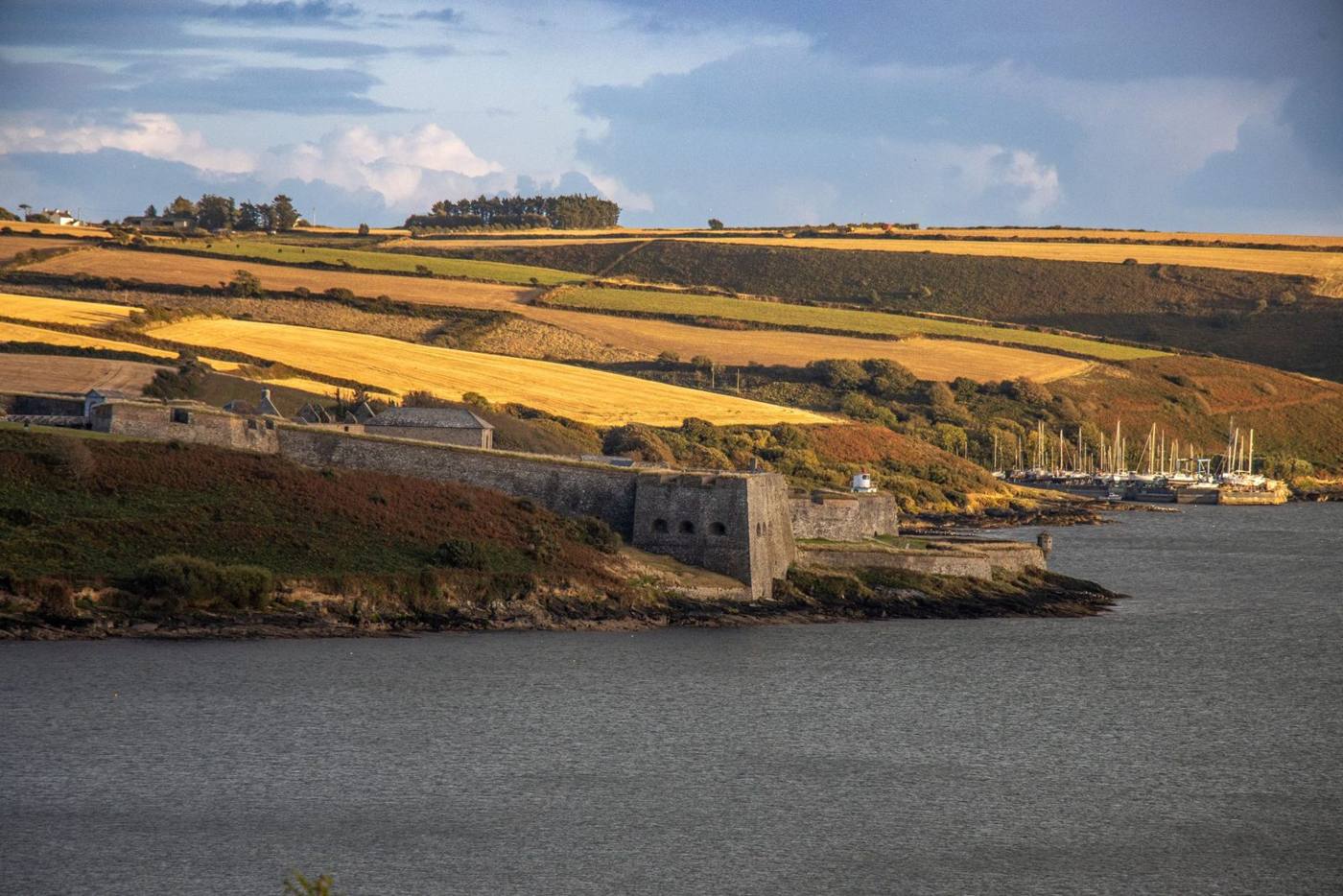
Cork, Kinsale and West Cork
The foodie south: Cork's English Market, the colourful harbour of Kinsale, Cobh and the Titanic, the villages and bays of West Cork.
 5 daysEasy
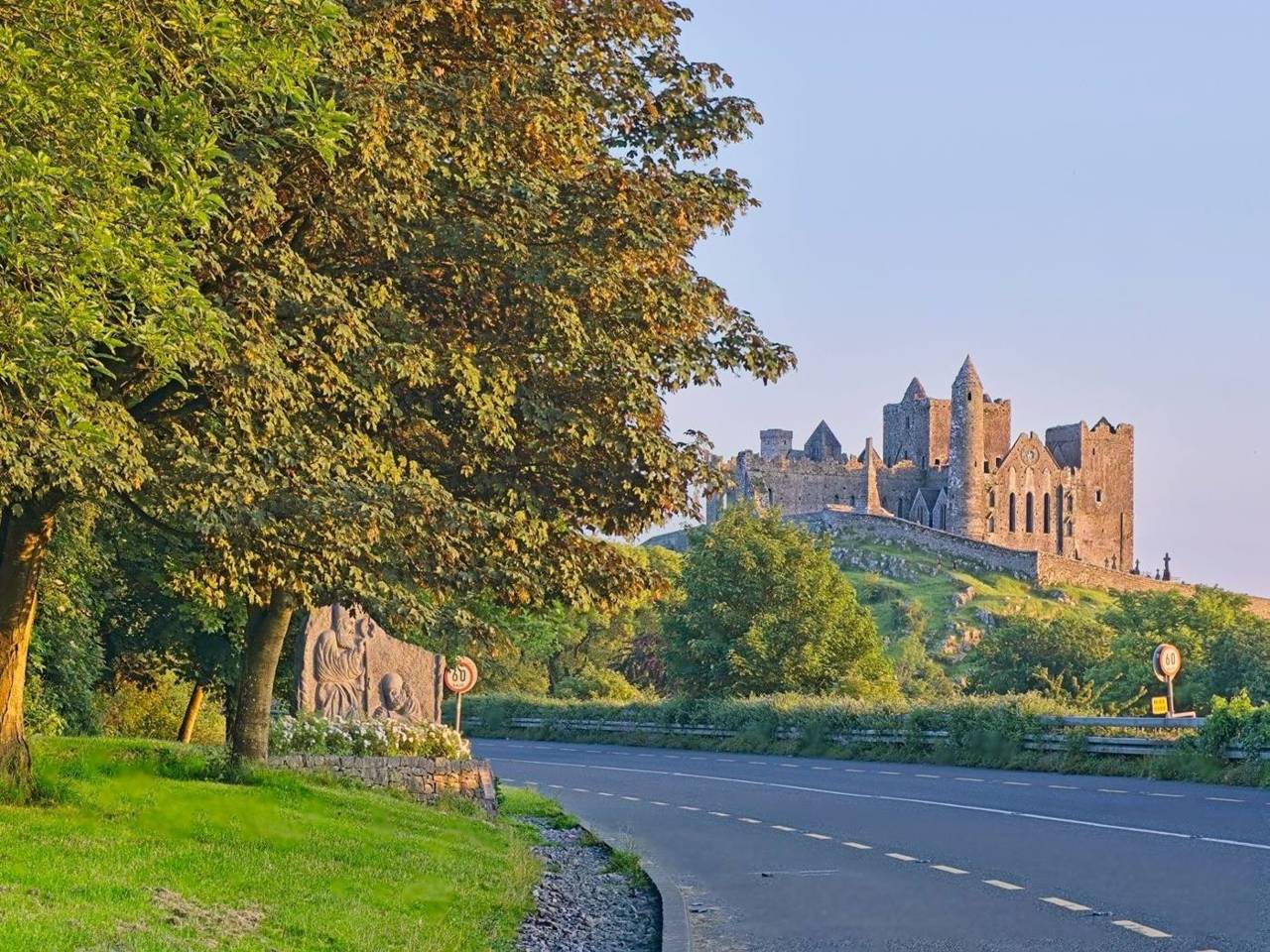
Castles and abbeys of the East
Medieval Kilkenny, the Rock of Cashel, Cahir Castle, Ireland's oldest city, Waterford, and the Copper Coast.
 7 daysModerate
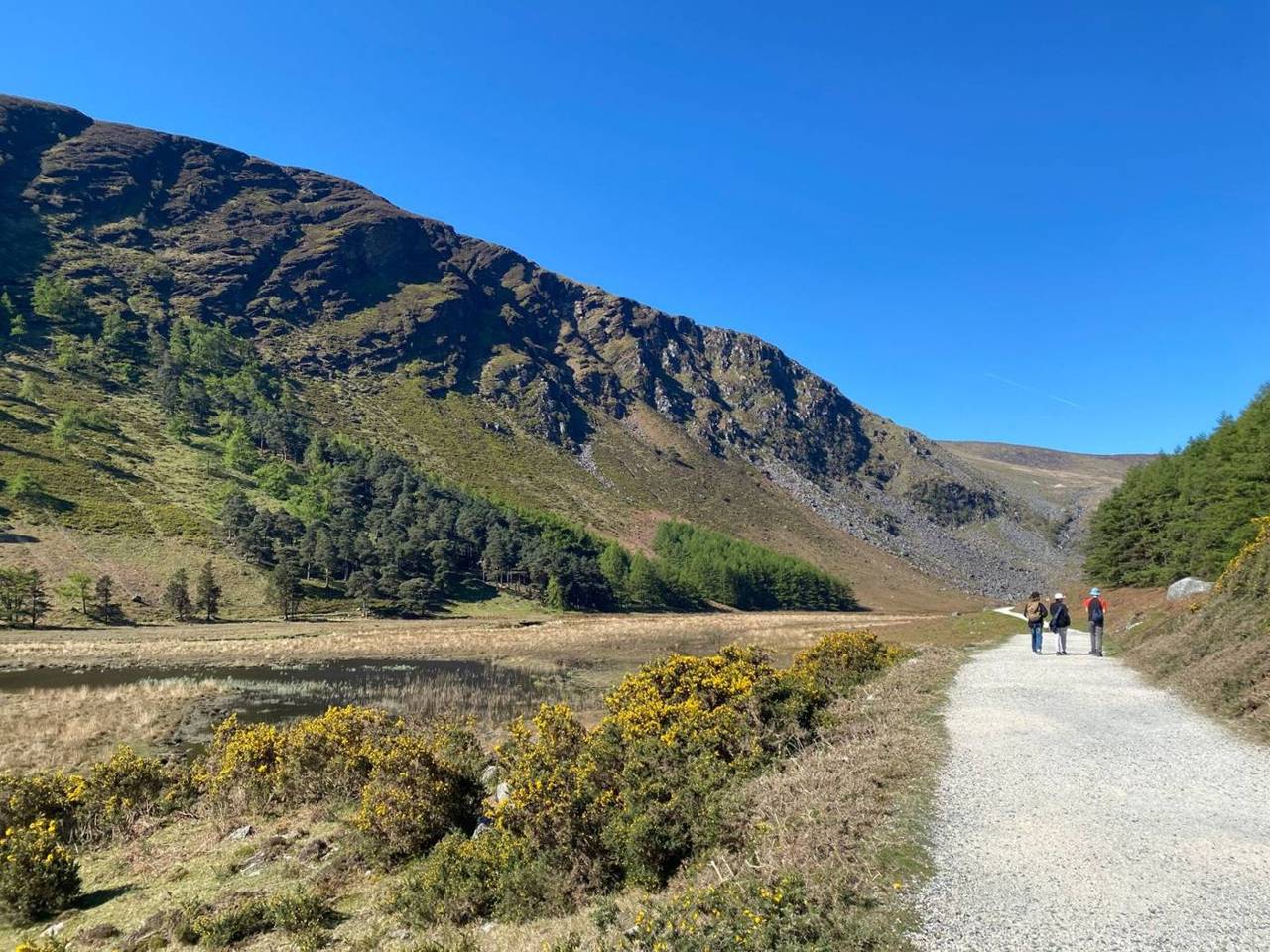
The Wicklow Way
Ireland's oldest waymarked trail: six days from the Dublin suburbs across the Wicklow Mountains, Glendalough and country villages.