Castles and abbeys of the East
Medieval Kilkenny, the Rock of Cashel, Cahir Castle, Ireland's oldest city, Waterford, and the Copper Coast.
- Dublin
- Kilkenny
- Cashel
- Cahir
- Waterford
- Copper Coast
- Dublin
Day by day
- Day 1
From Dublin to Kilkenny: the castle and the Medieval Mile
Ireland's south-east, across counties Kilkenny, Tipperary and Waterford, is the part of the island richest in medieval history: Norman castles, Cistercian abbeys, round towers, the rock of the kings of Munster and Ireland's oldest city, founded by the Vikings. The landscape is green countryside, slow rivers and a coast of cliffs. Ireland is in the European Union but not in the Schengen area: at checks, Italian citizens show a valid electronic identity card or passport.
In the morning leave Dublin by car or train heading south-west to Kilkenny, about an hour and a half. Kilkenny is a small medieval city on the River Nore, with narrow lanes, stone houses and hand-painted shop signs.
Visit Kilkenny Castle, built by the Normans in the late twelfth century and for more than five centuries home to the powerful Butler family, who handed it to the city in 1967 for a nominal sum. Inside you see rooms restored in Victorian style and a long picture gallery with a painted ceiling; outside, a large park by the river.
In the afternoon walk the Medieval Mile, the route through the old city from the castle to St Canice's Cathedral, passing covered alleys called slips, merchants' houses such as sixteenth-century Rothe House, and the Medieval Mile Museum in an old church. Beside the cathedral you can climb the ninth-century round tower by a steep internal ladder to see the city's roofs.
In the evening listen to traditional music in one of the town's pubs.
Practical tip: the round tower is narrow and steep; it is not suitable for anyone afraid of heights.
- Day 2
The Rock of Cashel and Cahir Castle
In the morning, if you have time, stop first at Jerpoint Abbey, about twenty minutes south of Kilkenny, a large ruined twelfth-century Cistercian abbey with a cloister decorated with curious carved figures: knights, saints, ladies and animals.
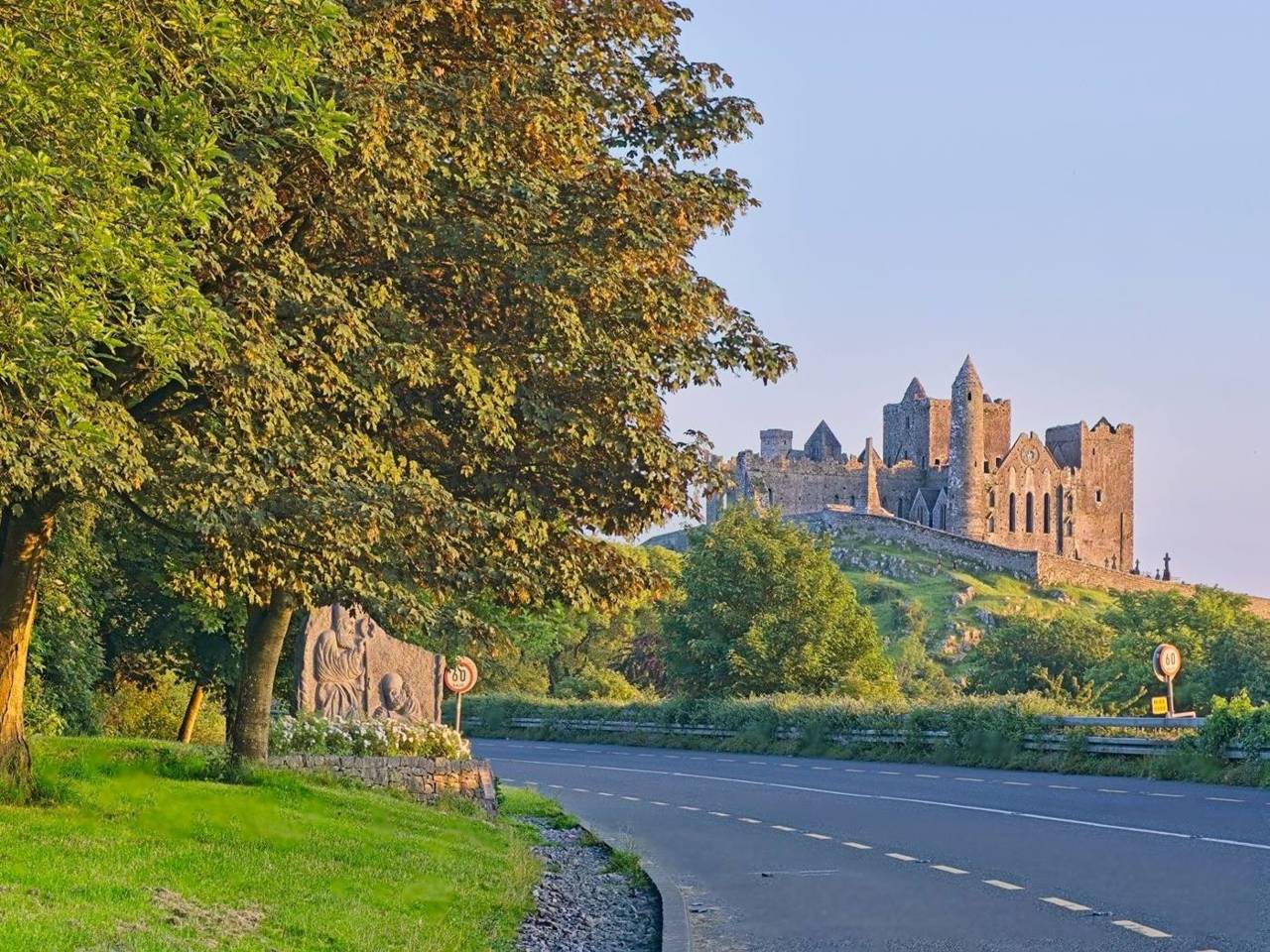
Then drive west to Cashel in County Tipperary, about an hour from Kilkenny. Above the plain rises the Rock of Cashel, a limestone hill crowned by a spectacular group of medieval buildings. It was the seat of the kings of Munster, one of the provinces of ancient Ireland; tradition says St Patrick baptised the king here in the fifth century. In 1101 the king gave the rock to the Church.
On the rock you see a round tower of about twenty-eight metres, Cormac's Chapel of 1134, a jewel of Irish Romanesque art with carved arches and the remains of some of Ireland's oldest frescoes, a great roofless thirteenth-century Gothic cathedral and the Hall of the Vicars Choral, which houses a small museum with original Celtic crosses. At the foot of the rock, in the fields, lie the ruins of Hore Abbey.
In the afternoon continue to Cahir, about twenty minutes away, and visit Cahir Castle, one of the best-preserved castles in Ireland, built between the thirteenth and fifteenth centuries on a rocky islet in the River Suir, with walls, towers, courtyards and keep.
In the evening stay in Cahir or Cashel.
Practical tip: the Rock of Cashel is busy in summer; arrive at opening time.
- Day 3
Waterford: the Viking Triangle and the crystal factory
In the morning drive south-east to Waterford, about an hour, Ireland's oldest city, founded by the Vikings in 914 on the River Suir. The historic centre, called the Viking Triangle, is small and walkable, with three neighbouring museums telling a thousand years of history.
Reginald's Tower, a round stone tower on the river, is the oldest intact civic building in Ireland and tells the story of Viking Waterford, with weapons, jewellery and coins. The Medieval Museum, built over two underground medieval chambers, holds treasures such as the great cloth-of-gold vestments and the fourteenth-century Charter Roll of the city, an illuminated scroll. The Bishop's Palace, a Georgian residence, tells the city's story from the eighteenth to the nineteenth century, with furniture, silver and the oldest known piece of Waterford crystal.
In the afternoon visit the Waterford crystal factory in the centre, where you watch craftsmen blowing, cutting and hand-engraving glass objects and trophies, and a showroom with chandeliers and vases. Waterford has been famous for crystal since the eighteenth century.
In the evening stroll along the river and try a blaa, a soft, floury white bread roll typical of Waterford, which has European protected status.
Practical tip: there is a combined ticket for the Viking Triangle museums; ask at the first ticket desk.
- Day 4
The Copper Coast and the Waterford Greenway by bike
In the morning hire a bike in Waterford and ride the Waterford Greenway, a cycle path of about 46 kilometres from Waterford to Dungarvan, built on the route of an old railway. It is almost entirely flat or gently sloping, suitable even for those who are not fit. Along the way you cross the stone Kilmacthomas viaduct, pass through a tunnel of about four hundred metres, follow the River Suir and reach the sea with views over Dungarvan Bay and the Comeragh Mountains. Many hire companies offer a shuttle back to the start, so you can also ride just half.
In the afternoon, by car, drive the Copper Coast, a stretch of about twenty-five kilometres between Tramore and Dungarvan recognised by UNESCO as a Global Geopark for its rocks: dark cliffs, coves, arches and sea stacks formed over four hundred million years of volcanoes, oceans and glaciers. The name comes from nineteenth-century copper mines: at Tankardstown you can still see the ruined engine house of the mine on a cliff above the sea.
Stop at the coves, such as Bunmahon or Annestown, and at the geopark visitor centre in Bunmahon.
In the evening stay in Dungarvan, a seaside town with a harbour, a Norman castle and a good tradition of cooking with local produce.
Practical tip: even in summer the weather changes quickly; bring a waterproof jacket on the bike.
- Day 5
A morning in Dungarvan or Lismore, then back to Dublin
In the morning, before heading back, take a short trip to Lismore, about half an hour from Dungarvan, a quiet little town in the Blackwater valley dominated by a great castle on the river, owned by the Dukes of Devonshire and not open inside, but with gardens open to the public in summer, among the oldest in Ireland. In the town is also St Carthage's Cathedral, with Pre-Raphaelite stained glass.
Alternatively, stay in Dungarvan and walk along the harbour and the coastal path to Ballinacourty, with views over the bay and mountains, or visit the ruins of Dungarvan Castle, built by the Normans in the twelfth century.
In the afternoon return to Dublin, about two and a half hours by car, through the countryside, perhaps stopping in Kildare for the Irish National Stud and its Japanese gardens if you have time. Dublin airport has flights all over Europe.
Things to take home: Waterford crystal, Kilkenny ceramics and design objects, Irish wool, south-east cheeses and Irish whiskey.
Practical tip: in Ireland you drive on the left; on narrow country roads slow down on bends and use passing places to let oncoming traffic through. In Lismore a short woodland walk also follows the River Blackwater, ideal for stretching your legs before the drive.
A history trip through the less touristy side of Ireland, a few hours from Dublin. The Rock of Cashel is one of the country's finest medieval sites. The Greenway, 46 km along an old railway, suits everyone. A good choice for those who have already seen the West.
Before you go
- Documents and visa
- EU citizens need only a valid identity card or passport. Ireland is in the European Union but not in the Schengen area, so documents are checked on arrival.
- Health and vaccines
- No vaccines required. The European Health Insurance Card is valid. Emergencies: 112 or 999.
- Money and payments
- Euro. Cards are accepted almost everywhere, including in pubs and for small amounts.
- Power sockets
- Type G, three rectangular pins, 230 volts: you need an adapter.
- Time zone
- UTC in winter, UTC+1 in summer.
- Safety
- A very safe country. Watch for pickpockets in cities; on Atlantic cliffs and beaches waves and wind can be dangerous. Traffic drives on the left. Official advice: GOV.UK.
Information checked in November 2026 for Italian and EU citizens. Rules change: always check before you travel.
Variations
In 3 days: Kilkenny on day one, Cashel and Cahir on day two, Waterford on day three with return to Dublin.
In 8 days: add the Wicklow Mountains and Glendalough on the way, or continue to Cork and Kinsale.
Frequently asked questions
What documents do I need?
Ireland is in the EU but not in Schengen: a valid electronic identity card or passport is needed at checks.
Do I need a car?
It is very useful for Cashel, Cahir and the Copper Coast; Kilkenny and Waterford can also be reached by train from Dublin.
When is the best time to go?
May to September for long days and gardens; in winter some sites reduce their hours.
Indicative itinerary written by World Atlas. Before booking, check timetables, seasonal openings, documents and safety.
 7 daysModerate
The Wicklow Way
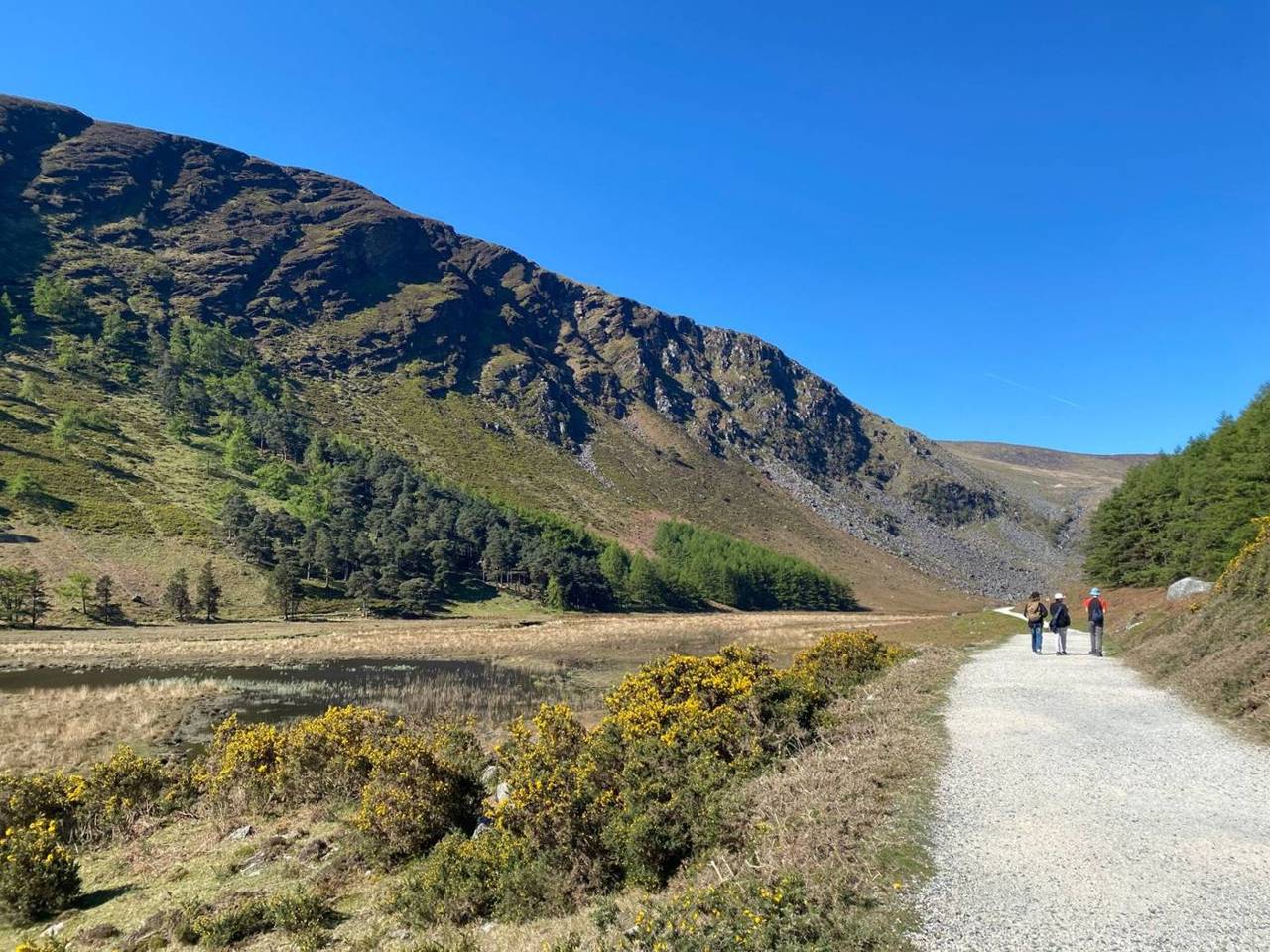
Ireland's oldest waymarked trail: six days from the Dublin suburbs across the Wicklow Mountains, Glendalough and country villages.
 5 daysEasy
County Clare and traditional music
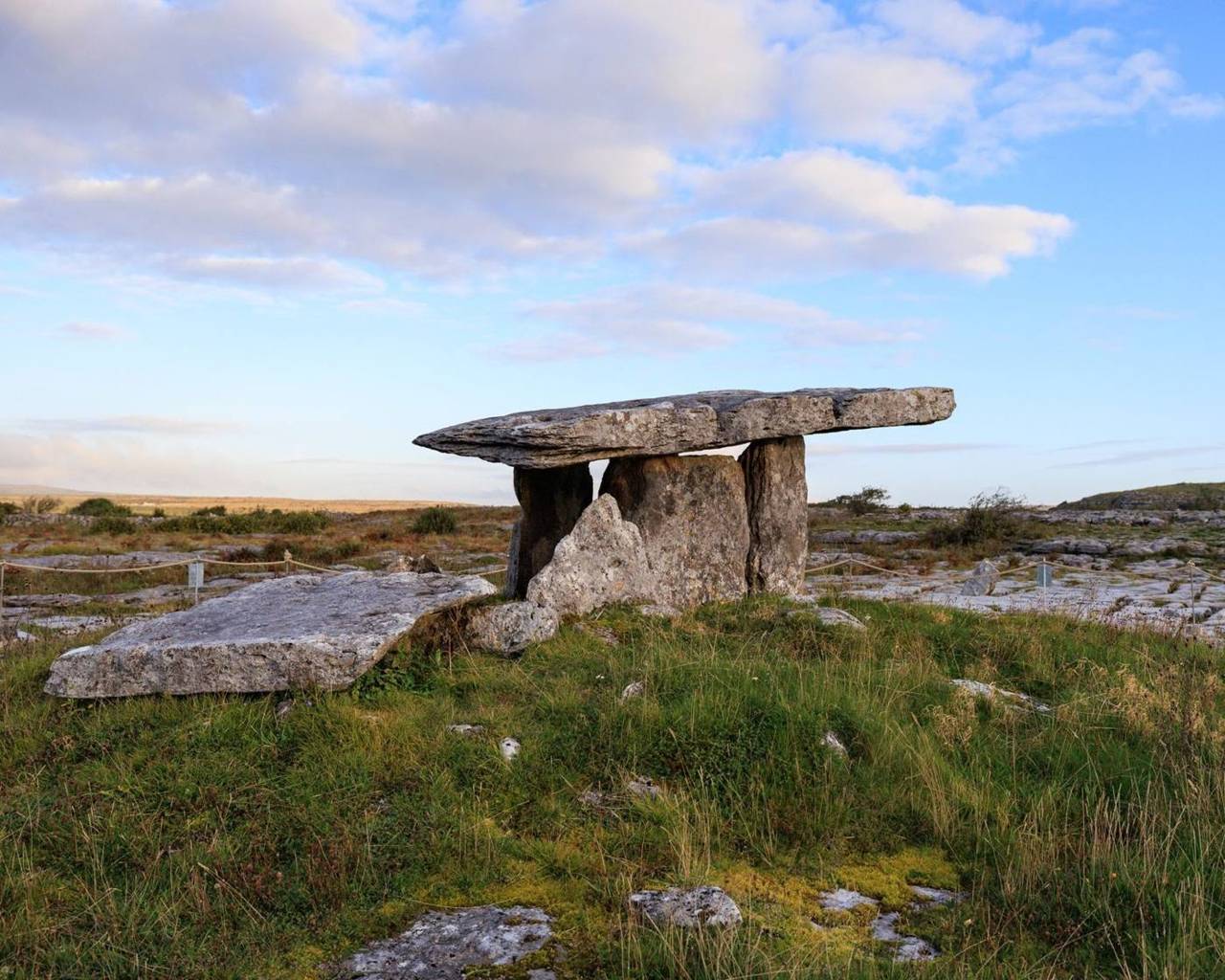
Evenings of Irish music in Doolin and Ennis, the limestone landscapes of the Burren, the Cliffs of Moher on foot and Loop Head.
 5 daysEasy
Belfast and the Causeway Coast
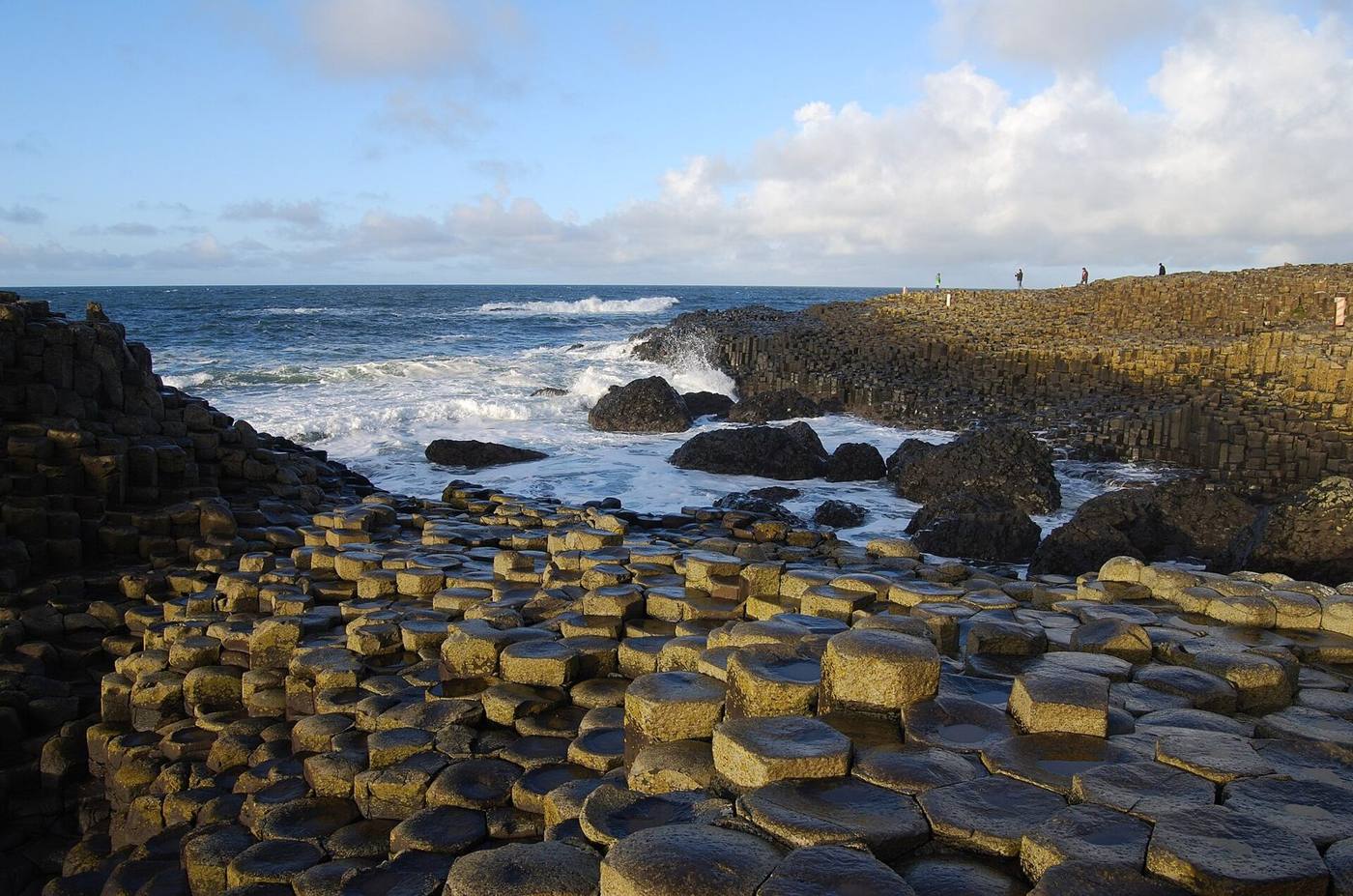
Across the border, in Northern Ireland: Belfast with the Titanic museum and the murals of the Falls and Shankill, then the Antrim coast with its Glens, the Carrick-a-Rede rope bridge, the basalt columns of the Giant's Causeway and the ruins of Dunluce Castle on the cliff.