Komodo and Flores by boat
Two nights aboard among the Komodo dragons, the view from Padar and the manta rays, then the coloured lakes of Kelimutu.
- Labuan Bajo
- Rinca
- Padar
- Komodo
- Pink Beach
- Manta Point
- Ende
- Kelimutu
Day by day
- Day 1
Flight to Labuan Bajo and sunset over the harbour
To enter Indonesia, many nationalities, including EU citizens, can get a visa on arrival, costing 500,000 rupiah and valid for thirty days, or the same visa online before departure; you need a passport valid for at least six months. Check the rules for your nationality. Labuan Bajo, on the western tip of Flores island, is about an hour's flight from Bali, or reachable from Jakarta.
Labuan Bajo is a fishing town that in a few years has become the gateway to Komodo National Park, a UNESCO World Heritage site, an archipelago of dry, mountainous volcanic islands, hills covered in golden grass, turquoise bays and one of the richest coral reefs in the world. The park is famous above all for the Komodo dragons, the largest lizards on the planet, which live only here.
On arrival, settle into town and confirm the next days' cruise with the operator. The most common cruises last two or three days on traditional wooden boats called phinisi, with cabins, or a day on speedboats. Choose an operator with good recent reviews, life jackets for everyone and safety equipment.
In the late afternoon climb Amelia Sea View hill or one of the viewpoints above the harbour to watch the sunset over the islands and the anchored boats. In the evening eat grilled fish at the night market on the waterfront, choosing fresh fish from the stalls.
Practical tip: there are cash machines in Labuan Bajo, but none on the islands or on the boat; withdraw rupiah in cash for tips and park expenses.
- Day 2
Padar at dawn and Pink Beach
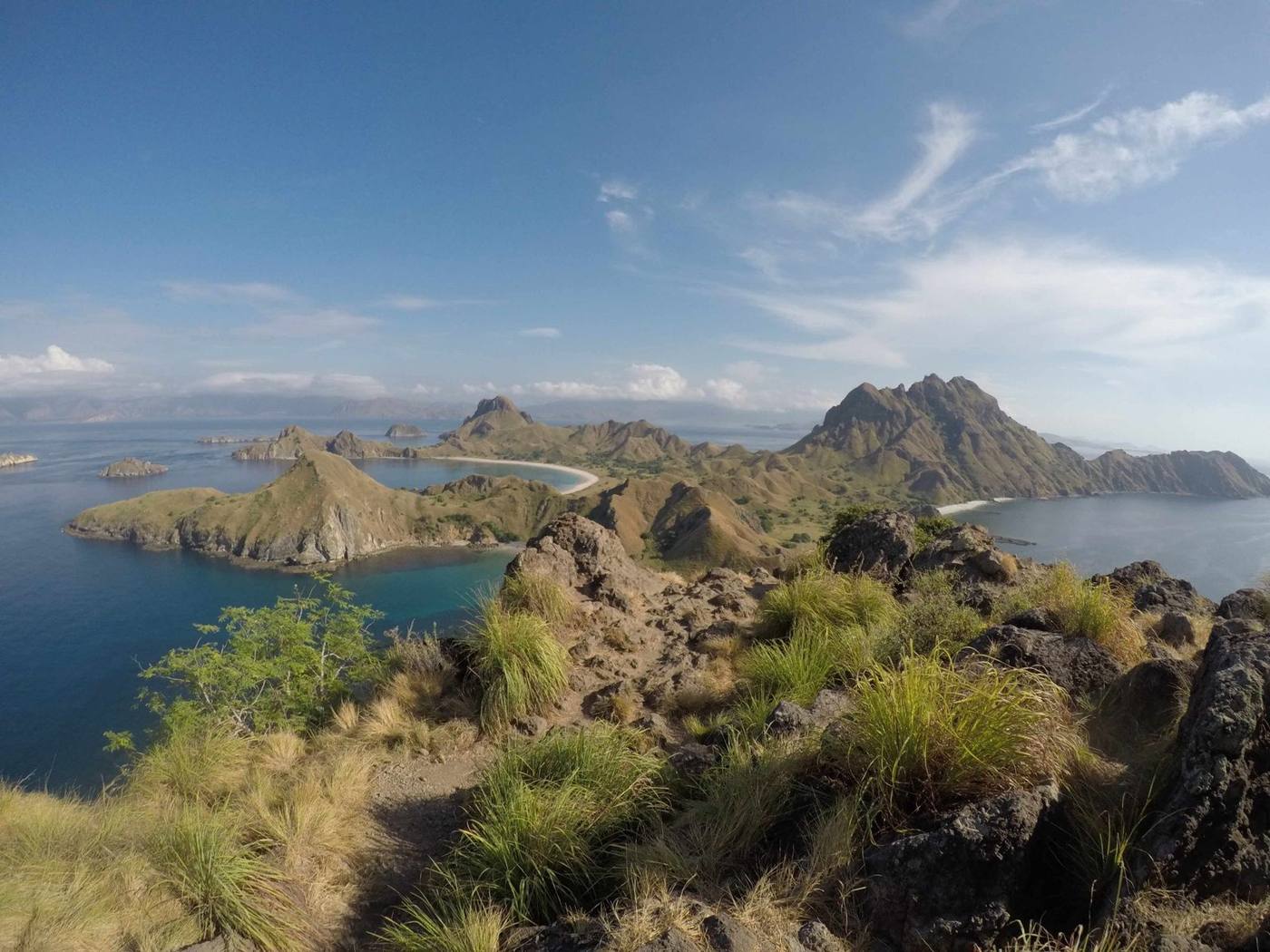
Today the cruise in Komodo National Park begins. The boat leaves very early, before dawn, to reach Padar Island at sunrise. From here you walk up a staircase and a steep path for about forty minutes to the viewpoint on the hilltop, the most famous view in Indonesia: three crescent-shaped bays with sand of three different colours, white, black and pink, between golden hills and blue sea. At midday the heat is fierce, which is why you climb at dawn.
Then the boat reaches Pink Beach, a beach of pink sand, the colour coming from fragments of a tiny red marine organism mixed with white sand. In front of the beach the coral reef, a few metres from shore, is perfect for snorkelling: corals of every colour, clownfish, angelfish and turtles.
In the afternoon the boat sails to other snorkelling spots. In the evening, on multi-day cruises, you sleep on board anchored in a quiet bay under a sky full of stars and dine on fish prepared by the crew.
Practical tip: Komodo National Park charges an entrance ticket and some fees, which may change; ask the operator whether they are included in the cruise price, and carry cash if not.
- Day 3
Komodo dragons with the rangers
Today is the day for the Komodo dragons. The boat reaches Komodo or Rinca, the two islands in the park where you can meet the dragons, always accompanied by a park ranger, compulsory, carrying a long forked stick.
The Komodo dragon is a giant lizard, the largest monitor in the world, which can exceed three metres in length and seventy kilos in weight. It hunts deer, buffalo and wild boar by ambush, and its bite, with venom that stops blood from clotting, is dangerous to humans too. A few thousand dragons live in the park.
With the ranger you follow a path of one to two hours through savannah and dry woodland to the waterholes where the dragons rest in the sun. The ranger explains their life and keeps the group at a safe distance. You often also see Timor deer, buffalo, wild boar and birds such as the yellow-crested cockatoo.
In the afternoon the boat moves to Manta Point, where giant manta rays, with a wingspan of several metres, come to be cleaned by small fish. You swim with them at the surface with mask and snorkel, without touching them.
Practical tip: rangers ask anyone who is menstruating or has open wounds to tell them before the walk, because dragons are attracted by the smell of blood.
- Day 4
Snorkelling and flying foxes at sunset
Early in the morning, on the last day of the cruise, the boat stops at one of the park's best snorkelling spots, such as Siaba Besar, with turtles grazing on seagrass, or Taka Makassar, a white sandbank that appears at low tide in the middle of the turquoise sea, with mantas nearby.
Then you land on one of the smaller islands, such as Kanawa or Kelor, with a white beach, a short climb to a viewpoint and a reef just off the shore.
In the afternoon the boat heads back towards the coast of Flores. At sunset it stops off Kalong Island, covered in mangroves, home to thousands of flying foxes, large fruit-eating bats with a wingspan that can exceed a metre. At dusk they rise all together and cross the sky above the boat in a long dark cloud, heading for Flores to feed: a moving natural spectacle.
In the evening the boat returns to Labuan Bajo. Stay in town.
For scuba divers, Komodo National Park is one of the most famous destinations in the world, with strong currents and a great variety of marine life: sharks, mantas, turtles and huge schools of fish. Dives are suitable for experienced divers and should be made with a reputable centre.
Practical tip: currents in the park can be very strong; snorkel only where the crew says, and wear a life jacket if you are not a strong swimmer.
- Day 5
Across Flores to Moni
Today you leave the sea and cross Flores, a long, mountainous island covered in forests, volcanoes, terraced rice fields and traditional villages, with a largely Catholic population, a legacy of Portuguese missionaries.
There are two options. The first is a flight from Labuan Bajo to Ende on the south coast, in about an hour, then a car to Moni in about two hours. The second is the road across the island, the Trans-Flores, long, winding and spectacular, which takes two or three days with stops: in this case you need a car with a driver and a few extra days.
With the flight, after landing in Ende, a seaside town where Indonesia's first president, Sukarno, lived in exile in the 1930s, you drive up into the mountains on a road through forests, rivers and rice fields, with the sea visible on the bends. Along the way you stop to see villages, markets and the blue pebble beaches of Penggajawa on the coast.
Moni is a small mountain village at the foot of Kelimutu volcano, with rice fields, waterfalls and hot springs. Settle into a guesthouse and get ready to wake very early.
The evening is cool; in the mountains, at about 600 metres, nights are colder than on the coast.
Practical tip: Flores roads are narrow with many bends; if you get carsick, take something before setting off.
- Day 6
Sunrise over the three lakes of Kelimutu
At four in the morning ride by car or motorbike with a driver to the Kelimutu car park, about half an hour from Moni, then walk for about twenty minutes to the viewpoint on top of the volcano, about 1,640 metres high, to watch the sunrise.
Kelimutu is famous for its three volcanic crater lakes, each a different colour, which changes over the years depending on the volcano's minerals and gases: turquoise, green, dark red, brown or black. According to the beliefs of the Lio people living around it, the lakes are the homes of the souls of the dead: the lake of the young, the lake of the old and the lake of the wicked. With the first sunlight the colours become ever brighter, among clouds rising from the valley.
On the way down, stop at the traditional villages around Moni, such as those of the Lio people, with tall thatched roofs, stone tombs in front of the houses and women hand-weaving ikat, fabrics whose patterns are made by dyeing the threads before weaving.
In the afternoon relax in the hot springs near Moni, or walk through the rice fields to the village waterfall.
Practical tip: the top of Kelimutu is cold at dawn, around 10 degrees; bring a jacket, and check beforehand that the site is open, as it may close during volcanic activity.
- Day 7
Back towards Labuan Bajo or Bali
Today is the journey back. In the morning drive down from Moni to Ende, about two hours, and take a flight to Labuan Bajo or directly to Bali if there are flights that day. Domestic flights in Indonesia often change times and days: check beforehand and book ahead.
If you chose the road across Flores instead of flying, these are the days to stop at the most interesting places inland: Bajawa, with the traditional villages of the Ngada people such as Bena, with wooden houses and sacred monuments in the central square; Ruteng, with the spider-web rice fields of Cancar, where the fields are divided into wedges from a central point; and the village of Wae Rebo, reachable only on foot, with its conical houses.
Once in Labuan Bajo or Bali, enjoy your last evening: in Labuan Bajo with the sunset over the harbour, in Bali with dinner and a stroll.
Things to take home: Flores ikat textiles, handwoven fabrics, Flores coffee, especially from Bajawa, pearls and wooden handicrafts.
Practical tip: buy ikat directly from the weavers in the villages, asking whether the dyes are natural: the work takes weeks or months, and the price reflects it. Keep a spare day before any international flight, in case of delays.
- Day 8
Departure
The last day is for departure. From Labuan Bajo there are flights to Bali and Jakarta, where international flights leave; from Bali there are direct flights to many cities in Asia and the Middle East, with connections to Europe.
If your flight leaves in the afternoon, in the morning you can take a last half-day speedboat trip to the islands near Labuan Bajo, such as Kanawa, for snorkelling, or visit Batu Cermin cave, a few kilometres from town, a limestone cave where at certain times of day sunlight enters through an opening and reflects off the walls like a mirror; inside are fossil corals and shells, a sign that the area was once under the sea.
Labuan Bajo airport is a few minutes from the centre.
Practical tip: the dry season, the best for this trip, runs from April to November; from December to March it rains more and the sea can be rough, with cruises sometimes cancelled. In Komodo National Park the authorities sometimes limit visitor numbers or close some islands to protect the animals: check the latest rules before booking. Indonesia is subject to earthquakes and volcanic eruptions; follow the instructions of local authorities. Check your government's travel advice before leaving, and keep copies of your passport and visa separate from the originals.
Unique wildlife and the finest sea in eastern Indonesia in one week. Boat quality varies enormously: choose a cabin with a bathroom and a company with a good safety record. Currents in Komodo are strong, so snorkel with a guide.
Before you go
- Documents and visa
- Passport with at least six months' validity. Visa on arrival 500,000 rupiah for 30 days, extendable once, or online on the official immigration website. In Bali you also pay the 150,000 rupiah tourist levy.
- Health and vaccines
- No compulsory vaccines arriving from Europe. Protect yourself against mosquitoes because of dengue; Bali has rabies, so keep away from dogs and monkeys. The eastern regions carry malaria risk: ask your doctor. Emergencies: 110 police, 112 general number.
- Money and payments
- Indonesian rupiah. Cards work in hotels and shops in tourist areas; QR payments are widespread; markets and villages need cash.
- Power sockets
- Types C and F, 230 volts: the same round-pin sockets as much of Europe.
- Time zone
- The country has three time zones. Java is UTC+7, Bali UTC+8, with no daylight saving time.
- Safety
- Tourist areas are generally calm. The United States rates Indonesia level 2 and the Papua regions level 4. Active volcanoes may close on alert. Very severe drug penalties. Official advice: GOV.UK.
Information checked in November 2026 for Italian and EU citizens. Rules change: always check before you travel.
Variations
In 4 days: a two-day cruise in Komodo National Park from Labuan Bajo, with Padar, Pink Beach, the dragons and the mantas, without Kelimutu.
In 12 days: add the road across Flores, with Ruteng, Bajawa and the village of Wae Rebo, before Kelimutu.
Frequently asked questions
Do I need a visa for Indonesia?
Many nationalities, including EU citizens, can get a visa on arrival costing 500,000 rupiah and valid for thirty days, or apply online before departure. The passport must be valid for at least six months.
Are Komodo dragons dangerous?
Yes, their bite is dangerous. In the park you walk only with a ranger, who keeps the group at a safe distance: always follow their instructions.
When is the best time for Komodo?
April to November, in the dry season, with calmer seas. From December to March it rains more and some cruises may be cancelled.
Indicative itinerary written by World Atlas. Before booking, check timetables, seasonal openings, documents and safety.
 10 daysModerate
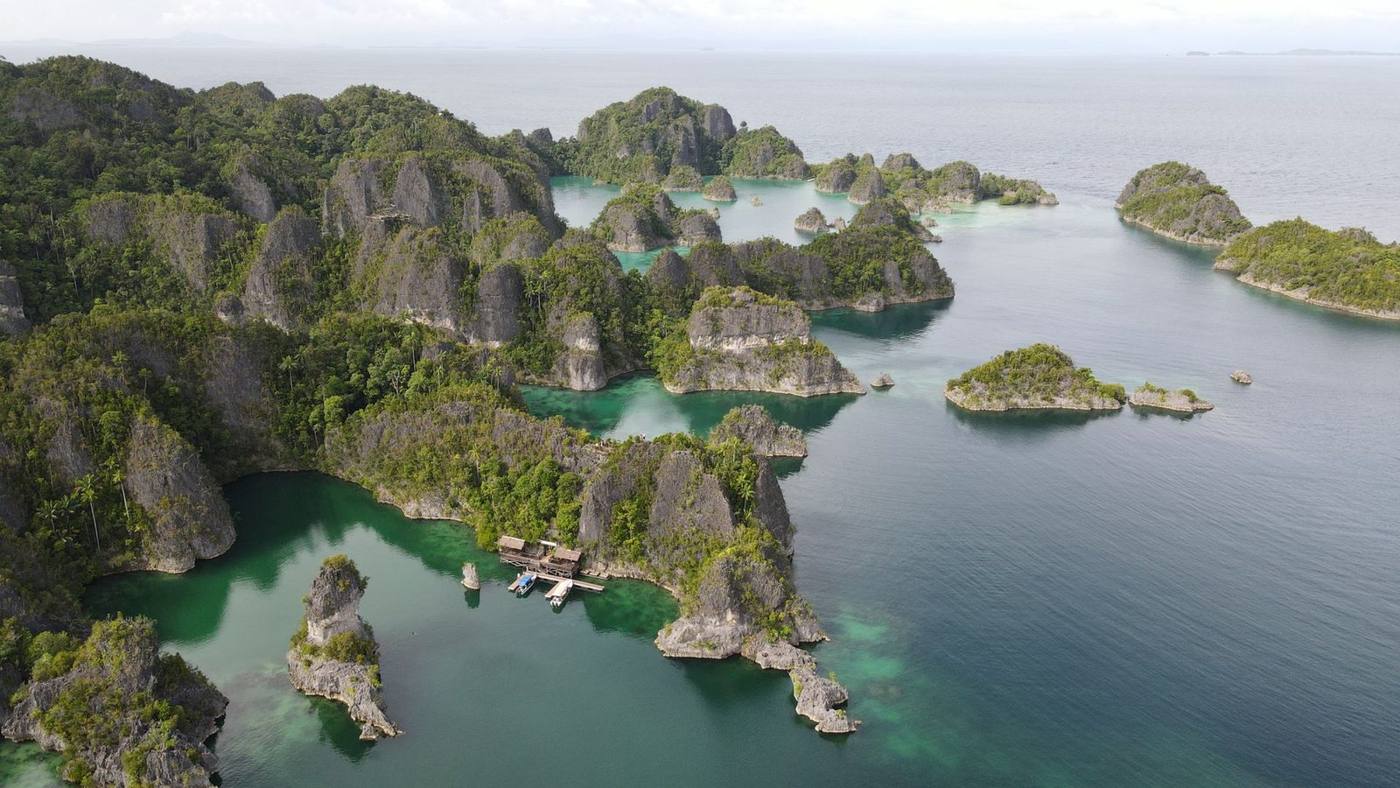
Raja Ampat, the richest sea on earth
Karst islands, the reef with the greatest variety of species on the planet and birds of paradise at dawn.
 10 daysModerate
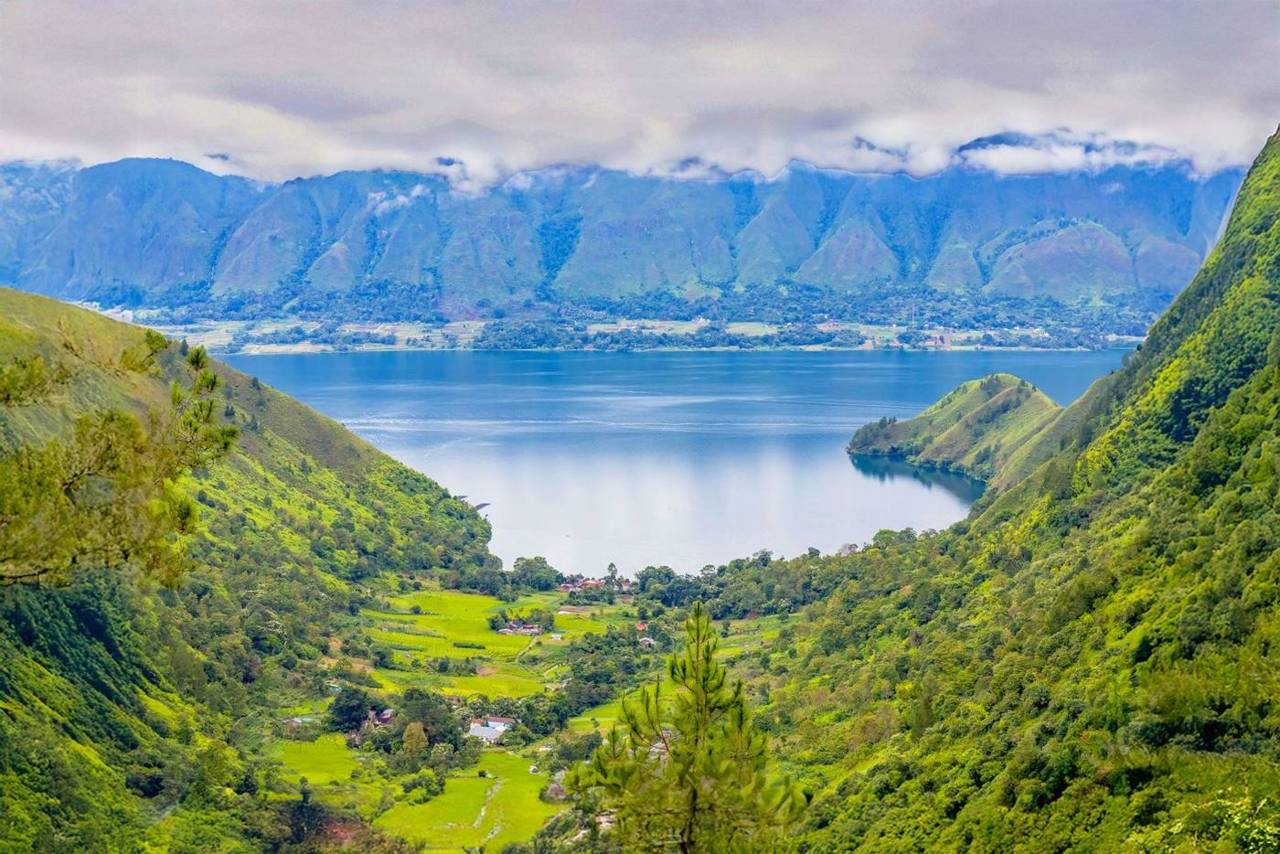
Sumatra: orangutans and Lake Toba
Two days on foot in the Bukit Lawang jungle with orangutans, the Berastagi highlands and the great volcanic lake of the Batak people.
 15 daysChallenging
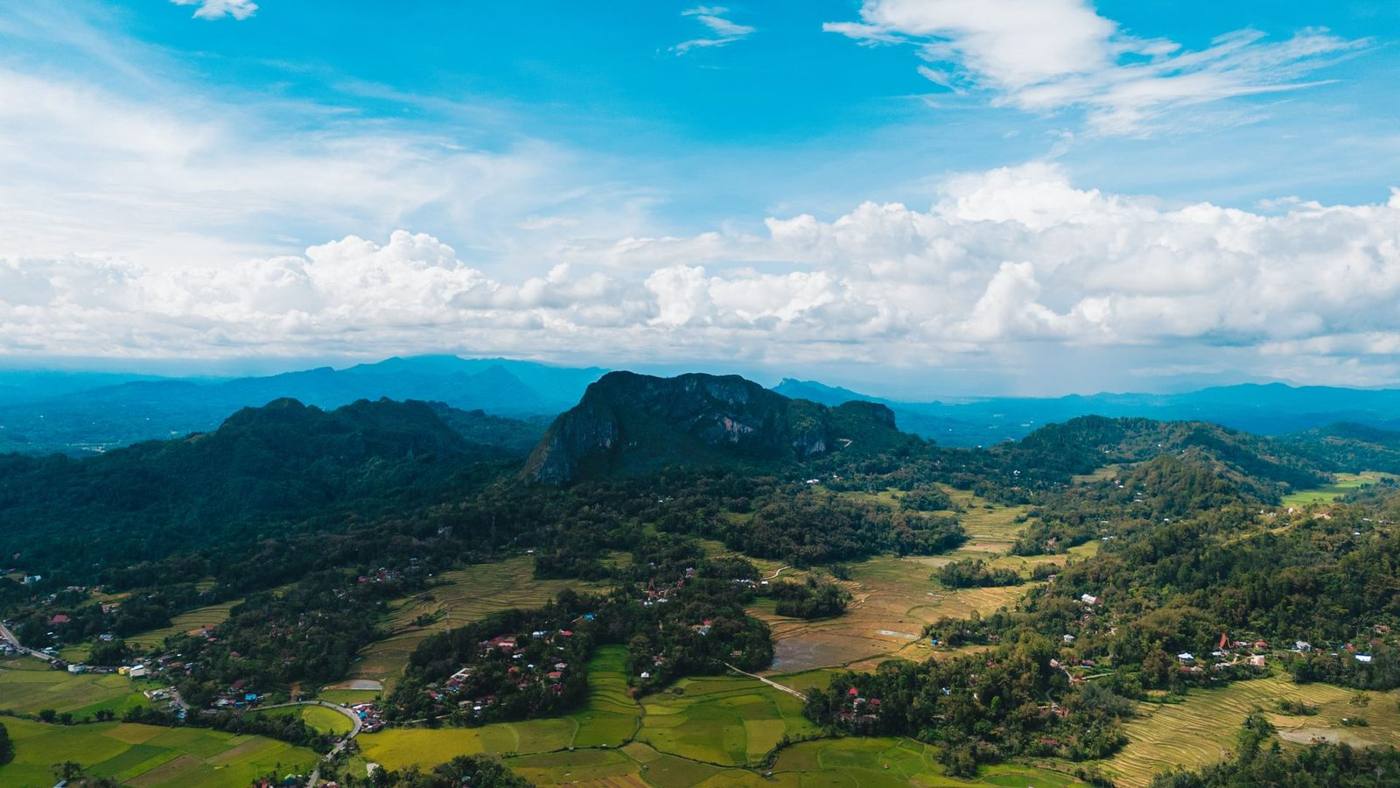
Sulawesi: Tana Toraja and the Togian Islands
The boat-shaped houses and cliff tombs of the Toraja, then the Togian Islands, among the most remote and unspoilt in Indonesia.