The Andaman Islands
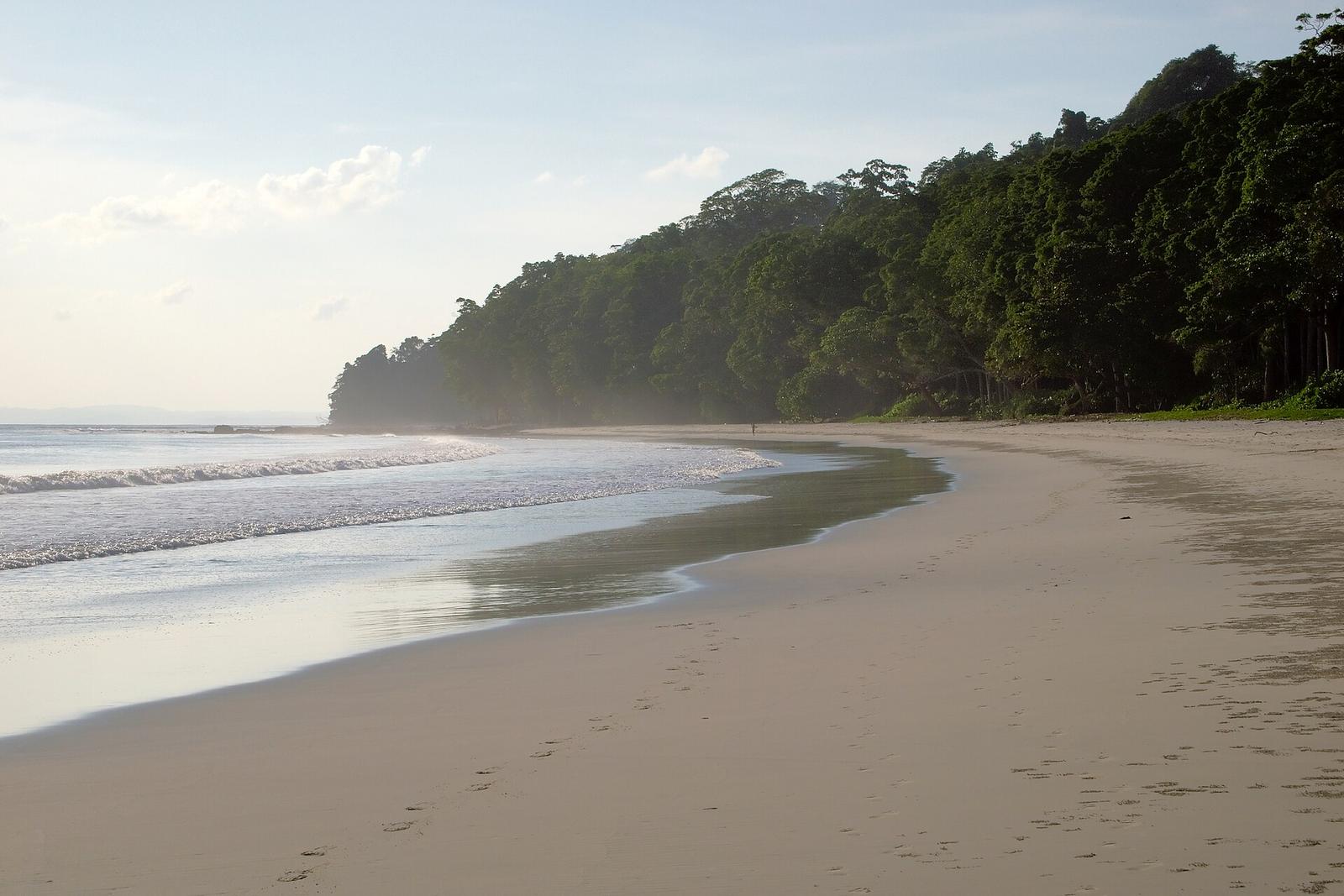
India's tropical sea: Havelock with Radhanagar beach, coral reefs and forest reaching down to the sand.
- Port Blair
- Havelock
- Neil
- Baratang
Day by day
- Day 1
Arrival and flight to Port Blair
This trip takes you to the Andaman Islands, an Indian archipelago in the Bay of Bengal, closer to Burma and Thailand than to mainland India: white beaches, tropical forests, coral reefs and a crystal clear sea. You visit Port Blair, Havelock, Neil and Baratang, moving between them by ferry.
Before you go: Italian citizens need an electronic visa for India. The 30 day tourist visa costs 25 dollars from July to March and 10 dollars from April to June; it is applied for online before departure. Other nationalities should check their own rules. Some islands and areas of the Andamans require special permits: check the latest rules before you travel.
Today you arrive in India, at Chennai or Kolkata, and take the domestic flight to Port Blair, the islands' capital, about two hours. From the window you see the first green islands in the middle of the blue sea.
Port Blair is a quiet town on the east coast of South Andaman island, with a natural harbour, markets and small temples. People from all over India live here, and Bengali, Tamil, Hindi and Telugu are spoken.
In the afternoon rest: the journey is long and the time difference is four and a half hours from Italy in winter.
In the evening walk along the Marina Park seafront and have fish curry for dinner, made with coconut milk.
Sleep in Port Blair.
Practical tip: in the Andamans cash machines are few, especially outside Port Blair, and often do not work. Withdraw cash in rupees in town before leaving for the islands.
- Day 2
Port Blair and the Cellular Jail
Today you discover the history of Port Blair.
In the morning visit the Cellular Jail, the prison built by the British between 1896 and 1906 for political prisoners of the Indian independence movement. The building had seven wings radiating from a central tower, with almost 700 single cells, so that prisoners could not talk to each other. Today three wings remain and it is a national memorial. From the roof you see the harbour. Check opening times and tickets.
Then visit the anthropological museum, devoted to the islands' original peoples, such as the Onge, the Jarawa and the Sentinelese, who still live traditionally in the forests. The museum explains their history and why they are now protected by Indian law.
In the afternoon take a boat to Ross Island, now called Netaji Subhas Chandra Bose Dweep, a few minutes from the harbour. It was the seat of the British government of the islands, with a church, a ballroom and officers' houses. Today the ruins are covered by tree roots, and deer and peacocks live there. Check times and tickets.
In the evening return to the Cellular Jail for the light and sound show, which tells the story of the prisoners. Check times and language.
Sleep in Port Blair.
Practical tip: book the ferries to Havelock and Neil in advance. In high season, from December to March, places sell out quickly.
- Day 3
Ferry to Havelock
Today you reach the most famous island in the Andamans.
In the morning take the ferry from Port Blair to Havelock, now called Swaraj Dweep, about two hours on the fast ferries or four on the government ones. Arrive at the port an hour early for document and luggage checks.
Havelock is a green island with forests, small villages and some of the most beautiful beaches in Asia. Roads are few and quiet: you get around by scooter, bicycle or auto rickshaw.
In the afternoon settle in and go to Radhanagar beach, on the west coast, considered one of the most beautiful beaches in Asia: a long curve of white sand, turquoise sea and a forest of towering trees behind. Swim and wait for sunset, when the sun sinks into the sea.
In the evening have dinner in the village with the catch of the day grilled or a prawn curry, and tropical fruit such as papaya and small bananas.
Sleep on Havelock, for four nights.
Practical tip: at Radhanagar there are lifeguards and marked swimming areas. Respect them: at times there are strong currents, and saltwater crocodiles have been seen in the islands' waters in the past. Do not swim near mangroves or the mouths of streams.
- Day 4
Snorkelling and diving on Havelock
Today you discover the world under the sea.
The Andamans have coral reefs still in good condition, with tropical fish, turtles, rays and, sometimes, reef sharks and dugongs, the sea cows. Havelock is the main centre for diving.
In the morning, if you dive, set off by boat for two dives at one of the sites around the island, with hard and soft corals and shoals of fish. If you do not have a certification, you can take a trial dive with an instructor, a few metres deep. Choose a reliable centre, with certified instructors and well maintained equipment. Check prices and conditions.
If you prefer to stay on the surface, snorkel in the shallow water near the shore, with mask and snorkel.
In the afternoon relax on Vijaynagar beach, on the east coast, quieter, with shallow water and views of the nearby islands. Early in the morning the sun rises over the sea here.
In the evening walk through the small market of the main village and try Indian sweets made of coconut and rice.
Sleep on Havelock.
Practical tip: do not touch or step on the corals, and do not take shells or pieces of coral: it is forbidden by Indian law and there are strict checks at the airport. Use sunscreens that do not harm the sea.
- Day 5
Elephant Beach
Today you go to one of the best beaches for snorkelling.
In the morning head to Elephant Beach, on the north west coast of Havelock. There are two ways: by boat from the harbour, about twenty minutes, or on foot along a path of about two kilometres through the forest and the mangroves, more tiring but beautiful. At low tide the path is easier. Check times and rules for the boats.
Elephant Beach has a coral reef very close to the shore: you only need to get into the water with mask and snorkel to see colourful corals, clownfish, parrotfish and starfish.
In the afternoon head back towards the village. On the beach there are also dead trees bleached by the sea, still standing after the 2004 tsunami, which hit the islands hard.
In the evening return to Radhanagar for another sunset, or rest at your accommodation.
Sleep on Havelock.
Practical tip: Elephant Beach has many water activities, such as jet skis and towed inflatables. If you are looking for peace, arrive early in the morning, before the tourist boats. Bring water, a hat and reef shoes: the beach has little shade and the bottom near the corals is hard. If you walk back, set off early to avoid the afternoon heat in the forest.
- Day 6
Kalapathar and a slow day
Today you enjoy Havelock at a gentle pace.
Early in the morning go to Kalapathar beach, on the east coast, for sunrise. The beach takes its name from the black rocks that close it off; in front there is a green blue sea and behind it a forest of very tall trees. It is one of the quietest beaches on the island.
Then, if you like walking, take a walk in the forest inland with a local guide, to see tropical birds such as kingfishers, Andaman hornbills and green parrots. Many bird species live only on these islands.
In the afternoon try kayaking among the mangroves, with a guide, in the island's quiet channels. Night kayaking, in some seasons, lets you see luminous plankton, which lights up blue when the water moves. Check seasons, prices and times.
In the evening have dinner on the beach or in one of the small eateries in the village, with rice, vegetables and fish curry.
Sleep on Havelock.
Practical tip: in the Andamans the sun is very strong and humidity is high. Drink plenty of water, wear a hat and cover your shoulders in the middle of the day. Scooters are easy to hire, but you need a valid licence and a helmet. The roads are narrow and poorly lit in the evening.
- Day 7
Ferry to Neil
Today you move to a smaller, quieter island.
In the morning take the ferry from Havelock to Neil, now called Shaheed Dweep, about an hour. Check times and prices.
Neil is a small flat island, with rice paddies, fields of bananas and vegetables, villages and beaches surrounded by coral. You can cycle around it in half a day, and life moves very slowly. Many of the Andamans' vegetables are grown here.
In the afternoon go to Bharatpur beach, near the harbour, with shallow, calm water and corals close to the shore, where you can snorkel. There are also glass bottomed boats for seeing the corals without getting wet.
At sunset go to Laxmanpur beach, on the west coast, a long white sand beach where the sun sets over the sea. At low tide you see the rock pools, with small fish, crabs and starfish.
In the evening have dinner in the village with rice, lentils, island vegetables and fish.
Sleep on Neil, for two nights.
Practical tip: on Neil there is almost nothing to do in the evening and some places close early. Bring a book and enjoy the silence. Bring a torch too: the roads are not lit. Bicycles can be hired near the harbour.
- Day 8
The natural arches of Neil
Today you explore the island's rocks and corals.
In the morning, at low tide, walk along Laxmanpur beach to the Natural Bridge, an arch of coral rock carved by the sea, the island's symbol. The route crosses rocks and tide pools full of life: corals, sea urchins, sea cucumbers, small octopuses and colourful fish. You need low tide: check the time and wear shoes that can get wet, because the rocks are sharp and slippery.
Then go to Sitapur beach, at the eastern tip of the island, to see the limestone cliffs and the waves of the open sea. Early in the morning the sun rises over the sea here.
In the afternoon hire a bicycle and ride around the island among rice paddies, palm groves and villages. Stop at the market in the main village, with freshly picked fruit and vegetables.
In the evening return to Laxmanpur for a last sunset, or rest at your accommodation.
Sleep on Neil.
Practical tip: in the tide pools do not lift the corals or touch the animals. Some fish and shells are venomous, such as the stonefish and some cone shells, and their stings can be dangerous. If something stings you, get help straight away: there is a small medical centre on the island, but serious cases have to go back to Port Blair.
- Day 9
Baratang, caves and mangroves
Today you visit Baratang island, in the centre of the archipelago.
Early in the morning return to Port Blair by ferry and then set off by car north along the islands' main road. You leave very early, because the road crosses a protected reserve of the Jarawa people and you can only pass in convoys, at fixed times. In the reserve it is forbidden to stop, take photos, give food or approach people: the rules are very strict and protected by law. Check the latest times and rules.
Once at Baratang, take a boat through the channels among the mangroves, with roots rising from the water and forming green tunnels. Then a boardwalk and a path of about a kilometre lead to the limestone caves, with stalactites and stalagmites formed over thousands of years.
If there is time, visit the mud volcanoes, small cones that release mud and gas, something rare in India.
In the afternoon return towards Port Blair with the return convoy.
In the evening, in Port Blair, have dinner and rest: it has been a long day.
Sleep in Port Blair, for three nights.
Practical tip: for Baratang you need your passport and the permit. It is a very long day, with many hours in the car: if you prefer to rest, you can replace it with a day on the beaches near Port Blair.
- Day 10
Chidiya Tapu and the sunset
Today you stay around Port Blair.
In the morning visit the Samudrika naval museum, with collections on the marine life of the Andamans, corals, shells and the history of the islands. Check opening times and tickets. Then go through the Aberdeen market, in the centre of town, with fruit, spices and fish.
In the afternoon drive for about half an hour south to Chidiya Tapu, which means bird hill, a forested headland by the sea. Many bird species live here, and it is a good place to watch them with binoculars. A short path leads to the southernmost point, with views over the sea and the islands.
At sunset stay at Chidiya Tapu: it is considered the finest sunset spot near Port Blair, with the sun going down behind the islands.
If you want to swim, Munda Pahar beach, close by, is surrounded by forest and has calm water.
In the evening return to Port Blair and have south Indian dishes for dinner, such as dosa, rice and lentil pancakes, with coconut chutneys.
Sleep in Port Blair.
Practical tip: on the beaches near Port Blair swim only in the marked areas. Always ask locally whether there are currents or crocodile sightings.
- Day 11
One last island: North Bay or Jolly Buoy
Today you spend your last day at sea.
In the morning choose between two boat trips. The first is North Bay, an islet opposite Port Blair, with a red and white lighthouse and a reef close to the shore, where you snorkel or look at the corals from a glass bottomed boat. The lighthouse appears on the Indian 20 rupee note.
The second is Jolly Buoy, or Red Skin, in the Mahatma Gandhi Marine National Park, south west of Port Blair, with the clearest water and best preserved corals in the area. The park's islands open in turn during the year and are strictly protected: no plastic and a limited number of visitors. Permits and booking are needed. Check which island is open, prices and rules.
In the afternoon return to Port Blair and pack.
In the evening take a last walk along the seafront and buy a souvenir of island crafts, such as bamboo baskets or objects of padauk wood, an Andaman tree. Do not buy coral or shell objects: it is forbidden.
Sleep in Port Blair.
Practical tip: ferries to the islands can be cancelled in rough seas. Always keep a spare day before your return flight, as in this programme.
- Day 12
Departure
Today you leave the Andamans.
In the morning take the flight from Port Blair to Chennai or Kolkata, about two hours, and from there the flight to Italy. If you have a few hours in Chennai, you can visit the Marina Beach seafront, one of the longest urban beaches in the world, or the Kapaleeshwarar temple, with its tower covered in colourful statues.
Leave a wide margin between the domestic and the international flight: flights from Port Blair depend on the weather and can be delayed.
Over these days you have seen an India different from that of temples and big cities: tropical islands, white beaches, corals, forests and the history of the independence struggle at the Cellular Jail.
When to go: the best period is from December to April, with calm seas, clear skies and transparent water. From May to September the monsoon arrives, with heavy rain and rough seas, and many ferries and activities stop. October and November are transition months, with some rain.
Practical tip: at Port Blair airport security checks are strict. Do not carry sand, shells, coral or stones: they are forbidden and can lead to fines. Keep your passport and a printout of the electronic visa to hand, as they are sometimes checked on domestic flights too.
A Maldives-style sea at Indian prices, but you need patience with the ferries, and accommodation is often simple. Diving at Havelock is among the best value in the Indian Ocean. Right months: November-April.
Before you go
- Documents and visa
- Passport with at least six months' validity and two blank pages, plus an electronic tourist visa from the official Indian government website: 30 days for 25 dollars from July to March, 10 dollars from April to June.
- Health and vaccines
- No compulsory vaccines arriving from Europe; ask your doctor about hepatitis A, typhoid and malaria depending on the area. Drink only sealed bottled water. Emergencies: 112.
- Money and payments
- Indian rupee. Cards and digital payments are common in cities; markets, villages and rickshaws need cash.
- Power sockets
- Types C, D and M, 230 volts: a universal adapter is useful.
- Time zone
- UTC+5:30 all year: India does not use daylight saving time.
- Safety
- The United States rates India level 2, with level 4 for Jammu and Kashmir (except Ladakh), Manipur and the 10 km strip along the Pakistani border. Official advice: GOV.UK.
Information checked in November 2026 for Italian and EU citizens. Rules change: always check before you travel.
Variations
In 8 days: Port Blair, three nights on Havelock with Radhanagar and Elephant Beach and two on Neil, without Baratang.
In 15 days: add three nights on Havelock for a diving course and a trip to Long Island, quieter and little visited.
Frequently asked questions
What document do I need for the Andamans?
The electronic visa for India: the 30 day tourist visa costs 25 dollars from July to March and 10 from April to June. Some islands and areas need special permits: check the latest rules. Other nationalities should check their own rules.
When is the best time?
From December to April, with calm seas and clear water. From May to September there is the monsoon, with rough seas and many ferries suspended.
Can you see the original peoples?
No. Peoples such as the Jarawa and the Sentinelese are protected by Indian law: it is forbidden to approach them, photograph them or give them food. North Sentinel Island is closed to everyone.
Indicative itinerary written by World Atlas. Before booking, check timetables, seasonal openings, documents and safety.
 7 daysEasy
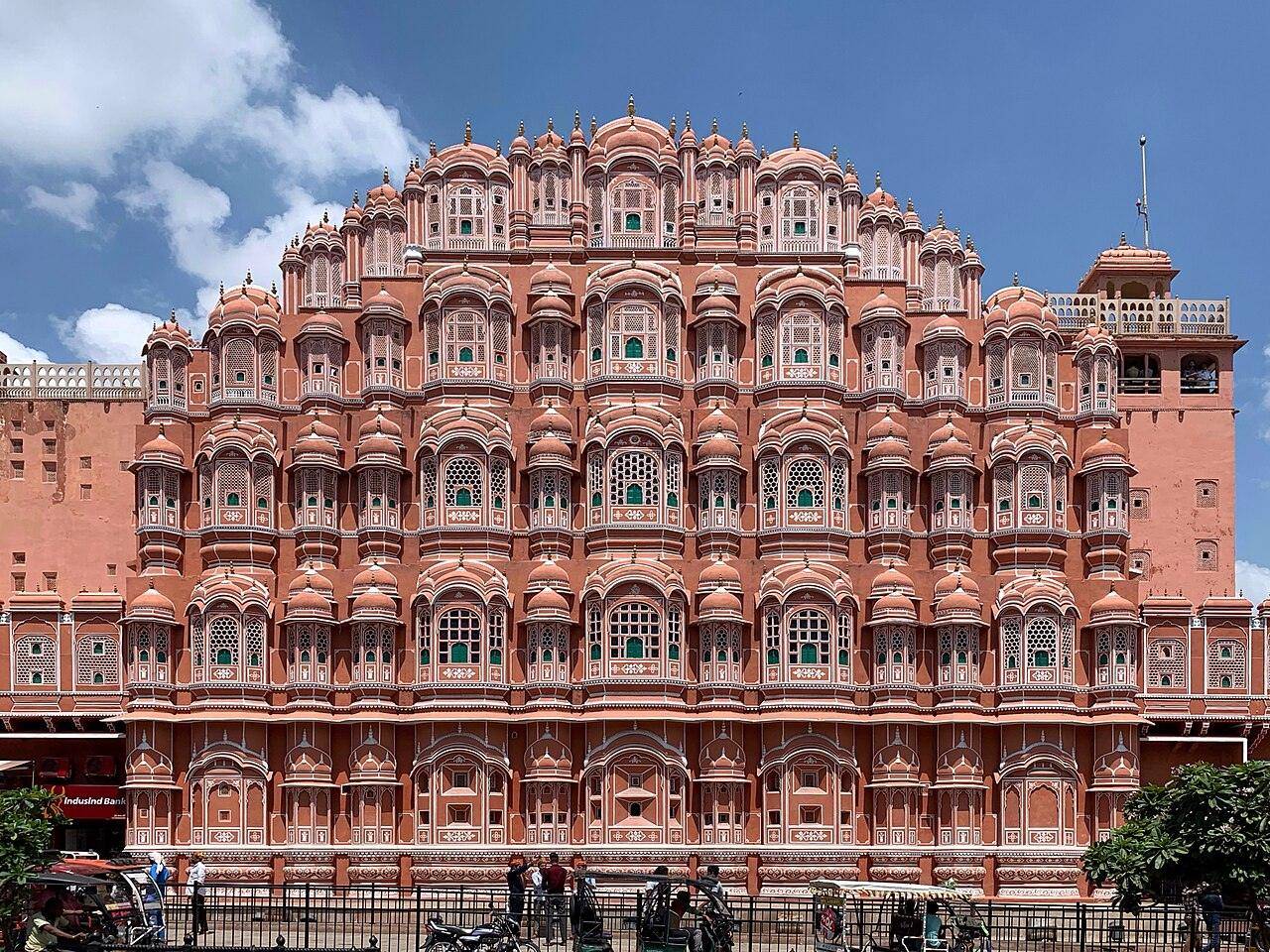
The Golden Triangle: Delhi, Agra and Jaipur
A first time in India: the Taj Mahal at dawn, the forts of Rajasthan and the life of Old Delhi, in one week.
 15 daysModerate
Rajasthan and the tigers of Ranthambore
Palaces, desert and safari: from the Taj Mahal to the blue and golden cities of Rajasthan, with two days in tiger country.
 16 daysModerate
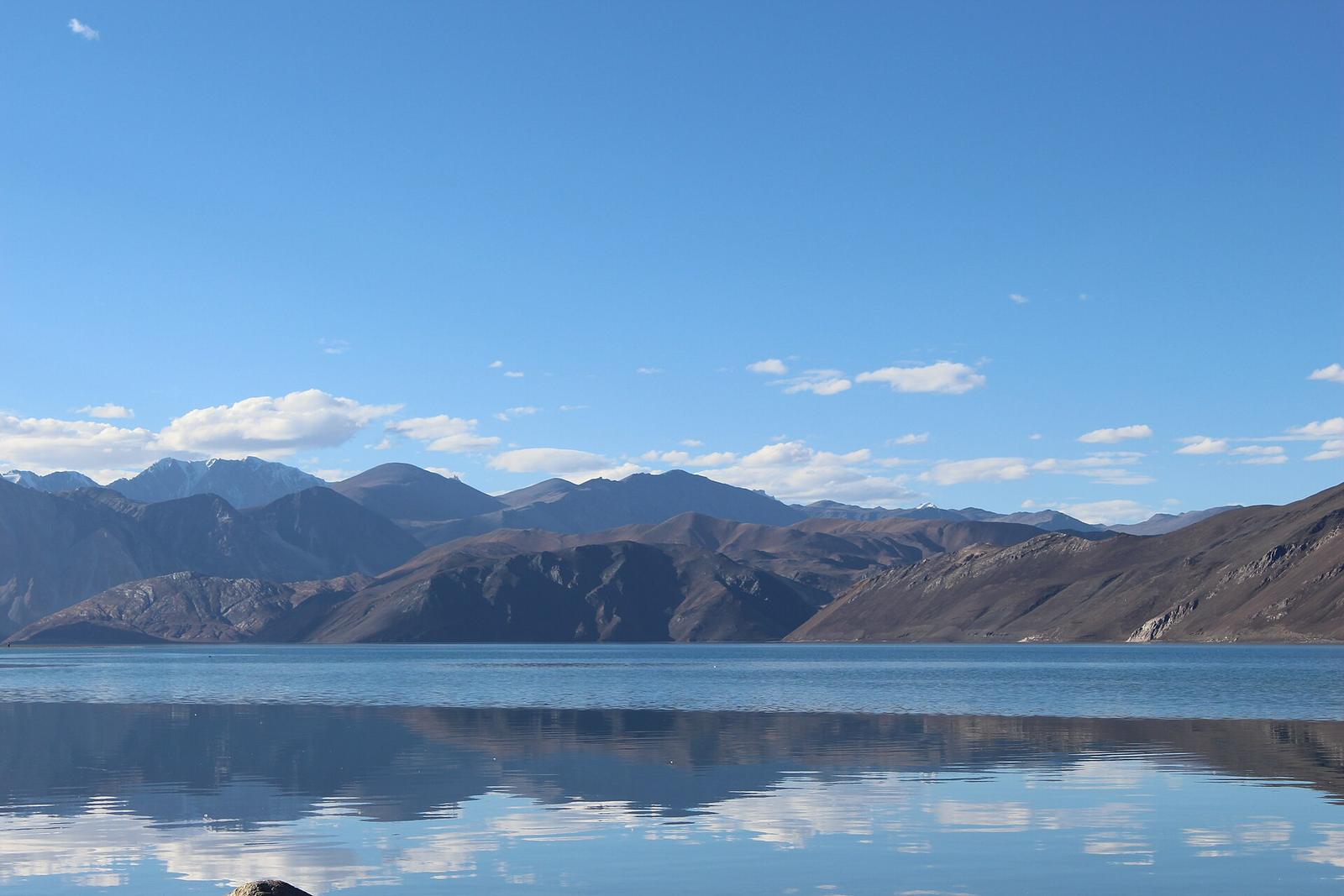
Ladakh, Little Tibet
Buddhist monasteries clinging to the rocks, the Nubra valley with its two-humped camels and Pangong lake at 4,300 metres.