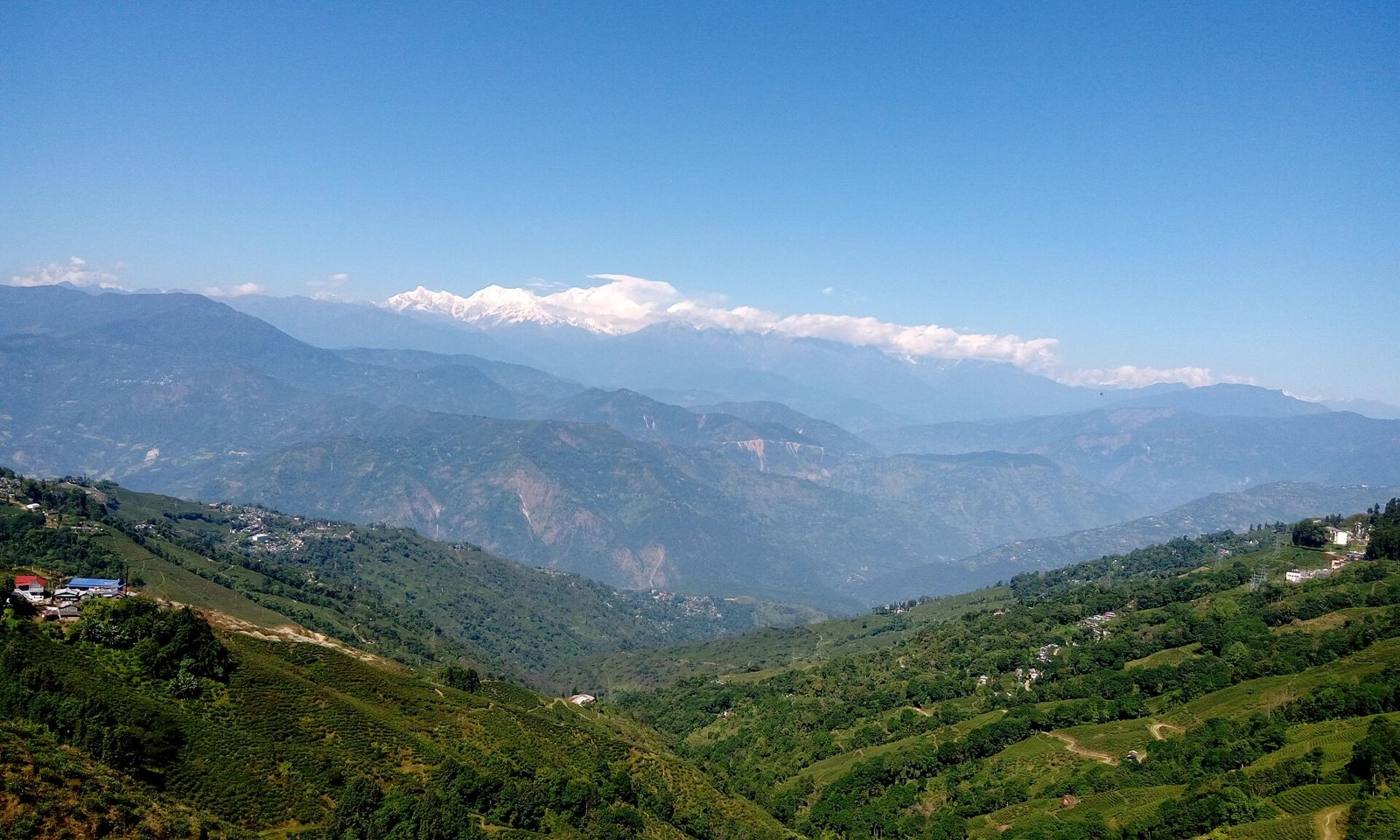
Kolkata, the Sundarbans and Darjeeling
India's cultural capital with the Victoria Memorial, the flower market and the ghats on the Hooghly river, the mangroves of the Sundarbans, home of the Bengal tiger, and Darjeeling with its tea gardens, historic toy train and sunrise over Kanchenjunga.
- Kolkata
- Sundarbans
- Bagdogra
- Darjeeling
- Tiger Hill
- Kurseong
Day by day
- Day 1
Kolkata: the Victoria Memorial and College Street
This trip crosses West Bengal, in eastern India, from sea level to the mountains of the Himalaya. It begins in Calcutta, now called Kolkata, the old capital of British India, an intense, cultured and chaotic city, the city of poets, markets and trams; it continues into the Sundarbans, the largest mangrove forest in the world, at the mouth of the Ganges, home of the Bengal tiger; and it ends in Darjeeling, among the tea gardens at over two thousand metres, facing Kanchenjunga, the third highest mountain in the world.
To enter India you need an e-visa, applied for online: for thirty days it costs 25 dollars from July to March and 10 dollars from April to June.
You fly into Kolkata, usually with a connection in the Gulf or another Indian city.
On the first day visit the Victoria Memorial, a large white marble palace built in the early twentieth century in memory of Queen Victoria, surrounded by gardens, with a museum on the history of the city and of British India. Then walk across the Maidan, the great park at the centre of the city, and pass St Paul's Cathedral.
In the afternoon go to College Street, the street of books, near the university, with hundreds of stalls and tiny bookshops selling new and second hand books. Stop at one of the area's historic cafés, frequented by writers, students and intellectuals.
In the evening have dinner with Bengali food, based on river fish such as hilsa cooked with mustard, rice and milk sweets.
Spend the night in Kolkata.
Practical tip: traffic in Kolkata is chaotic. Use the metro, which is convenient and fast, or taxi apps. The best time is October to March.
- Day 2
Kolkata: the flower market at dawn and Kumartuli
Today, at dawn, go to the Mallick Ghat flower market, beneath Howrah Bridge on the bank of the Hooghly, a branch of the Ganges. It is one of the largest flower markets in Asia: hundreds of sellers bring mountains of orange marigolds, jasmine garlands, roses and lotuses for temples, festivals and weddings. The colour, noise and scent are intense.
Then walk across Howrah Bridge, a huge steel bridge with no piers in the river, one of the busiest bridges in the world, and watch people taking ritual baths in the river on the ghats, the stone steps along the bank.
Later in the morning go to Kumartuli, the quarter of the artisans who model statues of the gods. In small workshops along narrow lanes the artisans build statues from straw and bamboo, cover them with river clay, then paint and dress them. The largest are those of the goddess Durga, for Durga Puja, the city's most important festival, in autumn, when thousands of statues are displayed in decorated pavilions all over Kolkata and then immersed in the river.
In the afternoon visit the house of Rabindranath Tagore, the Bengali poet who won the Nobel Prize for Literature in 1913, now a museum, or the Mother House of Mother Teresa's Missionaries of Charity, where her tomb lies.
Spend the night in Kolkata.
Practical tip: at Kumartuli and in the markets always ask permission before photographing people. Some artisans ask for a small donation.
- Day 3
To the Sundarbans: by boat through the mangrove channels
Today leave Kolkata for the Sundarbans, about three or four hours by road to the south east, to the port of Godkhali, where you board a boat to enter the forest.
The Sundarbans are the largest mangrove forest in the world, a UNESCO World Heritage Site, shared between India and Bangladesh, in the delta formed by the Ganges, Brahmaputra and Meghna rivers. It is a labyrinth of islands, channels and rivers that change with the tides twice a day. The name means beautiful forest.
The Bengal tiger lives here, adapted to swimming between islands and drinking salt water. It is very hard to see, as it hides in the dense forest, but its footprints are often seen in the mud. The Sundarbans are also home to saltwater crocodiles, otters, spotted deer, monkeys, monitor lizards, river dolphins and hundreds of bird species, including many kingfishers.
In the afternoon the boat moves slowly along the channels, among mangrove roots rising from the mud. You land at one of the watchtowers, such as Sajnekhali, where there is also a visitor centre and a small museum.
In the evening you sleep in a simple lodge on an inhabited island at the edge of the forest, or on board the boat.
Spend the night in the Sundarbans.
Practical tip: entering the park requires permits, usually arranged by your guide or agency, and an entry fee: check. In the forest never leave the boat except in fenced areas: tigers also attack people.
- Day 4
Sundarbans: watchtowers and villages
Today spend a full day by boat in the channels of the Sundarbans.
At dawn the boat sets off again, when animals are most active and the light is soft on the forest and water. You sail narrower channels where the forest reaches the boat, looking for animals on the banks: crocodiles basking on the mud, deer drinking, monkeys in the trees, water birds and, with great luck, a tiger crossing a channel.
During the day you stop at the watchtowers in the protected areas, such as Sudhanyakhali, Dobanki, with a canopy walkway among the mangrove tops, or Netidhopani, with the remains of an ancient temple. The towers stand near freshwater ponds where animals come to drink.
In the afternoon visit a village on the edge of the forest. People live from fishing, wild honey gathering and farming, in a hard environment of cyclones, floods and the danger of tigers. You see the earth embankments protecting fields from salt water and the shrines to Bonbibi, the goddess of the forest, who protects fishermen and honey gatherers and is worshipped by both Hindus and Muslims.
In the evening, at the lodge, there are sometimes traditional village songs and dances.
Spend the night in the Sundarbans.
Practical tip: bring mosquito repellent, a hat and sunscreen. From November to February the climate is coolest and most pleasant, and wildlife is easier to see.
- Day 5
Back to Kolkata, flight to Bagdogra and the climb to Darjeeling
Today leave the Sundarbans early in the morning and return to Kolkata to catch a flight to Bagdogra, in northern Bengal at the foot of the Himalaya, about an hour. Alternatively you can take an overnight train from Kolkata to New Jalpaiguri, the station near Bagdogra.
From Bagdogra you drive up to Darjeeling, about three and a half hours on a winding mountain road climbing from about a hundred metres to over two thousand. The landscape changes: from hot plains with lowland tea gardens you climb through tropical forest, then mountain forest of pines and cryptomeria, waterfalls and villages clinging to the slopes. Along the way you often cross the track of the Darjeeling toy train, which runs beside the road and crosses it many times.
Darjeeling is a town built by the British in the nineteenth century as a summer retreat from the heat of Calcutta, on a ridge at about 2,000 metres. It has old hotels and colonial churches, markets and steep lanes, and a mixed population of Nepalis, Tibetans, Bengalis and Lepchas.
In the evening walk around Chowrasta, the main square, and along the Mall, the pedestrian promenade on the ridge. Have dinner with momos, steamed Tibetan dumplings, and thukpa, a noodle soup.
Spend the night in Darjeeling.
Practical tip: Darjeeling is cool, even cold in winter. Bring a sweater and a jacket. The road from Bagdogra is slow: allow plenty of time.
- Day 6
Sunrise over Kanchenjunga from Tiger Hill and Ghoom monastery
Today, very early, around four in the morning, go up by jeep to Tiger Hill, a hill at about 2,600 metres, some eleven kilometres from Darjeeling, to watch sunrise over the Himalaya.
If the sky is clear, as the sun rises the first rays turn pink and then gold the summit of Kanchenjunga, 8,586 metres, the third highest mountain in the world, which seems very close, and the other peaks of the range. On very clear days the summit of Everest is also visible in the distance. Hundreds of people gather on the hill and applaud when the sun appears.
On the way back stop at Ghoom monastery, called Yiga Choeling, a Tibetan Buddhist monastery from 1850, with a large statue of Maitreya, the future Buddha, about five metres tall, colourful prayer flags and monks chanting prayers.
Later, in Darjeeling, visit the Himalayan Mountaineering Institute, founded in 1954 after the first ascent of Everest, with a museum on Himalayan expeditions, and the nearby zoo, home to mountain animals such as the red panda, the snow leopard and the Tibetan wolf. Tenzing Norgay, the Sherpa who climbed Everest with Edmund Hillary in 1953, lived in Darjeeling and directed the institute; his grave is here.
Spend the night in Darjeeling.
Practical tip: the sky is clearest from October to December and in spring. Mist often hides the mountains: if you can, keep an extra day to try again. It is very cold at dawn on Tiger Hill.
- Day 7
A tea garden and the Darjeeling Himalayan Railway
Today discover Darjeeling tea, considered one of the finest black teas in the world, called the champagne of teas for its delicate aroma.
In the morning visit a tea garden on the hills around town, called a tea estate. The gardens drop down very steep slopes, with rows of green bushes among which the pickers walk, plucking by hand only the youngest leaves, two leaves and a bud, and placing them in the basket on their back. In the factory you see how the leaves are withered, rolled, oxidised and dried. Then there is a tasting of teas from the different pickings, called flushes, from the light, floral first flush of spring to the stronger, fruitier second flush of summer.
In the afternoon ride the toy train of the Darjeeling Himalayan Railway, a UNESCO World Heritage Site, a narrow gauge railway built in 1881 to carry people and goods from the plains to the mountains. The little train, often pulled by a small steam locomotive, climbs slowly along the road, passes through markets and villages, and makes loops and zigzags to overcome the gradients. The classic trip is the joy ride from Darjeeling to Ghoom, the highest station, with a stop at the Batasia Loop, a spiral of track with a garden and a memorial to Gurkha soldiers, and views of Kanchenjunga.
Spend the night in Darjeeling.
Practical tip: tickets for the tourist toy train should be booked in advance. Check the times and whether the train is steam or diesel.
- Day 8
Kurseong and the journey home
On the last day leave Darjeeling and descend towards Bagdogra for your flight home.
On the way stop at Kurseong, about thirty kilometres from Darjeeling, a quieter town at about 1,500 metres, called by the Lepchas the land of the white orchid. Here is the house of Netaji Subhas Chandra Bose, one of the leaders of Indian independence, now a museum, and several tea gardens, including some of the oldest in the area. The Darjeeling toy train also passes through Kurseong: if you have time you can ride a stretch of the line between Darjeeling and Kurseong, in a few hours.
Before leaving the mountains buy Darjeeling tea directly from a tea garden or a specialist shop, checking the picking date and the label. Other souvenirs include Tibetan objects such as bells, prayer flags, carpets and silver jewellery.
At Bagdogra take a flight to Kolkata, Delhi or other Indian cities, and continue from there to Europe.
If you have a few more days, from Darjeeling you can go on to Sikkim, with Gangtok and its Buddhist monasteries, for which foreigners need a special permit, or to Bhutan.
Practical tip: the road from Darjeeling to Bagdogra can be blocked by landslides in the monsoon season, from June to September. Leave early and allow a margin before your flight.
A trip of contrasts, from the city to the delta to the mountains. In the Sundarbans tigers are rarely seen: you go for the mangroves, birds and crocodiles. Darjeeling is cold and often misty in winter; the clearest mountain skies usually come between October and December. The itinerary does not enter the north-eastern states, for which the United States advises reconsidering travel.
Before you go
- Documents and visa
- Passport with at least six months' validity and two blank pages, plus an electronic tourist visa from the official Indian government website: 30 days for 25 dollars from July to March, 10 dollars from April to June.
- Health and vaccines
- No compulsory vaccines arriving from Europe; ask your doctor about hepatitis A, typhoid and malaria depending on the area. Drink only sealed bottled water. Emergencies: 112.
- Money and payments
- Indian rupee. Cards and digital payments are common in cities; markets, villages and rickshaws need cash.
- Power sockets
- Types C, D and M, 230 volts: a universal adapter is useful.
- Time zone
- UTC+5:30 all year: India does not use daylight saving time.
- Safety
- The United States rates India level 2, with level 4 for Jammu and Kashmir (except Ladakh), Manipur and the 10 km strip along the Pakistani border. Official advice: GOV.UK.
Information checked in November 2026 for Italian and EU citizens. Rules change: always check before you travel.
Variations
In 5 days: Kolkata and Darjeeling only, without the Sundarbans.
In 11 days: add Sikkim, with Gangtok and its monasteries, with the special permit for foreigners.
Frequently asked questions
Do I need a visa?
Yes, the e-visa is applied for online: for thirty days it costs 25 dollars from July to March and 10 dollars from April to June.
Will I see a tiger in the Sundarbans?
Rarely. It is very shy and the forest is dense. You more often see crocodiles, deer, birds and tiger tracks.
When is the best time to go?
October to March for Kolkata and the Sundarbans. For mountain views from Darjeeling, October and November are the clearest months.
Indicative itinerary written by World Atlas. Before booking, check timetables, seasonal openings, documents and safety.
 8 daysEasy
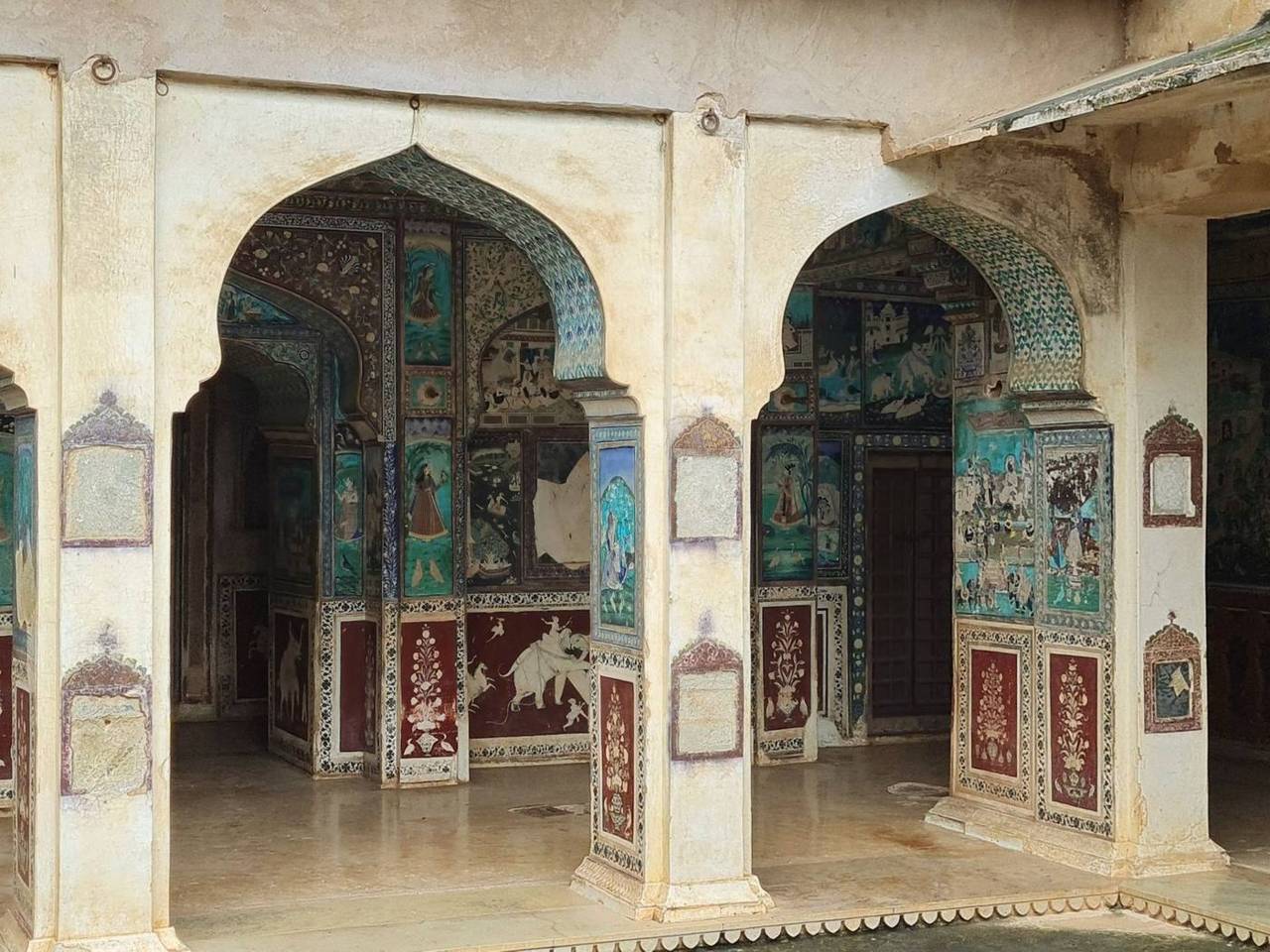
Lesser-known Rajasthan: Bundi, Chittorgarh and Kumbhalgarh
The painted havelis of Shekhawati, the blue town and stepwells of Bundi, the vast fortress of Chittorgarh, the immense walls of Kumbhalgarh and the Jain temple of Ranakpur with its 1,444 pillars.
 7 daysChallenging
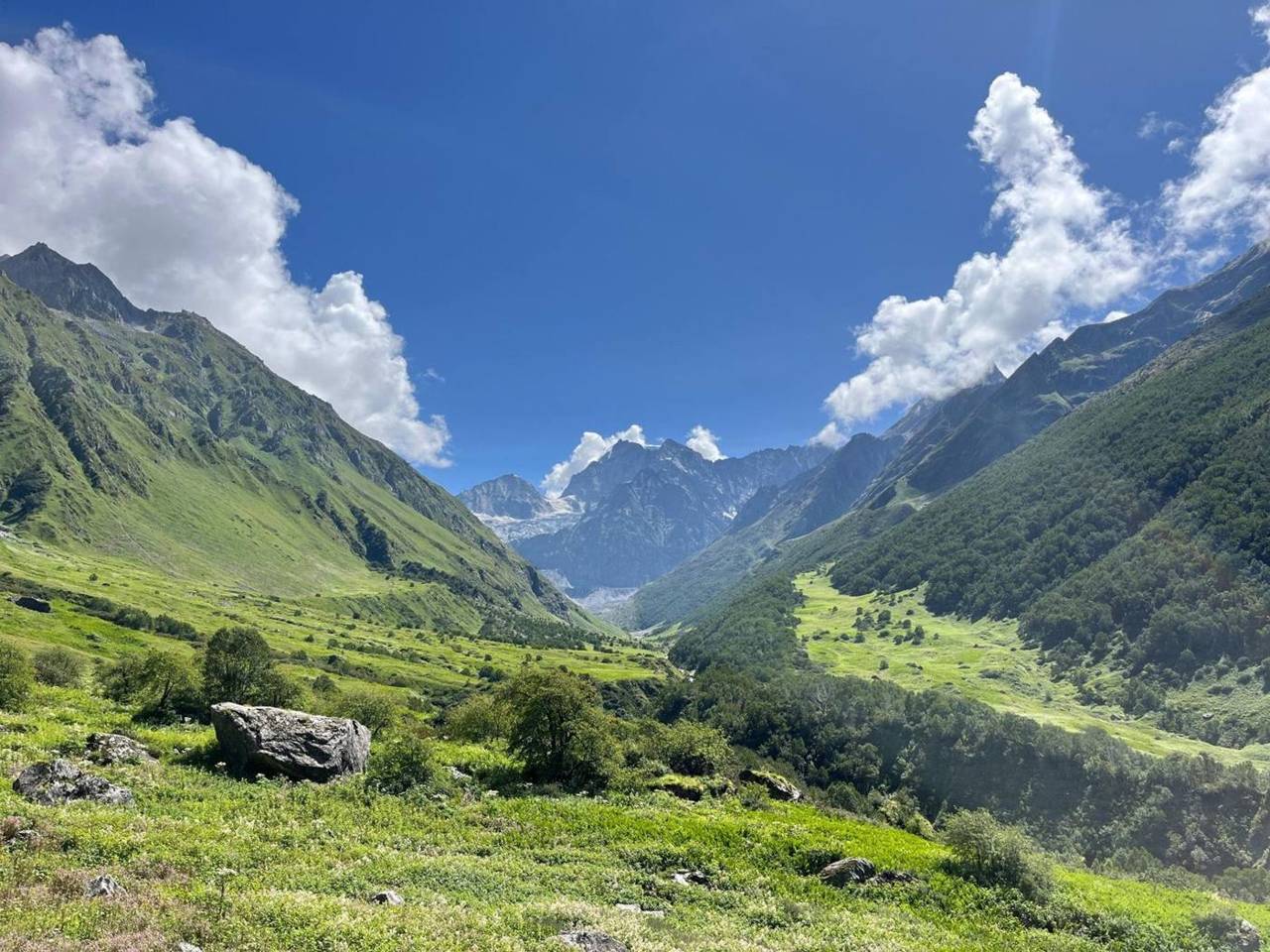
Valley of Flowers and Hemkund Sahib
A trek in the Garhwal Himalaya to the Valley of Flowers, a UNESCO-listed alpine meadow with hundreds of species blooming during the monsoon, and to the sacred lake of Hemkund Sahib above 4,000 metres, a Sikh pilgrimage site.
 9 daysChallenging
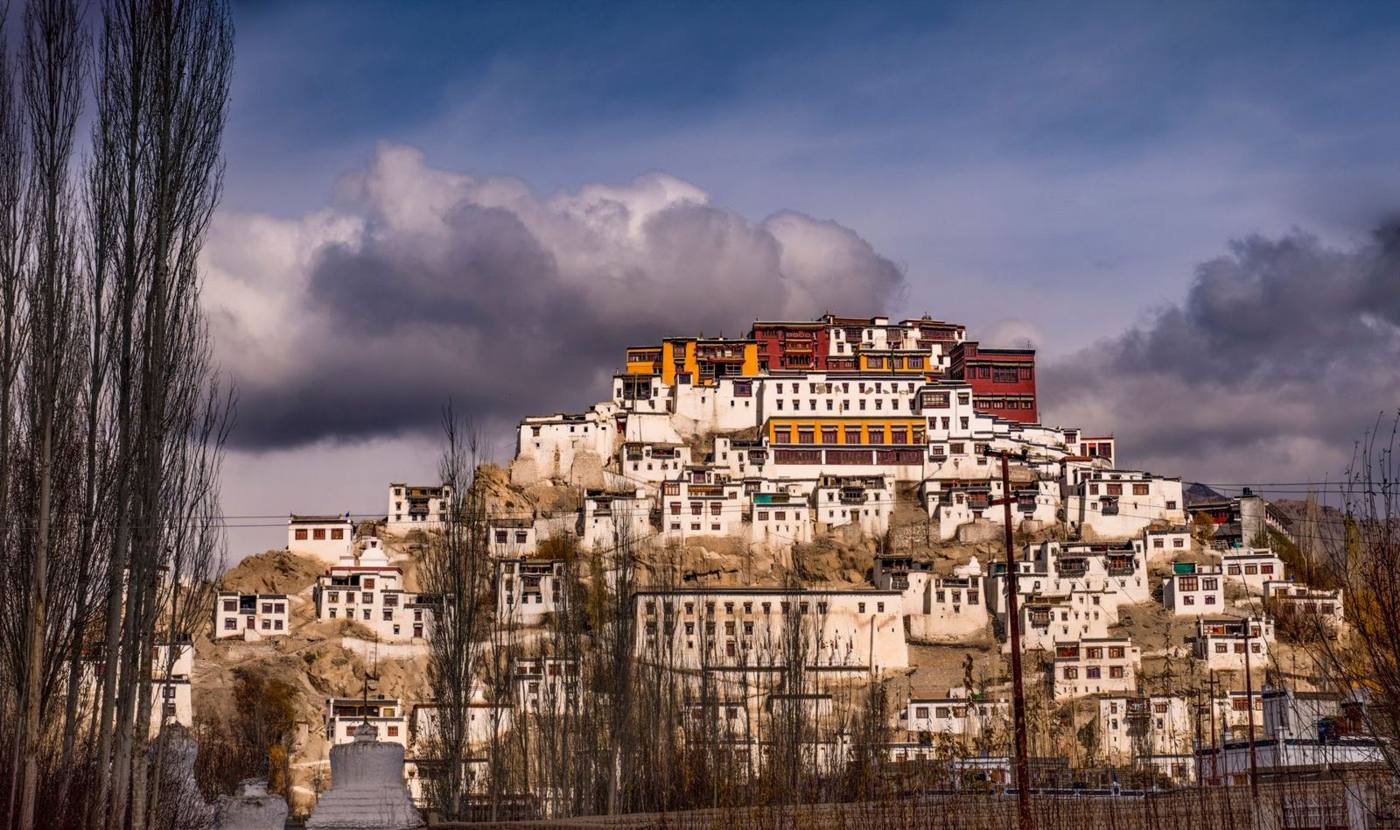
Ladakh in winter: tracking the snow leopard
Ladakh under snow and almost empty of tourists: the monasteries of Thiksey and Hemis with their winter festivals, then several days in the Ulley valley or the Rumbak valley in Hemis National Park, with local trackers searching for the snow leopard, ibex and bharal.