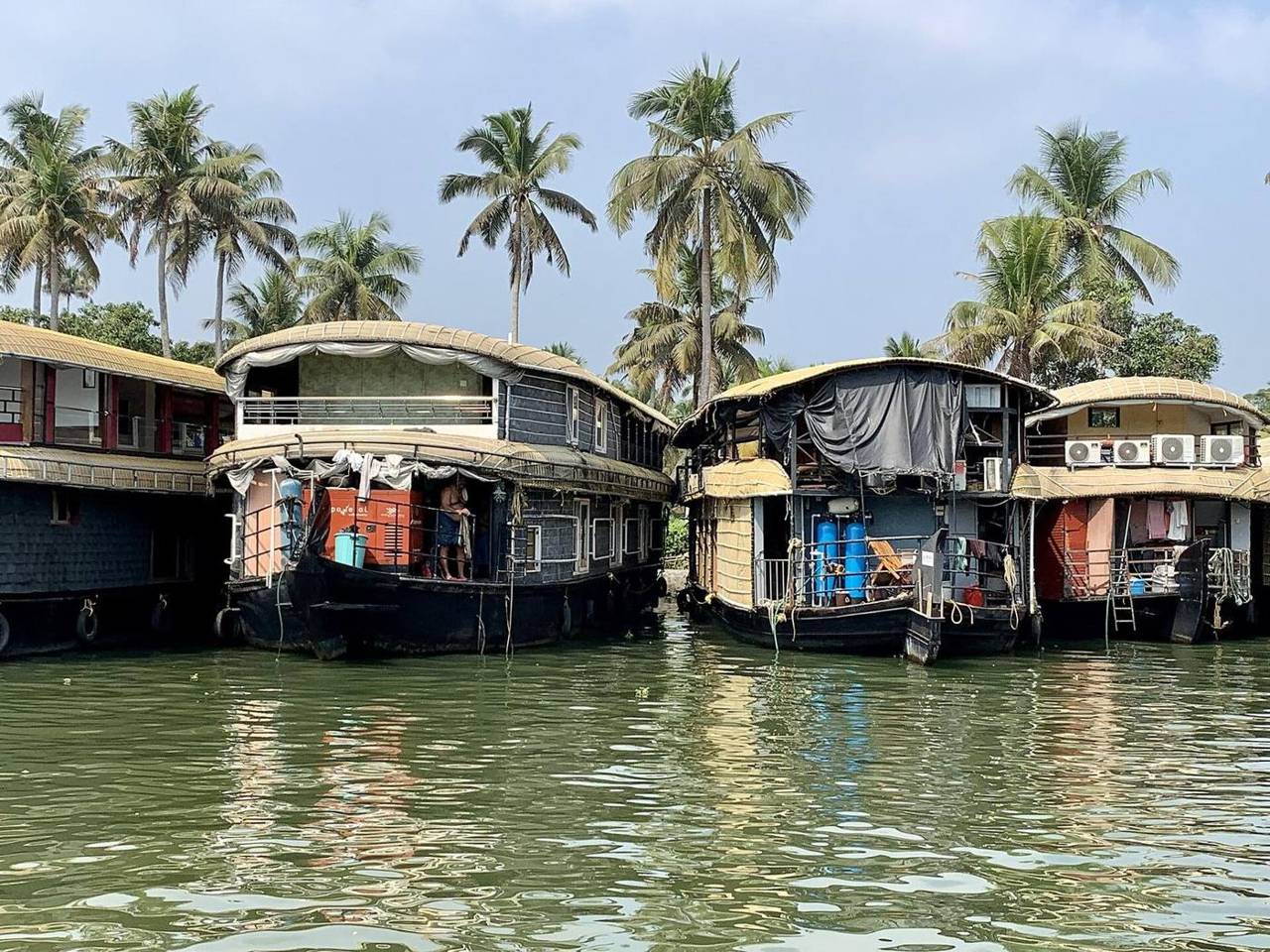
Kerala: backwaters, tea hills and ayurveda
India at its gentlest: colonial Kochi, the Munnar plantations, the canals by houseboat and a few days of ayurvedic treatments by the sea.
- Kochi
- Munnar
- Periyar
- Alleppey
- Varkala
Day by day
- Day 1
Arrival in Kochi
Kerala, on India's south-west coast, is a long green strip between the Arabian Sea and the Western Ghats, with coconut palms, lagoons, tea plantations and spices. It is India's most literate state and one of the easiest to visit. For India EU citizens need an electronic tourist visa, applied for only on the official Indian government website: the 30-day visa costs 25 dollars from July to March and 10 dollars from April to June.
Kochi International Airport is about an hour and a half from Fort Kochi, the historic part of the city on a peninsula facing the harbour. You arrive on flights from Dubai, Doha or the big Indian cities. To stay, choose Fort Kochi, with its colonial houses, tree-lined streets and seafront promenade.
On the first day rest and walk unhurriedly around the quarter. Kochi was for centuries a spice port visited by Arabs, Chinese, Portuguese, Dutch and British, and each community left something behind: churches, synagogues, warehouses, houses.
At sunset walk along Fort Kochi beach, where local families gather in the evening. Kerala cooking is based on coconut, fish, rice and spices: try fish in coconut curry and appam, a rice pancake soft in the middle and crisp at the edges. Practical tip: drink only sealed bottled water and always carry mosquito repellent, especially at dusk near the water.
- Day 2
Fort Kochi: Chinese nets, the Jewish quarter and kathakali
Early in the morning go to the Chinese fishing nets at the tip of Fort Kochi, the city's symbol: large structures of wood and rope with stone counterweights, which fishermen lower into and raise from the water. According to tradition they came from China in the fourteenth century. At dawn the fishermen are at work and sell freshly caught fish on nearby stalls.
Then visit St Francis Church, one of the oldest European churches in India, where Vasco da Gama, who died in Kochi in 1524, was first buried before his body was taken back to Portugal. Continue to Mattancherry, home to the Dutch Palace, actually built by the Portuguese and given to the raja of Kochi, with murals of the Ramayana.
Next door is the Jewish quarter, Jew Town, with the sixteenth-century Paradesi Synagogue, the oldest still in use in the Commonwealth, with hand-painted Chinese porcelain tiles and Belgian glass chandeliers. The lanes around are full of antique shops and spice warehouses smelling of pepper, cardamom and ginger.
In the evening watch a kathakali performance, Kerala's dance drama: arrive early to see the actors painting their faces with natural colours, a ritual lasting more than an hour. Practical tip: the synagogue closes on Friday afternoons and Saturdays; check the opening times.
- Day 3
To Munnar, among the tea plantations
In the morning head for the mountains to Munnar, about four and a half hours on a road that climbs with many bends from the coastal plain into the Western Ghats. Along the way you pass rubber, pineapple and spice plantations, and the Cheeyappara and Valara waterfalls tumbling down the rocks beside the road, very full after the monsoon.
Munnar lies at about 1,600 metres, in a region of hills covered with tea plantations to the horizon, like a neat green carpet cut by paths. The plantations were created by the British in the late nineteenth century, when the area was the summer retreat of the colonial government of the south. The air is cool and the climate pleasant even when it is very hot on the plains.
In the afternoon visit the tea museum on an old estate, which tells the history of the plantations and shows how the leaves are processed, from picking to drying, with a tasting at the end.
Sleep in a house among the plantations, away from busy central Munnar. Practical tip: the mountain road has many bends; if you suffer from car sickness take something before leaving. From June to September, with the monsoon, there can be landslides on the roads, so check conditions before setting off.
- Day 4
Munnar: waterfalls and Eravikulam National Park
Early in the morning walk through the tea plantations with a local guide, along paths between bushes pruned to waist height. The pickers, often women of Tamil origin, pluck the youngest leaves by hand and put them in baskets on their backs. The landscape is most beautiful in the early hours, with mist rising from the valleys.
Then visit Eravikulam National Park, about half an hour from Munnar, which protects the Nilgiri tahr, a mountain goat found only in this region that often approaches visitors. The park is visited on official shuttles to the viewing point; during the calving months, usually February and March, the park closes. Every twelve years the hills turn blue with the flowering of neelakurinji, a shrub that blooms all at once; the last great flowering was in 2018.
In the afternoon visit the Attukal waterfalls in a green valley, or Mattupetty dam, with its lake and a viewpoint over the mountains. The spot called Top Station, on the border with Tamil Nadu, offers views over the valleys and plains below.
In the evening return to your house among the plantations. Practical tip: in the mountains evenings are cool, especially from December to February; bring a sweater and a light rain jacket.
- Day 5
Periyar: spices and a boat on the lake
In the morning descend to Thekkady, about three and a half hours away, through the spice hills: cardamom, pepper, cloves, cinnamon and nutmeg grow in the shade of the trees. For thousands of years Kerala was the land of spices that drew Roman, Arab and European merchants.
In Thekkady visit a spice garden with a guide, who shows how the plants grow: pepper is a vine climbing the trees, cardamom grows in pods at the base of the plant, vanilla must be pollinated by hand. At the end you can buy fresh spices.
In the afternoon go into the Periyar Tiger Reserve, one of the most famous protected areas in southern India, around an artificial lake created in 1895. The easiest way to visit is a boat trip on the lake, run by the reserve authority, leaving several times a day. From the boat you often see wild elephants on the shores, Indian bison, sambar deer and waterbirds; tigers are very rarely seen. Tickets are sold at the entrance or online and places are limited.
Alternatively there are forest walks with guides from the local community, an ecotourism project created to involve the inhabitants. Practical tip: in the forest wear long clothes and high socks against leeches, very common after rain.
- Day 6
A houseboat on the Alleppey backwaters
Today is Kerala's most famous day. In the morning go down to Alleppey, also called Alappuzha, about four hours away on the coast. Here the backwaters begin, a network of more than nine hundred kilometres of canals, lagoons and rivers parallel to the coast, among coconut palms, paddies below sea level and villages on the banks.
To spend the night on the water you board a kettuvallam, the houseboat, a traditional boat of wood and coconut fibre once used to carry rice, now turned into a floating house with bedrooms, a deck and a cook on board. Boats leave around midday and sail slowly until sunset, then moor for the night.
As you sail you see everyday life in Kerala: women washing clothes on the steps of their houses, children going to school by boat, fishermen with nets, churches and temples on the banks, ducks and herons. Lunch and dinner are cooked on board with fresh fish and coconut curry.
Choose an operator approved by Kerala Tourism, with boats in good condition and quieter engines. Practical tip: there are a great many houseboats and in peak periods the main channels are crowded; ask for a route through the narrower canals, which are calmer, or take a canoe to explore them.
- Day 7
Varkala, the cliff above the sea
In the morning leave the houseboat after breakfast and head south to Varkala, about three hours away. Varkala is a seaside town with a spectacular red cliff dropping to the beach, the only one of its kind on the Kerala coast. Along the top of the cliff runs a path lined with small lodgings, shops and cafés overlooking the Arabian Sea.
Varkala is also a holy place for Hindus: the Janardhana Swami temple, more than two thousand years old, is dedicated to Vishnu, and the beach below the temple, called Papanasam, which washes away sins, is where the faithful come to perform rites for the dead. Some areas of the temple are reserved for Hindus.
In the afternoon relax and take your first swim. The sea in this part of Kerala can be rough, with waves and currents, especially from May to September during the monsoon: swim only where there are lifeguards and respect the flags.
At sunset, from the cliff, the sun sinks into the sea in incredible colours; it is the finest moment of the day. In the evening have grilled fresh fish for dinner. Practical tip: on the beach, especially near the temple, wear respectful clothing; swimwear is for the water and the beach only, not for walking through town.
- Day 8
Ayurveda and yoga
Kerala is considered the cradle of ayurveda, India's traditional medicine, based on the balance of body and mind through diet, herbs, oil massages and lifestyle. Varkala has many ayurvedic centres, from simple massages to treatments lasting several days with an ayurvedic doctor.
Early in the morning join a yoga class on the cliff at dawn, to the sound of the waves; many schools offer classes for beginners and experienced practitioners, single or in packages.
Then try a traditional ayurvedic massage, abhyanga, with warm herbal oils, or shirodhara, in which a continuous stream of warm oil is poured onto the forehead to calm the mind. Choose a reputable centre with qualified therapists and, for longer treatments, an ayurvedic doctor who carries out an initial consultation. Beware of centres that promise to cure serious illnesses.
In the afternoon rest, read and walk on the quieter north beach, called Black Beach for its dark sand. Further north, Odayam beach and the lagoons are even calmer.
In the evening try a thali, a vegetarian meal served on a banana leaf, with rice and many small different dishes. Practical tip: anyone with health problems should discuss them with their own doctor before undergoing intensive ayurvedic treatment.
- Day 9
The coast around Varkala
A no-cost day to enjoy the coast. In the morning, if you like, take an auto-rickshaw to Kappil, about half an hour north, where a strip of sand separates the sea from a freshwater lagoon, with palms reflected in the water: you can canoe on the lagoon among birds and villages.
Alternatively visit Anjengo Fort south of Varkala, a small fort built by the British East India Company at the end of the seventeenth century, one of the first British settlements in Kerala, with an old cemetery and a lighthouse overlooking the coast.
Further south, Kovalam has three crescent bays with a red and white striped lighthouse; it is bigger and more touristy than Varkala, but pleasant for a walk and a swim.
In the afternoon return to Varkala for a last sunset on the cliff. It is also the right time to buy something in the shops along the path.
Things to take home: Kerala spices such as black pepper, cardamom and cinnamon; Munnar tea; ayurvedic oils and natural soaps; coconut fibre objects; white cotton cloth with a gold border, called kasavu, typical of Kerala. Practical tip: buy spices sealed, from reputable shops or spice gardens; the European Union limits the import of some fresh plant products.
- Day 10
Departure from Trivandrum
The last day depends on your flight time. The international airport of Thiruvananthapuram, also called Trivandrum, Kerala's capital, is about an hour from Varkala. It has flights to the Gulf, Sri Lanka, Singapore and the big Indian cities, from which flights to Europe depart.
If you have a few hours, in Trivandrum see the Sri Padmanabhaswamy temple, dedicated to Vishnu, with its great tower decorated in Dravidian style; entry is reserved for Hindus, but you can see the exterior and the sacred tank. Next door is the Kuthiramalika palace, in carved wood, residence of the maharajas of Travancore, with more than a hundred and twenty horses carved into its beams.
Alternatively, the Napier Museum in the zoological garden park has a nineteenth-century Indo-Saracenic building with collections of bronzes, wood carvings and antique jewellery; next to it is the art gallery with paintings by Raja Ravi Varma, the painter who depicted Indian gods in a European style.
Practical tip: reach the airport at least three hours before international flights. In India you must show your ticket and passport to enter the terminal. Remember that the 30-day e-visa allows two entries: do not exceed its validity date. Keep a printed copy of your e-visa with you.
The right Indian trip for anyone wary of the chaos of the north: clean, green, relaxed. The night on the houseboat is the highlight. Best months: November-February. A real ayurvedic course needs at least two weeks in a serious centre; this is a taster.
Before you go
- Documents and visa
- Passport with at least six months' validity and two blank pages, plus an electronic tourist visa from the official Indian government website: 30 days for 25 dollars from July to March, 10 dollars from April to June.
- Health and vaccines
- No compulsory vaccines arriving from Europe; ask your doctor about hepatitis A, typhoid and malaria depending on the area. Drink only sealed bottled water. Emergencies: 112.
- Money and payments
- Indian rupee. Cards and digital payments are common in cities; markets, villages and rickshaws need cash.
- Power sockets
- Types C, D and M, 230 volts: a universal adapter is useful.
- Time zone
- UTC+5:30 all year: India does not use daylight saving time.
- Safety
- The United States rates India level 2, with level 4 for Jammu and Kashmir (except Ladakh), Manipur and the 10 km strip along the Pakistani border. Official advice: GOV.UK.
Information checked in November 2026 for Italian and EU citizens. Rules change: always check before you travel.
Variations
In 7 days: Fort Kochi, one night in Munnar, Periyar, the houseboat in Alleppey and two days in Varkala.
In 14 days: add Tamil Nadu, with the temples of Madurai and Thanjavur, or the Lakshadweep islands for the sea and snorkelling, with special permits.
Frequently asked questions
Do I need a visa for India?
Yes: the 30-day electronic tourist visa costs 25 dollars from July to March and 10 dollars from April to June. Apply only on the official Indian government website.
Is a night on a houseboat worth it?
Yes, it is Kerala's finest experience. Choose an operator approved by Kerala Tourism and ask for a route through the narrower, less crowded canals.
When is the best time for Kerala?
October to March, with dry weather and calm seas. From June to September there is the monsoon, with heavy rain; it is the favoured season for ayurvedic treatments, but the sea is rough.
Indicative itinerary written by World Atlas. Before booking, check timetables, seasonal openings, documents and safety.
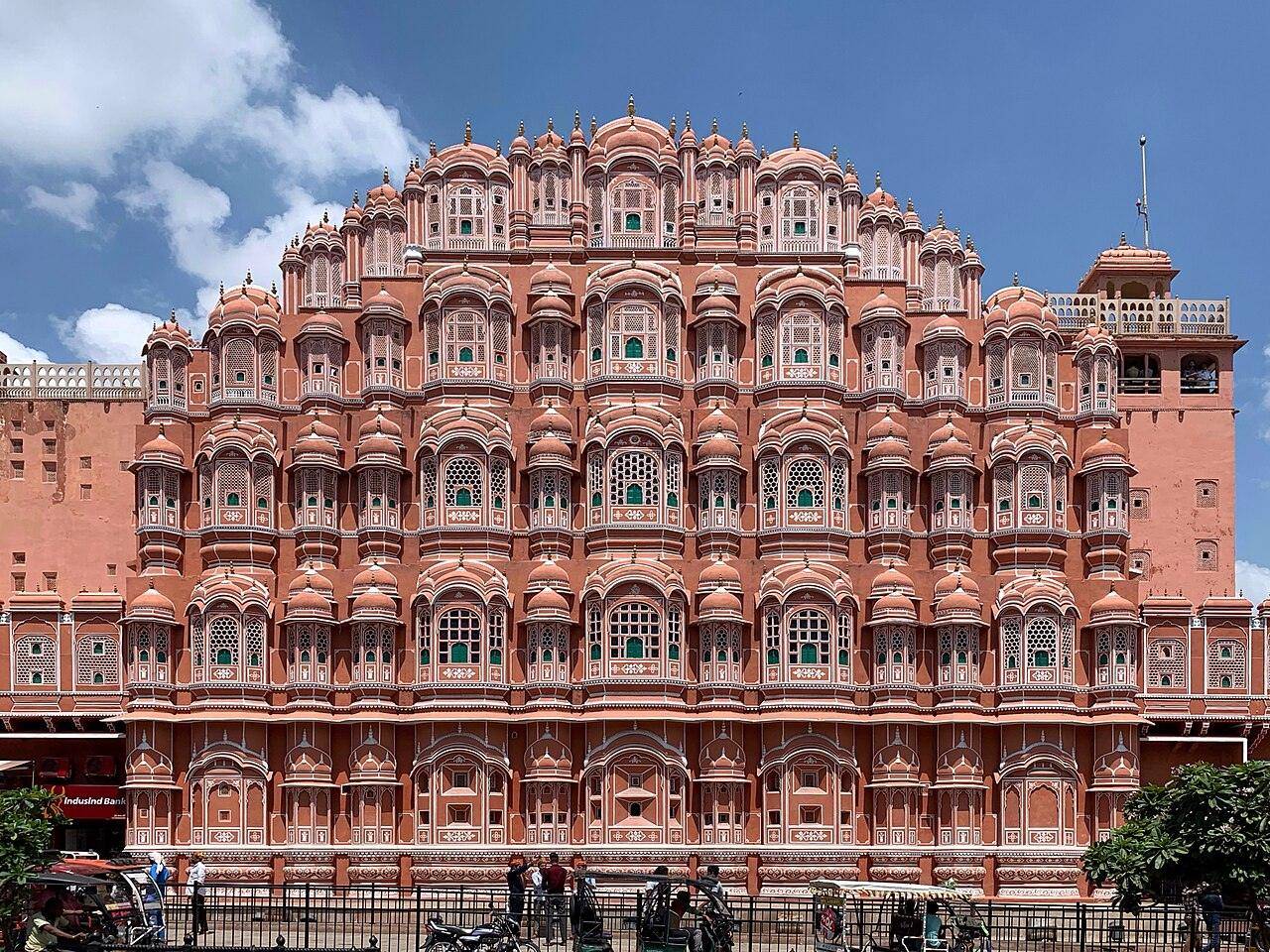 7 daysEasy
The Golden Triangle: Delhi, Agra and Jaipur
A first time in India: the Taj Mahal at dawn, the forts of Rajasthan and the life of Old Delhi, in one week.
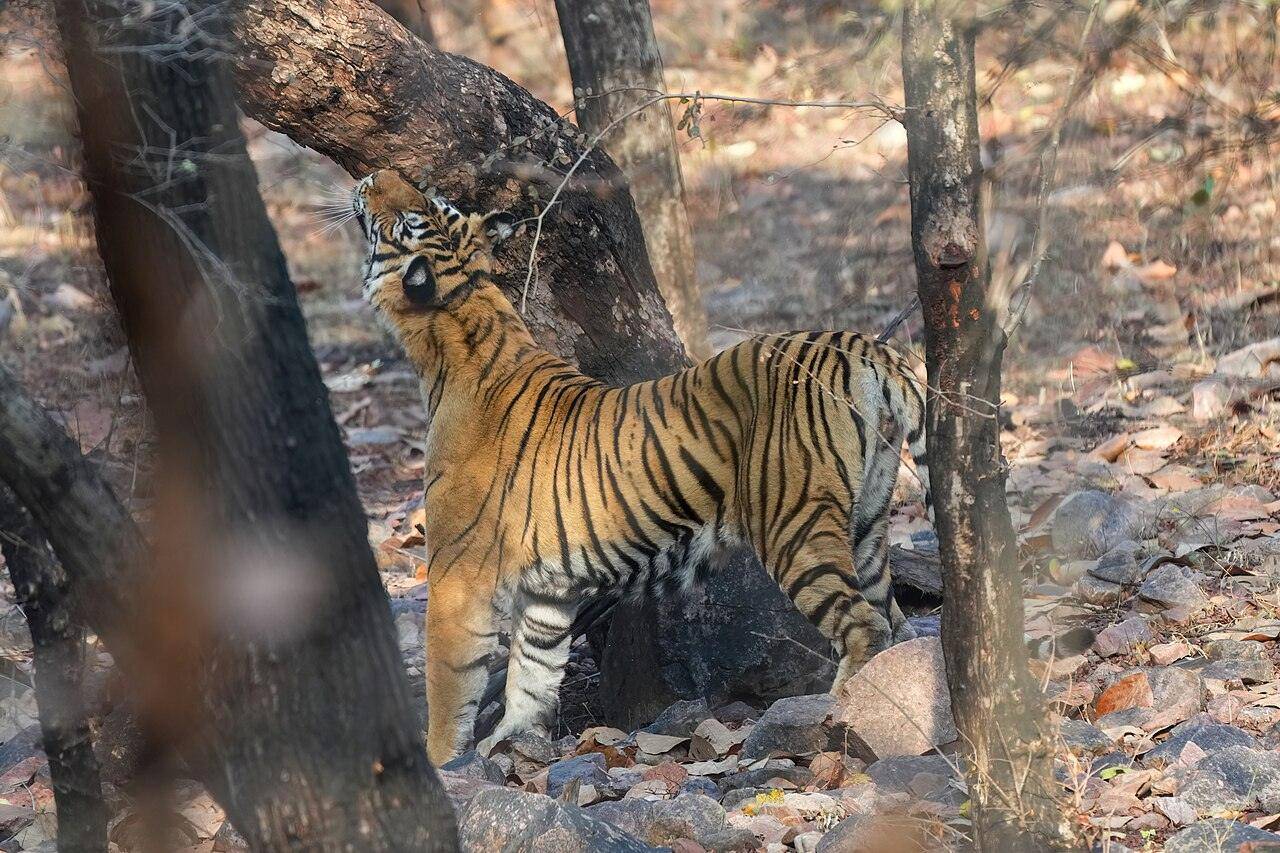 15 daysModerate
Rajasthan and the tigers of Ranthambore
Palaces, desert and safari: from the Taj Mahal to the blue and golden cities of Rajasthan, with two days in tiger country.
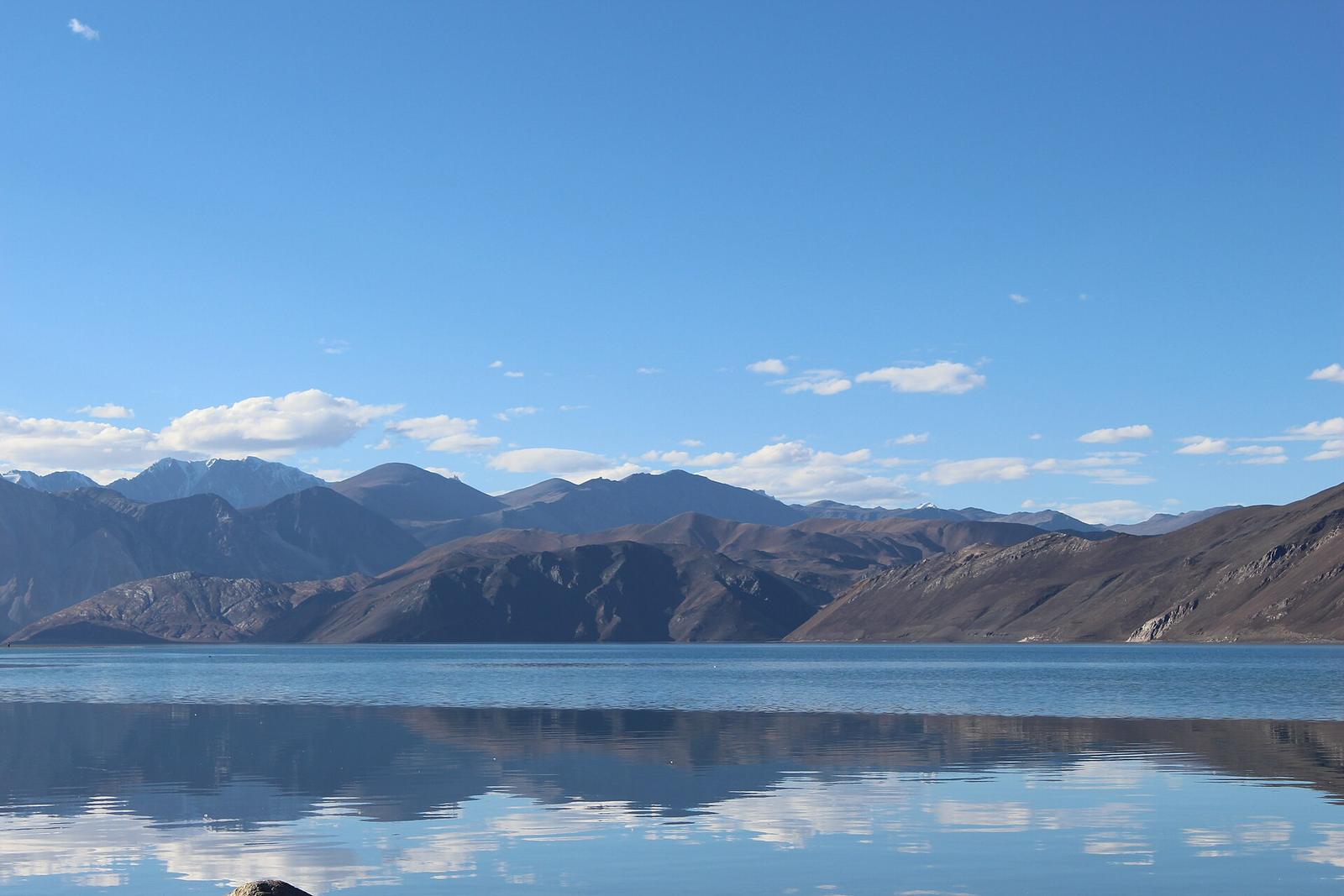 16 daysModerate
Ladakh, Little Tibet
Buddhist monasteries clinging to the rocks, the Nubra valley with its two-humped camels and Pangong lake at 4,300 metres.