Szeged, Kecskemét and paprika
The southern Great Plain: Art Nouveau Kecskemét and its pálinka, the paprika museums of Kalocsa and Szeged, fisherman's soup and Szeged's Art Nouveau.
- Kecskemét
- Kiskunság
- Kalocsa
- Szeged
Day by day
- Day 1
Kecskemét and the Cifra Palace
This trip is a food journey through the south of the Great Plain, the rural Hungary of paprika, river fish and fruit brandies. It starts in Kecskemét, the Art Nouveau town of pálinka, crosses the Kiskunság puszta, reaches Kalocsa with its painted houses and paprika museum, and ends in Szeged, on the river Tisza, with its fisherman's soup and Art Nouveau buildings. A car is the most convenient option, but Kecskemét and Szeged are also linked to Budapest by train.
Before you go: Hungary is part of the European Union and the Schengen area, but the currency is the Hungarian forint, not the euro. Italian citizens only need an electronic identity card or a passport; the paper identity card has not been valid for travel abroad since 3 August 2026. Other nationalities should check their own rules. Szeged is close to the Serbian border, where checks can be more frequent: keep your document with you. Motorways need an electronic vignette and drink driving has a zero tolerance limit.
From Budapest you reach Kecskemét in about an hour. The main square is a small museum of Hungarian Art Nouveau. The Cifra Palace, from 1902, has a wavy facade covered with coloured ceramic tiles in the shape of flowers and hearts; inside is an art gallery. Opposite is the town hall, designed by Ödön Lechner, with a carillon that plays Hungarian tunes. Check prices and times.
Kecskemét is also the birthplace of the composer Zoltán Kodály and the home of apricot pálinka, the most famous brandy of the area.
Sleep in Kecskemét, for one night.
Practical tip: pálinka is very strong, often over forty degrees. Taste it in small amounts, after a meal, and never if you have to drive afterwards.
- Day 2
Kiskunság National Park and Kalocsa, the paprika town
In the morning drive for about half an hour south to Bugac, in Kiskunság National Park. The park protects a piece of the old puszta: grassy sand dunes, juniper woods, salt ponds and pastures where grey cattle and horses live. From the visitor centre a walking or wagon route leads across the pastures, with the herdsmen's museum and, on some days, a show by the mounted herdsmen. Check prices and times.
Then continue for about an hour and a half to Kalocsa, near the Danube. Together with Szeged, Kalocsa is the capital of Hungarian paprika. The plant probably arrived in Hungary in the sixteenth century and has since become the flavour of the country. In the paprika museum you see how it is grown, dried and ground, and the different types, from sweet to hot. Check prices and times.
Then visit the folk art house, an old farmhouse whose walls, furniture and doors were painted with colourful flowers by the women painters of Kalocsa. The same patterns appear in the famous Kalocsa embroidery. Check prices and times.
In the centre stands the baroque cathedral of the archbishopric, one of the oldest seats of the Hungarian Church.
Sleep in Kalocsa, for one night.
Practical tip: in September, at harvest time, the fields around Kalocsa are red with peppers and strings of paprika hang drying in the sun on the house fronts. It is the best moment for photos. Ask before photographing people at work in the fields or in their courtyards.
- Day 3
Szeged: the Votive Church, the synagogue and halászlé soup
In the morning drive for about an hour and a half south east to Szeged, on the river Tisza. In 1879 a great flood destroyed almost the whole city, which was rebuilt with ring boulevards and elegant buildings. Today Szeged is a pleasant university city, with many students and plenty of sunshine.
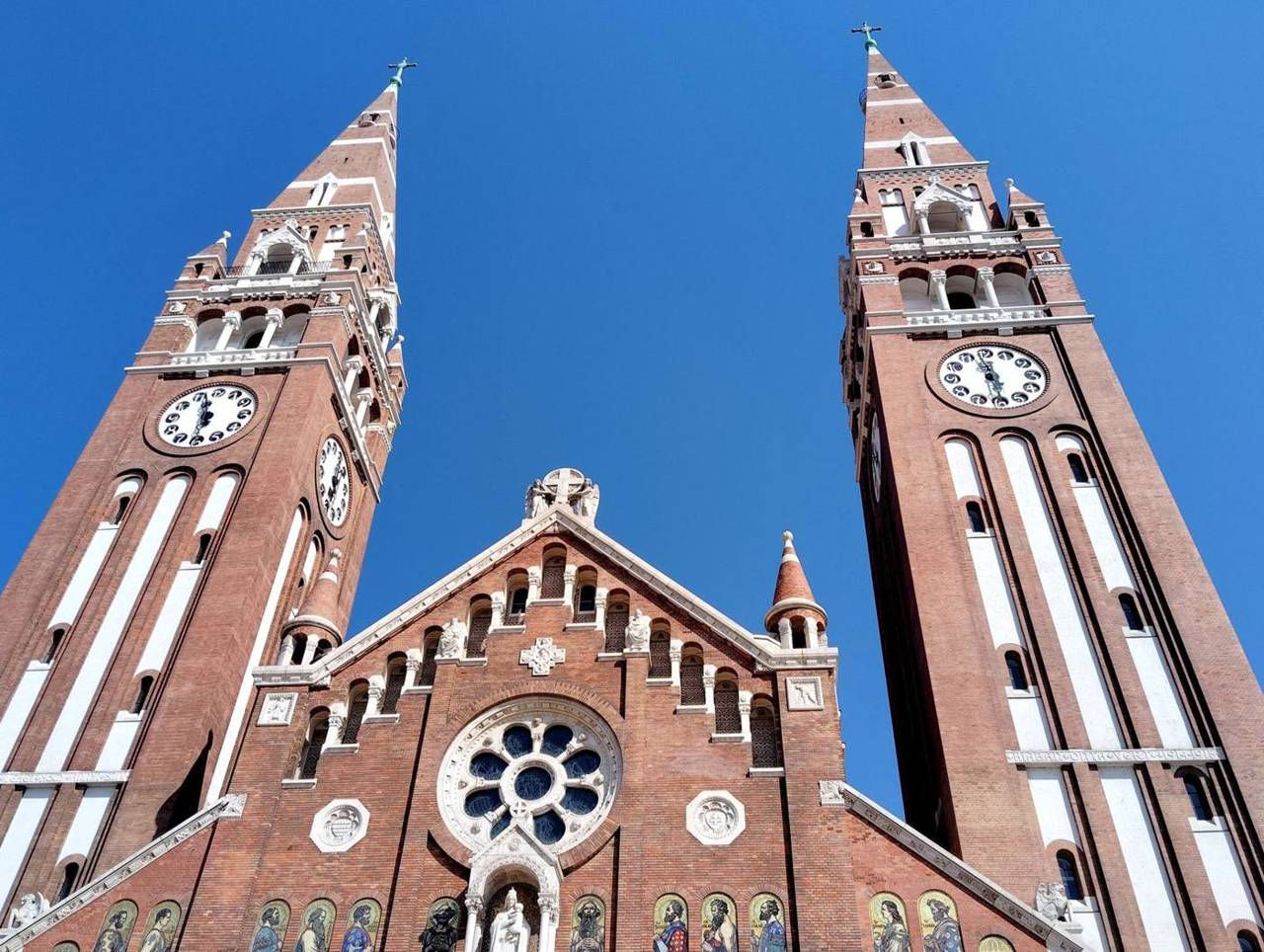
Start with the Votive Church, with its two red brick towers, built after the flood as a vow and consecrated in 1930. In front of it is Dóm Square, where a large open air theatre and opera festival is held in summer. Check prices and times.
Then walk to the New Synagogue, one of the most beautiful in Europe, opened in 1903. The inner dome, blue and gold, represents the sky with its stars, and the stained glass windows tell the story of the Jewish holidays. Check prices and times.
In the centre look at the Art Nouveau buildings, above all the white and green Reök Palace, with its water lily decorations. In Szeged the chemist Albert Szent-Györgyi isolated vitamin C, partly from paprika, and in 1937 he received the Nobel Prize.
At dinner try halászlé, the fisherman's soup: a red and spicy broth of Tisza fish, such as carp and catfish, with plenty of paprika. In Szeged it is often served with pasta.
Sleep in Szeged, for one night.
Practical tip: in summer Szeged is one of the hottest cities in Hungary. Explore in the morning and the evening and in the afternoon rest in the shade along the Tisza bank.
- Day 4
Departure
Last day. In the morning, if you have time, drive for about half an hour north to the Ópusztaszer National Heritage Park. Here is the great Feszty Panorama, a huge circular painting from the late nineteenth century depicting the arrival of the Magyar tribes in the Carpathian Basin. The park also has reconstructed villages and traditional houses. Check prices and times.
Alternatively, stay in Szeged and visit the city market, with ground paprika, salami and vegetables from the plain, then walk along the river.
Then head for Budapest, in about two and a half hours by train or car.
In these four days you have seen and tasted the south of the Great Plain: the Cifra Palace and the Art Nouveau town hall of Kecskemét, apricot pálinka, the Kiskunság puszta, the paprika museum and painted houses of Kalocsa, the Votive Church and the synagogue of Szeged and halászlé soup.
When to go: the best time is from May to October. September is the month of the paprika harvest, with red fields and village festivals. In summer it is very hot, but Szeged has its open air festival. In winter the plain is grey and many park activities are closed.
Practical tip: buy ground paprika in sealed packs and choose between sweet, medium and hot. Keep it in a cool dark place: light and heat make it lose its colour and aroma quickly.
A food trip through rural Hungary, among paprika, river fish and spirits. Szeged is a pleasant university town with one of Europe's finest synagogues. Summers are very hot. The train links Budapest, Kecskemét and Szeged.
Before you go
- Documents and visa
- EU citizens need a valid identity card or passport: Hungary is in the EU and the Schengen area. Checks can be more frequent on the borders with Serbia, Croatia, Austria and Ukraine: always carry your document. Other nationalities should check the Schengen rules.
- Health and vaccines
- No vaccines required. Public healthcare is adequate; EU citizens should bring their EHIC, and everyone needs insurance covering medical costs and repatriation. Emergencies: 112, ambulance 104, police 107, fire 105.
- Money and payments
- Hungarian forint (HUF), not the euro. Cards are accepted almost everywhere; when a card machine or cash machine offers to convert into euros or pounds, choose to pay in forints. Motorways need an electronic vignette (e-matrica), bought on the official website or at authorised sales points before you join the motorway.
- Power sockets
- Types C and F, 230 volts.
- Time zone
- Central European Time (UTC+1, summer UTC+2).
- Safety
- There are no areas to avoid, but take normal precautions. Watch for pickpockets in crowded places, thefts from changing rooms at baths and pools, fake taxis and Budapest nightclubs that charge huge bills. Drink driving has a zero tolerance limit, and outside built up areas dipped headlights must be on in daytime too. Official advice: GOV.UK.
Information checked in November 2026 for Italian and EU citizens. Rules change: always check before you travel.
Variations
In 3 days: Kecskemét in the morning, then Kalocsa, and finally a full day in Szeged, heading back in the evening.
In 6 days: add a day in Gyula, with its Gothic brick castle and thermal baths, and an extra day in Szeged for the market and the riverside.
Frequently asked questions
Can you do the trip by train?
Partly. Budapest, Kecskemét and Szeged are on the same railway line. For Bugac and Kalocsa you need buses or a car, which is much more convenient.
What is the difference between Szeged and Kalocsa paprika?
They are the two historic areas of Hungarian paprika, with similar climates and long traditions. Both produce sweet and hot paprika: it is worth tasting both and choosing the one you prefer.
Is halászlé soup very spicy?
It depends. It is usually full of flavour but not too hot, and hot paprika is added separately. If you do not like spicy food, say so when you order.
Indicative itinerary written by World Atlas. Before booking, check timetables, seasonal openings, documents and safety.
 4 daysModerate
Aggtelek and the Bükk Mountains
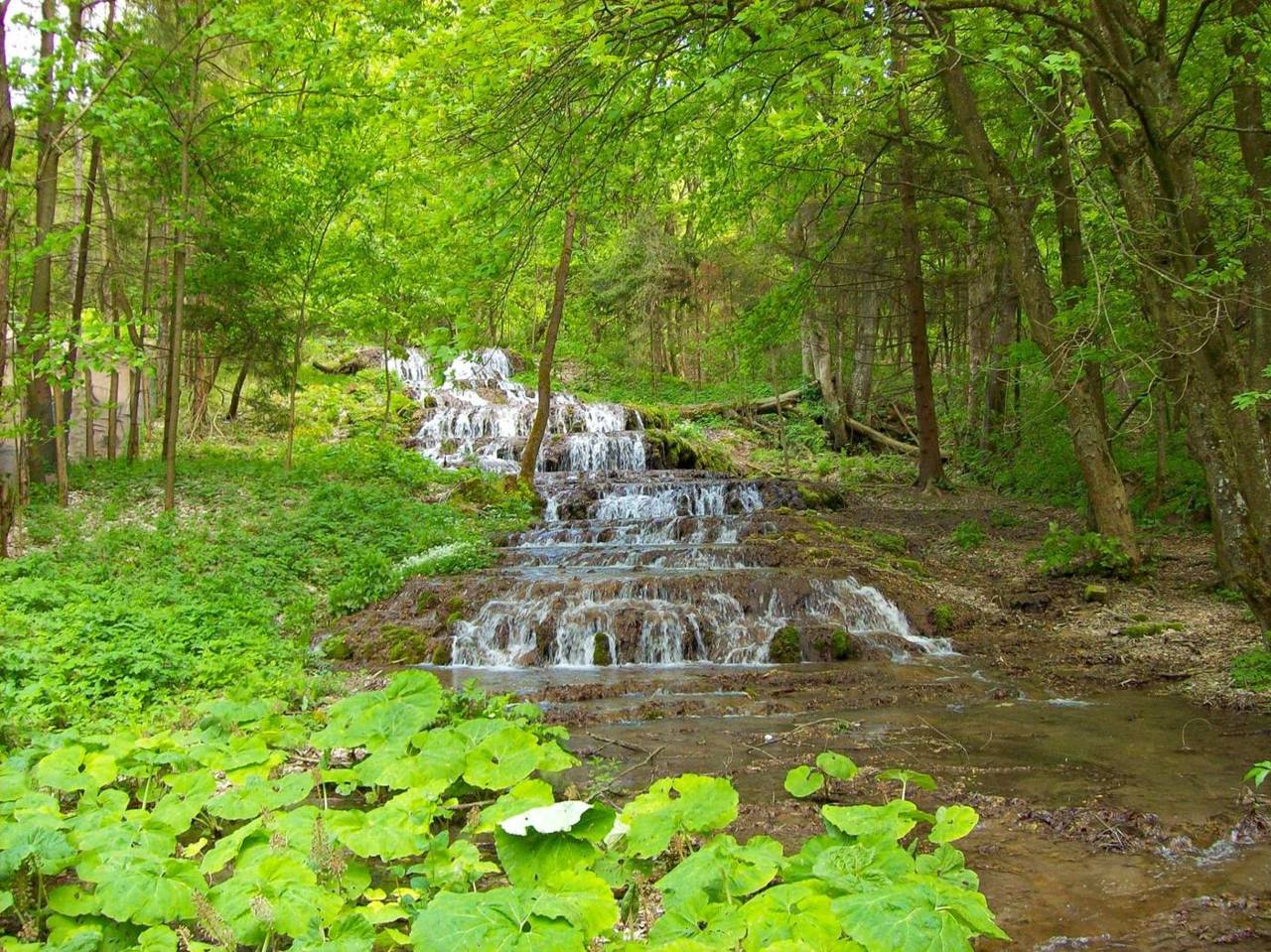
The UNESCO Baradla caves at Aggtelek, shared with Slovakia, and the forests and gorges of Bükk National Park with the Szalajka valley.
 4 daysEasy
Budapest in four days
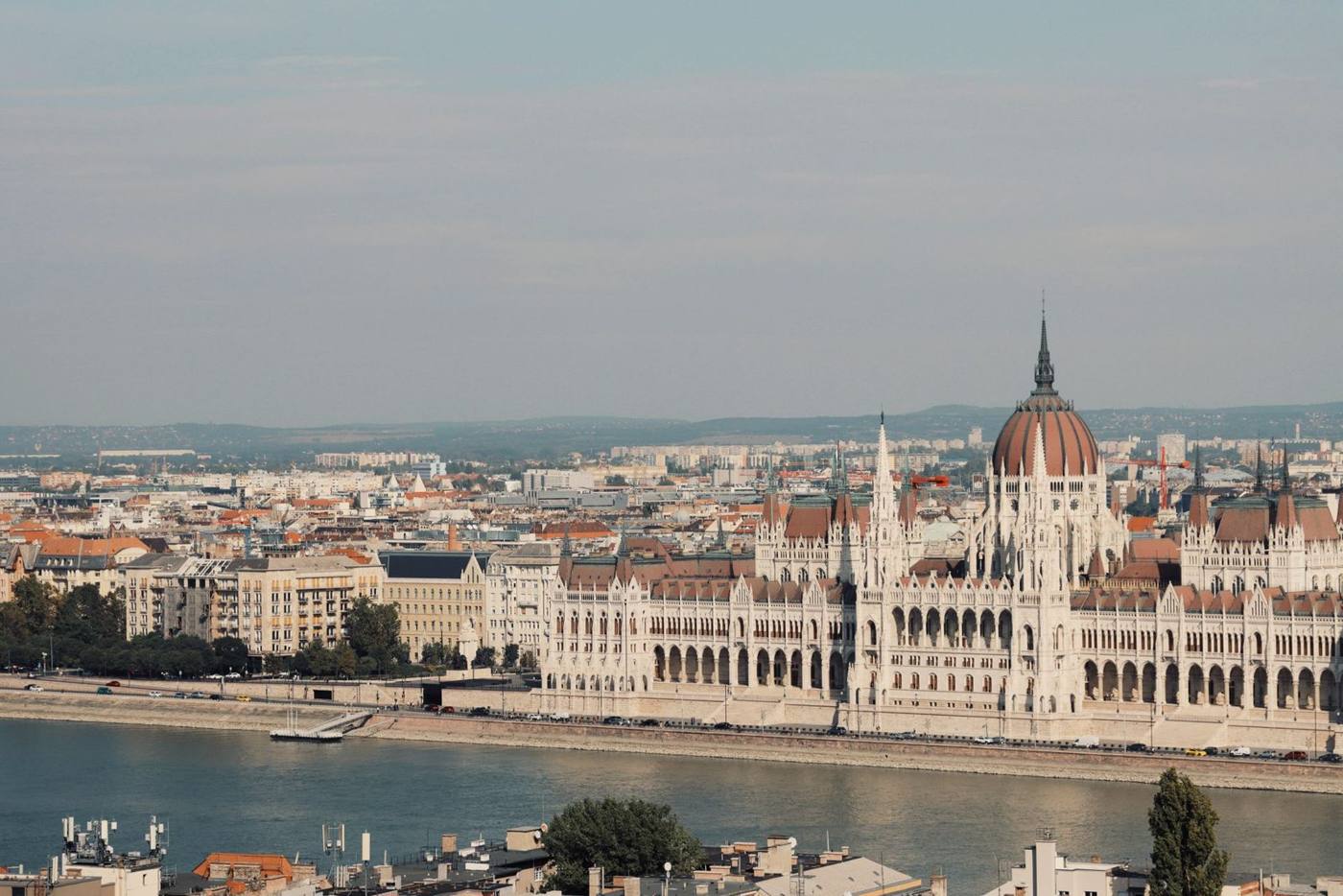
Parliament on the Danube, the Buda Castle district, the Széchenyi and Gellért baths, the ruin bars of the Jewish quarter and the Great Market Hall.
 6 daysEasy
Budapest and the Danube Bend
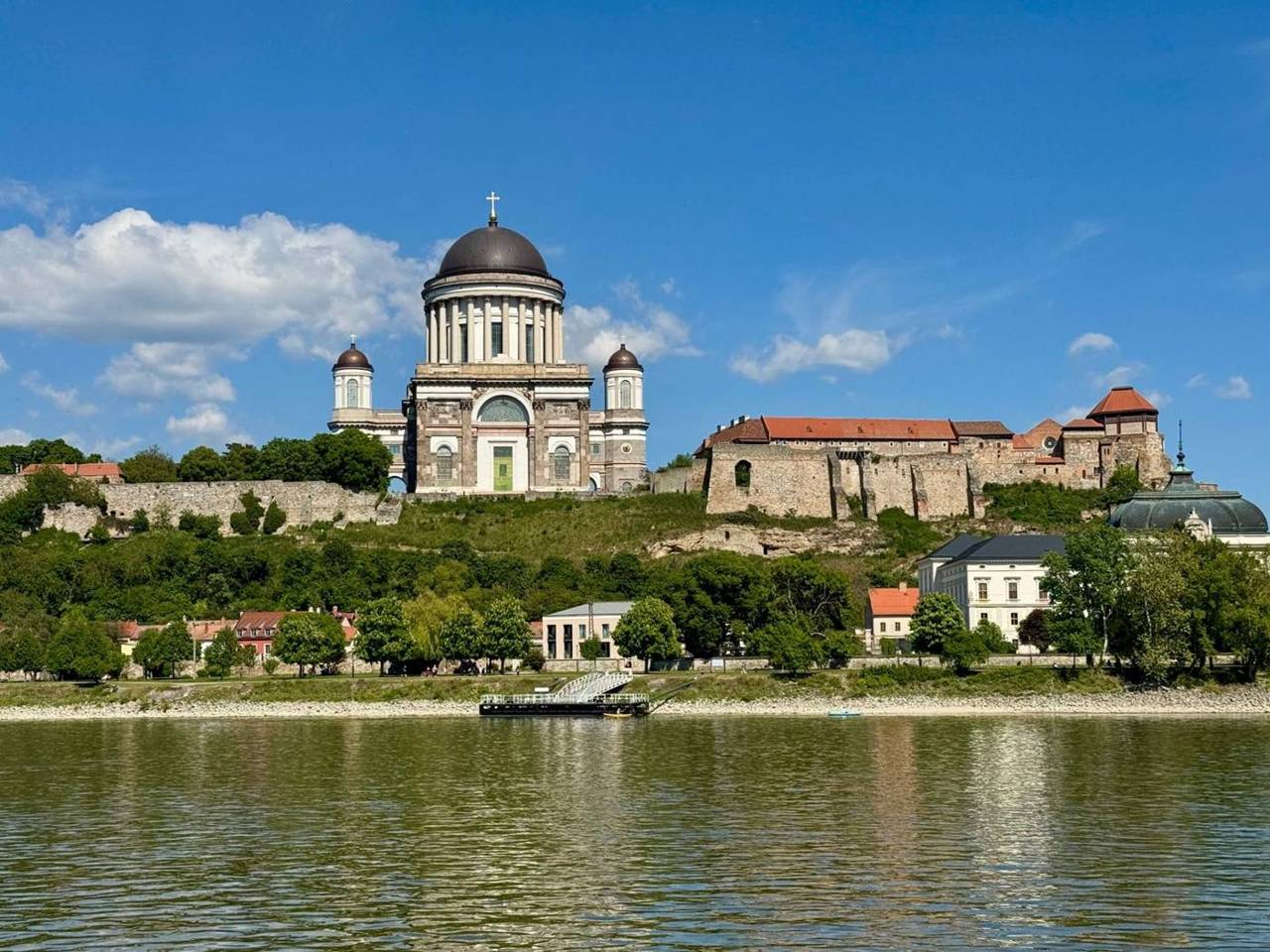
Budapest, then north by boat: the artists' town of Szentendre, Visegrád fortress above the bend and the great basilica of Esztergom.