Budapest and the Danube Bend
Budapest, then north by boat: the artists' town of Szentendre, Visegrád fortress above the bend and the great basilica of Esztergom.
- Budapest
- Szentendre
- Visegrád
- Esztergom
Day by day
- Day 1
Buda: the Castle and the Fisherman's Bastion
This trip combines Budapest, one of the most beautiful capitals in Europe, with a stretch of the Danube full of history: the Bend, where the river turns between wooded hills, with the artists' village of Szentendre, the fortress of Visegrád and the great basilica of Esztergom. You get around by tram, train, bus and, in the warmer months, by boat.
Before you go: Hungary is part of the European Union and the Schengen area, but the currency is the Hungarian forint, not the euro. Italian citizens only need an electronic identity card or a passport; the paper identity card has not been valid for travel abroad since 3 August 2026. Other nationalities should check their own rules. In Budapest watch out for pickpockets on crowded transport, fake taxis and nightclubs that present huge bills.
From the airport you reach the centre by the direct bus or an official taxi. In the afternoon cross the Chain Bridge and go up by funicular, or on foot, to the Buda Castle district. Here you find the Royal Palace, now home to the Hungarian National Gallery, Matthias Church with its roof of coloured tiles, and the Fisherman's Bastion, a neo Romanesque terrace with white turrets built at the end of the nineteenth century. Check prices and times.
Stay until sunset: from the Bastion you watch the Parliament light up on the other bank.
Sleep in Budapest, for three nights.
Practical tip: buy a public transport pass for several days and always validate your ticket. Inspectors are frequent, even on the scenic trams along the Danube.
- Day 2
Pest: the Parliament and St Stephen's Basilica
Today you stay on the Pest side, the flat and livelier part of the city.
Start with the Parliament, a huge neo Gothic palace on the Danube completed at the beginning of the twentieth century. It can only be visited with a timed ticket and a guide: inside you see the golden staircase, the dome hall and the Holy Crown of Hungary. Book online in advance and check prices and times.
A short walk away, on the river bank, are the Shoes on the Danube Bank: sixty pairs of iron shoes recalling the Jews who were shot and thrown into the river in the winter of 1944 and 1945. Stop there quietly for a few minutes.
Then walk to St Stephen's Basilica, the largest church in the city, 96 metres tall like the Parliament. In a chapel is the relic of the hand of King Stephen, founder of the Hungarian state. Climb the dome for a 360 degree view. Check prices and times.
In the afternoon walk along Andrássy Avenue, a UNESCO site, with its elegant buildings and the Opera House. Under the avenue runs the yellow metro line, one of the oldest on the continent, opened in 1896: take it on the way back.
In the evening eat in the Jewish quarter, among courtyards, bars and food of every kind. Try chicken paprikash with galuska, little flour dumplings, and lángos, fried dough with sour cream and cheese.
Practical tip: pay by card and, when the machine offers to convert into euros, always choose to pay in forints. The conversion offered by the terminal costs more.
- Day 3
The Széchenyi baths, the market and Margaret Island
In the morning go to Városliget, the City Park. At its entrance is Heroes' Square, built for the Hungarian millennium of 1896, with the tall column and the statues of the chieftains of the Magyar tribes and the kings.
In the park are the Széchenyi baths, one of the largest thermal baths in Europe, opened in 1913. The yellow neo baroque building encloses three large outdoor pools, warm even in the middle of winter, and many indoor pools. Watching Hungarians play chess in the water is a classic. Bring a swimsuit, flip flops and a towel. Check prices and times.
In the afternoon take the metro to the Central Market Hall, a great iron and brick hall opened in 1897, near Liberty Bridge. On the ground floor you find salami, paprika, vegetables and pastries; upstairs there are simple food stalls and handicrafts.
Then cross the Danube by tram to Margaret Island, a long park in the middle of the river, closed to most traffic, with the musical fountain, the rose garden, the ruins of a medieval convent and a running track. It is the locals' favourite place on Sundays.
At sunset climb Gellért Hill, on the Buda side, for the finest view of the bridges and the Parliament. The Gellért thermal bath at the foot of the hill is closed for a long renovation: check whether it has reopened.
Practical tip: at the baths always lock your valuables in the locker and never leave them on the loungers. Thefts in changing rooms and by the pools are reported.
- Day 4
Szentendre and the open air museum
Today you leave Budapest and travel up the Danube to the north. The HÉV suburban train leaves from Batthyány Square and reaches Szentendre in about forty minutes. From April to October you can also take the boat, slower and more scenic: check prices and times.
Szentendre is a small riverside town, with steep lanes, colourful baroque houses and bell towers. In the seventeenth and eighteenth centuries many Serbs fleeing the Ottomans settled here, and you still see it in the Orthodox churches, such as the Blagoveštenska church on the main square. Later the town became an artists' colony, and today it is full of small museums and galleries.
Do not miss the Margit Kovács museum, devoted to a twentieth century Hungarian ceramicist with tender and melancholy figures. Check prices and times.
In the afternoon take the local bus to the Skanzen, the largest open air museum in Hungary, just outside town. Farmhouses, mills, churches and workshops from every region of the country have been rebuilt here, with their original furnishings. At weekends there are often craftspeople at work and traditional festivals. Check prices and times.
In the evening the centre empties and becomes quiet: walk along the river and climb to the church on the hill to look over the rooftops.
Sleep in Szentendre, for one night.
Practical tip: Szentendre is very busy by day, especially at summer weekends. Arrive early and move away from the main street: in the higher lanes you find silence and the best views.
- Day 5
Visegrád: the citadel and the view over the Bend
In the morning take the bus or the boat to Visegrád, about half an hour further north. This is where the Danube makes its tightest curve between the Pilis and Börzsöny hills: the Danube Bend.
In the Middle Ages Visegrád was one of the residences of the kings of Hungary. At the foot of the hill visit the Royal Palace, partly rebuilt, where King Matthias Corvinus brought in Italian Renaissance architects: there is a courtyard with loggias and a marble fountain. Check prices and times.
Then climb to the citadel, the fortress on top of the hill. You can walk up a steep path through the woods in about an hour, or go by bus or taxi. From the walls you see the river turning below you, the islands, the villages and, on clear days, the hills of Slovakia on the far bank. Inside there are small exhibitions on the history of the Hungarian crown, which was kept here for a time. Check prices and times.
Lower down, near the road, stands Solomon's Tower, a massive medieval keep.
In the afternoon, if you feel like walking, the woods around the citadel have marked trails and viewpoints. Otherwise relax on the riverside.
Sleep in Visegrád, for one night.
Practical tip: wear comfortable shoes and carry water for the climb to the citadel. In summer set off early in the morning, when the path is in the shade and the air is cooler.
- Day 6
Esztergom and the return to Budapest
Last day. Take the bus or the boat to Esztergom, about half an hour away. Esztergom was the first capital of the kingdom of Hungary: according to tradition King Stephen was born and crowned here, around the year 1000, and it is still the seat of the primate of the Hungarian Catholic Church.
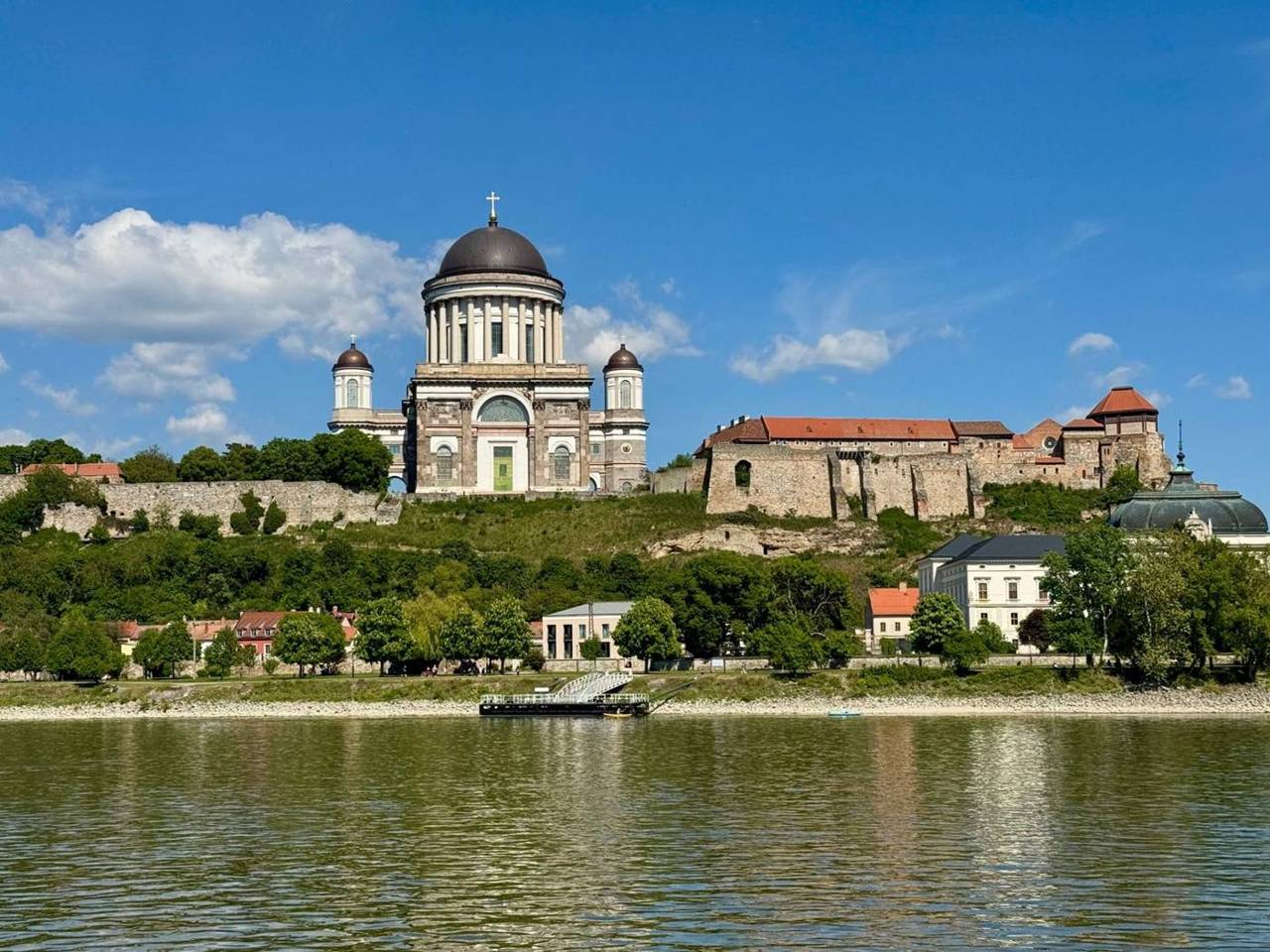
On the hill above the river stands the basilica, the largest church in the country, with a huge dome visible from far away. Inside see the Renaissance chapel in red marble and the treasury. Climb the dome for the view over the Danube and Slovakia. Check prices and times.
Walk down into town and on to the Mária Valéria bridge, which leads to Štúrovo, in Slovakia. You can cross it on foot in a few minutes: both countries are in the Schengen area, but carry your document.
In the afternoon return to Budapest by train, in about an hour and a half, or by boat in the summer months. Then go to the airport.
In these six days you have seen the best of Budapest, with the Castle, the Parliament, the baths and the Central Market Hall, and then the Danube Bend: Szentendre and its painters, the Skanzen, the citadel of Visegrád and the basilica of Esztergom.
When to go: the best time is from May to September, when the Danube boats run regularly. In April and October timetables are reduced. In winter Budapest is lovely and has its Christmas markets, but the Bend is gloomier and the only links are by train and bus.
Practical tip: before you leave buy some ground paprika at the market, sweet or hot. It is light, it will not break in your suitcase and it is the most Hungarian souvenir there is.
The best way to combine the capital with some nature and history. Danube boats run from April to October, with fewer departures at the start and end of the season. Szentendre is pretty but touristy. From Esztergom a bridge takes you into Slovakia on foot.
Before you go
- Documents and visa
- EU citizens need a valid identity card or passport: Hungary is in the EU and the Schengen area. Checks can be more frequent on the borders with Serbia, Croatia, Austria and Ukraine: always carry your document. Other nationalities should check the Schengen rules.
- Health and vaccines
- No vaccines required. Public healthcare is adequate; EU citizens should bring their EHIC, and everyone needs insurance covering medical costs and repatriation. Emergencies: 112, ambulance 104, police 107, fire 105.
- Money and payments
- Hungarian forint (HUF), not the euro. Cards are accepted almost everywhere; when a card machine or cash machine offers to convert into euros or pounds, choose to pay in forints. Motorways need an electronic vignette (e-matrica), bought on the official website or at authorised sales points before you join the motorway.
- Power sockets
- Types C and F, 230 volts.
- Time zone
- Central European Time (UTC+1, summer UTC+2).
- Safety
- There are no areas to avoid, but take normal precautions. Watch for pickpockets in crowded places, thefts from changing rooms at baths and pools, fake taxis and Budapest nightclubs that charge huge bills. Drink driving has a zero tolerance limit, and outside built up areas dipped headlights must be on in daytime too. Official advice: GOV.UK.
Information checked in November 2026 for Italian and EU citizens. Rules change: always check before you travel.
Variations
In 4 days: two days in Budapest, then Szentendre and Visegrád as a day trip, back in the city in the evening.
In 8 days: add two days in Budapest with the Rudas baths and the Great Synagogue, or a day in the forests of the Börzsöny hills on the other bank.
Frequently asked questions
How do you get from Budapest to the Danube Bend?
By HÉV suburban train to Szentendre, by bus along the bank to Visegrád and Esztergom, and by train to Esztergom. From April to October there are also boats, with reduced timetables at the start and end of the season: check prices and times.
Can you visit the Parliament without booking?
Only on a timed guided tour. Tickets are sold online on the official website and in the busy months they sell out quickly: book a few days ahead.
Do I need a car?
No. Budapest and the Bend are easy to explore by public transport. A car in the city is more of a problem than a help, because of traffic and parking.
Indicative itinerary written by World Atlas. Before booking, check timetables, seasonal openings, documents and safety.
 5 daysEasy
Lake Balaton
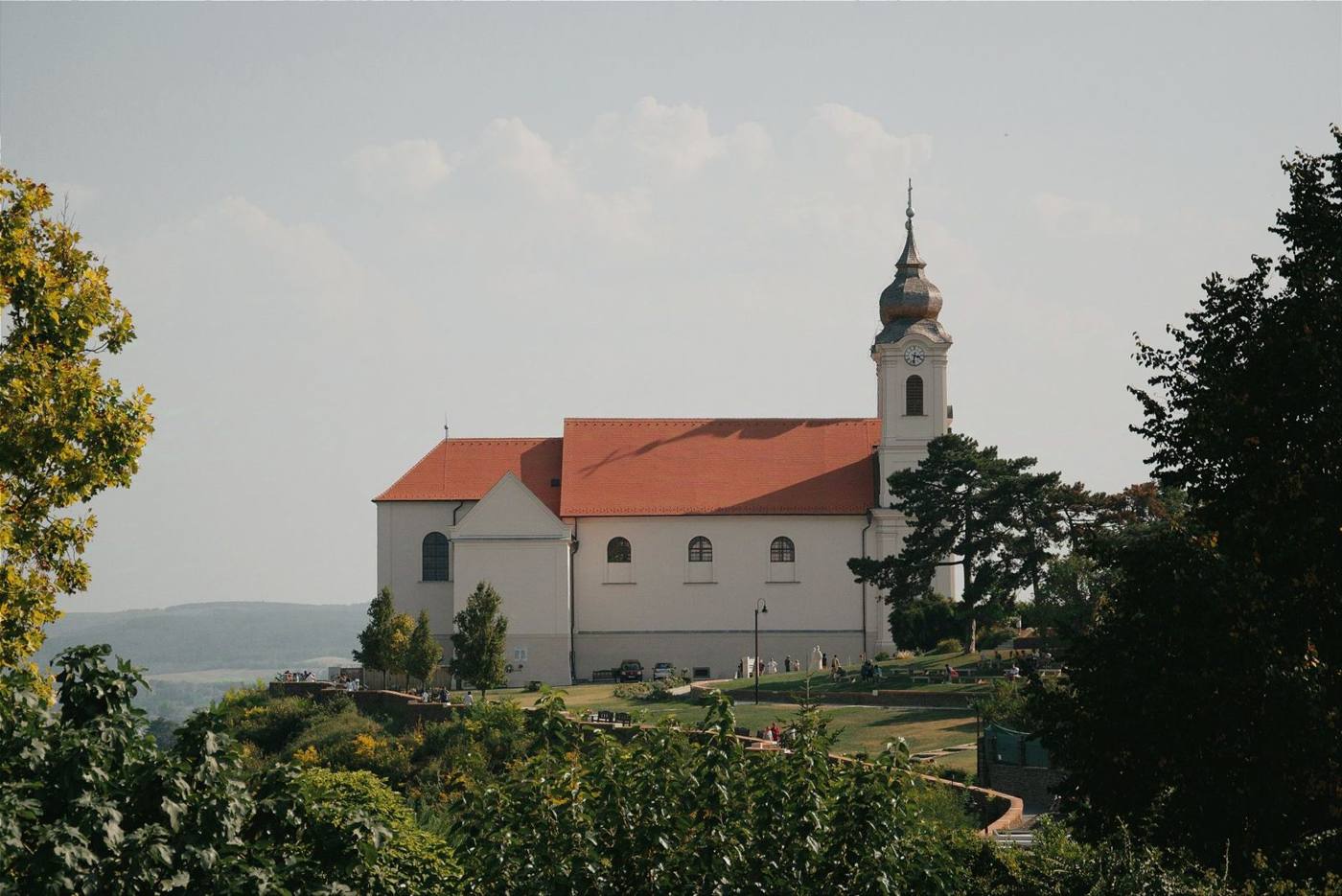
Hungary's sea: the Tihany peninsula with its abbey, the volcanic hills and wines of Badacsony, Sümeg Castle and the Hévíz thermal lake.
 5 daysEasy
Tokaj and Eger
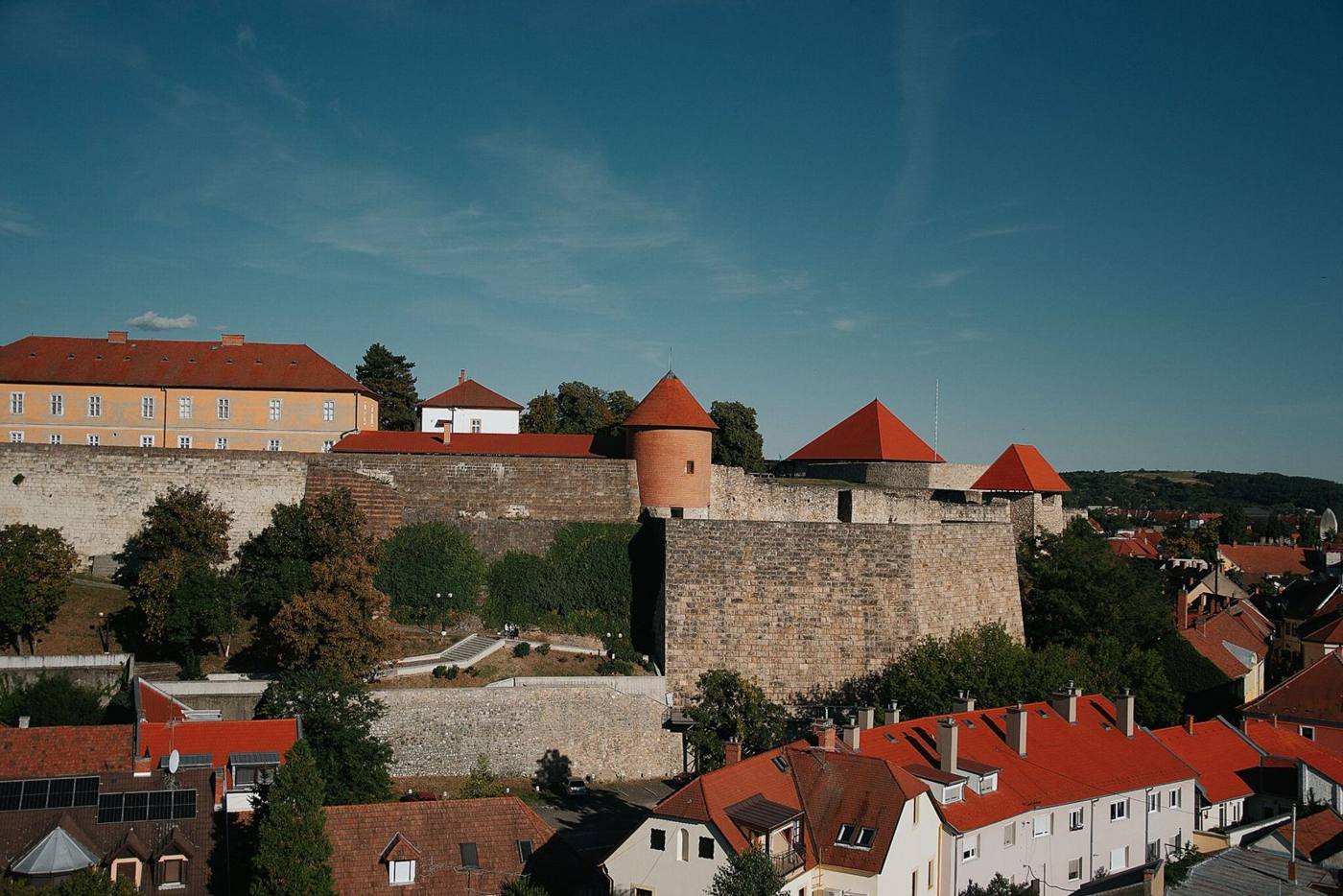
Hungary's wine lands: the baroque town of Eger and the Valley of Beautiful Women with its Bull's Blood, then the rock-cut cellars of Tokaj and sweet aszú wine.
 4 daysEasy
The Hortobágy puszta
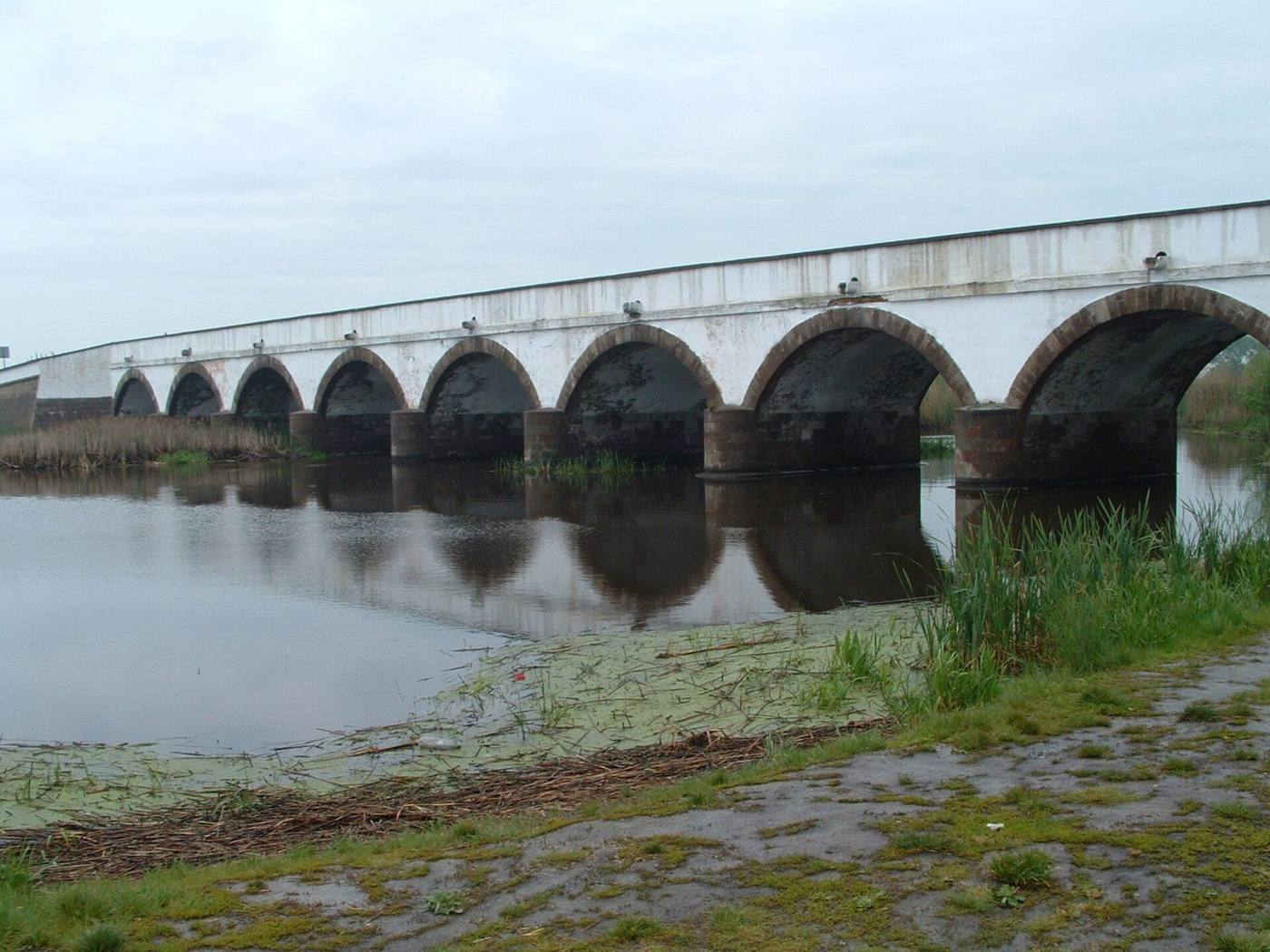
The Great Plain: the horsemen and grey cattle of the Hortobágy puszta, the Nine-Arch Bridge, migrating cranes and Debrecen.