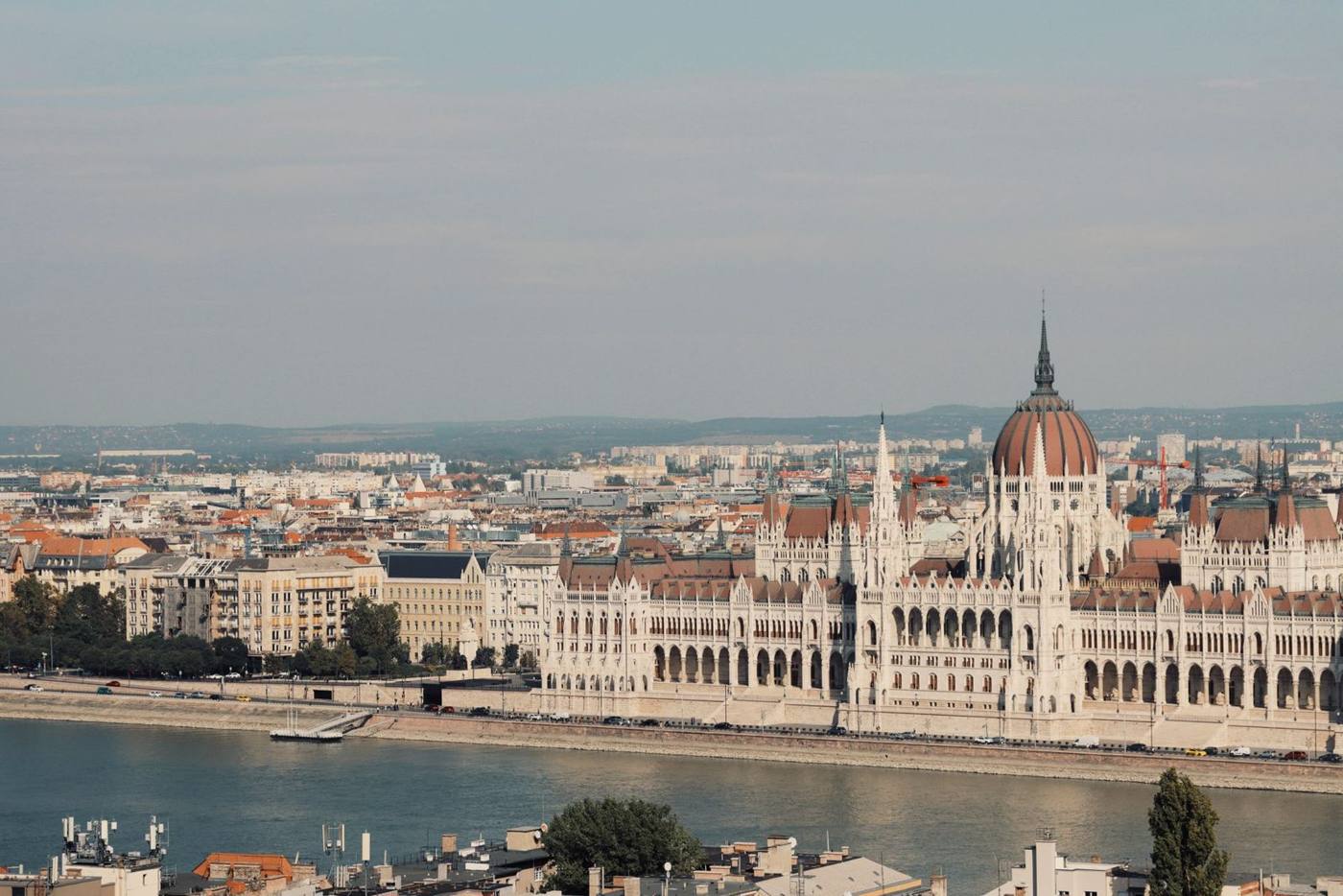
Budapest in four days
Parliament on the Danube, the Buda Castle district, the Széchenyi and Gellért baths, the ruin bars of the Jewish quarter and the Great Market Hall.
- Buda
- Fisherman's Bastion
- Parlamento
- Erzsébetváros
- Városliget
Day by day
- Day 1
Buda Castle, the Fisherman's Bastion and Matthias Church
This trip is a four day stay in Budapest, one of the most beautiful and lively capitals in Europe and still cheaper than Vienna or Prague: the Castle district on the hills of Buda, the Parliament on the Danube, the great thermal baths, the Central Market Hall, the Jewish quarter with the Great Synagogue and an evening cruise on the river. You get around on foot, by tram and by metro.
Before you go: Hungary is part of the European Union and the Schengen area, but the currency is the Hungarian forint, not the euro. Italian citizens only need an electronic identity card or a passport; the paper identity card has not been valid for travel abroad since 3 August 2026. Other nationalities should check their own rules. Watch out for pickpockets in crowded places, unlicensed taxis and bars that present huge bills, especially in the fifth district.
Start with Castle Hill. Walk up from Clark Ádám Square or ride the historic funicular. Matthias Church, with its roof of coloured glazed tiles, has an interior entirely painted with medieval and Hungarian motifs: here in 1867 Emperor Franz Joseph was crowned King of Hungary. Next door, the Fisherman's Bastion gives the most famous view of the Danube and the Parliament. Check prices and times.
Then walk through the quiet streets of the district, with their baroque houses, to the Royal Palace and the Hungarian National Gallery.
Sleep in Budapest, for three nights.
Practical tip: for taxis only use official yellow cars with a meter or book them through an app. Avoid anyone offering you a ride at the airport or the station.
- Day 2
The Parliament, the Shoes on the Danube and St Stephen's
Today you stay in Pest, in the Lipótváros district, the political and business heart of the city.
In the morning visit the Parliament, the largest building in the country, with 691 rooms and a facade almost three hundred metres long on the river. The guided tour lasts about an hour and takes in the main staircase, the dome hall, where the Holy Crown is kept, and the old Upper House chamber. Entry is only with a timed ticket: book online and check prices and times.
Go out towards the river and walk to the Shoes on the Danube Bank, a simple and powerful memorial: iron shoes of men, women and children, at the spot where in 1944 and 1945 Arrow Cross militiamen killed Jews on the bank.
Then cross Liberty Square, with its bank buildings and several twentieth century monuments, to St Stephen's Basilica. The very rich interior holds the relic of the Holy Right Hand of the first king of Hungary. The terrace below the dome has a wide view over the rooftops of Pest. Check prices and times.
In the afternoon take a break in one of the city's great historic cafés and try Dobos torte, layered with chocolate cream under a caramel crust, or Esterházy torte, made with walnuts.
In the evening, if you enjoy music, look at the programme of the State Opera on Andrássy Avenue or of the Basilica, which often hosts organ concerts.
Practical tip: the Parliament closes to visitors on some days because of sessions or ceremonies. Check the calendar on the official website before planning the day, and arrive a little early for the security check at the visitor centre.
- Day 3
Széchenyi baths, Heroes' Square, the Central Market and the ruin bars
Start the day with a hot bath. Take the yellow metro line, the oldest in continental Europe, to City Park. The Széchenyi baths, opened in 1913, are a great neo baroque palace with outdoor pools at different temperatures and many indoor thermal pools, saunas and steam baths. Early in the morning there are fewer tourists and you see elderly Hungarians playing chess in the water. Check prices and times.
Then walk to Heroes' Square, with the Millennium Monument and the statues of the seven Magyar chieftains who arrived in the Carpathian Basin. On either side are the Museum of Fine Arts and the Kunsthalle. In the park you also see Vajdahunyad Castle, a curious copy of historic buildings from all over Hungary, and the lake where people skate in winter.
In the afternoon go to the Central Market Hall, near Liberty Bridge. It is the right place to buy paprika, salami, honey and the famous embroidery. Upstairs try lángos or a plate of goulash.
In the evening go to the seventh district, the old Jewish quarter. This is where you find the ruin bars, bars set up inside old abandoned buildings, with courtyards, mismatched furniture, coloured lights and music. They are the symbol of Budapest nightlife.
The Gellért thermal bath is closed for a long renovation: if you wanted to see it, check whether it has reopened.
Practical tip: in ruin bars and nightclubs always check the menu with prices before ordering and pay for each round. Do not accept invitations from strangers to bars you do not know.
- Day 4
The Great Synagogue, the Danube cruise and departure
Last day. In the morning visit the Great Synagogue on Dohány Street, the largest in Europe, built in the mid nineteenth century in Moorish style with two onion domed towers. Inside is the Jewish Museum. In the garden you see the cemetery of the ghetto victims and the Tree of Life memorial, a metal weeping willow with the names of victims on its leaves, in the park dedicated to Raoul Wallenberg, the Swedish diplomat who saved thousands of Jews. Check prices and times, and remember that the synagogue is closed to visitors on Saturdays and Jewish holidays.
Then walk around the Jewish quarter, past the Rumbach Street synagogue, the Orthodox synagogue on Kazinczy Street and the linked courtyards of the Gozsdu passage.
In the afternoon, if you still have time, ride tram number 2, which runs along the Pest bank with a continuous view of Buda and the Castle.
In the evening take a Danube cruise: in an hour you pass under the illuminated bridges, in front of the Parliament and the Castle. Several boats leave from the piers on the Pest bank. Check prices and times. Then go to the airport.
In these four days you have seen the best of Budapest: the Castle, the Fisherman's Bastion and Matthias Church, the Parliament, St Stephen's, the Széchenyi baths, the Central Market Hall, the ruin bars and the Great Synagogue.
When to go: the best months are April to June and September and October. In December the Christmas markets are lovely, and outdoor thermal pools in the cold are a special experience. In July and August it is hot.
Practical tip: book the cruise for the hour after sunset. The city lights come on and the view of the Parliament is the best of the day.
One of Europe's most beautiful and lively capitals, still cheaper than Vienna or Prague. The currency is the forint: pay by card and refuse the euro conversion offered by card machines. The Gellért baths have been closed for renovation, so check whether they have reopened. Parliament can only be visited with a timed ticket.
Before you go
- Documents and visa
- EU citizens need a valid identity card or passport: Hungary is in the EU and the Schengen area. Checks can be more frequent on the borders with Serbia, Croatia, Austria and Ukraine: always carry your document. Other nationalities should check the Schengen rules.
- Health and vaccines
- No vaccines required. Public healthcare is adequate; EU citizens should bring their EHIC, and everyone needs insurance covering medical costs and repatriation. Emergencies: 112, ambulance 104, police 107, fire 105.
- Money and payments
- Hungarian forint (HUF), not the euro. Cards are accepted almost everywhere; when a card machine or cash machine offers to convert into euros or pounds, choose to pay in forints. Motorways need an electronic vignette (e-matrica), bought on the official website or at authorised sales points before you join the motorway.
- Power sockets
- Types C and F, 230 volts.
- Time zone
- Central European Time (UTC+1, summer UTC+2).
- Safety
- There are no areas to avoid, but take normal precautions. Watch for pickpockets in crowded places, thefts from changing rooms at baths and pools, fake taxis and Budapest nightclubs that charge huge bills. Drink driving has a zero tolerance limit, and outside built up areas dipped headlights must be on in daytime too. Official advice: GOV.UK.
Information checked in November 2026 for Italian and EU citizens. Rules change: always check before you travel.
Variations
In 3 days: the Castle and the Parliament on the first day, then the baths and the market, and finally the Jewish quarter with the evening cruise.
In 6 days: add a trip to Szentendre along the Danube and a day at the Rudas baths, with the Ottoman bath and the rooftop pool.
Frequently asked questions
Can you pay in euros in Budapest?
Sometimes, but at a poor rate. The currency is the forint: pay by card and, when the machine offers to convert into euros, refuse and choose forints.
Are the Gellért baths open?
The Gellért bath is closed for a long renovation. Check whether it has reopened before you leave. The Széchenyi, Rudas and Lukács baths are good alternatives: check prices and times.
Do I need to book the Parliament?
Yes. It can only be visited with a guide and a timed ticket, best bought online on the official website a few days ahead.
Indicative itinerary written by World Atlas. Before booking, check timetables, seasonal openings, documents and safety.
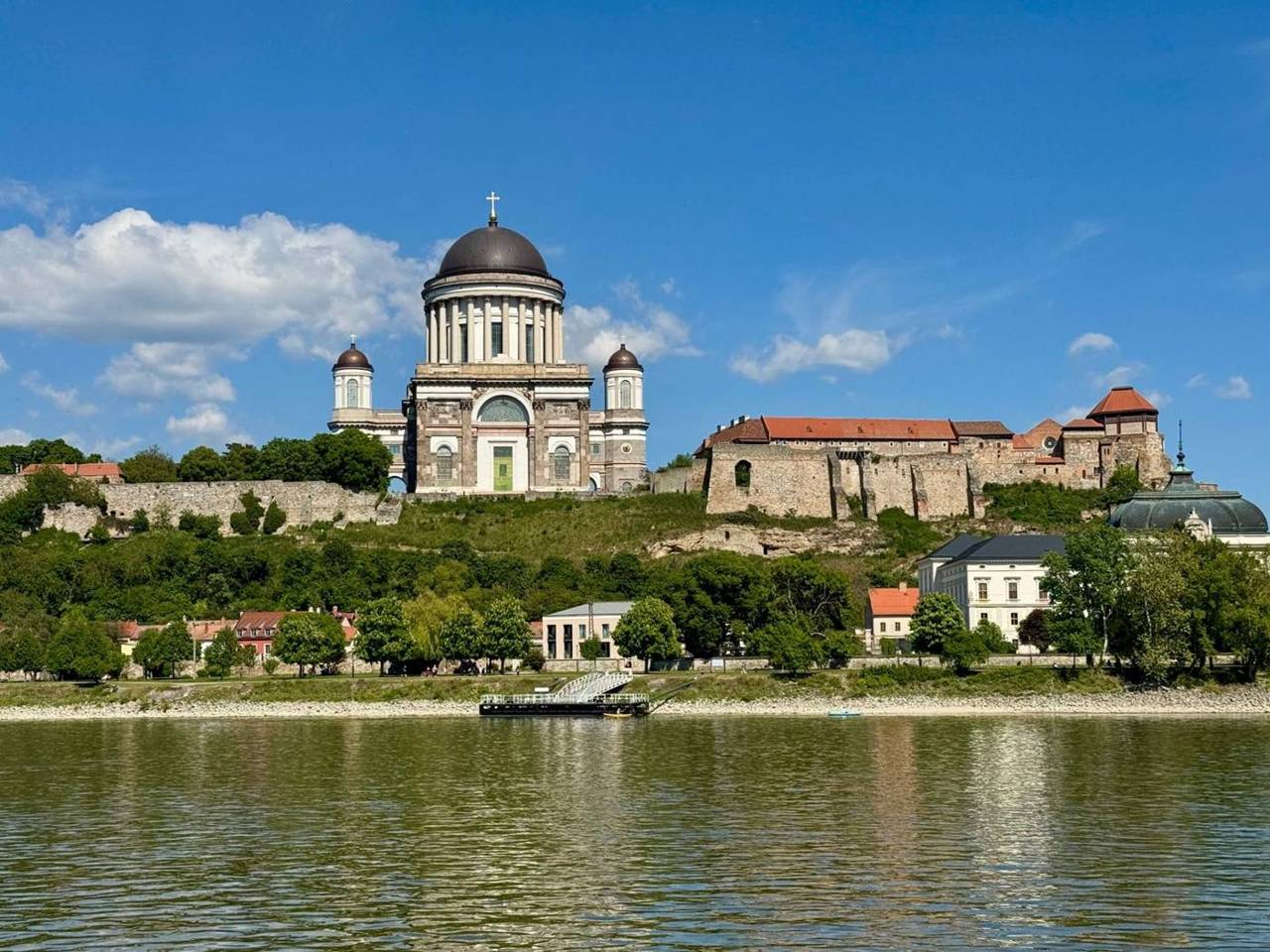 6 daysEasy
Budapest and the Danube Bend
Budapest, then north by boat: the artists' town of Szentendre, Visegrád fortress above the bend and the great basilica of Esztergom.
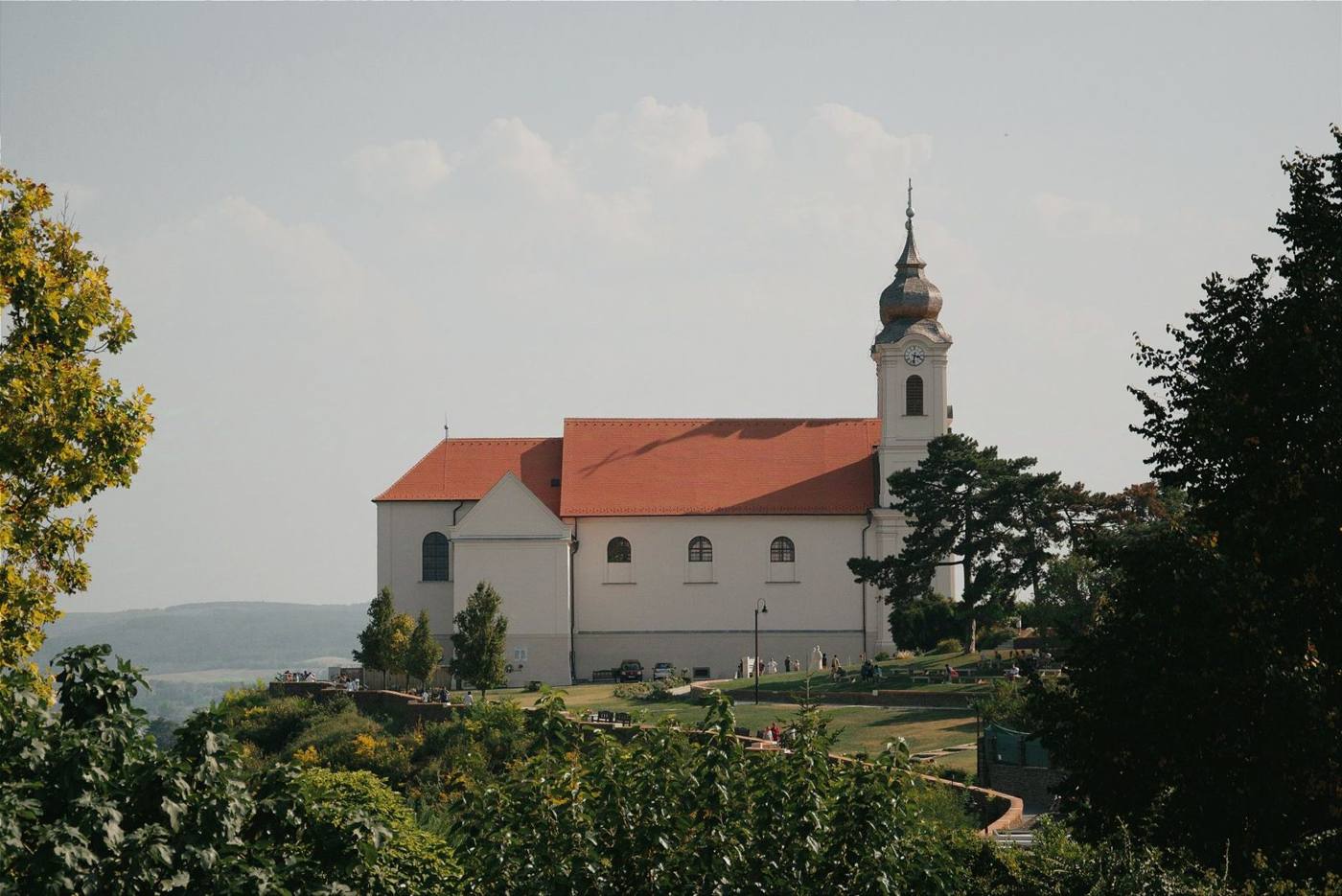 5 daysEasy
Lake Balaton
Hungary's sea: the Tihany peninsula with its abbey, the volcanic hills and wines of Badacsony, Sümeg Castle and the Hévíz thermal lake.
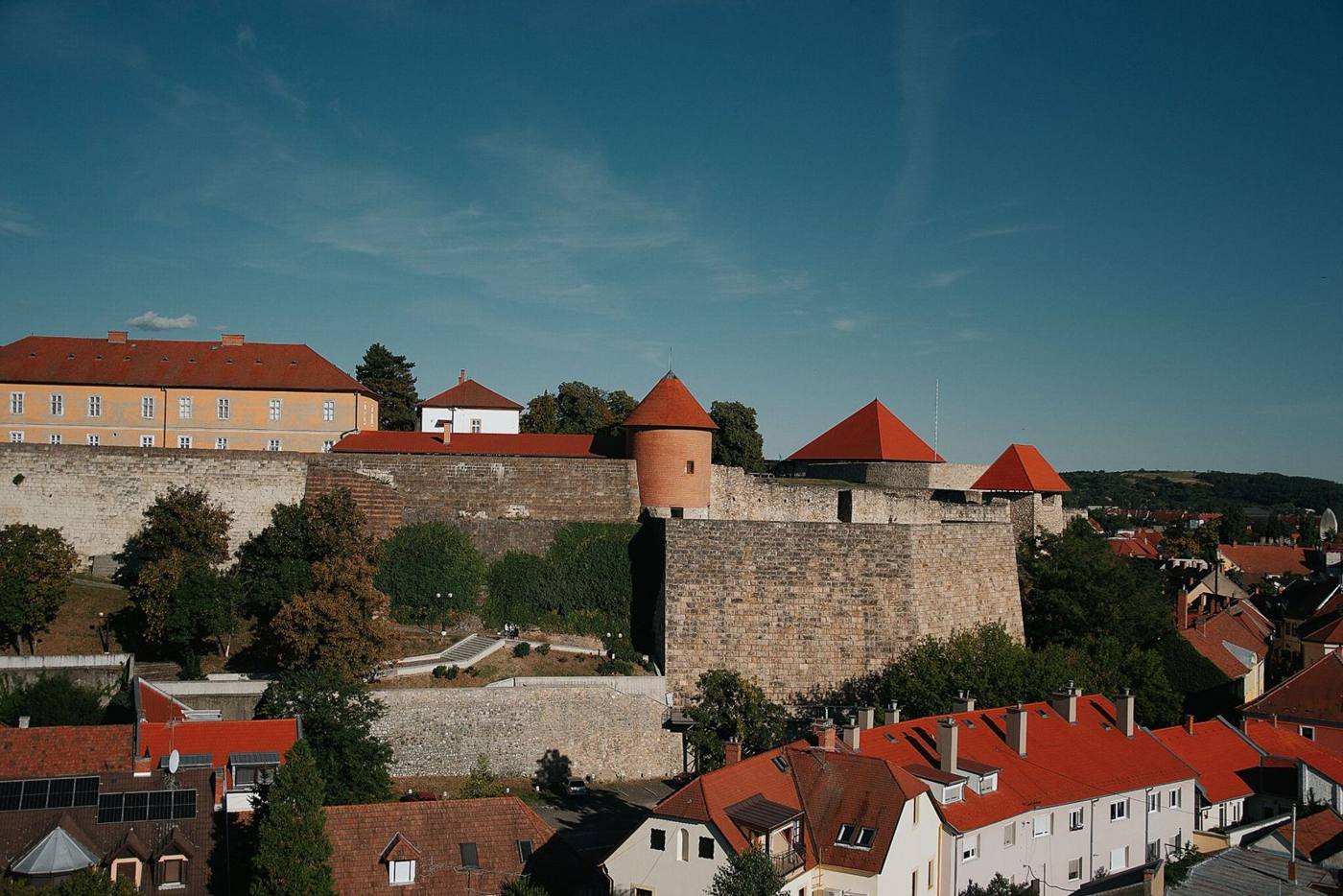 5 daysEasy
Tokaj and Eger
Hungary's wine lands: the baroque town of Eger and the Valley of Beautiful Women with its Bull's Blood, then the rock-cut cellars of Tokaj and sweet aszú wine.