Aggtelek and the Bükk Mountains
The UNESCO Baradla caves at Aggtelek, shared with Slovakia, and the forests and gorges of Bükk National Park with the Szalajka valley.
- Eger
- Szilvásvárad
- Szalajka-völgy
- Aggtelek
- Jósvafő
Day by day
- Day 1
Eger and the drive to Szilvásvárad
This trip takes you to the green north of Hungary, little known to foreign visitors: the forests and gorges of Bükk National Park, the Szalajka valley with its waterfalls, and the Baradla caves in the Aggtelek karst, a UNESCO World Heritage Site together with the caves of Slovakia. You need a car.
Before you go: Hungary is part of the European Union and the Schengen area, but the currency is the Hungarian forint, not the euro. Italian citizens only need an electronic identity card or a passport; the paper identity card has not been valid for travel abroad since 3 August 2026. Other nationalities should check their own rules. Motorways need an electronic vignette, bought online on the official website. Drink driving has a zero tolerance limit, and outside built up areas dipped headlights must stay on in daytime too.
From Budapest you reach Eger in about an hour and a half on the motorway. Stop for a few hours in this baroque town at the foot of the Bükk hills. Climb to the fortress, where in 1552 captain István Dobó held out against the Ottoman siege with a small garrison, then look at the Ottoman minaret, about forty metres tall, and the great neoclassical basilica. Check prices and times.
In the afternoon drive north for about half an hour to Szilvásvárad, a quiet village at the entrance to the Szalajka valley. This is home to the national stud of Hungarian Lipizzaner horses: you often see them training in the riding arena and the fields around.
Sleep in Szilvásvárad, for two nights.
Practical tip: bring walking boots and a light jacket even in summer. The Bükk forests and the caves are cool, and in the evening the temperature drops quickly.
- Day 2
The Szalajka valley and the Veil Waterfall
Today is a day in the woods. The Szalajka valley starts right at Szilvásvárad and climbs gently into the heart of Bükk National Park, through beech trees, streams and small trout ponds.
You can walk it on an easy, well marked path, or ride up on the narrow gauge forest railway and walk back downhill. The little train runs mainly in the warmer months: check prices and times.
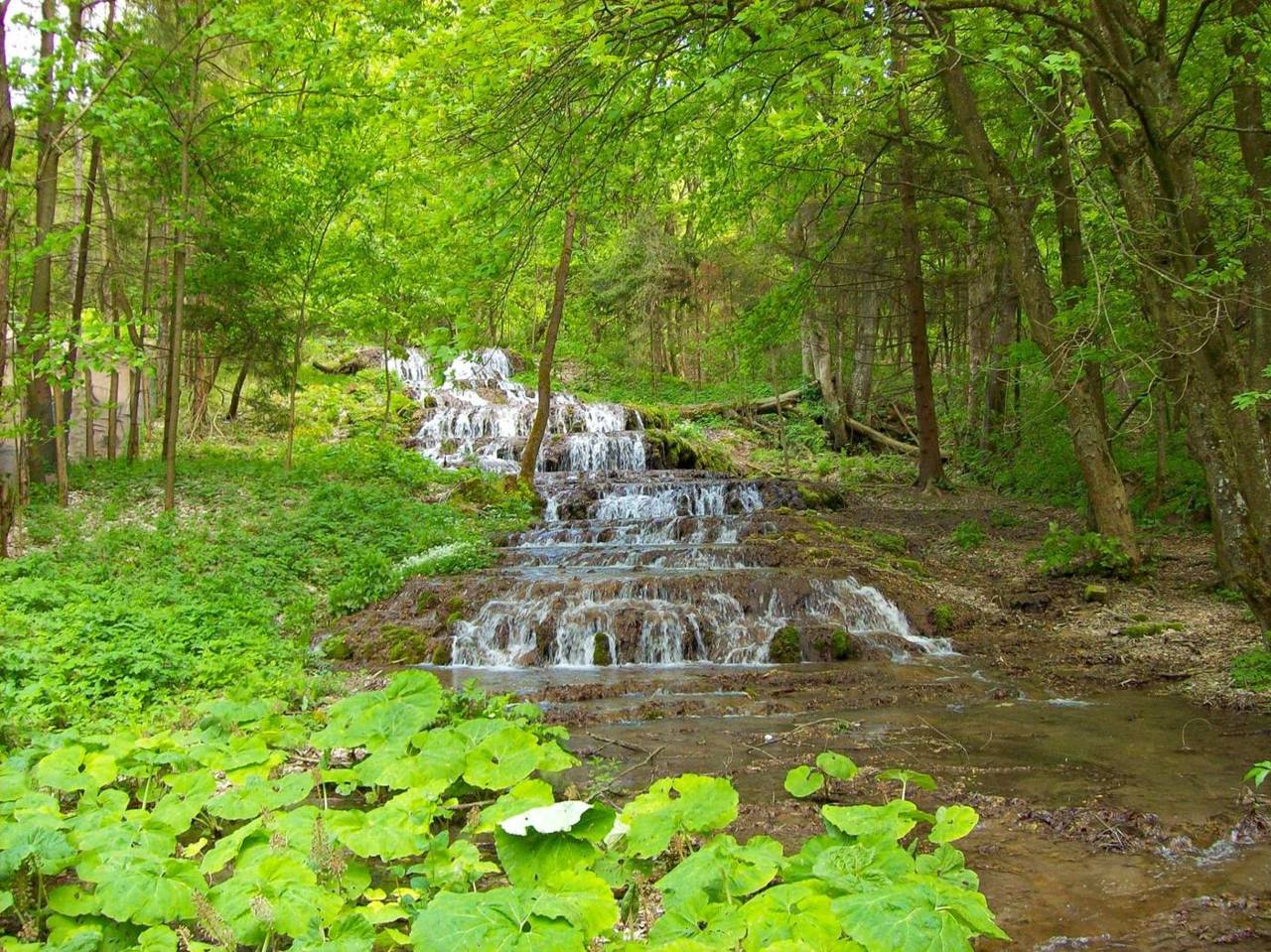
The most famous stop is the Veil Waterfall, the Fátyol-vízesés: the water flows over a series of mossy travertine steps and forms a thin white veil. It is at its best in spring, when there is plenty of water. Higher up the path reaches the Szalajka spring and the open air forest museum, with old charcoal burners' huts and woodcutters' tools.
If you have good legs, climb to the Istállóskő cave, a rock shelter where archaeologists found traces of Palaeolithic hunters. The climb is steep but short.
Late in the afternoon return to the village. If you like horses, ask whether there are stable visits or shows on the programme.
In the evening try the food of the Bükk: grilled brook trout, game with mushrooms, gulyás soup and, to finish, filled pancakes.
Practical tip: set off early. At summer weekends the valley fills with Hungarian families, while on weekday mornings the paths are quiet and you have a better chance of seeing birds and roe deer. Bring water and a snack, because there are only a few kiosks along the way.
- Day 3
The Baradla caves at Aggtelek
In the morning leave Szilvásvárad and drive north east for about an hour and a half to Aggtelek, near the Slovak border. The roads cross hills, fields and small villages, with little traffic.
The Aggtelek karst is a limestone plateau full of caves, sinkholes and springs. The caves of Aggtelek and the Slovak Karst have been a UNESCO World Heritage Site since 1995. The most famous is Baradla, a system of passages more than twenty kilometres long that continues under the border into Slovakia, where it is called Domica.
The caves can only be visited with a guide. There are short tours of about an hour, suitable for everyone, starting from Aggtelek or Jósvafő, and long tours of up to five hours, with boots and helmet, which must be booked in advance. Inside you see huge stalactites and stalagmites, columns, underground pools and a large hall where concerts are sometimes held. Check prices and times.
After the visit walk for a while around Jósvafő, a village of low houses with a nature trail along the karst springs and the stream. The area is also home to Hucul horses, a small mountain breed kept by the national park.
Sleep in Aggtelek or Jósvafő, for one night.
Practical tip: inside the cave the temperature is about ten degrees all year round and the air is damp. Bring a fleece and shoes with non slip soles, even for the short tours.
- Day 4
Return and departure
Last day. If you have time in the morning, take a short walk in the Aggtelek park, on the plateau above the caves, where the meadows and sinkholes give a wide view over the hills along the border. The path is easy and within an hour you are back at the car.
Then head for Budapest. The drive takes about three hours. You can go through Miskolc, the big industrial city of the north, and stop at Diósgyőr castle, a restored medieval fortress with towers and royal halls. Check prices and times. Alternatively, stop in Eger for a last coffee on Dobó Square and a walk below the fortress.
In these four days you have seen a Hungary quite different from the one of thermal baths and plains: the baroque town of Eger, the Lipizzaners of Szilvásvárad, the forests and the Veil Waterfall of the Szalajka valley, the Baradla caves and the quiet villages of the Aggtelek karst.
When to go: the best time is from April to October. In spring the waterfalls are full and the woods are bright green; in autumn the Bükk beech trees turn red and yellow. In summer it is hot on the plains but cool in the forests. The caves are open all year, but in winter some tours and the forest railway may be suspended.
Practical tip: fill up with fuel and take out some forints before leaving the towns. In the karst villages there are few petrol stations and cash machines, and some small inns only take cash.
Green, hilly Hungary, little known to foreigners. The caves are visited with a guide on routes from one to five hours; the longest must be booked. Szilvásvárad is also home to Hungary's Lipizzaner horses. A car is needed.
Before you go
- Documents and visa
- EU citizens need a valid identity card or passport: Hungary is in the EU and the Schengen area. Checks can be more frequent on the borders with Serbia, Croatia, Austria and Ukraine: always carry your document. Other nationalities should check the Schengen rules.
- Health and vaccines
- No vaccines required. Public healthcare is adequate; EU citizens should bring their EHIC, and everyone needs insurance covering medical costs and repatriation. Emergencies: 112, ambulance 104, police 107, fire 105.
- Money and payments
- Hungarian forint (HUF), not the euro. Cards are accepted almost everywhere; when a card machine or cash machine offers to convert into euros or pounds, choose to pay in forints. Motorways need an electronic vignette (e-matrica), bought on the official website or at authorised sales points before you join the motorway.
- Power sockets
- Types C and F, 230 volts.
- Time zone
- Central European Time (UTC+1, summer UTC+2).
- Safety
- There are no areas to avoid, but take normal precautions. Watch for pickpockets in crowded places, thefts from changing rooms at baths and pools, fake taxis and Budapest nightclubs that charge huge bills. Drink driving has a zero tolerance limit, and outside built up areas dipped headlights must be on in daytime too. Official advice: GOV.UK.
Information checked in November 2026 for Italian and EU citizens. Rules change: always check before you travel.
Variations
In 3 days: Eger and the Szalajka valley on the first day, then the Baradla caves and the drive back.
In 6 days: add two days in Eger with the Valley of the Beautiful Women and a full day of walking in the forests of the Bükk plateau.
Frequently asked questions
Do I need a car for this trip?
Yes. Eger can be reached by train from Budapest, but Szilvásvárad and above all Aggtelek have few buses. With a car remember the electronic vignette for the motorways and the zero tolerance limit for alcohol.
Do I need to book the Baradla caves?
For the short tours usually not, but at weekends and in summer it is better to arrive early. The long tours with helmet and boots must be booked in advance. Check prices and times on the official park website.
Is the trip suitable for children?
Yes. The Szalajka valley is easy, children love the forest railway and the short cave tours last about an hour. Bring warm clothes for the cave.
Indicative itinerary written by World Atlas. Before booking, check timetables, seasonal openings, documents and safety.
 4 daysEasy
Budapest in four days
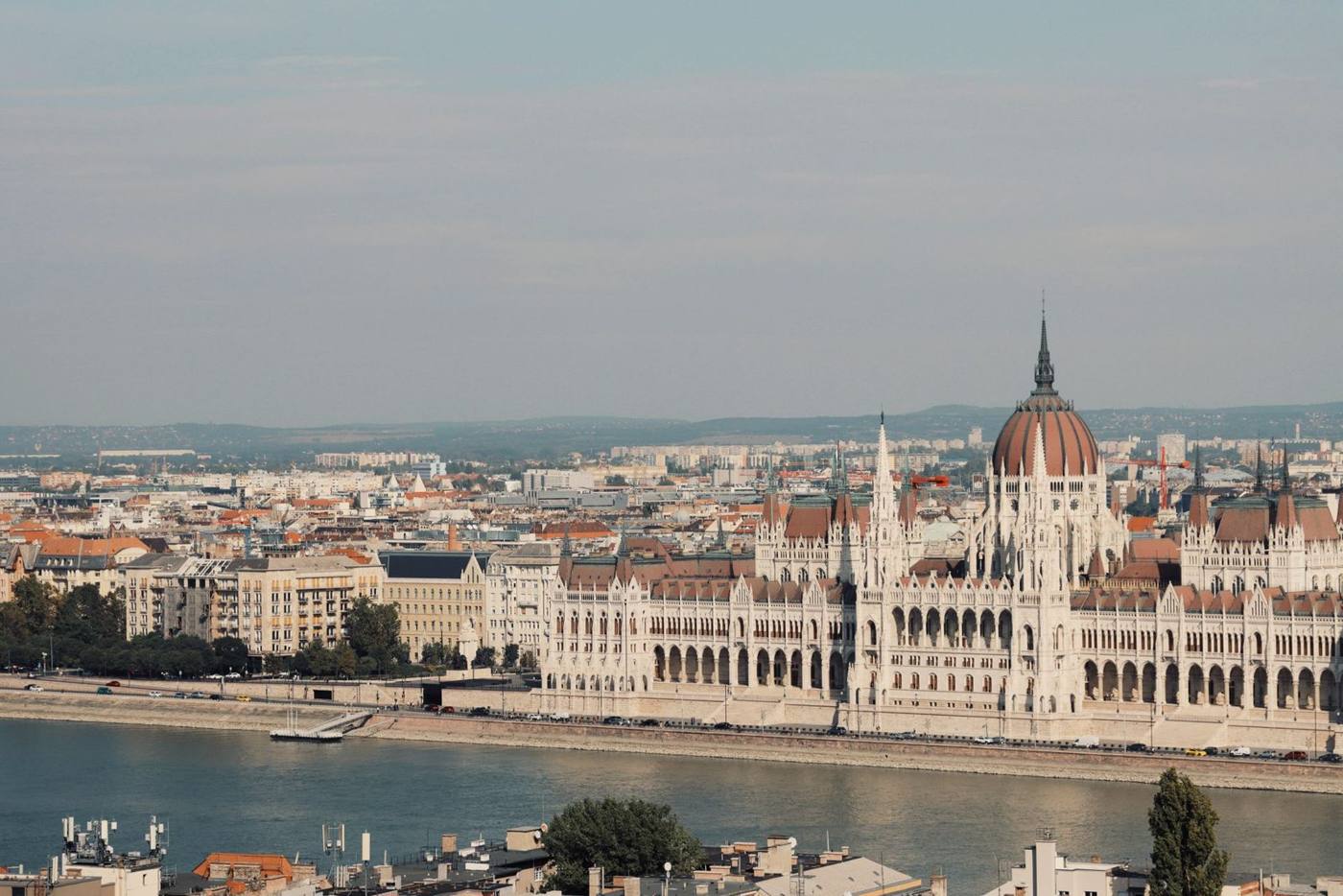
Parliament on the Danube, the Buda Castle district, the Széchenyi and Gellért baths, the ruin bars of the Jewish quarter and the Great Market Hall.
 6 daysEasy
Budapest and the Danube Bend
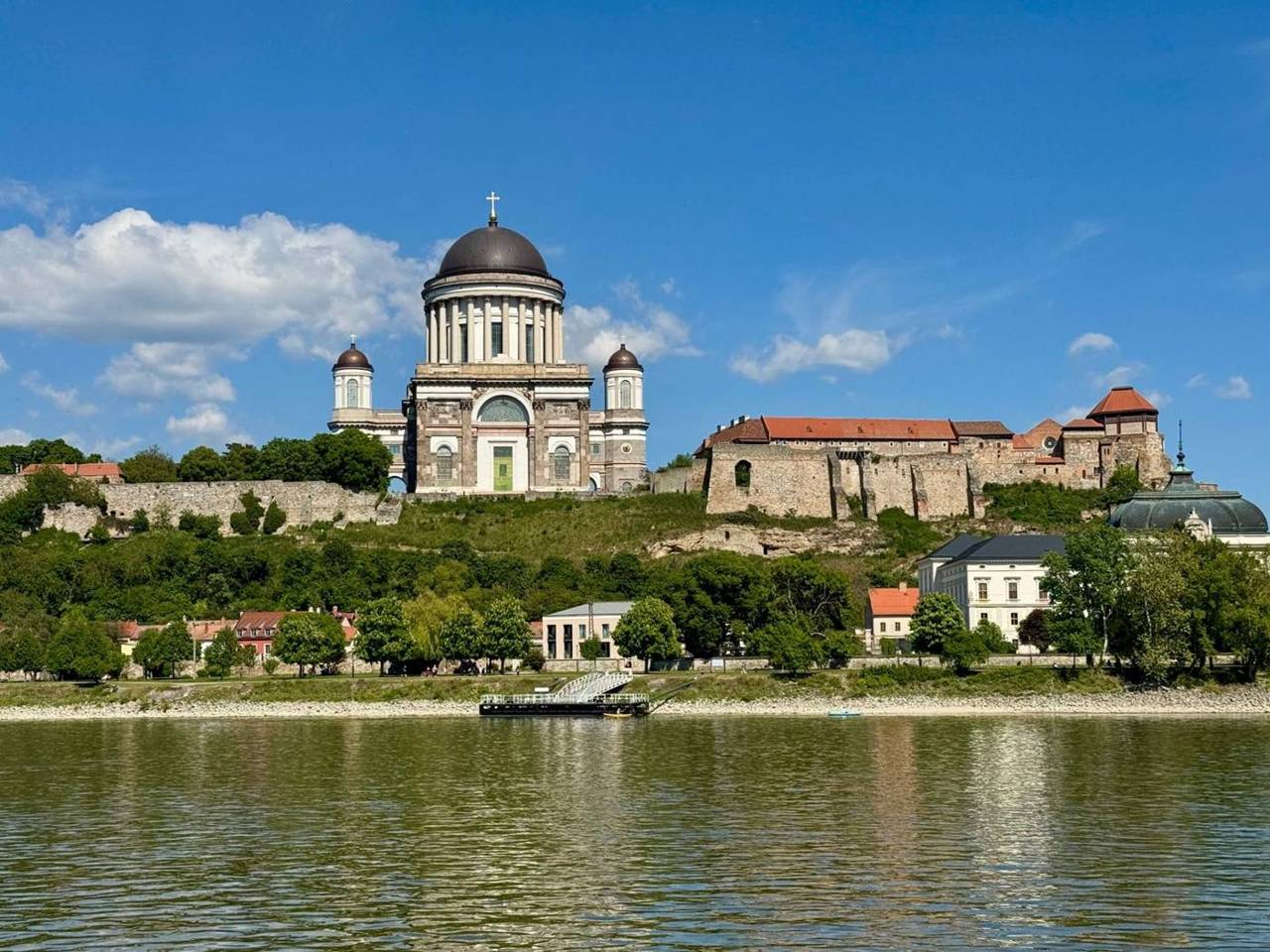
Budapest, then north by boat: the artists' town of Szentendre, Visegrád fortress above the bend and the great basilica of Esztergom.
 5 daysEasy
Lake Balaton
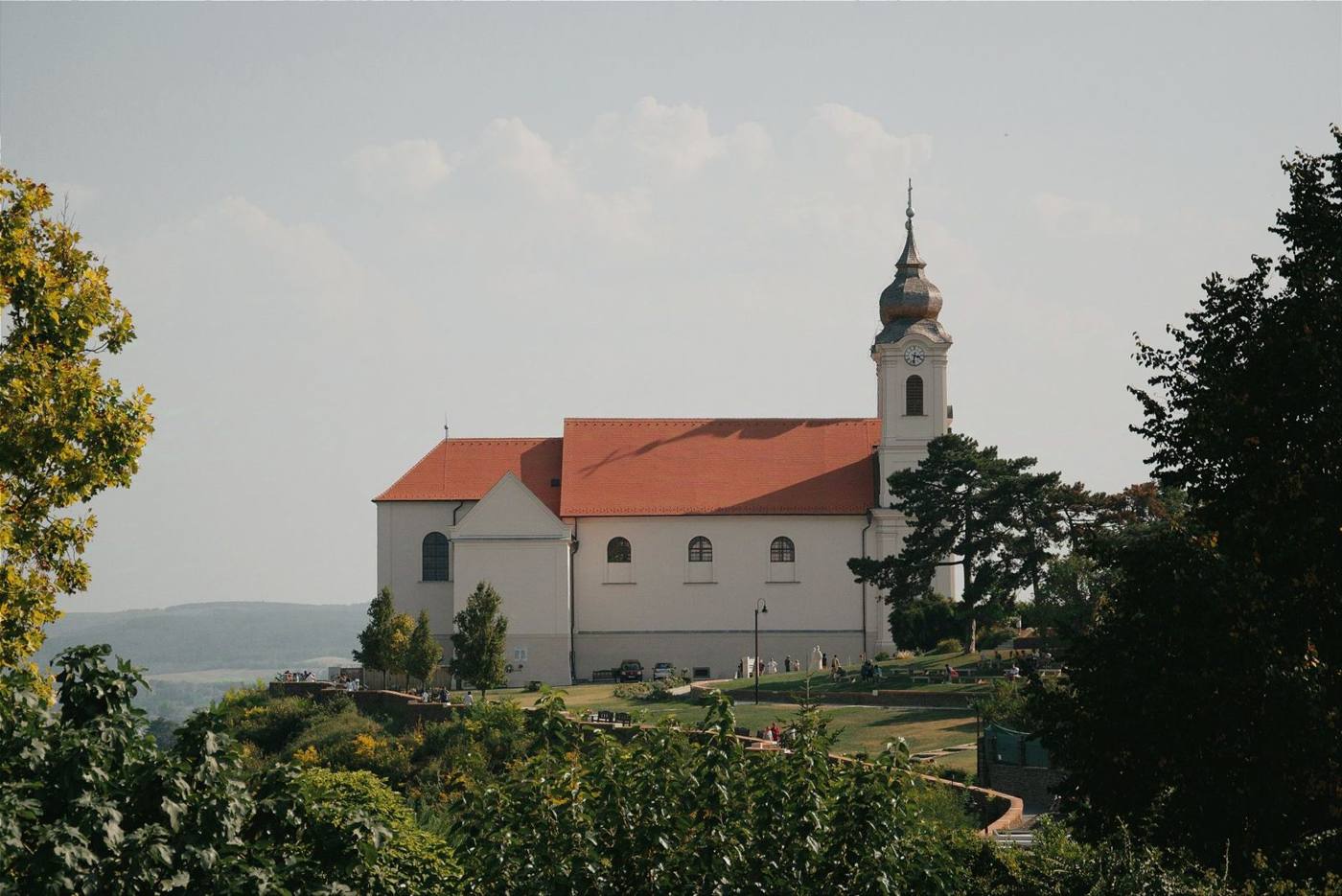
Hungary's sea: the Tihany peninsula with its abbey, the volcanic hills and wines of Badacsony, Sümeg Castle and the Hévíz thermal lake.