Yaxhá and Flores
The colonial island of Flores on Lake Petén Itzá and the Maya city of Yaxhá, with pyramids by its lagoon and sunsets among howler monkeys, far less crowded than Tikal.
- Flores
- Yaxhá
Day by day
- Day 1
The flight to Flores and Lake Petén Itzá
This three-day trip takes you to Petén, the great forest region of northern Guatemala: the colonial island of Flores on Lake Petén Itzá and the Maya city of Yaxhá, with pyramids above a lagoon and sunsets among howler monkeys, far less crowded than Tikal.
Before you go: Italian citizens enter Guatemala with a passport valid for at least six months from the date of arrival, and without a visa for stays of up to 90 days, which count in total for El Salvador, Honduras and Nicaragua too; before entering, complete the online immigration declaration. Other nationalities should check their own rules. The United States advises reconsidering travel to Guatemala because of crime. The United Kingdom reports armed robberies on the roads linking Petén with the rest of the country, and Canada advises against the Melchor de Mencos crossing into Belize, where violent crime is very high. That is why you arrive by plane, move only by day with organised transport and do not continue towards the border.
In the morning fly from Guatemala City to Flores airport, in about an hour.
Flores is a small island on the lake, joined to the mainland by a causeway. Walk the cobbled lanes that climb to the white church at the top, among low houses painted yellow, blue and pink. Then stroll around the lakeside promenade, where people fish and boys dive into the water.
In the late afternoon take a launch to the viewpoint on the peninsula opposite and watch the sunset over the lake.
Sleep in Flores, for one night.
Practical tip: Petén is very hot and humid: bring light long-sleeved clothes and mosquito repellent.
- Day 2
Yaxhá and the sunset from the temple
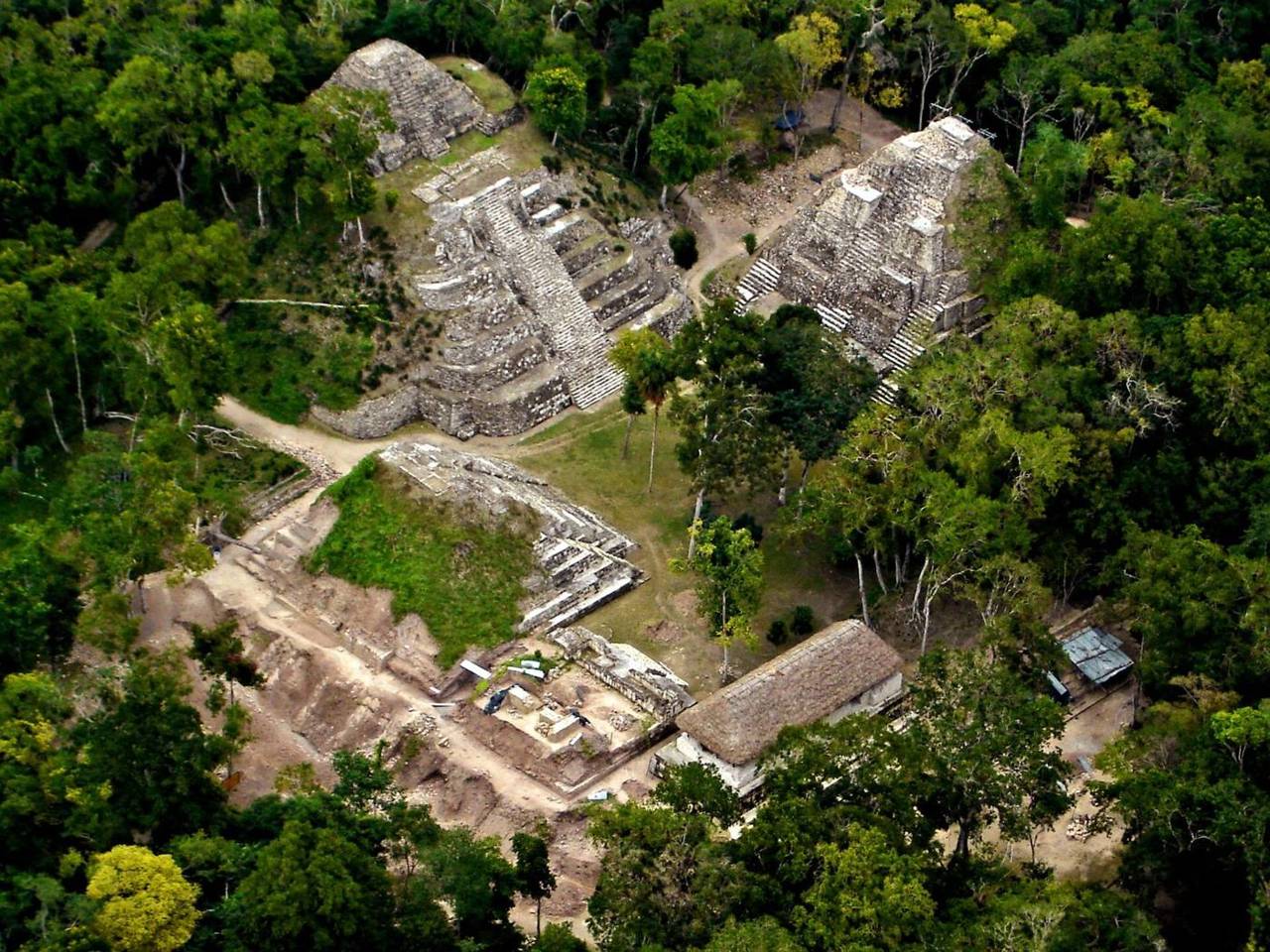
Today you visit Yaxhá, one of the great Maya cities of Petén, hidden in the forest.
Late in the morning leave Flores with organised transport. The tarmac road heads east and the last few kilometres are a dirt track through the forest: about an hour and a half in all. The site is part of the Yaxhá, Nakum and Naranjo National Park: pay the entrance fee and check prices and times.
Yaxhá stands on a ridge between two lagoons and was inhabited for many centuries, up to the Maya Classic period. Walk with your guide among plazas, ball courts and acropolises, with temples partly covered by trees. Excavations have uncovered only some of the buildings: many are still green mounds. Spider and howler monkeys pass above you, with their deep roar, and in the branches you see toucans and parrots.
In the late afternoon climb the wooden staircase of the tallest temple. From the top the forest stretches in every direction and the Yaxhá lagoon shines below you. At sunset the sky turns orange and the howler monkeys start to call.
To avoid travelling at night in Petén, sleep in one of the simple lodgings on the shore of the lagoon, near the park.
Sleep on the Yaxhá lagoon.
Practical tip: crocodiles live in the lagoon: do not swim, and always ask the local people.
- Day 3
Dawn on the lagoon and the return
Today you wake up in the forest and then go back to town.
At dawn go out to the shore of the Yaxhá lagoon. It is the best time for birds: herons, cormorants and kingfishers fish in the calm water, while from the forest come the calls of howler monkeys and parrots. A light mist often lies on the lagoon and lifts with the sun.
After breakfast, if there is time, take a short boat trip on the lagoon with a local boatman, and look from a distance at the islet of Topoxté, with more Maya ruins among the trees. Agree the price first.
Late in the morning head back to Flores with organised transport, again by day. Have lunch on the lakeside with a fish from the lake, pescado blanco, grilled with rice and tortillas.
In the afternoon take the return flight to Guatemala City.
In these three days you have seen the quietest side of Petén: the colourful houses of Flores on the lake, the Maya city of Yaxhá in the forest, the sunset from the temple and the dawn among the monkeys on the lagoon. If you have more days, combine this trip with Tikal, an hour away by road.
When to go: from November to April, in the dry season, the trails are less muddy. Between November and June there can be forest fires in Petén and smoke in the air.
Practical tip: bring closed shoes, a hat, water and binoculars for the birds and the monkeys.
Combine with Tikal if you love jungle ruins. Dirt road to the site. Avoid the Belize border zone and night travel in Petén.
Before you go
- Documents and visa
- Passport valid for at least six months from your arrival date; no visa is needed for stays of up to 90 days. The period counts in total for Guatemala, El Salvador, Honduras and Nicaragua and does not restart when you cross from one country to another. Before entering and leaving, complete the online immigration declaration and keep the QR code. The airport departure tax is usually included in your ticket.
- Health and vaccines
- There is a risk of dengue, Zika and chikungunya, and of malaria in some lowland areas: ask a travel health clinic. If you arrive from a country at risk you need a yellow fever vaccination certificate. In Antigua, Xela and on the volcanoes you feel the altitude and nights are cold. Drink bottled water. You need insurance covering medical costs and repatriation.
- Money and payments
- Quetzal. US dollars are easy to change, but in markets and villages you pay in quetzales. Cards work in hotels and town shops; use cash machines by day, inside banks or shopping centres.
- Power sockets
- Types A and B, 120 volts: you need an adapter for American plugs, and check that your devices accept this voltage.
- Time zone
- UTC-6 all year.
- Safety
- The United States advises reconsidering travel because of crime and says do not travel to the departments of San Marcos and Huehuetenango, Zone 18 of Guatemala City and Villa Nueva. The United Kingdom advises against all but essential travel within 5 km of the Mexican border, from the Pacific coast up to the Gracias a Dios crossing, and to some towns in Huehuetenango. Since mid-November 2026 a 30-day state of exception has been in force in the departments of Izabal and Zacapa. Canada advises against the Melchor de Mencos crossing into Belize. There have been armed robberies on tourist routes: travel by day, by shuttle or organised transport, and avoid public buses. Before climbing volcanoes check the INSIVUMEH and CONRED alerts and go with authorised guides. Official advice: GOV.UK.
Information checked in November 2026 for Italian and EU citizens. Rules change: always check before you travel.
Variations
Shorter: two days, with Flores and Yaxhá and the return flight from Flores the next day.
Longer: add two days at Tikal, with a night near the park to watch the dawn from the temples.
Frequently asked questions
Is Yaxhá better than Tikal?
Tikal is bigger and more famous; Yaxhá is smaller but much quieter, with its lagoons and sunsets. If you can, see both.
Is Petén safe?
Flores, Tikal and Yaxhá are visited every day, but there have been robberies on the region's roads. Arrive by plane, travel by day with organised transport and do not go towards the Belize border.
Is the road to Yaxhá difficult?
It is almost all tarmac; the last few kilometres are dirt and can be muddy in the rainy season. With organised transport it is not a problem.
Indicative itinerary written by World Atlas. Before booking, check timetables, seasonal openings, documents and safety.
 4 daysEasy
Holy Week in Antigua
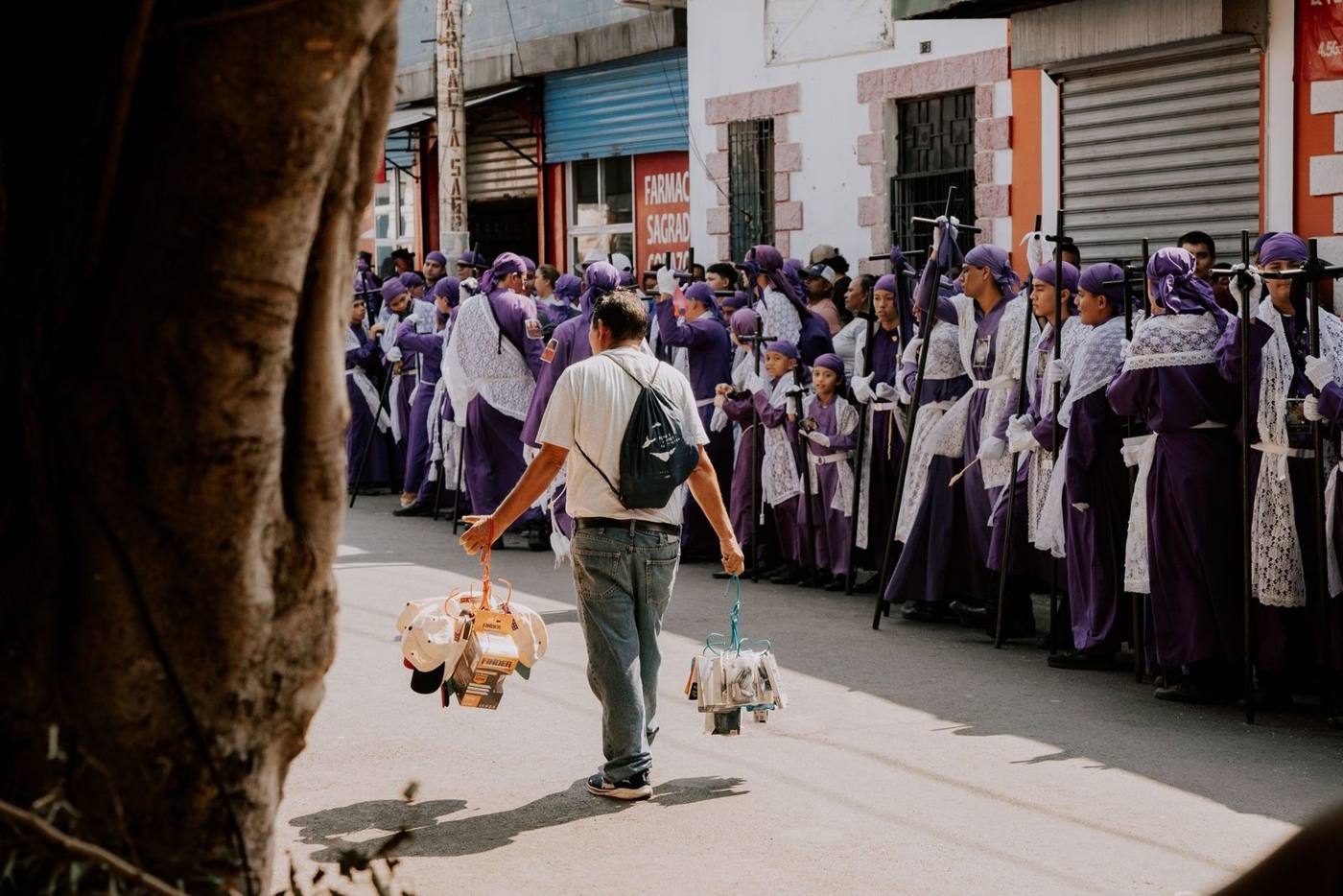
The most famous processions in the Americas: carpets of coloured sawdust and flowers in the streets, bearers in purple and large wooden floats among the baroque churches.
 7 daysEasy
Antigua and Lake Atitlán
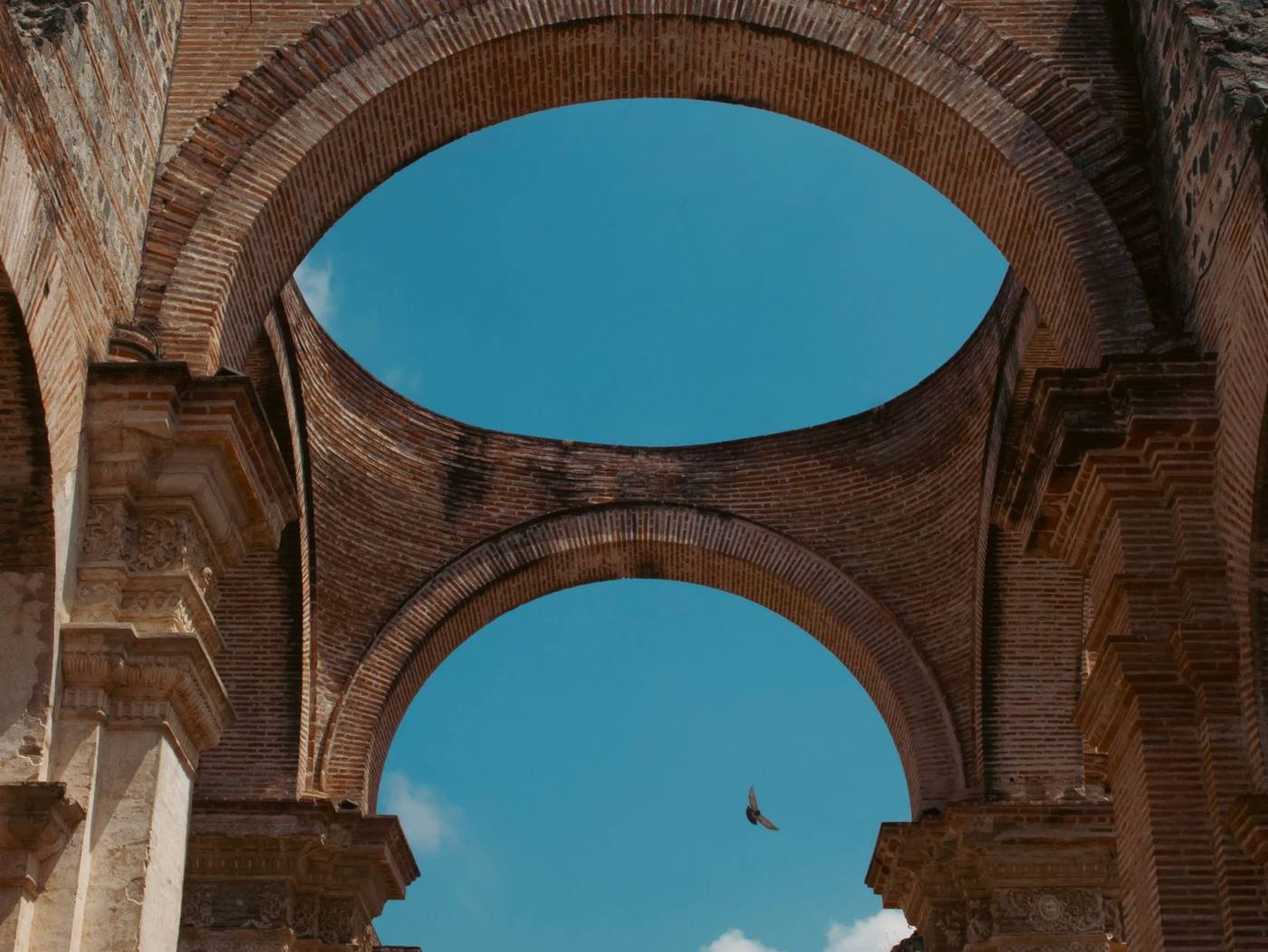
The UNESCO colonial city of Antigua beneath the volcanoes, the Maya market of Chichicastenango and the villages around Lake Atitlán.
 4 daysEasy
Tikal and the Petén
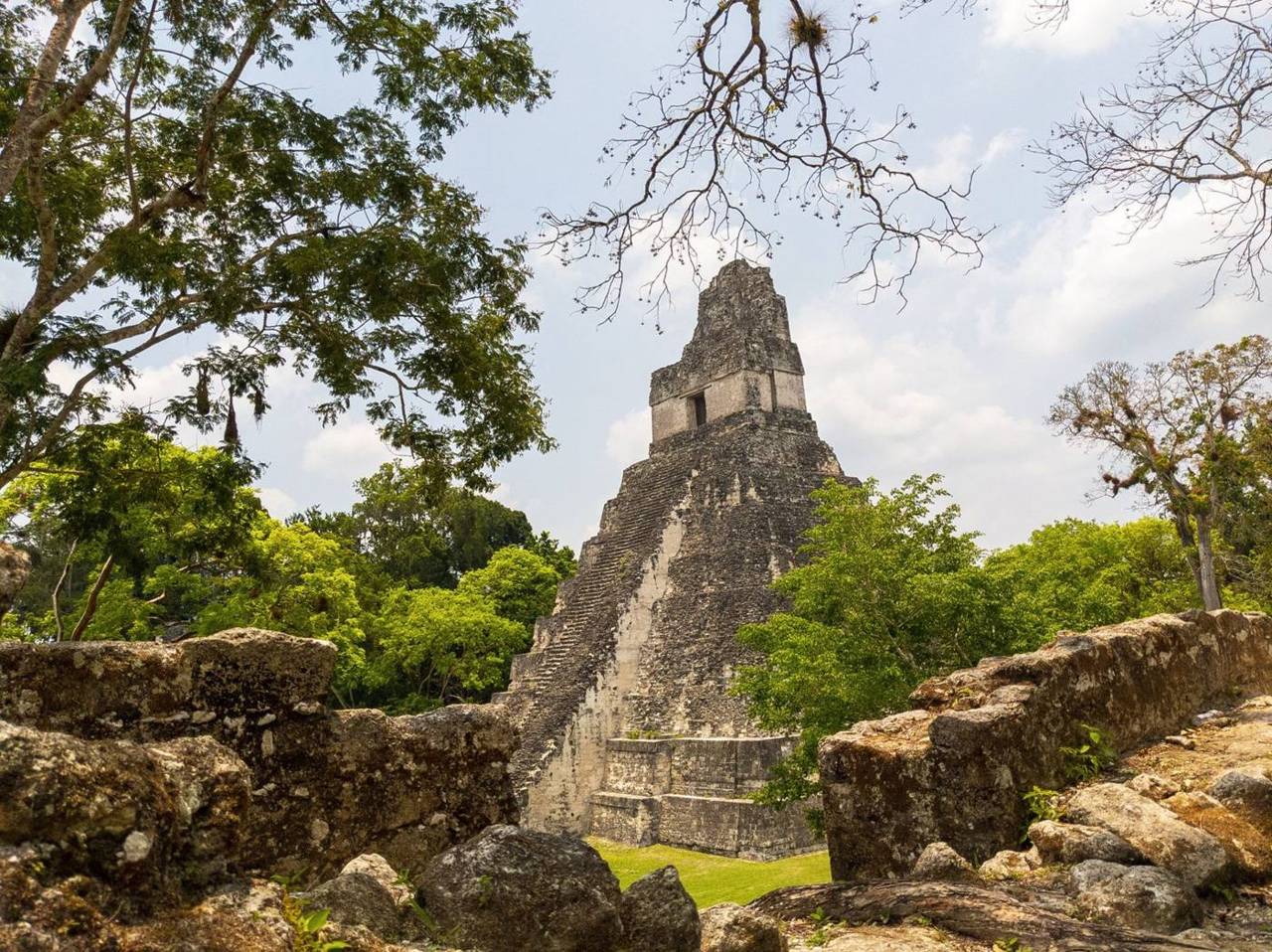
The great Maya city of Tikal in the jungle, with howler monkeys and toucans, sunrise from Temple IV and the island town of Flores on Lake Petén Itzá.