Holy Week in Antigua
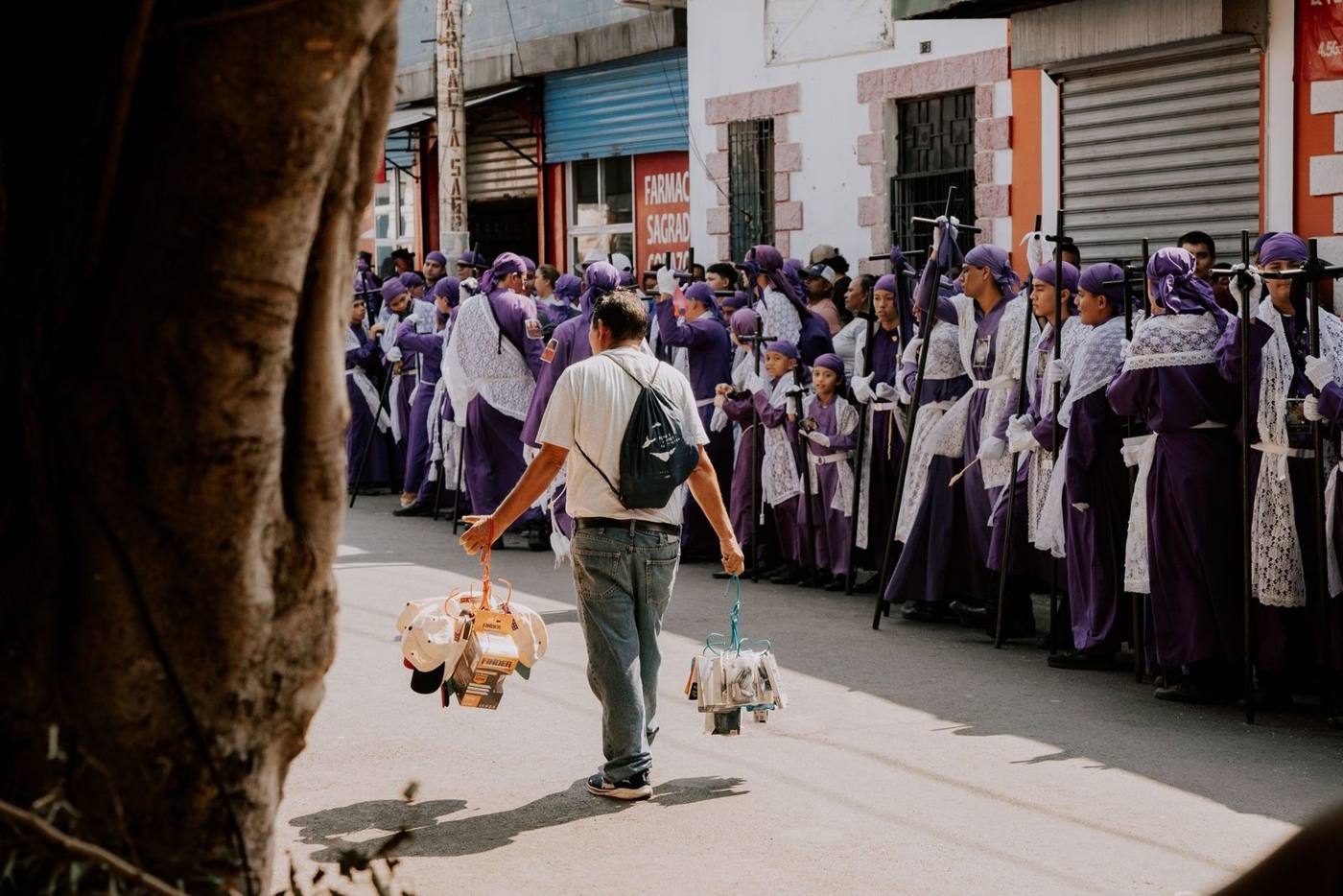
The most famous processions in the Americas: carpets of coloured sawdust and flowers in the streets, bearers in purple and large wooden floats among the baroque churches.
- Antigua
- La Merced
- San Francisco
Day by day
- Day 1
Arrival and the making of the carpets
This four-day trip takes you to Antigua Guatemala during Holy Week, with the most famous processions in the Americas: carpets of coloured sawdust and flowers in the streets, bearers dressed in purple and great wooden floats coming out of the baroque churches. In 2027 Easter falls on 28 March: arrive on Holy Wednesday.
Before you go: Italian citizens enter Guatemala with a passport valid for at least six months from the date of arrival, and without a visa for stays of up to 90 days, which count in total for El Salvador, Honduras and Nicaragua too; before entering, complete the online immigration declaration. Other nationalities should check their own rules. The United States advises reconsidering travel to Guatemala because of crime; the United Kingdom reports armed robberies on tourist routes, including towards Antigua. From the airport take a shuttle or organised transport, by day. There are many pickpockets in the procession crowds.
Arrive in Antigua, about an hour from Guatemala City airport. The town, a UNESCO World Heritage Site, was the capital of the Kingdom of Guatemala until the earthquakes of 1773, and keeps its cobbled streets, low colourful houses and baroque churches, some in ruins, beneath the Agua volcano.
In the afternoon go into the churches and see the velaciones: statues of Jesus and the Virgin displayed in front of large stage sets, among candles, flowers and fruit. Then in the evening walk through the streets where families make the alfombras, the carpets: they draw with wooden stencils, pour coloured sawdust, pine needles, flowers and fruit, and work all night long.
Sleep in Antigua, for three nights.
Practical tip: book your accommodation many months ahead, because prices multiply this week and the town is full.
- Day 2
Holy Thursday
Today the town lives one of the most intense days of the year.
In the morning go out early and look for the freshly finished carpets, before the processions pass. Every street has different designs: flowers, birds, religious symbols and Maya motifs, in red, purple, yellow and green. You can photograph them, but never step on them: they are an offering, and only the procession walks over them and breaks them up.
In the afternoon watch a procession go by. In front walk the cucuruchos, the bearers in purple robes, then the great andas, carved wooden floats with statues of Jesus, carried on the shoulders of dozens of men who take turns every few blocks. Behind them, women dressed in black carry the statue of the Virgin. Bands play slow funeral marches, among clouds of incense. Once the procession has passed, volunteers clean the street straight away.
In the evening, like many worshippers, walk from church to church to visit the monumentos, the altars prepared for the night of Holy Thursday, and stop at the church of La Merced, with its yellow façade decorated like white lace.
At dinner try the Holy Week sweets, such as molletes, sweet bread soaked in syrup, and taste salt cod, which many families cook in these days.
Sleep in Antigua.
Practical tip: ask at your hotel or the tourist office for the booklet with the routes and times of each day's processions.
- Day 3
Good Friday
Today is the most important day of Holy Week in Antigua.
Early in the morning one of the most famous processions leaves the church of La Merced, with the statue of Jesus of Nazareth carrying the cross. It crosses the town for many hours, over kilometres of carpets made during the night. Get up early, choose a corner along the route and wait: first you will see the incense smoke and hear the music, then the purple bearers.
Around the middle of the day, at the hour when tradition says Jesus died on the cross, the colour changes: the cucuruchos take off their purple and dress in black, as a sign of mourning.
In the afternoon and evening the processions of the Santo Entierro, the burial of Christ, come out, with the statue of the dead Jesus in a large glass coffin. It is the most solemn moment: the town is silent, the bands play softly and many families follow the procession on foot.
Between processions rest in Parque Central, in the shade of the trees, in front of the cathedral and the Palace of the Captains General. Around the square vendors sell cut fruit, ice cream and cold drinks, and families sit on the benches waiting for the next procession.
Sleep in Antigua.
Practical tip: bring water, a hat and comfortable shoes, keep your wallet in a front pocket and agree a meeting point with your companions in case you get separated in the crowd.
- Day 4
Easter Sunday
Today the town celebrates the Resurrection and then returns to calm.
In the morning watch the Resurrection procession, shorter and more joyful than the others, with the statue of the risen Jesus. The bands play festive marches and people clap.
Then visit the church of San Francisco, one of the oldest in town, partly in ruins after the earthquakes. Here lies the tomb of Saint Hermano Pedro, a seventeenth-century religious man from the Canary Islands who cared for the poor and the sick; worshippers leave notes and small votive offerings. Check prices and times.
For lunch eat pepián, the stew with a sauce of seeds and chillies, or a plato típico with meat, black beans, fried plantain and tortillas.
In the afternoon head back to the airport by shuttle, by day and with time to spare, because after Easter traffic towards the capital is heavy.
In these four days you have lived Holy Week in Antigua: the carpets of sawdust and flowers, the velaciones in the churches, the purple processions of Thursday and Friday and the celebration on Sunday. Since 2022 Holy Week in Guatemala has been on UNESCO's list of Intangible Cultural Heritage.
When to go: in March or April, depending on the date of Easter; processions already start on the Sundays of Lent.
Practical tip: do not walk on the carpets even after the processions, until the volunteers have cleaned the street.
A unique experience, but the town is full and hotels cost triple: book months ahead. Don't step on the carpets. Watch for pickpockets in the crowds.
Before you go
- Documents and visa
- Passport valid for at least six months from your arrival date; no visa is needed for stays of up to 90 days. The period counts in total for Guatemala, El Salvador, Honduras and Nicaragua and does not restart when you cross from one country to another. Before entering and leaving, complete the online immigration declaration and keep the QR code. The airport departure tax is usually included in your ticket.
- Health and vaccines
- There is a risk of dengue, Zika and chikungunya, and of malaria in some lowland areas: ask a travel health clinic. If you arrive from a country at risk you need a yellow fever vaccination certificate. In Antigua, Xela and on the volcanoes you feel the altitude and nights are cold. Drink bottled water. You need insurance covering medical costs and repatriation.
- Money and payments
- Quetzal. US dollars are easy to change, but in markets and villages you pay in quetzales. Cards work in hotels and town shops; use cash machines by day, inside banks or shopping centres.
- Power sockets
- Types A and B, 120 volts: you need an adapter for American plugs, and check that your devices accept this voltage.
- Time zone
- UTC-6 all year.
- Safety
- The United States advises reconsidering travel because of crime and says do not travel to the departments of San Marcos and Huehuetenango, Zone 18 of Guatemala City and Villa Nueva. The United Kingdom advises against all but essential travel within 5 km of the Mexican border, from the Pacific coast up to the Gracias a Dios crossing, and to some towns in Huehuetenango. Since mid-November 2026 a 30-day state of exception has been in force in the departments of Izabal and Zacapa. Canada advises against the Melchor de Mencos crossing into Belize. There have been armed robberies on tourist routes: travel by day, by shuttle or organised transport, and avoid public buses. Before climbing volcanoes check the INSIVUMEH and CONRED alerts and go with authorised guides. Official advice: GOV.UK.
Information checked in November 2026 for Italian and EU citizens. Rules change: always check before you travel.
Variations
Shorter: three days, from Holy Thursday to Saturday morning, with the main processions.
Longer: arrive on Palm Sunday and stay all week, with processions every day and a trip to Lake Atitlán after Easter.
Frequently asked questions
Can I photograph the processions?
Yes, outdoors you can take photos freely, but without flash on the bearers and without blocking the way. Never step on the carpets to take a picture.
How much does accommodation cost?
Much more than usual, often three times as much, and it fills up months ahead. Book early and choose flexible cancellation.
Is it safe for children?
Yes, but the crowds are huge: keep them close at all times, agree on a meeting point and choose less crowded corners along the route.
Indicative itinerary written by World Atlas. Before booking, check timetables, seasonal openings, documents and safety.
 7 daysEasy
Antigua and Lake Atitlán
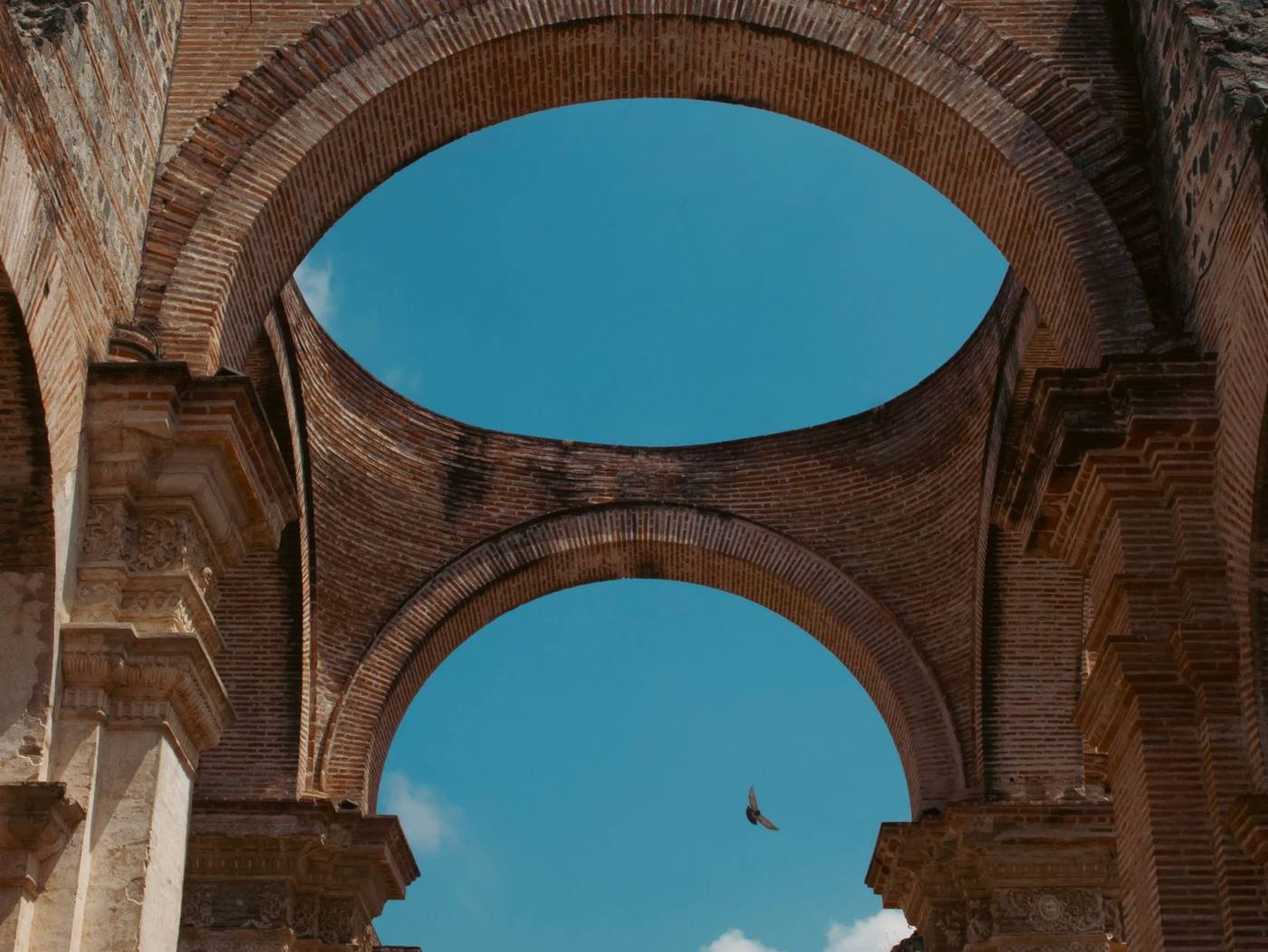
The UNESCO colonial city of Antigua beneath the volcanoes, the Maya market of Chichicastenango and the villages around Lake Atitlán.
 4 daysEasy
Tikal and the Petén
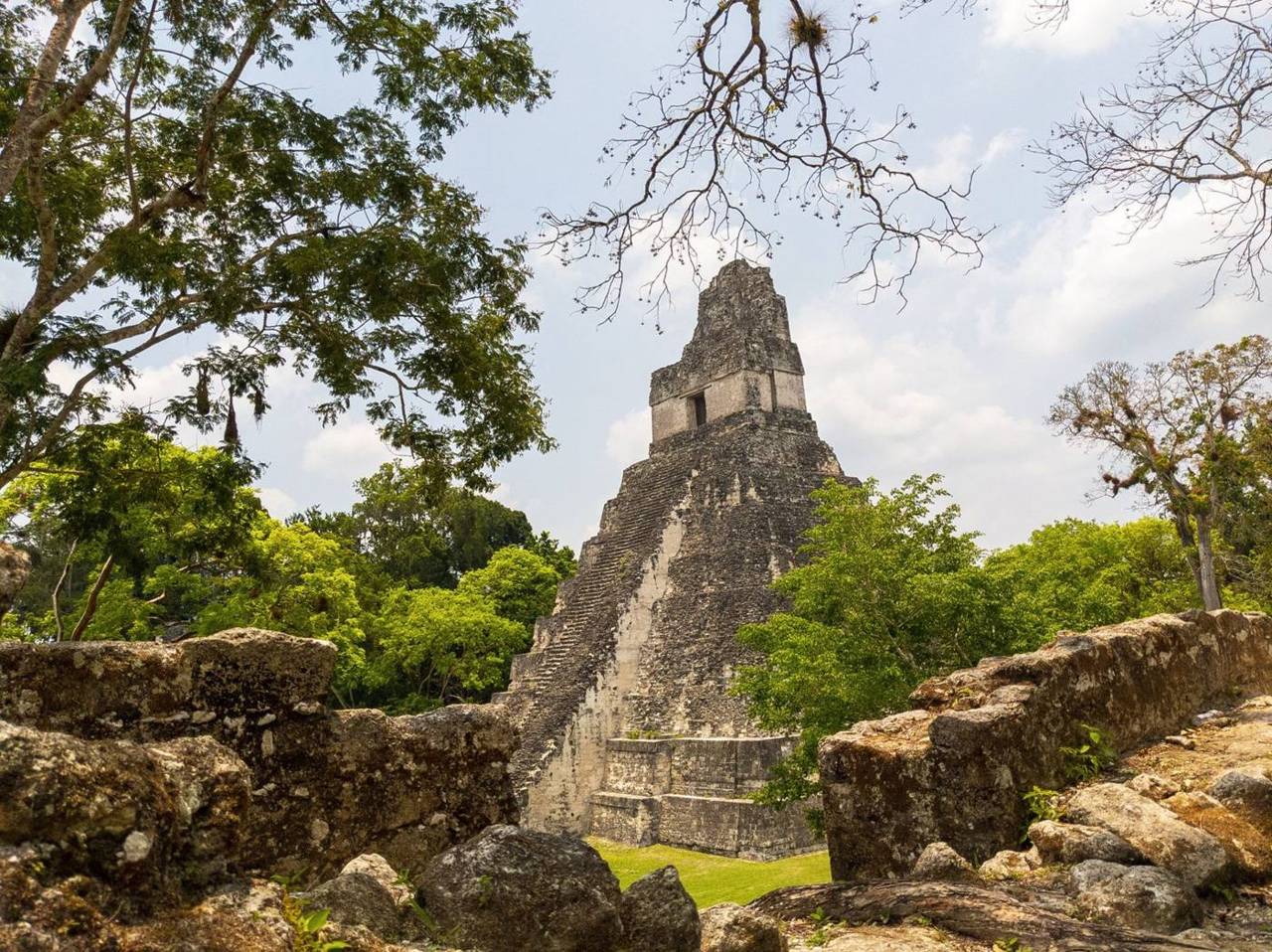
The great Maya city of Tikal in the jungle, with howler monkeys and toucans, sunrise from Temple IV and the island town of Flores on Lake Petén Itzá.
 5 daysModerate
Semuc Champey and the Verapaces
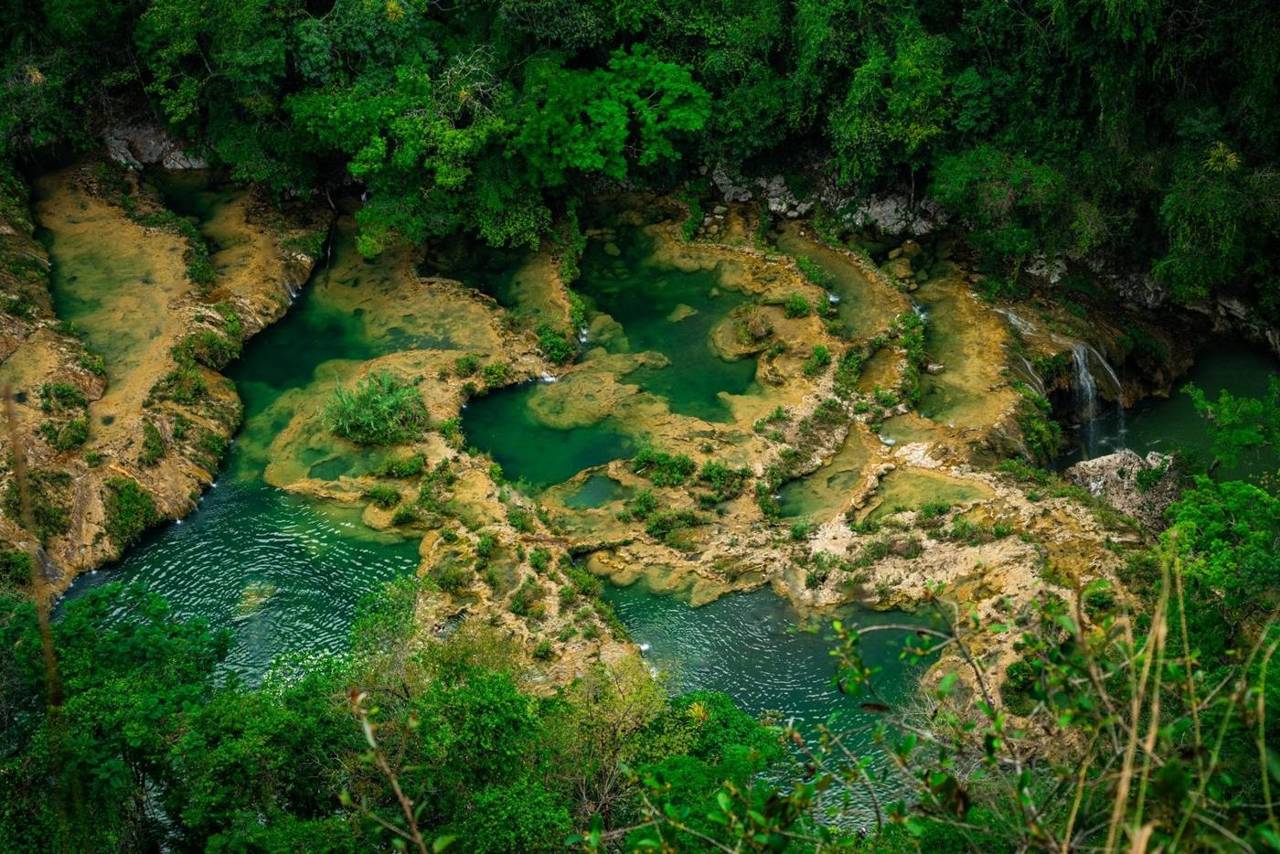
The turquoise pools of Semuc Champey above an underground river, the K'anba cave by candlelight and the cardamom farms of Cobán.