Syros, Tinos and Andros
The northern Cyclades, authentic and close to Athens: Ermoupoli, the neoclassical capital of the Cyclades, and the Catholic quarter of Ano Syros, Tinos with the shrine of the Panagia, its marble villages and dovecotes, and Andros with waymarked trails between waterfalls, villages and beaches.
- Piraeus
- Syros
- Ermoupoli
- Tinos
- Pyrgos
- Andros
- Rafina
Day by day
- Day 1
From Piraeus to Syros: Ermoupoli, the elegant capital of the Cyclades
This trip crosses three islands of the northern Cyclades, close to Athens but very different from the famous islands: Syros, with its neoclassical capital, Tinos, island of pilgrims and marble, and green Andros, with springs, waterfalls and trails. These are islands lived in by Greeks all year round, with less mass tourism.
On the first day take the ferry from Piraeus, the port of Athens, to Syros, in about three or four hours depending on the ship.
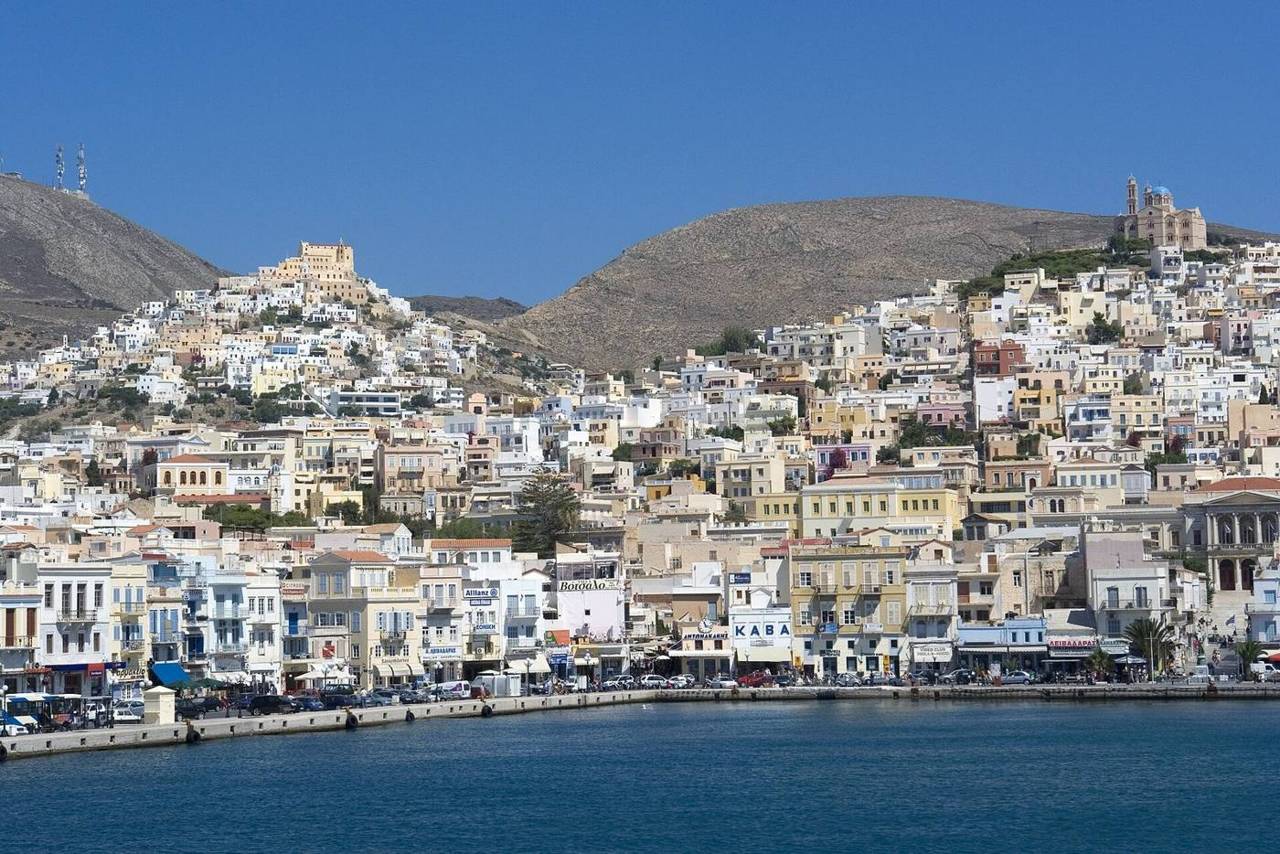
Arriving by sea, Ermoupoli appears as an amphitheatre of pastel houses climbing two hills. In the nineteenth century it was the main port of newly independent Greece, with shipyards, merchants and banks. Grand neoclassical mansions and marble squares remain from that time.
In the afternoon walk to Miaouli Square, one of the finest in Greece, paved entirely in marble, with palm trees and cafés, dominated by the great town hall designed by a German architect. Nearby is the Apollon theatre, a small nineteenth century theatre inspired by Italian opera houses, and the church of Saint Nicholas with its blue dome.
At sunset go to the Vaporia district, with shipowners' mansions overlooking the sea, where people dive straight off the rocks.
In the evening have dinner by the harbour. Try Syros loukoumi, soft sweets of sugar and starch, the island's speciality.
Spend the night in Ermoupoli.
Practical tip: in Greece accommodation charges a per night tax, paid on site. Check ferry times, which change with the season.
- Day 2
Ano Syros and the southern beaches
In the morning go up to Ano Syros, the medieval village on the hill next to Ermoupoli, on foot up many steps or by bus. It was founded by the Venetians in the thirteenth century and has a long Catholic tradition: many residents are still Catholic, while Ermoupoli is mostly Orthodox. At the top stands the Catholic cathedral of Saint George, with a wide view over the port and the nearby islands.
Walk the narrow lanes, with arches, stairs and white houses. Markos Vamvakaris, one of the fathers of rebetiko, Greek popular music, was born here: a small museum tells his story.
In the afternoon head down to the beaches in the south of the island, reached by bus or car. Galissas, in the west, has a sheltered sandy bay. Finikas and Posidonia are quiet villages with nineteenth century villas and small beaches. Vari and Kini are other bays with calm water and fish tavernas.
In the evening return to Ermoupoli, or stay in Kini for the sunset, one of the island's finest.
Spend the night in Ermoupoli.
Practical tip: buses circle Syros, but they are less frequent out of season. In summer the northern beaches are exposed to the meltemi, the strong Cyclades wind: on those days choose bays in the south and west.
- Day 3
Tinos: the sanctuary of Panagia Evangelistria
Today take the ferry from Syros to Tinos, a short crossing of less than an hour.
Tinos is the most important religious island in Greece. In 1823 a nun from a monastery on the island had a vision, and an icon of the Virgin was found in a field. On the spot the sanctuary of Panagia Evangelistria was built, a large white marble church at the top of the town's main street.
A long avenue climbs from the port to the church. Beside the road runs a strip of carpet: many pilgrims, fulfilling a vow, go along it on their knees from the port to the icon. Inside the church, full of silver lamps and votive offerings, the icon is covered in jewels given by the faithful. It is a place of deeply felt faith, to be visited with respect and suitable clothing.
On 15 August, the feast of the Assumption, thousands of pilgrims come to Tinos from all over Greece for a great procession.
In the afternoon walk around Chora, with lanes, shops selling religious and marble objects, and the archaeological museum. Then go to a nearby beach such as Agios Fokas, just outside town.
In the evening have dinner in Chora with Tinos produce: artichokes, cheeses and capers.
Spend the night on Tinos.
Practical tip: shoulders and knees must be covered in the church. Around 15 August and 25 March the island is full: avoid those dates if you want peace, or book far ahead to see the festival.
- Day 4
Pyrgos, marble villages and dovecotes
Today discover the interior of Tinos, with more than forty villages scattered across the hills. You need a car or scooter, as buses are few.
The first stop is Pyrgos, in the north of the island, the village of marble carvers. Tinos has quarries of white and green marble, and for centuries sculptors and craftsmen left from here to work all over Greece. In Pyrgos doors, fountains, windows and cemetery tombs are decorated with marble carvings. The museum of marble crafts explains this tradition, with tools, sculptures and workshops. There is also the house museum of one of the village's most famous sculptors.
In the afternoon cross the countryside, dotted with dovecotes, small white towers decorated with geometric openwork patterns, built by the Venetians and later by islanders to raise pigeons. There are hundreds on the island, especially in the Tarabados valley.
Then go to the village of Volax, in a lunar landscape of huge round granite boulders scattered across the hillside. Baskets are still woven in the village.
At sunset climb Mount Exomvourgo, with the remains of a Venetian castle and a view over the whole island.
Spend the night on Tinos.
Practical tip: Tinos's inland roads are narrow and winding. Drive slowly and watch out for goats. Check the opening hours of the marble museum.
- Day 5
Ferry to Andros and the seaside Chora
Today take the ferry from Tinos to Andros, in about an hour or a little more. You arrive at the port of Gavrio, in the north west of the island.
Andros is the northernmost of the Cyclades and one of the greenest. It has mountains, valleys with springs and streams, stone terraces, woods and scattered villages. Many Greek shipowning families come from here, and the island has a long seafaring tradition.
From Gavrio cross the island to Chora, the main town on the east coast, about an hour's drive. Chora is built on a narrow peninsula jutting into the sea, with fine houses, neoclassical mansions and a marble main street. At the end of the peninsula, on an islet joined by an arched stone bridge, are the remains of a Venetian castle. In front, on a rock, stands the statue of the unknown sailor.
In the afternoon visit the museum of contemporary art, which hosts major exhibitions every summer, and the maritime museum, with ship models and stories of the island's sailors.
In the evening have dinner in Chora with Andros cooking, such as the omelette with sausage and potatoes.
Spend the night in Chora.
Practical tip: Andros is large and mountainous: you need a car. The ferry to Rafina and Athens leaves from Gavrio: bear this in mind for the last day.
- Day 6
An Andros trail among waterfalls and villages
Today is a walking day. Andros has a network of old stone paths that once linked villages, mills and monasteries. They have been restored and carefully waymarked by a group of volunteers, and today they are among the best kept hiking trails in Greece.
A very beautiful route starts from Chora or a nearby village and climbs into the Pithara valley, with big trees, streams, small waterfalls and old watermills. Further on you pass villages with stone houses, white churches, vegetable gardens and terraces. Another famous route leads to the Achla waterfall and the beach of the same name, one of the island's most beautiful.
Trails vary in length, from an hour to a full day. Along the way there are fountains, chapels and shade.
In the afternoon, after the walk, swim at one of the east coast beaches, such as Tis Grias to Pidima, with a tall, pointed rock standing in the water, or in the bays near Chora.
In the evening return to Chora or stay in an inland village.
Spend the night in Chora.
Practical tip: in summer walk early in the morning. Bring water, a hat and hiking shoes. Trail maps are available at tourist offices and online; check the state of the paths after rain.
- Day 7
Ferry to Rafina and departure from Athens
On the last day cross the island to Gavrio and take the ferry to Rafina, a port on the east coast of Attica, in about two hours. Rafina is smaller than Piraeus and much closer to Athens airport, about half an hour by road, with buses and taxis.
If your flight is in the afternoon or evening, you have a few hours. You can visit the Temple of Poseidon at Cape Sounion, at the tip of Attica, about an hour from Rafina, or stroll around Rafina harbour, with fish tavernas by the sea. The temple, built in the fifth century BC, stands on a cliff above the sea and is famous for its sunsets, when the marble columns glow against the water.
If you have an extra night in Athens, walk below the Acropolis in the Plaka district and climb Philopappos Hill to see the Parthenon at sunset.
Before leaving, buy some island produce: Syros loukoumi, Tinos capers and cheeses, Andros almond sweets.
Practical tip: allow a generous margin between the ferry and your flight. With the meltemi, the strong summer wind, Cyclades ferries are sometimes cancelled or delayed. If possible, return to the mainland the day before your flight. In summer there is wildfire risk in the Attica countryside: follow the authorities' instructions.
Andros and Tinos are two to four hours by ferry from Rafina, the port nearest Athens airport. The meltemi, the summer wind, can be strong and make the sea rough. On 15 August Tinos hosts a large pilgrimage: accommodation is impossible to find. A valid identity card is enough for EU citizens. Accommodation charges a nightly tax that varies with season and category. In summer the wildfire risk is high: on alert days some forest areas and trails may be closed, and lighting fires outdoors is forbidden.
Before you go
- Documents and visa
- EU citizens need a valid identity card or passport, including on ferries, where ID may be checked at boarding. Other nationalities should check the Schengen rules.
- Health and vaccines
- No vaccines required. EU citizens should bring their EHIC; in summer protect yourself from the sun and drink plenty. Emergencies: 112.
- Money and payments
- Euro. Cards are accepted almost everywhere; every accommodation charges a fee per room per night, often paid on departure.
- Power sockets
- Types C and F, 230 volts.
- Time zone
- Eastern European Time (UTC+2), summer time (UTC+3) from late March to late October.
- Safety
- A safe country. In summer watch for wildfires and 112 alerts; in Athens, for pickpockets on the metro. Official advice: GOV.UK.
Information checked in November 2026 for Italian and EU citizens. Rules change: always check before you travel.
Variations
In 4 days: just Syros and Tinos, returning to Piraeus.
In 10 days: add Mykonos or Naxos after Tinos, before Andros.
Frequently asked questions
When is the best time to go?
May, June and September, with warm sea and less wind. April and October are excellent for walking on Andros.
Do I need a car?
Not on Syros, which has buses. On Tinos and Andros yes, because the interior is large and transport is limited.
Are these good beach islands?
Yes, but with the meltemi some beaches are windy. Choose sheltered bays according to the day's wind.
Indicative itinerary written by World Atlas. Before booking, check timetables, seasonal openings, documents and safety.
 5 daysChallenging
Mount Olympus, Dion and Vergina
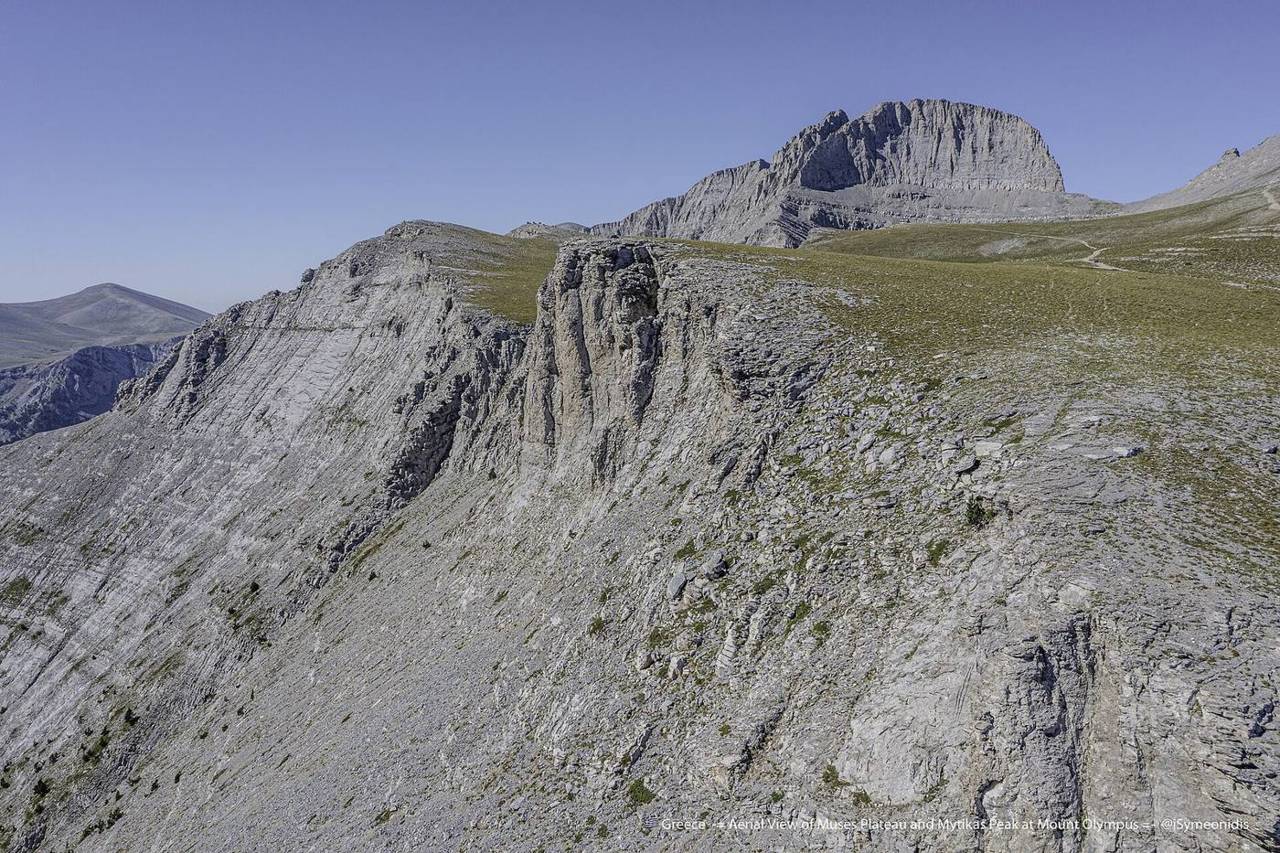
The mountain of the gods and ancient Macedonia: the Enipeas gorge from Litochoro, the climb to the Spilios Agapitos refuge and the summit of Mytikas, 2,918 metres, then the sacred city of Dion at the foot of the mountain and the royal tombs of Aigai at Vergina (UNESCO).
 6 daysEasy
Kythira and Elafonisos
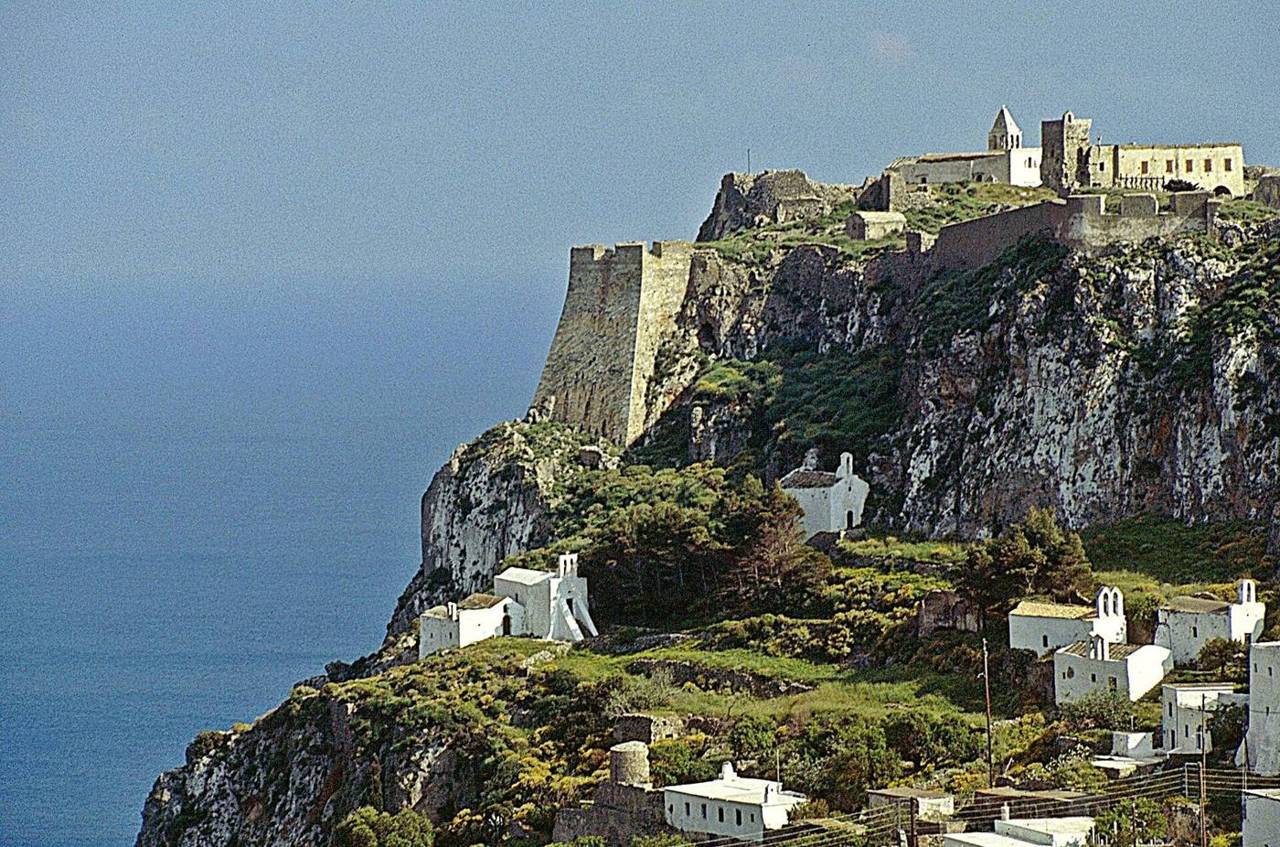
Between the Peloponnese and Crete: Kythira with the Venetian castle at Chora above Kapsali, the Neraida waterfalls at Mylopotamos, its villages and secluded beaches, then Elafonisos with the dunes and white sand of Simos.
 4 daysEasy
Athens in depth and Cape Sounion
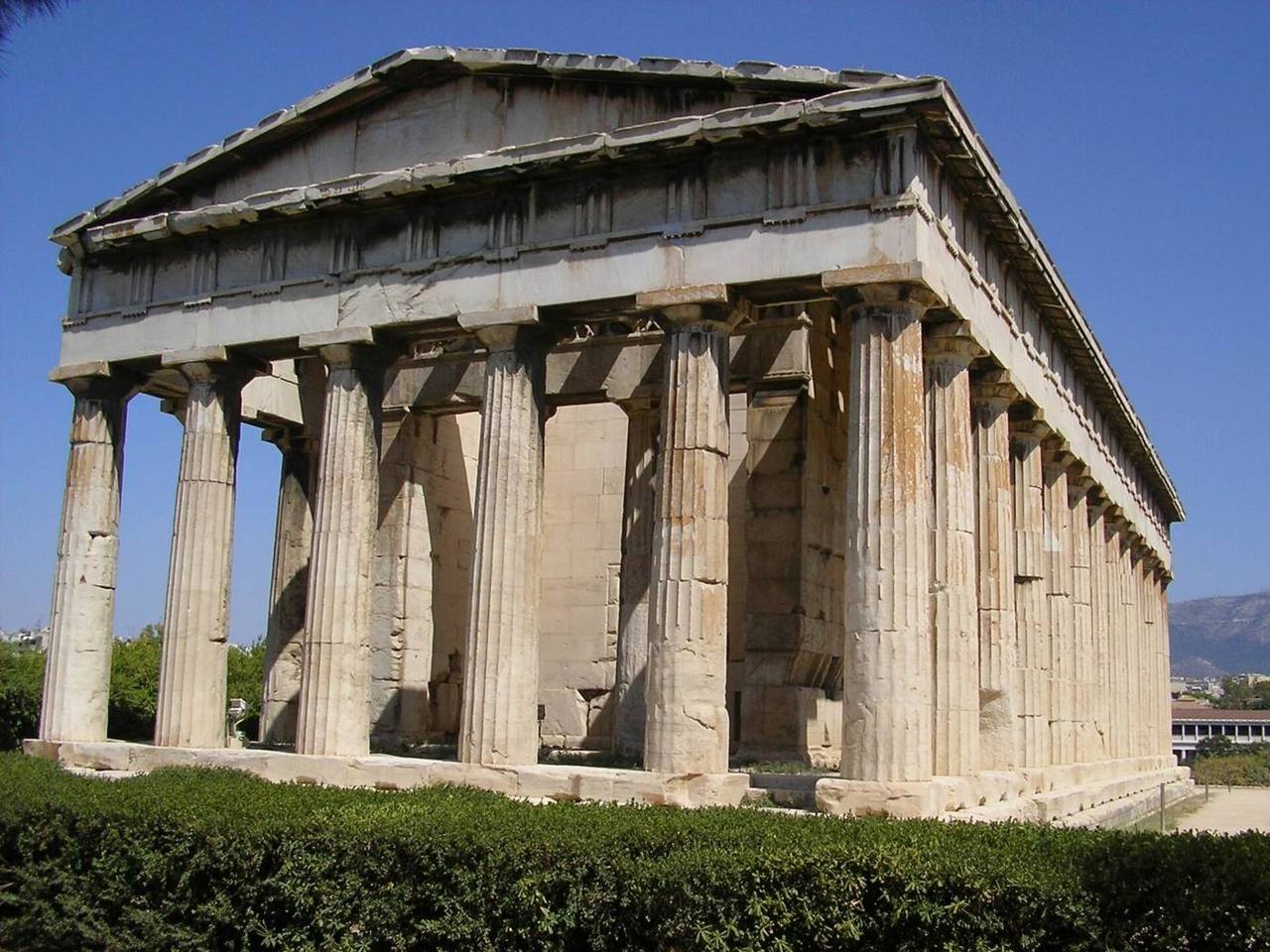
Athens beyond the Acropolis: the National Archaeological Museum, the Ancient Agora with the temple of Hephaestus, the Kerameikos, the Anafiotika quarter, Lycabettus Hill, the Benaki Museum, the Stavros Niarchos Foundation Cultural Center and the temple of Poseidon at Cape Sounion at sunset.