Athens in depth and Cape Sounion
Athens beyond the Acropolis: the National Archaeological Museum, the Ancient Agora with the temple of Hephaestus, the Kerameikos, the Anafiotika quarter, Lycabettus Hill, the Benaki Museum, the Stavros Niarchos Foundation Cultural Center and the temple of Poseidon at Cape Sounion at sunset.
- Athens
- Piraeus
- Cape Sounion
Day by day
- Day 1
The Ancient Agora, Kerameikos and Anafiotika
Greece is in the European Union and the Schengen area: EU citizens need only a valid identity card or passport. From Athens airport you reach the centre by metro or suburban train in about forty minutes. This trip is designed for those who have already seen the Acropolis, or want to add it at leisure: an Acropolis ticket costs 30 euros and is best bought online with a timed entry.
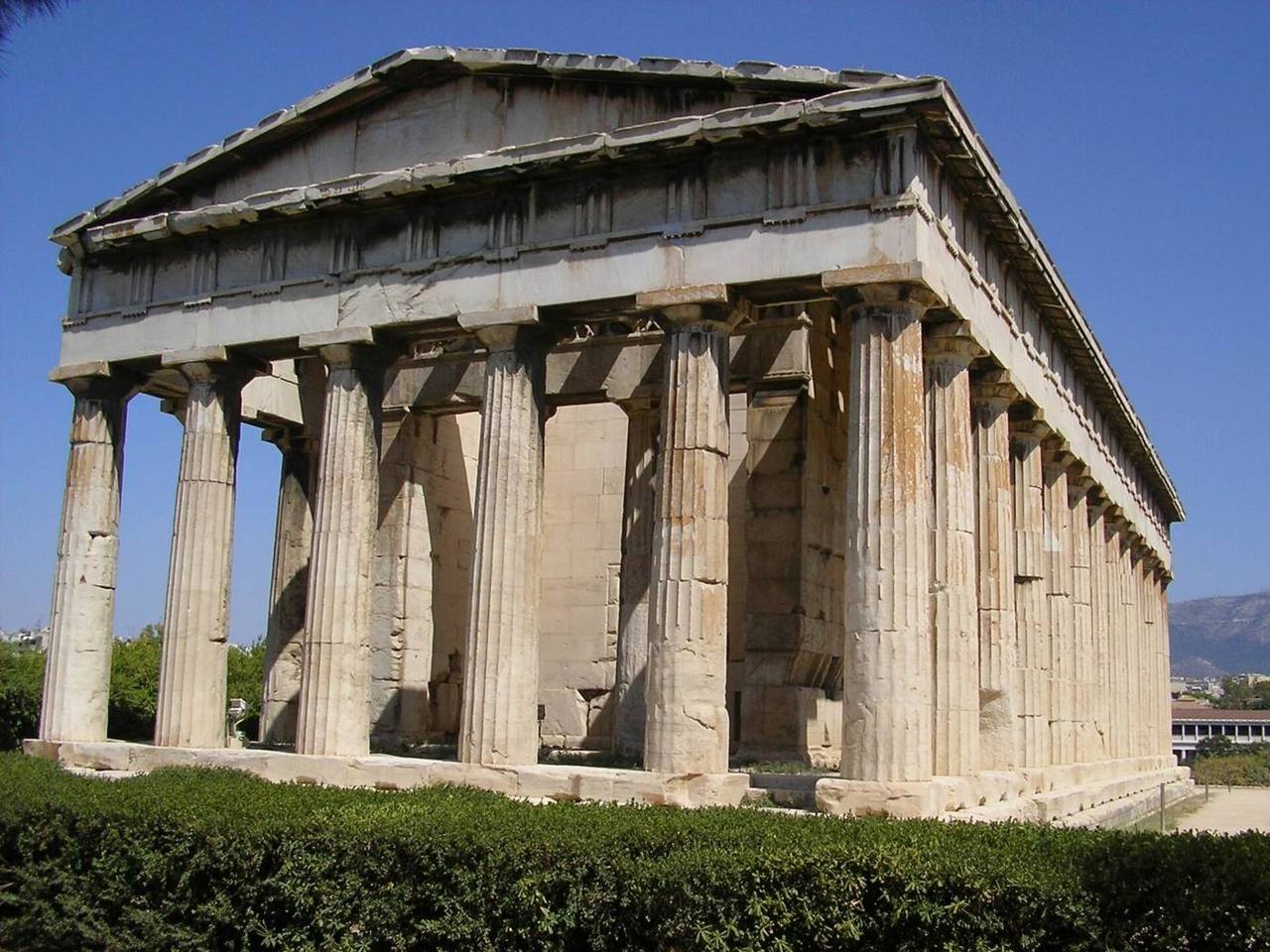
In the morning visit the Ancient Agora below the Acropolis, the square where Athenian public life took place for centuries: the market, the courts, the assemblies, and the walks of Socrates with his pupils. You wander among the ruins up to the Temple of Hephaestus on the hill, the best-preserved ancient Greek temple in the world, with all its columns and roof still standing, and to the Stoa of Attalos, a long rebuilt portico housing the Agora museum, with objects from the daily life of ancient Athenians.
In the early afternoon reach Kerameikos, the potters' quarter and great cemetery of ancient Athens outside the walls, quiet and little visited, with monumental tombs, carved steles and the remains of the city gates, from which the Sacred Way to Eleusis began.
In the late afternoon climb to Anafiotika, a small quarter of white houses and narrow lanes clinging to the foot of the Acropolis, built in the nineteenth century by builders from the island of Anafi, which looks like a Cycladic village in the heart of the city.
Practical tip: Athens' archaeological sites are very hot in summer with little shade; visit at opening time and bring water and a hat.
- Day 2
The National Archaeological Museum and Lycabettus at sunset
In the morning visit the National Archaeological Museum in the Exarchia district, Greece's most important museum and one of the largest museums of ancient art in the world. Allow at least three hours.
Among its most famous works are the gold Mask of Agamemnon, found in the royal tombs of Mycenae; the great bronze of a god, Zeus or Poseidon, recovered from the sea off Cape Artemision with his arm outstretched to throw; the Jockey of Artemision, a bronze boy on horseback; the archaic kouroi, naked youths with mysterious smiles; and the Antikythera mechanism, a bronze device with gears over two thousand years old, considered the oldest known astronomical calculator. There are also the Akrotiri frescoes from Santorini, with blue monkeys and fishermen.
In the afternoon stroll through elegant Kolonaki, with shops and cafés, at the foot of Lycabettus hill.
At sunset climb Lycabettus, the highest hill in central Athens at about 277 metres, on foot along a path through the pines in about thirty to forty minutes, or by the small funicular cut into the rock. At the top, next to the white chapel of St George, you see the whole city to the sea and the islands, with the floodlit Acropolis standing out in the evening.
In the evening have dinner in a taverna with meze, small Greek dishes to share.
Practical tip: check the National Archaeological Museum's opening hours, which differ between summer and winter.
- Day 3
The Benaki Museum and the Stavros Niarchos centre
In the morning visit the Benaki Museum in Kolonaki, in a large neoclassical mansion donated by a family of collectors. It is the ideal museum for understanding Greece as a whole, from prehistory to today: ancient pottery, Byzantine gold jewellery, icons, traditional costumes from the islands and villages, embroidery, reconstructed Ottoman-era interiors with painted wood, and objects from the nineteenth-century war of independence. From the museum terrace you see the National Garden.
Then walk through the National Garden, the large shady park beside Parliament, created for Greece's first queen, with ponds and trees. In front of Parliament, in Syntagma Square, watch the changing of the guard of the Evzones, the presidential guard soldiers in white kilts and pompom shoes, held every hour, with a more solemn ceremony on Sunday mornings.
In the afternoon take the shuttle or a taxi to the Stavros Niarchos Foundation Cultural Center on the coast south of the centre, designed by Renzo Piano and opened in 2016. It houses the National Library and the National Opera beneath a large solar canopy that seems to float. Around it is a large public park with a water canal, and from the Lighthouse, the panoramic terrace at the top, you see the whole of Faliro Bay to Piraeus.
In the evening return to the centre and stroll through Plaka, the old quarter, with pedestrian streets and tavernas.
Practical tip: the Niarchos park is at no cost and often hosts open-air concerts and events.
- Day 4
The coast to Cape Sounion and departure
Today is a trip along the Attica coast to Cape Sounion, at the southern tip of the peninsula, about an hour and a half from Athens by car or by the bus that leaves from the centre and follows the coast road.
The road runs along the Athens Riviera, with the beaches of Glyfada, Vouliagmeni and Varkiza. On the way, Lake Vouliagmeni is a small brackish lake, always mild, fed by underground springs at the foot of a rock face, where people swim all year; entry is charged.
At Cape Sounion, on a headland high above the Aegean, stands the Temple of Poseidon, god of the sea, built in the fifth century BC in the same period as the Parthenon, its white marble columns outlined against the blue sea. According to legend, from here King Aegeus threw himself into the sea believing his son Theseus dead, giving the sea its name. On one of the columns you can still see the name carved by the English poet Lord Byron in the nineteenth century.
Sunset at Cape Sounion is one of the most famous in Greece; if your flight leaves in the evening or the next day, stay until then.
Athens airport is about an hour from Sounion on the inland road.
Things to take home: olive oil, thyme honey, Aegina pistachios, Chios mastic, painted ceramics and handmade leather sandals.
Practical tip: Cape Sounion is very windy with little shade; in summer go in the late afternoon. Check your government's travel advice before leaving.
For those who have already seen the Acropolis or want a few extra days. The combined ticket covers the Agora, the Kerameikos and other sites. In July and August the heat is intense and open-air sites may close at midday during heatwaves. A valid identity card is enough for EU citizens. Accommodation charges a nightly tax that varies with season and category. In summer the wildfire risk is high: on alert days some forest areas and trails may be closed, and lighting fires outdoors is forbidden.
Before you go
- Documents and visa
- EU citizens need a valid identity card or passport, including on ferries, where ID may be checked at boarding. Other nationalities should check the Schengen rules.
- Health and vaccines
- No vaccines required. EU citizens should bring their EHIC; in summer protect yourself from the sun and drink plenty. Emergencies: 112.
- Money and payments
- Euro. Cards are accepted almost everywhere; every accommodation charges a fee per room per night, often paid on departure.
- Power sockets
- Types C and F, 230 volts.
- Time zone
- Eastern European Time (UTC+2), summer time (UTC+3) from late March to late October.
- Safety
- A safe country. In summer watch for wildfires and 112 alerts; in Athens, for pickpockets on the metro. Official advice: GOV.UK.
Information checked in November 2026 for Italian and EU citizens. Rules change: always check before you travel.
Variations
In 2 days: the Ancient Agora, Anafiotika and Lycabettus on day one, the National Archaeological Museum and Cape Sounion at sunset on day two.
In 7 days: add the Acropolis and its museum, a trip to Delphi, or a ferry from Piraeus to the Saronic islands such as Aegina and Hydra.
Frequently asked questions
Do I need a passport for Greece?
No: EU citizens need only a valid identity card. Greece is in the European Union and the Schengen area.
How much is the Acropolis?
An Acropolis ticket costs 30 euros; it is best bought online with a timed entry, going at opening time.
How do I get to Cape Sounion?
By car in about an hour and a half along the coast, or by the bus from central Athens. Sunset is the best time.
Indicative itinerary written by World Atlas. Before booking, check timetables, seasonal openings, documents and safety.
 6 daysEasy
Karpathos, Olympos and the wild coast
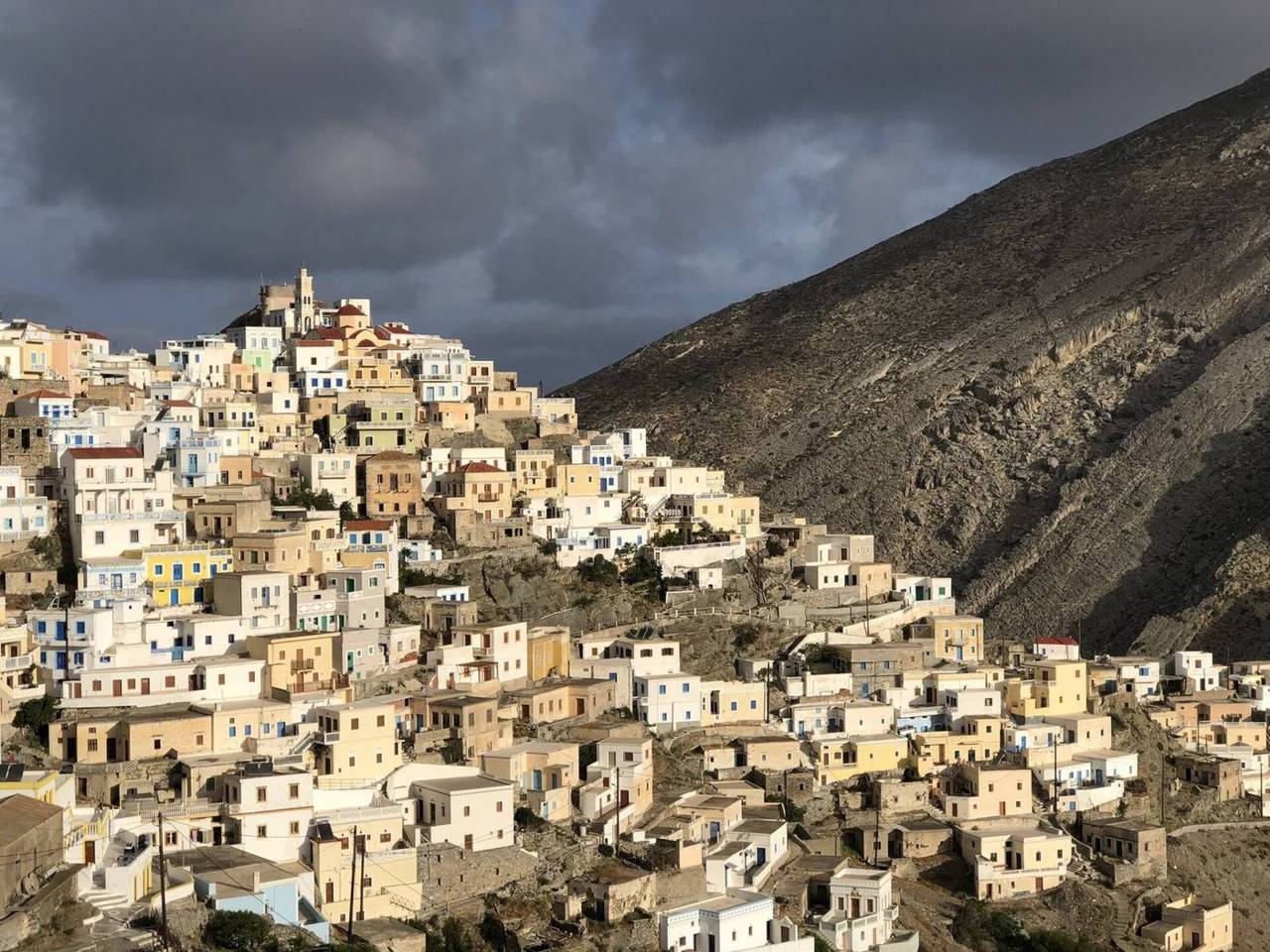
The Dodecanese island between Rhodes and Crete: the harbour at Pigadia, the beaches of Apella, Kyra Panagia and Achata, the ridge-top village of Olympos with its windmills and living traditions, Diafani and the trails of the north.
 9 daysChallenging
Zagori on Foot: the Vikos Gorge and the Stone Villages
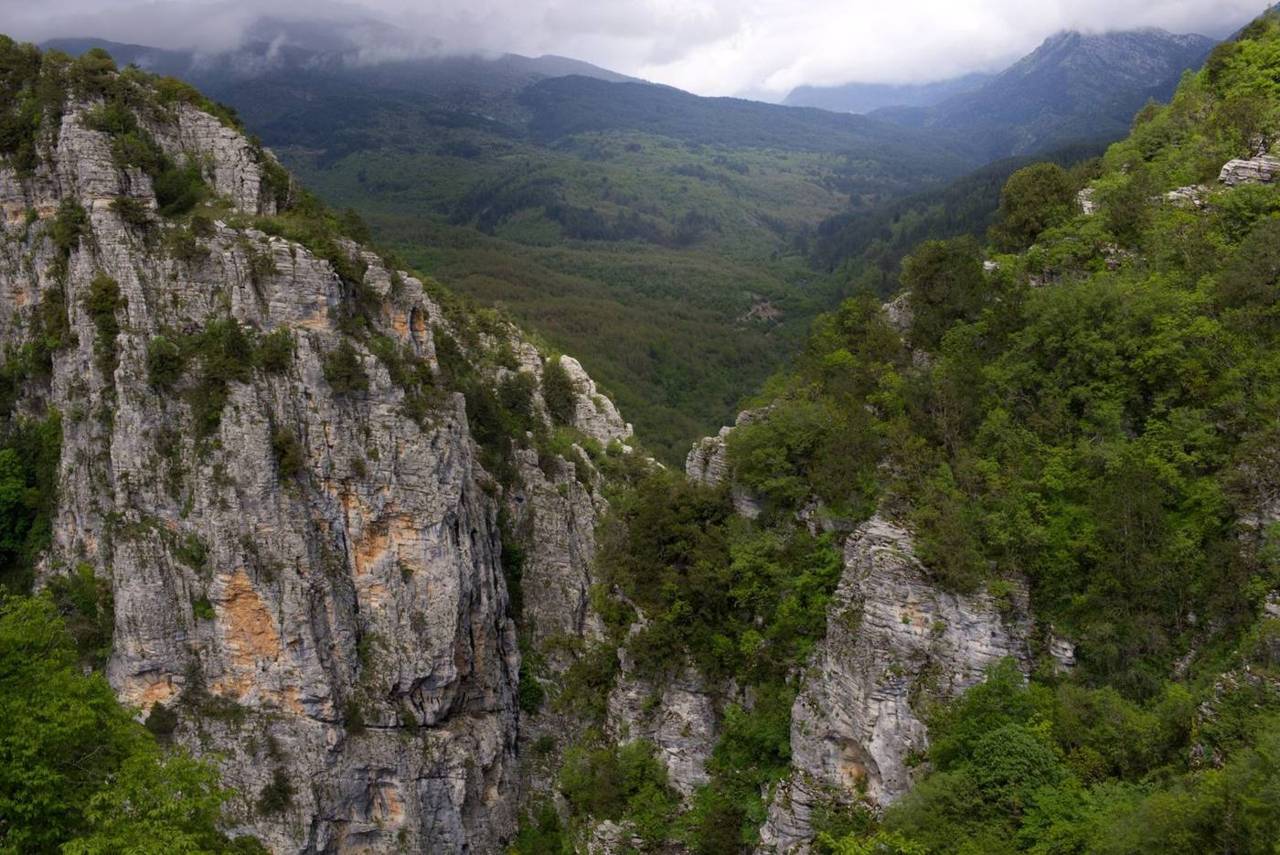
Four days of walking in Epirus, from Monodendri to Tsepelovo, with a night in a mountain hut below Astraka and two closing days in Athens.
 9 daysEasy
Byzantine Greece: Thessaloniki, Halkidiki and Kavala
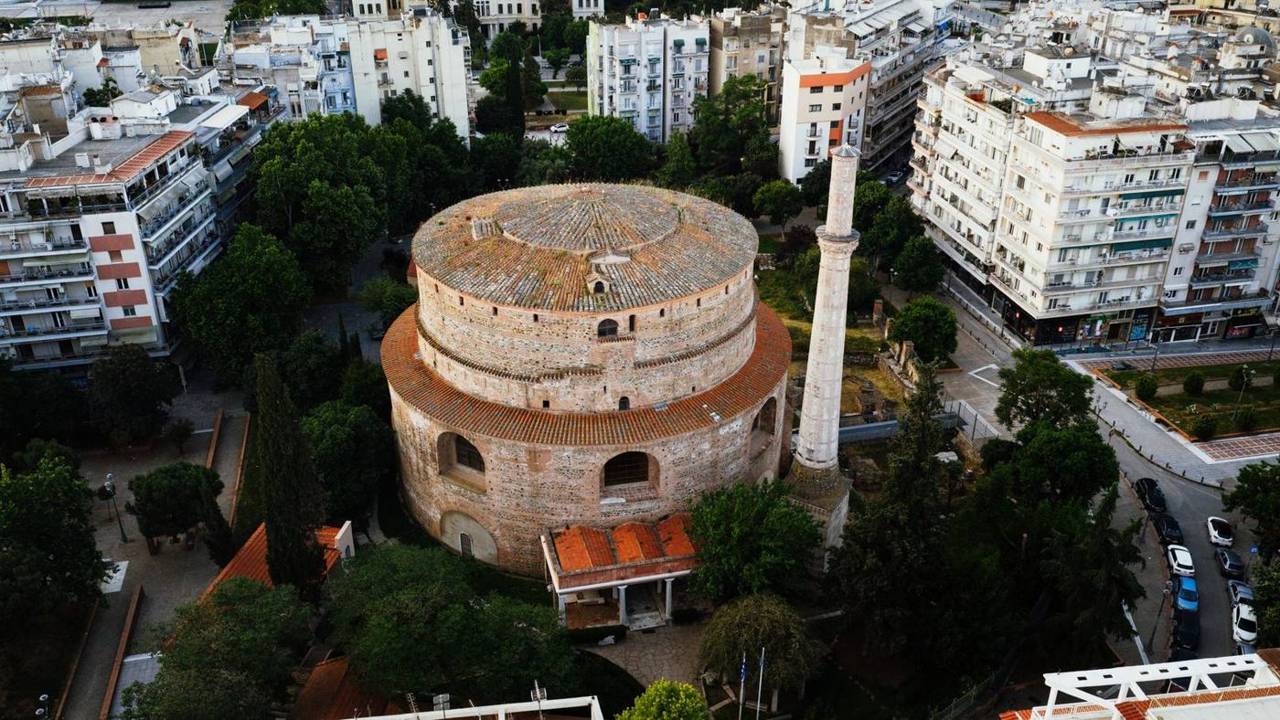
A loop through northern Greece among Byzantine churches, mountain monasteries and the outline of Mount Athos seen from the sea, designed for the colder months.