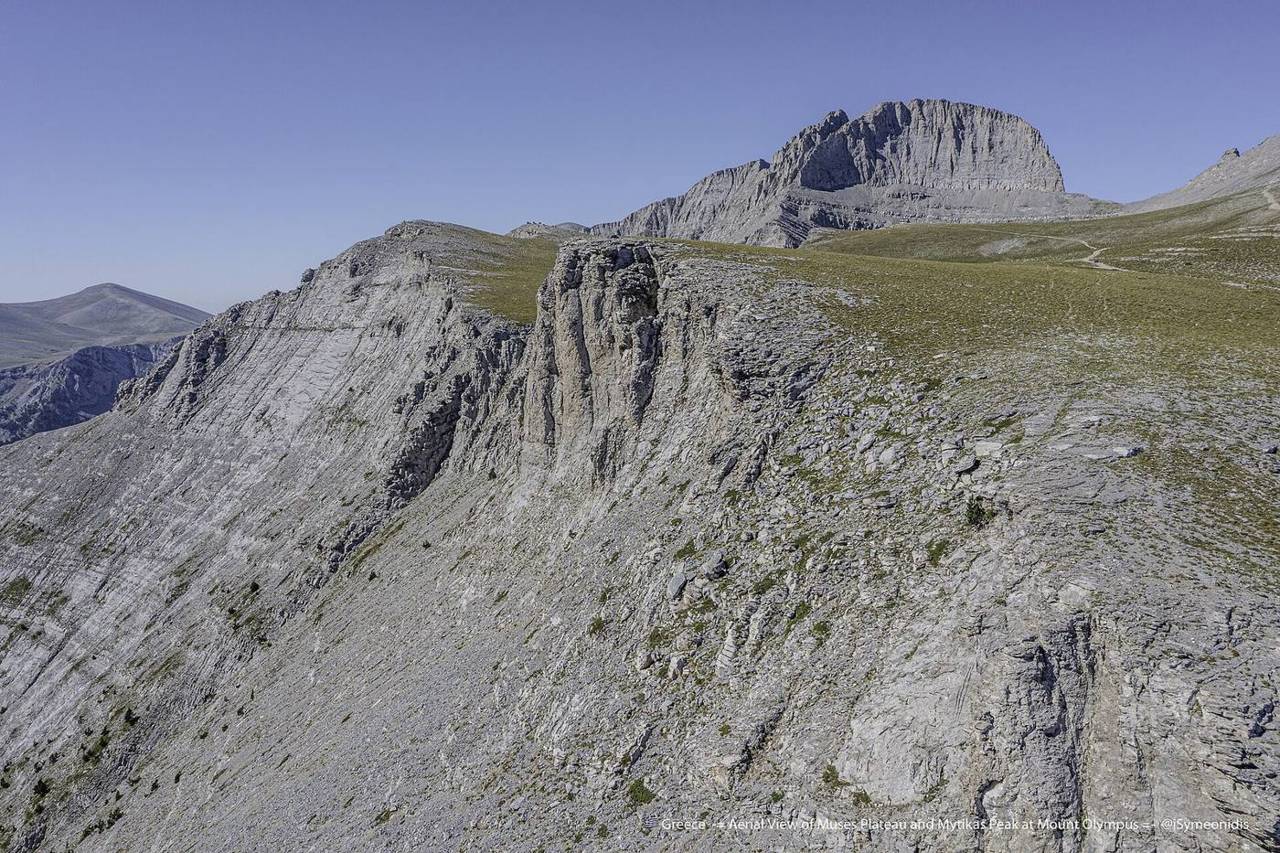
Mount Olympus, Dion and Vergina
The mountain of the gods and ancient Macedonia: the Enipeas gorge from Litochoro, the climb to the Spilios Agapitos refuge and the summit of Mytikas, 2,918 metres, then the sacred city of Dion at the foot of the mountain and the royal tombs of Aigai at Vergina (UNESCO).
- Thessaloniki
- Litochoro
- Prionia
- Mytikas
- Dion
- Vergina
Day by day
- Day 1
From Thessaloniki to Litochoro and the Enipeas gorge
To enter Greece EU citizens can use a valid identity card or passport. Check the rules for your nationality.
Mount Olympus, the highest mountain in Greece, is in myth the home of the gods, with Zeus ruling the world from its summit. It rises almost straight from the Aegean Sea between Macedonia and Thessaly and became Greece's first national park in 1938. At its foot lie two of ancient Macedonia's most important sites: Dion, the city sacred to Zeus, and Vergina, with the royal tombs. The season for the summit is usually June to September; refuges are open roughly from May to October.
In the morning, from Thessaloniki airport, take a car or the train to Litochoro, about an hour and a quarter, the village at the foot of the mountain a few kilometres from the sea and the starting point for hikes. It has gear shops, guides and the park information office.
In the afternoon walk in the Enipeas gorge, the river that flows down the mountain to the sea, on a marked trail from the upper part of the village. The path follows the stream between rock walls, pine and plane woods and clear green pools with small waterfalls. After about an hour and a half you reach the Monastery of Saint Dionysios, founded in the sixteenth century, destroyed by the Germans in 1943 and partly rebuilt. The full trail continues to Prionia in about four or five hours; with little time, turn back.
In the evening pack for the climb and eat in the village.
Practical tip: book refuge beds well ahead, especially for July and August weekends.
- Day 2
From Prionia to the Spilios Agapitos refuge
In the morning drive or take a taxi to Prionia, about eighteen kilometres from Litochoro at around 1,100 metres, the end of the road, with a spring, a waterfall and a refreshment point. From here the main summit trail starts, part of the European E4 path.
The climb to the Spilios Agapitos refuge, also called Refuge A, at about 2,100 metres, takes about three hours with roughly a thousand metres of ascent. The well-marked path runs entirely through forest, zigzagging among beeches and then black pines and Bosnian pines, grey-barked trees with scaly trunks that grow only high in the mountains of the Balkans and southern Italy. As you climb, views of the valleys and the sea open between the trees.
In the afternoon, at the refuge, rest and take in the landscape: from here you see the mountain walls and, at sunset, the Thermaic Gulf turning red. The refuge has dormitory beds, hot meals and water; in the evening the keepers give information on the weather and the summit trail. Everyone goes to bed early, as departure is before dawn.
The mountain is home to chamois, roe deer and many birds of prey, and its flora counts more than sixteen hundred plant species, some of which grow nowhere else.
Practical tip: even in summer it can be cold up high and the weather changes quickly; bring a waterproof jacket, a fleece, gloves and a hat, and at least two litres of water.
- Day 3
Mytikas summit at dawn with a guide and the descent
Leave the refuge before dawn with a head torch, heading for the top. The path climbs above the tree line over stony slopes and meadows to Skala, at about 2,880 metres, in around two and a half hours. From here the view opens over the abyss of Kazania, the great bowl between the peaks, and over the main summits.
The last stretch to Mytikas, at 2,918 metres, the highest peak, follows the passage called Kakoskala, the bad stairway: about an hour of easy rock scrambling with exposed sections where you need hands and feet. For those without mountain experience it is advisable to go with a licensed guide, who provides a helmet and, if needed, a rope. Rockfall caused by other hikers is common, so a helmet matters. If you do not feel up to it you can stop at Skala, or climb Skolio, at 2,912 metres, the second summit, reached by an easier path.
From the top, on a clear day, you see the Aegean Sea, the Chalkidiki peninsula and, on the best days, Mount Athos. On the summit there is a small Greek flag and a book where you write your name.
In the afternoon descend the same path to the refuge and then to Prionia, about four or five hours, and return to Litochoro.
Practical tip: start early, as summer afternoons often bring storms to the summit; if there is cloud or strong wind, give up the top.
- Day 4
Dion: the sanctuary and the museum
In the morning rest your legs and visit Dion, about ten kilometres north of Litochoro at the foot of the mountain, the most important sacred site of the ancient Macedonians. Here the kings of Macedon offered sacrifices to Zeus before battles: Alexander the Great held great festivals here before setting out to conquer Persia in 334 BC. The city flourished in Hellenistic and Roman times and was abandoned after earthquakes and floods.
The archaeological park spreads among fields, woods and springs, with water still running among the ruins and frogs croaking. You see the walls, paved streets, Roman baths with their heating system, the theatre, villas with mosaic floors and sanctuaries of several gods. The most evocative is that of Isis, the Egyptian goddess, with copies of the original statues standing in a pool of spring water. There is also the sanctuary of Demeter, among the oldest in Macedonia, and that of Olympian Zeus.
In the afternoon visit the Dion Archaeological Museum in the modern village, with the original statues found in the excavations, mosaics including Dionysus on his chariot, and the remains of a first-century BC water organ, one of the oldest instruments of its kind.
In the evening relax on the beach a few kilometres away, with the mountain behind you.
Practical tip: at Dion bring mosquito repellent, as mosquitoes are numerous around the springs, especially towards evening.
- Day 5
Vergina and the royal tombs, then back to Thessaloniki
In the morning drive north-west to Vergina, about an hour and a quarter, a small village at the foot of the hills on the site of Aigai, the first capital of the kingdom of Macedon. The site is a UNESCO World Heritage site.
In 1977 archaeologist Manolis Andronikos discovered intact royal tombs with extraordinary treasures beneath a great earth mound. One is attributed to Philip II, father of Alexander the Great, killed right here in the theatre of Aigai in 336 BC during his daughter's wedding. The Royal Tombs Museum was built inside the mound, rebuilt as it was, and is visited in the dark like a great crypt: you see the painted tomb façades, weapons, gold wreaths of oak and myrtle leaves, the iron and gold cuirass, and the gold larnax, a small chest holding the king's bones, decorated with the sixteen-rayed sun that became the symbol of Macedonia. The frescoes, including the Abduction of Persephone, are among the rare ancient Greek paintings to survive.
Then visit the great Palace of Aigai, one of the largest buildings of classical Greece, recently restored and reopened, on the hill above the village.
In the afternoon return to Thessaloniki, about an hour, for departure.
Things to take home: mountain honey, Olympus mountain tea, olive oil, Macedonian wine and tsipouro.
Practical tip: photography is not allowed in the Vergina museum. Check your government's travel advice before leaving.
Up to the refuge it is a long hike with no technical difficulty; the last stretch of Mytikas is an easy but exposed scramble: go with a guide or mountain experience. Refuges must be booked. Snow can linger into June. A valid identity card is enough for EU citizens. Accommodation charges a nightly tax that varies with season and category. In summer the wildfire risk is high: on alert days some forest areas and trails may be closed, and lighting fires outdoors is forbidden.
Before you go
- Documents and visa
- EU citizens need a valid identity card or passport, including on ferries, where ID may be checked at boarding. Other nationalities should check the Schengen rules.
- Health and vaccines
- No vaccines required. EU citizens should bring their EHIC; in summer protect yourself from the sun and drink plenty. Emergencies: 112.
- Money and payments
- Euro. Cards are accepted almost everywhere; every accommodation charges a fee per room per night, often paid on departure.
- Power sockets
- Types C and F, 230 volts.
- Time zone
- Eastern European Time (UTC+2), summer time (UTC+3) from late March to late October.
- Safety
- A safe country. In summer watch for wildfires and 112 alerts; in Athens, for pickpockets on the metro. Official advice: GOV.UK.
Information checked in November 2026 for Italian and EU citizens. Rules change: always check before you travel.
Variations
In 3 days without the summit: the Enipeas gorge on day one, Dion on day two, Vergina on day three.
In 7 days: add Thessaloniki, with its Byzantine churches and waterfront, or the Meteora, about two and a half hours away.
Frequently asked questions
Which document do I need for Greece?
A valid identity card or passport for EU citizens.
Is the climb to Mytikas difficult?
The path to Skala is a demanding hike without technical difficulty; the last stretch is an easy but exposed scramble, best with a guide and helmet.
When can I climb Olympus?
Usually from June to September; before and after there may be snow up high. Refuges open roughly from May to October.
Indicative itinerary written by World Atlas. Before booking, check timetables, seasonal openings, documents and safety.
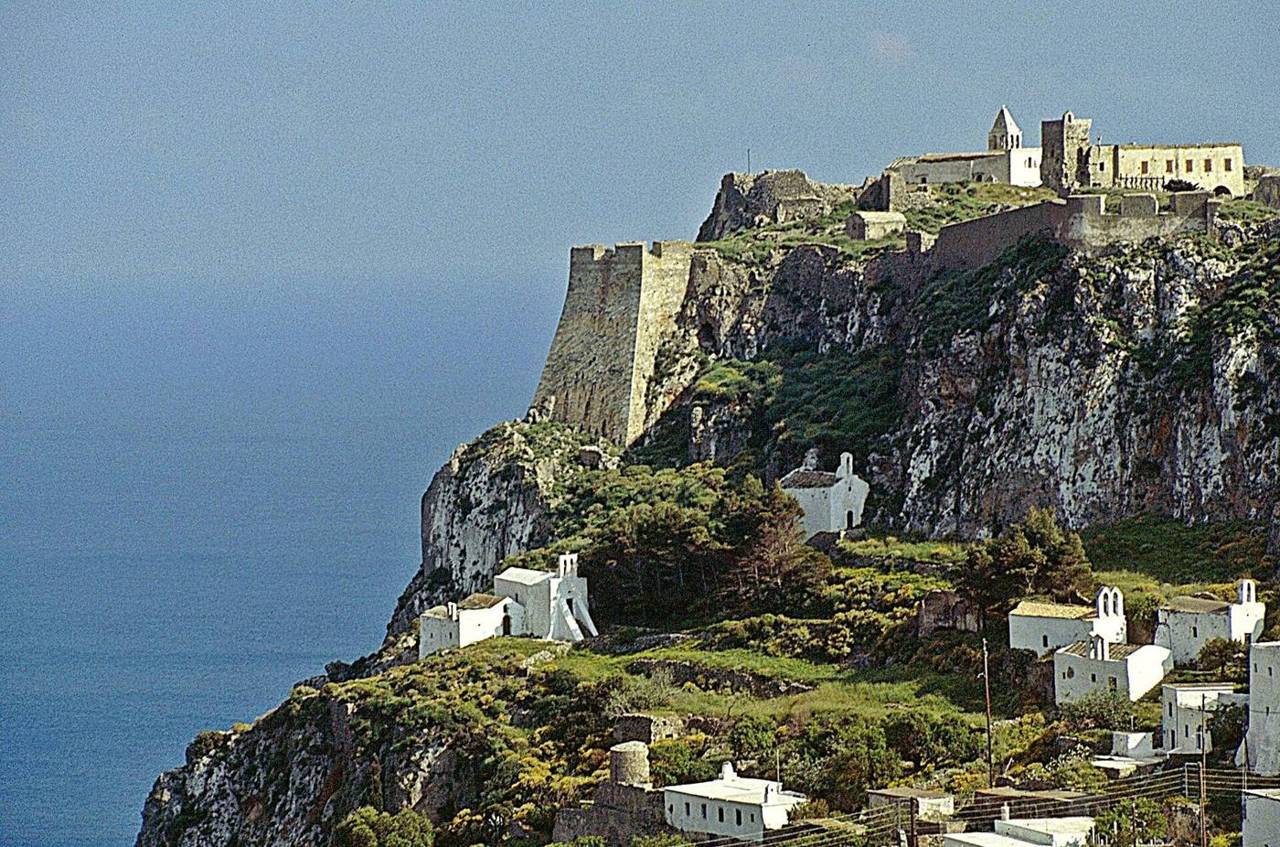 6 daysEasy
Kythira and Elafonisos
Between the Peloponnese and Crete: Kythira with the Venetian castle at Chora above Kapsali, the Neraida waterfalls at Mylopotamos, its villages and secluded beaches, then Elafonisos with the dunes and white sand of Simos.
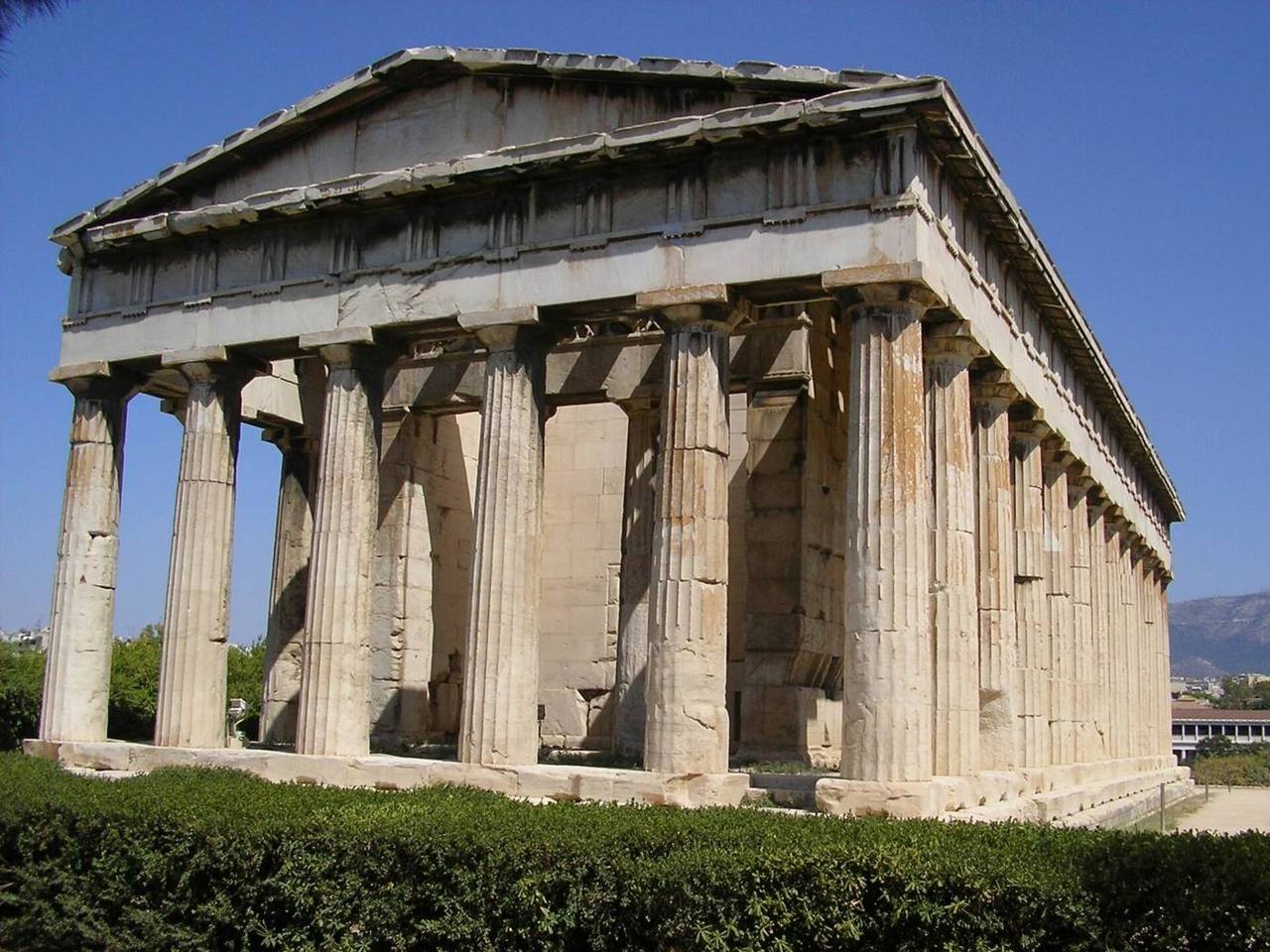 4 daysEasy
Athens in depth and Cape Sounion
Athens beyond the Acropolis: the National Archaeological Museum, the Ancient Agora with the temple of Hephaestus, the Kerameikos, the Anafiotika quarter, Lycabettus Hill, the Benaki Museum, the Stavros Niarchos Foundation Cultural Center and the temple of Poseidon at Cape Sounion at sunset.
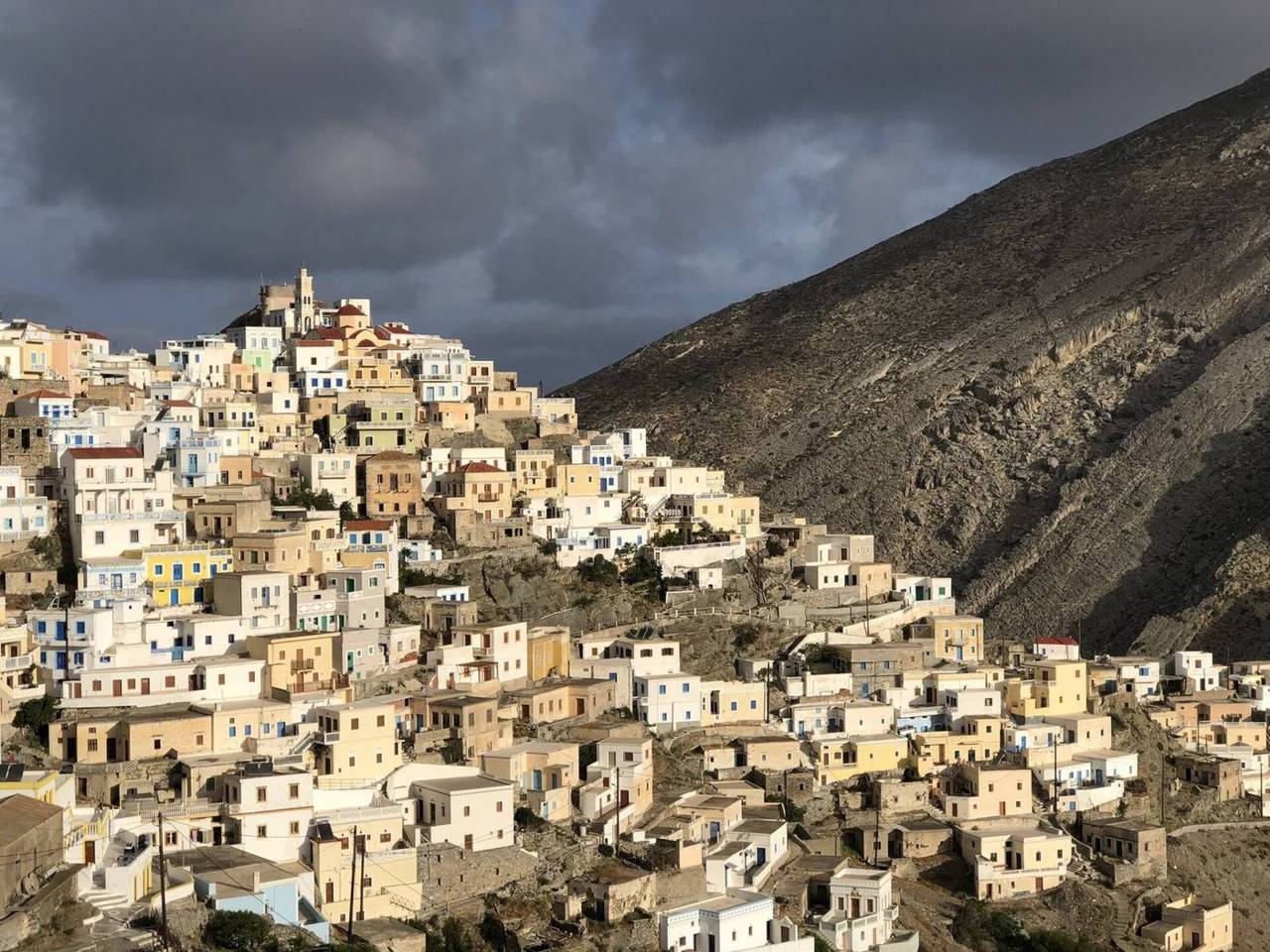 6 daysEasy
Karpathos, Olympos and the wild coast
The Dodecanese island between Rhodes and Crete: the harbour at Pigadia, the beaches of Apella, Kyra Panagia and Achata, the ridge-top village of Olympos with its windmills and living traditions, Diafani and the trails of the north.