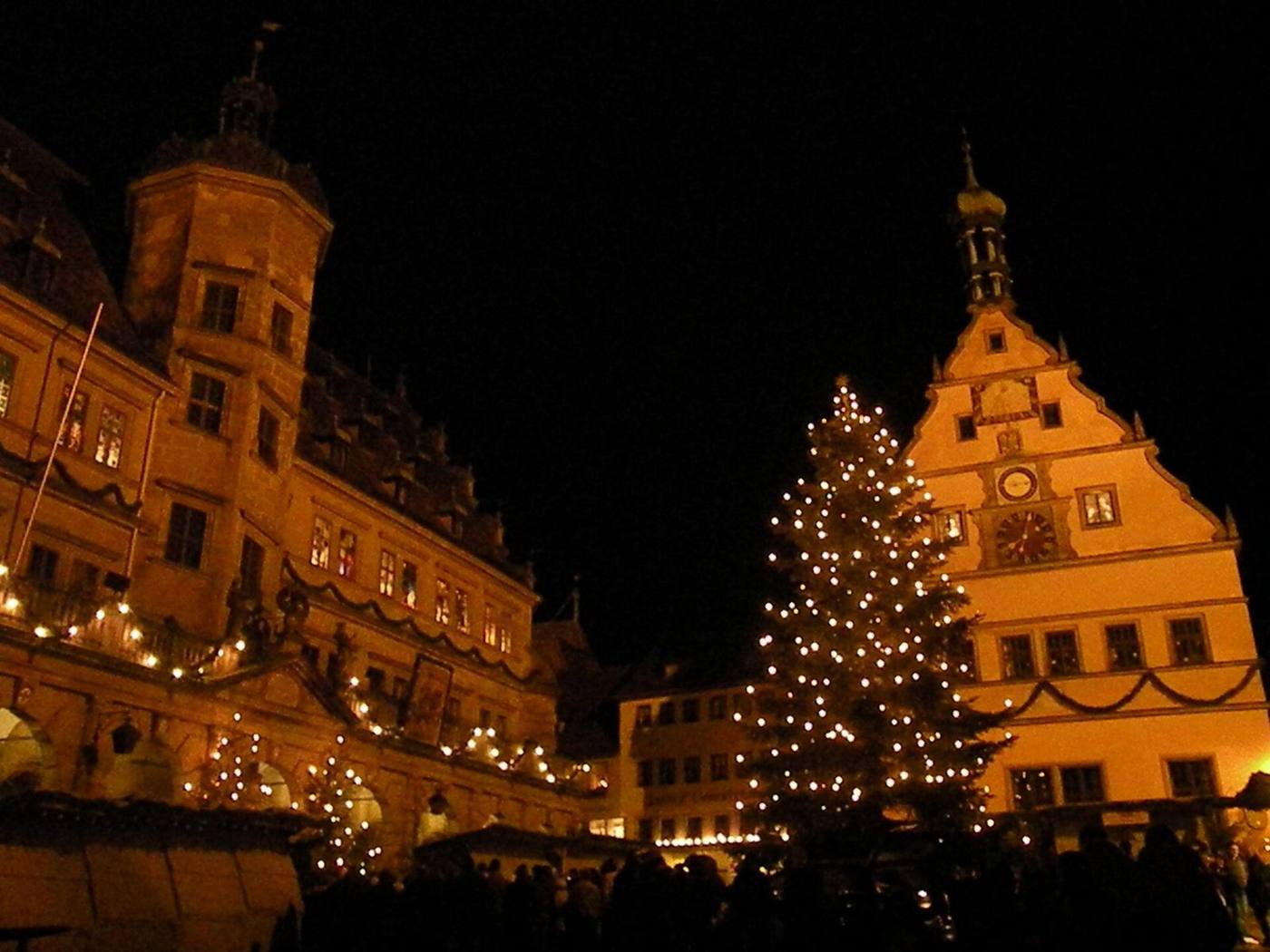
The Christmas markets
Nuremberg's Christkindlesmarkt, Rothenburg under snow, Bamberg and the markets of Munich, with mulled wine, gingerbread and lights.
- Nürnberg
- Bamberg
- Rothenburg ob der Tauber
- München
Day by day
- Day 1
Nuremberg: the opening of the Christkindlesmarkt
Christmas markets are one of Germany's best-loved traditions. From late November to Christmas Eve, old town squares fill with lit wooden huts, the scent of mulled wine, roasted almonds, gingerbread and grilled sausages, while choirs sing and bells ring. This trip crosses Bavaria, from Nuremberg to Munich, via Bamberg and Rothenburg, home to some of the country's finest and oldest markets. In five days, all by train.
Nuremberg can be reached by air or train. Its Christkindlesmarkt, on the market square, is one of the oldest and most famous Christmas markets in Germany, first recorded in the seventeenth century.
The market usually opens on the Friday before the first Sunday of Advent. On opening night, from the gallery of the Church of Our Lady, the Christkind, a girl dressed in gold and white with a crown, chosen every two years from the city's young women, recites the prologue to the crowd filling the square. Then the market lights come on.
Walk among the roughly one hundred and eighty huts with red and white striped roofs, selling wooden decorations, golden angels, little figures made of dried prunes called Zwetschgenmännle, candles and toys. The market's rules ban plastic and recorded music.
In the evening, try Nuremberg sausages in a roll, three in a bun, Lebkuchen, the soft gingerbread with spices and nuts, and mulled wine.
Practical tip: mulled wine is served in decorated mugs with a deposit. You can return the mug and get your money back, or keep it as a souvenir.
- Day 2
Nuremberg: the castle, the children's and twin cities markets
In the morning, before the crowds arrive, go up to the imperial castle on the rock above the old town, with views over the roofs, snow-covered if you are lucky, and the church towers. On the way down, pass Albrecht Dürer's house and the old town streets, with half-timbered houses and decorated windows.
A short walk from the main square are two smaller markets. The first is the Kinderweihnacht, the children's Christmas, with an old carousel, a small railway, workshops where children bake biscuits and make candles, and the Christmas story told with animated figures. The second is the twin cities market, with huts from cities all over the world twinned with Nuremberg, selling their local products.
In the afternoon, if you want a break from the crowds, visit the Germanic National Museum, with its art and history collections, or the Nuremberg Trials Memorial, in courtroom 600 of the Palace of Justice, where the main Nazi leaders were tried in 1945 and 1946. The courtroom is sometimes used for hearings: check the opening days.
At dusk, return to the market square, when the lights come on and the market becomes more atmospheric. On the square is also the great Gothic fountain, the Schöner Brunnen, with the golden ring you turn for luck.
In the evening, try Feuerzangenbowle, a hot punch with a sugarloaf soaked in rum and set alight above the pot.
Practical tip: the market is very crowded on Saturdays and Sundays. Come on weekdays and early in the morning.
- Day 3
Bamberg, nativity scenes and smoked beer
In the morning, take the train from Nuremberg to Bamberg, about forty minutes. Bamberg, a UNESCO site with an almost intact medieval and baroque centre, is beautiful in winter, with its half-timbered houses, the Regnitz river and its illuminated bridges.
Bamberg's Christmas market is held on Maxplatz, the large square in front of the new town hall, with wooden huts, the tree and Franconian crafts. But Bamberg at Christmas is famous above all for its nativity scenes: every year you can follow the nativity trail, a route through the city's churches, museums and squares, with dozens of cribs of every style, from great baroque church nativities to hand-carved wooden figures and modern scenes.
In the afternoon, walk to the old town hall, built on an islet in the middle of the river, and climb the cathedral hill, with the four-towered Romanesque and Gothic cathedral, the Bamberg Horseman and the New Residence of the prince-bishops. From the rose garden, bare in winter, the view over the city's roofs is beautiful.
In the evening, in one of the city's old beer halls, try Rauchbier, Bamberg's smoked beer, made with malt dried over beech fires, with sausages and rye bread. In winter many breweries also make a stronger seasonal beer.
Practical tip: Bamberg is a day trip from Nuremberg. Evening trains back are frequent, but check the timetable.
- Day 4
Rothenburg ob der Tauber and the Reiterlesmarkt
In the morning, take the train to Rothenburg ob der Tauber, about an hour and a half from Nuremberg with a change at Steinach. Rothenburg is one of the best-preserved medieval towns in Germany, on a hill above the Tauber valley, enclosed by walls with towers and gates, and full of colourful half-timbered houses. In December, with lights and snow, it looks like a postcard.
Rothenburg's Christmas market is called the Reiterlesmarkt, after the Reiterle, the rider, a figure of folk legend: once seen as a messenger from the underworld crossing the sky on winter nights, today he is the market's friendly symbol. The huts are spread between the market square, with the Renaissance town hall, and the nearby streets.
Walk along the covered walkway on the walls, which goes almost all the way round the town, with views over the roofs and the valley. Then go to the Plönlein, a small fork of sloping streets with a yellow half-timbered house between two towers, Rothenburg's most famous image.
At the set times, on the market square, watch the clock on the councillors' tavern, where two figures recall the legend of the Meistertrunk, the great drink that, according to tradition, saved the town during the Thirty Years' War.
In the evening, try a Schneeball, a snowball, a ball of fried pastry covered in sugar or chocolate, typical of the town.
Practical tip: Rothenburg is packed with groups at midday. Staying the night lets you see it in the evening and early morning, when it is quiet.
- Day 5
Munich: the Marienplatz and Residenz markets
In the morning, take the train from Rothenburg to Munich, about three hours with changes. Munich, the capital of Bavaria, has dozens of different Christmas markets all over the city.
The largest and oldest is the Christkindlmarkt on Marienplatz, the main square, in front of the neo-Gothic town hall, with a huge illuminated Christmas tree and huts continuing into the nearby pedestrian streets. Every evening, from the town hall balcony, a choir or band plays traditional Christmas music. Nearby, in Saint Peter's church, you can climb the tower for views over the square and, on clear days, the Alps.
A short walk away, in the courtyard of the Residenz, the former residence of the kings of Bavaria, is the Christmas village, one of the city's most elegant markets, with huts among the palace façades. On Wittelsbacherplatz there is a medieval market, with vendors in costume, a blacksmith and mead. In a nearby street is the nativity market, the largest in Germany, with figures and accessories to build your own crib.
In the afternoon, before leaving, try Bavarian sweets: Dampfnudeln, steamed sweet buns with vanilla custard, and Schmalznudeln, fried pastries.
Then head to Munich airport for your flight home.
Practical tip: Italian citizens only need an identity card valid for travel. Germany has extended its land border checks until March 2027. The markets usually close on 23 or 24 December: check the dates.
Germany's best-loved winter trip, easy by train. The markets usually open in the last week of November and close on 23 or 24 December. They are packed at weekends, so prefer weekdays and the first opening hours. Hotels must be booked months ahead.
Before you go
- Documents and visa
- A valid identity card or passport is enough for EU citizens. German land border checks have been extended until March 2027: always carry your document.
- Health and vaccines
- No vaccines required. EU citizens should carry the European Health Insurance Card. Emergencies: 112, police 110.
- Money and payments
- Euro. Cards are increasingly accepted, but many bars, bakeries and beer halls still take cash only.
- Power sockets
- Types C and F, 230 volts.
- Time zone
- UTC+1, UTC+2 in summer.
- Safety
- The United States rates Germany level 2 for terrorism. In stations and crowded markets watch out for pickpockets. Official advice: GOV.UK.
Information checked in November 2026 for Italian and EU citizens. Rules change: always check before you travel.
Variations
In 3 days: Nuremberg and Bamberg, starting and ending in Nuremberg.
In 8 days: add Regensburg, Augsburg and the markets of the Bavarian Alps.
Frequently asked questions
When do the markets open?
Usually between late November and the start of Advent, closing on 23 or 24 December. Nuremberg's Christkindlesmarkt usually opens on the Friday before the first Sunday of Advent.
Do I need a car?
No. Nuremberg, Bamberg, Rothenburg and Munich are linked by train, and cars are a problem in the towns during the markets.
What documents do I need?
Italian citizens only need an identity card valid for travel. German land border checks have been extended until March 2027.
Indicative itinerary written by World Atlas. Before booking, check timetables, seasonal openings, documents and safety.
 4 daysEasy
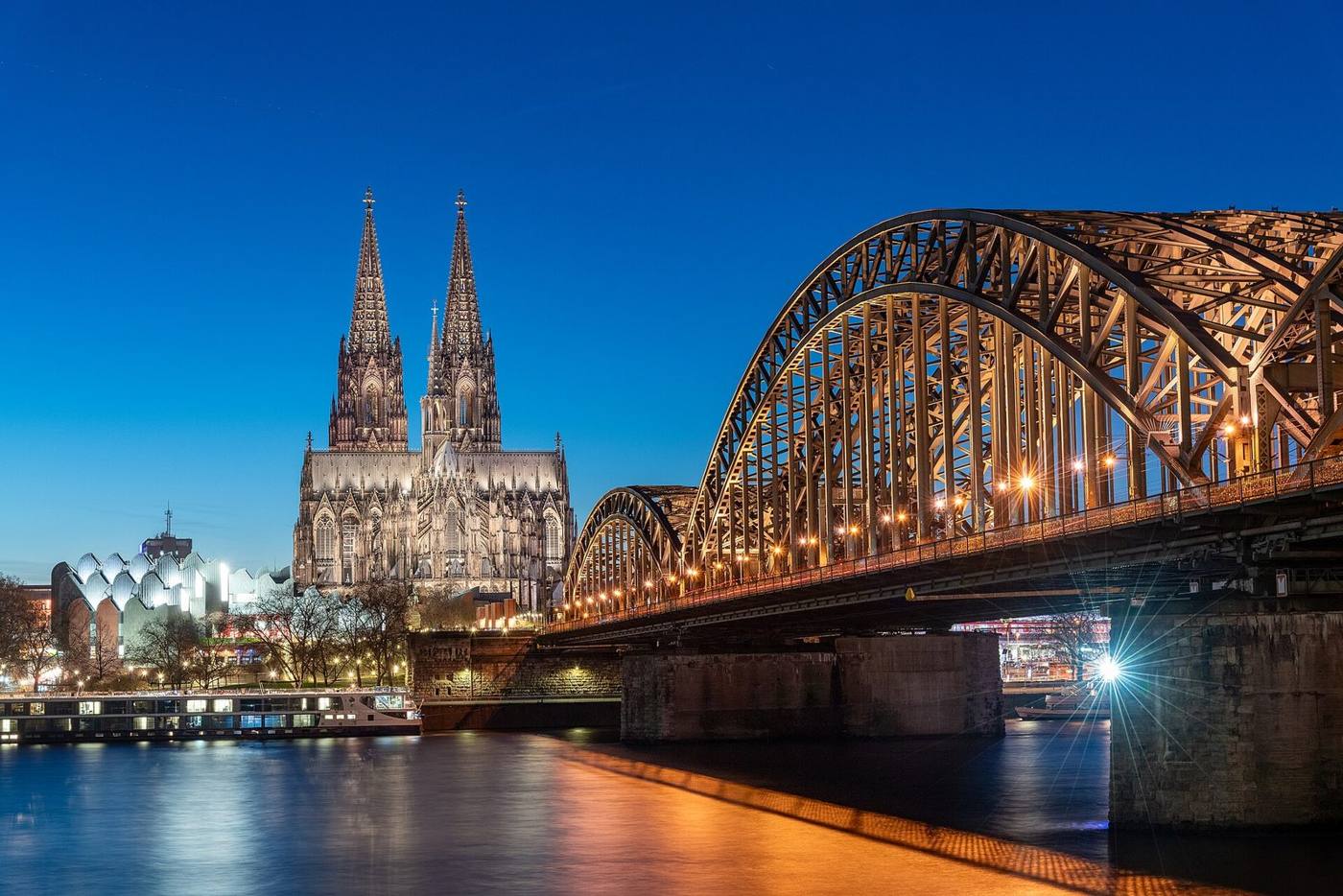
Cologne and the industrial Ruhr
Cologne Cathedral and its Kölsch beer, Düsseldorf on the Rhine and the Ruhr's mines and steelworks turned into museums and parks.
 12 daysEasy
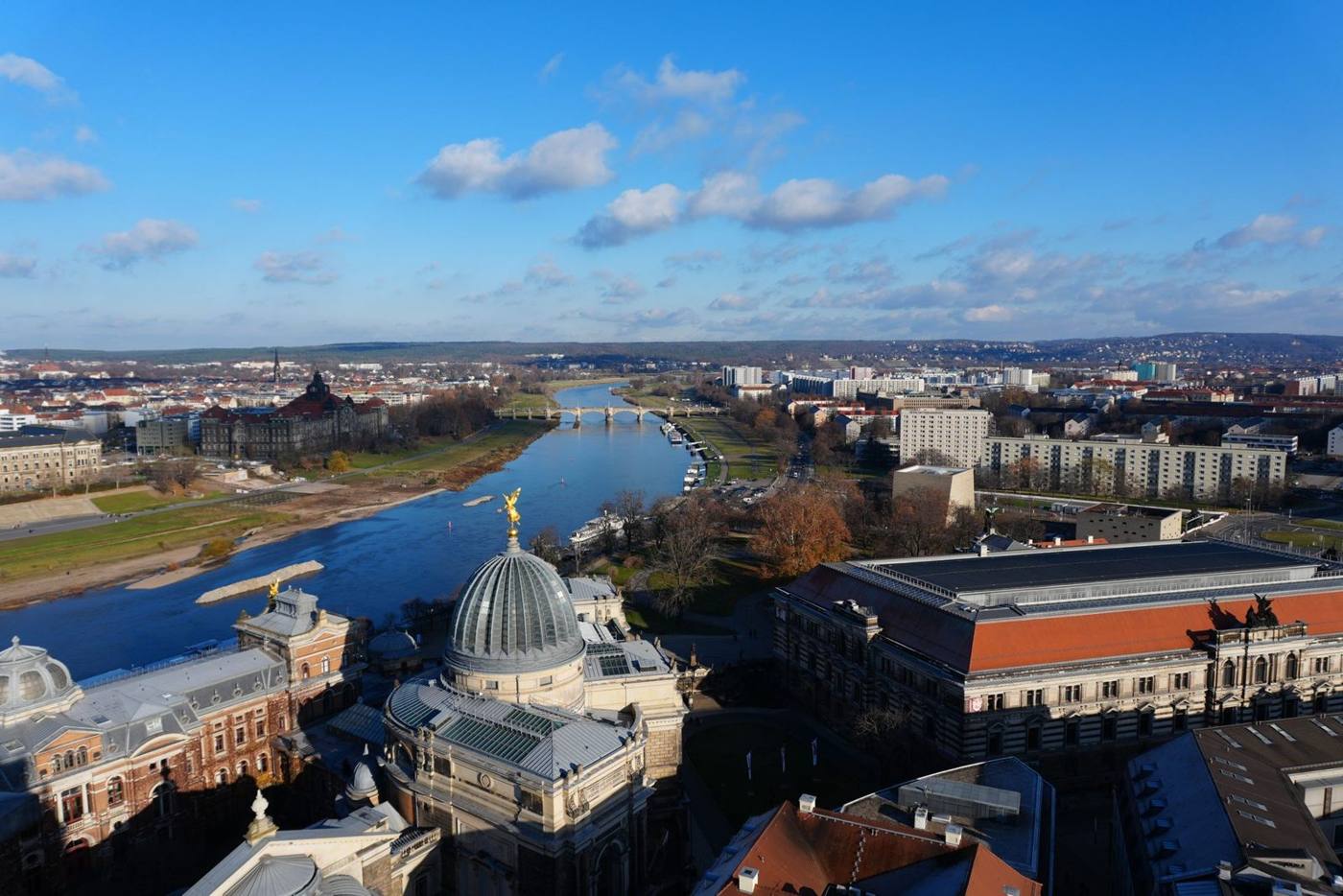
Germany by train
A grand tour without a car: Berlin, Dresden, Nuremberg, Munich with Neuschwanstein, the Rhine valley and Hamburg.
 4 daysEasy
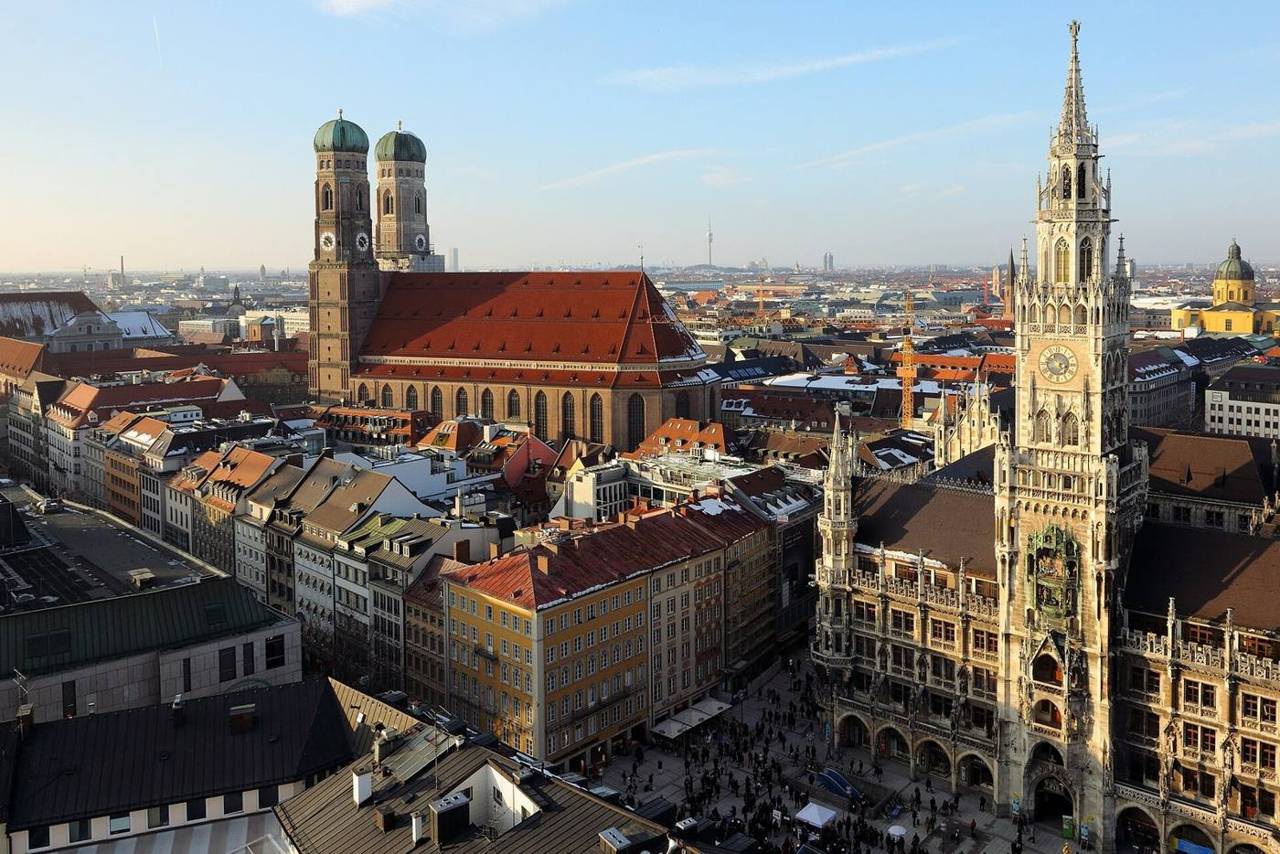
Munich and its lakes
The Bavarian capital at an easy pace: Marienplatz and the Viktualienmarkt, the Residenz, the Pinakothek galleries, the English Garden with the Eisbach surfers, Nymphenburg Palace, the Dachau memorial and the Starnberg and Ammersee lakes with Andechs Abbey.