Germany by train
A grand tour without a car: Berlin, Dresden, Nuremberg, Munich with Neuschwanstein, the Rhine valley and Hamburg.
- Berlin
- Dresden
- Nürnberg
- München
- Füssen
- Koblenz
- Hamburg
Day by day
- Day 1
Arrival in Berlin
This trip crosses Germany by train, from east to south and then north, without a car: Berlin, the capital and its twentieth century history, Dresden and the rocks of Saxon Switzerland, medieval Nuremberg, Munich and Neuschwanstein castle, the Rhine valley with its castles and vineyards, and finally Hamburg, the great port of the north.
Before you leave: Germany is part of the Schengen area. Italian citizens need a valid electronic identity card for travel abroad or a passport; the paper identity card has no longer been valid for travel abroad since 3 August 2026. Other nationalities should check their own rules. Germany has extended land border checks until March 2027: always carry your document, even on trains.
For the trains, it is worth booking high speed tickets in advance, as they are cheaper when bought early, or considering a rail pass. Check prices and conditions.
You fly into Berlin Brandenburg airport, about half an hour from the centre by train.
In the afternoon walk to the Brandenburg Gate, the symbol of the city and of reunification, and to the Reichstag, the parliament with the glass dome designed by Norman Foster, which you can visit by booking online. Next to it is the Memorial to the Murdered Jews of Europe, a field of thousands of grey concrete blocks of different heights.
Sleep in Berlin.
Practical tip: in Berlin buy a day or weekly public transport ticket. It is the easiest way to get around.
- Day 2
Berlin: the Wall and Museum Island
Today you discover divided and reunited Berlin.
In the morning visit the Berlin Wall Memorial on Bernauer Strasse, the only place where you can still see the complete border structure: the outer wall, the death strip, a watchtower and the inner wall, with a documentation centre and a viewing tower. It tells of escapes, tunnels and houses cut in two by the border. Check opening hours.
Then go to Checkpoint Charlie, the former crossing point between the American and Soviet sectors, now very touristy, and to the Topography of Terror museum, on the site of the Gestapo and SS headquarters, which explains the Nazi system of terror. Check opening hours and prices.
In the afternoon go to Museum Island on the river Spree, a World Heritage Site with five great museums. The Pergamonmuseum, with the Pergamon Altar, is closed for works and should partly reopen on 4 June 2027; the Ishtar Gate will be visible again only in the 2030s. Visit the Neues Museum, with the bust of Nefertiti, or the Altes Museum. Check opening hours and prices.
At sunset walk along the East Side Gallery, the longest remaining stretch of the Wall, covered in murals by artists from around the world.
Sleep in Berlin.
Practical tip: for the Neues Museum buy a timed ticket online. Queues are long.
- Day 3
Berlin: Charlottenburg or Potsdam
Today you choose between two different days.
The first option is Potsdam, about half an hour by regional train, the city of the kings of Prussia, a World Heritage Site for its palaces and parks. Visit Sanssouci Palace, the summer residence of Frederick the Great, a small Rococo palace at the top of a flight of vineyard terraces, and the large park with the New Palace and the Chinese House. The palace is visited with a timed ticket that often sells out: book online. Then walk through the Dutch Quarter, with red brick houses, and visit Cecilienhof, the house where the Potsdam Conference between the United States, the Soviet Union and the United Kingdom was held in 1945. Check opening hours and prices.
The second option is to stay in Berlin: in the morning visit Charlottenburg Palace, the largest royal residence in the city, with its Baroque garden; in the afternoon stroll through Prenzlauer Berg or Kreuzberg, with markets, bars and the life of today's city.
In the evening, if you like music, check the programme of the Philharmonic or the opera.
Try currywurst, sausage with curry sauce, Berlin's most famous street food, or dumplings and soups from the Turkish community.
Sleep in Berlin.
Practical tip: in Potsdam many palaces are closed on Mondays. Check before you go.
- Day 4
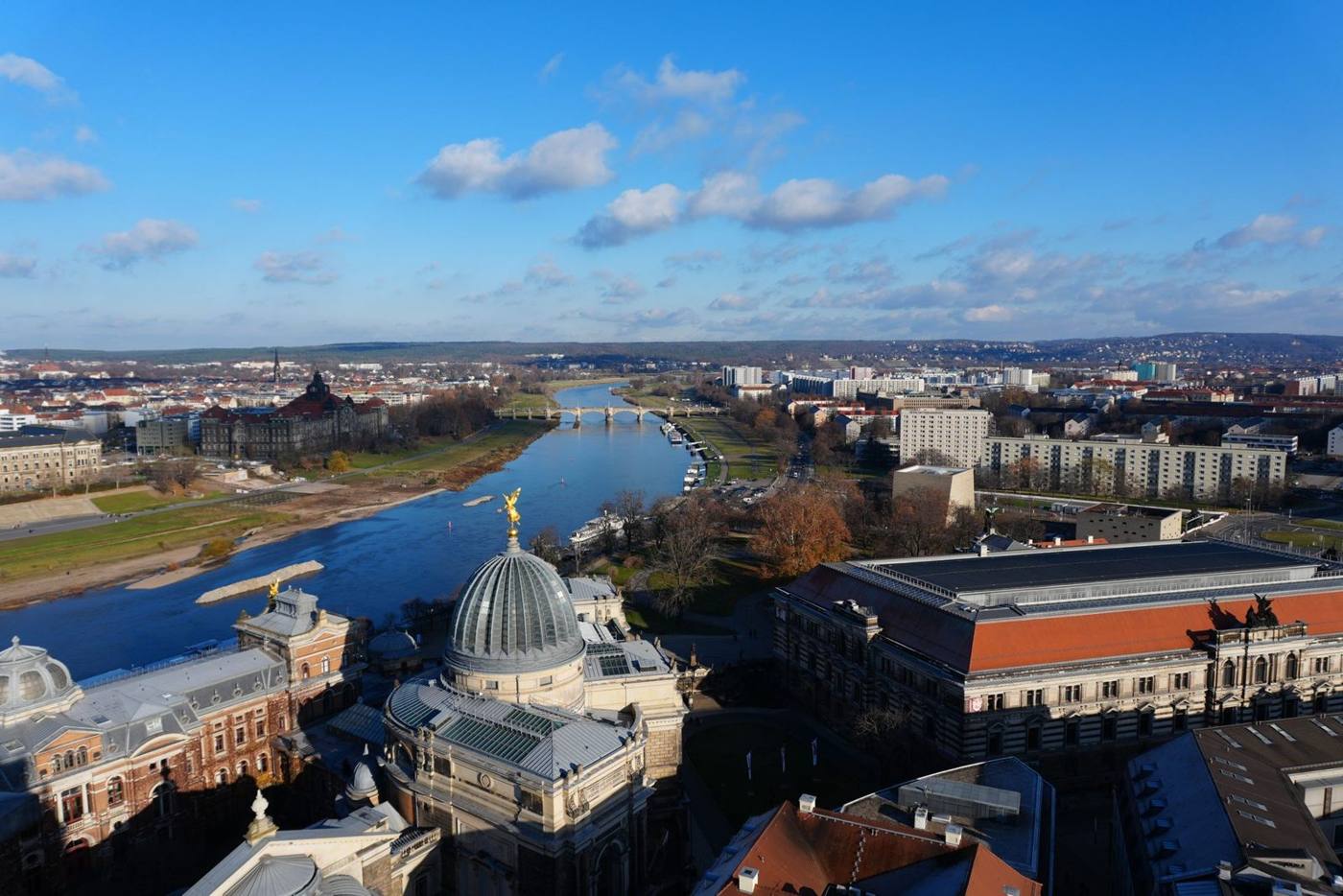
Dresden, Florence on the Elbe
In the morning take the train from Berlin to Dresden, about two hours, the capital of Saxony on the river Elbe, called Florence on the Elbe for its Baroque palaces and art collections.
Dresden was almost completely destroyed by Allied bombing in February 1945. Many buildings have been rebuilt as they were, using the original blackened stones together with new, paler ones.
Visit the Frauenkirche, the Lutheran church with the great stone dome, which remained a pile of rubble for fifty years and was rebuilt between 1994 and 2005 with donations from all over the world, becoming a symbol of reconciliation. Then the Zwinger, a large Baroque complex of pavilions and fountains that houses the Old Masters Picture Gallery, with Raphael's Sistine Madonna. Check opening hours and prices.
In the afternoon visit the Royal Palace, with the Green Vault, one of the richest treasure collections in Europe, with jewels and objects of gold and ivory. The ticket for the Historic Green Vault is timed: book. Then walk along the Procession of Princes, a mural on porcelain tiles more than a hundred metres long.
At sunset walk on the Brühl Terrace, the balcony of Europe, above the river.
Sleep in Dresden.
Practical tip: Dresden's museums are closed on Mondays or other days. Check.
- Day 5
Saxon Switzerland and the Bastei Bridge
Today you take a trip to Saxon Switzerland, a national park south east of Dresden along the Elbe, with sandstone towers and walls, gorges and woods, a paradise for climbers.
In the morning take the suburban train from Dresden to Kurort Rathen, about forty minutes, cross the Elbe on the little ferry and walk up, in about an hour, to the Bastei Bridge, a nineteenth century stone bridge linking rock towers more than a hundred metres above the river, with a spectacular view over the valley and the cliffs. Next to it are the ruins of Neurathen castle, built among the rocks. Check times and prices for the walkway through the castle.
Then go down to the Amselsee lake and walk among the rocks through the Schwedenlöcher gorge, with stairs and narrow passages.
In the afternoon, if you have time, take the train to Königstein and go up to Königstein fortress, one of the largest mountain fortresses in Europe, on a rock plateau above the Elbe, with buildings from several centuries and views over the valley. Check opening hours and prices.
Alternatively, go back down the Elbe to Dresden on one of the old paddle steamers. Check times, as the service depends on the river level.
Sleep in Dresden.
Practical tip: the Bastei Bridge is crowded at weekends. Go early in the morning.
- Day 6
Nuremberg
In the morning take the train from Dresden to Nuremberg, about four and a half hours, with one change. Check the times.
Nuremberg is a city in Franconia, in Bavaria, with an old town enclosed by medieval walls, rebuilt after bombing in the Second World War.
In the afternoon climb to the Imperial Castle, on the rock overlooking the city, residence of the Holy Roman Emperors in the Middle Ages, with its deep well and a tower overlooking the red roofs. Check opening hours and prices. Then go down to the house of Albrecht Dürer, the great painter of the German Renaissance, and the main market square, with the Schöner Brunnen, the beautiful fountain, a gilded Gothic spire, and the Church of Our Lady with its mechanical clock that sets the prince electors in motion at noon.
Also pass through the craftsmen's courtyard by the town gate and along the river Pegnitz, with the Hangman's Bridge and half timbered houses.
If you have time, visit the Documentation Centre at the Nazi Party Rally Grounds on the edge of the city, which explains how the regime used Nuremberg for propaganda; it is partly under renovation: check. The courthouse of the Nuremberg trials has a memorial with the famous Courtroom 600.
In the evening try small grilled Nuremberg sausages with sauerkraut.
Sleep in Nuremberg.
Practical tip: in winter, in December, Nuremberg has one of the most famous Christmas markets in Germany.
- Day 7
Munich
In the morning take the train from Nuremberg to Munich, about an hour and a quarter on the high speed train.
Munich is the capital of Bavaria, an elegant city of palaces, museums, parks and beer halls. Start at Marienplatz, the central square, with the neo Gothic New Town Hall and its glockenspiel, with moving figures at set times, and climb the tower of St Peter's church for the view over the city and, on clear days, the Alps.
Then visit the Viktualienmarkt, the open air market with stalls of fruit, cheese, sausages and a beer garden under the trees, and the Frauenkirche, the cathedral with two onion domed towers, the symbol of Munich.
In the afternoon visit the Residenz, the great palace of the kings of Bavaria, with the Antiquarium, a long sixteenth century decorated hall, and the treasury. Check opening hours and prices. Or visit one of the museums in the museum quarter, such as the Alte Pinakothek, with European painting from the Middle Ages to the eighteenth century.
At sunset walk in the English Garden, one of the largest city parks in the world, where on the Eisbach channel surfers ride a standing wave.
In the evening have dinner in a Bavarian beer hall, with pork knuckle, white sausages or pretzels and beer.
Sleep in Munich.
Practical tip: Bavarian white sausages are traditionally eaten before noon, with sweet mustard.
- Day 8
Neuschwanstein Castle
Today you take a trip to Neuschwanstein, the fairytale castle built in the nineteenth century by King Ludwig II of Bavaria on a rock above a gorge at the foot of the Alps.
Early in the morning take the regional train from Munich to Füssen, about two hours, and then the bus to Hohenschwangau, the village below the castle. The ticket for the castle interior costs 21 euros for adults in 2026 and is bought online for a set time: in summer places sell out weeks ahead. Without a ticket you cannot go in. Check before you leave.
From the village you walk up in about half an hour, or take the shuttle bus or horse drawn carriage to the castle. The visit inside lasts about half an hour, with rooms decorated with scenes from Wagner's operas, the throne room and the Singers' Hall.
Then walk to Mary's Bridge, the Marienbrücke, an iron bridge over the gorge, from which you get the most famous view of the castle. In winter or during works the bridge may be closed: check.
In the afternoon, if you have time, also visit Hohenschwangau castle, where Ludwig II spent his childhood, or walk around the Alpsee, the lake among the mountains.
In the evening return to Munich.
Sleep in Munich.
Practical tip: the Neuschwanstein trip takes the whole day. Leave on the first train.
- Day 9
To the Rhine valley
In the morning take the high speed train from Munich to Koblenz, about five hours, with a change in Frankfurt or Mannheim. Check the times.
Koblenz lies at the confluence of the Rhine and the Moselle, at the point called the German Corner, the Deutsches Eck, with a large equestrian monument to Emperor William I. Here begins the Upper Middle Rhine Valley, a World Heritage Site and the most famous stretch of the river, between hills covered in vineyards, villages and dozens of castles.
In the afternoon take the cable car across the Rhine to Ehrenbreitstein fortress, one of the largest fortresses in Europe, on the opposite bank, with a view over the confluence of the two rivers. Check times and prices.
Alternatively visit Eltz Castle in the Moselle valley, one of the most beautiful medieval castles in Germany, never destroyed and owned by the same family for more than eight hundred years, hidden in a wooded valley. You reach it by train to Moselkern and then on foot through the woods for about an hour. Visits are only in certain months: check dates and times.
In the evening have dinner with the valley's white wine, riesling, in Koblenz old town.
Sleep in Koblenz.
Practical tip: regional trains along the Rhine are frequent. You can hop between villages without booking.
- Day 10
By boat on the Rhine to Bacharach
Today you travel the most spectacular stretch of the Rhine valley by boat and train.
In the morning take the train from Koblenz to Boppard or Sankt Goar, then board one of the tourist boats going up or down the river. The boat passes Rheinfels castle, the Cat and Mouse castles, two rival castles facing each other, and above all the Lorelei rock, more than a hundred metres high above a narrow bend in the river, where according to legend a young woman with golden hair sang and lured sailors onto the rocks. Check times and prices, which change with the season; in winter the service is reduced.
Get off at Bacharach, one of the most beautiful villages on the Rhine, with half timbered houses, medieval walls and towers, the Gothic ruin of the Werner chapel and Stahleck castle above the village, now a youth hostel. Walk along the walls and among the vineyards above the village for the view over the river.
In the afternoon, if you have the energy, walk a stretch of the Rheinsteig, the trail along the hills above the river, or visit a winery for a tasting.
In the evening return to Koblenz by train, or stay in Bacharach.
Sleep in Bacharach or Koblenz.
Practical tip: the Lorelei is best seen from the boat rather than the train. Sit on the right side.
- Day 11
Hamburg
In the morning take the high speed train from Koblenz to Hamburg, about four and a half hours, with a change in Cologne. If you have time, stop in Cologne to see the cathedral, the great Gothic cathedral next to the station. Check the times.
Hamburg is Germany's second city, a great port on the Elbe, with canals, bridges and brick warehouses.
In the afternoon visit the Speicherstadt, the warehouse district, the largest warehouse complex in the world, built between the late nineteenth and early twentieth centuries on wooden piles in the water, with red brick buildings along the canals, a World Heritage Site. Here is Miniatur Wunderland, a huge model railway with miniature cities, airports and landscapes, very popular: book a timed slot. Check opening hours and prices.
Then walk to the Elbphilharmonie, the concert hall built on top of an old warehouse, with a wavy glass façade. Access to the viewing plaza is by timed ticket, best booked online. Check.
At sunset take a public ferry on the Elbe from the Landungsbrücken, the harbour piers, to see the container ships and cranes.
In the evening try a fischbrötchen, a fish sandwich, or labskaus, a sailors' dish.
Sleep in Hamburg.
Practical tip: the public harbour ferries are included in the Hamburg transport ticket. It is an inexpensive way to see the port.
- Day 12
Hamburg and departure
On the last day, if it is Sunday morning, go to the Altona fish market on the river, which starts very early, at dawn, with traders shouting to attract customers, and a market hall with live music.
Then walk around the Alster lake in the city centre, with elegant villas on its shores, sailing boats and the neo Renaissance town hall, one of the city's largest buildings.
If you have time, visit the St Pauli district and the Reeperbahn, the nightlife street where the Beatles played in the early 1960s, or the BallinStadt emigration museum, which tells the story of the millions of Europeans who left Hamburg for America. Check opening hours and prices.
In the afternoon take the subway or suburban train to Hamburg airport, about half an hour from the centre, and your flight home.
Before leaving buy something to take home: carved wooden figures from the Ore Mountains bought in Dresden, Lübeck marzipan, Nuremberg gingerbread, Rhine riesling and Meissen porcelain.
This trip shows every side of Germany: the capital of twentieth century history, Baroque Dresden risen from its ruins, the rocks of the Elbe, medieval Nuremberg, the Bavaria of castles and beer halls, the Rhine of vineyards and the great port of the north.
Practical tip: Germany's high speed trains are often late. Leave a margin between the train and your flight.
The most comfortable way to see Germany's great cities. Long-distance tickets are much cheaper when bought early at fixed fares. Deutsche Bahn is known for delays, so leave margin between trains. For regional trains, consider a rail pass.
Before you go
- Documents and visa
- A valid identity card or passport is enough for EU citizens. German land border checks have been extended until March 2027: always carry your document.
- Health and vaccines
- No vaccines required. EU citizens should carry the European Health Insurance Card. Emergencies: 112, police 110.
- Money and payments
- Euro. Cards are increasingly accepted, but many bars, bakeries and beer halls still take cash only.
- Power sockets
- Types C and F, 230 volts.
- Time zone
- UTC+1, UTC+2 in summer.
- Safety
- The United States rates Germany level 2 for terrorism. In stations and crowded markets watch out for pickpockets. Official advice: GOV.UK.
Information checked in November 2026 for Italian and EU citizens. Rules change: always check before you travel.
Variations
In 7 days: Berlin, Dresden and Munich with Neuschwanstein, without the Rhine and Hamburg.
In 15 days: add the Romantic Road from Würzburg to Rothenburg, or Lübeck and the Baltic after Hamburg.
Frequently asked questions
Which document do I need?
Germany is part of the Schengen area: Italian citizens need a valid electronic identity card for travel abroad or a passport. Other nationalities should check their own rules. Land border checks have been extended until March 2027: always carry your document.
How much does Neuschwanstein cost?
In 2026 the ticket for the interior costs 21 euros for adults and is bought online for a set time. In summer places sell out weeks ahead.
Is the Pergamonmuseum open?
No, it is closed for works and should partly reopen on 4 June 2027. The Ishtar Gate will be visible again only in the 2030s.
Indicative itinerary written by World Atlas. Before booking, check timetables, seasonal openings, documents and safety.
 4 daysEasy
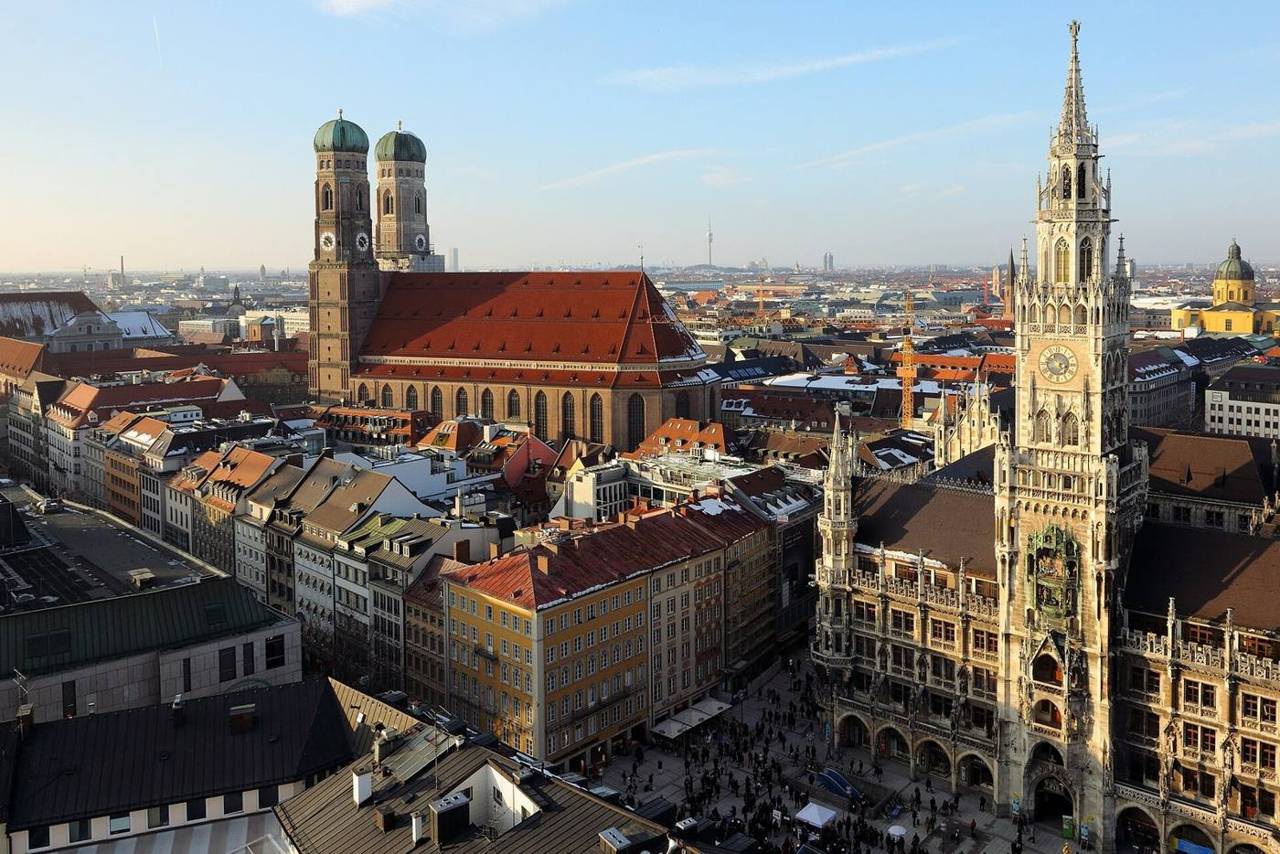
Munich and its lakes
The Bavarian capital at an easy pace: Marienplatz and the Viktualienmarkt, the Residenz, the Pinakothek galleries, the English Garden with the Eisbach surfers, Nymphenburg Palace, the Dachau memorial and the Starnberg and Ammersee lakes with Andechs Abbey.
 4 daysEasy
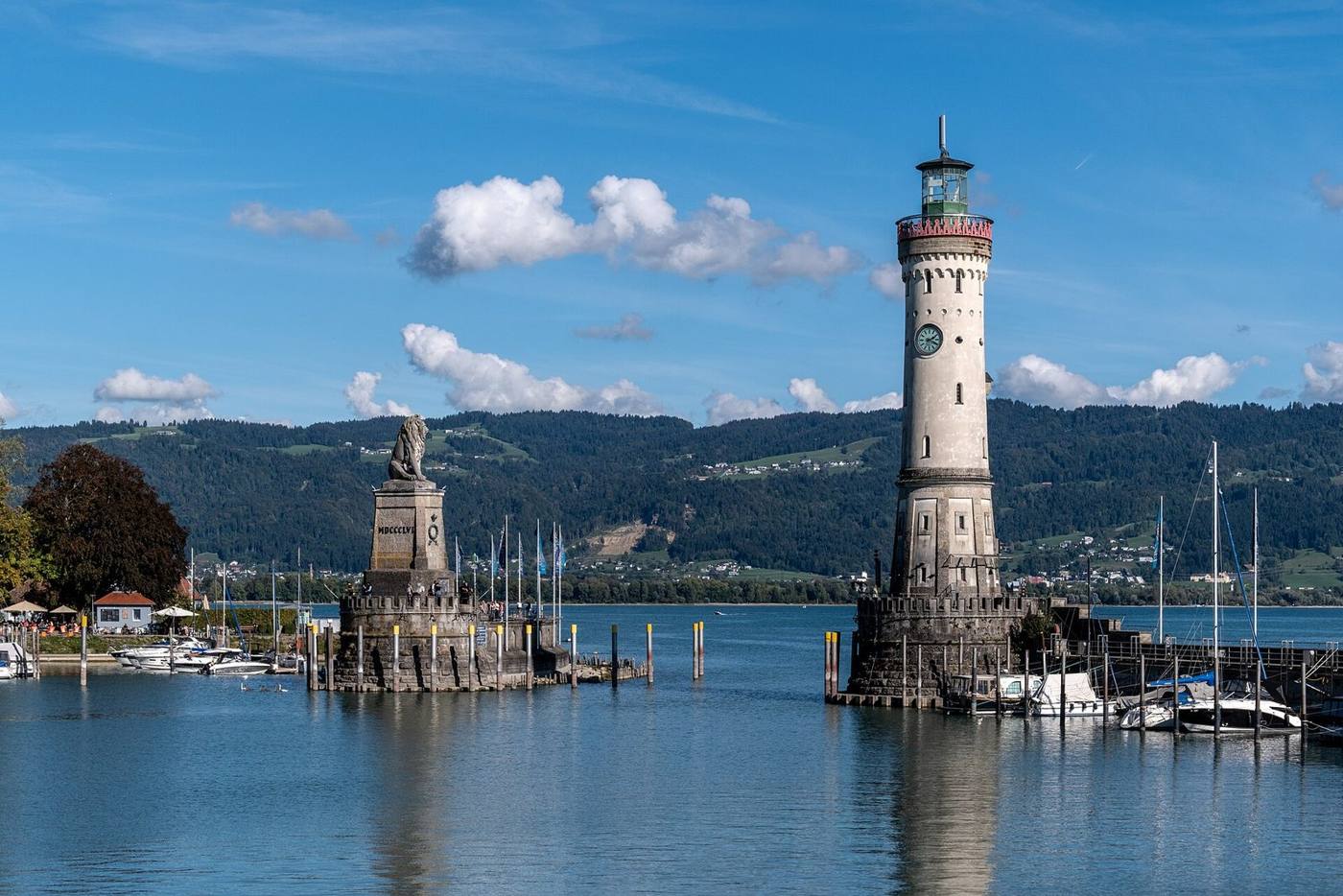
Lake Constance
Three countries on one lake: the island of Lindau with its harbour and lion, Meersburg Castle, the flower island of Mainau, the monastic island of Reichenau (UNESCO), the pile dwellings at Unteruhldingen, Konstanz and the Rhine Falls at Schaffhausen.
 5 daysEasy
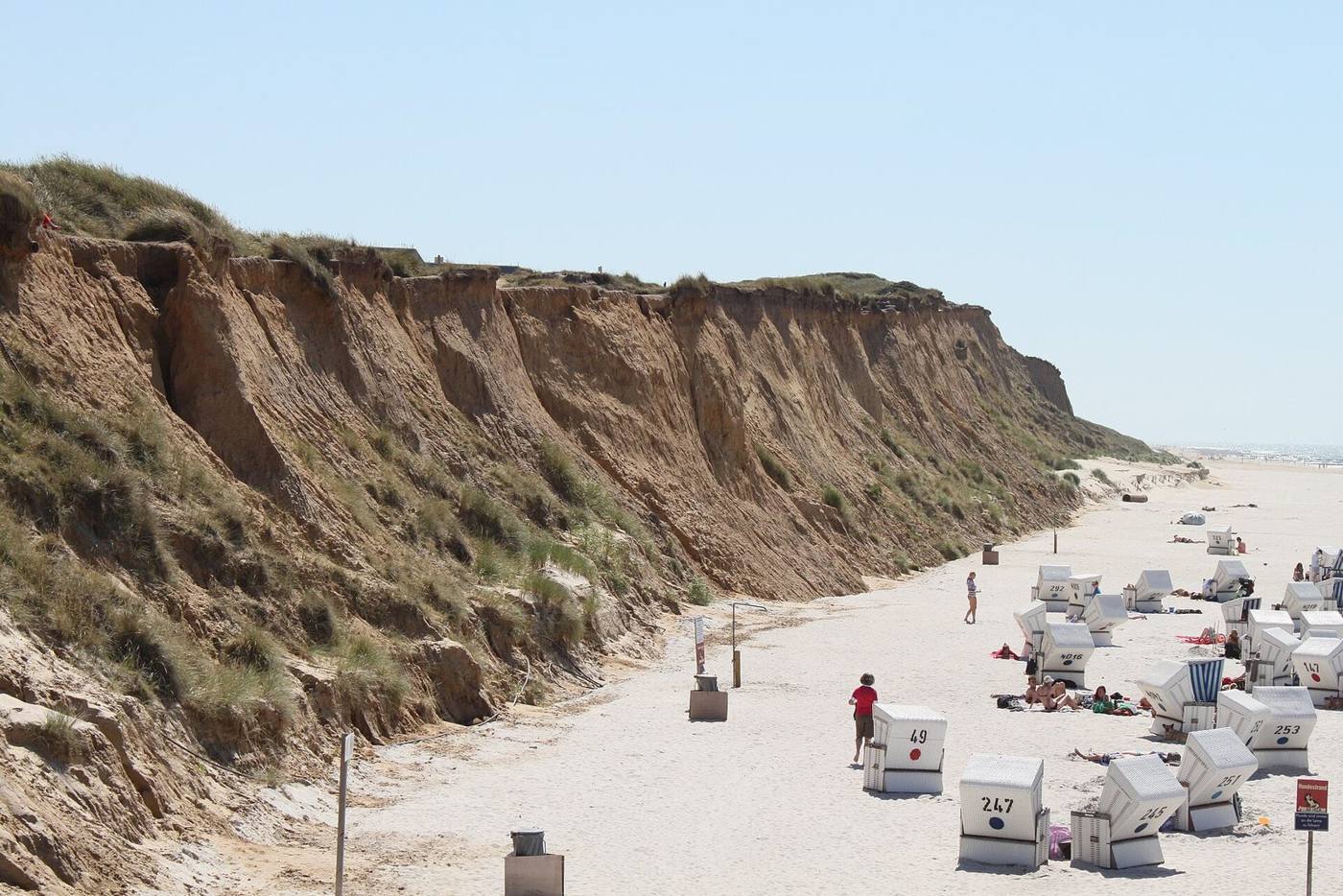
Sylt, Amrum and the Wadden Sea
The North Sea islands: Sylt, reached by train across the causeway, with the dunes of List, the Red Cliff at Kampen and endless beaches, Amrum and its kilometre-wide sandy beach, the Halligen and guided mudflat walks on the floor of the Wadden Sea, a UNESCO World Heritage site.