Sylt, Amrum and the Wadden Sea
The North Sea islands: Sylt, reached by train across the causeway, with the dunes of List, the Red Cliff at Kampen and endless beaches, Amrum and its kilometre-wide sandy beach, the Halligen and guided mudflat walks on the floor of the Wadden Sea, a UNESCO World Heritage site.
- Hamburg
- Sylt
- List
- Kampen
- Dagebüll
- Amrum
Day by day
- Day 1
By train from Hamburg to Sylt across the Hindenburg Causeway
This trip takes you to the North Frisian Islands, in the far north of Germany near the Danish border. They are islands of dunes, huge beaches, thatched houses and constant wind, facing the Wadden Sea, a shallow sea that withdraws at low tide and uncovers kilometres of seabed. The Wadden Sea is a UNESCO World Heritage Site. Over five days you see Sylt and Amrum, cycle a lot and walk across the sea floor with a guide.
From Hamburg the train reaches Westerland, the main town on Sylt, in about three hours. The last stretch is the best: the line runs along the Hindenburg Causeway, an embankment about eleven kilometres long built in the 1920s, the island's only land link. On both sides there is only water or mud, depending on the tide, with birds and sheep on the dykes. If you travel by car, you load it onto a shuttle train from Niebüll: check timetables and bookings.
Westerland is the most town like part of the island, with a long seafront promenade, hotels and a wide beach. In the afternoon walk on the sand and watch the North Sea waves, which are often strong.
Spend the night in Westerland or one of the nearby villages.
Practical tip: Germany has extended its land border checks until March 2027, so always carry your passport or national identity card. The islands charge a visitor tax, and a beach pass is often needed: check the rules of the municipality where you stay.
- Day 2
Northern Sylt: List, the moving dunes and the Ellenbogen
Today head to the northern tip of the island, by bike or by bus. Sylt has a long network of cycle paths, almost all flat but often into a headwind: allow plenty of time.
The road crosses heath and dunes. Near List you see the moving dunes, hills of pale sand tens of metres high that the wind pushes a few metres east every year. They are protected and you cannot walk on them: you view them from a marked path that leads to viewpoints over the landscape. Respect the fences, as the plants that hold the sand in place are fragile.
List is the northernmost village in Germany, with a small harbour where ferries leave for Denmark and boats go out on sea trips. Fresh fish is easy to find by the harbour, such as North Sea herring and brown shrimp.
Beyond List lies the Ellenbogen, a long elbow shaped spit of sand with two red and white lighthouses. This is the northernmost point of the country. The road is private and cars pay a toll: check first. The beaches are empty and beautiful, but swimming is banned because of very strong currents between the islands. With some luck you see seals on the sandbanks offshore.
In the evening return to the middle of the island for the night.
Practical tip: on Sylt's beaches, swim only where there are lifeguards and follow the flags. The North Sea is cold even in summer and the currents can be dangerous.
- Day 3
Kampen and the Red Cliff by bike
Today you stay in the middle of the island and cycle between Sylt's most attractive villages. Head for Kampen, an elegant village of low thatched houses, neat gardens and stone walls. Artists and writers came here as early as the twentieth century, and today it is one of the most expensive places in Germany.
Near the village, climb the island's highest dune by a wooden staircase. From the top you see the North Sea on one side and the Wadden Sea on the other, with purple heath and dunes in between. It is the best way to understand how narrow the island is in places.
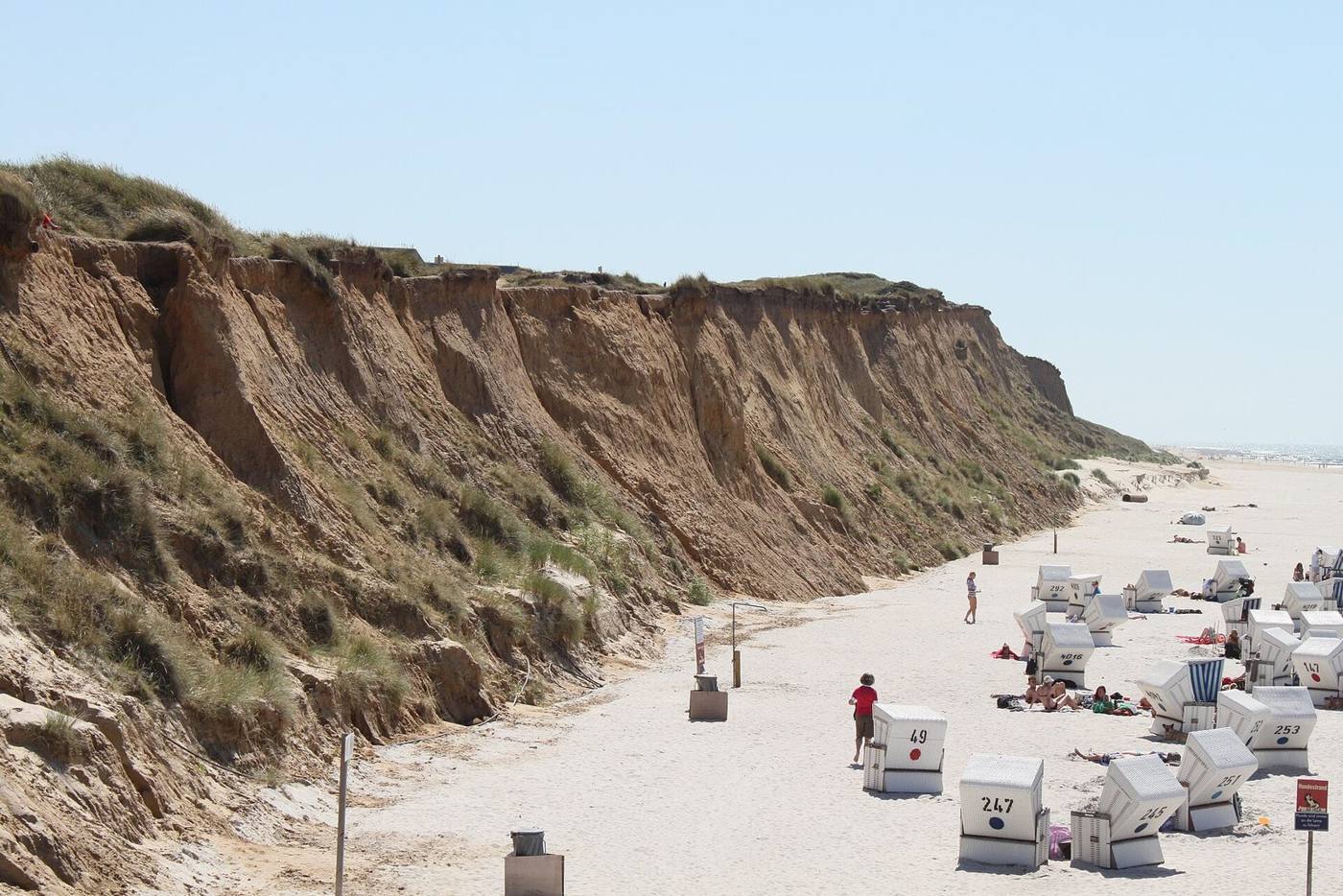
South of Kampen, along the west coast, is the Red Cliff, a wall of sand and clay coloured red and orange by iron, rising high above the beach. At sunset the light makes it even brighter. You can walk on the path along the top or on the beach below, but keep away from the edge, as the cliff crumbles and the sea takes a piece of it every year.
In the afternoon carry on to Wenningstedt and then back towards Westerland. If you have time, make a detour to Keitum, on the Wadden side, the oldest village on the island, with captains' houses and a country church among the trees.
Spend another night on Sylt.
Practical tip: bikes, including electric ones, are easy to hire on Sylt. In strong wind an e bike helps a lot. Always carry a windproof jacket, even on sunny days.
- Day 4
The ferry to Amrum, the Kniepsand and the lighthouse
Today you leave Sylt for Amrum, a smaller, quieter island to the south. In summer there are sometimes direct boats from Hörnum harbour in southern Sylt: check the timetable, as it depends on the season and the tide. Otherwise take the train back across the causeway to Niebüll, continue to the port of Dagebüll and catch the ferry, which passes the island of Föhr and arrives at Wittdün on Amrum.
Amrum is famous for the Kniepsand, one of the largest beaches in Europe: a huge sandbank along the whole west coast, almost a kilometre wide in places. To reach the sea you walk a long way on wooden boardwalks through the dunes, and once on the sand you feel as if you were in a desert facing the ocean.
Near Wittdün stands the Amrum lighthouse, striped red and white, one of the tallest on the North Sea coast. At certain times you can climb to the top: check the opening hours. From above you see the dunes, the heath and the neighbouring islands.
In the afternoon go to Nebel, the prettiest village on the island, with thatched houses and a small windmill. In the churchyard there are old gravestones of captains and sailors, carved with the stories of their lives and voyages.
Spend the night on Amrum.
Practical tip: on Amrum it is easy to get around by bike and on the island bus. A visitor's car is of little use: if you can, leave it on the mainland.
- Day 5
A guided walk across the Wadden Sea and back to Hamburg
The last day is the most unusual of the trip. At low tide the sea between Amrum and Föhr withdraws and uncovers the seabed. On certain days you can walk from one island to the other, for a few hours, over mud and wet sand. It is one of the most typical experiences of the Wadden Sea.
This walk is done only with an authorised guide who knows the tides, the channels and the places where the seabed is dangerous. Never go alone: the water comes back quickly, the channels fill up, and in fog you can lose your bearings within minutes. Dates and times change every day with the tides: book ahead and check.
You walk barefoot or in thick socks, wearing shorts or rolled up trousers. The guide stops often to show you life on the seabed: worms, crabs, shells and small creatures living in the mud. The Wadden Sea is also a vital area for millions of migratory birds, which stop here to feed.
When you reach Föhr, change and head to the harbour at Wyk, the main town. From here the ferry goes to Dagebüll, where you take the train to Hamburg, a few hours with changes.
Practical tip: pack a towel, dry clothes, water and a jacket in your daypack. Large luggage does not come on the walk: ask your guide or your accommodation how to send it by ferry. If the walk is cancelled because of the weather, take the regular ferry from Amrum.
The North Sea is cold and windy even in summer. Only walk on the mudflats uncovered at low tide with a guide: the tide comes back quickly. Sylt is expensive and in high season accommodation must be booked months ahead. A valid identity card is enough for EU citizens. Germany has reintroduced spot checks at all its land borders, extended until March 2027: keep your document to hand on trains and in the car too.
Before you go
- Documents and visa
- A valid identity card or passport is enough for EU citizens. German land border checks have been extended until March 2027: always carry your document.
- Health and vaccines
- No vaccines required. EU citizens should carry the European Health Insurance Card. Emergencies: 112, police 110.
- Money and payments
- Euro. Cards are increasingly accepted, but many bars, bakeries and beer halls still take cash only.
- Power sockets
- Types C and F, 230 volts.
- Time zone
- UTC+1, UTC+2 in summer.
- Safety
- The United States rates Germany level 2 for terrorism. In stations and crowded markets watch out for pickpockets. Official advice: GOV.UK.
Information checked in November 2026 for Italian and EU citizens. Rules change: always check before you travel.
Variations
In 3 days: just Sylt, with List, the Ellenbogen and the Red Cliff.
In 7 days: add a night on Föhr and one on the tiny Halligen islands, reached by boat.
Frequently asked questions
When is the best time to go?
From May to September for the sea, cycling and Wadden walks. In autumn there are many migratory birds and fewer people.
Can I swim?
Yes, in summer, but the water is cold and the currents are strong. Swim only where there are lifeguards and never at the Ellenbogen.
Do I need a car?
No. Trains, ferries, buses and bikes are enough. A car on Sylt needs the shuttle train, and on Amrum it is of little use.
Indicative itinerary written by World Atlas. Before booking, check timetables, seasonal openings, documents and safety.
 4 daysEasy
Thuringia: Weimar, Erfurt and the Wartburg
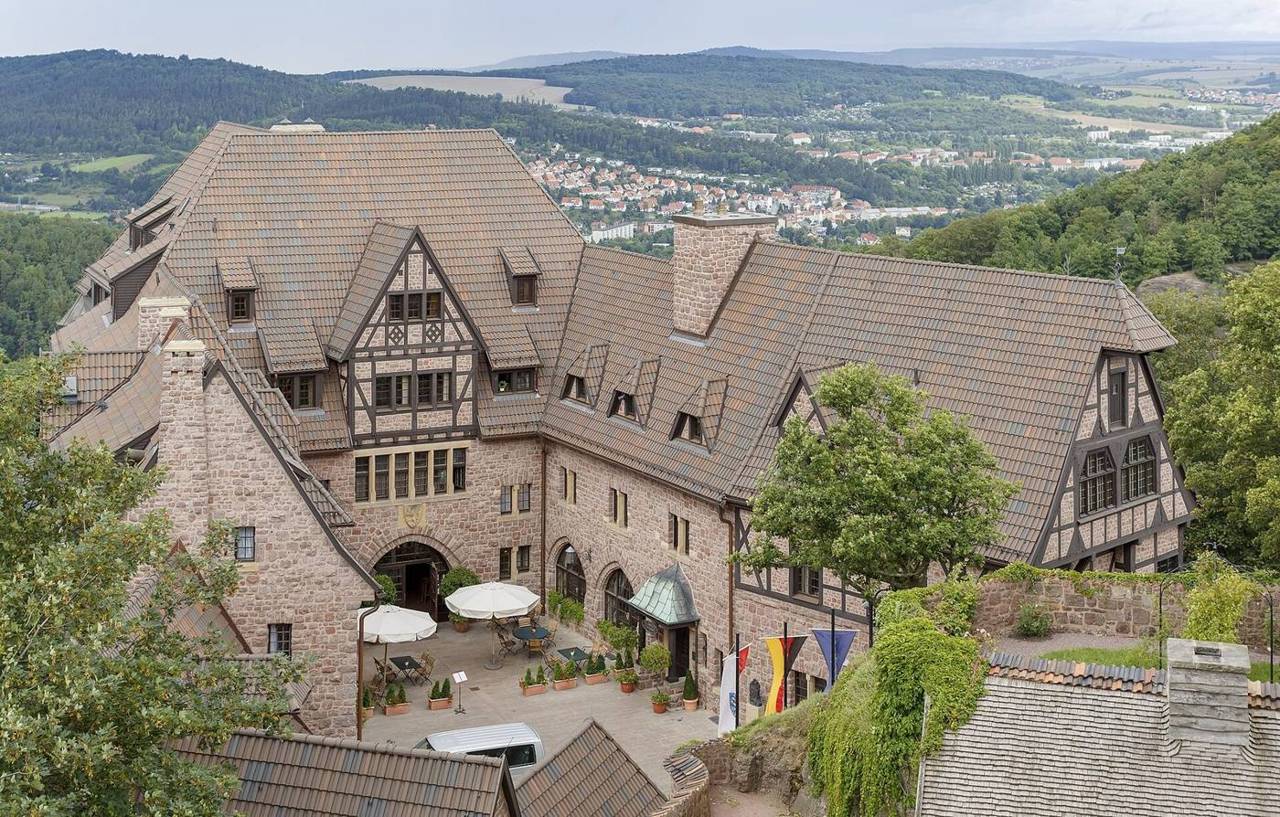
Germany's green heart: the Weimar of Goethe, Schiller and the first Bauhaus, the Anna Amalia library, the Buchenwald memorial, Erfurt with its inhabited Krämerbrücke bridge and cathedral, and Eisenach with Wartburg Castle, a UNESCO site where Luther translated the New Testament.
 5 daysEasy
Heidelberg, Stuttgart and Tübingen
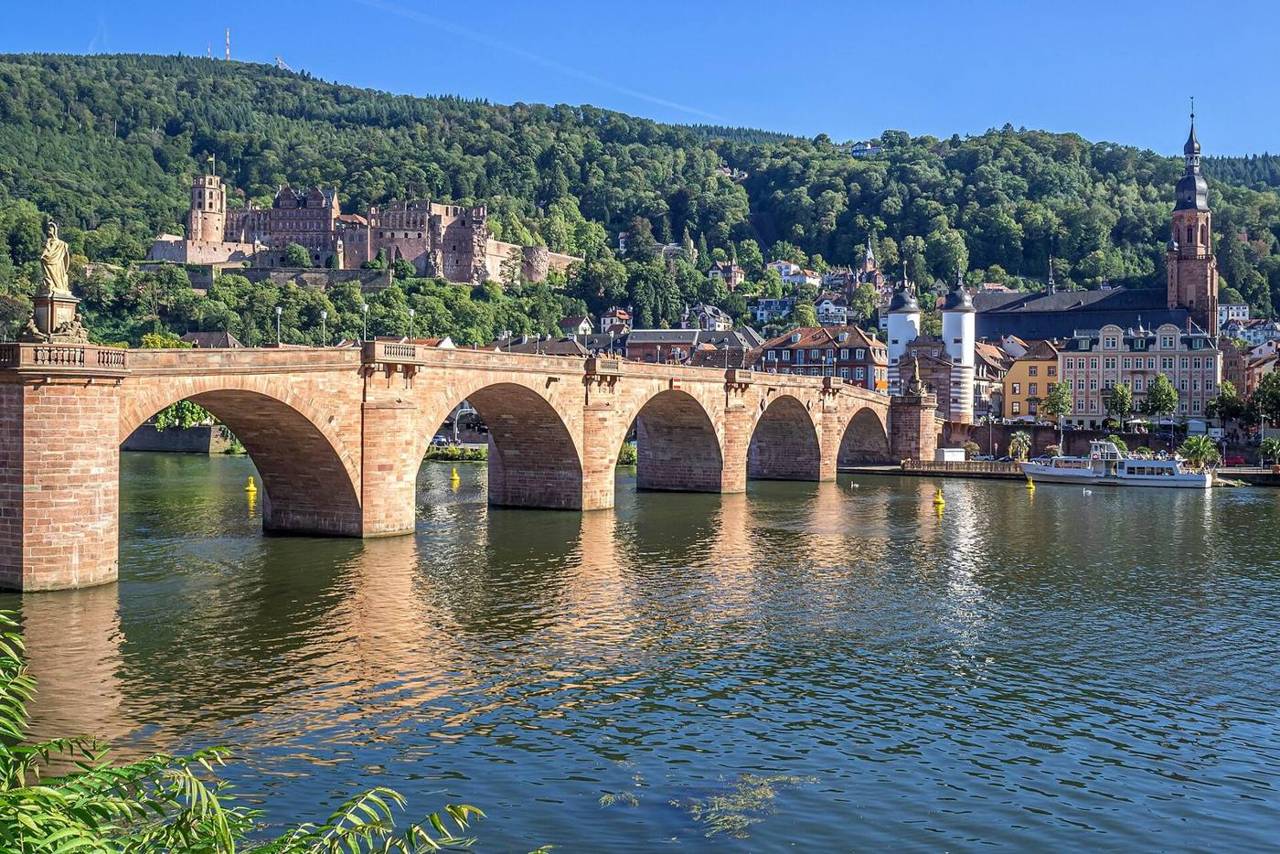
Baden-Württemberg along the Neckar: Heidelberg Castle and the Philosophers' Walk, Maulbronn Monastery (UNESCO), the Mercedes-Benz and Porsche museums and Stuttgart's Weissenhof estate, Tübingen with its punts on the river and Hohenzollern Castle.
 5 daysEasy
Franconia: Nuremberg, Bamberg and Franconian Switzerland
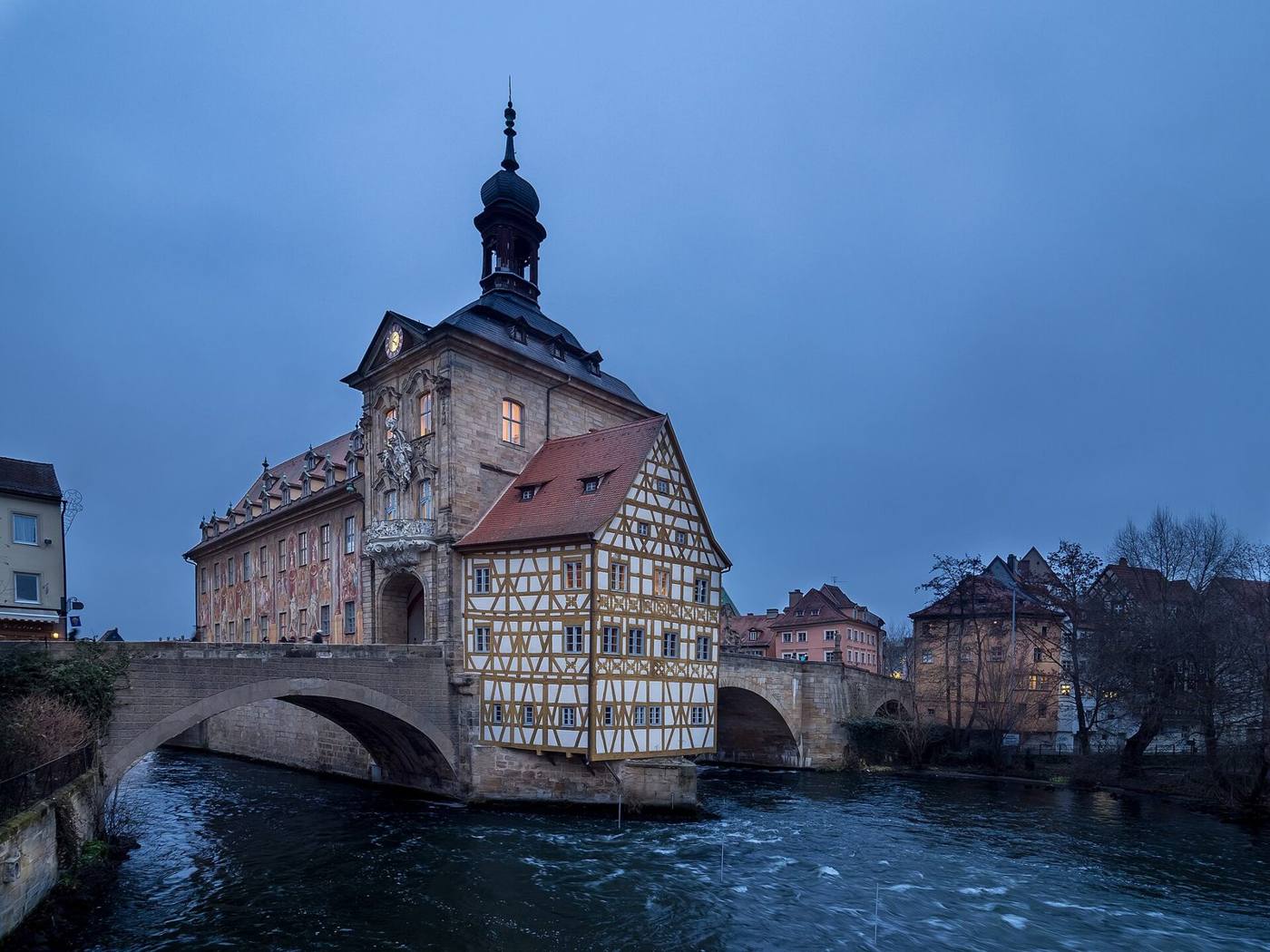
Northern Bavaria: Nuremberg with its imperial castle, the Germanic National Museum and the documentation centre on the Nazi rally grounds, Bamberg (UNESCO) and its smoked beer, the caves and rocks of Franconian Switzerland and the Margravial Opera House in Bayreuth.