Hamburg and the Baltic Sea
Hamburg's port and the Speicherstadt, Hanseatic Lübeck, the brick towns of Wismar and Stralsund and the white cliffs of Rügen island.
- Hamburg
- Lübeck
- Wismar
- Stralsund
- Rügen
- Jasmund
Day by day
- Day 1
Hamburg: the Speicherstadt and the Elbphilharmonie
This trip takes you to northern Germany, between the great port of Hamburg and the Baltic coast. It is the land of the Hanseatic League, the alliance of merchant cities that dominated northern European trade in the Middle Ages, which left red brick churches and houses, harbours and warehouses. Over seven days you see Hamburg, Lübeck, Wismar, Stralsund and the island of Rügen with its white cliffs.
Hamburg has an international airport linked to the centre by train in about half an hour. It is Germany's second city, built on the Elbe and full of canals, bridges and water.
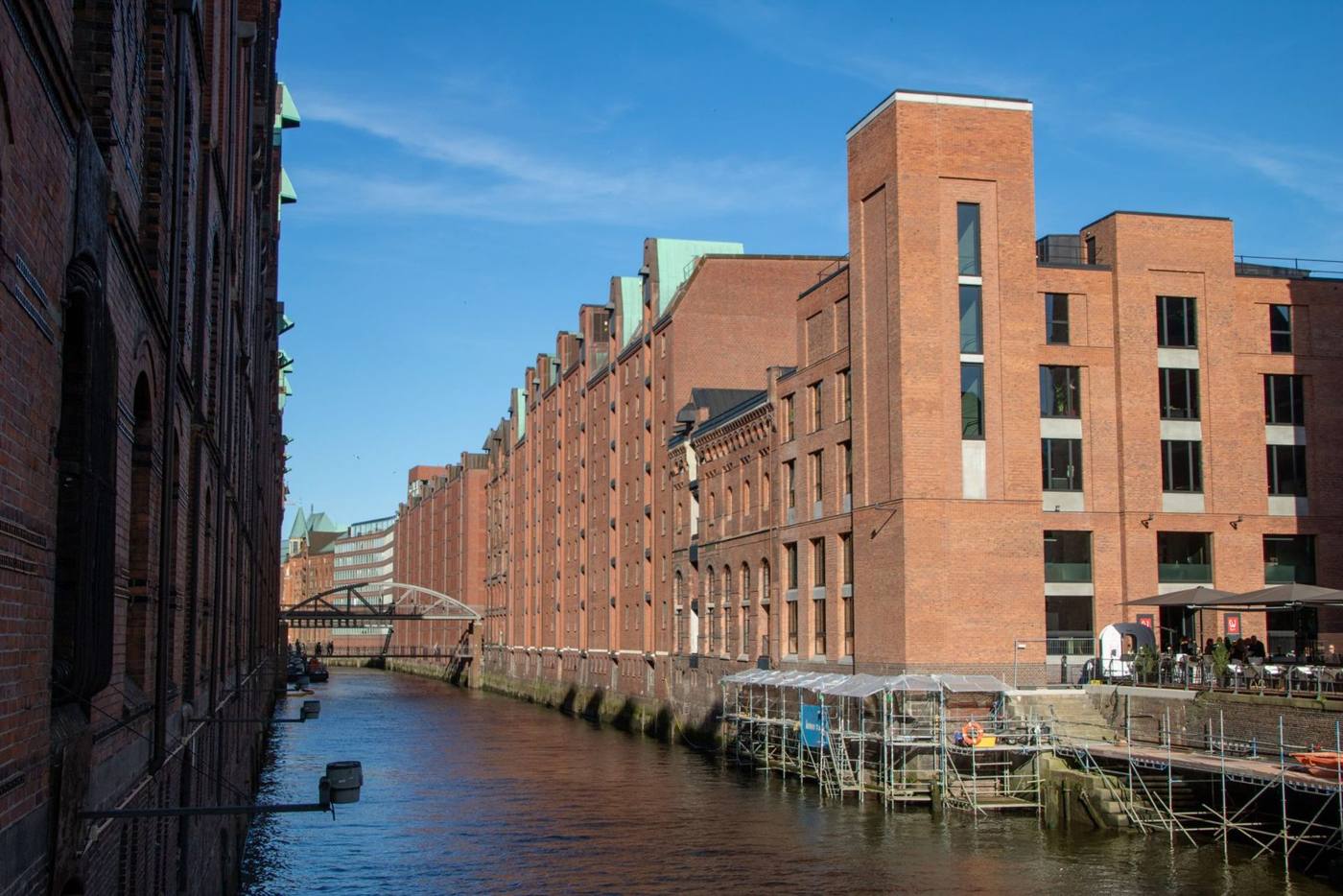
On the first day go to the Speicherstadt, the port's warehouse district, built in the late nineteenth century on artificial islands. It is a set of large red brick neo Gothic buildings with turrets and gables, reflected in the canals. Together with the nearby office district, including the ship's bow shaped Chilehaus, it is a UNESCO World Heritage Site.
At the end of the district stands the Elbphilharmonie, the concert hall opened in 2017, built on top of an old warehouse. It has a wavy glass form like a wave. On its middle floor there is a public viewing terrace, the Plaza, which runs around the building with views over the port and the city.
In the evening have a fish roll by the harbour, a city speciality.
Spend the night in Hamburg.
Practical tip: Germany has extended its land border checks until March 2027, so always carry your passport or national identity card. For the Elbphilharmonie Plaza you need a timed ticket: check how to book it.
- Day 2
The harbour by boat and the St. Pauli district
In the morning go to the Landungsbrücken, the piers on the Elbe where harbour tours start. Hamburg's port is one of the largest in Europe, with gigantic cranes, container ships and shipyards. Organised tours last an hour or more and pass between the ships and the Speicherstadt canals. Alternatively, some public transport ferries run along the Elbe on the same ticket as buses and the metro, giving a cheap view of the port.
Near the piers is the entrance to the old tunnel under the Elbe, opened in the early twentieth century. You go down in large lifts and walk under the river to the other bank, with a view back over the city.
In the afternoon walk around St. Pauli, the lively district above the port. The Reeperbahn is its best known street, full of theatres, bars and lights, also famous as the place where the Beatles started playing in the early 1960s. By day the district is quiet, with murals, small shops and cafés.
If you are in Hamburg on a Sunday, get up very early for the fish market by the harbour, held at dawn and a city institution.
In the evening walk around the Alster lake in the centre, with the city lights reflected on the water.
Spend the night in Hamburg.
Practical tip: in the evening, in the busiest parts of St. Pauli, watch out for pickpockets. Hamburg's public transport is efficient and a day ticket is good value.
- Day 3
Lübeck, queen of the Hanseatic League
Today you go to Lübeck, about forty minutes by train from Hamburg. In the Middle Ages it was the most important city of the Hanseatic League, and its old town, on an island between two rivers, is a UNESCO World Heritage Site.
You enter through the Holstentor, the fifteenth century fortified gate with two round towers and pointed roofs, leaning slightly because of the soft ground. It is Lübeck's symbol and houses a small museum on the city's history.
In the centre you see the great brick Gothic churches, such as St Mary's, a model for many other Baltic churches. In one chapel the bells that fell during a Second World War bombing raid still lie on the floor as a memorial. The town hall, with its dark façades and slender turrets, is one of the oldest in Germany.
In the afternoon wander the alleys and hidden courtyards behind the houses, called Gänge, where craftsmen lived. Visit the European Hansemuseum, which tells the story of the northern merchants through stage sets and documents.
Lübeck is famous for marzipan, made here for centuries. Try it in one of the cafés in the centre, as cakes or small figures.
In the evening return to Hamburg or stay in Lübeck.
Practical tip: from Lübeck you can reach Travemünde, its seaside resort, in half an hour, with a long beach and the ferry port for Scandinavia.
- Day 4
Wismar and Stralsund, UNESCO World Heritage
Today you continue east along the Baltic coast to Wismar and Stralsund, two Hanseatic towns that are jointly a UNESCO World Heritage Site. You travel easily by train or car.
Wismar, about an hour from Lübeck, has a large market square, one of the widest in northern Germany, with a covered sixteenth century fountain and gabled houses from different periods. The old harbour is full of boats and stalls selling smoked fish. In the centre you see brick Gothic churches, some rebuilt after the war.
In the afternoon you reach Stralsund, about two hours away, a town almost surrounded by water, between lakes and sea. Its Gothic town hall has a very tall façade with windows open to the sky, like brick lace. Around it are huge churches, merchants' houses and cobbled streets.
On the harbour stands a large sea museum in a modern white building, with aquariums showing life in the Baltic and North Sea, from jellyfish to large fish, and a hall with life size whale models.
In the evening walk along Stralsund harbour and watch the sunset over Rügen, linked to the town by a long, high bridge.
Spend the night in Stralsund.
Practical tip: in the Hanseatic towns many churches ask a small contribution for entry or for climbing the towers. Carry some coins and check opening times, which are shorter in winter.
- Day 5
Rügen: the white cliffs of Jasmund National Park
Today you cross the bridge to Rügen, Germany's largest island, famous for its beaches, beech forests, resort towns and white chalk cliffs.
The main destination is Jasmund National Park in the north east of the island. Here white chalk cliffs drop sheer into a turquoise sea, topped by ancient beech woods. The Jasmund beech forests are a UNESCO World Heritage Site along with other European beech forests. This landscape inspired the Romantic painter Caspar David Friedrich, who depicted it in one of his most famous works.
The best known spot is the Königsstuhl, the king's chair, a chalk rock more than a hundred metres above the sea. A visitor centre explains the park's nature, and a suspended walkway lets you look at the cliff from above without walking on the fragile edge.
A coastal trail links the Königsstuhl to Sassnitz, through the forest and past viewpoints such as the Victoria Sicht. It takes a few hours on foot. Alternatively, boats from Sassnitz harbour run along the cliffs from the sea.
In the evening head to Binz on the east coast of the island for the night.
Practical tip: the chalk cliffs often collapse, sometimes without warning. Do not leave the marked trails, do not go near the edge and on the beach keep away from the foot of the cliffs.
- Day 6
Binz, the seaside villas and the steam train
Today you stay on Rügen and explore its east coast, with the large resorts that grew up between the nineteenth and twentieth centuries. Binz is the best known, with a long pale sand beach, a pier and a promenade lined with white villas with balconies and carved wooden verandas, in the typical style of Baltic seaside resorts.
In the morning walk the promenade and the pier, and swim if the weather allows. The Baltic is cool even in summer, but calm and not very salty.
Just north of Binz lies Prora, a huge complex of buildings almost five kilometres long, built in the 1930s by the Nazi regime as a mass holiday camp and never finished. A documentation centre tells its story. It is a place to visit to understand a difficult part of German history.
In the afternoon take the narrow gauge steam train that links Putbus, Binz, Sellin and Göhren, through woods and fields at a slow pace. Get off at Sellin to see its pier, with a white pavilion over the sea and a diving bell beneath the water.
In the evening return to Binz and have smoked fish or herring prepared in many ways for dinner.
Spend the night in Binz.
Practical tip: in summer Rügen is very popular with German holidaymakers. Book accommodation and trains ahead, and if you can, visit in June or September, when it is quieter.
- Day 7
Back to Hamburg or Berlin and departure
The last day is for the journey back. Regional trains and some long distance trains leave Binz for Stralsund, Hamburg and Berlin. The trip to Berlin takes about three to four hours, to Hamburg a little longer.
If you have time in the morning, take a last walk on Binz beach at dawn, when the sea is calm and the white villas catch the first light.
Choose your departure city according to your flight. Berlin has more international connections, and you could add a day or two to visit it. Hamburg is closer if you are heading back to northern Europe or flying from there.
On the way, if you have a few hours, stop in Stralsund for a last stroll through the centre, or in Greifswald, a nearby university town, with the historic harbour of Wieck and the ruins of Eldena abbey, also painted by Caspar David Friedrich.
Once in the city, prepare your journey home calmly. If you have half a day left in Berlin, the Brandenburg Gate and the Berlin Wall memorial are a short ride from the main station.
Practical tip: on German regional trains seats can run out on summer weekends. If you have large bags, reserve a seat on long distance trains and check for engineering works, which are frequent on northern lines.
A seafaring, Hanseatic north Germany, little known to many visitors. The Baltic is cool even in summer and the weather changeable. The Elbphilharmonie terrace is at no cost, but concerts must be booked months ahead. Rügen is full of German holidaymakers in July and August.
Before you go
- Documents and visa
- A valid identity card or passport is enough for EU citizens. German land border checks have been extended until March 2027: always carry your document.
- Health and vaccines
- No vaccines required. EU citizens should carry the European Health Insurance Card. Emergencies: 112, police 110.
- Money and payments
- Euro. Cards are increasingly accepted, but many bars, bakeries and beer halls still take cash only.
- Power sockets
- Types C and F, 230 volts.
- Time zone
- UTC+1, UTC+2 in summer.
- Safety
- The United States rates Germany level 2 for terrorism. In stations and crowded markets watch out for pickpockets. Official advice: GOV.UK.
Information checked in November 2026 for Italian and EU citizens. Rules change: always check before you travel.
Variations
In 4 days: Hamburg and Lübeck, without the Baltic coast further east.
In 10 days: add Berlin at the end of the trip, or the island of Usedom, east of Rügen.
Frequently asked questions
When is the best time to go?
May to September for the sea and walks. December is lovely for the Christmas markets of Hamburg and Lübeck.
Do I need a car?
No. Trains link all the towns well. On Rügen a car is handy, but there are buses and the steam train.
Can I swim in the Baltic?
Yes, in summer. The water is cool but calm, and the sandy beaches are long and supervised in high season.
Indicative itinerary written by World Atlas. Before booking, check timetables, seasonal openings, documents and safety.
 6 daysEasy
Saxony: Dresden, Leipzig and Saxon Switzerland
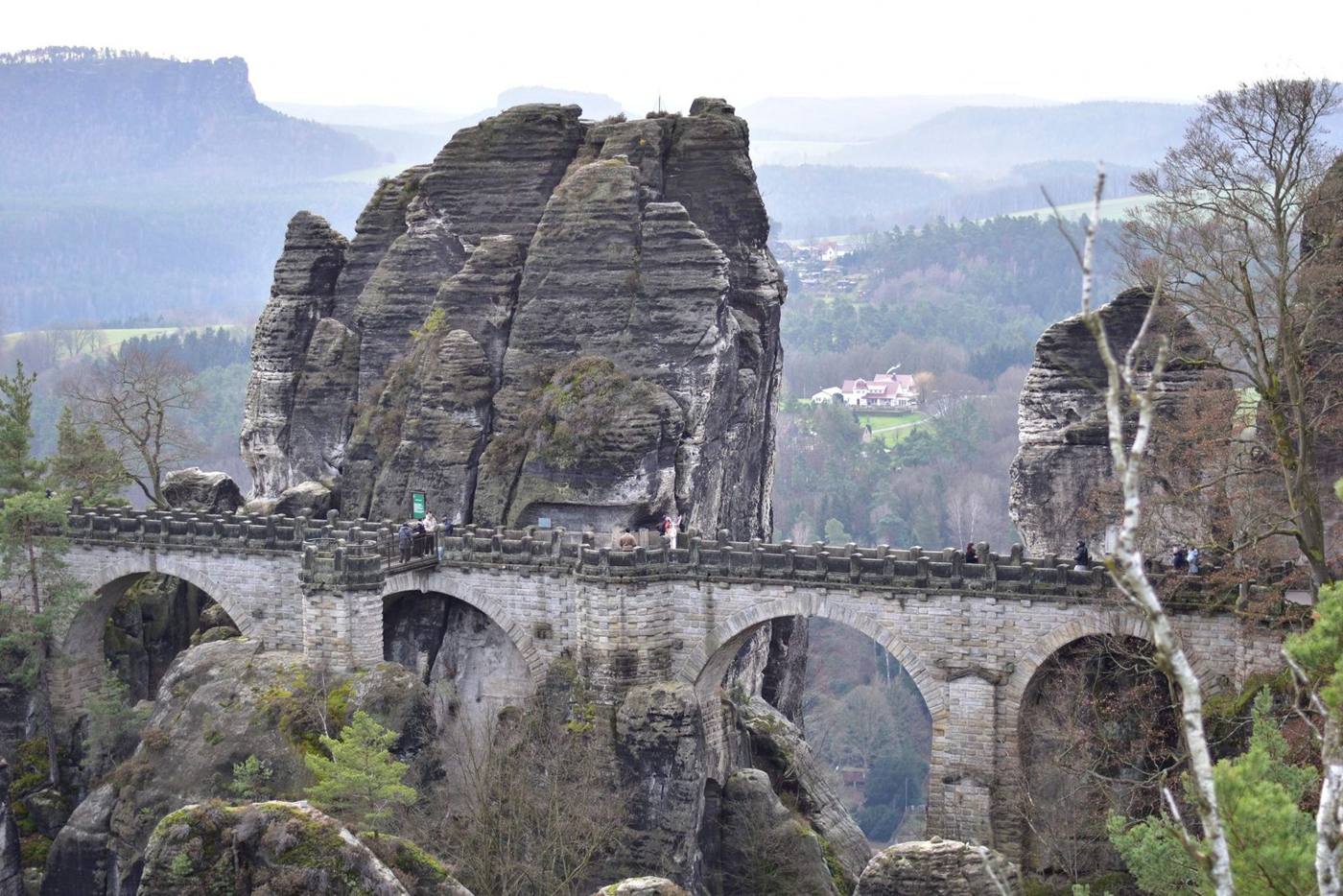
Rebuilt Dresden with the Frauenkirche and the Zwinger, the sandstone towers of the Bastei above the Elbe, Meissen and Bach's Leipzig.
 6 daysModerate
The Bavarian Alps and Berchtesgaden
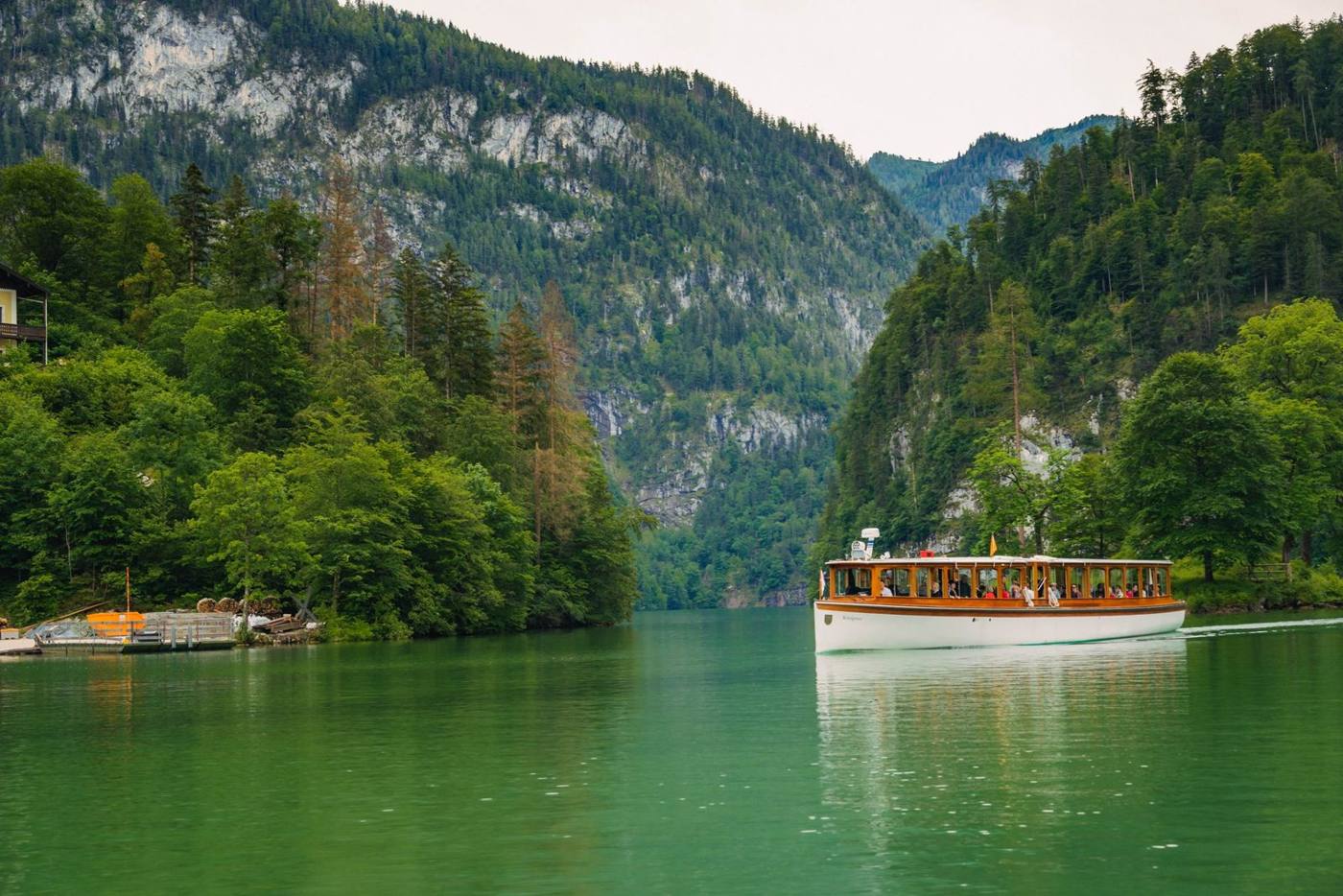
Lake Königssee by electric boat, the Eagle's Nest, Garmisch-Partenkirchen, the Zugspitze and the Partnach gorge.
 5 daysEasy
The Christmas markets
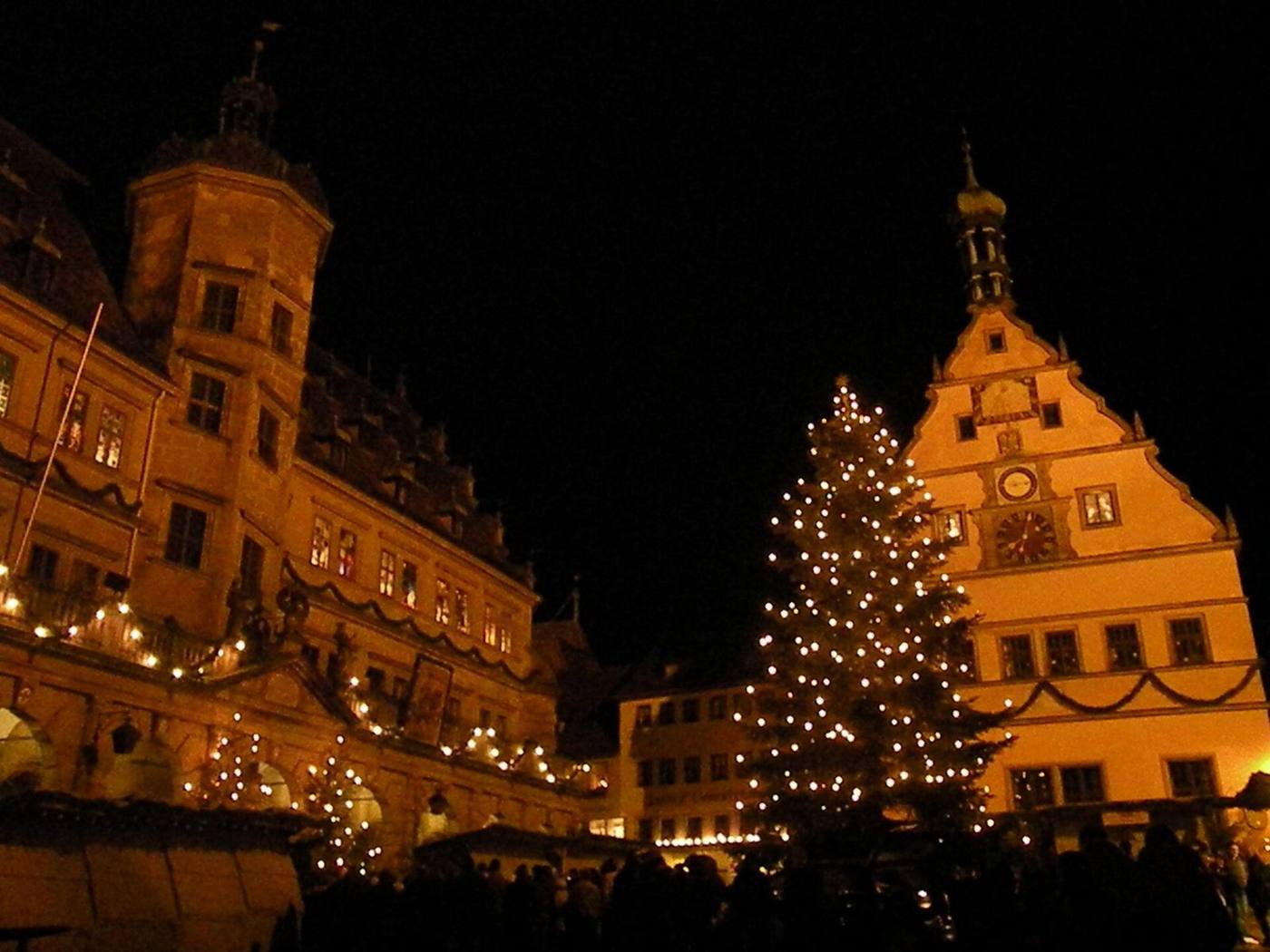
Nuremberg's Christkindlesmarkt, Rothenburg under snow, Bamberg and the markets of Munich, with mulled wine, gingerbread and lights.