Berlin in five days
The Brandenburg Gate and the Reichstag, Museum Island, the Wall and the East Side Gallery, the Kreuzberg and Prenzlauer Berg districts and Potsdam.
- Mitte
- Museum Island
- Bernauer Straße
- Kreuzberg
- Prenzlauer Berg
- Potsdam
Day by day
- Day 1
The Brandenburg Gate, the Reichstag and the Holocaust Memorial
Germany is part of the Schengen area: EU citizens need only a valid identity card or passport. German land border checks have been extended until March 2027: always carry your document, even on trains.
From Berlin Brandenburg airport the regional train or S-Bahn reaches the centre in about half an hour. An ABC zone ticket also covers the airport.
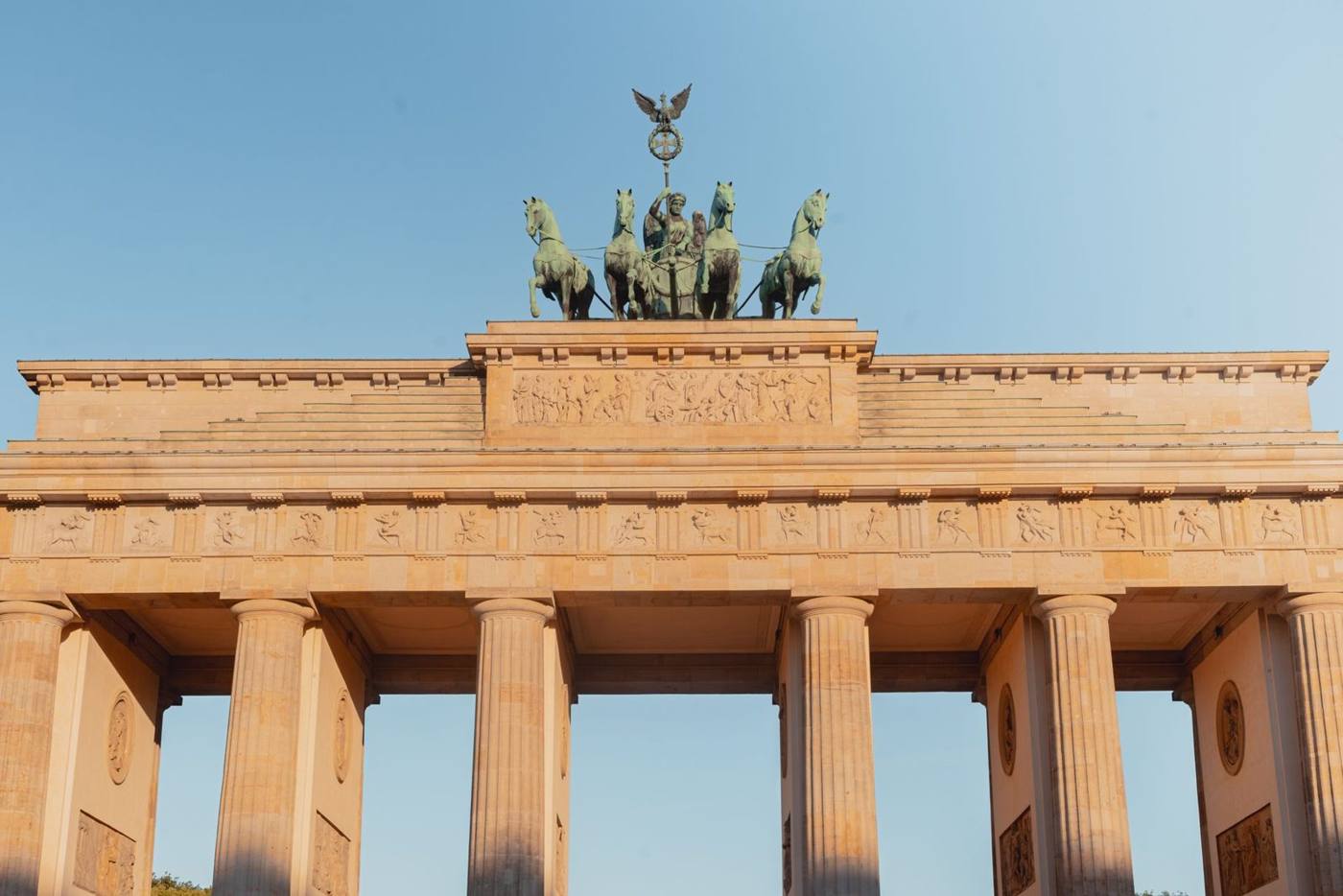
Start at the Brandenburg Gate, the city's symbol, built at the end of the eighteenth century: during the Cold War it stood in no man's land, closed off by the Wall, and its reopening in 1989 became the image of reunification. Next to it stands the Reichstag, seat of the German parliament, with its glass dome designed by Norman Foster: you climb a spiral ramp at no cost, with views over the city and the debating chamber below your feet. The visit must be booked in advance on the official Bundestag website, with an identity document.
A few steps away, the Memorial to the Murdered Jews of Europe is a field of 2,711 concrete blocks of different heights on undulating ground: walking among the slabs creates a sense of disorientation. Beneath the memorial, the information centre tells the stories of the victims.
In the evening stroll along the Unter den Linden boulevard to Museum Island.
Practical tip: on Berlin public transport tickets must be validated before boarding; checks are frequent and fines high.
- Day 2
Museum Island: Nefertiti and the ancient collections
Today is Museum Island, on an island in the Spree in the centre of Berlin, a complex of five great museums built between the nineteenth and twentieth centuries, a UNESCO World Heritage site.
In the morning visit the Neues Museum, rebuilt by the architect David Chipperfield after war damage, keeping the scars of the bombing in its walls. Here you find the bust of Nefertiti, the Egyptian queen, more than three thousand three hundred years old, one of the most famous works of art in the world, displayed on its own in a domed room. The museum also holds the Egyptian and prehistoric collections, with the Bronze Age Berlin Gold Hat.
The Pergamon Museum, with the great Pergamon Altar, has been closed since October 2023 for a long restoration: it reopens on 4 June 2027 with the altar hall, classical antiquities and the Museum of Islamic Art, while the Ishtar Gate of Babylon will stay closed until the 2030s. Meanwhile, an exhibition with a large 360-degree panorama near the island shows the ancient city of Pergamon.
In the afternoon visit the Alte Nationalgalerie, with nineteenth-century German painting, or the Bode-Museum, with sculpture, and Berlin Cathedral, with a dome offering views of the city.
Practical tip: book a time slot online for the Neues Museum. The three-day museum pass is worthwhile if you visit several state museums.
- Day 3
The Wall at Bernauer Strasse, the Topography of Terror and Checkpoint Charlie
Today is the history of Berlin's division. From 1961 to 1989 the Wall split the city in two, separating families and neighbourhoods.
In the morning visit the Berlin Wall Memorial on Bernauer Strasse, open-air and no-cost, along a stretch of about a kilometre and a half. Here the border ran in front of the houses: East Berliners jumped from their windows to flee West, until the houses were bricked up and then demolished. You see an original section with the death strip, watchtowers and traces of tunnels dug for escapes. From the viewing tower of the documentation centre you understand how the border worked.
At midday reach the Topography of Terror, no-cost to enter, on the site where the headquarters of the Gestapo and the SS stood. The exhibition tells the story of the Nazi regime's crimes, next to one of the few sections of the Wall still standing in the centre.
In the afternoon pass by Checkpoint Charlie, the border crossing between the American and Soviet sectors, with a reconstruction of the guard hut, now very touristy. Nearby, Gendarmenmarkt is considered Berlin's most beautiful square, with the German and French cathedrals and the concert hall.
In the evening, if you are interested, visit the DDR Museum, about daily life in East Germany.
Practical tip: reach the Bernauer Strasse memorial by S-Bahn to Nordbahnhof, which was a ghost station during the division.
- Day 4
East Side Gallery, Kreuzberg, Neukölln and Tempelhofer Feld
In the morning go to the East Side Gallery on the bank of the Spree, the longest section of the Wall still standing, over a kilometre long, painted in 1990 by artists from all over the world. The most famous mural is the kiss between Brezhnev and Honecker, the Soviet and East German leaders. Nearby, the red-brick Oberbaum Bridge, with its neo-Gothic towers, linked the Friedrichshain and Kreuzberg districts, divided by the Wall.
Cross the bridge into Kreuzberg, a multicultural district with a large Turkish community, murals, markets and bars. The Turkish market on the Landwehr Canal, on Tuesdays and Fridays, sells fruit, spices and fabrics. Markthalle Neun is a nineteenth-century covered market with local produce.
In the afternoon continue to Neukölln, a young, lively district, and then reach Tempelhofer Feld, the former Tempelhof airport, closed in 2008 and turned into a huge public park where people walk, cycle and skate on the old runways. This was the base of the 1948 and 1949 airlift, when the Allies supplied West Berlin blockaded by the Soviets.
In the evening dine in Kreuzberg: the Berlin kebab, born here, currywurst, sausage with curry ketchup, or food from all over the world.
Practical tip: many Berlin bars and cafés still take cash only: carry a few euros with you.
- Day 5
Potsdam and Sanssouci Park
The last day is for Potsdam, the city of the kings of Prussia, about forty minutes from central Berlin by S-Bahn or regional train, included in the ABC zone ticket.
Sanssouci Park, a UNESCO World Heritage site together with Potsdam's other palaces and gardens, is a large park with avenues, fountains and temples. At the top of a flight of vine-covered terraces stands Sanssouci Palace, the rococo summer palace of Frederick the Great, whose name means without worries in French. The king is buried next to the palace, and visitors leave potatoes on his grave in memory of his promotion of potato growing in Prussia. At the far end of the park stands the Neues Palais, a huge baroque palace.
In the afternoon stroll through central Potsdam, in the Dutch Quarter with its red-brick houses, and towards the Glienicke Bridge, the Bridge of Spies, where secret agents were exchanged between East and West during the Cold War. Alternatively, Cecilienhof Palace hosted the Potsdam Conference of 1945.
Then return to Berlin and take the train to the airport.
Things to take home: Ampelmännchen, the little traffic-light men of East Germany, sweets and marzipan, and Berlin beer.
Practical tip: the United States rates Germany level 2 for terrorism; in Berlin big-city precautions apply. Sanssouci Palace is visited with timed tickets: book online.
A capital that tells the story of the 20th century better than any other, with world-class museums and lower prices than Paris or London. The Reichstag dome is at no cost but must be booked online. Part of the Pergamon is closed for works until the end of the decade, so check what is open. The city is big; the Berlin WelcomeCard helps with transport.
Before you go
- Documents and visa
- A valid identity card or passport is enough for EU citizens. German land border checks have been extended until March 2027: always carry your document.
- Health and vaccines
- No vaccines required. EU citizens should carry the European Health Insurance Card. Emergencies: 112, police 110.
- Money and payments
- Euro. Cards are increasingly accepted, but many bars, bakeries and beer halls still take cash only.
- Power sockets
- Types C and F, 230 volts.
- Time zone
- UTC+1, UTC+2 in summer.
- Safety
- The United States rates Germany level 2 for terrorism. In stations and crowded markets watch out for pickpockets. Official advice: GOV.UK.
Information checked in November 2026 for Italian and EU citizens. Rules change: always check before you travel.
Variations
In 3 days: the Brandenburg Gate and the Reichstag, Museum Island, the Wall memorial and the East Side Gallery.
In 8 days: add Dresden and Saxon Switzerland, or Leipzig, about an hour and a half by train from Berlin.
Frequently asked questions
Is the Pergamon Museum open?
No: it has been closed since 2023 for restoration and reopens on 4 June 2027 with the Pergamon Altar. The Ishtar Gate will stay closed until the 2030s.
How do I visit the Reichstag dome?
The visit is at no cost but must be booked in advance on the official Bundestag website, with your name and date of birth. You need an identity document at the entrance.
Do I need a passport for Germany?
No: EU citizens need only a valid identity card. German land border checks have been extended until March 2027: always carry your document.
Indicative itinerary written by World Atlas. Before booking, check timetables, seasonal openings, documents and safety.
 8 daysEasy
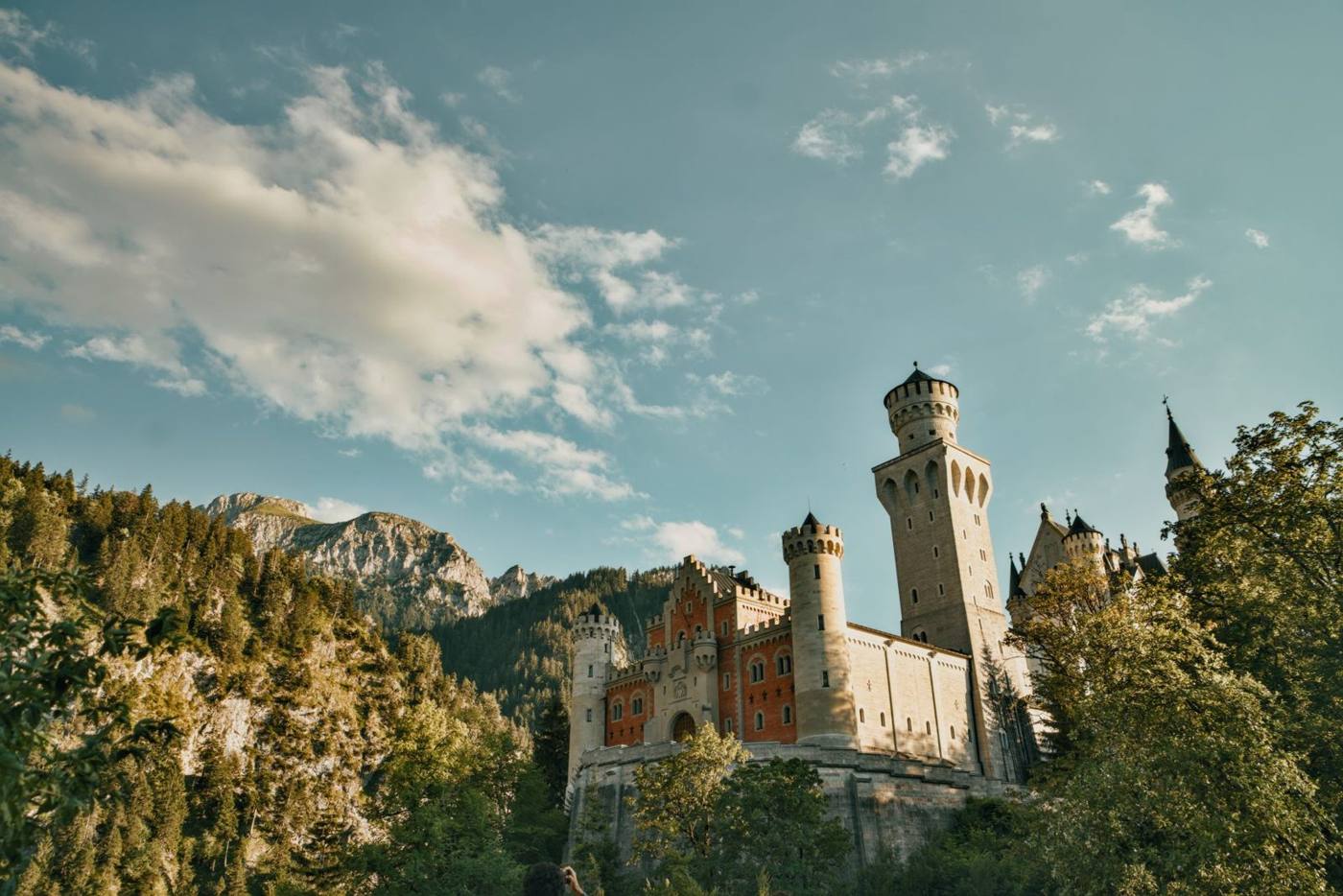
The Romantic Road and Bavaria
Würzburg, Rothenburg ob der Tauber, Dinkelsbühl, Augsburg, the castles of Neuschwanstein and Linderhof and Munich with its beer halls.
 6 daysEasy
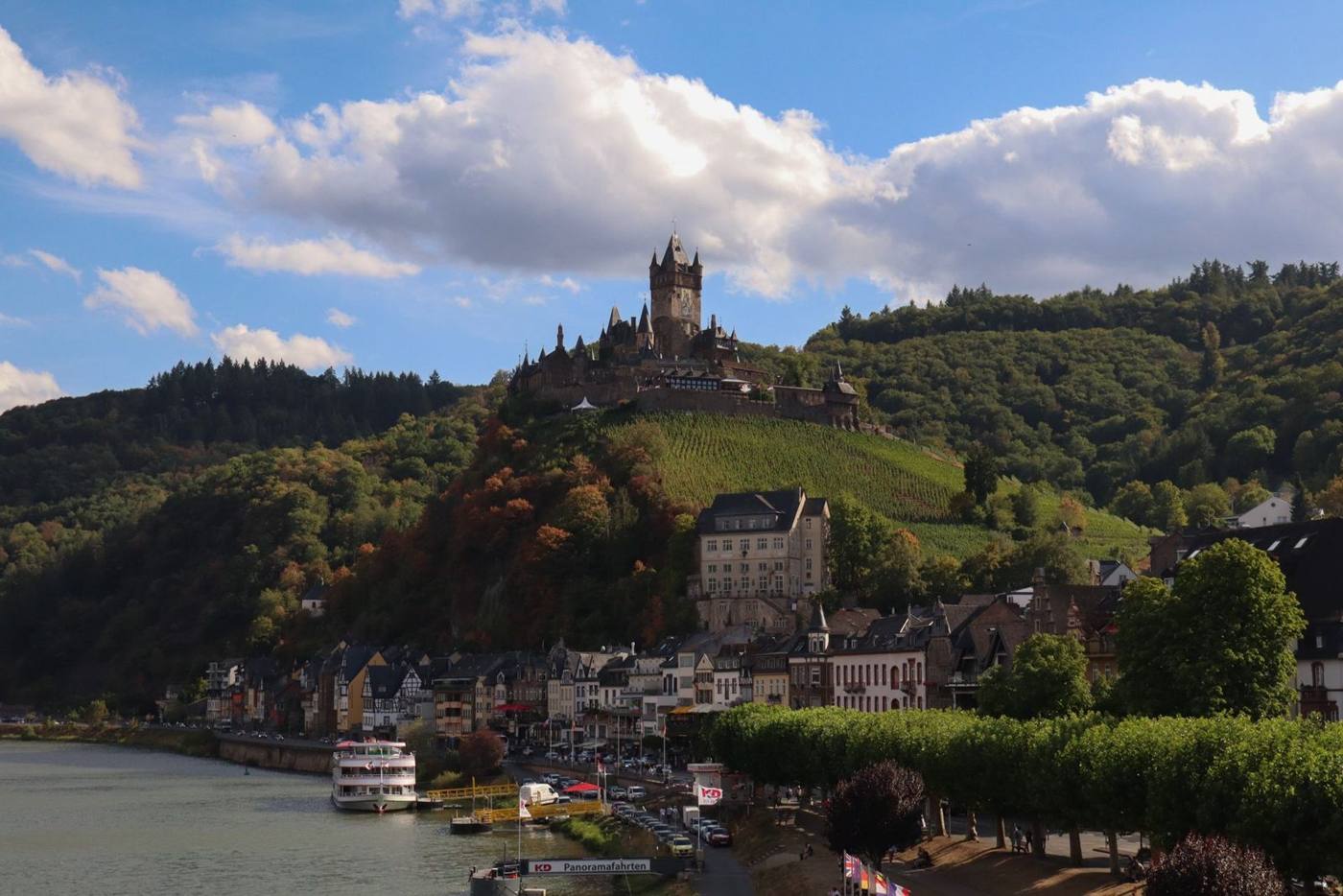
The Rhine and the Moselle
The Middle Rhine valley among castles and the Loreley rock, Koblenz, the steep vineyards of the Moselle, Eltz Castle and Roman Trier.
 6 daysEasy
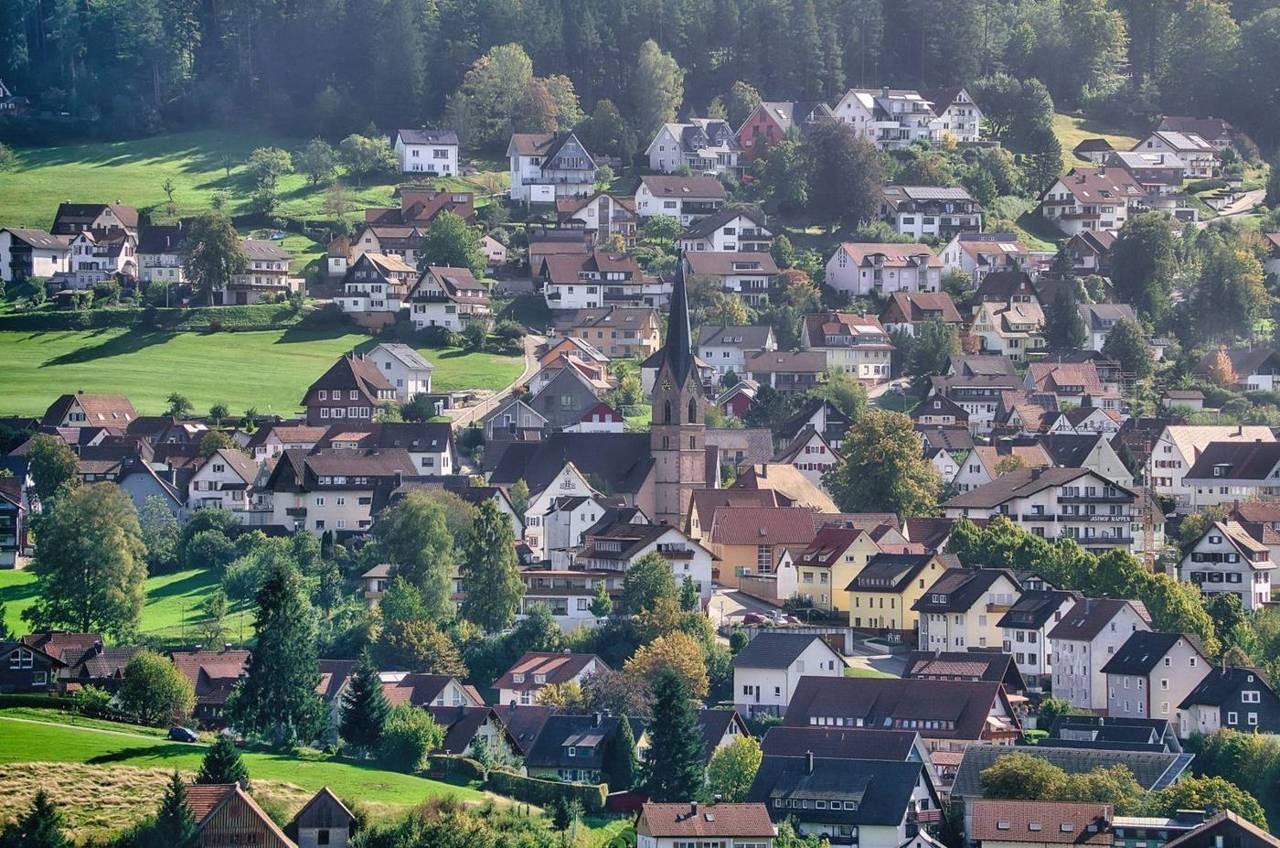
The Black Forest
Freiburg, the Triberg waterfalls, Lake Titisee, the Feldberg, the spa town of Baden-Baden and the villages of cuckoo clocks.