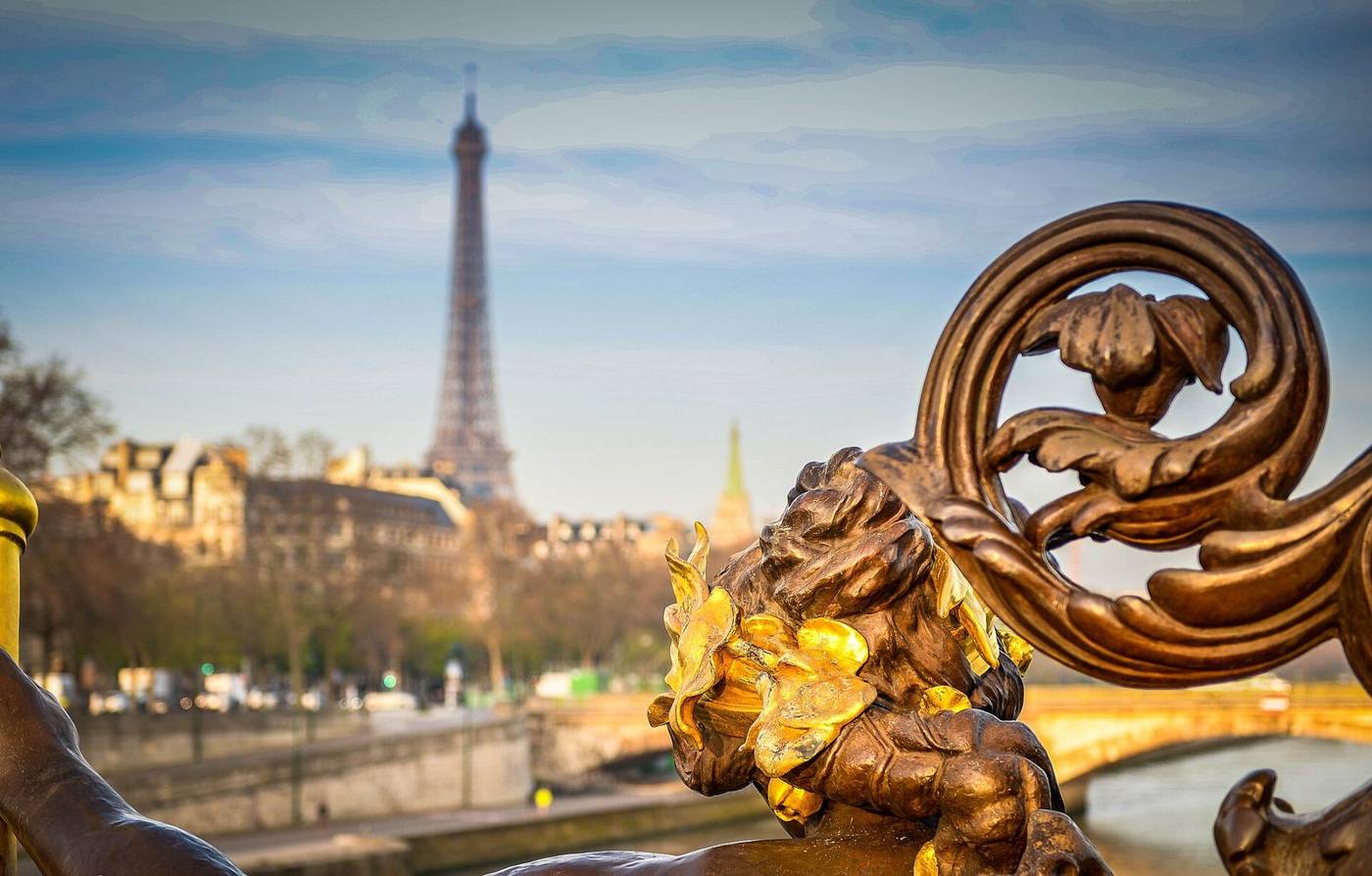
Paris in five days
The Louvre and the Orsay, the Île de la Cité with reopened Notre-Dame, the Marais, Montmartre, the Seine by boat and a day at Versailles.
- Île de la Cité
- Louvre
- Marais
- Montmartre
- Eiffel Tower
- Versailles
Day by day
- Day 1
Île de la Cité: Notre-Dame, Sainte-Chapelle and the Latin Quarter
Start at the very centre of Paris, the Île de la Cité, the island in the Seine where the city was born. Notre-Dame, reopened in December 2024 after the 2019 fire, is at no cost to enter. You can walk in without booking, but from April to October the queue can last hours: reserve a spare time slot on the cathedral's official website, which opens bookings only two or three days ahead. The towers and the treasury are paid, with a separate ticket.
A few minutes' walk away is the Sainte-Chapelle, the Gothic chapel with the most spectacular stained glass in France: go on a sunny day, when the light sets it glowing. Entry is paid with a booked time, and the security check at the entrance is slow, so arrive early. Next door stands the Conciergerie, the Revolutionary prison where Marie Antoinette was held.
In the afternoon cross the bridge to the Left Bank into the Latin Quarter: the lanes around Saint-Séverin, the Sorbonne, the Panthéon with the tombs of Voltaire, Victor Hugo and Marie Curie, then the Luxembourg Gardens for a break on the iron chairs around the pond. For dinner the area has neighbourhood bistros: order the set menu of the day, which in Paris is almost always the best value.
Where to stay: for five days pick a central area well served by the metro, such as the Marais, the Latin Quarter or Saint-Germain. Practical tip: get a Navigo Easy card or use your phone for metro tickets, and wear your backpack on your front in crowded carriages.
- Day 2
The Louvre, the Tuileries and the Water Lilies at the Orangerie
Give the morning to the Louvre, the most visited museum in the world. Since 14 January 2026 a ticket costs 22 euros for European Economic Area citizens and 32 euros for other visitors, and it must be bought online for a set time: without a booking you may not get in. The museum is closed on Tuesdays, so this day cannot fall on a Tuesday. Take the first slot of the morning and enter by the pyramid or by the Carrousel entrance, often less crowded.
The Louvre is huge: do not try to see it all. Choose three or four rooms. The Mona Lisa, in the Salle des États, is always surrounded by crowds; nearby, in the Grand Gallery, hang other Italian masterpieces seen by far fewer people. Then the Venus de Milo, the Winged Victory of Samothrace at the top of the staircase, and the Napoleon III apartments. Three hours is enough for a first taste.
After lunch walk out into the Tuileries Garden, the great park between the Louvre and place de la Concorde, with its ponds and green chairs. At the far end, towards the Seine, the Musée de l'Orangerie holds Monet's large Water Lilies, painted for two oval rooms lit from above. The visit takes an hour; the Orangerie is also closed on Tuesdays.
In the evening walk up the Champs-Élysées to the Arc de Triomphe: from the paid rooftop terrace you see the twelve avenues radiating from the square. Practical tip: bring only a small bag to museums, as large backpacks and suitcases are not allowed.
- Day 3
The Marais, place des Vosges, the Musée d'Orsay and the Seine at sunset
In the morning walk through the Marais, the district of 17th-century mansions, now full of galleries, small shops and cafés. Begin at place des Vosges, the oldest square in the city, perfectly symmetrical, with arcades around a garden; in one corner is Victor Hugo's house, no-cost for the permanent collection. Nearby the Musée Carnavalet tells the story of Paris, also no-cost for its permanent collections. Continue to rue des Rosiers, the heart of the old Jewish quarter, where falafel is eaten on the street.
In the early afternoon take the metro or walk along the Seine to the Musée d'Orsay, the old railway station turned into the museum of the 19th century: Monet, Renoir, Degas, Van Gogh, Cézanne. Book your time online. The museum is closed on Mondays and stays open into the evening on Thursdays. Do not miss the view of the city through the great clock on the fifth floor.
At sunset board a boat on the Seine: cruises leave near the Eiffel Tower, the Pont Neuf and Notre-Dame, last about an hour and pass under the finest bridges as the lights come on. There is no need for a dinner cruise: the simple trip is enough and far cheaper.
For dinner return to the Marais or head to Saint-Germain. Practical tip: the combined Orsay and Orangerie ticket saves money if you did not visit the Orangerie the day before; check the conditions on the museums' website.
- Day 4
Versailles: the palace, the gardens and the Trianon
Spend the whole day at Versailles, about forty minutes from the centre on RER line C to Versailles Château Rive Gauche station, a ten-minute walk from the palace. Trains from Saint-Lazare or Montparnasse also go there. The palace is closed on Mondays: this day cannot fall on a Monday. The Passport ticket, covering the palace, the Trianon and the gardens, costs 32 euros for European Economic Area citizens and 35 euros in high season for other visitors; book your entry time online.
Go in with the first slot of the morning: by eleven the rooms fill with groups. The palace visit follows a fixed route through the king's and queen's apartments to the Hall of Mirrors, 73 metres long, where the peace treaty was signed in 1919. Counting the security queues, allow two hours.
At midday head out into the gardens designed by André Le Nôtre, with fountains, avenues and the Grand Canal. On weekends in the warm season and on some other days there are the Grandes Eaux musicales, with the fountains running to music: they cost extra, so check the calendar. The gardens are large; to reach the Trianon you can hire a bicycle or ride the little train.
In the afternoon visit the Grand Trianon and Marie Antoinette's estate, with the Queen's Hamlet, its rustic cottages and pond: it is the quietest and most surprising part. Practical tip: bring water and comfortable shoes, as you easily walk ten kilometres. Return to Paris for dinner.
- Day 5
Montmartre, the Eiffel Tower, the Trocadéro and departure
On the last morning go up to Montmartre early, before nine, while the streets are still empty. From Anvers or Abbesses metro climb the steps or take the funicular to the Sacré-Cœur, the white basilica on top of the hill, no-cost to enter: from the steps in front the view takes in all of Paris. Behind the basilica lies place du Tertre, the painters' square, then the quieter streets: the Montmartre vineyard, the Moulin de la Galette, the houses with gardens on rue de l'Abreuvoir. On the Sacré-Cœur steps, beware of people offering bracelets: it is a way of asking for money.
Head back towards the centre and reach the Eiffel Tower. To go up, book a timed ticket on the official website: you can reach the second floor on foot or by lift, the top only by lift. Without a booking the summer queues are long. If you do not want to go up, the Champ de Mars, the lawn beneath the tower, still gives the best view of the structure.
Cross the Pont d'Iéna to the Trocadéro: from the terrace of the Palais de Chaillot you take the classic photo of the whole tower. If your flight is in the evening, stay until dark: for five minutes every hour after sunset, the tower sparkles with lights.
For Charles de Gaulle airport take RER B from Gare du Nord, about 35 minutes; for Orly, metro line 14 runs straight to the terminal. Practical tip: allow at least two and a half hours before your flight, for security and for possible train delays.
A city that never disappoints, but needs booking: the Louvre, Versailles, the Sainte-Chapelle and the Eiffel Tower require timed tickets. Notre-Dame is at no cost but has queues; reserving helps. Museums close one day a week, a different day for each, so check first. Lodging is expensive; choose by metro line.
Before you go
- Documents and visa
- EU citizens need a valid identity card or passport. Other nationalities should check the Schengen rules.
- Health and vaccines
- No vaccines required. EU citizens should bring their EHIC. Emergencies: 112.
- Money and payments
- Euro. Cards are accepted almost everywhere; every accommodation charges the taxe de séjour per person per night.
- Power sockets
- Types C and E, 230 volts.
- Time zone
- Central European Time (UTC+1), summer time (UTC+2) from the last Sunday of March to the last Sunday of October.
- Safety
- A safe country, with a high terrorism alert level and security checks at museums and stations. In Paris watch for pickpockets on the metro. Official advice: GOV.UK.
Information checked in November 2026 for Italian and EU citizens. Rules change: always check before you travel.
Variations
In 3 days: Notre-Dame, Sainte-Chapelle and the Latin Quarter on the first day, the Louvre and the Eiffel Tower on the second, Orsay, the Marais and Montmartre on the third. You give up Versailles and the Orangerie.
In 7 days: add a day at Giverny, Monet's house and gardens, open from April to early November, and one at the Château de Fontainebleau or Chantilly, both reachable by train in under an hour.
Frequently asked questions
Do I need to book everything in advance?
The Louvre, the Sainte-Chapelle, Versailles and the Eiffel Tower all use timed tickets: book them as soon as you have dates, especially from April to October. Notre-Dame is at no cost and booking is optional, but slots open only two or three days ahead. Orsay and the Orangerie can be bought a few days before, outside school holidays.
Which days are the museums closed?
The Louvre and the Orangerie close on Tuesdays; the Musée d'Orsay and the Palace of Versailles on Mondays. Plan your days around this: in this itinerary the second day must not be a Tuesday, the third and fourth not a Monday. Also check exceptional closures on the official websites, which sometimes happen because of strikes or heatwaves.
How much is the tourist tax in Paris?
It is paid at your accommodation, per person per night. In 2026 it is 5.53 euros in a three-star hotel, 8.45 euros in a four-star, 11.70 euros in a five-star and up to 15.93 euros in palaces and unclassified rentals, where it is calculated as a percentage of the nightly price. Under-18s do not pay it.
Indicative itinerary written by World Atlas. Before booking, check timetables, seasonal openings, documents and safety.
 10 daysEasy
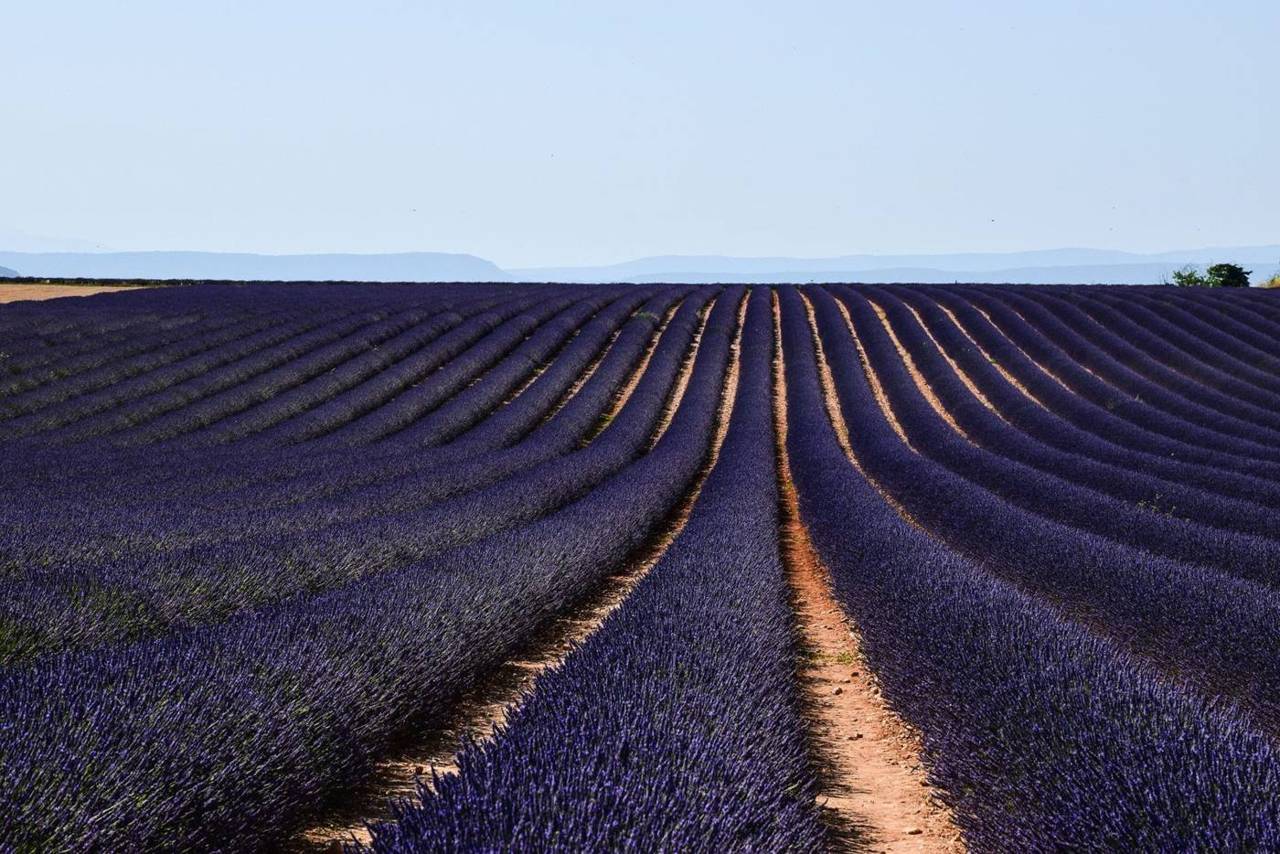
Provence and the Côte d'Azur
Avignon and the Pont du Gard, the Luberon villages and lavender fields, Arles and the Camargue, the Verdon gorges and the coast from Nice to Èze.
 6 daysEasy
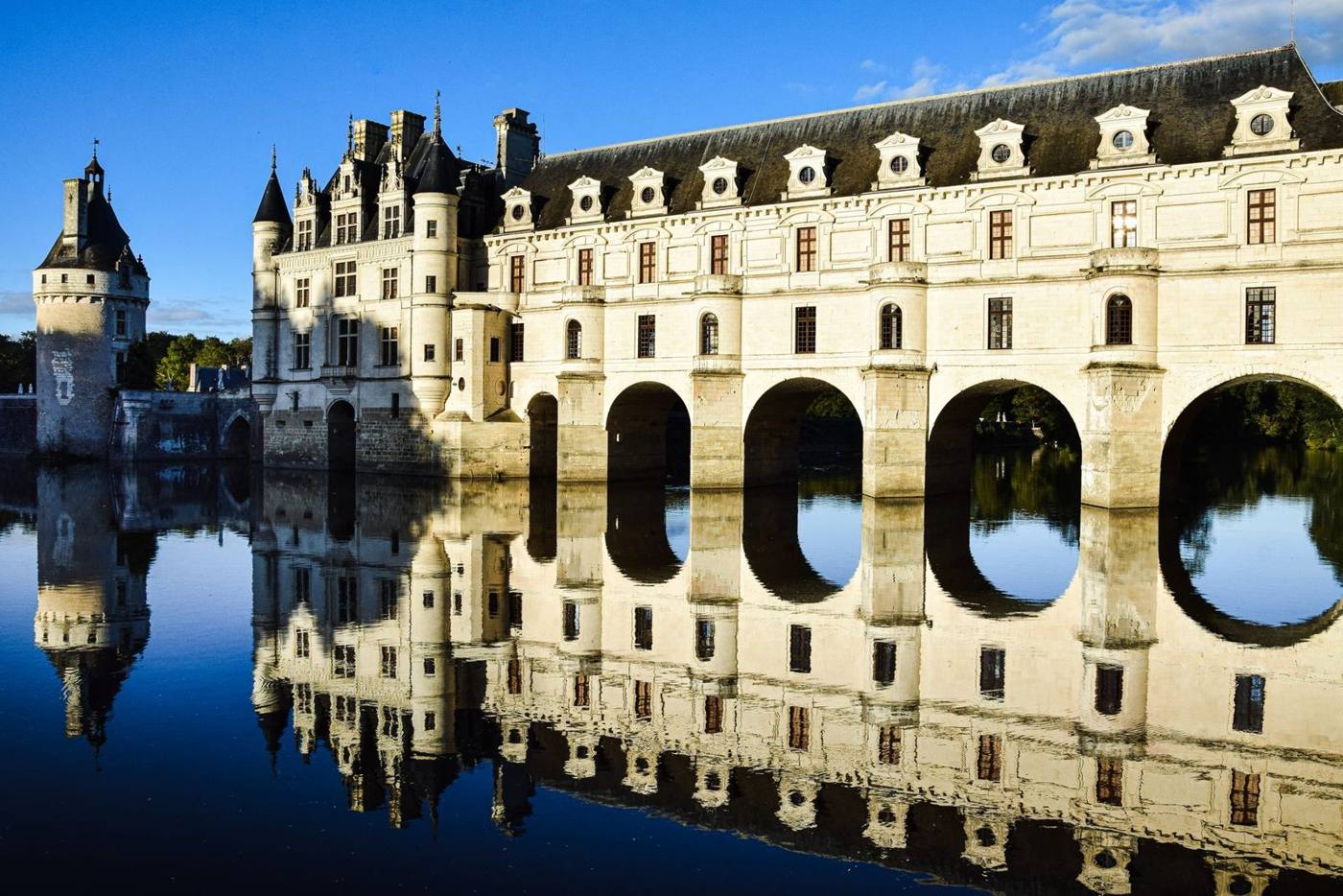
The Loire châteaux
Chambord, Chenonceau, Amboise and Villandry, by car or by bike along the Loire à Vélo, with the cellars of Vouvray and Chinon.
 9 daysEasy
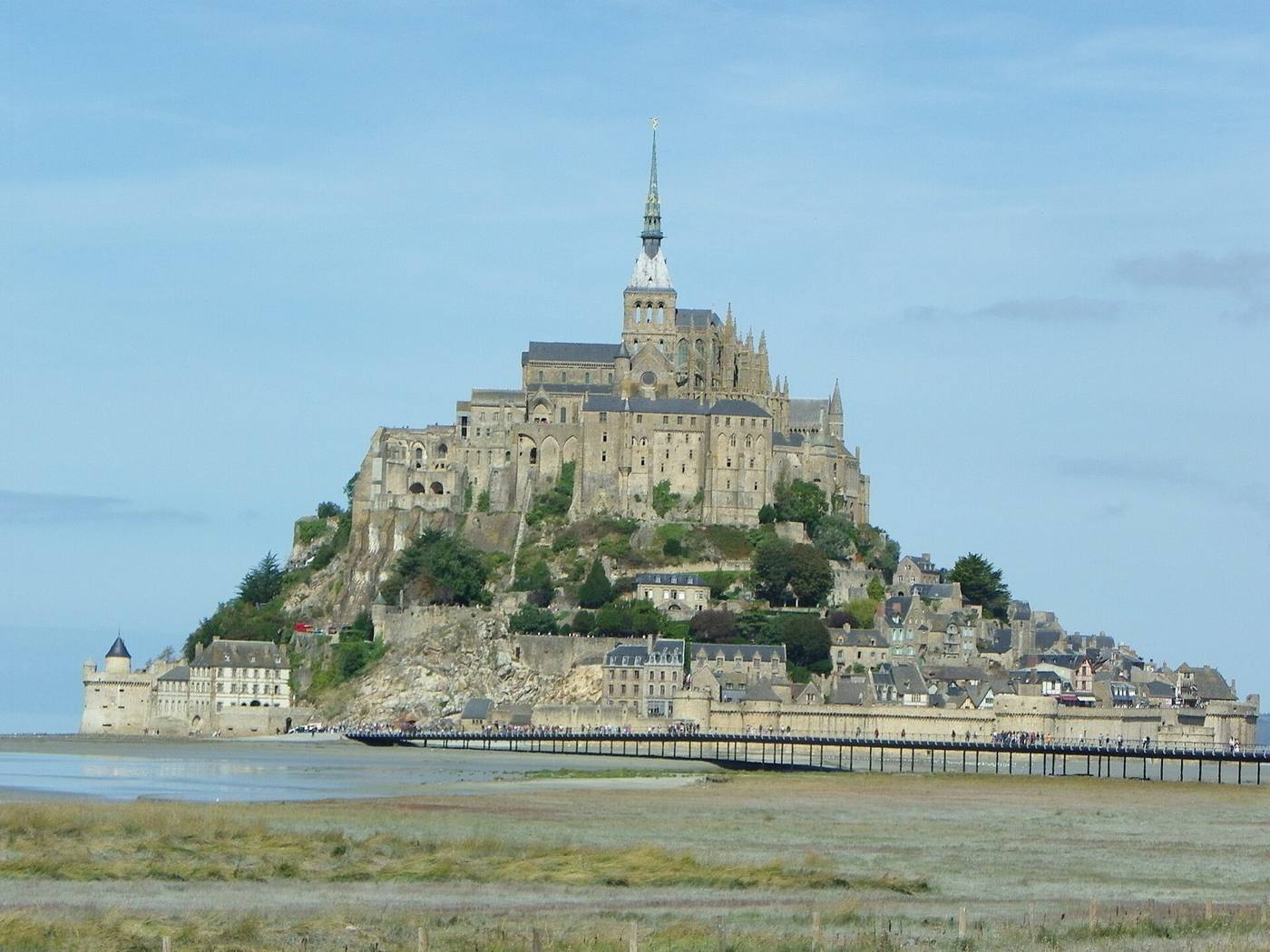
Normandy and Brittany
Giverny and Monet, the cliffs of Étretat, Honfleur, the D-Day beaches, Mont-Saint-Michel and the Breton coast from Saint-Malo to the Pink Granite Coast.