Chartres, Fontainebleau and Vaux-le-Vicomte
The treasures around Paris beyond Versailles: the Gothic cathedral of Chartres with its blue stained glass, the Château de Fontainebleau, home to kings and Napoleon, and its boulder forest, the Château de Vaux-le-Vicomte with Le Nôtre's gardens and the painters' village of Barbizon.
- Paris
- Chartres
- Fontainebleau
- Barbizon
- Vaux-le-Vicomte
Day by day
- Day 1
Chartres: the cathedral and the lower town on the Eure
To enter France EU citizens can use a valid identity card or passport. Check the rules for your nationality.
This trip leaves Paris for three masterpieces of the Île-de-France and its surroundings: Chartres Cathedral, the Château of Fontainebleau with its forest, and Vaux-le-Vicomte, the château that inspired Versailles. They can be reached by train, except Vaux-le-Vicomte, which needs a car or a shuttle.
In the morning take the train from Montparnasse station to Chartres, about an hour. From the train you already see the two spires of Notre-Dame rising above the wheat fields of the Beauce. Built largely within a few decades after a fire in 1194, it is one of the masterpieces of European Gothic and a UNESCO World Heritage site. It keeps almost all its original twelfth- and thirteenth-century stained glass, more than a hundred and seventy windows, with the famous Chartres blue, deep and luminous, telling stories from the Bible, the saints and medieval trades. On the nave floor is a great thirteenth-century labyrinth that pilgrims walked in prayer; on some days the chairs are removed and you can walk the path. The cathedral also holds the veil that tradition says belonged to the Virgin.
In the afternoon go down to the lower town along the River Eure, with half-timbered houses, stone bridges, old washhouses and mills. Visit too the church of Saint-Pierre, with more medieval glass.
In the evening, from April to early January, watch Chartres en lumières, when the cathedral façade and other monuments are lit by colourful projections.
Practical tip: bring binoculars to see the details of the highest windows.
- Day 2
The Château of Fontainebleau
In the morning take the train from Gare de Lyon in Paris to Fontainebleau-Avon, about forty minutes, then the bus to the château. The Château of Fontainebleau, a UNESCO site, was a residence of the kings of France for more than seven centuries, from the Middle Ages to Napoleon III: each added wings, courtyards and decoration, so the château shows the styles of different eras.
In the sixteenth century King Francis I turned it into a Renaissance palace and brought Italian artists such as Rosso Fiorentino and Primaticcio, who created the Gallery of Francis I, with frescoes, stucco and panelling, one of the masterpieces of the Renaissance in France. From it came the style called the School of Fontainebleau. You also visit the ballroom, with its gilded coffered ceiling, the Trinity Chapel, the queens' apartments and those of Napoleon, with the throne room, the only one left in France with its original throne, and the small salon where the emperor signed his abdication in 1814.
In the afternoon step into the White Horse Courtyard, also called the Courtyard of Farewells, with its great horseshoe staircase, where Napoleon bade farewell to his guard before leaving for exile on Elba. Then stroll in the gardens: the great parterre designed by André Le Nôtre, the English garden, the carp pond with its small pavilion in the middle of the water, and Diana's garden.
In the evening walk through the centre of the town of Fontainebleau.
Practical tip: the château is closed on Tuesdays.
- Day 3
The Forest of Fontainebleau and Barbizon
In the morning explore the Forest of Fontainebleau, one of the largest forests near Paris, about twenty-five thousand hectares of oak, beech and pine, sandy hills and thousands of large, oddly shaped sandstone boulders scattered among the trees. It is world-famous for bouldering, practised here for more than a century: in many places you see climbers with their crash pads. There are also hundreds of kilometres of waymarked trails, the blue trails, laid out in the nineteenth century by a forest enthusiast.
One of the finest walks is through the Gorges de Franchard, among rocks, pines and heath, with an old hermitage and viewpoints over the forest; another is the Gorges d'Apremont, with a panorama over a sea of rocks and trees.
In the afternoon reach Barbizon, a small village on the edge of the forest that in the nineteenth century became the meeting place of a group of painters, including Jean-François Millet and Théodore Rousseau, who left their Paris studios to paint nature and peasants outdoors. The Barbizon School paved the way for the Impressionists. Along the main street you see the painters' houses and studios, now galleries, and the Barbizon painters' museum, in the old inn where they lodged and painted on the furniture and walls.
In the evening return to Fontainebleau or Paris.
Practical tip: in the forest follow the trail markings; among the rocks it is easy to lose your bearings.
- Day 4
Vaux-le-Vicomte and back to Paris
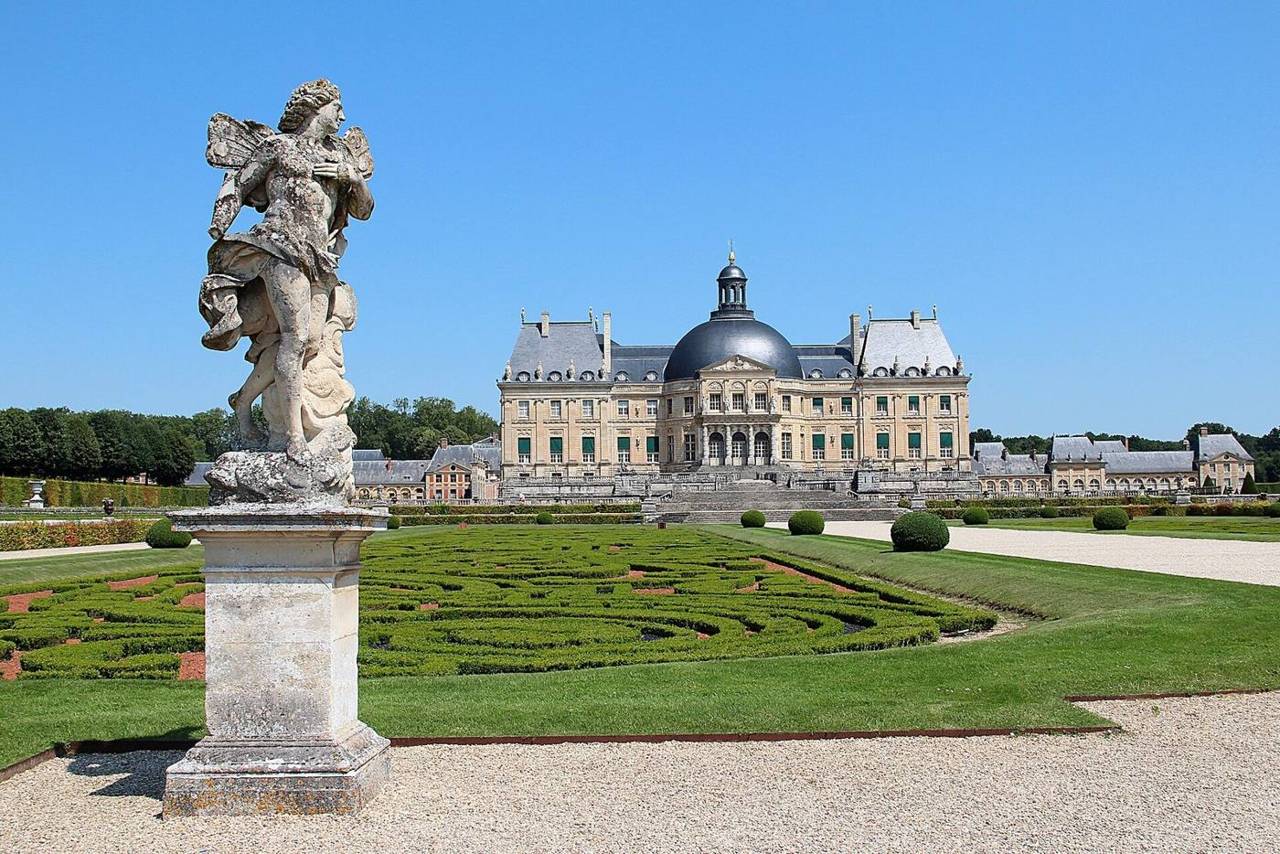
In the morning reach Vaux-le-Vicomte, about twenty minutes by car from Fontainebleau, or from Paris by train to Verneuil-l'Étang and then the shuttle that runs on opening days. The château was built between 1656 and 1661 for Nicolas Fouquet, the powerful finance minister of the young Louis XIV, who brought together three great artists: architect Louis Le Vau, painter Charles Le Brun and gardener André Le Nôtre.
On 17 August 1661 Fouquet gave a lavish party for the king, with a banquet, a comedy written for the occasion by Molière and fireworks. The king, jealous of such luxury and suspicious of the minister's finances, had him arrested three weeks later; Fouquet spent the rest of his life in prison. Louis XIV then took the same artists to build Versailles.
Visit the interiors, with the great oval salon under the dome and ceilings painted by Le Brun, then the French formal gardens, Le Nôtre's first great masterpiece, with parterres, pools, fountains and perspectives that play tricks on the eye: the great canal seems close but is hidden in a valley. At the far end the statue of Hercules dominates the view. There is also a carriage museum.
On summer Saturday evenings, during the candlelight evenings, thousands of candles light the château and gardens, and the night ends with fireworks.
In the evening return to Paris.
Things to take home: Brie de Meaux and Brie de Melun, Gâtinais honey, and stained glass and objects from the Chartres workshops.
Practical tip: check the château's opening dates, as it closes in winter, and book the candlelight evenings.
It adds well to a stay in Paris, by train or car. Vaux-le-Vicomte usually opens from late March to early November. Chartres is an hour by train from Montparnasse.
Before you go
- Documents and visa
- EU citizens need a valid identity card or passport. Other nationalities should check the Schengen rules.
- Health and vaccines
- No vaccines required. EU citizens should bring their EHIC. Emergencies: 112.
- Money and payments
- Euro. Cards are accepted almost everywhere; every accommodation charges the taxe de séjour per person per night.
- Power sockets
- Types C and E, 230 volts.
- Time zone
- Central European Time (UTC+1), summer time (UTC+2) from the last Sunday of March to the last Sunday of October.
- Safety
- A safe country, with a high terrorism alert level and security checks at museums and stations. In Paris watch for pickpockets on the metro. Official advice: GOV.UK.
Information checked in November 2026 for Italian and EU citizens. Rules change: always check before you travel.
Variations
In 2 days: Chartres on day one, Fontainebleau on day two.
In 6 days: add Versailles and Giverny, or Provins, the medieval town, and Auvers-sur-Oise.
Frequently asked questions
Which document do I need for France?
A valid identity card or passport for EU citizens.
Can I do the trip without a car?
Yes for Chartres and Fontainebleau, by train from Paris; for Vaux-le-Vicomte a shuttle runs from Verneuil-l'Étang station on opening days.
When are the candlelight evenings at Vaux-le-Vicomte?
On Saturday evenings in summer; exact dates are on the château's website, and booking is advisable.
Indicative itinerary written by World Atlas. Before booking, check timetables, seasonal openings, documents and safety.
 5 daysEasy
Paris in five days
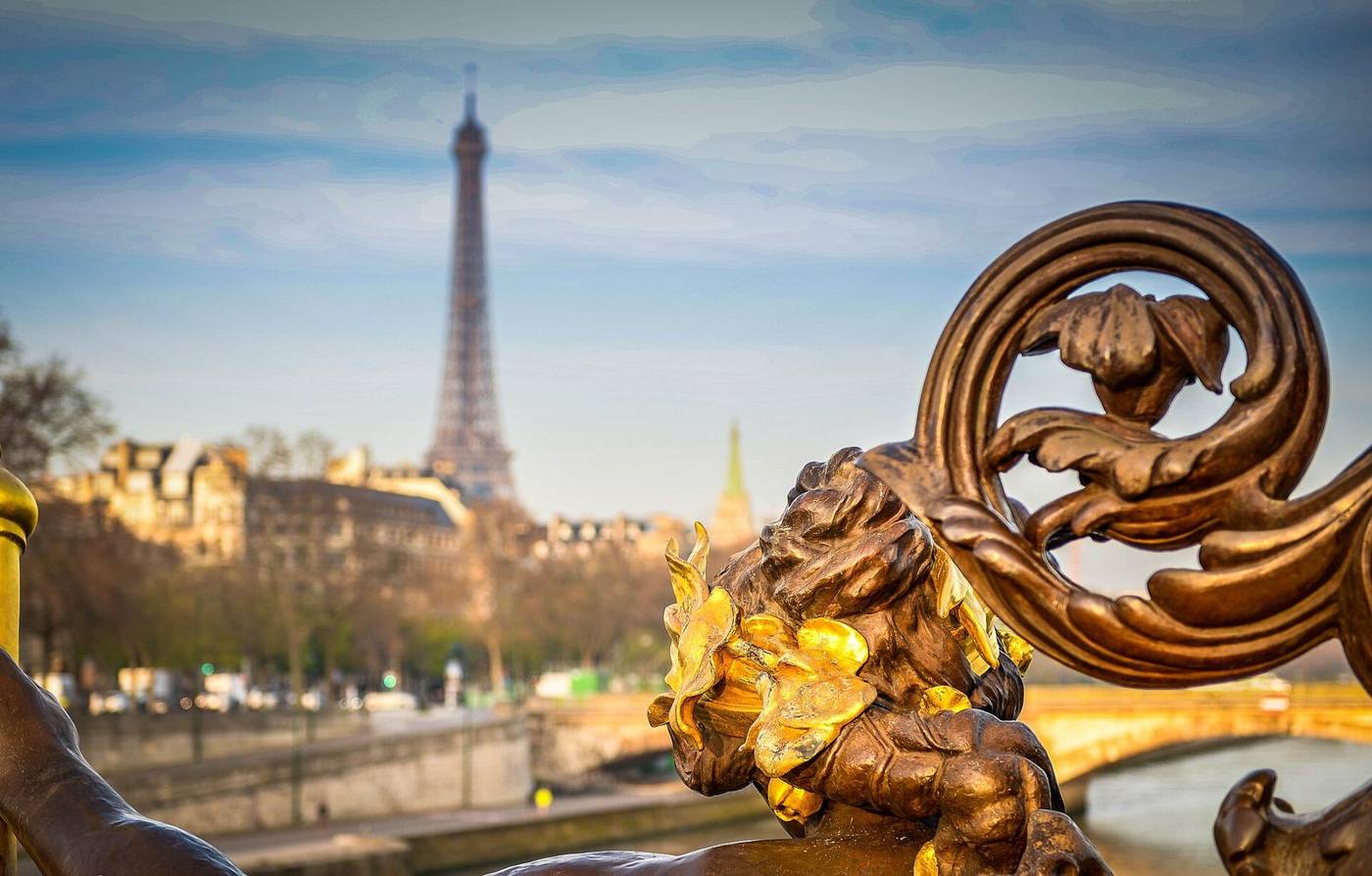
The Louvre and the Orsay, the Île de la Cité with reopened Notre-Dame, the Marais, Montmartre, the Seine by boat and a day at Versailles.
 10 daysEasy
Provence and the Côte d'Azur
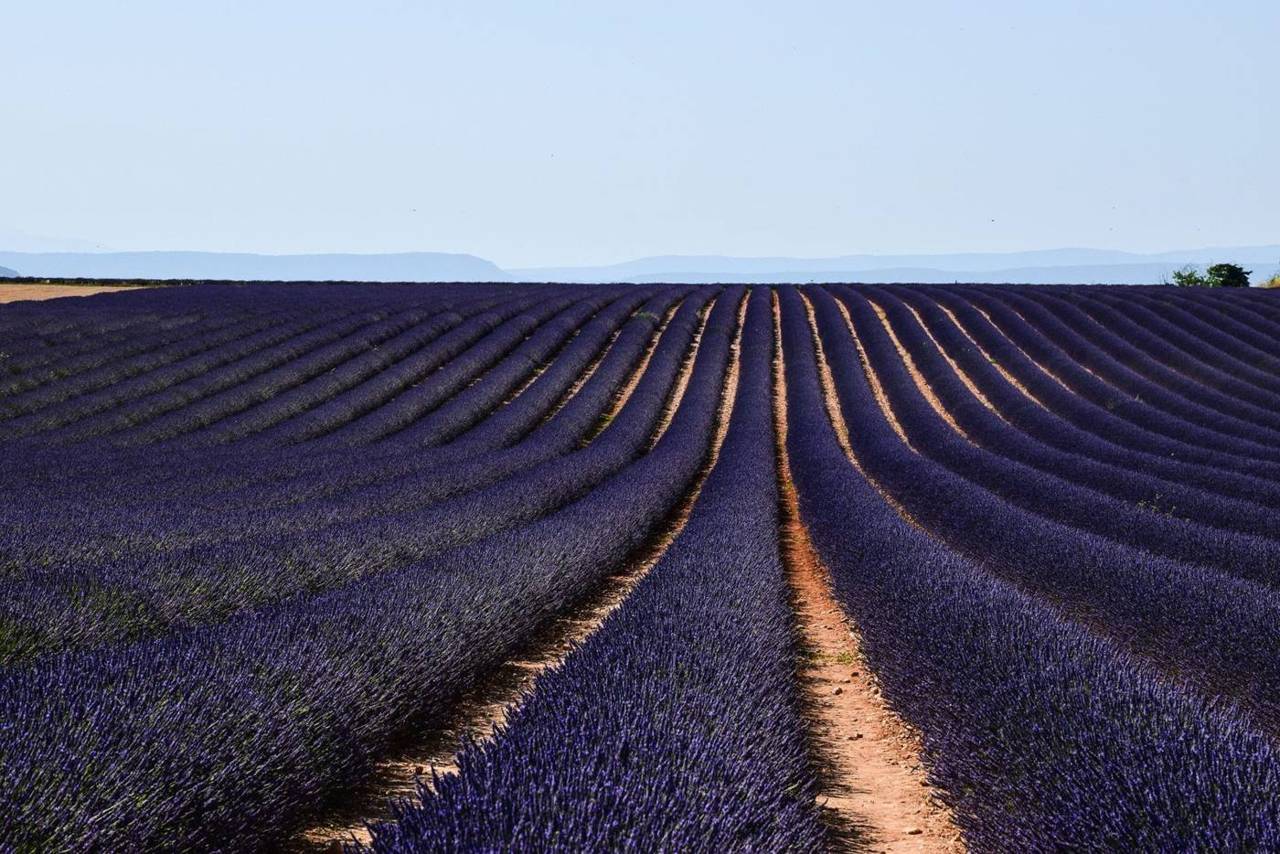
Avignon and the Pont du Gard, the Luberon villages and lavender fields, Arles and the Camargue, the Verdon gorges and the coast from Nice to Èze.
 6 daysEasy
The Loire châteaux
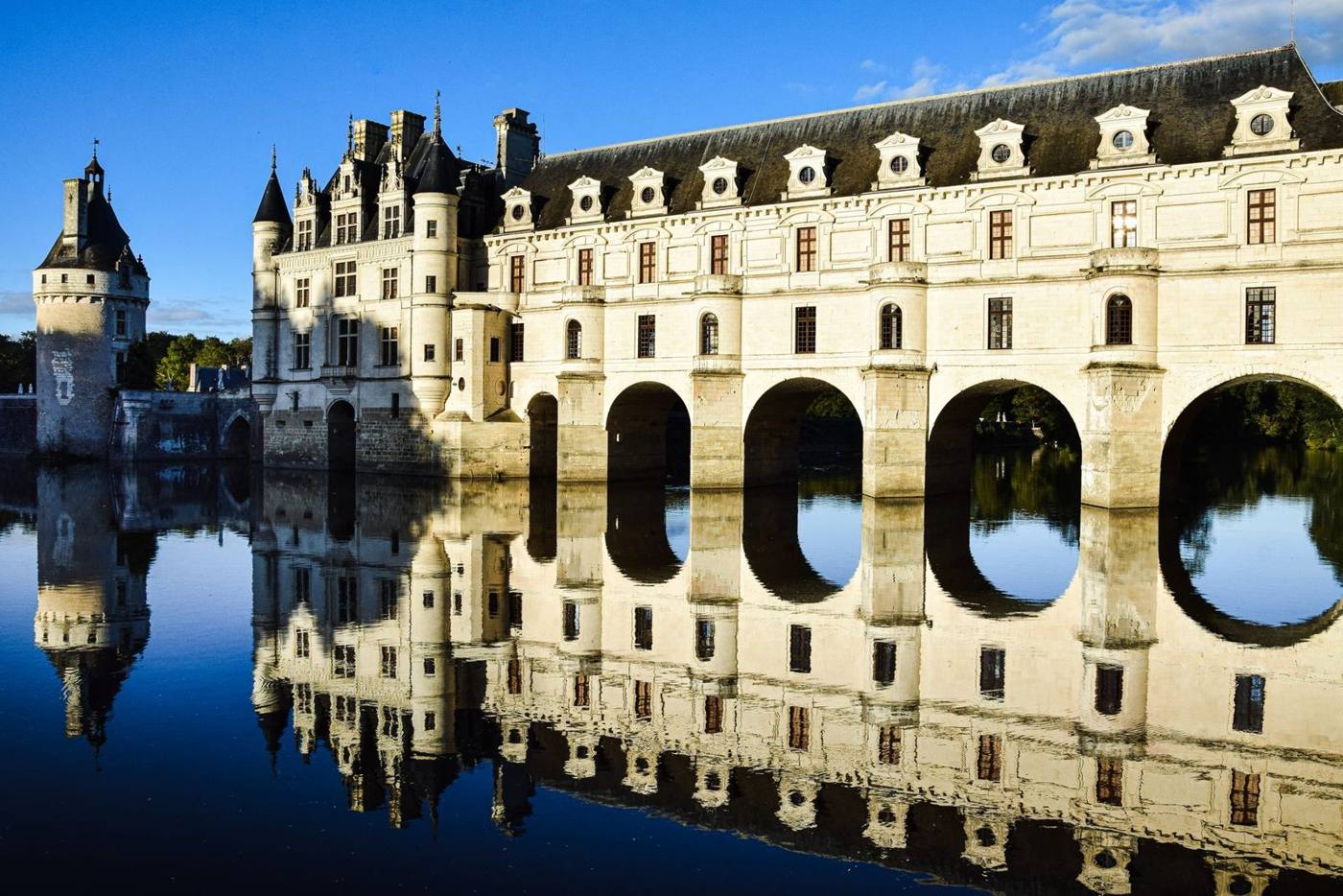
Chambord, Chenonceau, Amboise and Villandry, by car or by bike along the Loire à Vélo, with the cellars of Vouvray and Chinon.