Sigatoka with the family
An easy trip with children: the Sigatoka dunes, Kula wildlife park, the Sabeto orchid gardens and hot mud pools, and calm lagoon beaches.
- Nadi
- Sabeto
- Sigatoka
- Kula
Day by day
- Day 1
The gardens and mud pools of Sabeto
This four-day trip is designed for those travelling to Fiji with children: short distances, easy activities and lagoon beaches with calm water, in the western part of Viti Levu, between Nadi and Sigatoka. You will see orchid gardens, hot mud pools, Fijian iguanas and birds, and big sand dunes by the sea.
Before you go: Italian citizens enter Fiji without a visa for tourist stays of up to 120 days, with a passport valid for at least six months from arrival; at the border you may be asked for a return or onward ticket. Other nationalities should check their own rules. The country is generally calm, but there are thefts and robberies in the tourist areas of Suva and Nadi, especially at night. From November to April is cyclone season, with a risk of floods and landslides: follow the warnings of the local weather service. You drive on the left: avoid driving at night outside towns.
After the long flight, start slowly. From Nadi head to the Sabeto valley, a few kilometres from the airport, at the foot of the mountains. Visit the Garden of the Sleeping Giant, named after the mountain shaped like a sleeping giant, created in the 1970s to house a large collection of orchids. Wooden boardwalks wind through the jungle, past lily ponds and hundreds of orchids of every colour. Check prices and times.
Then go to the Sabeto mud pools, fed by hot springs. You smear the grey mud all over your body, let it dry in the sun and then rinse off in pools of warm water. Children love it.
Practical tip: bring an old swimsuit and a dark towel, because the mud stains; in the hot pools always keep an eye on the little ones.
- Day 2
The Kula park
Today drive south along the Queens Road to the Coral Coast, the southern shore of Viti Levu, with its lagoons protected by the coral reef. The drive from Nadi takes about an hour and a half, past sugar cane fields, villages and the first palm-fringed beaches. Along the way stop at a fruit stall and let the children try a green coconut, opened with a machete in front of you, to drink through a straw. Settle into accommodation on the coast for three nights: many hotels in the area have pools and kids' clubs.
In the afternoon visit the Kula park, near Korotogo, a nature park in the forest devoted to the animals of Fiji. Along shaded paths you see brightly coloured parrots and doves, turtles and, above all, Fijian iguanas, green reptiles that live only on these islands and that the park helps to protect with a breeding programme. Children can watch them up close, while the keepers explain how they live. The park also has water slides and adventure courses for older children. Check prices and times.
In the evening, on the beach, watch the sunset over the lagoon as the tide comes in.
Practical tip: between ten and four the sun is very strong even when it is cloudy. Always use sun cream and have the children wear a T-shirt and a hat, even in the water.
- Day 3
The Sigatoka dunes
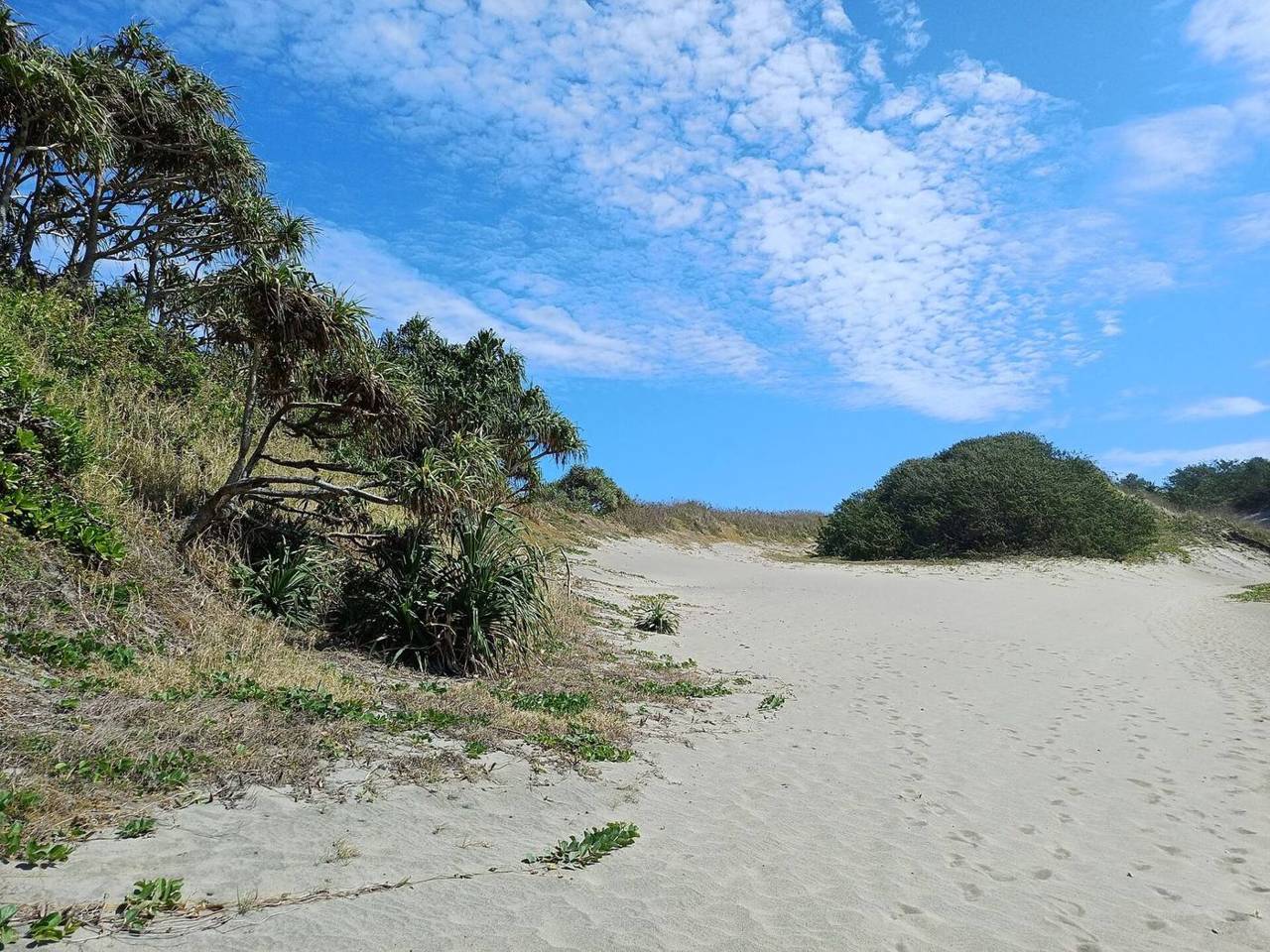
Early in the morning, before the heat, go to the Sigatoka Sand Dunes National Park, at the mouth of the Sigatoka river. It was the first national park in Fiji: great dunes of golden sand, partly covered with grass and trees, overlook a beach pounded by waves.
At the visitor centre pick up the map and choose your trail: there is a shorter loop, suitable for children, and a longer one that reaches the top of the highest dunes, with views over the sea and the river mouth. The dunes are also an important archaeological site: fragments of Lapita pottery, made by the first people to reach these islands, and ancient burials have been found here. That is why you take nothing away and stay on the paths. Near the river mouth also watch the herons and seabirds fishing in the shallow water. Check prices and times.
Do not swim on this beach: the waves and currents are dangerous.
In the afternoon stop in the town of Sigatoka. At the covered market you find fruit, vegetables and spices from the valley, known as the salad bowl of Fiji, because much of the country's vegetables are grown here. Try the tropical fruit and coconut sweets.
Practical tip: in the dunes carry plenty of water and wear closed shoes, because the sand gets very hot; for the little ones the short loop is more than enough.
- Day 4
The lagoon and departure
The last day is for the sea. Spend the morning on one of the lagoon beaches of the Coral Coast, where the reef stops the waves and the water stays shallow and calm. At high tide you can snorkel close to the shore with the children, among colourful fish and small corals; at low tide the water draws back and reveals pools full of starfish, crabs and sea cucumbers.
After lunch head back to Nadi for your flight. If you have time, stop at the Nadi handicraft market for a few souvenirs, such as woven mats, wooden kava bowls and shell necklaces. Allow about an hour and a half for the drive and a good margin for traffic.
In four days you have seen the most family-friendly side of Fiji: the orchid gardens and hot mud of Sabeto, the iguanas and birds of the Kula park, the great dunes of Sigatoka with their archaeological treasures and the calm lagoons of the Coral Coast. Distances are short and the children do not get tired.
When to go: from May to October, in the dry season, with sunny days, less humidity and fewer mosquitoes. From November to April it is hotter, it often rains and there is a risk of cyclones and dengue.
Practical tip: in the reef pools have the children wear reef shoes and teach them not to touch anything: some fish and corals sting; always follow the flags and local advice on currents.
Family-friendly Fiji with short distances. Coast resorts have kids' clubs. Always use sunscreen and a rash vest in the water.
Before you go
- Documents and visa
- Passport valid for at least six months from arrival. British and Italian citizens enter without a visa for tourist stays of up to four months; at the border you may be asked for a return or onward ticket.
- Health and vaccines
- In the rainy season, from November to April, there is a risk of dengue: use repellent and wear long, light-coloured clothes. Yellow fever is required only for travellers arriving from a country at risk. Healthcare is limited and serious cases are often evacuated abroad: you need insurance with repatriation that also covers diving. Emergencies: 911.
- Money and payments
- Fijian dollar. Cards work in hotels and towns; in villages and on small islands you need cash.
- Power sockets
- Type I, the Australian plug with flat angled pins, 240 volts: you need an adapter.
- Time zone
- UTC+12 all year.
- Safety
- A generally calm country with no areas advised against. Watch out for theft and robbery in the tourist areas of Suva and Nadi, especially at night. November to April is cyclone season, with a risk of floods and landslides: follow the local weather service. In villages present the sevusevu, a gift of kava root, to the chief, take off your hat and cover your shoulders and knees. Official advice: GOV.UK.
Information checked in November 2026 for Italian and EU citizens. Rules change: always check before you travel.
Variations
In 3 days: Sabeto on the first day, then Sigatoka and the lagoon, without the Kula park.
In 7 days: add two days on a Mamanuca island, with beaches and snorkelling.
Frequently asked questions
Is Fiji suitable for children?
Yes, people are very welcoming to families, distances on Viti Levu are short and the lagoons have calm water. Be careful with the sun and mosquitoes.
Can you swim at the Sigatoka dunes?
No, the beach at the dunes has dangerous waves and currents. For swimming choose the sheltered lagoons of the Coral Coast.
Do you need a car?
It is convenient, but you can also use taxis with a driver or hotel transfers. You drive on the left and it is better not to drive at night.
Indicative itinerary written by World Atlas. Before booking, check timetables, seasonal openings, documents and safety.
 8 daysEasy
The Yasawas and Mamanucas
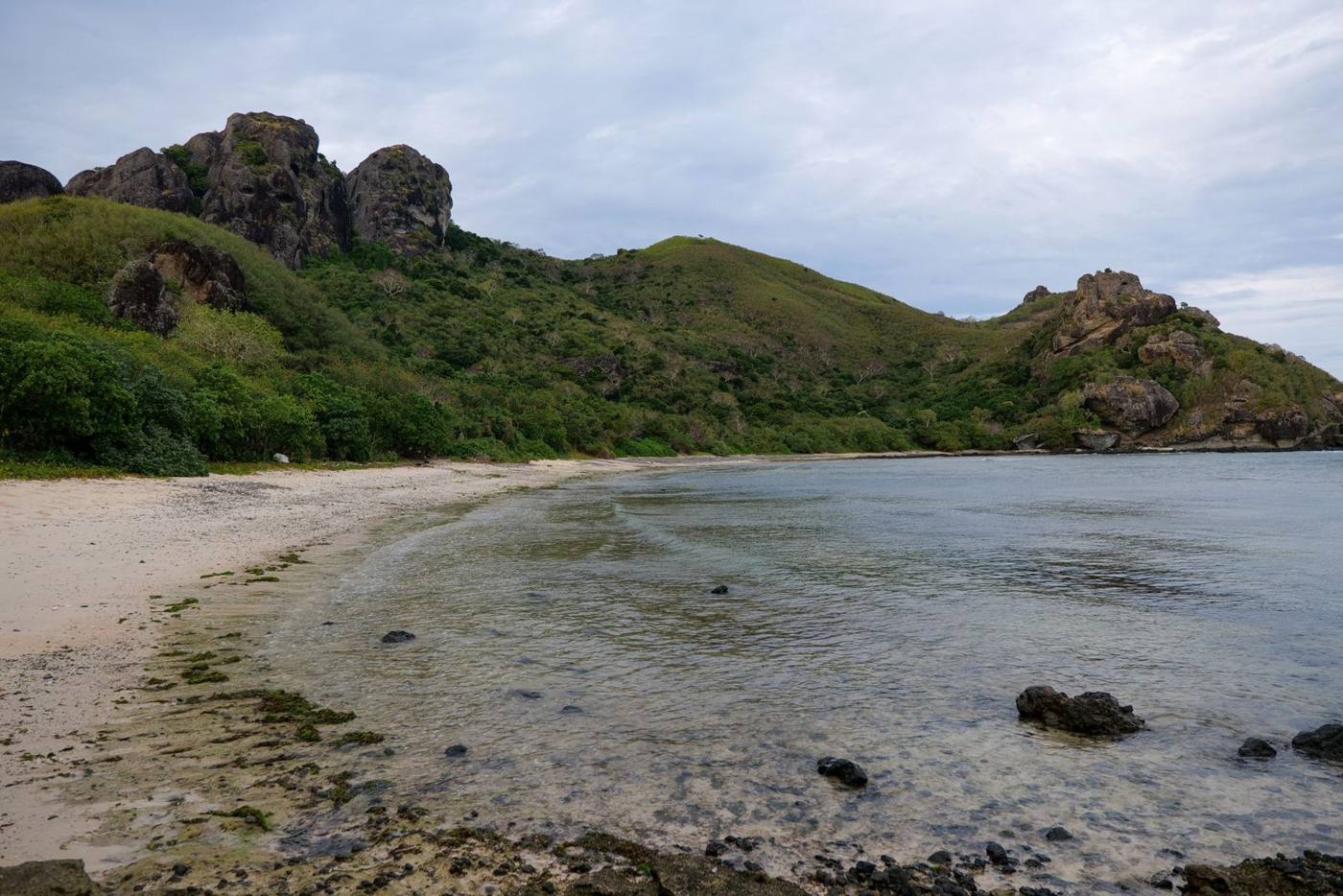
By boat among the Mamanuca and Yasawa islands: turquoise lagoons, the Sawa-i-Lau caves, swimming with mantas and Fijian villages.
 7 daysModerate
Taveuni and diving
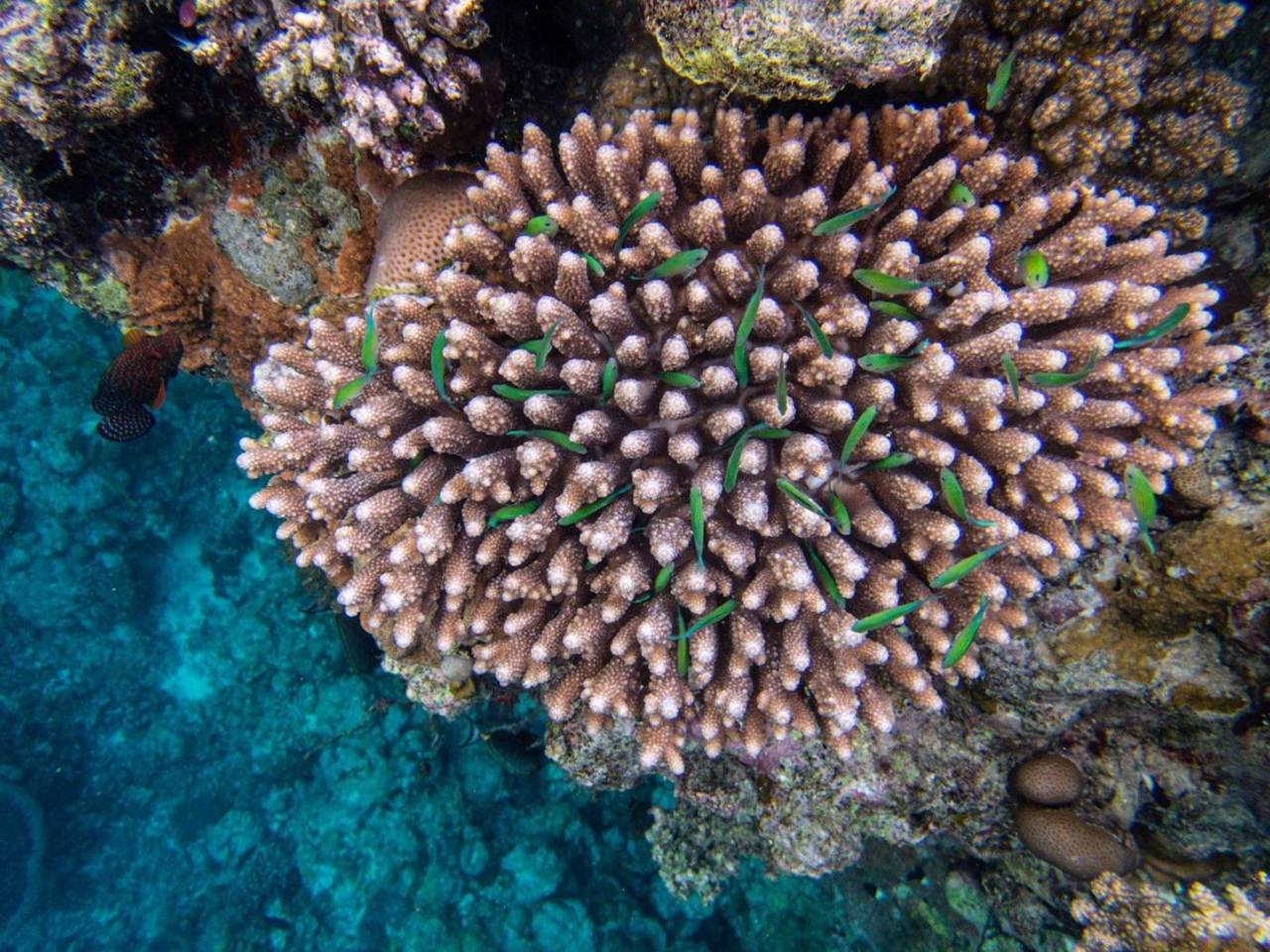
The garden island: Rainbow Reef and the Great White Wall for soft corals, the Tavoro falls in Bouma park and the date line.
 6 daysEasy
Viti Levu and the Coral Coast
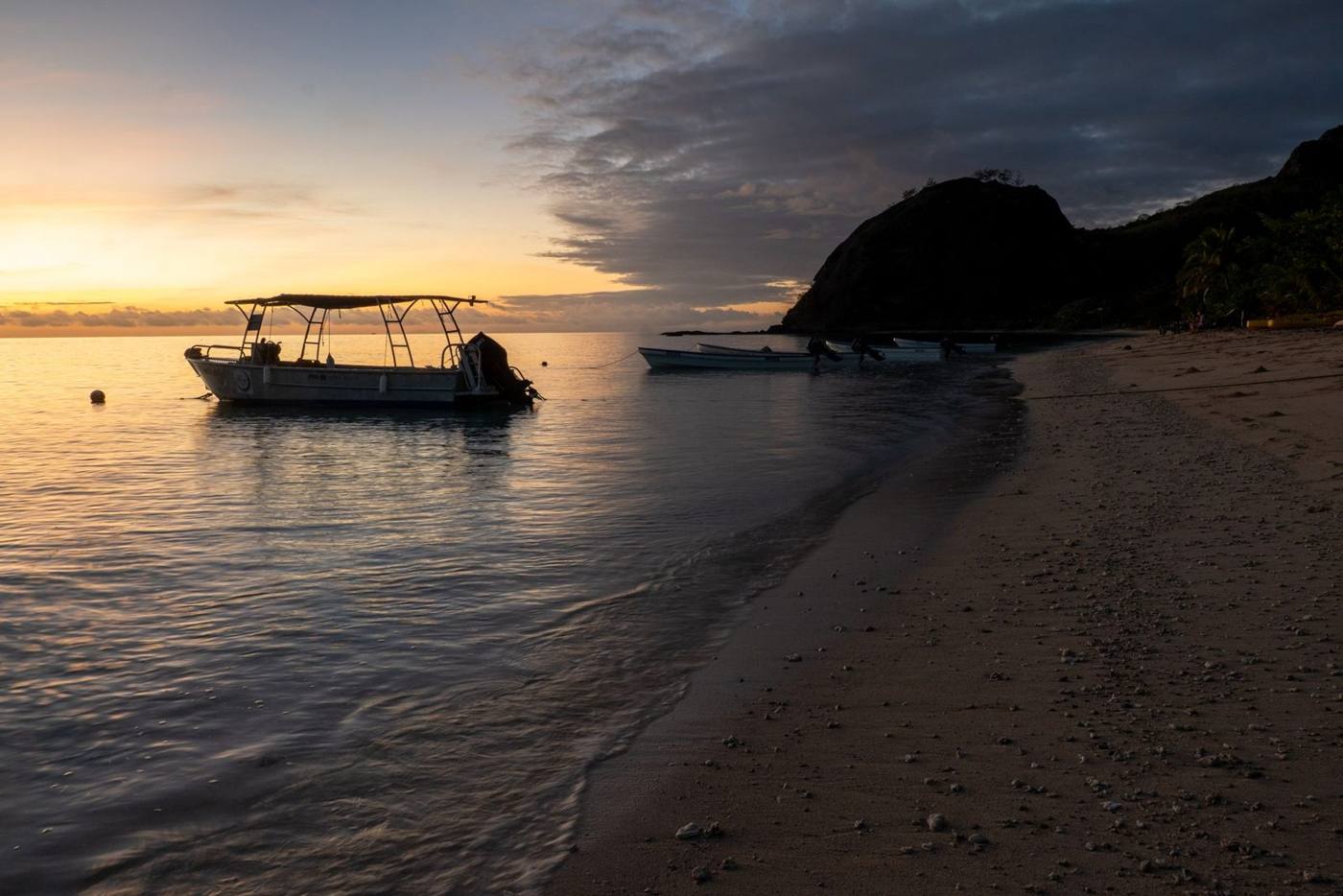
The Sigatoka dunes, the Navua river by canoe with its waterfalls, Beqa island and its firewalkers, and the capital Suva.