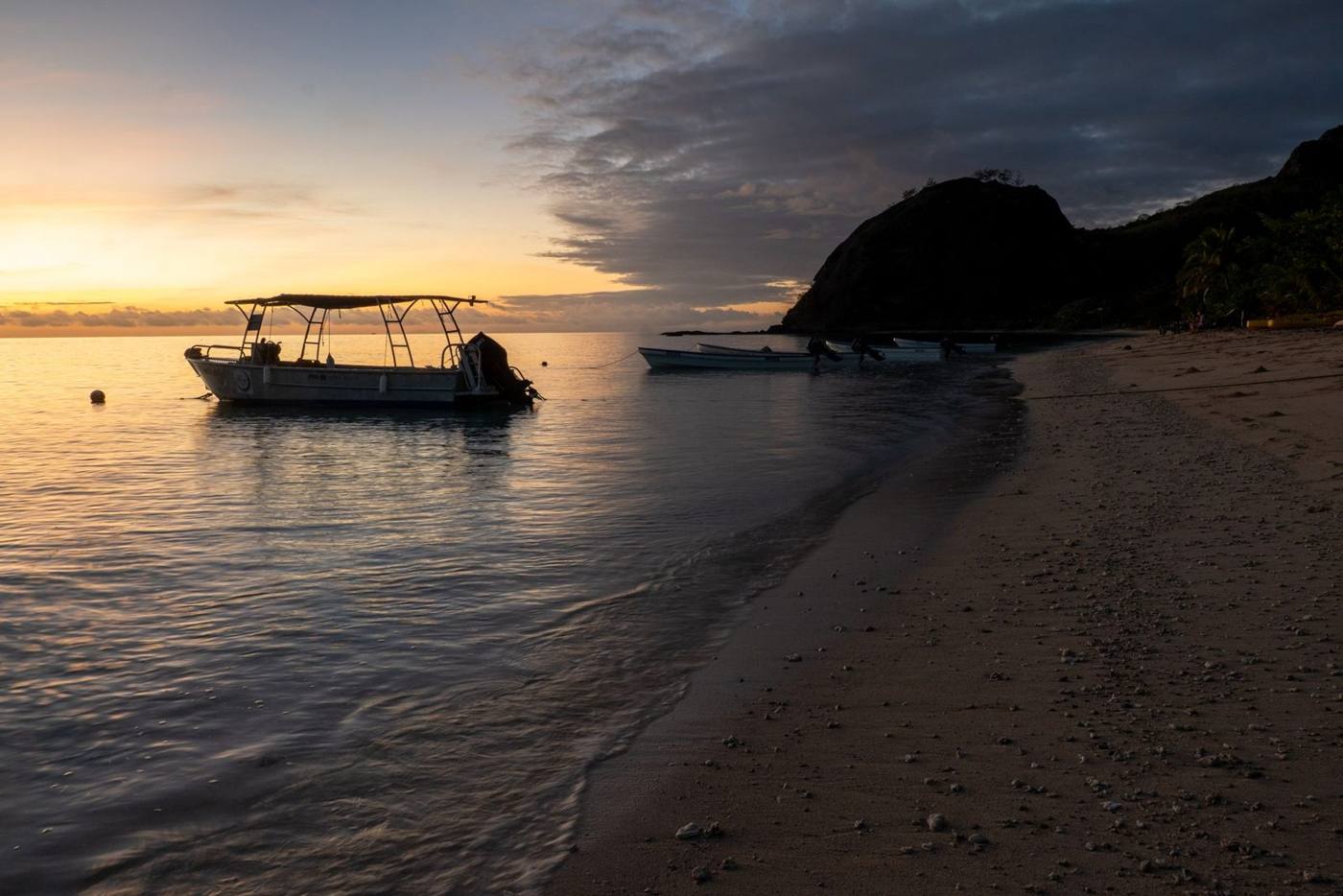
Viti Levu and the Coral Coast
The Sigatoka dunes, the Navua river by canoe with its waterfalls, Beqa island and its firewalkers, and the capital Suva.
- Nadi
- Sigatoka
- Coral Coast
- Pacific Harbour
- Navua
- Suva
Day by day
- Day 1
Nadi and the Garden of the Sleeping Giant
This six-day trip crosses the south coast of Viti Levu, the main island of Fiji, from Nadi to the capital Suva. You will see Fiji beyond the beaches: the Sigatoka dunes, the lagoons of the Coral Coast, the sharks of Beqa or the Navua river, the men who walk on fire and the national museum. You travel by car along the Queens Road.
Before you go: Italian citizens enter Fiji without a visa for tourist stays of up to 120 days, with a passport valid for at least six months from arrival; at the border you may be asked for a return or onward ticket. Other nationalities should check their own rules. The country is generally calm, but there are thefts and robberies in the tourist areas of Suva and Nadi, especially at night. From November to April is cyclone season, with a risk of floods and landslides: follow the warnings of the local weather service. You drive on the left: avoid driving at night outside towns.
You arrive at Nadi international airport, on the west coast. In the afternoon, to shake off the jet lag, go to the Sabeto valley, at the foot of the mountain range that from the sea looks like a sleeping giant. Here the Garden of the Sleeping Giant gathers hundreds of varieties of orchids, grown among the forest, lily ponds and wooden boardwalks. Check prices and times.
In the evening stroll through the centre of Nadi, with the fabric and spice shops of the Indo-Fijian community, and try a curry or roti.
Practical tip: at the airport exchange desk get some Fijian dollars in cash, useful for taxis, markets and villages.
- Day 2
The Sigatoka dunes
Leave Nadi and head south along the Queens Road, past sugar cane fields, small Hindu temples and villages with churches. In about an hour and a half you reach the mouth of the Sigatoka river.
Here visit the Sigatoka Sand Dunes National Park, the first national park in the country. From the tree-covered hills you walk down onto great waves of golden sand that end on a wild beach pounded by the ocean. The marked trails, one short and one long, start from the visitor centre. The dunes are also an archaeological site: the sand has yielded Lapita pottery, among the oldest traces of the first inhabitants of the Pacific islands, and graves from different periods. Check prices and times.
Do not swim on this beach: the currents are strong.
In the afternoon stop in the town of Sigatoka, in the fertile river valley known as the salad bowl of Fiji. At the market women sell chillies, aubergines, taro, pineapples and bunches of dalo leaves. Then continue to the Coral Coast, where you sleep for two nights.
In the evening try lovo, the traditional Fijian way of cooking: meat, fish and root vegetables wrapped in banana leaves and cooked for hours underground, on red-hot stones.
Practical tip: visit the dunes at opening time or in the late afternoon: at midday the sand is scorching and there is no shade on the long trails.
- Day 3
The Coral Coast and snorkelling
Today is a sea day on the Coral Coast, the long southern shore of Viti Levu, where a coral reef runs close to the shore and creates shallow, sheltered lagoons.
In the morning, at high tide, snorkel in the lagoon in front of the beach. Among the coral heads you find clownfish, butterflyfish, parrotfish and blue starfish. In some areas the village communities have set up small protected zones, where fishing is banned and the fish are more numerous: ask where they are and respect the rules.
In the afternoon, at low tide, the water draws back and you can walk on the reef in reef shoes, looking into pools full of life. Move slowly and do not tread on living coral.
At sunset visit a coastal village with a local guide, presenting the sevusevu, the gift of kava roots, to the chief. Listen to the village stories and the singing, and drink kava in moderation.
In the evening look at the starry sky over the lagoon, with the sound of the waves breaking on the distant reef.
Practical tip: beyond the reef the currents are strong and dangerous; stay in the lagoon, follow the flags on lifeguarded beaches and always ask locals where it is safe to swim. In the village cover your shoulders and knees.
- Day 4
Pacific Harbour: the sharks of Beqa or the Navua river
Continue east to Pacific Harbour, at the foot of forest-covered mountains, facing the island of Beqa. Today you choose between two very different days.
If you are an experienced certified diver, do the bull shark dive in the Shark Reef marine reserve, in the Beqa lagoon, one of the most famous in the world. You go deep with the guides and kneel behind a low stone wall while dozens of sharks swim around you. The reserve is run together with the villages, which receive a fee for its protection. Choose only authorised dive centres, follow the briefing to the letter and make sure your insurance covers diving: Fiji has only one hyperbaric chamber, in Suva, and it does not always work.
If you prefer to stay on the surface, go up the Navua river by motorised canoe, between rock walls and forest, to a village and a waterfall where you can swim.
In the evening watch a show by the firewalkers of Beqa island: according to tradition, the men of this community walk barefoot on red-hot stones without getting burnt, a gift received from their ancestors.
Practical tip: after the shark dive wait at least twenty-four hours before flying; the Navua river is visited only with authorised guides and with a life jacket.
- Day 5
Suva and the Fiji Museum
After about an hour on the road you reach Suva, the capital and largest city of Fiji, built on a peninsula between the harbour and the bay. It rains more here than on the west coast, but the city is lively and full of history.
Start at the Fiji Museum, in Thurston Gardens, the national museum. It tells about three thousand years of island history: Lapita pottery, great double-hulled canoes, carved wooden weapons, objects from kava rituals and the story of the Indian labourers who came to work on the sugar cane plantations. There is also part of a shoe of the missionary Thomas Baker, killed in 1867 in the mountains of the interior. Check prices and times.
Then walk along the seafront and past the colonial-style government buildings. At midday go into the municipal market, huge and colourful, with mountains of fruit, vegetables, fish, kava roots and spices. In one section of the market bundles of yaqona are sold for the sevusevu.
In the evening eat in the centre, where Fijian, Indian and Chinese cooking live side by side.
Practical tip: in Suva walk along the main streets by day, keep an eye on your bag at the market and in the evening get around by taxi with a yellow number plate, the mark of licensed taxis.
- Day 6
Back to Nadi
On the last day you return to Nadi. You can take a short domestic flight from Suva or drive back along the Queens Road, which takes a few hours. By car you can stop along the Coral Coast for a last swim or to buy fruit at the roadside stalls, among papayas, pineapples and green coconuts to drink.
If you have time before your flight, in Nadi visit the Sri Siva Subramaniya Hindu temple, colourful and richly decorated, the best-known Hindu temple in Fiji. Go in barefoot, with shoulders and legs covered, and check times and rules.
In six days you have crossed Viti Levu from west to east and back: the orchid garden of Sabeto, the archaeological dunes of Sigatoka, the lagoons of the Coral Coast, the sharks of Beqa or the gorge of the Navua river, the firewalkers and the capital Suva with its museum and market. It is an easy trip, which shows the Fiji of culture and forest as well as that of the sea.
When to go: from May to October, in the dry season, with less rain and pleasant temperatures. Suva is still rainier than the west coast. From November to April it is hotter, it often rains and there is a risk of cyclones, floods and landslides.
Practical tip: if you choose the car, leave Suva early and do not drive after sunset: the Queens Road passes through villages with pedestrians, dogs and animals on the road.
Fiji beyond the beaches, with culture and forest. The bull shark dive at Beqa is among the world's most famous, for experienced divers. Suva is rainier than the west coast.
Before you go
- Documents and visa
- Passport valid for at least six months from arrival. British and Italian citizens enter without a visa for tourist stays of up to four months; at the border you may be asked for a return or onward ticket.
- Health and vaccines
- In the rainy season, from November to April, there is a risk of dengue: use repellent and wear long, light-coloured clothes. Yellow fever is required only for travellers arriving from a country at risk. Healthcare is limited and serious cases are often evacuated abroad: you need insurance with repatriation that also covers diving. Emergencies: 911.
- Money and payments
- Fijian dollar. Cards work in hotels and towns; in villages and on small islands you need cash.
- Power sockets
- Type I, the Australian plug with flat angled pins, 240 volts: you need an adapter.
- Time zone
- UTC+12 all year.
- Safety
- A generally calm country with no areas advised against. Watch out for theft and robbery in the tourist areas of Suva and Nadi, especially at night. November to April is cyclone season, with a risk of floods and landslides: follow the local weather service. In villages present the sevusevu, a gift of kava root, to the chief, take off your hat and cover your shoulders and knees. Official advice: GOV.UK.
Information checked in November 2026 for Italian and EU citizens. Rules change: always check before you travel.
Variations
In 4 days: Nadi, Sigatoka, the Coral Coast and Pacific Harbour, without Suva.
In 9 days: add three days on the Mamanuca or Yasawa islands, leaving from Denarau.
Frequently asked questions
Do you need a car for this trip?
It is the most convenient option, because the Queens Road links all the stops. You drive on the left and it is better not to drive at night. Alternatively there are buses and taxis with drivers.
Do you have to be a diver to see the Beqa sharks?
Yes, the bull shark dive is for experienced certified divers. Non-divers can choose the canoe trip on the Navua river.
Is Suva worth a visit?
Yes, for the Fiji Museum, the municipal market and the life of a real Pacific capital. It rains more often than on the west coast, so bring an umbrella.
Indicative itinerary written by World Atlas. Before booking, check timetables, seasonal openings, documents and safety.
 5 daysModerate
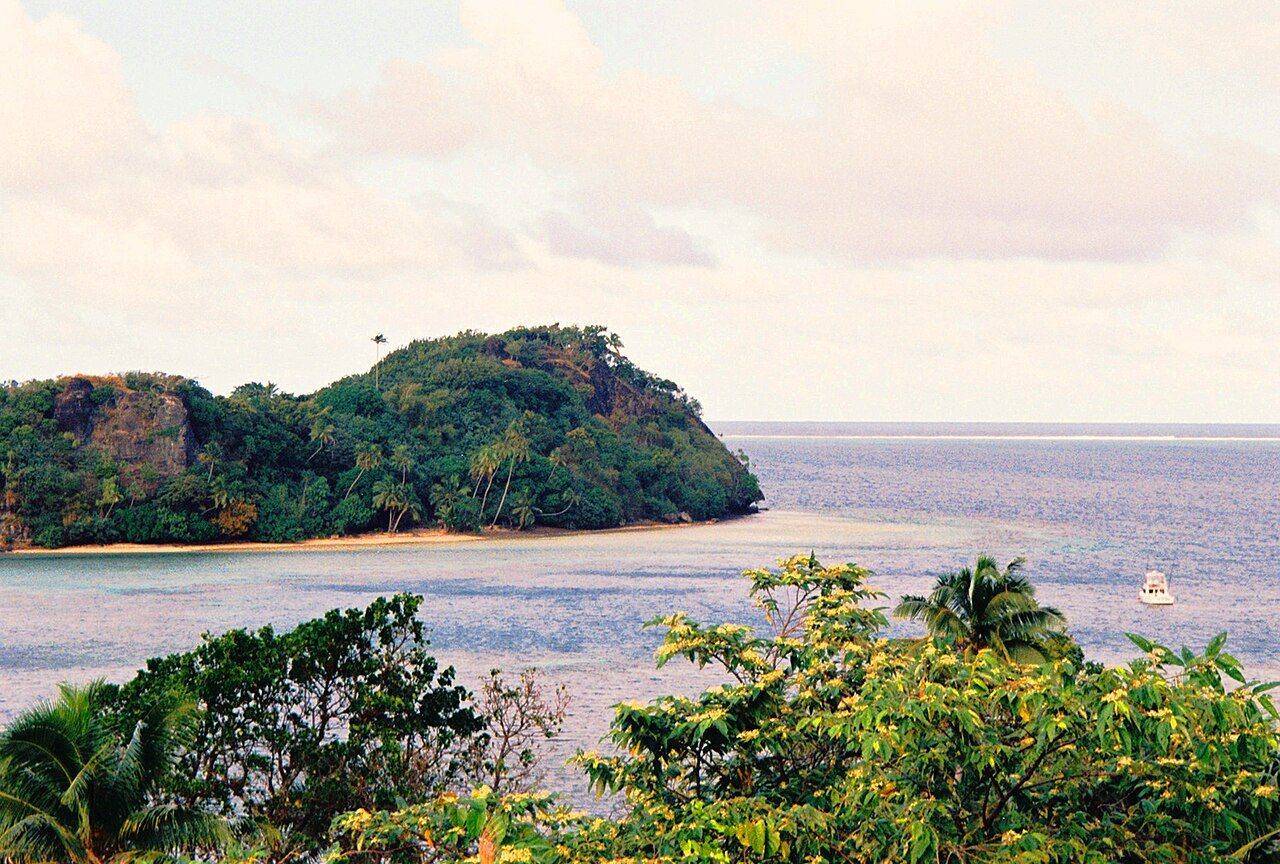
Kadavu and the Great Astrolabe
Fiji's wildest island, with no coastal roads, the Great Astrolabe Reef, manta rays, villages and eco-lodges reachable only by boat.
 3 daysModerate
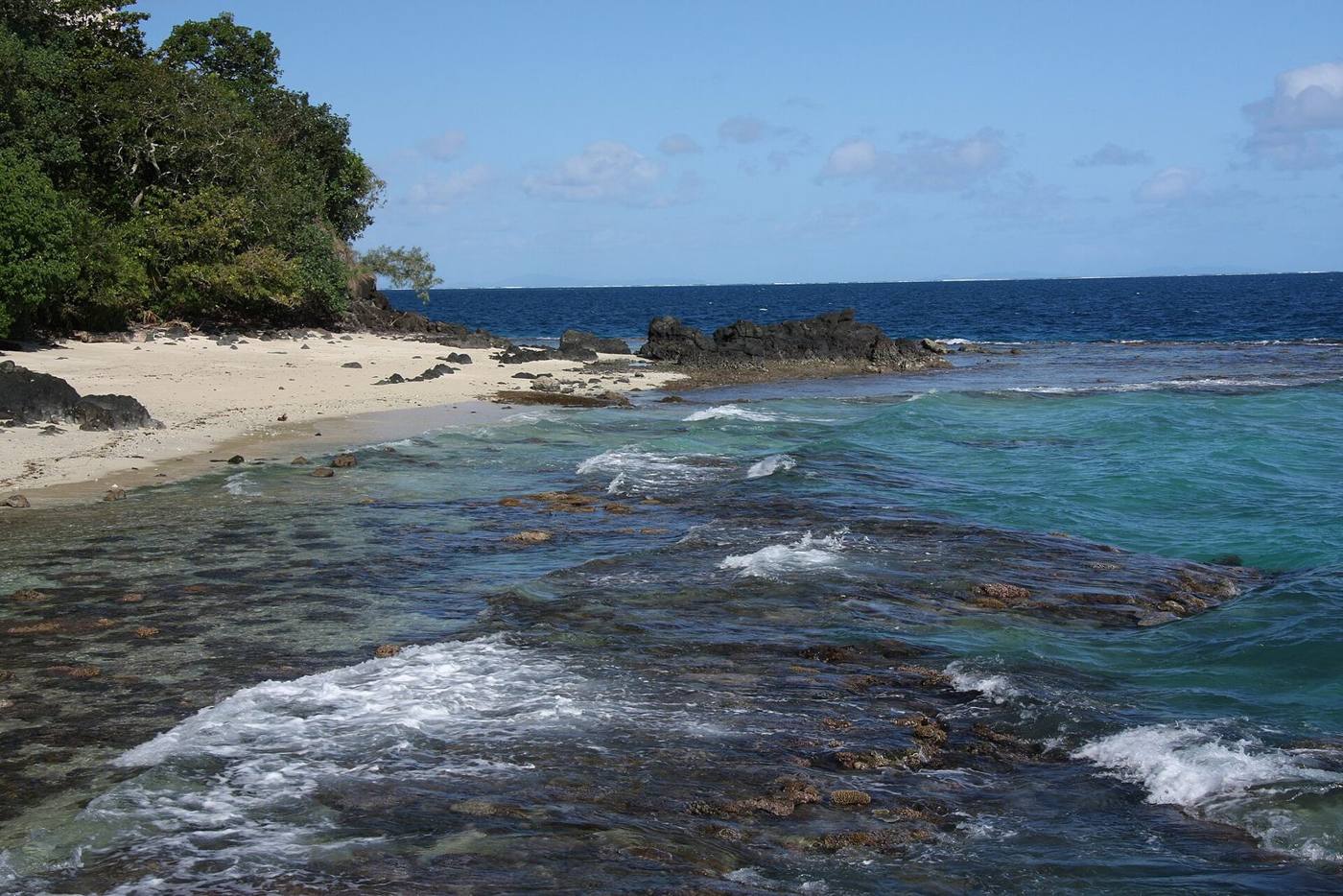
Beqa and the sharks
The Pacific's most famous shark dive, in the Beqa lagoon off Pacific Harbour, with bull and tiger sharks in a marine area protected by the villages.
 2 daysModerate
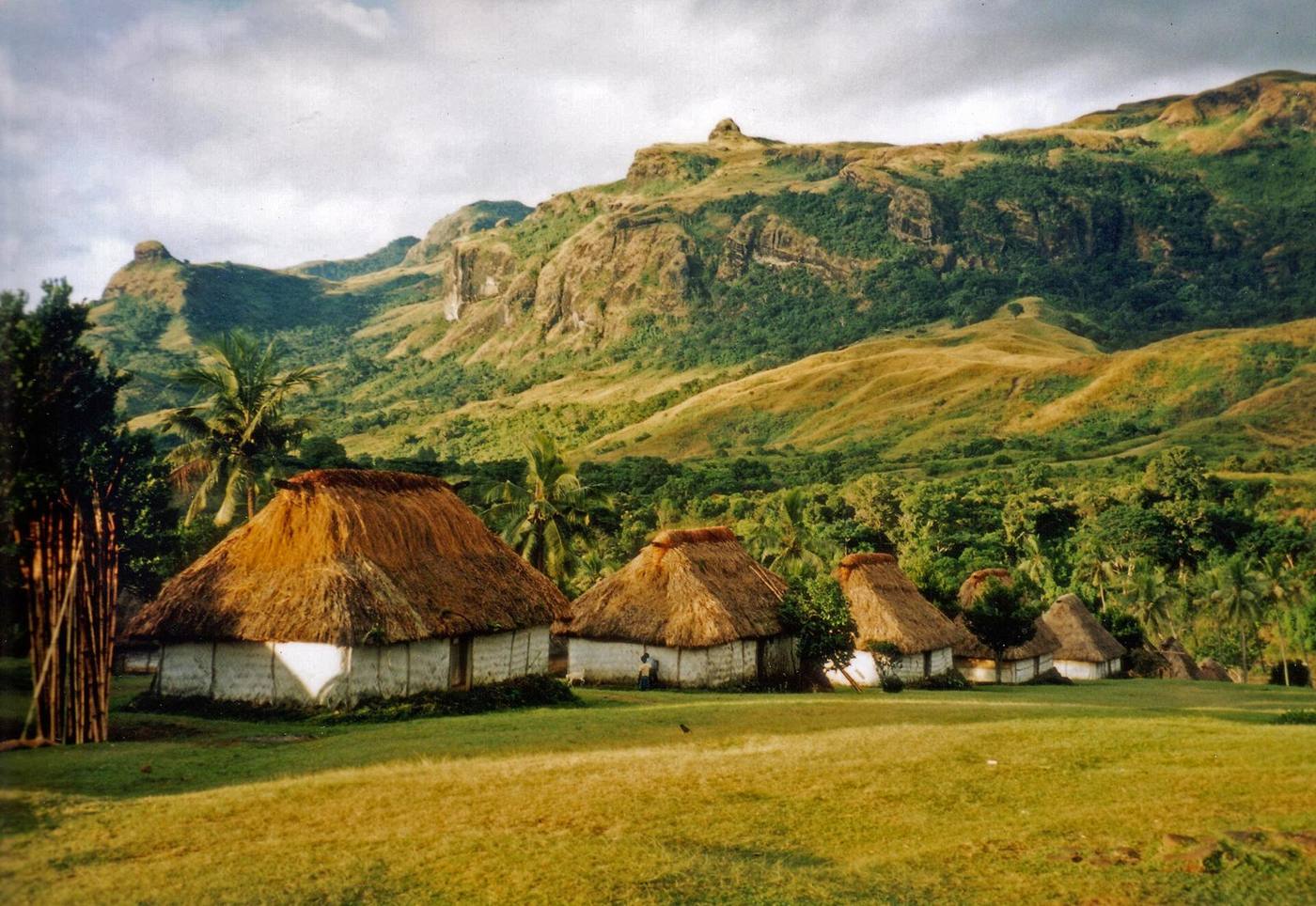
Navala and the highlands
Navala village in the Viti Levu mountains, the only one with all traditional thatched bure houses, with a kava ceremony and a night with a family.