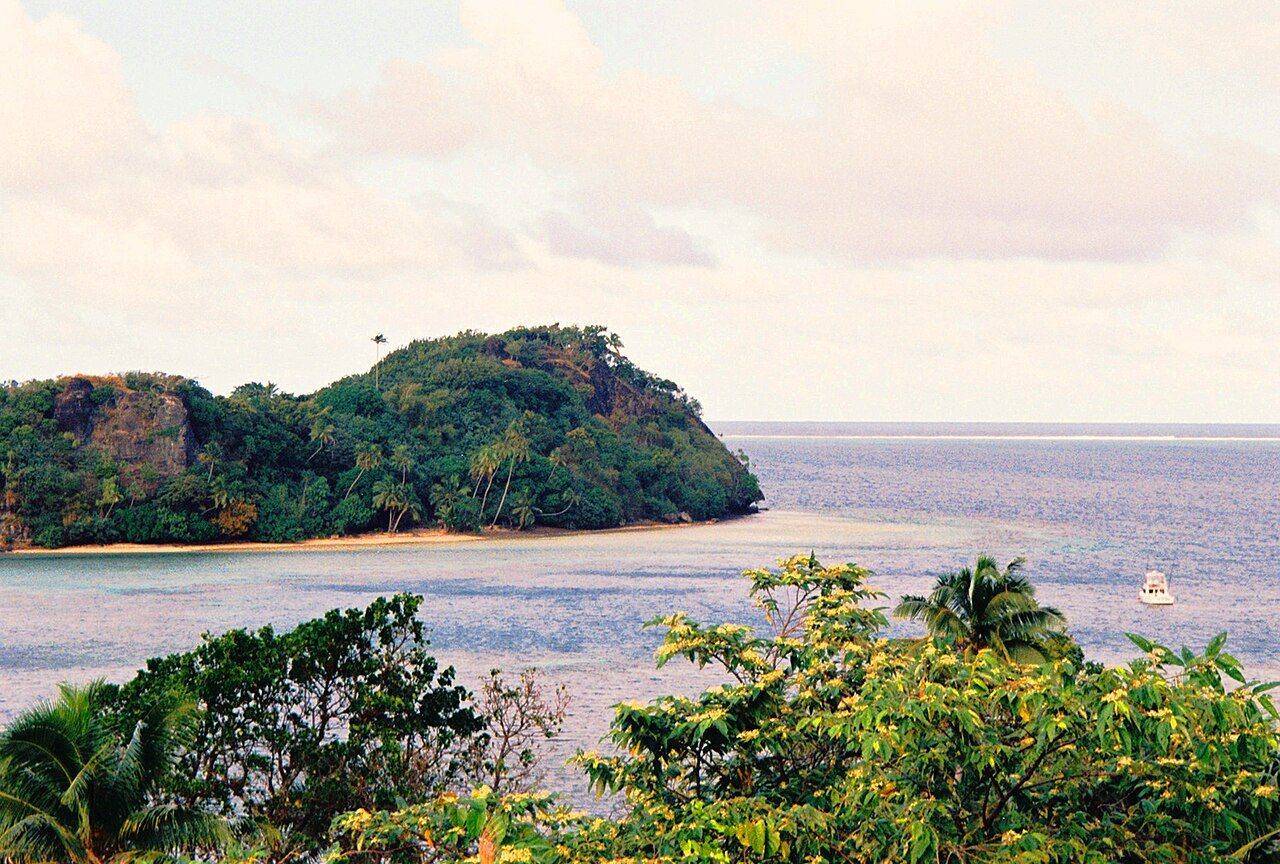
Kadavu and the Great Astrolabe
Fiji's wildest island, with no coastal roads, the Great Astrolabe Reef, manta rays, villages and eco-lodges reachable only by boat.
- Nadi
- Vunisea
- Great Astrolabe
Day by day
- Day 1
The flight to Kadavu and the boat
This five-day trip takes you to Kadavu, the wildest island in Fiji, south of Viti Levu. Along much of the coast there are no roads: you move by boat between villages, bays and small eco-friendly lodgings. Around the island stretches the Great Astrolabe, one of the great coral reefs of the Pacific, with manta rays and sites for diving and snorkelling.
Before you go: Italian citizens enter Fiji without a visa for tourist stays of up to 120 days, with a passport valid for at least six months from arrival; at the border you may be asked for a return or onward ticket. Other nationalities should check their own rules. The country is generally calm, but there are thefts and robberies in the tourist areas of Suva and Nadi, especially at night. From November to April is cyclone season, with a risk of floods and landslides: follow the warnings of the local weather service. For diving you need insurance that covers it: Fiji has only one hyperbaric chamber, in Suva, and it does not always work.
From Nadi take the domestic flight to Vunisea, the island's small main town. From the window you see the blue of the sea turning turquoise over the reefs. On arrival a boat is waiting for you: the crossing along the green coast, between forest-covered hills and beaches without houses, is already an outing. Wear your life jacket and protect your luggage from the spray.
In the evening you settle into your lodging by the sea, with the sound of the waves breaking on the reef.
Practical tip: Kadavu has very few rooms and few flights; book many months in advance and pack your luggage in a waterproof bag.
- Day 2
Diving on the Great Astrolabe
Today you explore the reef. The Great Astrolabe runs along the eastern side of the island and opens into passages and channels where ocean water flows into the lagoon, bringing food and fish.
In the morning go out with the dive centre at your lodging. Certified divers descend along walls covered with hard and soft corals, among canyons, arches and caves, with reef sharks, turtles, groupers, schools of barracuda and trevally. Those who do not dive snorkel over the coral heads of the lagoon, where the water is shallow and calm and colourful fish are everywhere: clownfish in the anemones, surgeonfish, angelfish and blue starfish.
In the afternoon rest on the beach or do another dive. Between dives drink plenty of water and eat something light: with the sun and the salt you get dehydrated quickly. In the evening, at low tide, walk along the shore and look at the crabs and shells in the pools.
In Kadavu the reef is still in good health because fishing and tourism are limited. Help keep it that way: do not touch the corals and do not feed the fish.
Practical tip: choose only authorised dive centres, with certified instructors and checked equipment, and do an easy check dive if you have not dived for a long time. Use a reef-safe sun cream.
- Day 3
Manta rays and kayaking
Today you go looking for manta rays. In some passages of the reef there are cleaning stations, where the mantas stop and circle slowly while small fish clean their skin. Mantas can exceed three metres across and glide through the water without effort.
With a guide, by boat, you reach the right spot and get into the water with a mask or with tanks. Stay still and let the mantas come to you. The rules are simple: do not touch them, do not chase them, do not swim above them and stay at least a few metres away. Sightings are never guaranteed, because they depend on the tide and the season. If they do not show up today, ask the guide whether you can try again another day.
In the afternoon take a kayak and paddle along the coast, among mangroves, small bays and beaches that can be reached only from the sea. From the water you see the forest-covered hills and the villages with their white churches. With some luck you also see turtles coming up to breathe and herons standing on the roots. If the wind is strong stay inside the lagoon, sheltered by the reef.
In the evening, at sunset, watch the fishermen's boats coming home.
Practical tip: today is your last day of diving with tanks. After your last dive wait at least twenty-four hours before flying, so tomorrow stay on land or only snorkel.
- Day 4
A village visit
Today you meet the people of Kadavu. With a guide from your lodging you reach a nearby village by boat or on foot. Before entering put on a sulu, the Fijian sarong, covering your knees, and a shirt with sleeves; take off your hat and sunglasses. Bring the sevusevu, a bundle of yaqona roots, the kava plant, to offer to the village chief.
In the community house, sitting on the mats, you present the gift; the chief accepts it with a short prayer and you are welcomed as a guest. Then kava is drunk, from a coconut cup, clapping before and after. Drink it in moderation. The villagers show you the church, the school and the gardens of taro and cassava, and the children follow you with curiosity.
In the afternoon take a walk through the forest behind the village to a waterfall, where you can swim in the cool water. Listen to the birdsong: Kadavu is home to species found only on this island, such as a bright red parrot.
In the evening, if you are invited, listen to the part singing that in Fijian villages accompanies celebrations and Sunday services.
Practical tip: in the village do not touch anyone's head, take off your shoes before entering a house and always ask permission before photographing people.
- Day 5
The return
On the last morning take a final swim in the lagoon or snorkel in front of your lodging, then say goodbye to the staff, who in Kadavu often come from the nearby villages and sing you a farewell song.
The boat takes you back along the coast to Vunisea, where you catch the flight to Nadi. Get to the airstrip early: the planes are small and in bad weather flights may be postponed. While you wait, look at the green hills of the island and the sea changing colour over the reef.
In five days you have seen a Fiji far from mass tourism: an island without roads along the coast, the walls and channels of the Great Astrolabe, the mantas circling at the cleaning stations, kayaking among the mangroves and the life of a village, with sevusevu and kava. It is a trip for nature lovers who accept simple services in exchange for an untouched sea.
When to go: from May to October, in the dry season, with less rain and clear water. Between July and August the trade winds can be strong and the sea rough, especially on boat crossings. From November to April it is hotter and the water is calm, but there is a risk of cyclones.
Practical tip: leave at least one day's margin between the flight from Kadavu and your international flight from Nadi, because bad weather can cancel domestic flights.
Fiji far from mass tourism. Few rooms on the whole island: book early. The sea can be rough in July and August.
Before you go
- Documents and visa
- Passport valid for at least six months from arrival. British and Italian citizens enter without a visa for tourist stays of up to four months; at the border you may be asked for a return or onward ticket.
- Health and vaccines
- In the rainy season, from November to April, there is a risk of dengue: use repellent and wear long, light-coloured clothes. Yellow fever is required only for travellers arriving from a country at risk. Healthcare is limited and serious cases are often evacuated abroad: you need insurance with repatriation that also covers diving. Emergencies: 911.
- Money and payments
- Fijian dollar. Cards work in hotels and towns; in villages and on small islands you need cash.
- Power sockets
- Type I, the Australian plug with flat angled pins, 240 volts: you need an adapter.
- Time zone
- UTC+12 all year.
- Safety
- A generally calm country with no areas advised against. Watch out for theft and robbery in the tourist areas of Suva and Nadi, especially at night. November to April is cyclone season, with a risk of floods and landslides: follow the local weather service. In villages present the sevusevu, a gift of kava root, to the chief, take off your hat and cover your shoulders and knees. Official advice: GOV.UK.
Information checked in November 2026 for Italian and EU citizens. Rules change: always check before you travel.
Variations
In 4 days: two days on the reef, without the village visit.
In 8 days: add more dives and a hike up Mount Washington, the highest peak on the island, with a guide.
Frequently asked questions
How do you get to Kadavu?
By domestic flight from Nadi to Vunisea and then by boat to your lodging, because along much of the coast there are no roads.
Are manta rays always seen?
No, sightings depend on the tide and the season. With an experienced guide the chances are good, but there is never a guarantee.
Is Kadavu suitable for non-divers?
Yes, you can snorkel in the lagoon, kayak along the coast, walk in the forest and visit villages. The deep walls of the reef are for certified divers.
Indicative itinerary written by World Atlas. Before booking, check timetables, seasonal openings, documents and safety.
 3 daysModerate
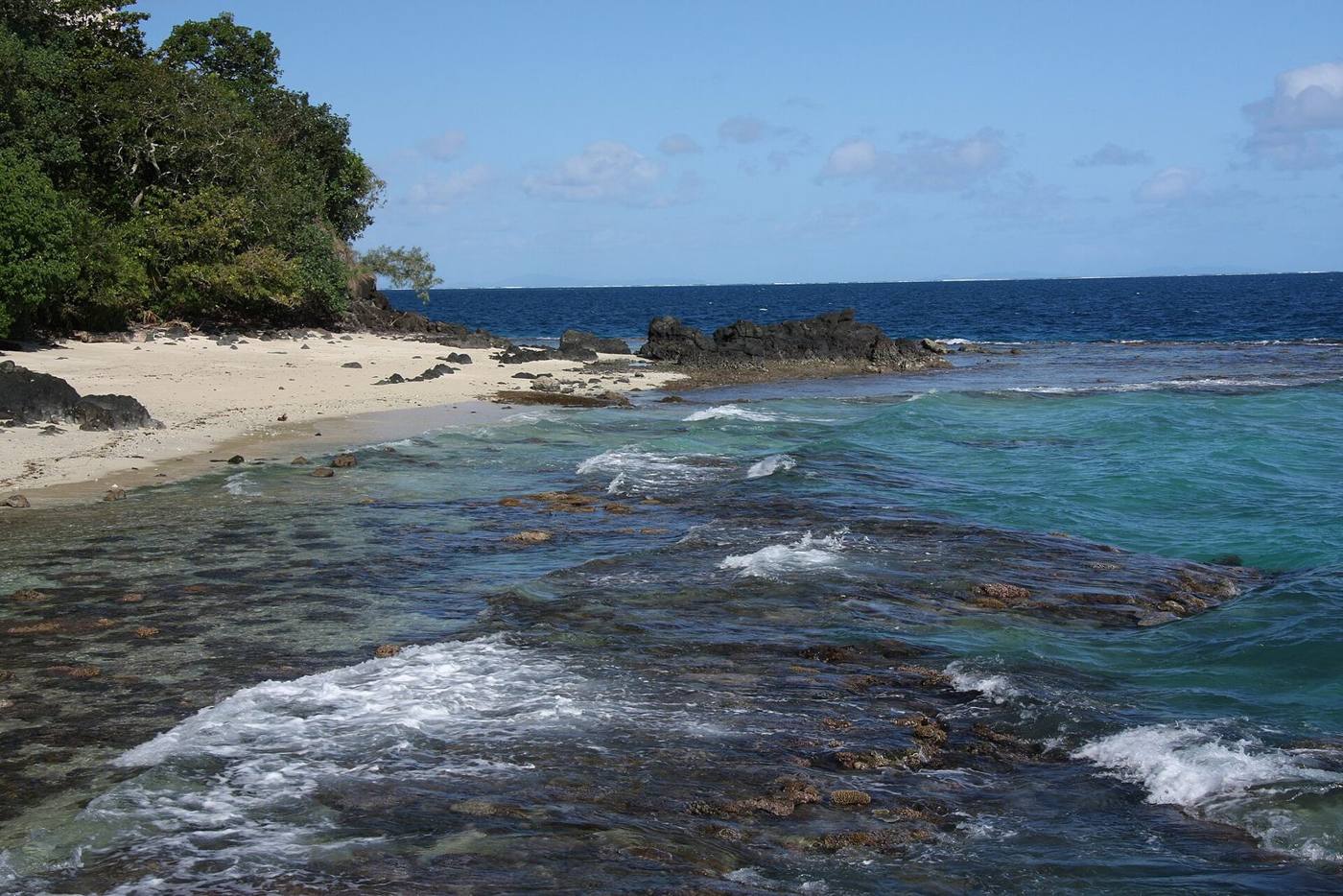
Beqa and the sharks
The Pacific's most famous shark dive, in the Beqa lagoon off Pacific Harbour, with bull and tiger sharks in a marine area protected by the villages.
 2 daysModerate
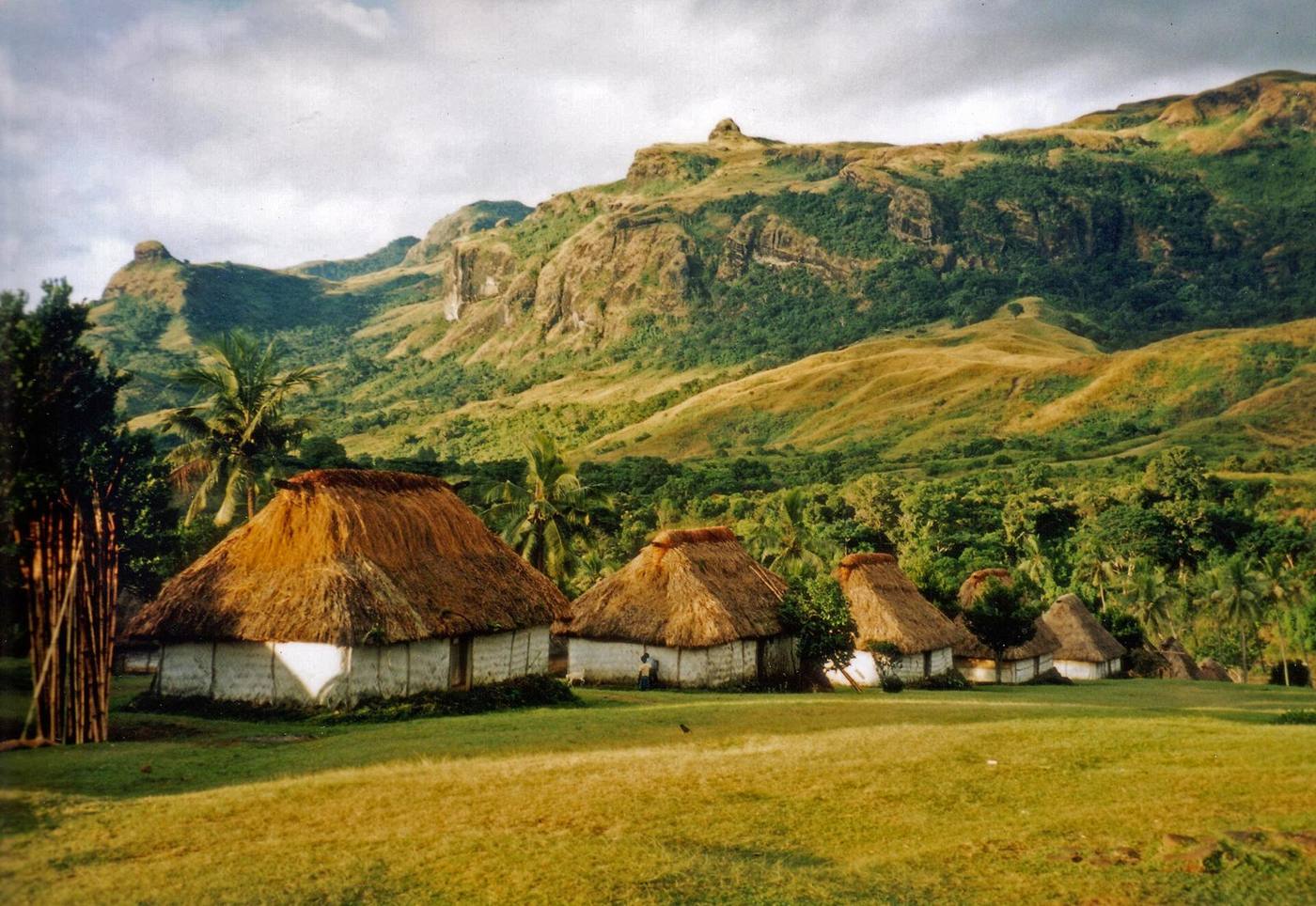
Navala and the highlands
Navala village in the Viti Levu mountains, the only one with all traditional thatched bure houses, with a kava ceremony and a night with a family.
 4 daysEasy
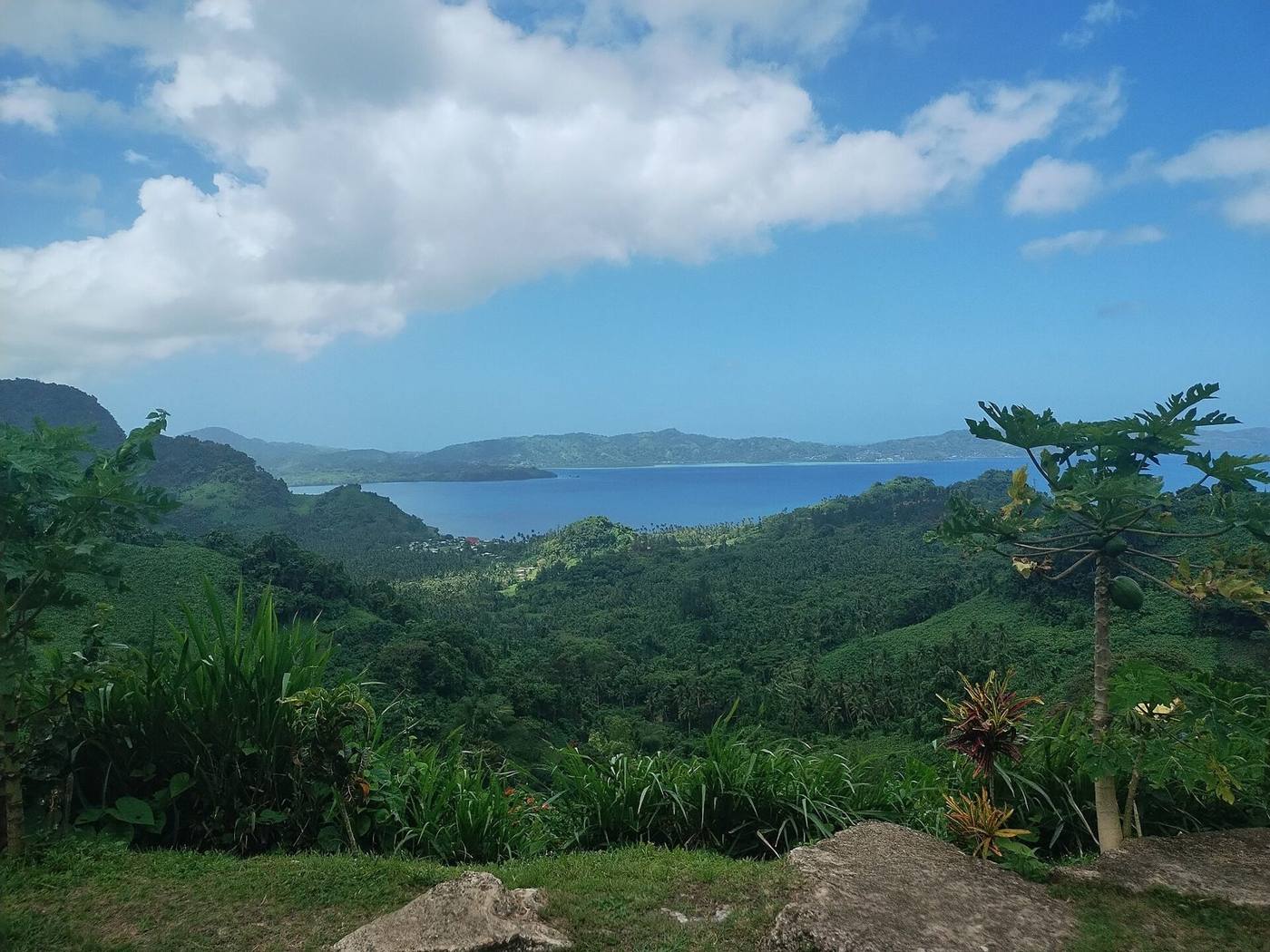
Savusavu and Vanua Levu
Fiji's second island: Savusavu bay with its hot springs, copra plantations, Waisali forest and snorkelling on the Namena reef.