Savusavu and Vanua Levu
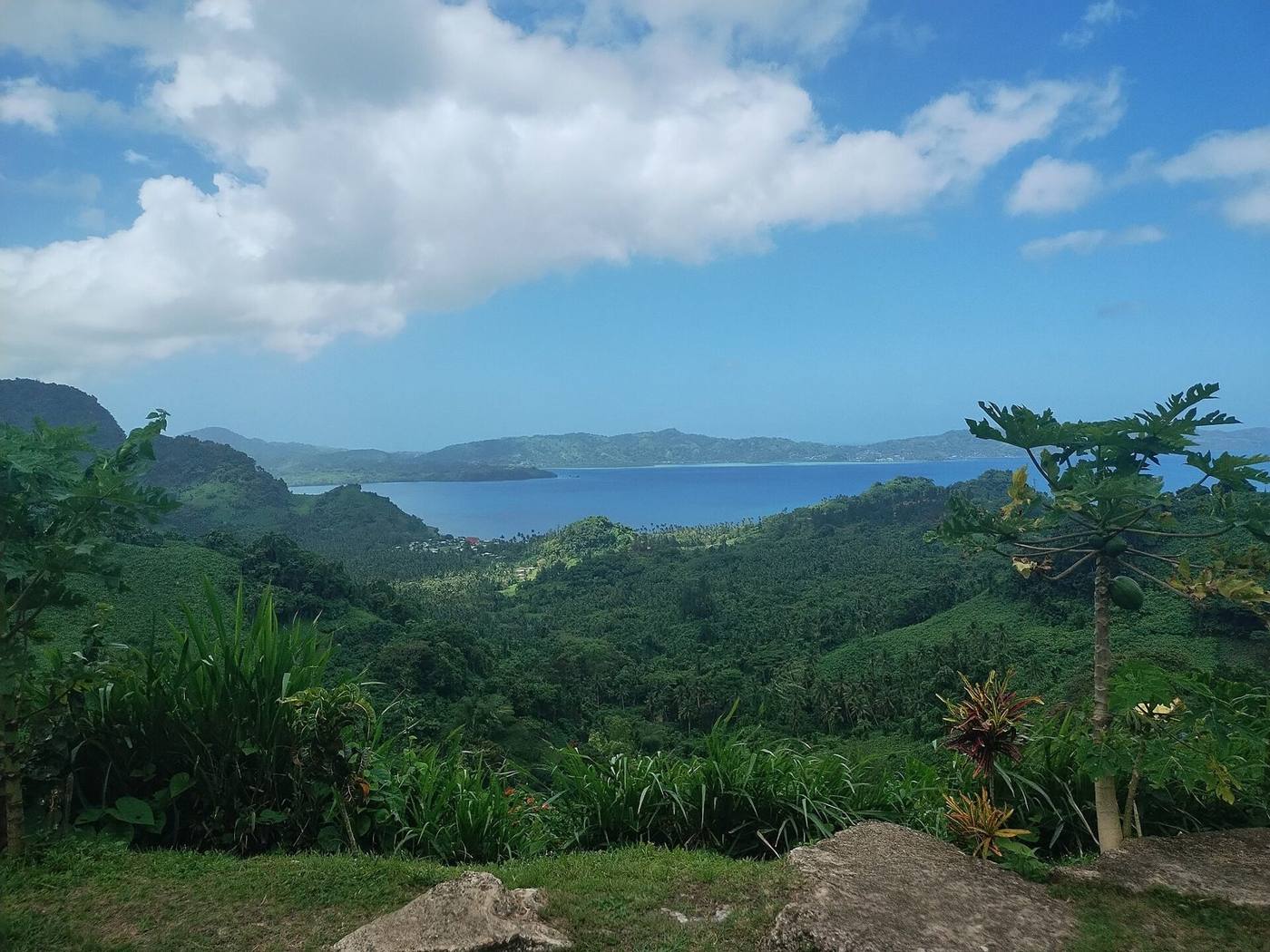
Fiji's second island: Savusavu bay with its hot springs, copra plantations, Waisali forest and snorkelling on the Namena reef.
- Savusavu
- Waisali
- Namena
Day by day
- Day 1
The flight to Savusavu and the hot springs
This four-day trip takes you to Vanua Levu, the second largest island in Fiji, to the small town of Savusavu, overlooking a deep and sheltered bay. It is a slow and authentic Fiji, with few tourists: hot springs, coconut plantations, rainforest and the Namena coral reef.
Before you go: Italian citizens enter Fiji without a visa for tourist stays of up to 120 days, with a passport valid for at least six months from arrival; at the border you may be asked for a return or onward ticket. Other nationalities should check their own rules. The country is generally calm, but there are thefts and robberies in the tourist areas of Suva and Nadi, especially at night. From November to April is cyclone season, with a risk of floods and landslides: follow the warnings of the local weather service. You drive on the left: avoid driving at night outside towns.
From Nadi take a domestic flight on a small propeller plane: from the window you see the islands and coral reefs of the Koro Sea. The Savusavu airstrip is a few minutes from the town.
In the afternoon stroll along the main street, which follows the bay, past anchored sailing boats, small shops and the fruit and fish market. At the end of the town you find the hot springs: boiling water rises from the ground near the shore and steam drifts up between the rocks. In the past locals used them to cook food. Do not touch the water: it is far too hot.
At sunset watch the sun go down behind the hills around the bay.
Practical tip: on domestic flights the baggage allowance is lighter than on international flights; check the weight before you leave.
- Day 2
The Waisali forest
Today you go up into the inland rainforest. Take a taxi or a car with a driver on the road that crosses the island from Savusavu towards Labasa, on the north side. The road climbs through the hills, with views over the bay, up to the Waisali forest reserve, a protected rainforest among the mountains of Vanua Levu.
Register at the entrance and check prices and times. A trail goes down into the forest among very tall trees, tree ferns, lianas and wild orchids, to a small waterfall where you can cool off. The trail is short but can be muddy and slippery. Listen to the birdsong: these forests are home to species found only in Fiji.
In the afternoon, on the way back, stop at a coconut plantation. For more than a century Vanua Levu has lived on copra, the dried coconut flesh from which oil is made. You will see the nuts split open and laid out to dry in the sun or in wood-fired kilns, and the workers splitting them with a machete in one precise blow.
In the evening try kokoda, the most typical dish of Fiji: raw fish marinated in lime juice and coconut milk, with onion, chilli and tomato.
Practical tip: in the forest wear shoes with a good grip and use mosquito repellent; after rain the trail may be closed, so ask before you set off.
- Day 3
The Namena reef
Today you head out to sea for the Namena marine reserve, a coral reef around the small island of Namenalala, in the sea between Vanua Levu and the island of Koro. It is a reserve protected by the local communities, which have banned fishing to let the corals and fish recover. Every visitor pays a fee for the protection of the reef.
The boat crossing takes a while: leave early, when the sea is calmer. On the way watch the water, because dolphins are sometimes seen swimming alongside the bow. Bring water, a hat and sun cream, because there is little shade on the boat. Once there, snorkel or dive along walls covered with pink, purple and orange soft corals, among parrotfish, butterflyfish, shoals of fusiliers, sea turtles and reef sharks. In the deeper areas, if you are a certified diver, you see the great gorgonian sea fans.
At midday have lunch on the boat or on a beach, then go for a second swim before heading back to Savusavu in the afternoon.
In the evening, if you are interested, visit one of the stalls in the bay where black pearls farmed in the waters of Savusavu are sold, one of the island's best-known products.
Practical tip: choose only authorised operators, with life jackets for everyone and a boat that is not overloaded; for snorkelling wear a long-sleeved top against the sun and do not touch the corals, not even with your fins.
- Day 4
The return
Spend the last morning slowly in Savusavu. Paddle a kayak around the bay, among the sailing boats and the mangroves, or snorkel from the shore on one of the nearby beaches, with calm water and corals a few metres away. If you prefer to stay on land, go back to the market to buy tropical fruit, such as papaya, pineapple and mango, and watch the fishermen coming back in their boats.
Then go to the airstrip and take the flight to Nadi. If you have more time, you can continue your trip to the island of Taveuni by ferry, which leaves from the coast of Vanua Levu.
In four days you have seen a Fiji far from the big tourist resorts: the bay of Savusavu with its hot springs, the Waisali rainforest with its waterfall, the copra plantations and the soft corals of the Namena reef. It is an easy and quiet trip, with simpler services than on Viti Levu, but with very rich nature.
When to go: from May to October, in the dry season, the sea is calmer and the water clearer for snorkelling. From November to April it is hotter, it often rains and there is a risk of cyclones.
Practical tip: flights to Savusavu are few and sometimes change times; book early and leave a day's margin before your international flight from Nadi.
A slow, authentic Fiji with few tourists. It combines well with Taveuni by ferry. Simpler services than on Viti Levu.
Before you go
- Documents and visa
- Passport valid for at least six months from arrival. British and Italian citizens enter without a visa for tourist stays of up to four months; at the border you may be asked for a return or onward ticket.
- Health and vaccines
- In the rainy season, from November to April, there is a risk of dengue: use repellent and wear long, light-coloured clothes. Yellow fever is required only for travellers arriving from a country at risk. Healthcare is limited and serious cases are often evacuated abroad: you need insurance with repatriation that also covers diving. Emergencies: 911.
- Money and payments
- Fijian dollar. Cards work in hotels and towns; in villages and on small islands you need cash.
- Power sockets
- Type I, the Australian plug with flat angled pins, 240 volts: you need an adapter.
- Time zone
- UTC+12 all year.
- Safety
- A generally calm country with no areas advised against. Watch out for theft and robbery in the tourist areas of Suva and Nadi, especially at night. November to April is cyclone season, with a risk of floods and landslides: follow the local weather service. In villages present the sevusevu, a gift of kava root, to the chief, take off your hat and cover your shoulders and knees. Official advice: GOV.UK.
Information checked in November 2026 for Italian and EU citizens. Rules change: always check before you travel.
Variations
In 3 days: just Savusavu and the Namena reef, without the Waisali forest.
In 7 days: add Taveuni by ferry, with the Rainbow Reef and the Tavoro waterfalls.
Frequently asked questions
How do you get to Savusavu?
By domestic flight from Nadi on a small propeller plane. From Taveuni you can also arrive by ferry.
Is Namena suitable for snorkellers only?
Yes, there are shallow areas with corals and fish. The deeper walls and the great gorgonian sea fans are for certified divers.
Are there many tourists in Savusavu?
No, it is one of the quietest areas of Fiji, with few visitors and simpler services than on Viti Levu.
Indicative itinerary written by World Atlas. Before booking, check timetables, seasonal openings, documents and safety.
 4 daysEasy
Sigatoka with the family
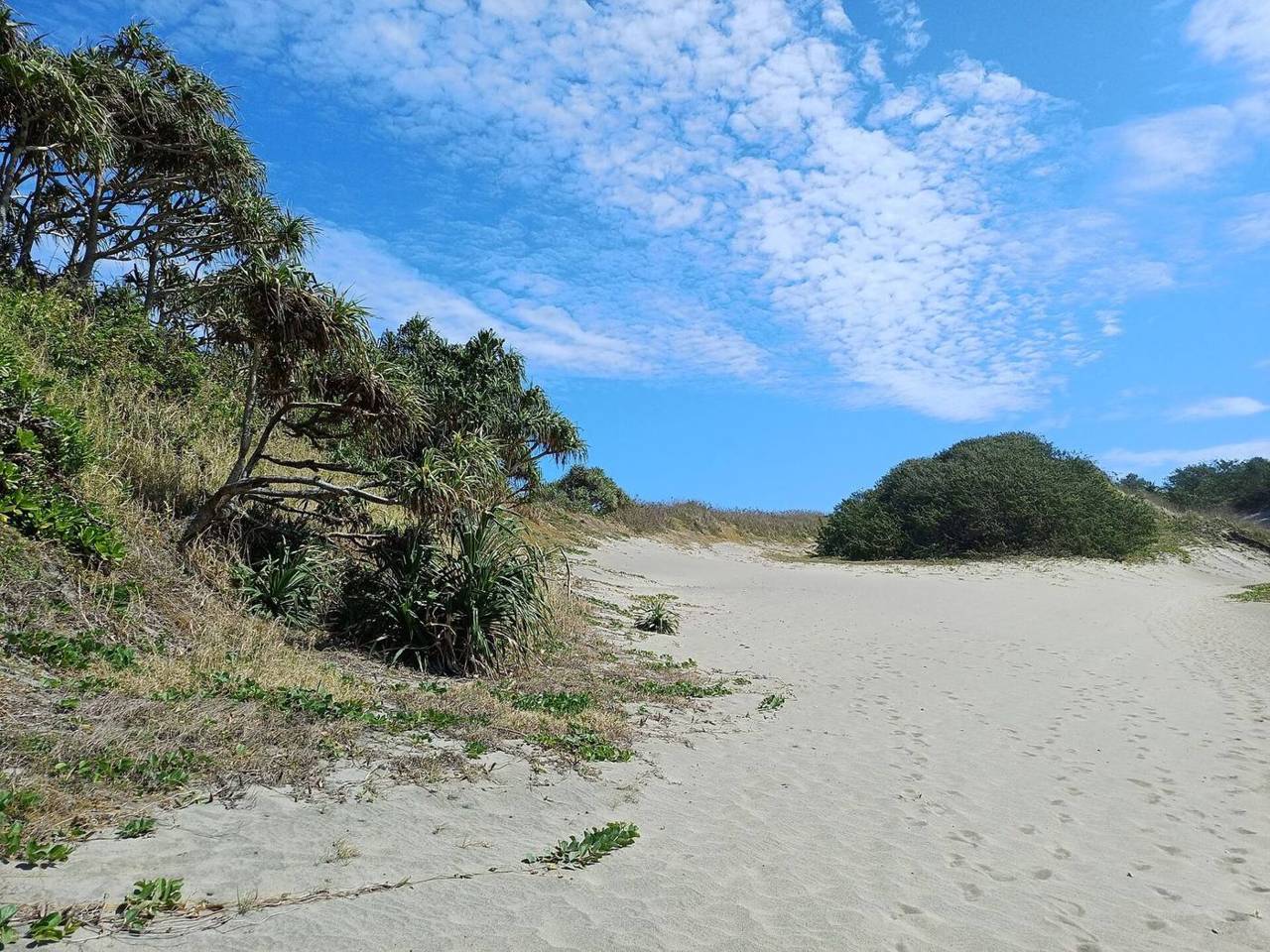
An easy trip with children: the Sigatoka dunes, Kula wildlife park, the Sabeto orchid gardens and hot mud pools, and calm lagoon beaches.
 8 daysEasy
The Yasawas and Mamanucas
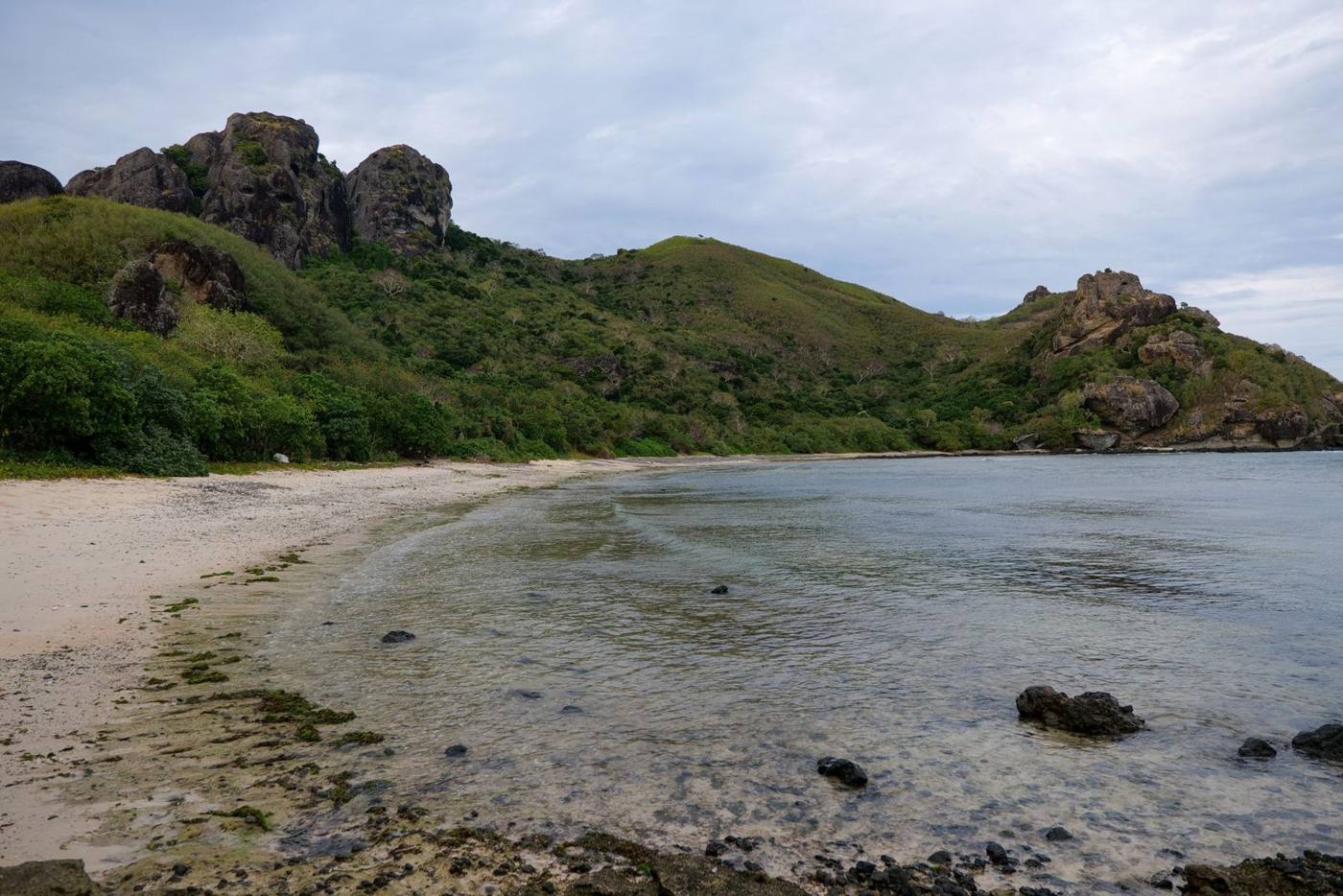
By boat among the Mamanuca and Yasawa islands: turquoise lagoons, the Sawa-i-Lau caves, swimming with mantas and Fijian villages.
 7 daysModerate
Taveuni and diving
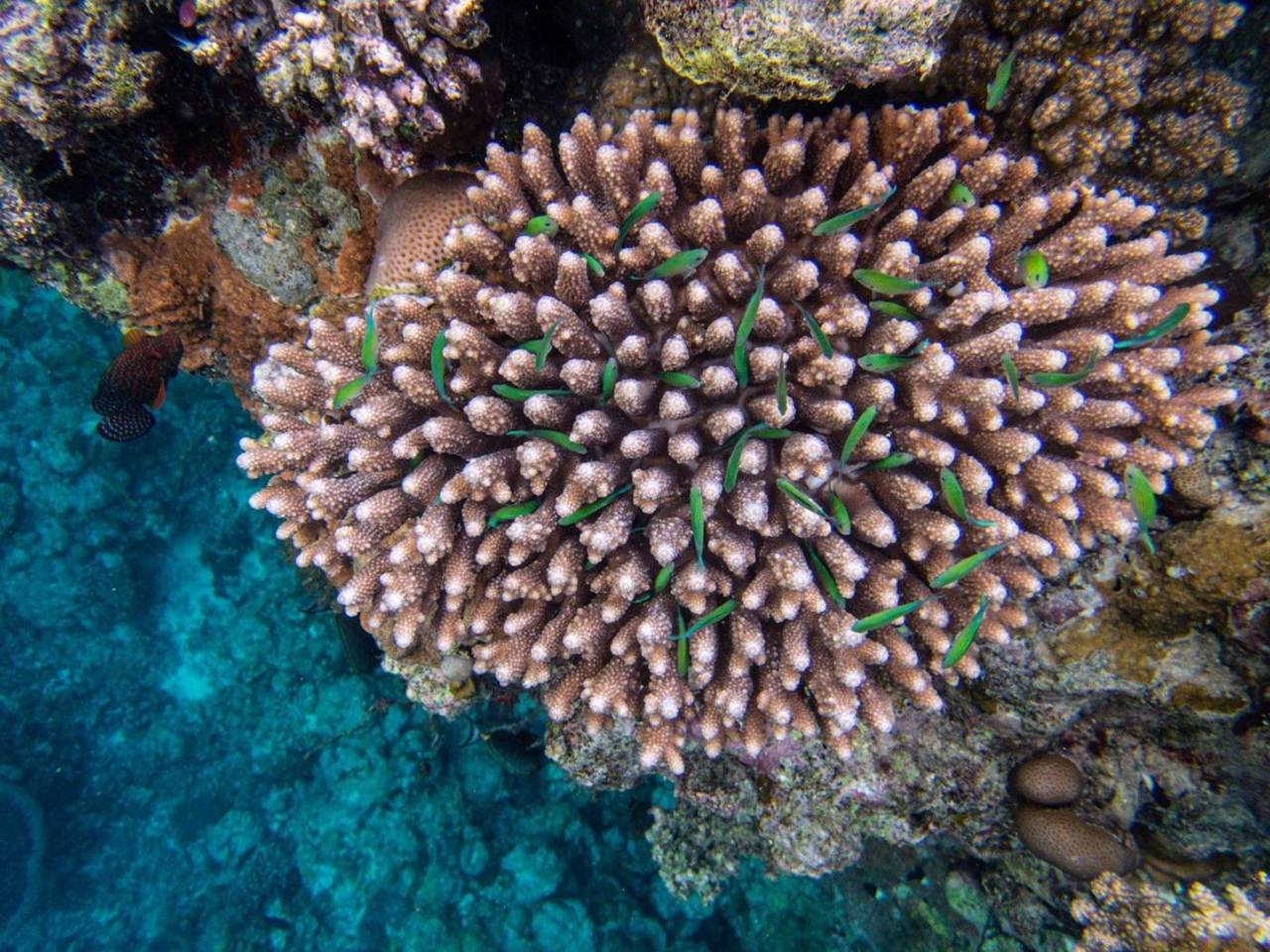
The garden island: Rainbow Reef and the Great White Wall for soft corals, the Tavoro falls in Bouma park and the date line.