Navala and the highlands
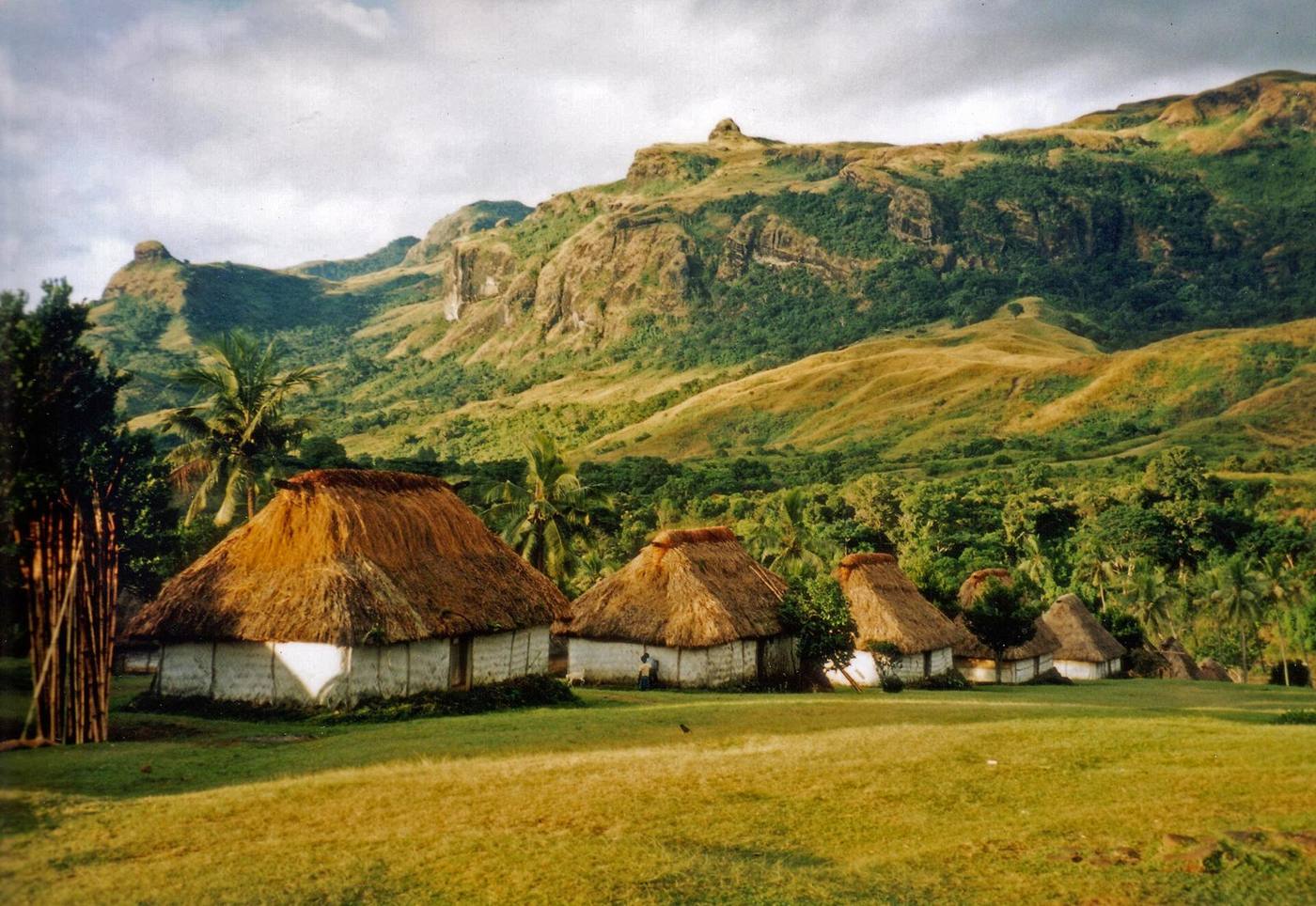
Navala village in the Viti Levu mountains, the only one with all traditional thatched bure houses, with a kava ceremony and a night with a family.
- Nadi
- Ba
- Navala
Day by day
- Day 1
The mountain road to Navala and kava
This two-day trip takes you away from the beaches, into the mountains of inland Viti Levu, the main island of Fiji, to Navala, a village on the banks of the Ba river where almost all the houses are still traditional bure, with thatched roofs and walls of woven bamboo. You spend the night with a village family.
Before you go: Italian citizens enter Fiji without a visa for tourist stays of up to 120 days, with a passport valid for at least six months from arrival; at the border you may be asked for a return or onward ticket. Other nationalities should check their own rules. The country is generally calm, but there are thefts and robberies in the tourist areas of Suva and Nadi, especially at night. From November to April is cyclone season, with a risk of floods and landslides: follow the warnings of the local weather service. You drive on the left: avoid driving at night outside towns.
Leave Nadi in the morning and follow the coast to the town of Ba. At the market buy a bundle of yaqona roots, the kava plant: this is the sevusevu, the gift that every guest offers to the village chief. Then the road climbs through grassy hills and deep valleys, narrower and narrower and unpaved. From the last bend you see dozens of thatched roofs lined up along the river.
On arrival a villager takes you to the chief. Sitting on the mat, you offer the sevusevu; he accepts it with a short prayer and you are officially a guest. Then the kava is drunk: clap once, say bula, drink the coconut cup in one go and hand it back.
Practical tip: in the rain the road turns muddy and dangerous; go with a four-wheel drive and a driver who knows it well.
- Day 2
A walk in the valley and the return
You wake up early, with the cockerels and the smoke of the cooking fires rising from the roofs. After breakfast with the family, tour the village with a guide. He explains how a bure is built: the hardwood posts, the woven bamboo walls and the thatched roof, redone every few years with the help of the whole community. You also see the church, the school and the chief's house.
Then walk along the Ba river and over the hills around, among fields of cassava, taro and bananas. When the water is calm you can swim in the river with the village children. From above, the view of the village, with its dark roofs neatly set among the green, is the finest picture of traditional Fiji.
Say goodbye to the family and head back towards Ba and Nadi in the early afternoon, to arrive before dark.
In two days you have seen the real Fiji, that of the inland villages: the mountain road, the sevusevu offered to the chief, the kava ceremony and the night in a bure, with the daily life of a family. It is a short but intense trip, to be done with respect and with time.
When to go: from May to October, in the dry season, the road is safer and the days are cooler. From November to April it rains a lot and there is a risk of cyclones and landslides.
Practical tip: in the village take off your hat and sunglasses, cover your shoulders and knees with a sulu, the Fijian sarong, take off your shoes before entering a house and do not touch anyone's head; Sunday is for church and rest. Drink kava in moderation.
Genuine Fijian culture, far from the beaches. Bring a gift of kava root (sevusevu) and clothes covering shoulders and knees. Dirt road difficult in the rain.
Before you go
- Documents and visa
- Passport valid for at least six months from arrival. British and Italian citizens enter without a visa for tourist stays of up to four months; at the border you may be asked for a return or onward ticket.
- Health and vaccines
- In the rainy season, from November to April, there is a risk of dengue: use repellent and wear long, light-coloured clothes. Yellow fever is required only for travellers arriving from a country at risk. Healthcare is limited and serious cases are often evacuated abroad: you need insurance with repatriation that also covers diving. Emergencies: 911.
- Money and payments
- Fijian dollar. Cards work in hotels and towns; in villages and on small islands you need cash.
- Power sockets
- Type I, the Australian plug with flat angled pins, 240 volts: you need an adapter.
- Time zone
- UTC+12 all year.
- Safety
- A generally calm country with no areas advised against. Watch out for theft and robbery in the tourist areas of Suva and Nadi, especially at night. November to April is cyclone season, with a risk of floods and landslides: follow the local weather service. In villages present the sevusevu, a gift of kava root, to the chief, take off your hat and cover your shoulders and knees. Official advice: GOV.UK.
Information checked in November 2026 for Italian and EU citizens. Rules change: always check before you travel.
Variations
In 1 day: there and back from Nadi with a guided visit to the village, without the night with a family.
In 5 days: add the Coral Coast and the Sigatoka dunes, in the south of Viti Levu.
Frequently asked questions
What is sevusevu?
It is the gift of yaqona roots, the kava plant, that every visitor offers to the village chief. With the sevusevu you ask permission to enter and become a guest of the community.
How should you dress in Navala?
Cover your shoulders and knees, ideally with a sulu, the Fijian sarong. Take off your hat and sunglasses in the village and your shoes before entering houses.
Do you pay to visit the village?
The village usually asks for an entrance fee, as well as the sevusevu. Check prices and rules on arrival or with whoever arranges the visit.
Indicative itinerary written by World Atlas. Before booking, check timetables, seasonal openings, documents and safety.
 4 daysEasy
Savusavu and Vanua Levu
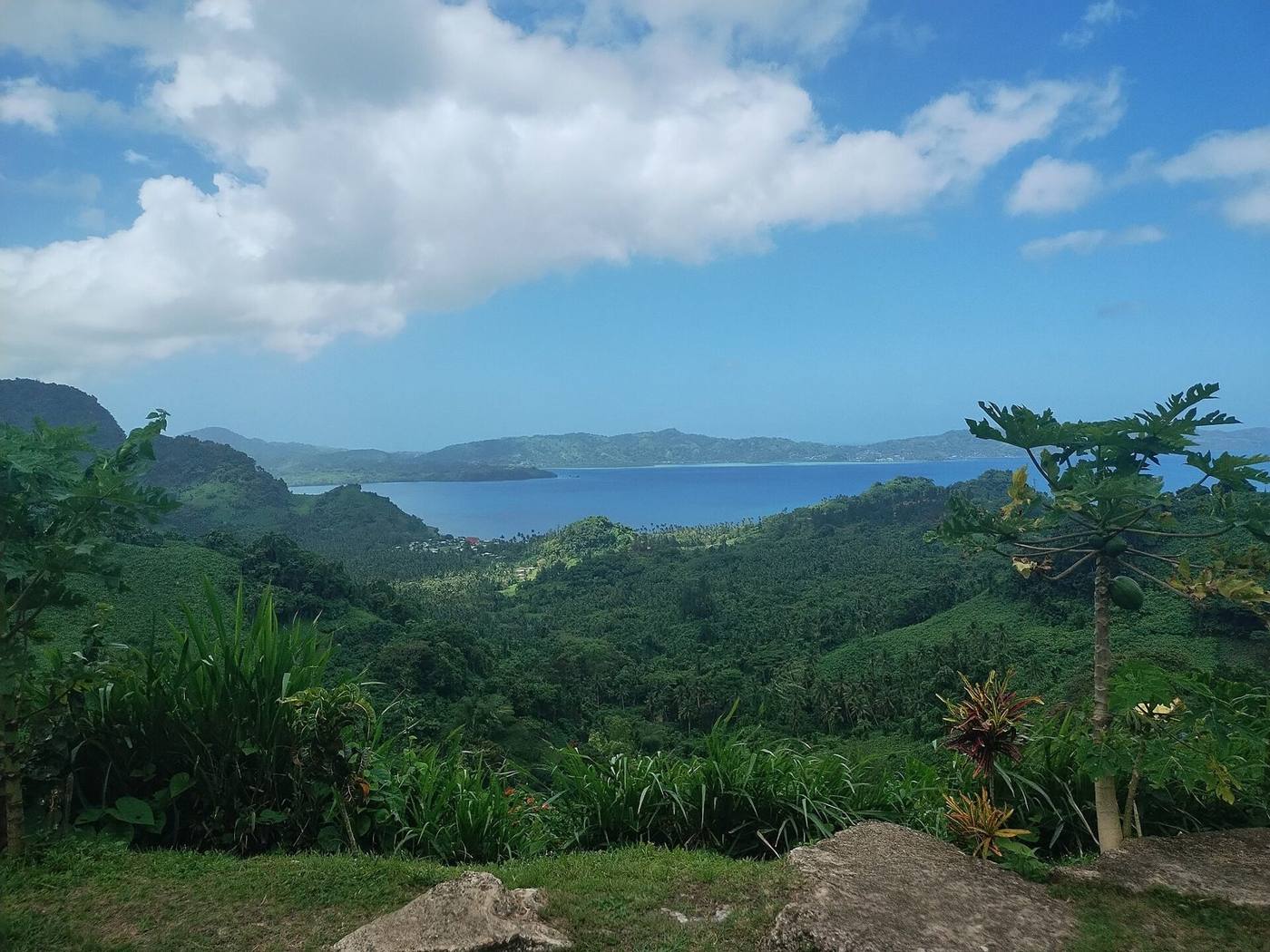
Fiji's second island: Savusavu bay with its hot springs, copra plantations, Waisali forest and snorkelling on the Namena reef.
 4 daysEasy
Sigatoka with the family
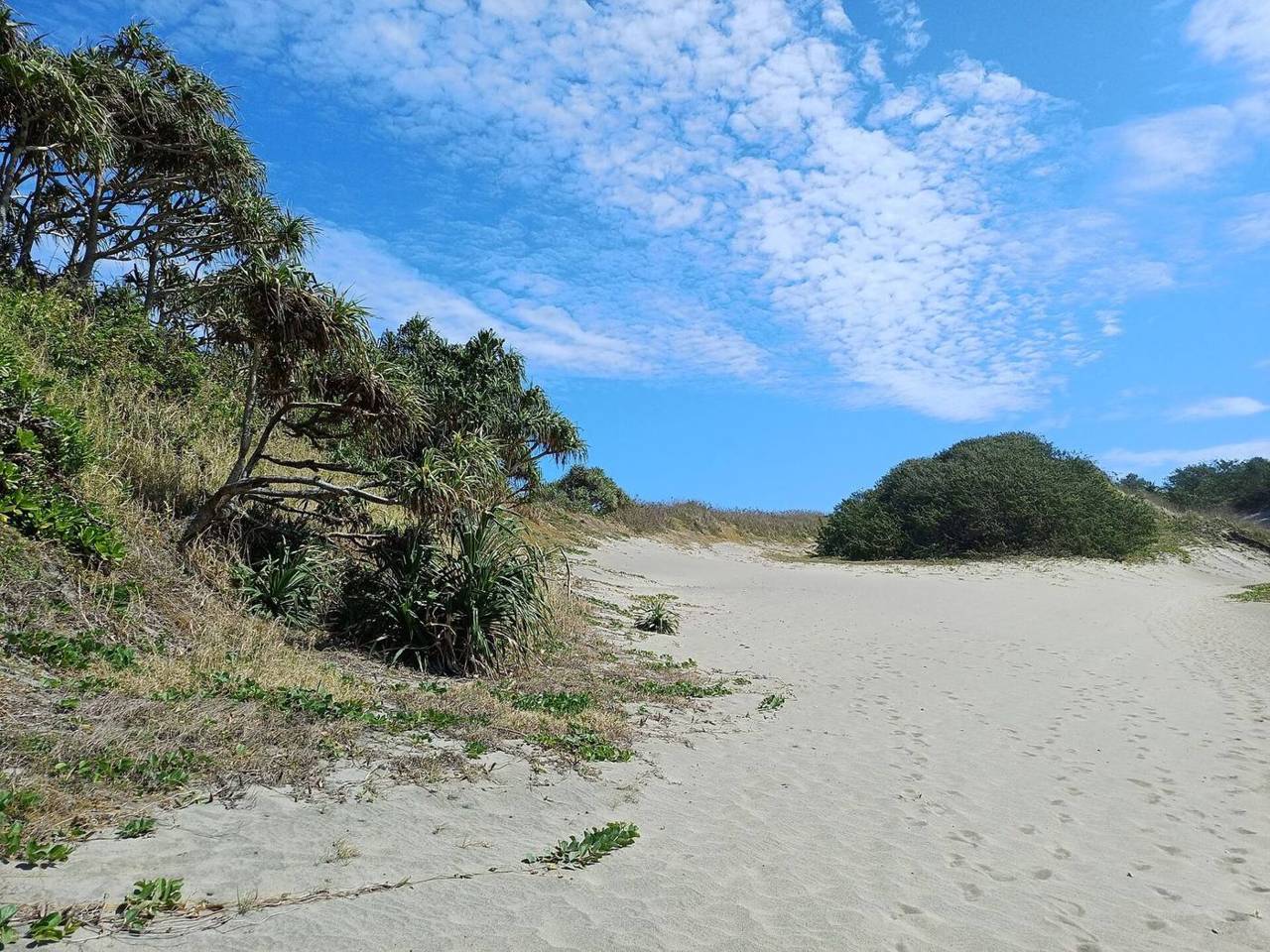
An easy trip with children: the Sigatoka dunes, Kula wildlife park, the Sabeto orchid gardens and hot mud pools, and calm lagoon beaches.
 8 daysEasy
The Yasawas and Mamanucas
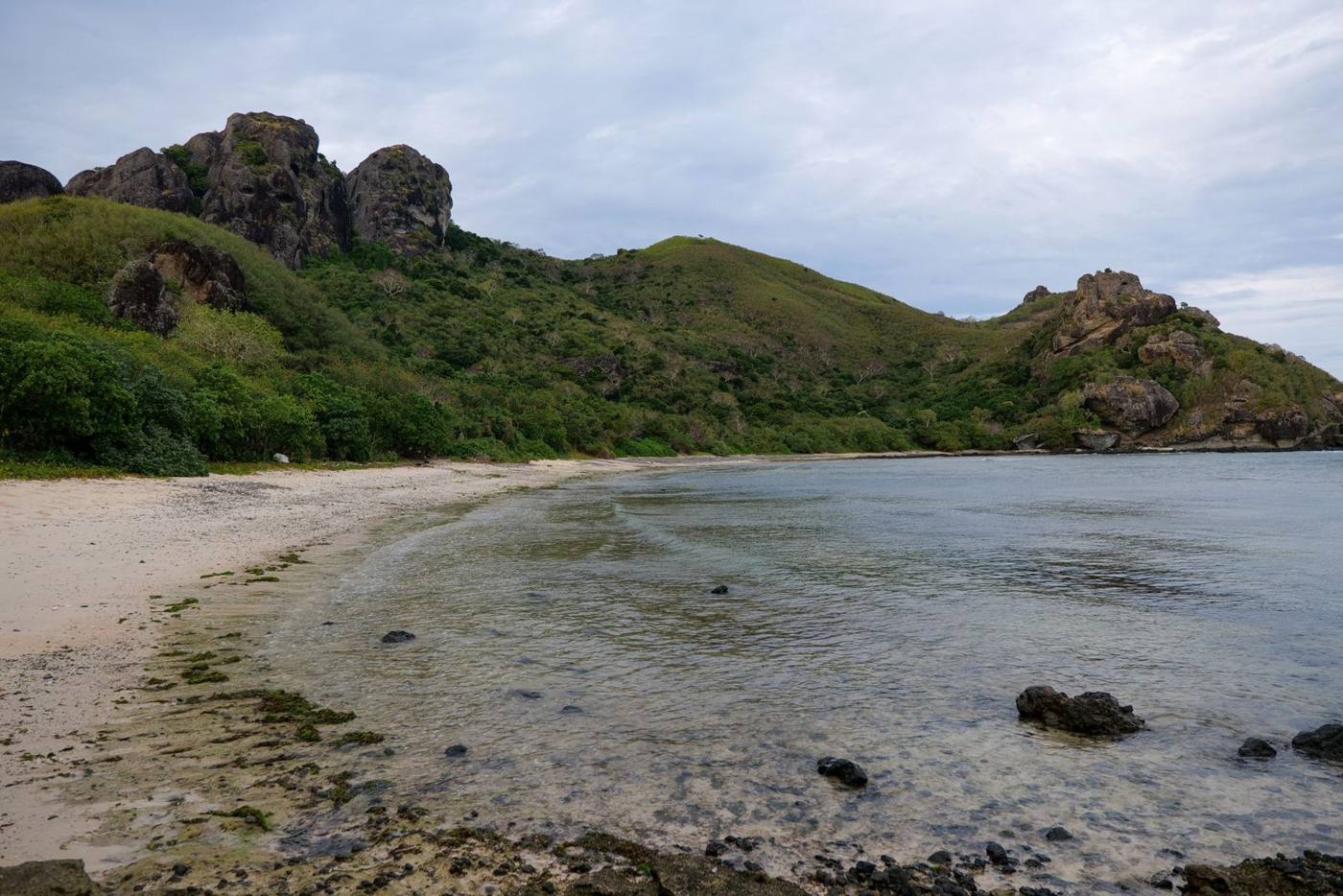
By boat among the Mamanuca and Yasawa islands: turquoise lagoons, the Sawa-i-Lau caves, swimming with mantas and Fijian villages.