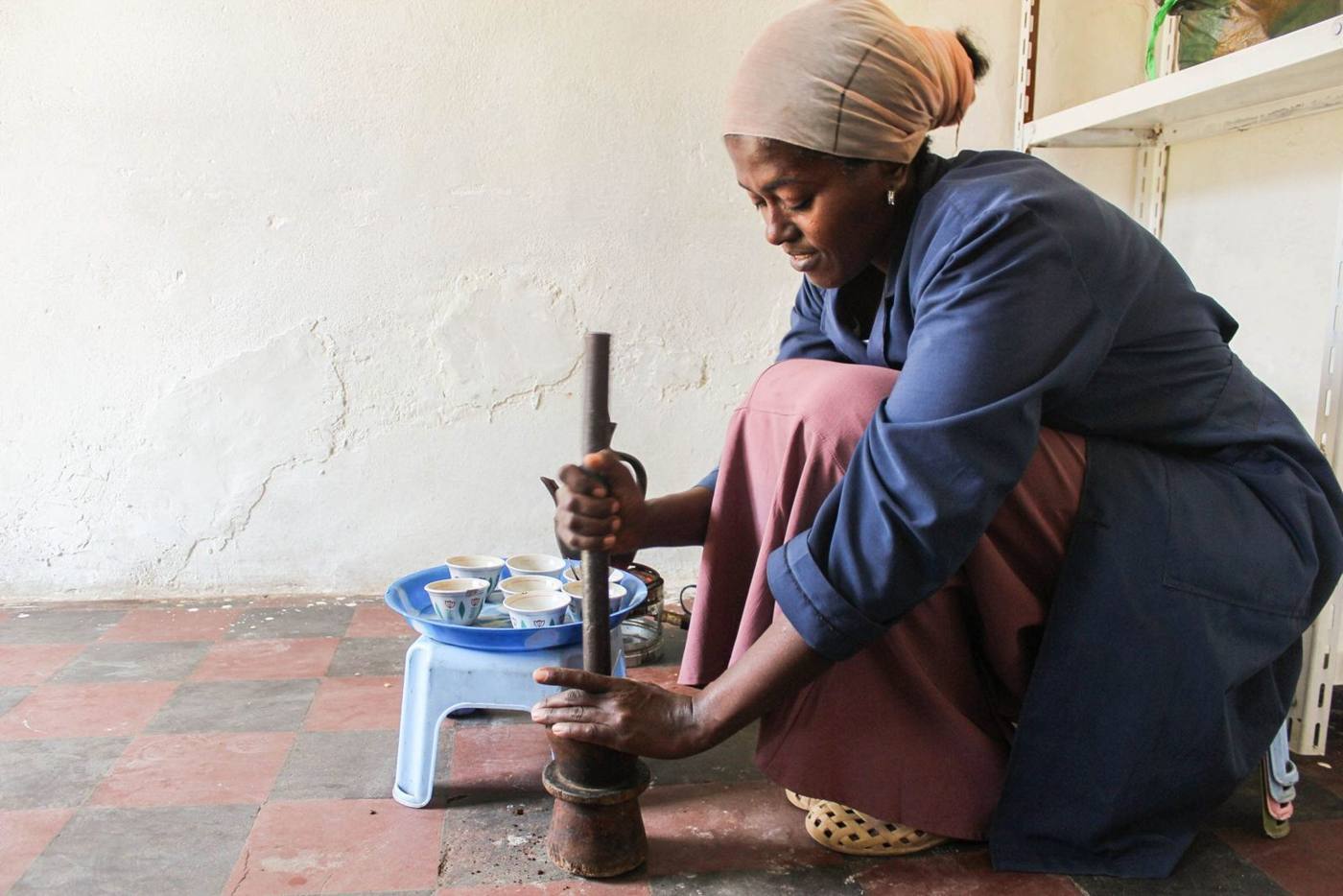
Harar and the east
The UNESCO walled city of Harar with its alleys and dozens of mosques, Rimbaud's house, the hyena men at night and the Dire Dawa market.
- Dire Dawa
- Harar
- Jugol
- Awash
Day by day
- Day 1
Flight to Dire Dawa and the road to Harar
This four-day trip takes you to eastern Ethiopia: Dire Dawa, a town born with the railway, and Harar, the walled city listed as a UNESCO World Heritage Site, with its alleys, its mosques, the house linked to Rimbaud and the men who feed the hyenas in the evening.
Before you go: Italian citizens need a passport valid for at least six months and a visa, applied for online on the official evisa.gov.et portal before the flight; visa on arrival is not recommended, as it can lead to refusal of entry. Binoculars and drones cannot be imported without prior approval. Other nationalities should check their own rules. Some areas on this trip are close to borders or places where the situation changes often: check your government's travel advice before booking and again before you leave.
In the morning take the domestic flight from Addis Ababa to Dire Dawa, which lasts about an hour. On arrival your guide and driver are waiting: in this part of the country it is best always to travel with local people and to stay between Dire Dawa and Harar, without heading towards the Somali border.
The road climbs from the hot plain into the hills, through sorghum fields and plantations of qat, the green leaves that many men chew in the afternoon. In less than two hours you reach Harar, at more than 1,800 metres, where the air is cooler.
In the evening take a first walk near the main gate in the walls and have lentil soup and warm bread for dinner.
Practical tip: throughout the area travel only by day and let your driver decide the times and routes.
- Day 2
Harar Jugol, the gates, the markets and the hyenas
Today you explore Jugol, the old town of Harar, enclosed by walls built in the sixteenth century. Inside there are more than eighty mosques, many shrines and a maze of narrow alleys with houses painted white, green and blue.
Enter with your guide through one of the historic gates and walk without hurrying. The alleys change at every corner: in one, tailors work at old sewing machines, in another people sell spices, butter and coffee. Harar is famous for its coffee, grown on the surrounding hills, and here you can buy it as freshly roasted beans.
Visit a traditional Harari house. The rooms have raised platforms for sitting, and the walls are decorated with woven baskets and colourful plates hung in neat rows. Families are happy to explain the meaning of the objects. Then go to the house known as Rimbaud's House, a wooden building with stained glass that now holds a small museum about the French poet, who lived and traded in Harar at the end of the nineteenth century. Check prices and times.
In the afternoon many men sit in the shade chewing qat: it is legal and part of social life, but avoid taking photos without permission.
At sunset leave the walls with your guide to see the hyena men. They call the animals by name and feed them pieces of meat, sometimes holding them on a small stick in their mouths. Stay where you are told and do not make sudden movements.
Practical tip: wear clothes that cover your shoulders and knees; Harar is a religious city and modest dress helps you to be better welcomed.
- Day 3
The Babile camel market and back to Dire Dawa
Today you leave Harar early for Babile, a small town to the east, on the road towards Jijiga. It is famous for its large livestock market, where Somali and Oromo herders bring camels, goats and cows. The market is held only on certain days of the week: ask your guide which ones, and plan the day accordingly.
Arrive in the morning, when activity is at its busiest. The herders bargain at length over the price of each animal, shake hands and count the notes. The camels are examined carefully, from legs to teeth. Move calmly, always ask before photographing people and watch out for the animals, which can kick.
Before going back, stop in the Valley of Marvels, near Babile, where huge granite boulders lean on one another in strange balances, shaped by wind and rain. The landscape is red and dry, with cacti and acacias. On this road do not go beyond the point your guide considers reasonable, and come back before late afternoon.
Return towards Harar for a quick lunch, then drive down to Dire Dawa. Here walk through the district built around the old station of the railway to Djibouti, opened in the early twentieth century, with low arcaded buildings in pastel colours. Then visit Kefira market, full of fabrics, spices and goods arriving from Djibouti.
Practical tip: Dire Dawa is very hot; plan your visits for early morning and late afternoon, and rest in the middle of the day.
- Day 4
Flight to Addis Ababa and summary
Today you return to Addis Ababa on the domestic flight from Dire Dawa. If the plane leaves in the afternoon, you still have the morning for a last walk in town.
Go to the market when it opens, buy some spices and a bag of Harar coffee to take home, then sit in a small café under the arcades for a macchiato, one of the Italian legacies in the country. Watch street life: the blue tuk-tuks, the fruit sellers and the students in uniform.
Once in Addis Ababa, if you have a few hours before your international flight, you can make a short visit to the National Museum to see Lucy, or go up Mount Entoto for the cool air and the view over the capital. Check prices and times.
In four days you have got to know eastern Ethiopia: the walled city of Harar with its gates, mosques and decorated houses, the house linked to Rimbaud, the evening hyena ritual, the Babile camel market and the boulders of the Valley of Marvels, then Dire Dawa with its historic station and Kefira market. It is one of the oldest Islamic centres in Africa, with an atmosphere unlike the rest of the country.
When to go: from October to March the climate is dry and mild in Harar, and the heat in Dire Dawa is easier to bear. From April to September it is very hot on the plain and the rains can slow the roads down.
Practical tip: if you travel during Ramadan, many places stay closed by day; do not eat or drink in the street out of respect, and wait for the evening for the liveliest markets.
One of Africa's oldest Islamic cities, with a unique atmosphere. Khat is legal and everywhere; in the afternoon many men chew it. Roads towards the Somali border are advised against: stay between Harar and Dire Dawa.
Before you go
- Documents and visa
- Passport valid for at least six months and a visa, applied for before you travel on the official evisa.gov.et portal (30-day single-entry tourist e-visa); visa on arrival is not recommended as it can lead to refusal of entry. Binoculars, drones and satellite phones cannot be imported without prior approval. Travellers arriving from a country at risk must show a yellow fever certificate.
- Health and vaccines
- Malaria is present outside the capital and below 2,000 metres: ask your doctor about prevention. Vaccines against typhoid, hepatitis A and B, tetanus, meningitis and rabies are recommended. In Addis Ababa and above 4,000 metres in the Bale Mountains you feel the altitude: go up slowly. Drink only bottled water, and you need insurance covering medical costs and repatriation. Emergencies: Red Cross ambulance 907, police 991.
- Money and payments
- Ethiopian birr. Foreign currency over 10,000 dollars must be declared; change money only at banks or authorised offices and keep the receipts; the limits on birr in and out change, so check them before you travel. Cards work only in large hotels and in cities, and cash machines are found in the main towns: carry cash for villages.
- Power sockets
- Types C, E, F and L, 220 volts: bring a universal adapter.
- Time zone
- UTC+3 all year. Ethiopia also uses its own calendar and a local way of counting the hours: always check whether a time is 'Ethiopian' or international.
- Safety
- The situation changes often and varies greatly from region to region: several areas of the north, the west, Oromia and the Somali region, especially near the borders, are advised against. For travel outside Addis Ababa choose an experienced local guide or driver, prefer flying for long distances and do not travel by road at night. Official advice: GOV.UK.
Information checked in November 2026 for Italian and EU citizens. Rules change: always check before you travel.
Variations
Shorter version: in three days skip Babile and spend one full day in Harar and one in Dire Dawa.
Longer version: combine this trip with the Rift Valley lakes, starting from Addis Ababa for six days and then flying to Dire Dawa.
Frequently asked questions
Can you stay overnight in Harar?
Yes, there are simple hotels and traditional houses that welcome travellers. Book ahead and choose a place inside or near the walls, so you do not need long journeys in the evening.
Is it true that qat is legal?
In Ethiopia qat is legal and part of social life. In Italy and in many other countries it is banned: do not carry it in your luggage.
How do you see the hyena feeding?
Every evening, outside the walls, some men feed the wild hyenas. Go with your guide, who knows the place and the time, and respect the distance you are given.
Indicative itinerary written by World Atlas. Before booking, check timetables, seasonal openings, documents and safety.
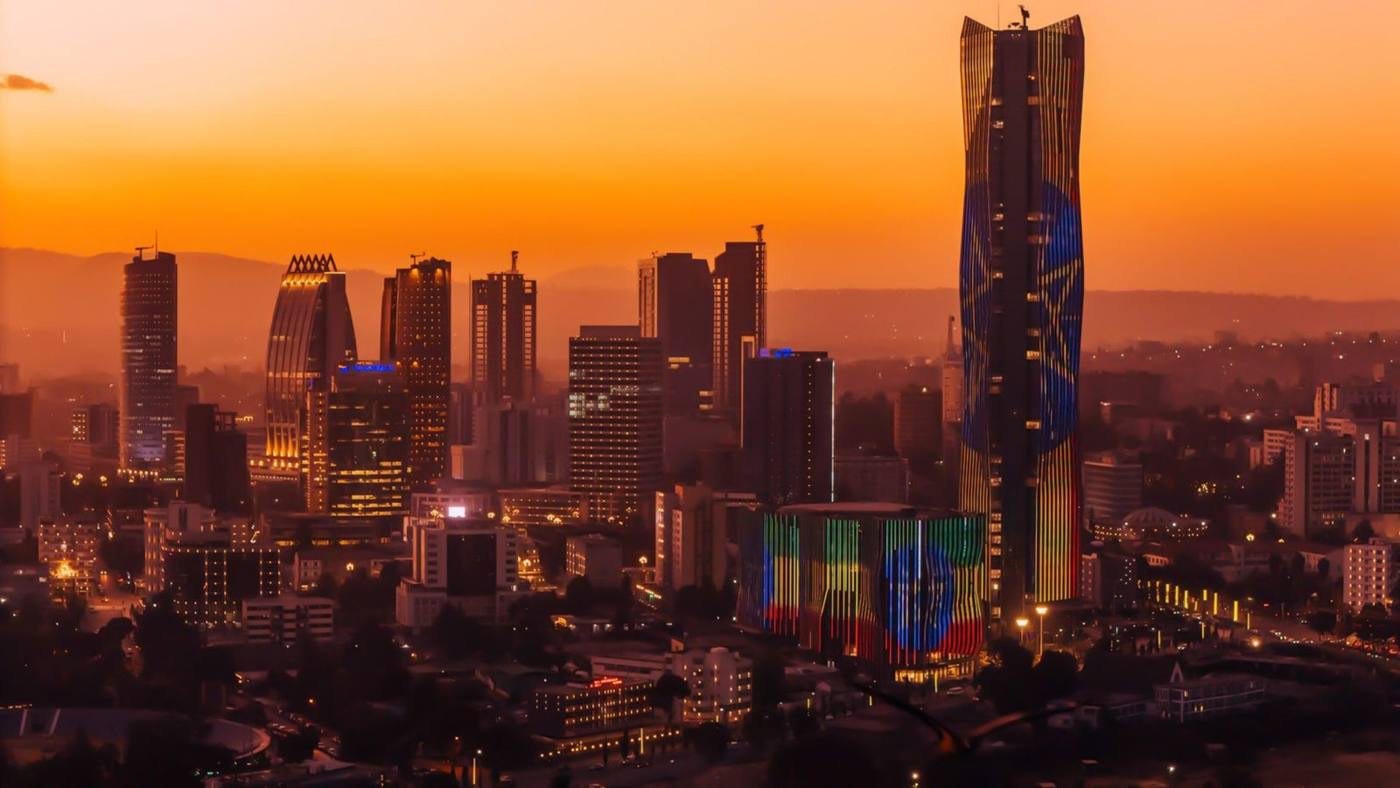 6 daysEasy
Addis Ababa and the Rift Valley lakes
Lucy at the National Museum, the coffee ceremony, lakes Ziway, Langano and Abijatta-Shala with flamingos and pelicans, and Hawassa with its fish market.
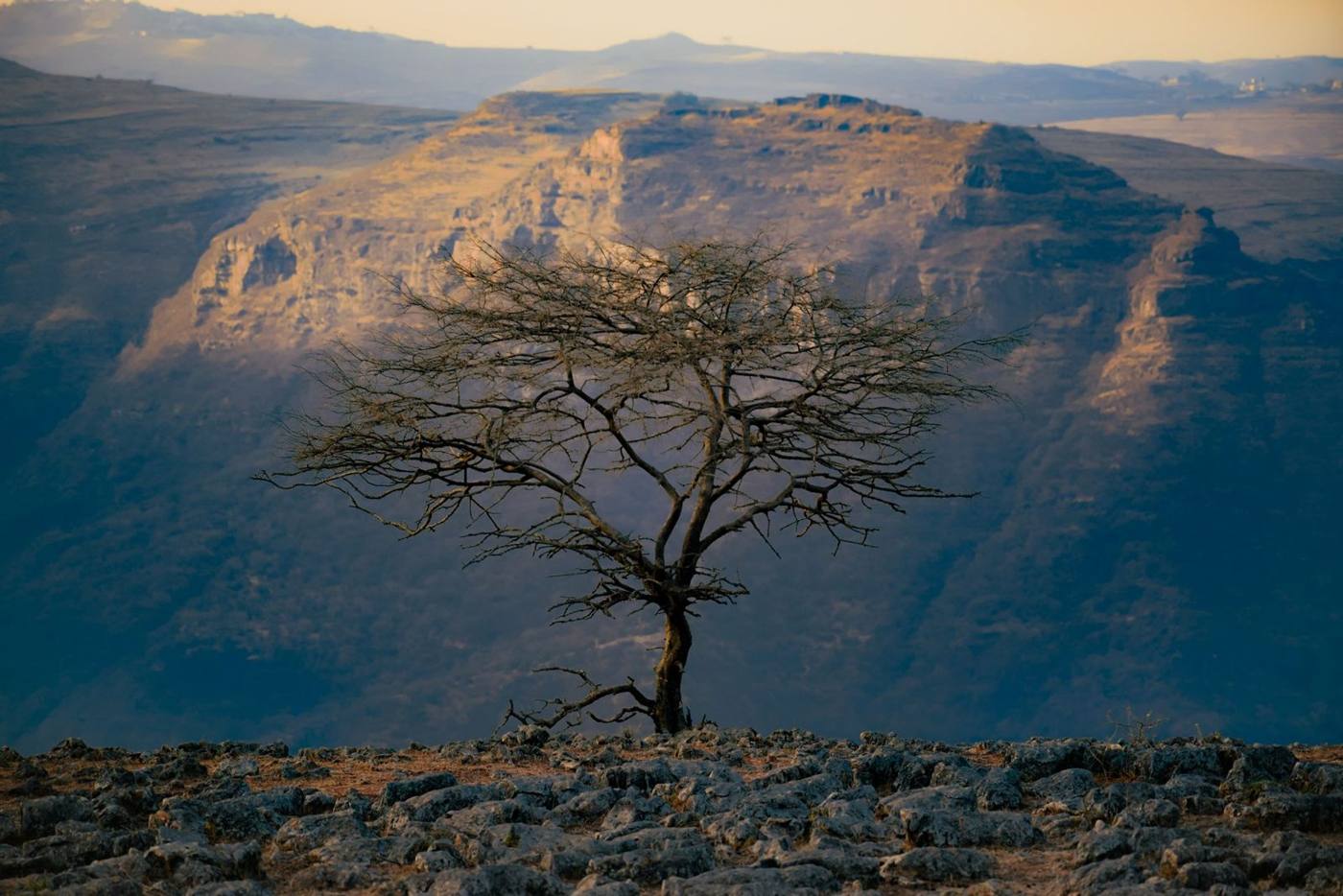 6 daysModerate
The Bale Mountains
The 4,000-metre Sanetti plateau with Ethiopian wolves, mountain nyala at Dinsho and the Harenna forest with monkeys and wild coffee.