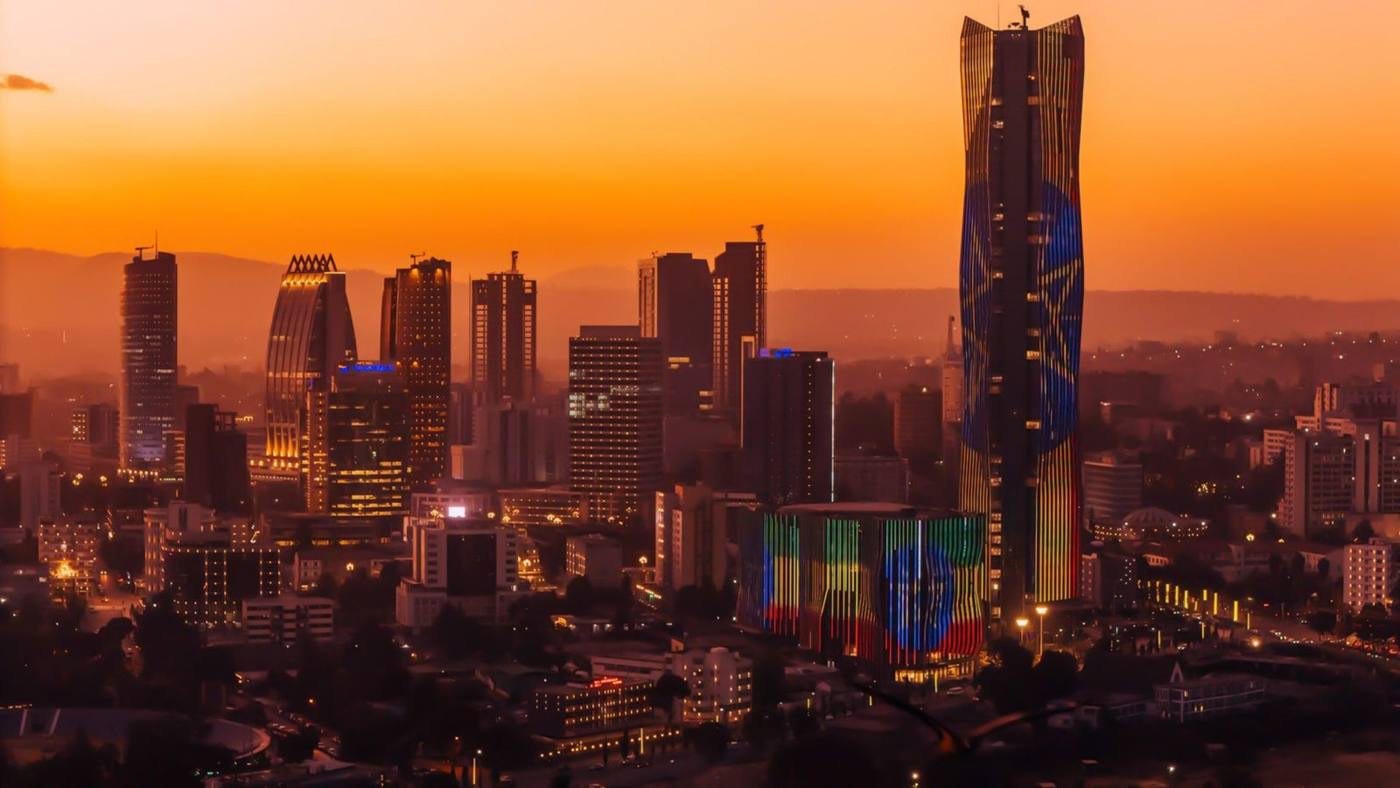
Addis Ababa and the Rift Valley lakes
Lucy at the National Museum, the coffee ceremony, lakes Ziway, Langano and Abijatta-Shala with flamingos and pelicans, and Hawassa with its fish market.
- Addis Abeba
- Ziway
- Langano
- Abijatta-Shala
- Hawassa
Day by day
- Day 1
Addis Ababa and Lucy at the National Museum
This six-day trip takes you from Addis Ababa, the capital on the highlands, south along the Rift Valley: Lake Ziway with its pelicans, Lake Langano, Abijatta-Shala National Park with flamingos and hot springs, and finally Hawassa and its fish market.
Before you go: Italian citizens need a passport valid for at least six months and a visa, applied for online on the official evisa.gov.et portal before the flight; visa on arrival is not recommended, as it can lead to refusal of entry. Binoculars and drones cannot be brought into the country without prior approval: if you want binoculars for the birds of the lakes, ask the embassy first. Other nationalities should check their own rules. Some areas on this trip are close to borders or places where the situation changes often: check your government's travel advice before booking and again before you leave.
Addis Ababa lies at more than 2,300 metres: on the first day walk slowly and drink plenty of bottled water. In the afternoon visit the National Museum of Ethiopia. Here you find Lucy, the skeleton of a hominin who lived about 3.2 million years ago and was found in 1974 in the Afar region. In the gallery you see a faithful cast, while the original bones are kept in storage. The upper floors show art, crowns and objects from Ethiopian history. Check prices and times.
In the evening try injera, the spongy, slightly sour teff bread, with shiro, a spiced chickpea stew.
Practical tip: for the Rift Valley days, book a driver with an experienced local guide before you leave home; do not drive yourself and do not travel by road at night.
- Day 2
Holy Trinity, Merkato and Mount Entoto
Today you discover Addis Ababa in three different moments: an imperial cathedral, one of the largest markets in Africa and the eucalyptus hills above the city.
Start at Holy Trinity Cathedral, the most important Orthodox church in the capital. Inside there are coloured stained-glass windows and the emperor's thrones, and Haile Selassie and Empress Menen are buried here. Go in quietly, take off your shoes where asked and always ask before photographing people at prayer. Check prices and times.
In mid-morning go to the Merkato with your guide. It is a whole district of alleys, where each area sells one thing only: spices, coffee beans, baskets, fabrics, recycled metal. The noise and the crowds are intense, and pickpockets take advantage of the confusion: keep your phone in your pocket, carry only a little cash and leave your passport at the hotel.
In the afternoon climb Mount Entoto, north of the city, above 3,000 metres. The air is cool and smells of eucalyptus, and from the top you see the whole capital. On the hill stands the church of Entoto Maryam, linked to Emperor Menelik II, who founded Addis Ababa at the end of the nineteenth century.
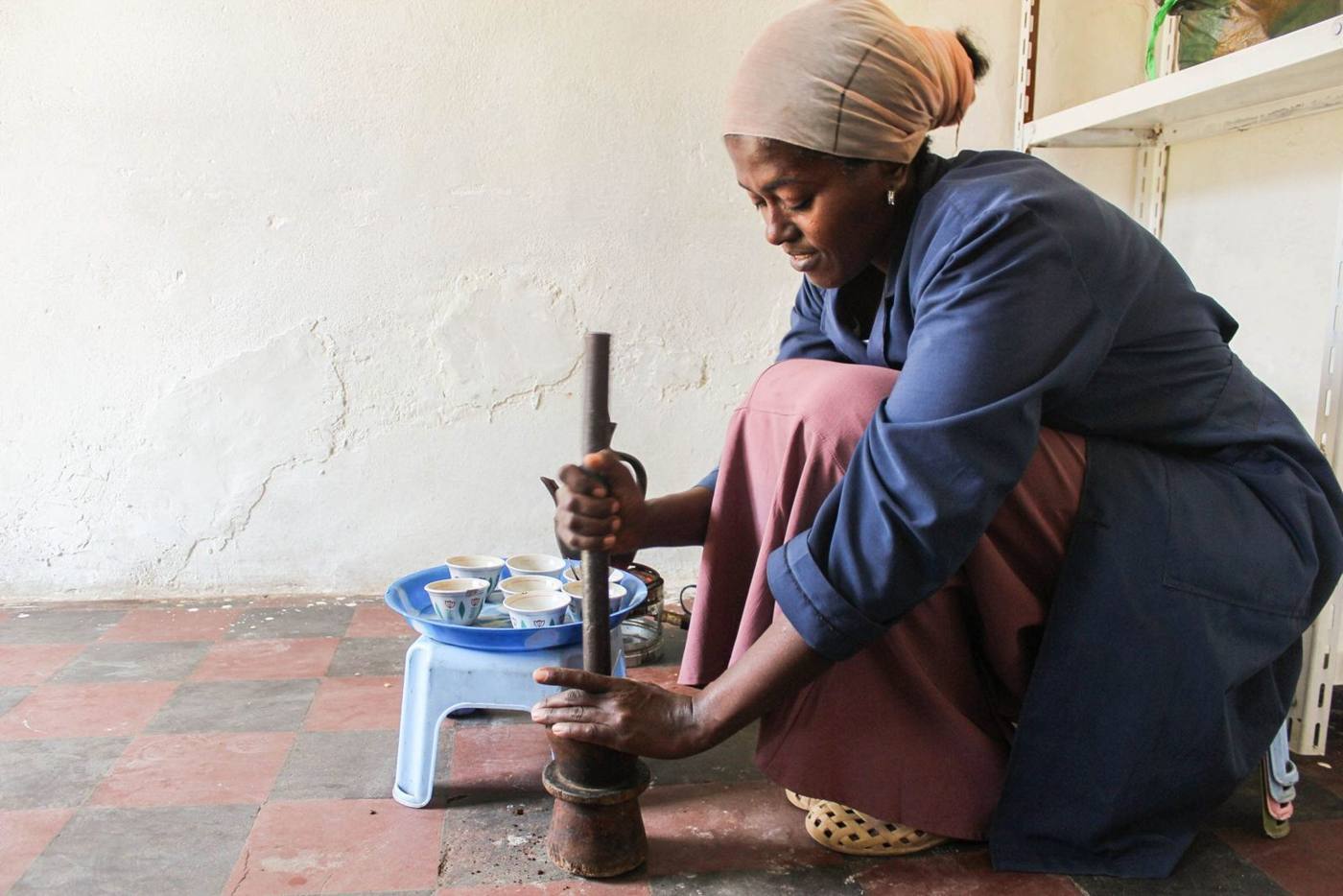
On the way back join a coffee ceremony. A woman roasts the beans over a brazier, pounds them and brews the drink in the jebena, the clay pot. You usually drink three small cups, and refusing the first is impolite.
Practical tip: on Wednesdays and Fridays many Orthodox Ethiopians fast from meat; on those days you find excellent vegetarian dishes everywhere.
- Day 3
Lake Ziway and its pelicans, a night at Langano
Today you leave the capital and drop into the Rift Valley, the great crack in the earth's crust that runs through East Africa. The road goes from the cool highlands to a warmer plain, with acacias, teff fields and villages of round houses.
The first stop is Lake Ziway, near the town of Batu. Go to the small fishing harbour in the morning, when the boats come back. White pelicans and marabou storks, huge birds with enormous beaks, wait on the jetties and fight over the fish scraps. It is a noisy and very photogenic sight. Stay a few metres from the birds, because marabous can peck.
If there is time, a motorboat takes you towards the islands of the lake, where there are old Orthodox monasteries. Hippos live in some parts of the lake: always follow the boatman's instructions and do not get close. Check prices and times with your guide.
In the afternoon continue south to Lake Langano. The water is brown and coppery from the minerals, and the shores are lined with woods where monkeys and many birds live. At sunset the light on the lake turns warm and golden.
In the evening eat grilled tilapia, the typical fish of the Rift Valley lakes, with chilli and bread.
Practical tip: along the road there are children, animals and carts; traffic is slow and unpredictable, so always allow more time than planned for every journey.
- Day 4
Abijatta-Shala, flamingos and hot springs
Today you visit Abijatta-Shala National Park, which protects two lakes that are close together but very different, separated by a hill.
Lake Abijatta is shallow and alkaline. When the water level is good, its shores turn pink with flamingos, which filter algae with their curved beaks. The number of birds changes a lot from year to year and from season to season: ask your guide where they are at that moment. Walk slowly on the muddy shores, because the ground can give way.
In the park's savannah you see gazelles, warthogs and sometimes ostriches. The landscape is open, with scattered acacias and pale dust, and you feel the heat in the afternoon.
Lake Shala, on the other hand, is deep and surrounded by dark volcanic cliffs. On the shore there are hot springs, where boiling water comes out of the ground with steam and a smell of sulphur. Local people come to wash and to cook maize in the pools. Do not touch the water without asking: in some places it is very hot and you can burn yourself.
The park has a viewpoint on the hill between the two lakes, where you see both in a single glance. Check prices and times at the entrance and take a park guide.
In the evening return to Lake Langano and rest: tomorrow Hawassa is waiting.
Practical tip: bring a hat, sun cream and at least two litres of water each; there are few places in the park to buy drinks and shade is scarce.
- Day 5
Hawassa, the fish market at dawn
Today you reach Hawassa, a lively city on the shore of the lake of the same name, much further south. It is one of the places Ethiopians love for the weekend, with a green lakefront and big trees.
Arrive at the fish market at dawn, when the small boats come back with tilapia and catfish. The fishermen clean the fish on the shore and sell it at once, sometimes already fried or raw with chilli. All around, marabou storks walk slowly among the people and pelicans float near the boats. Before taking photos of the fishermen ask for permission, and accept a no with a smile.
After breakfast walk along the path that follows the shore northwards. In the trees live colobus monkeys, black and white with long tails, and many colourful birds, including kingfishers and hornbills. By boat you can approach, at a safe distance, the groups of hippos that live in the lake: never go ashore where you see them.
In the afternoon climb Tabor Hill, just outside town, to see the lake from above. At sunset go back to the lakefront, where families and students stroll and drink a coffee.
In the evening try tibs, meat sautéed in a pan with onion, rosemary and chilli, served with injera.
Practical tip: in Hawassa, as everywhere in Ethiopia, carry cash in birr in small notes; at markets and on boats cards are not used and change is often hard to find.
- Day 6
Back to Addis Ababa and summary
Today you return to Addis Ababa. You can go back by road, with the expressway for the first part and a few hours of driving in total, or take a domestic flight from Hawassa airport if the times suit your international flight. Leave early and travel by day.
If you choose the road, stop in one of the villages along the way to buy fresh fruit and look at the teff fields, the tiny grain used to make injera. Once in the city, use the last hours to buy coffee beans, spices such as berbere and a small coffee ceremony set. Ask your guide for advice on fair prices.
On your last evening treat yourself to a final plate of doro wat, the spicy chicken stew with boiled egg, the festive dish of Ethiopia.
In six days you have seen Lucy and the ancient history of humankind at the National Museum, Holy Trinity Cathedral, the Merkato and Mount Entoto, then the Rift Valley lakes: the pelicans of Ziway, the coppery Langano, the flamingos and hot springs of Abijatta-Shala and the fish market of Hawassa. It is a first taste of Ethiopia, made of nature, birds and culture.
When to go: from October to March, in the dry season, the roads are better, the sky is clear and many migratory birds arrive on the lakes. From June to September it rains heavily on the highlands and some roads become muddy.
Practical tip: get to the airport at least three hours before your international flight; there are several security checks at the terminal entrance and they can be slow.
A first taste of Ethiopia in the areas that are currently calmest. The historic north, with Lalibela and Gondar in the Amhara region, is currently advised against because of armed clashes: check your government's travel advice. An e-visa is required.
Before you go
- Documents and visa
- Passport valid for at least six months and a visa, applied for before you travel on the official evisa.gov.et portal (30-day single-entry tourist e-visa); visa on arrival is not recommended as it can lead to refusal of entry. Binoculars, drones and satellite phones cannot be imported without prior approval. Travellers arriving from a country at risk must show a yellow fever certificate.
- Health and vaccines
- Malaria is present outside the capital and below 2,000 metres: ask your doctor about prevention. Vaccines against typhoid, hepatitis A and B, tetanus, meningitis and rabies are recommended. In Addis Ababa and above 4,000 metres in the Bale Mountains you feel the altitude: go up slowly. Drink only bottled water, and you need insurance covering medical costs and repatriation. Emergencies: Red Cross ambulance 907, police 991.
- Money and payments
- Ethiopian birr. Foreign currency over 10,000 dollars must be declared; change money only at banks or authorised offices and keep the receipts; the limits on birr in and out change, so check them before you travel. Cards work only in large hotels and in cities, and cash machines are found in the main towns: carry cash for villages.
- Power sockets
- Types C, E, F and L, 220 volts: bring a universal adapter.
- Time zone
- UTC+3 all year. Ethiopia also uses its own calendar and a local way of counting the hours: always check whether a time is 'Ethiopian' or international.
- Safety
- The situation changes often and varies greatly from region to region: several areas of the north, the west, Oromia and the Somali region, especially near the borders, are advised against. For travel outside Addis Ababa choose an experienced local guide or driver, prefer flying for long distances and do not travel by road at night. Official advice: GOV.UK.
Information checked in November 2026 for Italian and EU citizens. Rules change: always check before you travel.
Variations
Shorter version: in four days visit Addis Ababa and go south only as far as Lake Ziway and Abijatta-Shala, returning from Langano.
Longer version: add two days at Wondo Genet, near Hawassa, among forests and hot springs, before going back.
Frequently asked questions
Do I need a visa for Ethiopia?
Yes. Italian citizens apply online on the official evisa.gov.et portal before leaving, with a passport valid for at least six months; visa on arrival is not recommended.
Can I bring binoculars for birdwatching?
Binoculars and drones cannot be imported without prior approval from the Ethiopian authorities. Ask the embassy before you travel, or ask whether your guide has a pair.
Do I need malaria prevention?
Addis Ababa is high and the risk is low, but the Rift Valley lakes are below 2,000 metres. Ask your doctor or a travel clinic, and always use repellent in the evening.
Indicative itinerary written by World Atlas. Before booking, check timetables, seasonal openings, documents and safety.
 6 daysModerate
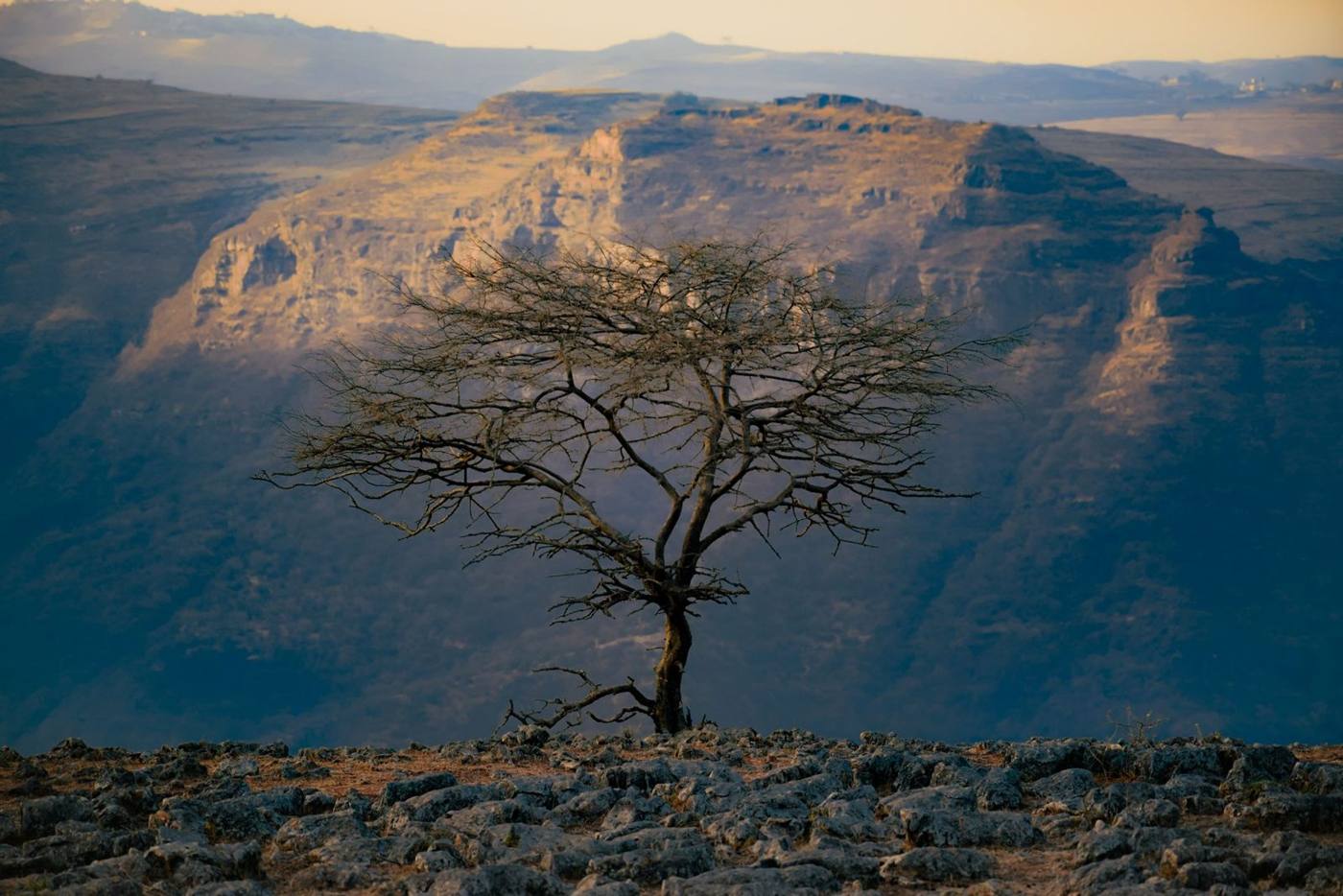
The Bale Mountains
The 4,000-metre Sanetti plateau with Ethiopian wolves, mountain nyala at Dinsho and the Harenna forest with monkeys and wild coffee.
 4 daysEasy
Harar and the east
The UNESCO walled city of Harar with its alleys and dozens of mosques, Rimbaud's house, the hyena men at night and the Dire Dawa market.