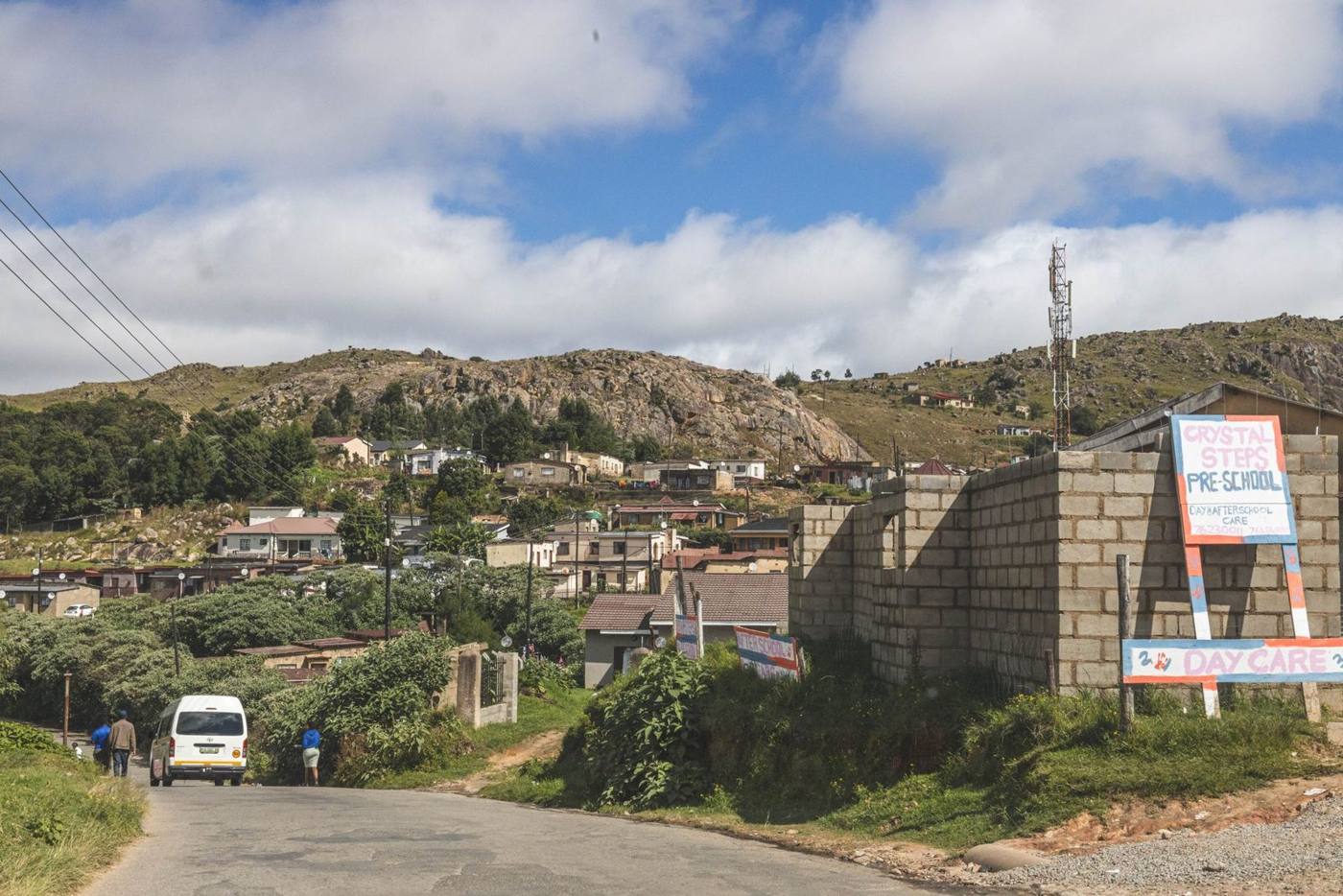
The Ezulwini valley
Mantenga cultural village, its waterfall, Mlilwane reserve by bike and horse, the crafts of Malkerns and Sibebe Rock.
- Mbabane
- Ezulwini
- Mantenga
- Mlilwane
- Malkerns
- Sibebe
Day by day
- Day 1
Mantenga: the cultural village and the waterfall
This four-day trip takes you to the Ezulwini valley, the valley of heaven, the green and cultural heart of Eswatini, between Mbabane and Manzini. Distances are short and the pace is relaxed: it is a trip suitable for families too, with Swazi culture, waterfalls, zebras and antelopes to see on foot or by bike and a granite rock to climb.
Before you go: Italian citizens enter Eswatini without a visa for stays of up to 30 days, with a passport valid for at least three months and with two blank pages; if you also travel through South Africa you need two more blank pages. Other nationalities should check their own rules. The country is generally calm, but there is petty crime on the outskirts of Mbabane and Manzini and there have been political protests: avoid demonstrations. The United States rates Eswatini at level 2, meaning increased caution. You drive on the left: do not drive at night, because there are animals on the road.
You arrive in the valley and go straight to the Mantenga nature reserve. The cultural village recreates the life of a Swazi family in the mid nineteenth century: domed huts of grass and reeds, the cattle enclosure in the middle, the grandmother's hut, the most important one. A guide explains the customs and the rules of the family, then you watch a show of traditional songs and dances, with drums and costumes of hide and beads. Check prices and times.
In the afternoon walk to the Mantenga waterfall, which tumbles over the rocks in the middle of the forest.
Practical tip: arrive at the village in time for the dance show, which is usually held at set times; ask at the entrance.
- Day 2
Mlilwane on foot, by bike or on horseback
Today you spend the day at Mlilwane, the oldest reserve in the country, in the lower part of the valley. There are no dangerous predators here, which is why you can move freely among zebras, wildebeest, impalas and warthogs, without shutting yourself in a jeep.
In the morning choose how to get around. On foot you can follow the marked trails that start from the main camp, through meadows and groves. By bike you can cover more ground on the dirt tracks, which are easy and suitable for teenagers too. On horseback, with a guide, you get closer to the animals, which do not run away from horses. Horse rides are suitable for beginners too, at a slow pace.
At midday stop by the pool at the main camp, home to hippos and crocodiles: watch them only from the bank and at a distance. Above the reserve you see the granite peak of Nyonyane, also known as Execution Rock. The name Mlilwane means little fire and recalls the fires started by lightning on these mountains. The reserve was created in the 1960s from an old farm, to save the animals that were disappearing from the valley.
In the afternoon, if you still have energy, take a short ride at sunset, when the animals come close to the paths. At night you can sleep in the reserve's beehive huts or go back to your accommodation in the valley.
Practical tip: for horse riding book the day before and wear long trousers; for cycling ask for the track map at the entrance and check prices and times.
- Day 3
Malkerns and the climb up Sibebe
Today you combine the crafts of the valley with the most spectacular walk in the area.
In the morning drive south to Malkerns, a small farming town surrounded by pineapple plantations and cultivated fields. There are several craft workshops here where you can watch the artisans at work: coloured wax candles shaped like animals, mohair textiles, ceramics and woven grass baskets. Many workshops employ women from the nearby villages. Buy directly from the artisans and ask how the objects are made. Along the road you also find stalls selling pineapples, avocados and seasonal fruit, grown in the fields around.
At the end of the morning head back up towards Mbabane and continue north east to Sibebe, a huge granite dome considered one of the largest monoliths in the world. At the community centre you meet the guide and pay the entrance fee. The climb is short but steep, with a few stretches where you need your hands; from the top the view sweeps over the hills and the valley of the capital.
Come down slowly and return to the Ezulwini valley for dinner, perhaps with a plate of grilled meat and maize porridge.
Practical tip: in summer storms often arrive in the afternoon and wet rock is slippery. If the sky clouds over, climb Sibebe early in the morning and move Malkerns to the afternoon.
- Day 4
Lobamba and departure
On the morning of the last day stop at Lobamba, the royal capital, a few minutes from the valley. Visit the national museum, with objects, photographs and traditional dress that tell the story of the kingdom, and walk in the memorial park of King Sobhuza II, who led the country to independence in 1968. Check prices and times. From outside you also see the parliament and, further away, the royal residence of Ludzidzini, where the reed dance is held every year.
Then set off for the airport or the border with South Africa.
In four days you have seen the best of the Ezulwini valley: the cultural village and the waterfall of Mantenga, the zebras and antelopes of Mlilwane on foot, by bike and on horseback, the workshops of Malkerns, the climb up Sibebe rock and the places of the monarchy in Lobamba. It is a short and varied trip, perfect for a first time in Eswatini or for a break during a journey through South Africa.
When to go: you can go all year round. From May to September is the dry season, with clear skies and cool nights; from October to April there is more rain and the valley is lush and green. Between late August and early September there is Umhlanga, the reed dance: it is a unique spectacle, but accommodation fills up and it is best to book well in advance.
Practical tip: always keep some cash in small notes, useful for community entrance fees and for crafts.
A short, relaxed trip, good for families too. Mlilwane has no predators: you move freely among zebras and antelopes. During the Umhlanga reed dance, lodging fills up.
Before you go
- Documents and visa
- Passport valid for at least three months with two blank pages; if you also travel through South Africa you need two more blank pages. British and Italian citizens enter without a visa for stays of up to 30 days.
- Health and vaccines
- Malaria is present only in a few low-lying areas in the east; yellow fever is required only for travellers arriving from a country at risk. Public healthcare is getting worse: you need insurance with repatriation. Ambulance: 977 or 933.
- Money and payments
- Lilangeni, at par with the South African rand, which is accepted everywhere. Visa and Mastercard cards are widely used.
- Power sockets
- Type M, the large South African plug with three round pins, 230 volts: you need an adapter.
- Time zone
- UTC+2 all year.
- Safety
- A generally safe country with no areas advised against. There is petty crime in the outskirts of Mbabane and Manzini; there have been political protests in recent years: avoid demonstrations and crowds. On the roads watch out for animals on the carriageway and do not drive at night. Official advice: GOV.UK.
Information checked in November 2026 for Italian and EU citizens. Rules change: always check before you travel.
Variations
In 2 days: Mantenga on the first day and Mlilwane on the second, without Malkerns and Sibebe.
In 6 days: add the Hlane and Mkhaya reserves, in the eastern lowveld, to see rhinos and elephants.
Frequently asked questions
Is the Ezulwini valley suitable for children?
Yes, distances are short, there are no dangerous predators at Mlilwane and the bike tracks and horse rides are easy. The climb up Sibebe is better for older children who are used to walking.
Do you need a car?
It is the most convenient option, because the stops are close together but poorly served by public transport. You drive on the left and it is better not to drive at night.
Can you sleep inside Mlilwane?
Yes, there are traditional beehive huts in the reserve. Book ahead, especially during Umhlanga and the South African school holidays.
Indicative itinerary written by World Atlas. Before booking, check timetables, seasonal openings, documents and safety.
 3 daysModerate
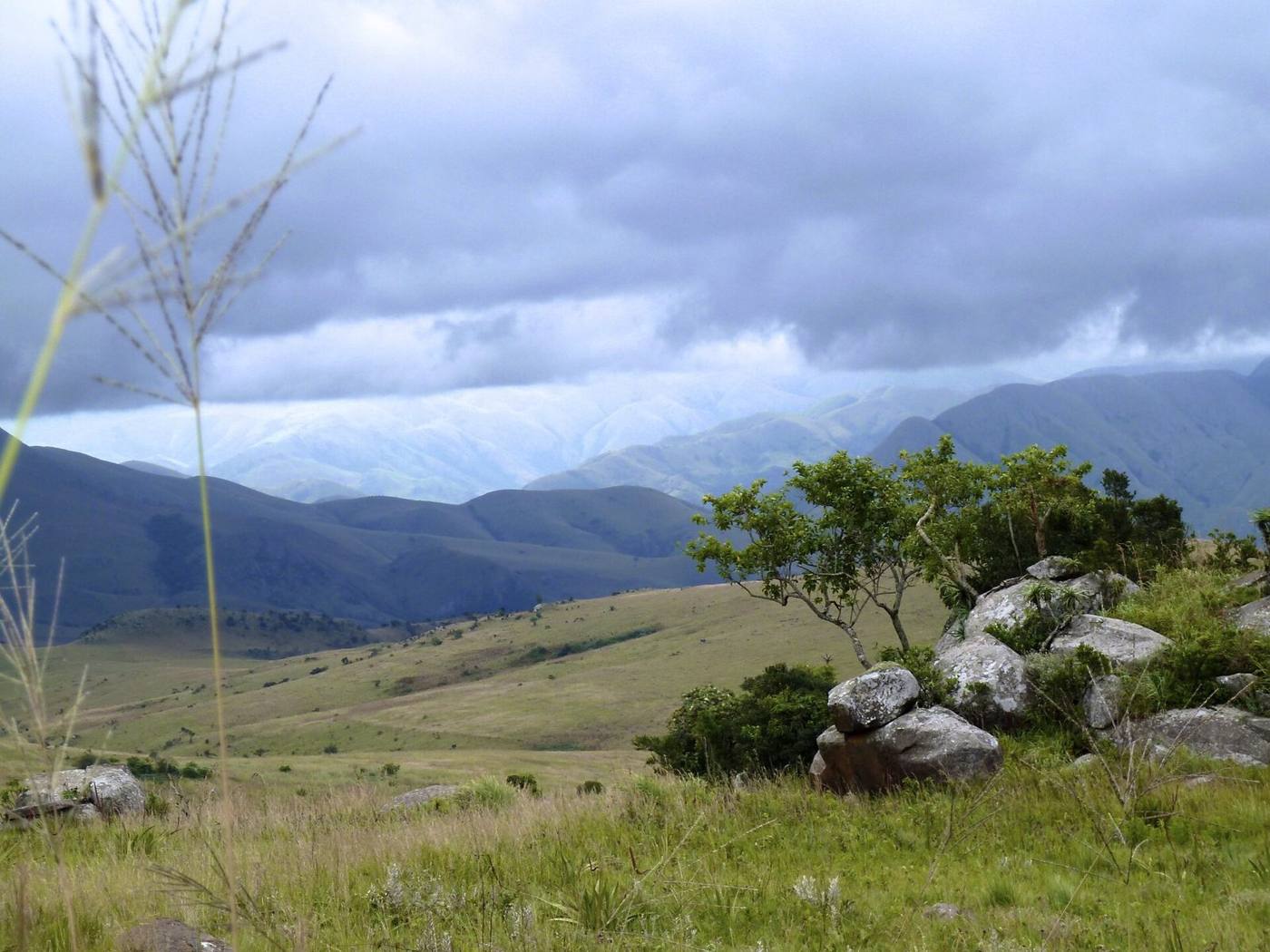
Malolotja
The country's wildest mountain reserve, with its highest waterfall, the world's oldest mine at Ngwenya and the canopy tour above the gorges.
 2 daysEasy
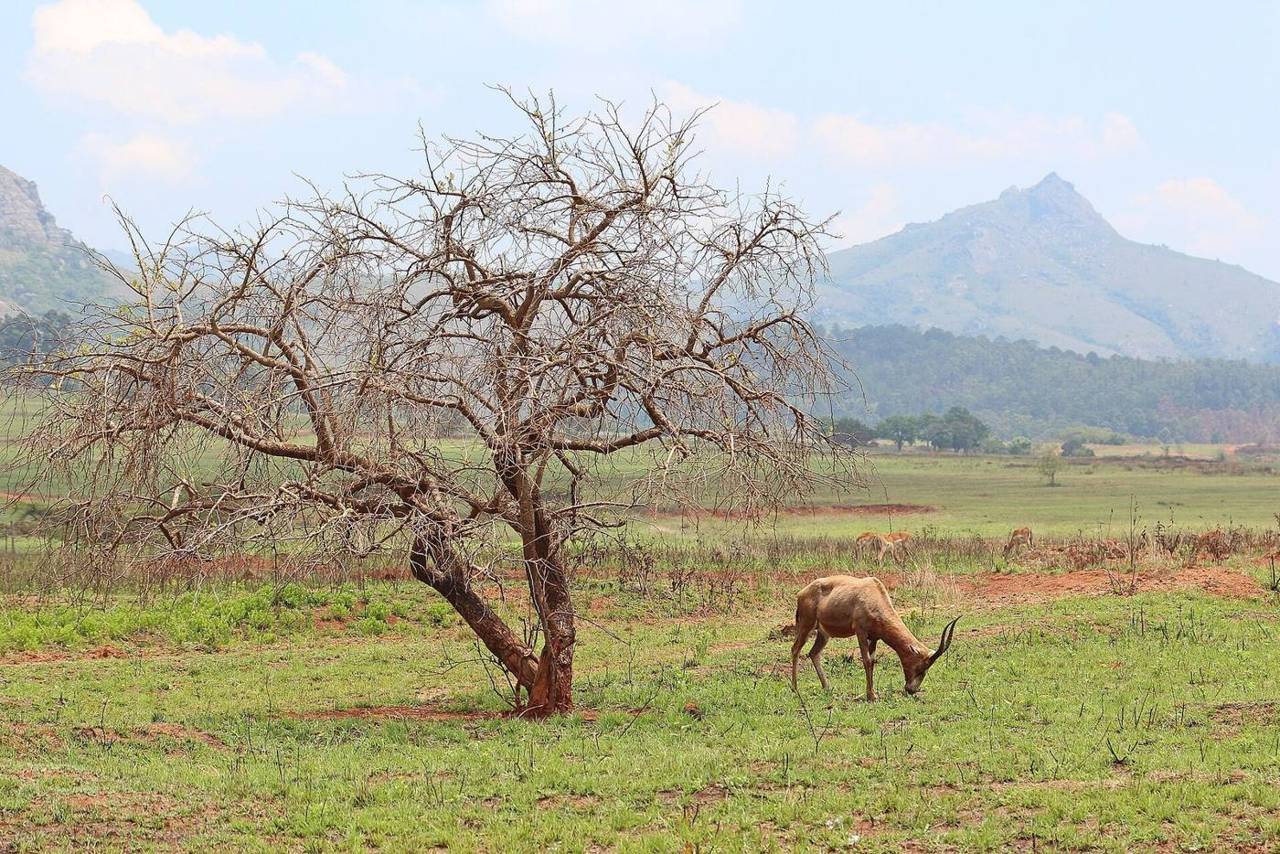
Mlilwane by bike
The reserve near Ezulwini where you walk, cycle or ride among zebras, antelope and warthogs, with no dangerous predators, and sleep in beehive huts.
 3 daysEasy
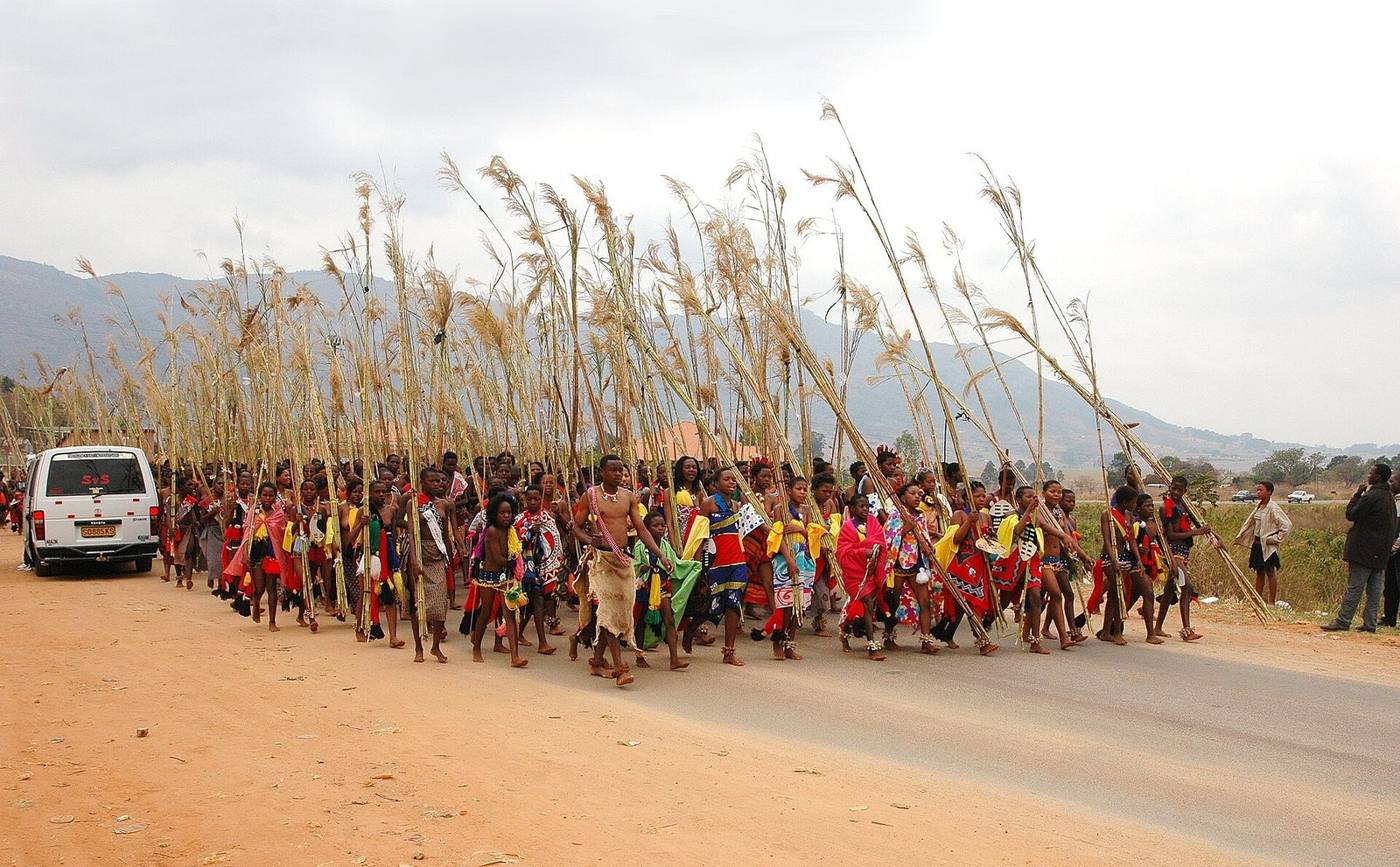
The Umhlanga reed dance
The great reed ceremony at Ludzidzini, where tens of thousands of young women bring reeds to the Queen Mother with songs and dances, one of Africa's largest traditional festivals.