Cairo and Alexandria
A long weekend among the pyramids, the new Grand Egyptian Museum, Islamic Cairo and Alexander's city on the Mediterranean.
- Cairo
- Giza
- Saqqara
- Alexandria
Day by day
- Day 1
Arriving in Cairo
Cairo is the largest city in Africa and the Arab world, with more than twenty million people, on the banks of the Nile just before the river opens into the delta. Here you find the pyramids of Giza, the only one of the seven wonders of the ancient world still standing, the new Grand Egyptian Museum, one of the largest medieval Islamic cities in the world and, three hours away, Alexandria, the city founded by Alexander the Great on the Mediterranean. In six days you see the pyramids, the oldest necropolises, Islamic Cairo and Alexandria.
You arrive at Cairo international airport. Italian citizens can get a tourist visa on arrival for 30 US dollars, or apply for the e-visa online before departure.
Cairo's traffic is heavy at all hours: to reach your accommodation, use a pre-booked car or a ride app. Many travellers choose to stay near the pyramids, in Giza, to see them early in the morning; others stay in the centre, on the Nile, close to Islamic Cairo.
If you arrive in the afternoon, take a walk along the Nile corniche, or cross the Qasr el-Nil bridge with its bronze lions to Gezira island and the Cairo Tower, from which you see the whole city at sunset.
In the evening, try koshari, Cairo's most popular dish, with rice, lentils, pasta, chickpeas, tomato sauce and fried onions, or ful medames, stewed fava beans.
Practical tip: Cairo's streets are chaotic. Cross calmly, together with the locals, and always carry a few small notes for tips.
- Day 2
The pyramids of Giza, the Sphinx and the Grand Egyptian Museum
In the morning, go to the pyramids of Giza at opening time, when the light is soft and visitors are still few. The Great Pyramid of Khufu, originally about one hundred and forty-six metres high, was built around 2560 BC and remained the tallest building in the world for almost four thousand years. Beside it stand the pyramids of Khafre, which still has a stretch of limestone casing at its top, and Menkaure, smaller, with the three queens' pyramids.
You can go inside one of the pyramids with a separate ticket: the corridors are narrow, low and hot, and the chamber is empty, but the experience is powerful. From the panoramic viewpoint on the plateau you see all nine pyramids lined up with the desert behind.
On the way down, go to the Sphinx, the great statue with a lion's body and a pharaoh's head carved from the rock, and to Khafre's valley temple, with its pink granite pillars.
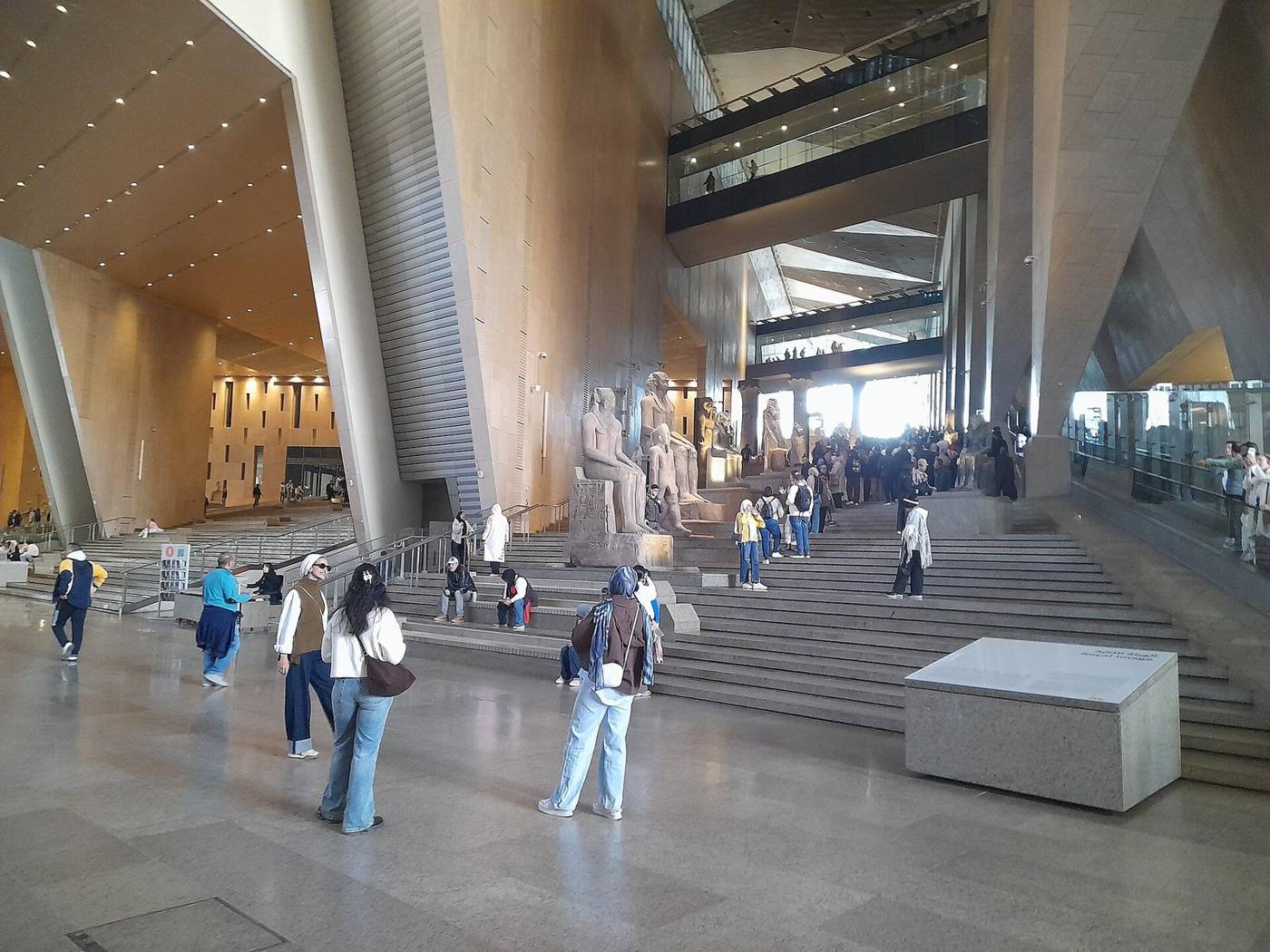
In the afternoon, visit the Grand Egyptian Museum, the GEM, a few minutes from the pyramids, fully opened in 2025. It is the largest museum in the world devoted to a single civilisation. You climb the grand staircase among statues of pharaohs to the window looking onto the pyramids. The Tutankhamun galleries display all the objects from his tomb for the first time, including the gold mask. From 1 November 2026, the ticket for foreign adults costs 1,830 Egyptian pounds, 920 for students.
Practical tip: at Giza many people offer camel or horse rides. Always agree on the price before getting on, and do not accept photos or gifts.
- Day 3
Saqqara and Dahshur, the oldest pyramids
In the morning, drive south, about an hour from the centre, to the necropolis of Saqqara, the cemetery of the ancient capital Memphis. Here stands the Step Pyramid of the pharaoh Djoser, built around 2650 BC by the architect Imhotep. It is considered the first large stone building in history: six stacked steps, surrounded by a large enclosure with courtyards, chapels and fluted columns.
At Saqqara you also visit the mastabas, the tombs of officials, with reliefs of daily life carved on the walls: fishing, hunting, herding, making bread and beer. The pyramid of Unas preserves on its walls the Pyramid Texts, the oldest known religious writings. The Serapeum, a long underground gallery, holds huge granite sarcophagi of the sacred bulls.
In the afternoon, continue to Dahshur, about half an hour away, a desert necropolis with few visitors. Here the pharaoh Sneferu, father of Khufu, built two pyramids: the Bent Pyramid, which changes angle halfway up, perhaps because the builders feared a collapse, and the Red Pyramid, the first true smooth-sided pyramid. You enter the Red Pyramid down a long corridor to two chambers with stepped ceilings.
On the way back, stop at Memphis, with the great reclining statue of Ramesses II.
In the evening, return to Cairo and have dinner with grilled meats and sesame sauces.
Practical tip: Saqqara and Dahshur are large and sunny. Bring water, a hat and closed shoes for the sand.
- Day 4
Islamic Cairo: the Citadel, Ibn Tulun and Khan el-Khalili
In the morning, visit Islamic Cairo, the medieval heart of the city, a UNESCO site, with hundreds of mosques, madrasas, mausoleums and fountains.
Start at Saladin's Citadel, the fortress built in the twelfth century on the Muqattam hill to defend the city against the Crusaders. Inside is the nineteenth-century Mosque of Muhammad Ali, with Ottoman-style domes and slender minarets visible from all over Cairo. From the terrace the view takes in the city as far as the pyramids on clear days.
Then go down to the Mosque of Ibn Tulun, built in the ninth century, one of the oldest and largest in Cairo, with an immense courtyard and a minaret with an external spiral staircase, from which you see the roofs of the old city.
In the afternoon, pass the madrasas of Sultan Hasan and al-Rifai, facing each other, and continue north to al-Muizz street, the main street of the medieval city, now partly pedestrianised, with restored mosques, palaces and fountains.
Reach the Khan el-Khalili bazaar, a maze of alleys with shops selling metal lamps, spices, perfumes, fabrics, jewellery and copperware. Sitting in one of the historic cafés with mint tea and watching the world go by is part of the trip.
In the evening, if you have energy, climb the Bab Zuweila gate in the medieval walls for the view over the minarets.
Practical tip: enter mosques with shoulders and legs covered, take off your shoes and, for women, bring a scarf for your hair.
- Day 5
Alexandria: the Library, the catacombs and Qaitbey fort
Early in the morning, leave for Alexandria, by train or car, in about three hours. Alexandria was founded by Alexander the Great in 331 BC and became the capital of the Ptolemies and the most learned city of the ancient world, with the Lighthouse, one of the seven wonders, and the great Library. Today it is a seaside city with a long corniche and a Mediterranean feel.
Start at the Bibliotheca Alexandrina, the new library opened in 2002 near the site of the ancient one, a large disc-shaped building tilted towards the sea, its outer granite wall carved with letters from all the world's alphabets. Inside are a large terraced reading room, museums of manuscripts and antiquities, and a planetarium.
Then go to the catacombs of Kom el-Shoqafa, tombs cut into the rock in the second century AD on three levels. The decoration blends Egyptian, Greek and Roman styles in a unique way: the god Anubis dressed as a Roman legionary, bearded serpents and pharaonic crowns.
In the afternoon, walk along the corniche to the Citadel of Qaitbey, the fortress built in the fifteenth century by the Mamluk sultan Qaitbey on the site of the Lighthouse, using stones from the fallen Lighthouse in its walls. From the fortress you see the eastern harbour with the fishing boats.
In the evening, eat fish on the seafront: you choose fresh fish at the counter and have it grilled or fried, served with rice and salads.
Practical tip: the train is the most convenient way to reach Alexandria. Buy your ticket in advance at the main stations.
- Day 6
Departure from Cairo
On your last morning, if you slept in Alexandria, visit the Alexandria National Museum, with finds from the ancient city, or the Roman theatre of Kom el-Dikka, small and well preserved, with marble tiers and mosaics from nearby houses. Alternatively, walk through the old quarter and the market, or have a coffee in one of the old cafés on the corniche, which recall the cosmopolitan Alexandria of the twentieth century, home to Greeks, Italians, Armenians and Jews.
Then return to Cairo by train or car, in about three hours. If your flight leaves in the evening, you can spend your last hours in Coptic Cairo, the Christian community's quarter, with the Hanging Church, built over a gate of the Roman fortress of Babylon, the Ben Ezra synagogue and the Coptic Museum. Or go back to the Egyptian Museum on Tahrir Square, the old museum, which still holds a large collection of statues and objects.
This trip combines well with a Nile cruise between Luxor and Aswan, with Abu Simbel, or with a few days on the Red Sea.
Practical tip: the US government rates Egypt level 2 of 4, exercise increased caution. The United Kingdom advises against travel to North Sinai and some border and western desert areas: Cairo, Giza and Alexandria are not among them. Italian citizens can get a visa on arrival for 30 US dollars, with a passport valid for at least six months.
The right trip if you're short on time: the recently opened Grand Egyptian Museum alone is worth the flight. Get to the pyramids at opening time, before the coaches. Alexandria as a day trip is tiring (3 hours each way): if you can, spend a night there.
Before you go
- Documents and visa
- Passport valid for at least six months and a tourist visa, obtained online on the official portal or on arrival at the airport, where since 1 March 2026 it costs 30 dollars in cash.
- Health and vaccines
- No compulsory vaccines for travellers from Europe. Drink only bottled water and take out travel health insurance. Emergencies: 122 police, 123 ambulance.
- Money and payments
- Egyptian pound. Cards work in hotels and larger shops, but for tips, taxis and markets you need cash in small notes.
- Power sockets
- Types C and F, 220 volts.
- Time zone
- UTC+2 in winter; Egypt uses daylight saving time in summer.
- Safety
- Tourist areas along the Nile and the Red Sea are busy and well policed. Governments advise against North Sinai, the Libyan border strip and much of the Western Desert off the main roads. Official advice: GOV.UK.
Information checked in November 2026 for Italian and EU citizens. Rules change: always check before you travel.
Variations
In 4 days: the pyramids and Grand Egyptian Museum, Saqqara and Islamic Cairo, without Alexandria.
In 10 days: add a Nile cruise from Luxor to Aswan.
Frequently asked questions
When is the best time to go?
From October to April, when the climate is cooler. In summer Cairo and the desert are very hot.
How much is the Grand Egyptian Museum?
From 1 November 2026, the ticket for foreign adults costs 1,830 Egyptian pounds, 920 for students.
What documents do I need?
A passport valid for at least six months. Italian citizens can get a tourist visa on arrival for 30 US dollars, or the e-visa online.
Indicative itinerary written by World Atlas. Before booking, check timetables, seasonal openings, documents and safety.
 7 daysEasy
Cairo and a Nile cruise
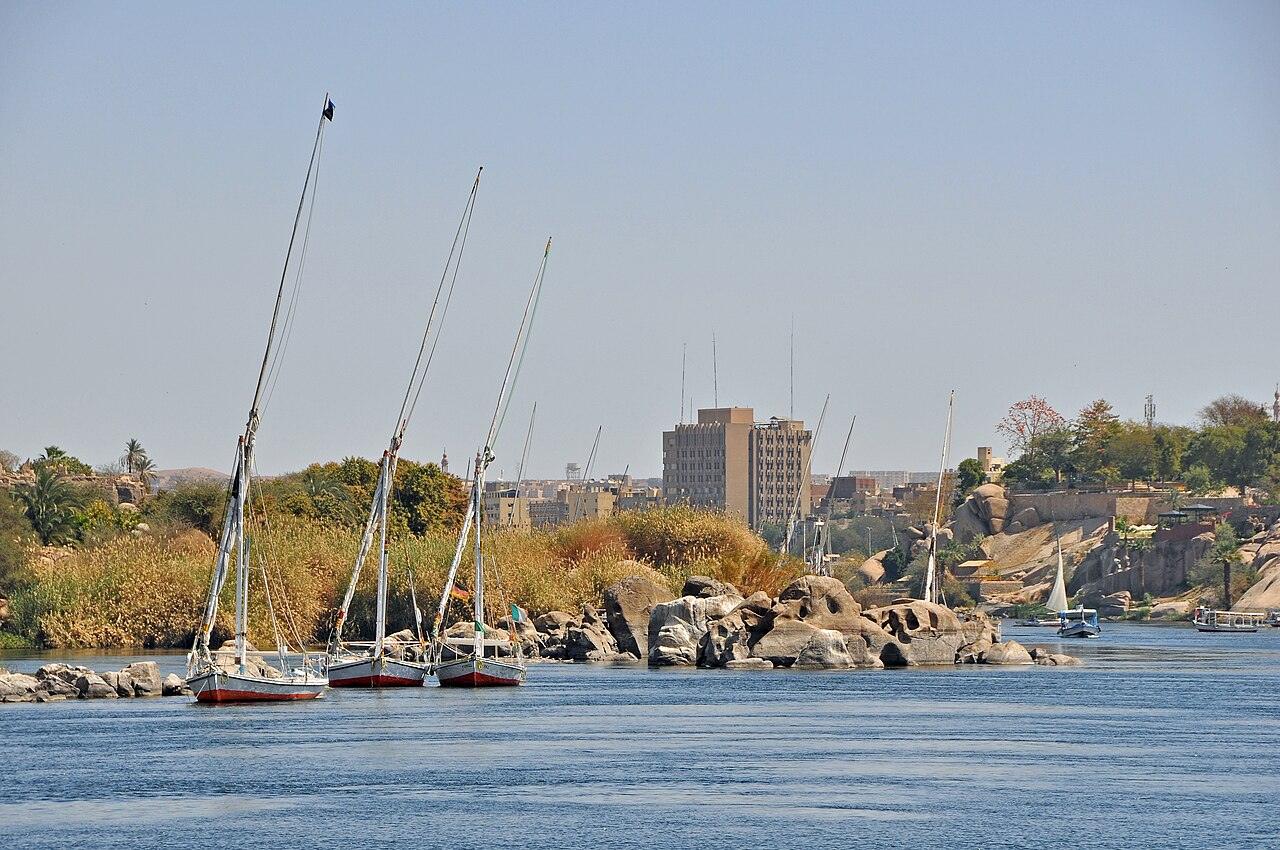
The pyramids of Giza and the Grand Egyptian Museum, then four days sailing between Luxor and Aswan.
 15 daysModerate
Complete Egypt: the Nile, the desert and the Red Sea
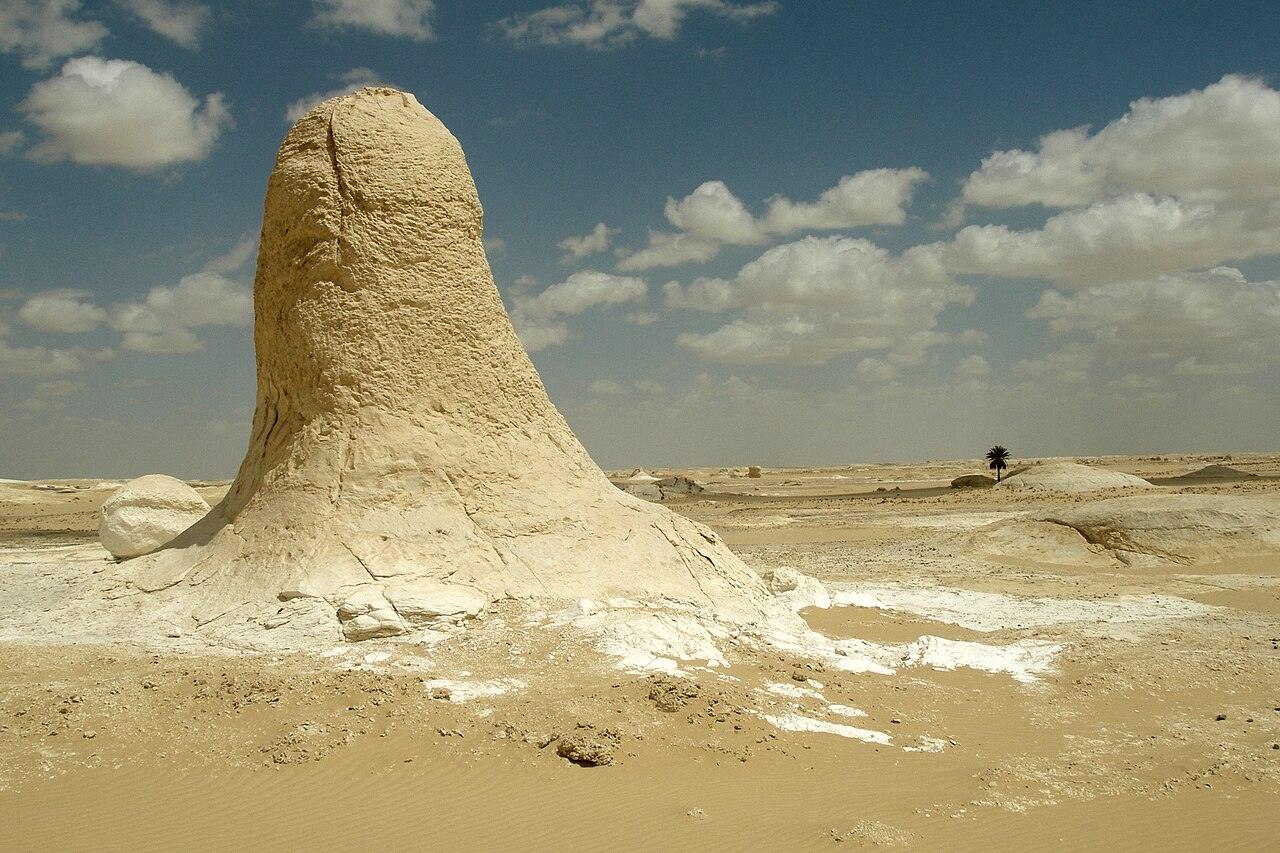
The pyramids, the Nile from Aswan to Luxor, a night in the White Desert and a finale on the Red Sea reef.
 9 daysEasy
The Nile Delta and Alexandria
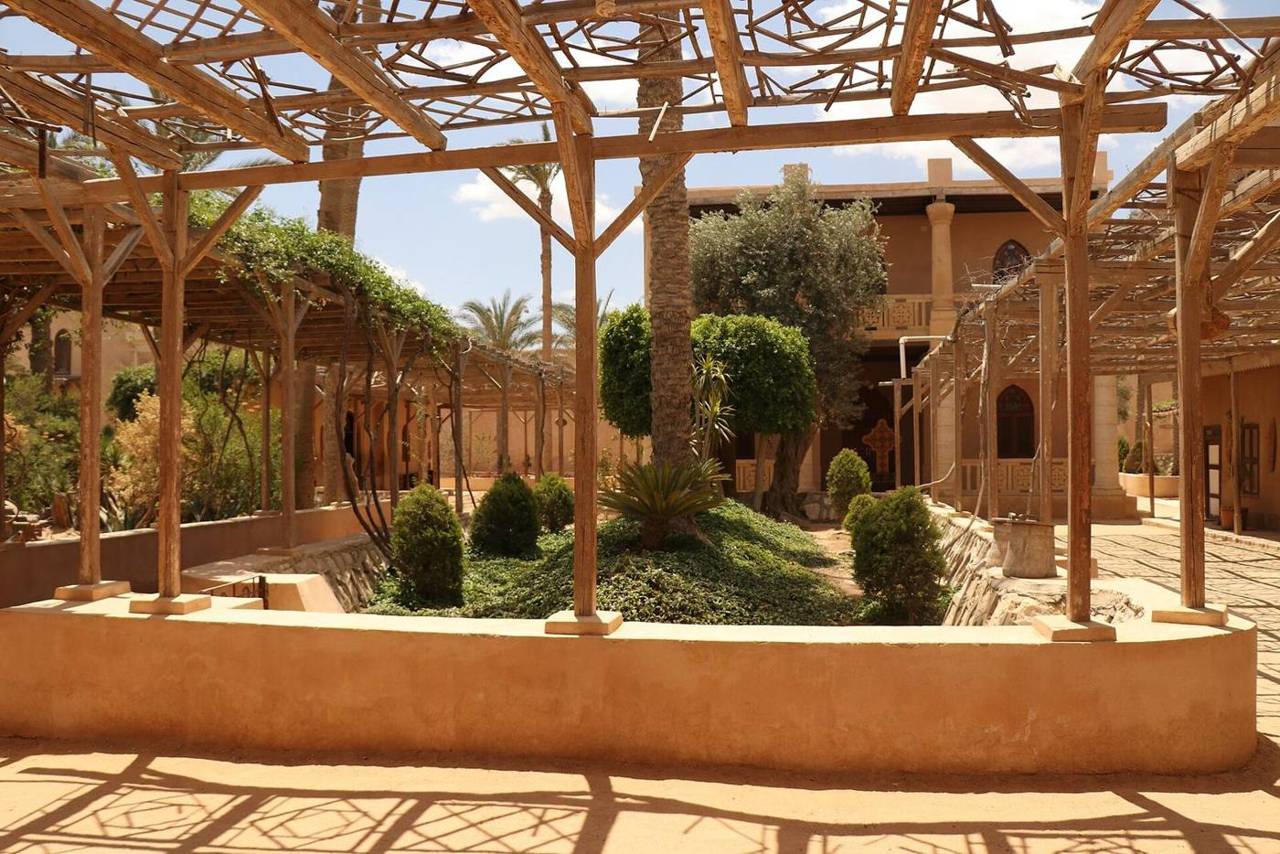
The Egypt tourists skip: the Coptic monasteries of Wadi Natrun, Rosetta and its Ottoman houses, Tanis, the Delta villages and Alexandria.