Punta Cana and Bávaro
The long palm beaches of the east, Macao for surfing, the Ojos Indígenas lagoons and a catamaran along the reef.
- Punta Cana
- Bávaro
- Macao
Day by day
- Day 1
Arrival in Punta Cana and Bávaro beach
This five-day trip takes you to the eastern tip of the Dominican Republic: the long palm-lined beaches of Bávaro, the freshwater lagoons of Ojos Indígenas, Macao beach for surfing and a catamaran trip along the coral reef. It is the simplest beach holiday in the Caribbean, and here you also find ways to get out of the resort.
Before you go: Italian citizens enter the Dominican Republic with a passport valid for the whole stay and without a visa for tourism for up to 30 days, which can be extended. The e-Ticket is compulsory for everyone, on arrival and on departure: fill it in online before travelling and show the QR code at check-in. Other nationalities should check their own rules. The Italian foreign ministry reports high crime, including in resort areas, and considers the provinces on the border with Haiti high risk; they are far from this route.
You arrive at Punta Cana international airport, with its thatched terminal roofs, a short distance from the coast. In half an hour or a little more you are in Bávaro.
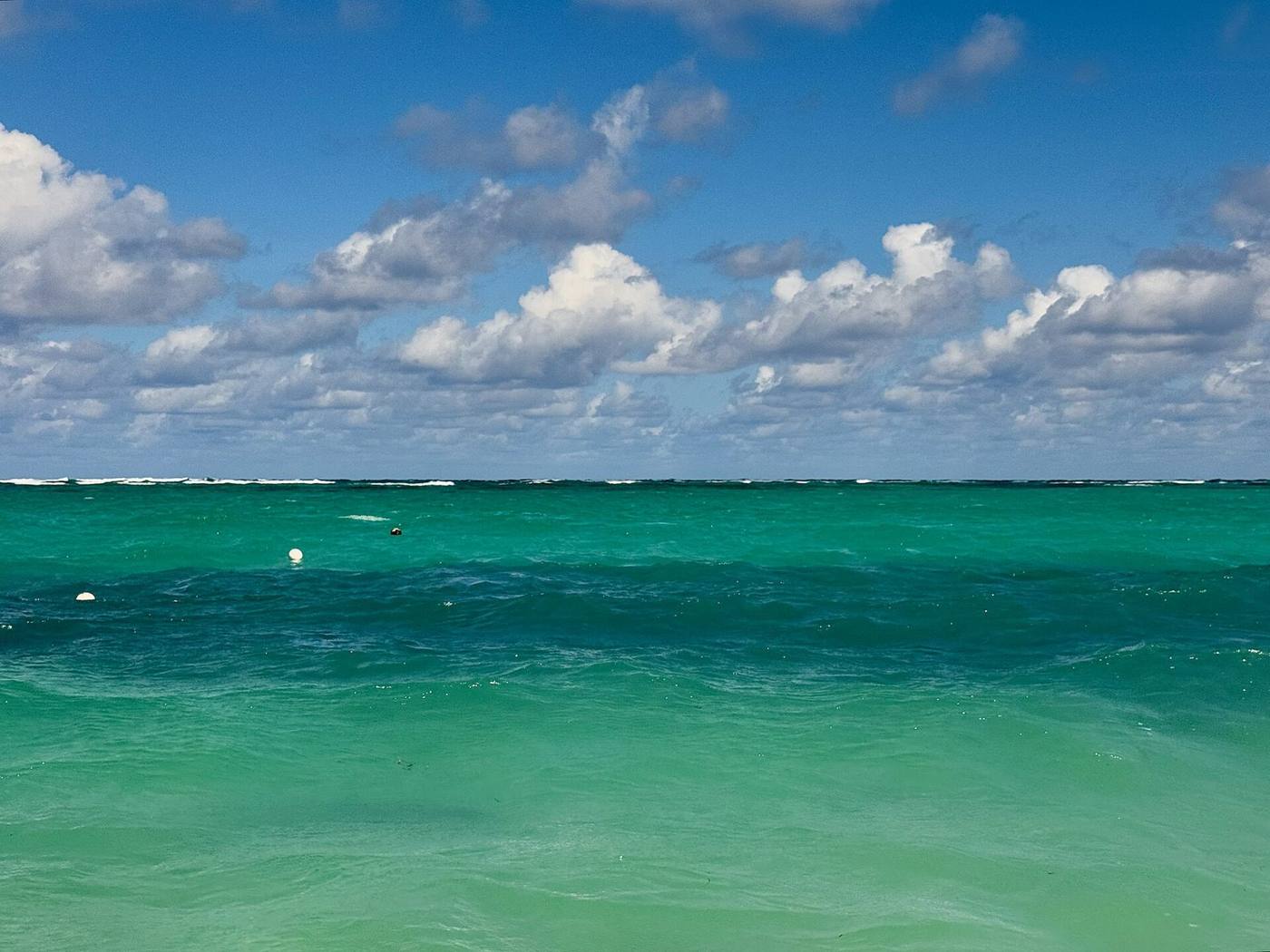
In the afternoon go straight to the beach. Bávaro is a stretch of very pale sand several kilometres long, with coconut palms leaning over the turquoise water and the coral reef offshore keeping the sea calm.
At sunset walk along the shore towards El Cortecito, the liveliest stretch, with fishing boats and stalls.
Sleep in Bávaro, for four nights.
Practical tip: to get around use official taxis or apps and agree the price before you get in; avoid motorbike taxis.
- Day 2
The beaches of Bávaro
Today you stay on the coast and enjoy the beaches without hurrying.
Early in the morning, before the heat and before the sunbeds are laid out, walk along the shore. Bávaro beach continues almost without a break to the north, with the stretches of Los Corales, Arena Gorda and beyond: the sand is soft and the water shallow and clear near the shore.
Go snorkelling where the reef is close, with mask and snorkel, to see tropical fish and small corals. Swim where there are flags and lifeguards and follow the signs: in some stretches there are currents.
For lunch leave the resort area and try a simple Dominican dish, such as pescado frito with tostones, fried slices of plantain, or la bandera dominicana, rice, beans and stewed meat.
In the afternoon rest in the shade of the palms. The sun here is very strong even when it is windy: put on sun cream often and drink plenty of water.
In the evening wander among the stalls and craft shops. Look for larimar, a blue stone found only in the Dominican Republic, and local chocolate and coffee. Bargain politely.
Sleep in Bávaro.
Practical tip: buy larimar only where you are given a receipt and be wary of prices that are too low, because imitations are common.
- Day 3
Ojos Indígenas and Higüey
Today you leave the beach to discover another side of the region.
In the morning visit the Ojos Indígenas ecological reserve, near Punta Cana: a trail crosses a dry tropical forest and leads to a series of freshwater lagoons, clear and emerald green, fed by an underground river. The Taíno, the original inhabitants of the island, called them the eyes of the earth. In some lagoons you can swim. Along the trail look for iguanas, butterflies and forest birds. Check prices and times.
In the afternoon go to Higüey, the provincial capital, about three quarters of an hour by road. Here stands the basilica of Our Lady of Altagracia, patron of the country, a large modern concrete building with a very tall arch, a place of pilgrimage from the whole island. Go in quietly and with your shoulders covered.
Take a walk around the town market, among tropical fruit, vegetables and meat, to see daily life far from the resorts.
Return to Bávaro before evening.
In the evening try mofongo, a mound of mashed plantain with garlic and pork crackling, one of the best-loved dishes on the island.
Sleep in Bávaro.
Practical tip: for the lagoons bring swimwear, a towel and water shoes; do not use sun cream before swimming in the fresh water.
- Day 4
Macao and surfing
Today you go to Macao, north of Bávaro, one of the most beautiful beaches on the coast and one of the few without big hotels behind it.
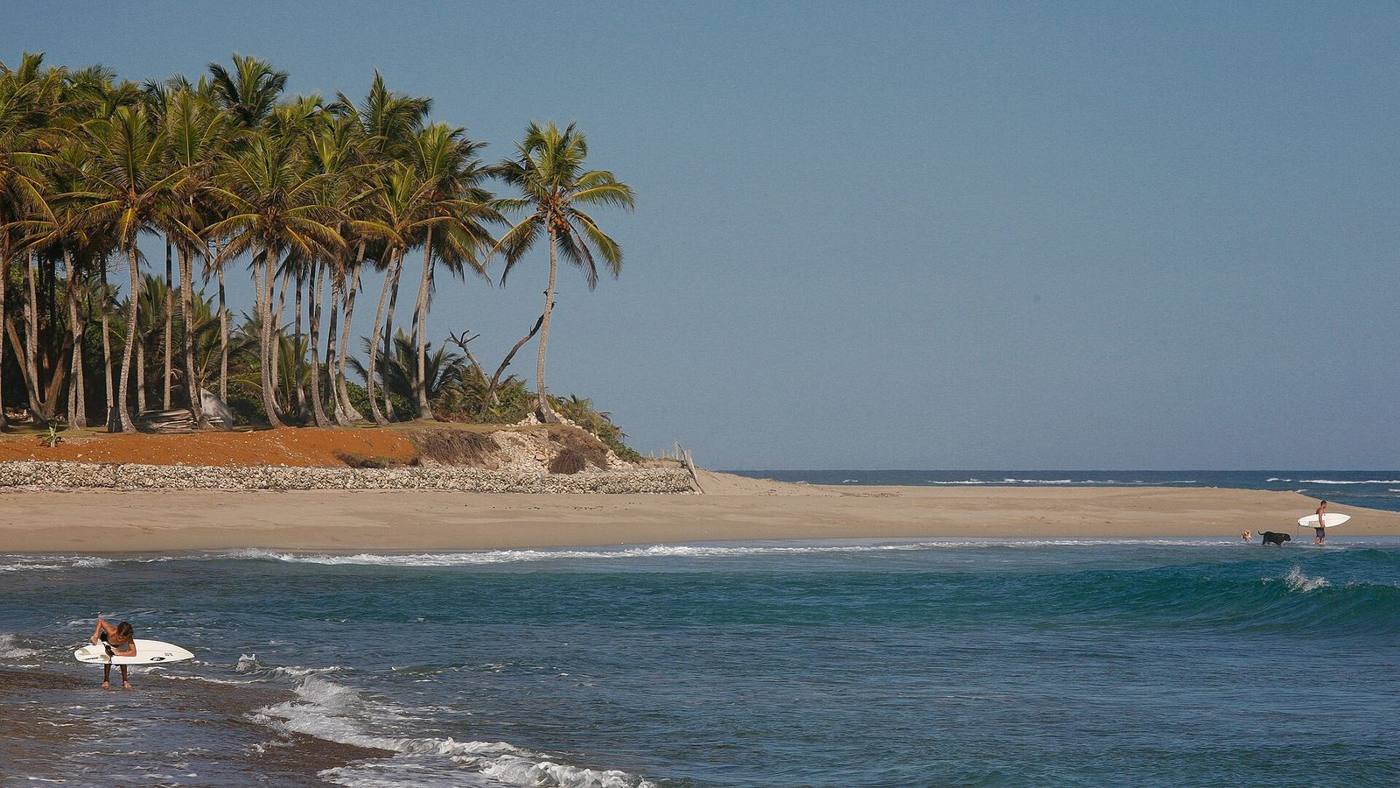
Macao is a wide bay, enclosed between two headlands, with golden sand, palms and long waves rolling in from the Atlantic. That is why it is the surfing beach of the area: along the shore you find schools offering beginners' lessons with board and instructor. A lesson of a couple of hours is enough to try standing up on your first waves.
If you do not want to surf, walk on the beach, swim in the more sheltered part and watch the surfers from the shore. Here the sea is rougher than in Bávaro: go into the water only where others are swimming and follow the lifeguards' instructions.
At lunchtime sit at one of the beach shacks and try the fish of the day with rice and salad. Always ask the price before ordering.
In the afternoon continue along the coast towards Uvero Alto, a quieter area, with long and little-visited beaches.
Return to Bávaro for sunset.
Sleep in Bávaro.
Practical tip: for the surf lesson wear a long-sleeved top against the sun and board rash; ask for an instructor who stays close to you.
- Day 5
Catamaran along the reef and departure
Today, on the last day, you see the coast from the sea.
In the morning board a catamaran for a trip of a few hours along the coral reef. With the trade winds the boat glides parallel to the beach, with the palms and sands of Bávaro on one side and the deep blue of the open sea on the other. You stop for snorkelling over the reef, among parrotfish, surgeonfish and sea fans. The boat often also stops at a natural pool, a stretch of shallow water and white sand in the middle of the sea where you can stand.
Choose a trip that does not touch the corals, does not feed the fish and does not take away shells or starfish. Check prices and times.
In the afternoon go back to your hotel, have a last swim and get ready for your flight.
In these five days you have seen the eastern coast of the Dominican Republic: the endless beaches of Bávaro, the lagoons of Ojos Indígenas, the basilica of Higüey, the waves of Macao and the coral reef by catamaran. Leaving the resort at least a few times lets you discover a much more varied country.
When to go: from December to April, in the driest season, with calm sea and less rain. From May to September sargassum can arrive, a brown seaweed that sometimes covers the beaches. From June to November is hurricane season.
Practical tip: keep your passport and your e-Ticket receipt to hand; you need them on departure too.
The Caribbean's simplest beach holiday, but very resort-based. From May to September sargassum can arrive. Leaving the resort for at least a day is worth it.
Before you go
- Documents and visa
- Passport valid for the whole stay. No visa is needed for tourism for up to 30 days, which can be extended. The e-Ticket is compulsory for everyone, on arrival and departure: you fill it in online before travelling and show the QR code at check-in. The tourist card and the departure tax are normally included in the air fare. Airlines may ask for a return ticket.
- Health and vaccines
- No compulsory vaccinations. Dengue is rising, cholera is endemic and there have been cases of chikungunya and Zika: use insect repellent. Tap water is not safe to drink. You need insurance with medical costs and repatriation, because private care is very expensive. Emergencies: 911.
- Money and payments
- Dominican peso. In tourist areas the US dollar is widely used; Visa and Mastercard work in cities and in accommodation. Bring small notes in good condition.
- Power sockets
- Type A and B, 120 volts: you need an adapter for American plugs.
- Time zone
- UTC-4 all year.
- Safety
- Crime is high, including against tourists, especially in Santo Domingo and resort areas. The FCDO advises against all travel to Haiti; the land and sea borders with the Dominican Republic are closed and there have been armed robberies on roads near the border. Use authorised taxis or ride-hailing apps and avoid motorbike taxis. The hurricane season runs from June to November. Official advice: GOV.UK.
Information checked in November 2026 for Italian and EU citizens. Rules change: always check before you travel.
Variations
Shorter: three days, with Bávaro, Macao and the catamaran trip.
Longer: add two days in Bayahibe, with Saona Island and the natural pool of starfish.
Frequently asked questions
Can you leave the resort on your own?
Yes, with official taxis or a hire car. Travel by day, agree prices in advance and do not leave valuables in sight.
What is sargassum?
It is a brown seaweed that drifts in from the ocean, mainly from May to September. It is not dangerous, but it can cover the beach and make the water cloudy.
Is Macao good for beginner surfers?
Yes, with a lesson and an instructor. The waves are regular, but the sea can be rough: go into the water only where others are swimming.
Indicative itinerary written by World Atlas. Before booking, check timetables, seasonal openings, documents and safety.
 3 daysEasy
Isla Saona and Bayahibe
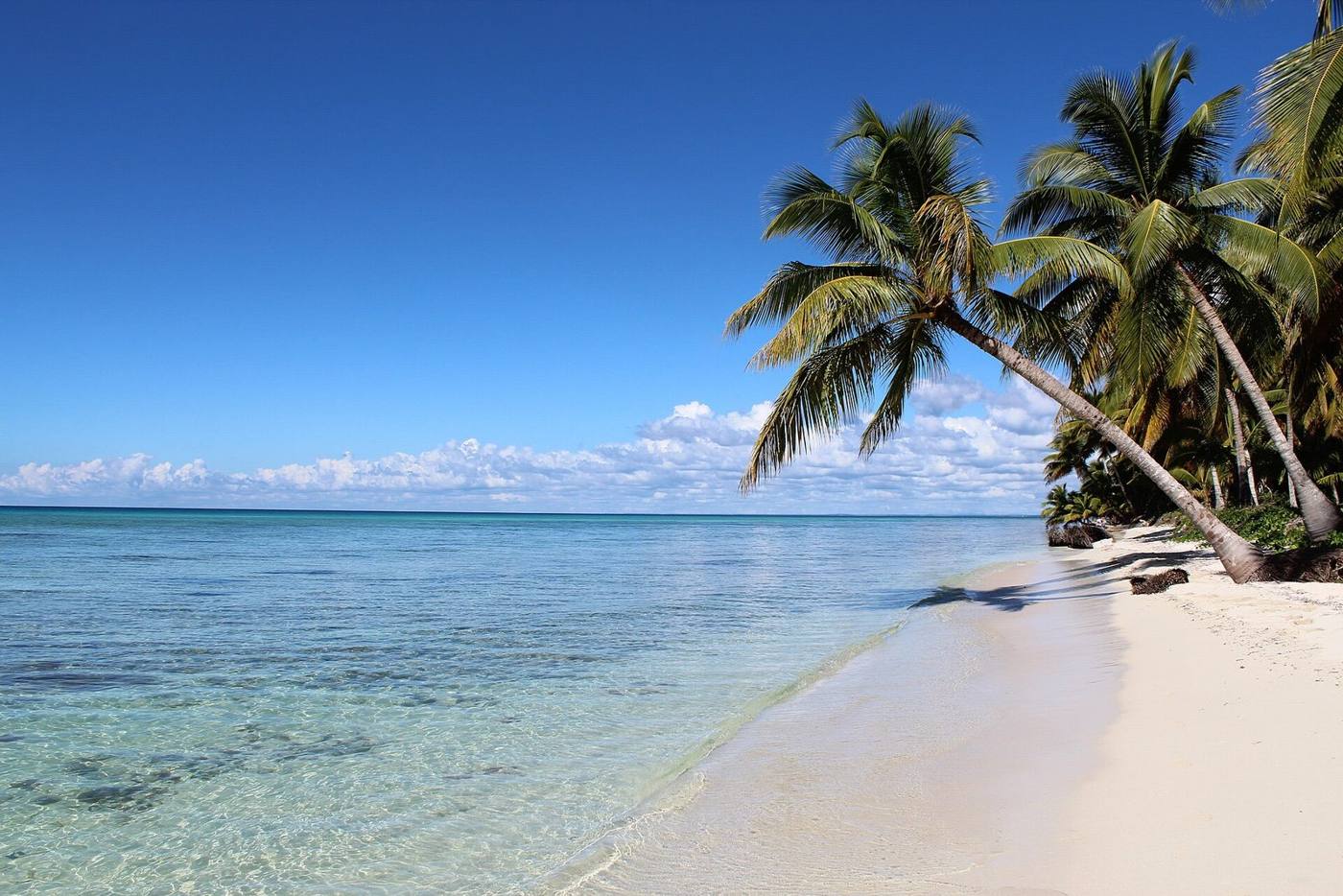
The fishing village of Bayahibe with wreck dives, Saona island in the Parque del Este and the natural starfish pool.
 4 daysEasy
Puerto Plata and Cabarete
The north coast: the cable car up Mount Isabel de Torres, the 27 waterfalls of Damajagua to jump and slide down, and Cabarete, the kitesurfing capital.
 2 daysEasy
Los Haitises
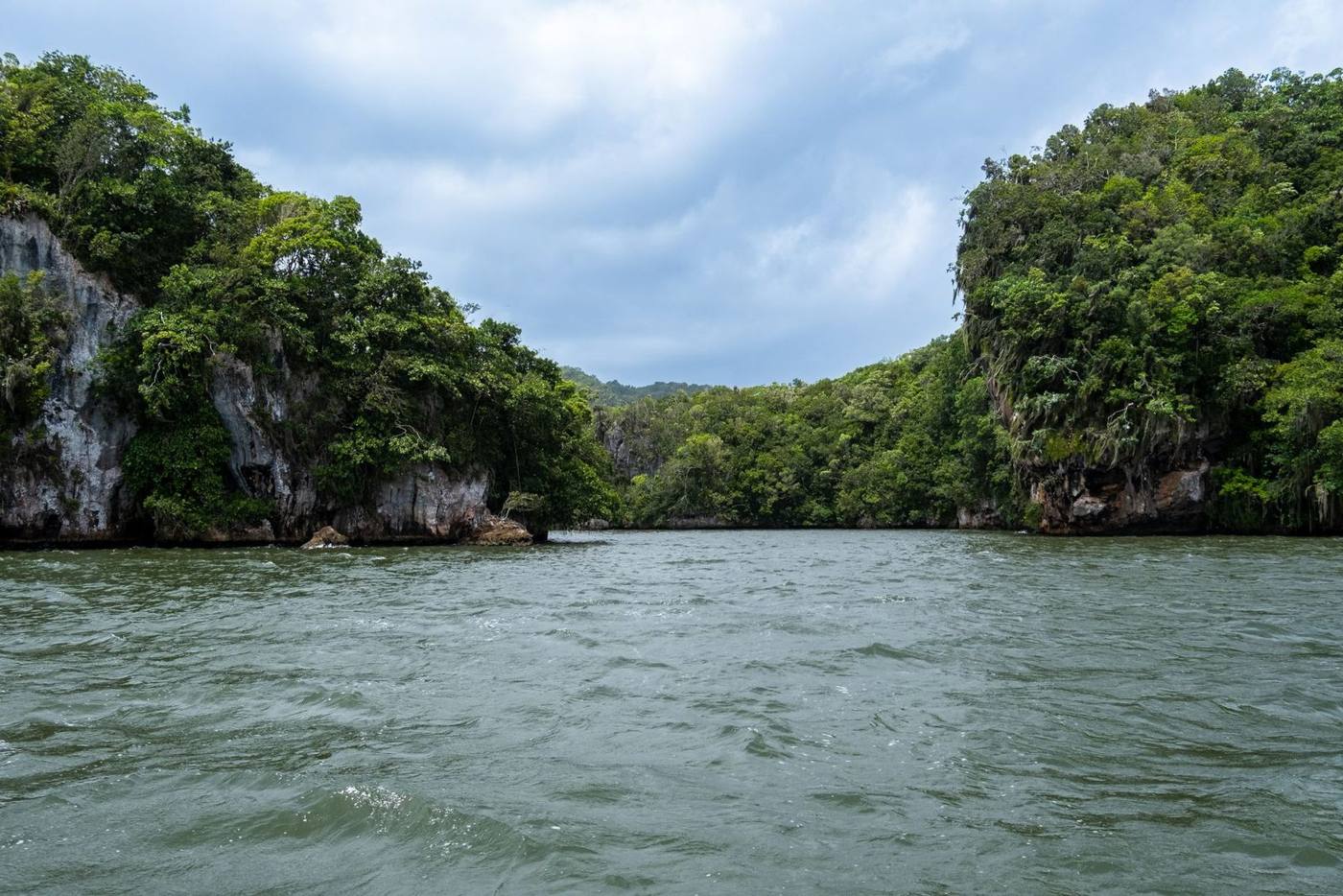
The park of mogotes, karst hills rising from the sea, with mangroves by boat, caves with Taíno paintings and frigatebird and pelican colonies.