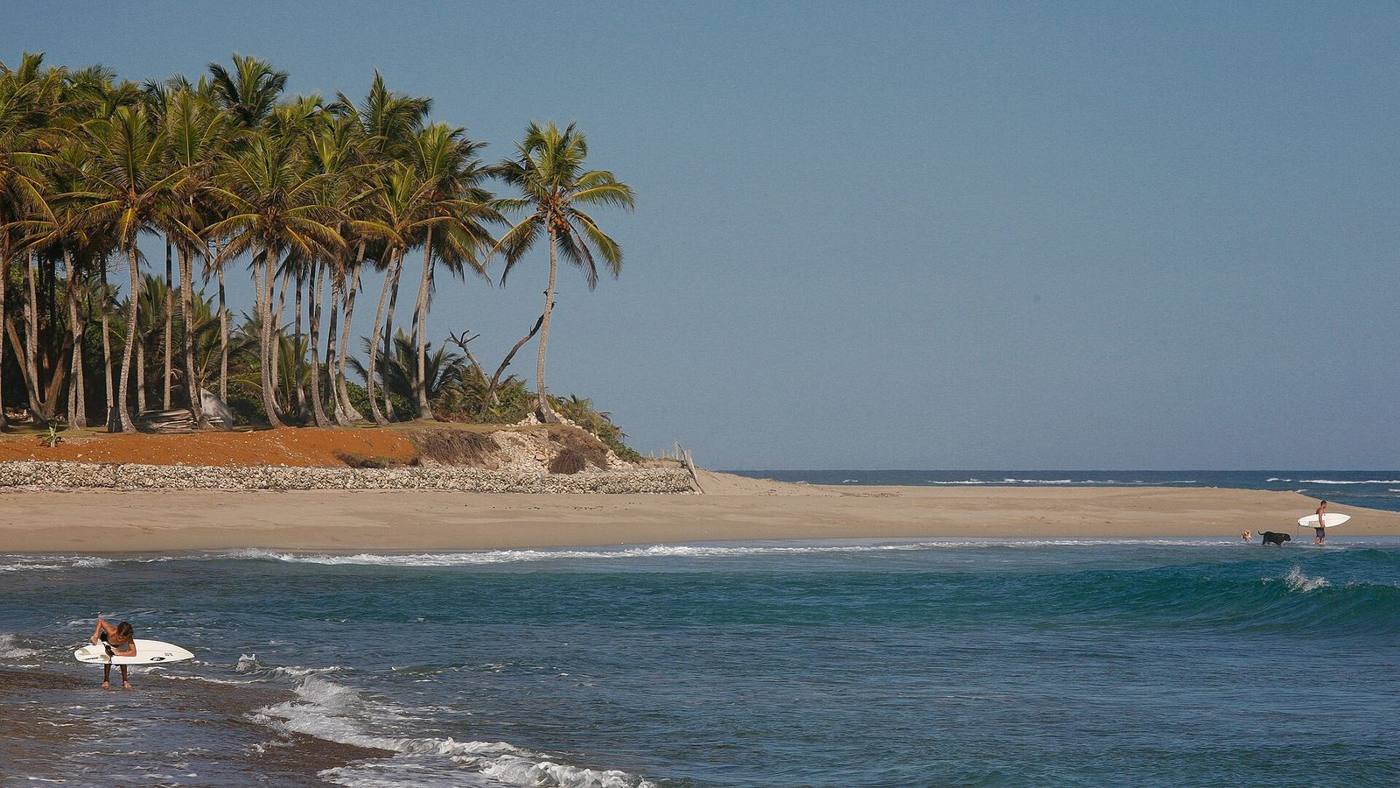
Puerto Plata and Cabarete
The north coast: the cable car up Mount Isabel de Torres, the 27 waterfalls of Damajagua to jump and slide down, and Cabarete, the kitesurfing capital.
- Puerto Plata
- Damajagua
- Cabarete
Day by day
- Day 1
The cable car and Victorian centre of Puerto Plata
This four-day trip takes you to the north coast of the Dominican Republic, called the Costa de Ámbar, the amber coast: Puerto Plata with its old town and cable car, the Damajagua waterfalls and Cabarete, the kitesurfing beach. It is a sporty coast, greener and less resort-like than the east.
Before you go: Italian citizens enter the Dominican Republic with a passport valid for the whole stay and without a visa for tourism for up to 30 days, which can be extended. The e-Ticket is compulsory for everyone, on arrival and on departure: fill it in online before travelling and show the QR code at check-in. Other nationalities should check their own rules. The Italian foreign ministry reports high crime, including in resort areas, and considers the provinces on the border with Haiti high risk; they are far from this route.
You arrive at Puerto Plata airport, about twenty minutes from the town. In the morning take the cable car up Pico Isabel de Torres, at about 800 metres, above the town. At the top there is a large statue of Christ, a botanical garden and a view of the whole coast. Check prices and times, and go up in the morning, before the clouds arrive.
In the afternoon walk through the old town, with its nineteenth century Victorian houses, colourful, with wooden balconies and verandas, around Parque Independencia, with its white bandstand and the cathedral of San Felipe. Then go along the Calle de las Sombrillas, the street with colourful umbrellas hanging above it.
At sunset go to the Fortaleza San Felipe, the sixteenth century Spanish fort by the sea, and walk along the Malecón, the seafront. Check prices and times.
Sleep in Puerto Plata, for two nights.
Practical tip: in the centre of Puerto Plata use official taxis and do not accept guides who stop you in the street.
- Day 2
The Damajagua waterfalls
Today you go to the Saltos de la Damajagua, also called the 27 waterfalls, about half an hour from Puerto Plata, near Imbert. It is a protected natural monument, with a river that runs down a limestone gorge through drops, natural slides and emerald green pools.
At the park entrance choose how many waterfalls to do: the short route to the seventh waterfall suits almost everyone, the full route to the twenty-seventh needs good fitness and a few hours. Check prices and times.
You climb on foot through the forest and swim between the pools, then come down by jumping into the water from the rocks or sliding down the smooth rock drops, as if on a slide. The highest jumps can always be avoided by going round the side.
Do the route only with the park's official guides, who know the safe places to jump, and always wear the helmet and life jacket they give you at the entrance. The United Kingdom warns that not all adventure tourism providers meet European standards: check that your insurance covers these activities.
After the waterfalls, for lunch try chivo guisado, the stewed goat typical of the area, or chicken with rice and beans.
In the afternoon go back to Puerto Plata and rest on Long Beach, on the town's seafront.
Sleep in Puerto Plata.
Practical tip: bring water shoes that stay firmly on your feet, a swimsuit and a T-shirt that can get wet; leave your phone and documents somewhere safe or in a waterproof pouch.
- Day 3
Sosúa and Cabarete
Today you head east along the coast towards Cabarete, about forty minutes from Puerto Plata.
Halfway, stop at Sosúa, a sheltered bay with calm, clear water, excellent for swimming and snorkelling. Sosúa has an unusual history: in 1940 it took in a group of Jewish refugees fleeing Europe, who founded a farming community here. A small museum tells their story. Check prices and times.
Then continue to Cabarete, a former fishing village that has become one of the world capitals of kitesurfing and windsurfing, thanks to the trade winds that blow strong and steady, especially in the afternoon.
If you want to learn, book a kitesurfing course of a few days with a certified school: the first lessons are on the beach, then in the water with a radio in your helmet. Check prices and times. Otherwise sit on Kite Beach and watch the colourful kites leaping over the waves.
At sunset walk along Cabarete's main beach, where in the evening the tables come right down to the sand.
Sleep in Cabarete, for one night.
Practical tip: the northern sea is rougher than the southern one: swim only where there are other people and follow the flags, because lifeguards are not always present.
- Day 4
El Choco park and departure
Today is your last day on the north coast.
Early in the morning, before the wind picks up, take a surf lesson at Playa Encuentro, a few kilometres west of Cabarete, the surfers' beach, with regular waves over the reef. Check prices and times. Or spend the morning on a last kitesurfing session.
If you prefer nature, visit El Choco National Park, behind Cabarete, with a lagoon, forest and freshwater caves where you can swim among stalactites and roots. The visit is with a park guide. Check prices and times.
In the afternoon go back to Puerto Plata airport, about half an hour from Cabarete, or continue to Santiago de los Caballeros, about an hour and a half away, for a cultural stop in the Cibao.
In these four days you have seen the sportiest side of the north coast: the cable car and Victorian centre of Puerto Plata, the Damajagua waterfalls, the bay of Sosúa and the wind of Cabarete.
When to go: for kitesurfing the best months are from June to August, with the strongest wind, but winter also has good days. For the sea and fine weather the months from December to April are best. From June to November is hurricane season, which can hit the north and east in particular.
Practical tip: before leaving, buy something to take home, such as a piece of Dominican amber jewellery, but only from shops that give a certificate, because there are many imitations.
A sporty coast, less resort-based than the east. At Damajagua only with park guides and a helmet. The northern sea is rougher.
Before you go
- Documents and visa
- Passport valid for the whole stay. No visa is needed for tourism for up to 30 days, which can be extended. The e-Ticket is compulsory for everyone, on arrival and departure: you fill it in online before travelling and show the QR code at check-in. The tourist card and the departure tax are normally included in the air fare. Airlines may ask for a return ticket.
- Health and vaccines
- No compulsory vaccinations. Dengue is rising, cholera is endemic and there have been cases of chikungunya and Zika: use insect repellent. Tap water is not safe to drink. You need insurance with medical costs and repatriation, because private care is very expensive. Emergencies: 911.
- Money and payments
- Dominican peso. In tourist areas the US dollar is widely used; Visa and Mastercard work in cities and in accommodation. Bring small notes in good condition.
- Power sockets
- Type A and B, 120 volts: you need an adapter for American plugs.
- Time zone
- UTC-4 all year.
- Safety
- Crime is high, including against tourists, especially in Santo Domingo and resort areas. The FCDO advises against all travel to Haiti; the land and sea borders with the Dominican Republic are closed and there have been armed robberies on roads near the border. Use authorised taxis or ride-hailing apps and avoid motorbike taxis. The hurricane season runs from June to November. Official advice: GOV.UK.
Information checked in November 2026 for Italian and EU citizens. Rules change: always check before you travel.
Variations
In 3 days: Puerto Plata with the cable car, the Damajagua waterfalls and an afternoon in Cabarete.
In 7 days: add a full kitesurfing course in Cabarete and two days in Santiago de los Caballeros.
Frequently asked questions
What documents do I need for the Dominican Republic?
Italian citizens enter with a passport valid for the whole stay, without a visa for tourism for up to 30 days. The e-Ticket is compulsory on arrival and departure. Other nationalities should check their own rules.
Are the Damajagua waterfalls dangerous?
With the park's official guides, a helmet and a life jacket they are suitable for people who can swim. The highest jumps can be avoided. Check that your insurance covers adventure tourism.
When is it windiest in Cabarete?
From June to August the wind is strongest and steadiest, especially in the afternoon. Early in the morning the sea is calmer for surfing and swimming.
Indicative itinerary written by World Atlas. Before booking, check timetables, seasonal openings, documents and safety.
 2 daysEasy
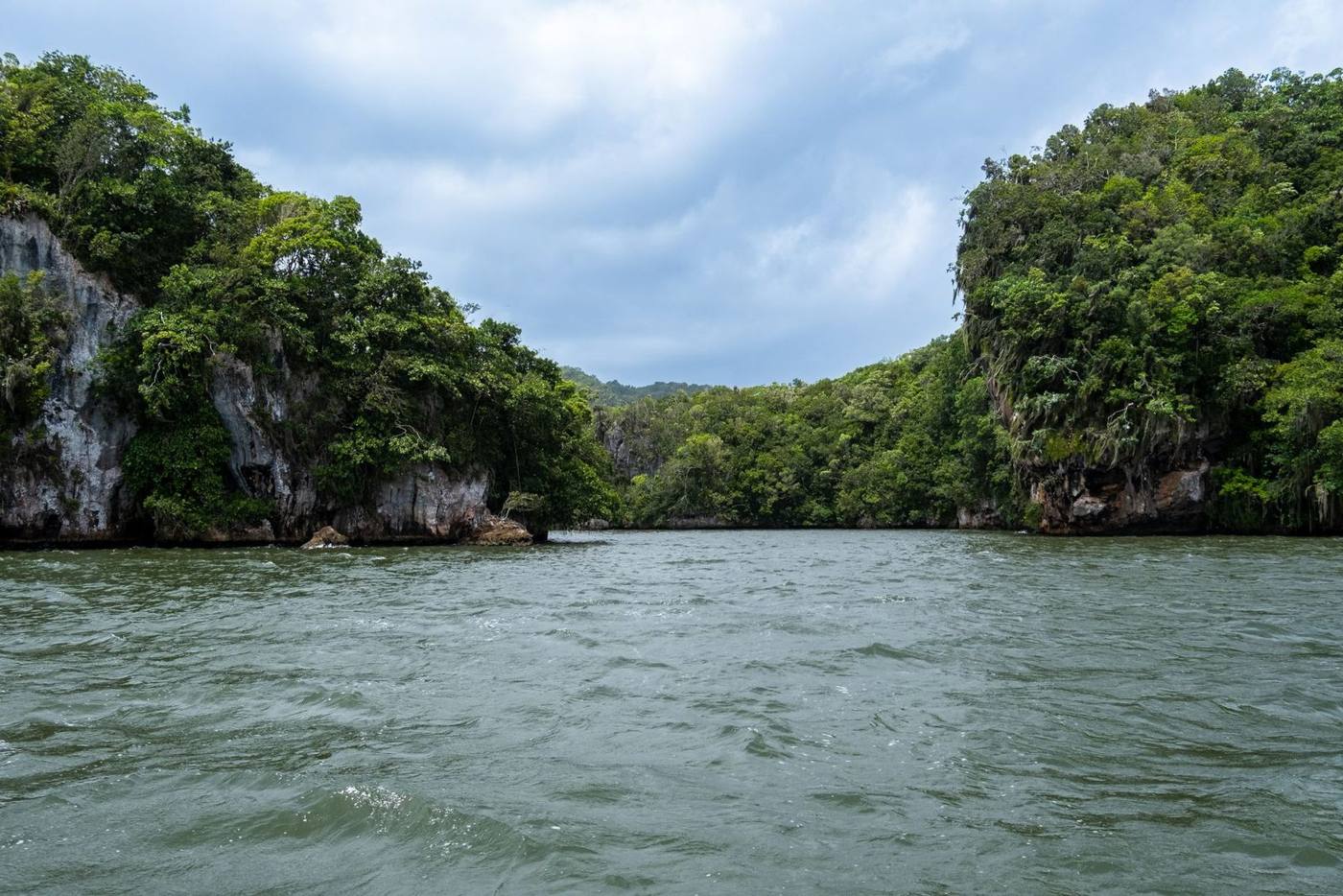
Los Haitises
The park of mogotes, karst hills rising from the sea, with mangroves by boat, caves with Taíno paintings and frigatebird and pelican colonies.
 4 daysEasy
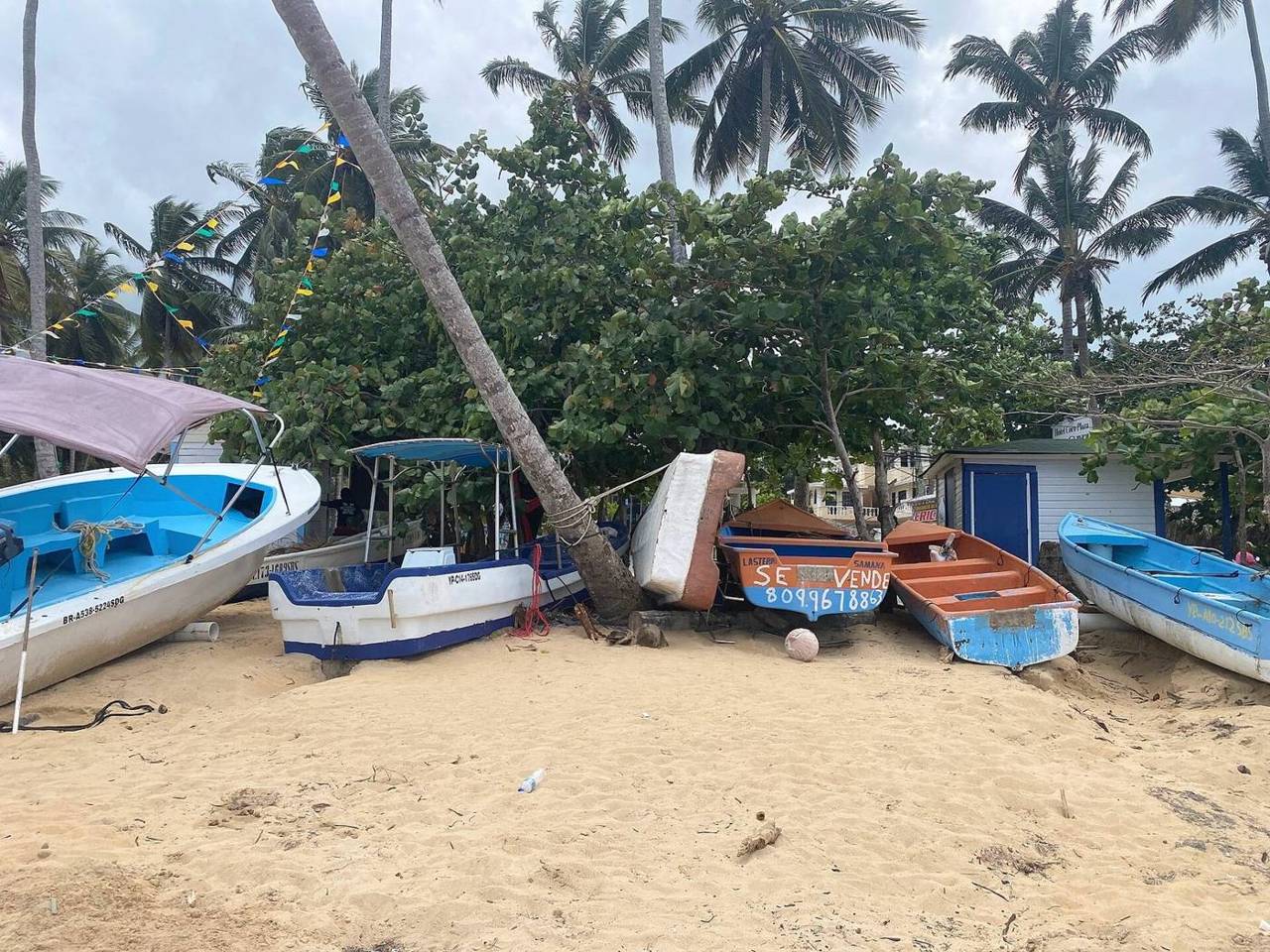
Las Terrenas
The cosmopolitan village on the Samaná peninsula, with the beaches of Playa Bonita and Cosón, El Limón waterfall on horseback and Playa Rincón, among the country's most beautiful.
 4 daysModerate
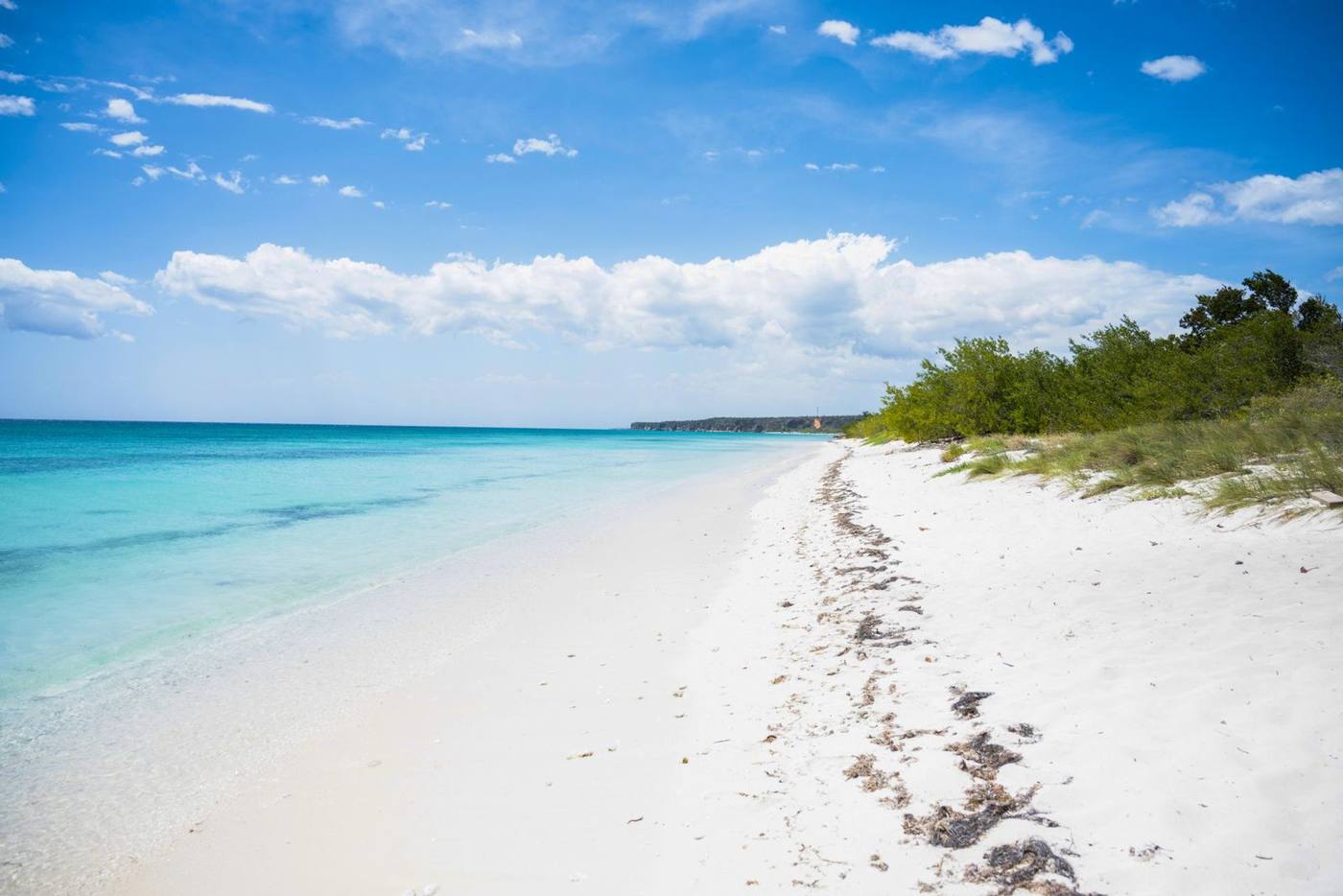
Barahona and Bahía de las Águilas
The wild south-west: the Barahona coast between mountains and sea, the larimar mine, Lake Enriquillo with its crocodiles and the deserted beach of Bahía de las Águilas.