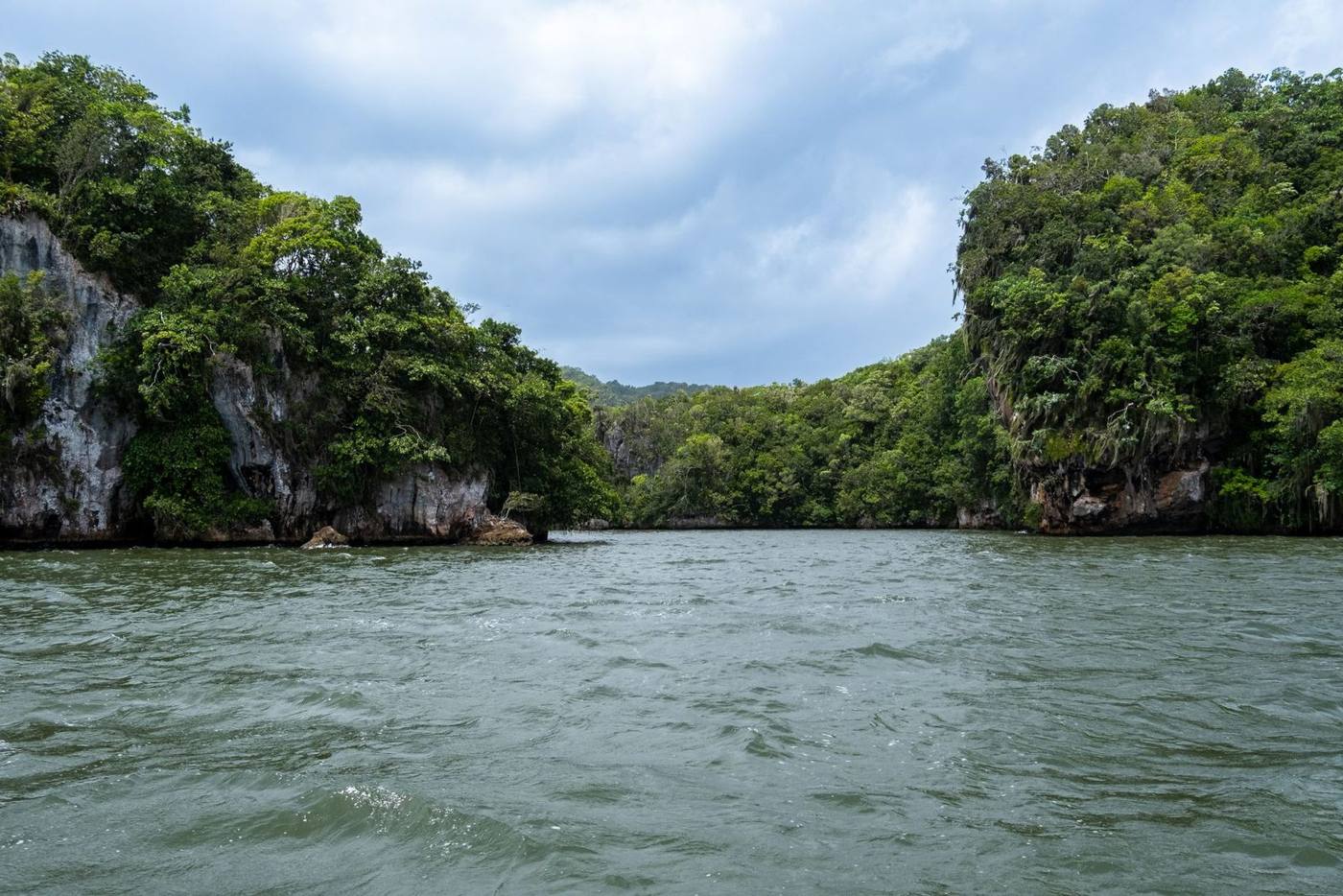
Los Haitises
The park of mogotes, karst hills rising from the sea, with mangroves by boat, caves with Taíno paintings and frigatebird and pelican colonies.
- Sabana de la Mar
- Los Haitises
Day by day
- Day 1
By boat in Los Haitises park
This two-day trip takes you to Los Haitises National Park, on the south shore of Samaná Bay: limestone hills covered in forest rising out of the sea, mangroves, caves with Taíno paintings and islets full of birds. Your base is Sabana de la Mar, a small fishing town.
Before you go: Italian citizens enter the Dominican Republic with a passport valid for the whole stay and without a visa for tourism for up to 30 days, which can be extended. The e-Ticket is compulsory for everyone, on arrival and on departure: fill it in online before travelling and show the QR code at check-in; the tourist card is normally included in the air fare. Other nationalities should check their own rules. The Italian foreign ministry reports high crime, including against tourists, and considers the provinces on the border with Haiti high risk; this trip does not go there.
From Santo Domingo you reach Sabana de la Mar in about three hours by road. At the park entrance, at Caño Hondo, you board a boat with a park guide. Check prices and times.
The boat glides through mangrove channels and past the mogotes, the rounded hills of karst rock, to the caves. In the Cueva de la Línea and the Cueva de San Gabriel you see pictographs and carvings by the Taíno, the people who lived on the island before the Europeans arrived: faces, animals and human figures. They are fragile: do not touch them and do not use flash.
Then you pass close to the Cayo de los Pájaros, where frigatebirds, pelicans and herons nest.
Sleep near Caño Hondo, for one night.
Practical tip: bring mosquito repellent, a light rain jacket and a waterproof pouch for your phone.
- Day 2
Kayaking in the mangroves and return
Early in the morning, when the water is calm and the birds are most active, explore the mangroves by kayak with a guide. Paddle slowly through the narrow channels, under the aerial roots that hang down into the water, and look for herons, kingfishers and crabs on the roots. Check prices and times.
Mangroves are a precious habitat: they protect the coast from storm surges and are a nursery for many fish and birds. Los Haitises is one of the largest and most important parks in the Dominican Republic, and the forest covering the mogotes is home to many plants found only on this island.
After kayaking, take a walk along the seafront of Sabana de la Mar, where the fishing boats set off and you can see the Samaná peninsula across the bay.
For lunch try pescado con coco, fish cooked in coconut milk, typical of the Samaná area, with rice and tostones, fried plantain slices.
In the afternoon head back to Santo Domingo, about three hours. Alternatively, if you want to continue to the Samaná peninsula and its beaches, ask about the ferry across the bay to Samaná: the sea in the bay can be rough, so check conditions before leaving.
In these two days you have seen the wildest nature of the north east of the country: the Taíno caves, the forest-covered mogotes, the seabirds and the mangroves.
When to go: the best months are from December to April, with less rain and calmer seas. From mid January to March you can combine the visit with the whales of Samaná Bay. From June to November is hurricane season.
Practical tip: keep cash in Dominican pesos for the boat, the kayak and tips for the guides.
A unique landscape, perfect to combine with Samaná. The Taíno paintings are fragile: don't touch them. By boat from Samaná the bay can be choppy.
Before you go
- Documents and visa
- Passport valid for the whole stay. No visa is needed for tourism for up to 30 days, which can be extended. The e-Ticket is compulsory for everyone, on arrival and departure: you fill it in online before travelling and show the QR code at check-in. The tourist card and the departure tax are normally included in the air fare. Airlines may ask for a return ticket.
- Health and vaccines
- No compulsory vaccinations. Dengue is rising, cholera is endemic and there have been cases of chikungunya and Zika: use insect repellent. Tap water is not safe to drink. You need insurance with medical costs and repatriation, because private care is very expensive. Emergencies: 911.
- Money and payments
- Dominican peso. In tourist areas the US dollar is widely used; Visa and Mastercard work in cities and in accommodation. Bring small notes in good condition.
- Power sockets
- Type A and B, 120 volts: you need an adapter for American plugs.
- Time zone
- UTC-4 all year.
- Safety
- Crime is high, including against tourists, especially in Santo Domingo and resort areas. The FCDO advises against all travel to Haiti; the land and sea borders with the Dominican Republic are closed and there have been armed robberies on roads near the border. Use authorised taxis or ride-hailing apps and avoid motorbike taxis. The hurricane season runs from June to November. Official advice: GOV.UK.
Information checked in November 2026 for Italian and EU citizens. Rules change: always check before you travel.
Variations
In one day: arrive early in the morning by boat from Samaná, visit the caves and the Cayo de los Pájaros and return in the afternoon.
In 5 days: combine Los Haitises with the Samaná peninsula, with Las Terrenas, El Limón waterfall and Playa Rincón.
Frequently asked questions
What documents do I need for the Dominican Republic?
Italian citizens enter with a passport valid for the whole stay, without a visa for tourism for up to 30 days. The e-Ticket is compulsory on arrival and departure. Other nationalities should check their own rules.
Can you see the Taíno paintings?
Yes, in the park's caves, by boat and with a guide. They are fragile: do not touch them and do not use flash.
Is it better to start from Sabana de la Mar or from Samaná?
From Sabana de la Mar the park is a few minutes away and you can also kayak. From Samaná you cross the bay by boat, but the sea can be rough.
Indicative itinerary written by World Atlas. Before booking, check timetables, seasonal openings, documents and safety.
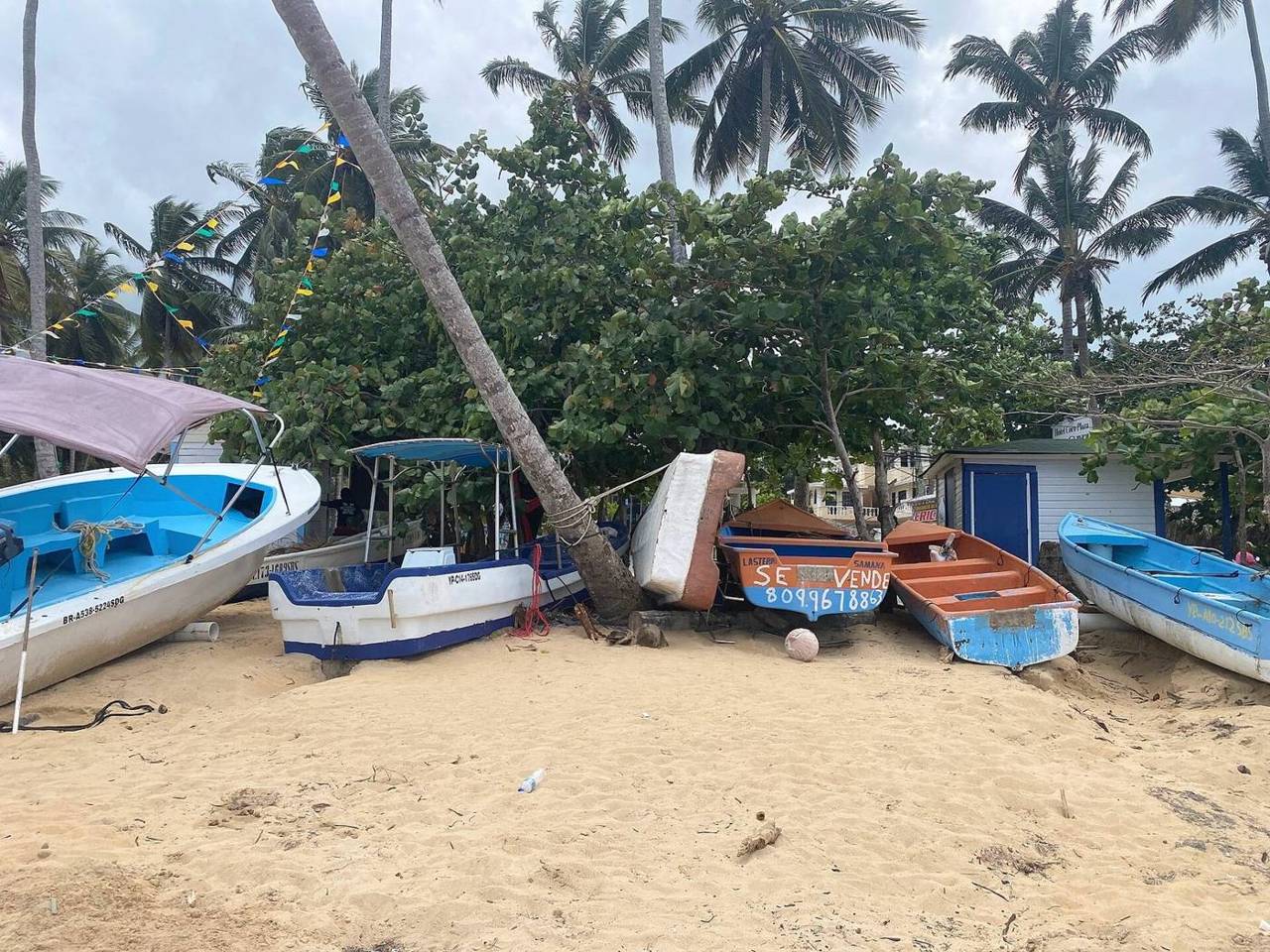 4 daysEasy
Las Terrenas
The cosmopolitan village on the Samaná peninsula, with the beaches of Playa Bonita and Cosón, El Limón waterfall on horseback and Playa Rincón, among the country's most beautiful.
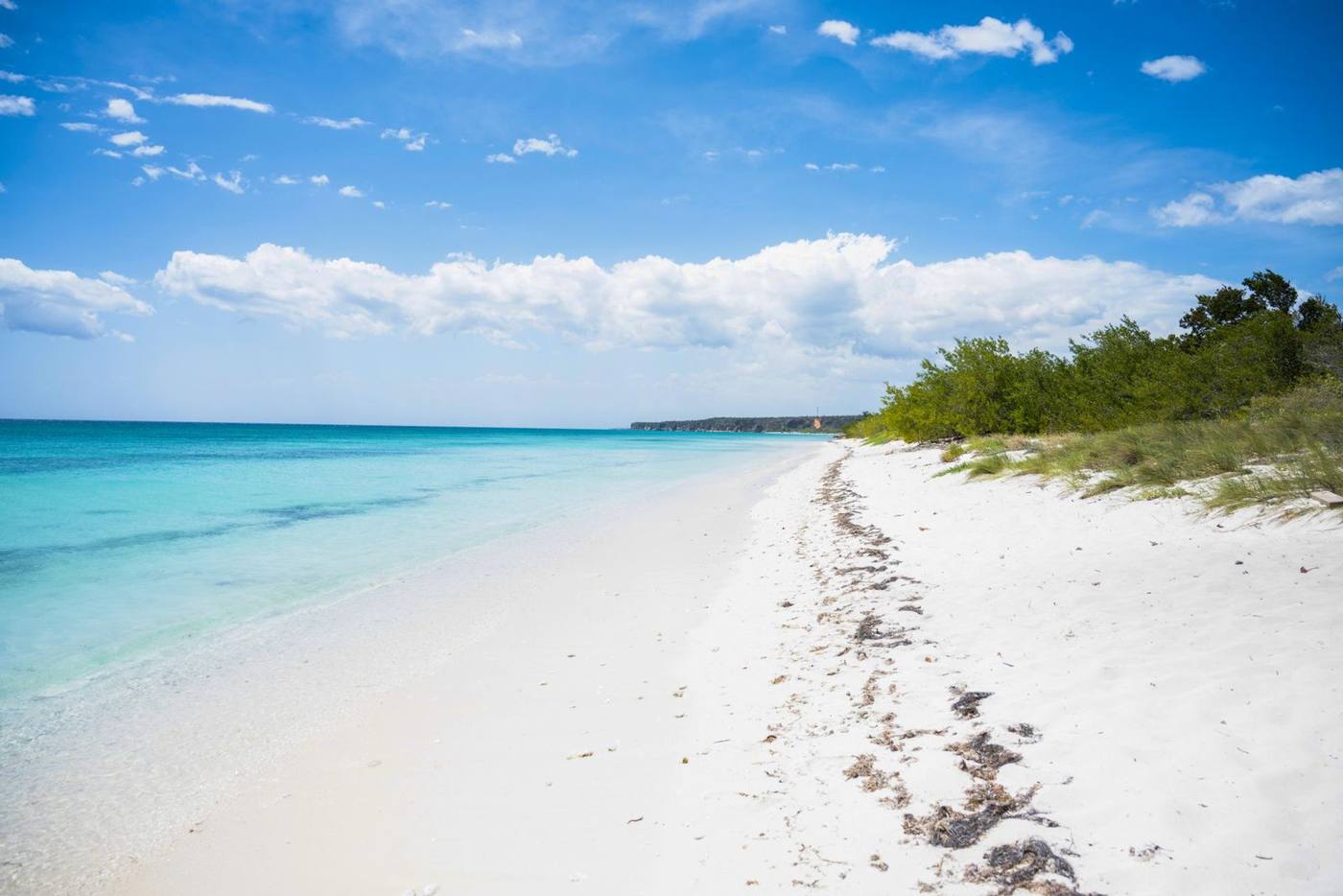 4 daysModerate
Barahona and Bahía de las Águilas
The wild south-west: the Barahona coast between mountains and sea, the larimar mine, Lake Enriquillo with its crocodiles and the deserted beach of Bahía de las Águilas.
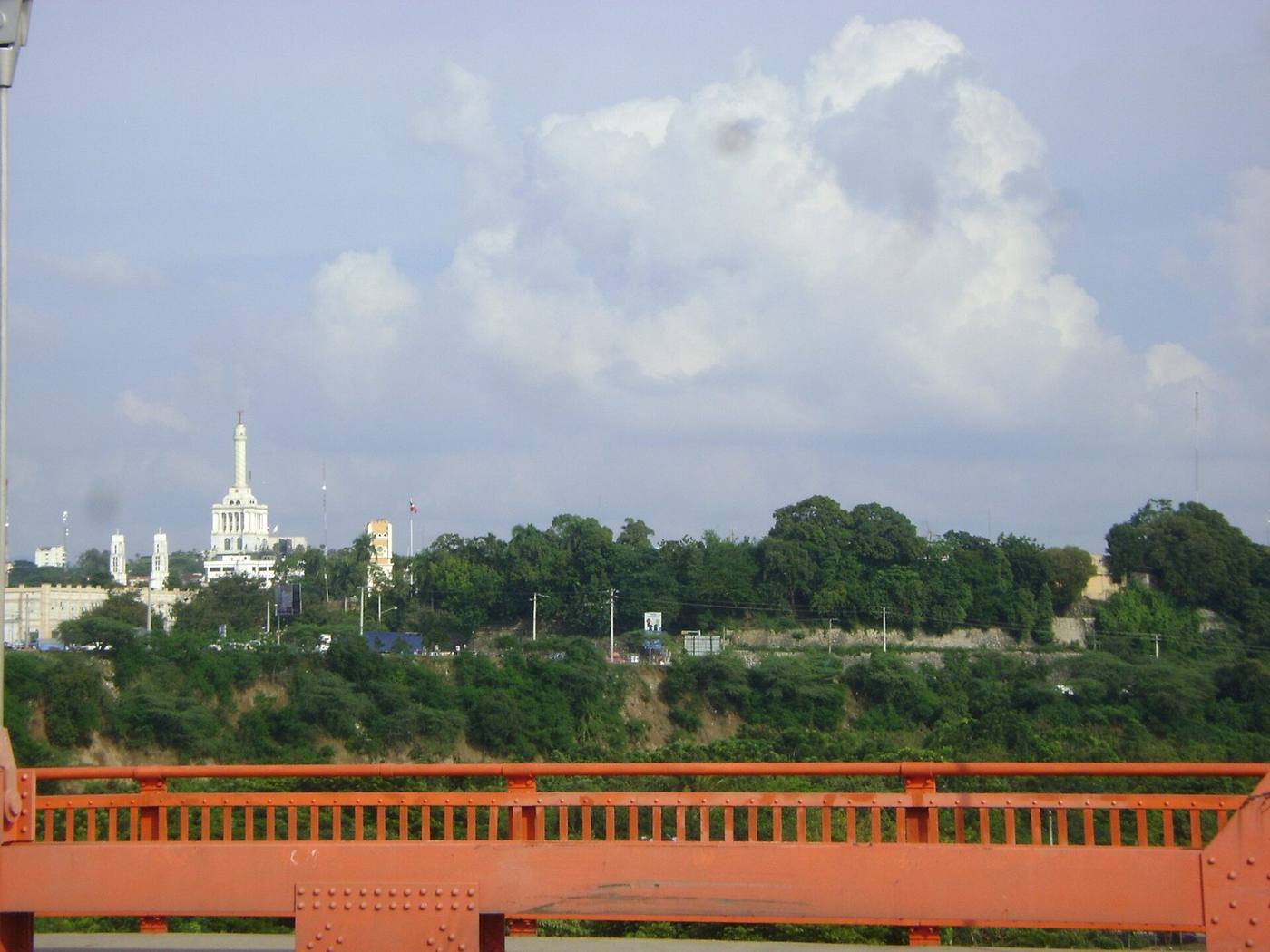 2 daysEasy
Santiago and tobacco
The country's second city in the Cibao valley: the Monument to the Heroes, Centro León, the cigar factories and tobacco farms around Tamboril.