Isla Saona and Bayahibe
The fishing village of Bayahibe with wreck dives, Saona island in the Parque del Este and the natural starfish pool.
- Bayahibe
- Isla Saona
Day by day
- Day 1
Bayahibe and the first dive
This three-day trip takes you to the south east coast of the Dominican Republic: Bayahibe, a fishing village that has become the base for diving, and Isla Saona, in Parque Nacional del Este, with its white sand beaches and postcard palms.
Before you go: Italian citizens enter the Dominican Republic with a passport valid for the whole stay and without a visa for tourism for up to 30 days, which can be extended. The e-Ticket is compulsory for everyone, on arrival and on departure: fill it in online before travelling and show the QR code at check-in. Other nationalities should check their own rules. The Italian foreign ministry reports high crime, including in resort areas, and considers the provinces on the border with Haiti high risk; they are far from this route.
Bayahibe is about an hour and a half from Santo Domingo and less than half an hour from La Romana airport. The village has a small bay with colourful boats and a public beach.
In the afternoon make your first dive or go snorkelling. The sea here is calm and clear, with coral reefs, sea fans, tropical fish and, a short way off the coast, the wreck of the St. George, sunk on purpose as an artificial reef. Choose a dive centre with certified instructors and check the equipment. Check prices and times.
In the evening watch the sunset from the jetty, as the fishermen come home.
Sleep in Bayahibe, for two nights.
Practical tip: the United Kingdom warns that water sports providers may not meet European safety standards: check your insurance and safety before booking.
- Day 2
Isla Saona by boat
Today you take a boat to Isla Saona, the largest offshore island of the Dominican Republic, inside Parque Nacional del Este. The park protects dry forests, caves, mangroves and a coast of white beaches where sea turtles nest.
Saona is very famous and full of organised trips, especially on the big catamarans. For a quieter day choose a small boat, with few passengers, that leaves early and also visits the less busy side of the island. Check prices and times and whether the park fee is included.
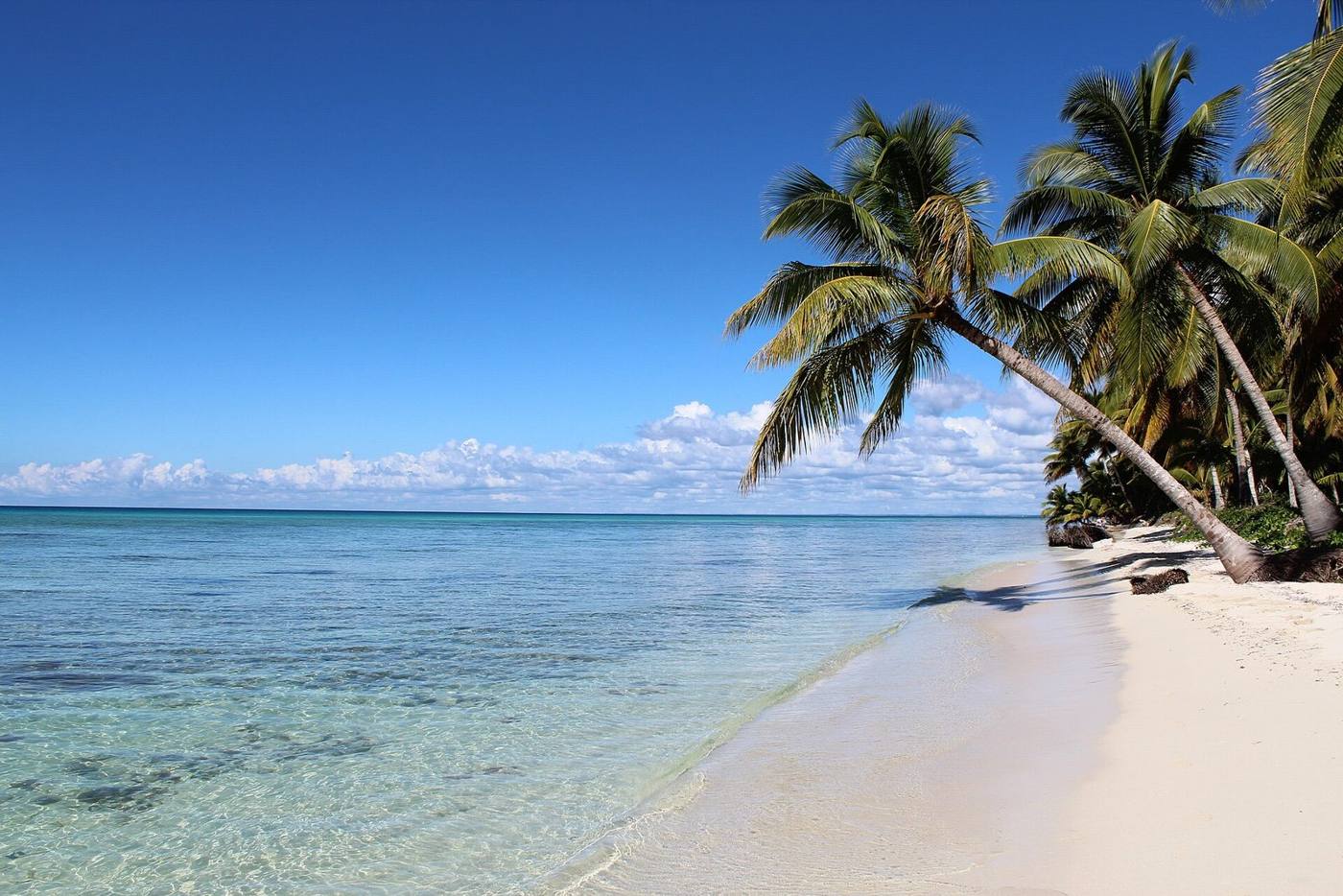
Along the coast the boat passes cliffs and mangroves and stops for snorkelling on the reef. Then you reach the island's beaches, with white sand, leaning palms and turquoise water.
Visit Mano Juan, the island's small fishing village, with painted wooden houses, where a local project protects sea turtle nests.
On the way back the boat stops at the natural pool, a sandbank in the middle of the sea where the water comes up to your waist and starfish live. Look at them, but do not touch them or lift them out of the water: out of the water they suffer and can die.
In the late afternoon you return to Bayahibe.
Sleep in Bayahibe.
Practical tip: bring reef-safe sun cream, a hat and a T-shirt for snorkelling: the sun on the sea burns quickly.
- Day 3
The Cueva de las Maravillas and return
Today you leave the coast. Early in the morning, if you like, have a last swim in the bay of Bayahibe or walk the Padre Nuestro trail, in Parque Nacional del Este, near the village, which runs through dry forest to caves and freshwater pools used by the Taíno. Check prices and times.
Then head west. On the road between La Romana and San Pedro de Macorís stop at the Cueva de las Maravillas, a cave with stalactites, stalagmites and hundreds of Taíno paintings and carvings. The visit is with a guide on a lit walkway, and it is also accessible for people who have difficulty walking. Check prices and times.
If you have time, go through San Pedro de Macorís, the town of sugar and baseball, which has given many players to teams in the United States, with its cathedral and seafront.
Then continue to Santo Domingo or Punta Cana airport, or on to the capital.
In these three days you have seen the finest coast of the south east: the clear sea of Bayahibe with its dives, the beaches and starfish of Saona and the caves with Taíno art.
When to go: the best months are from December to April, with clear skies and calm seas. From June to November is hurricane season and the sea can be dangerous.
Practical tip: for beaches and boats keep pesos and a few small dollar notes for tips; card payments are not always possible.
Postcard beaches, but Saona is full of group tours: choose small tours or the less-visited side. Don't touch the starfish.
Before you go
- Documents and visa
- Passport valid for the whole stay. No visa is needed for tourism for up to 30 days, which can be extended. The e-Ticket is compulsory for everyone, on arrival and departure: you fill it in online before travelling and show the QR code at check-in. The tourist card and the departure tax are normally included in the air fare. Airlines may ask for a return ticket.
- Health and vaccines
- No compulsory vaccinations. Dengue is rising, cholera is endemic and there have been cases of chikungunya and Zika: use insect repellent. Tap water is not safe to drink. You need insurance with medical costs and repatriation, because private care is very expensive. Emergencies: 911.
- Money and payments
- Dominican peso. In tourist areas the US dollar is widely used; Visa and Mastercard work in cities and in accommodation. Bring small notes in good condition.
- Power sockets
- Type A and B, 120 volts: you need an adapter for American plugs.
- Time zone
- UTC-4 all year.
- Safety
- Crime is high, including against tourists, especially in Santo Domingo and resort areas. The FCDO advises against all travel to Haiti; the land and sea borders with the Dominican Republic are closed and there have been armed robberies on roads near the border. Use authorised taxis or ride-hailing apps and avoid motorbike taxis. The hurricane season runs from June to November. Official advice: GOV.UK.
Information checked in November 2026 for Italian and EU citizens. Rules change: always check before you travel.
Variations
In 2 days: arrive in Bayahibe and go snorkelling, then the trip to Saona and return in the evening.
In 6 days: add the Zona Colonial of Santo Domingo before the sea, or the beaches of Punta Cana after Bayahibe.
Frequently asked questions
What documents do I need for the Dominican Republic?
Italian citizens enter with a passport valid for the whole stay, without a visa for tourism for up to 30 days. The e-Ticket is compulsory on arrival and departure. Other nationalities should check their own rules.
How can I avoid the crowds on Saona?
Choose a small boat, with few passengers, that leaves early and visits the less busy side of the island, and avoid weekends and public holidays.
Can I touch the starfish?
No. In the natural pool look at them without touching them or lifting them out of the water, because out of the water they suffer and can die.
Indicative itinerary written by World Atlas. Before booking, check timetables, seasonal openings, documents and safety.
 4 daysEasy
Puerto Plata and Cabarete
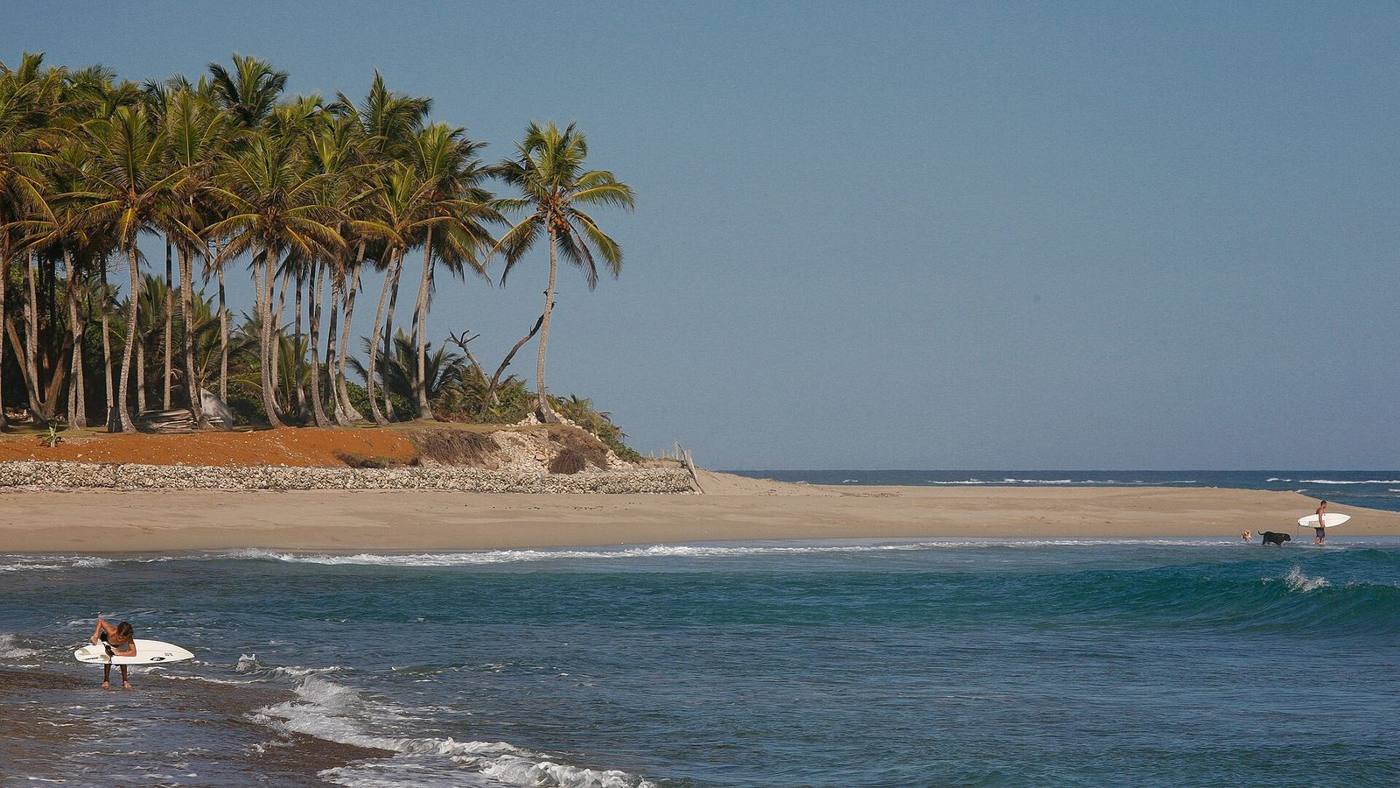
The north coast: the cable car up Mount Isabel de Torres, the 27 waterfalls of Damajagua to jump and slide down, and Cabarete, the kitesurfing capital.
 2 daysEasy
Los Haitises
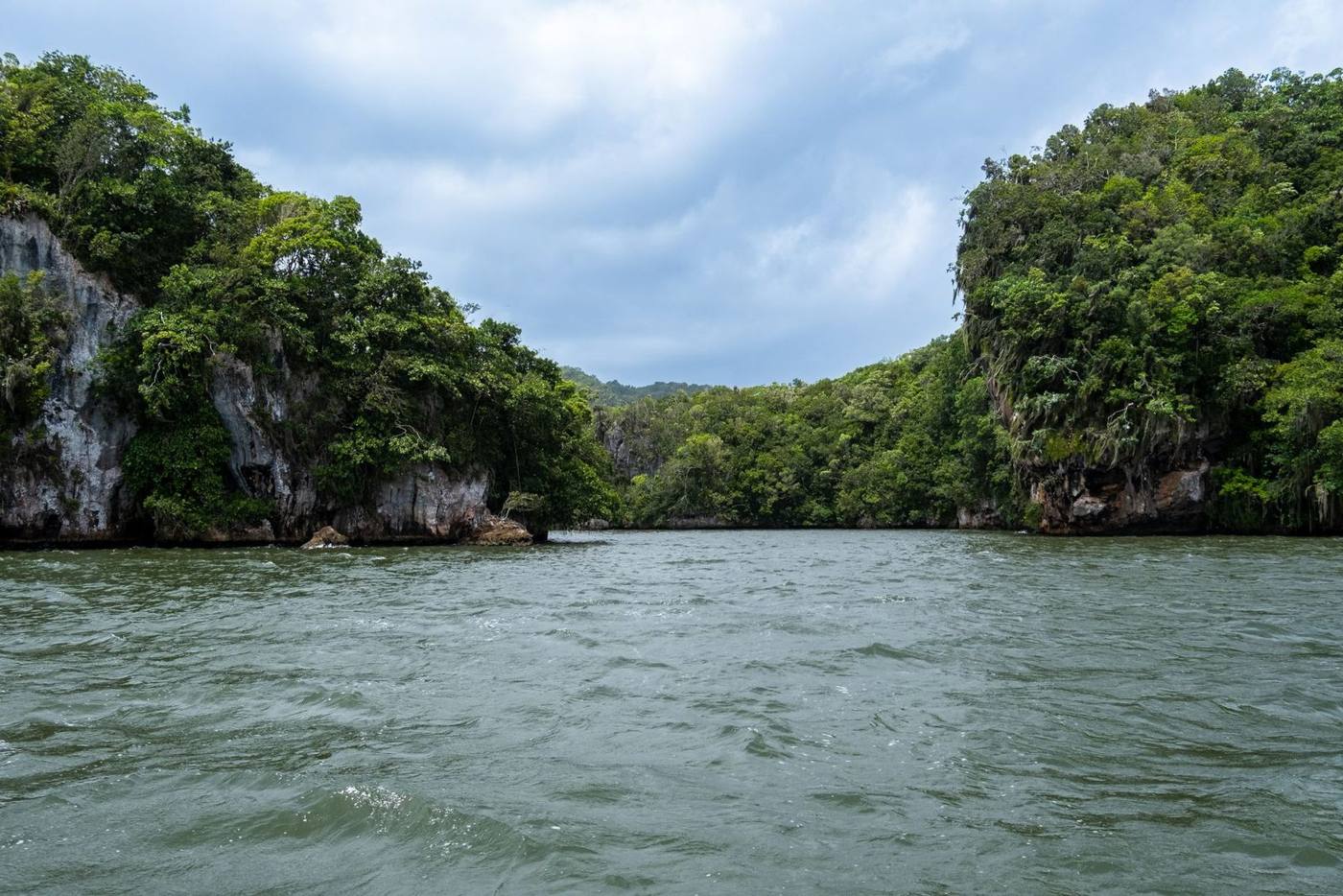
The park of mogotes, karst hills rising from the sea, with mangroves by boat, caves with Taíno paintings and frigatebird and pelican colonies.
 4 daysEasy
Las Terrenas
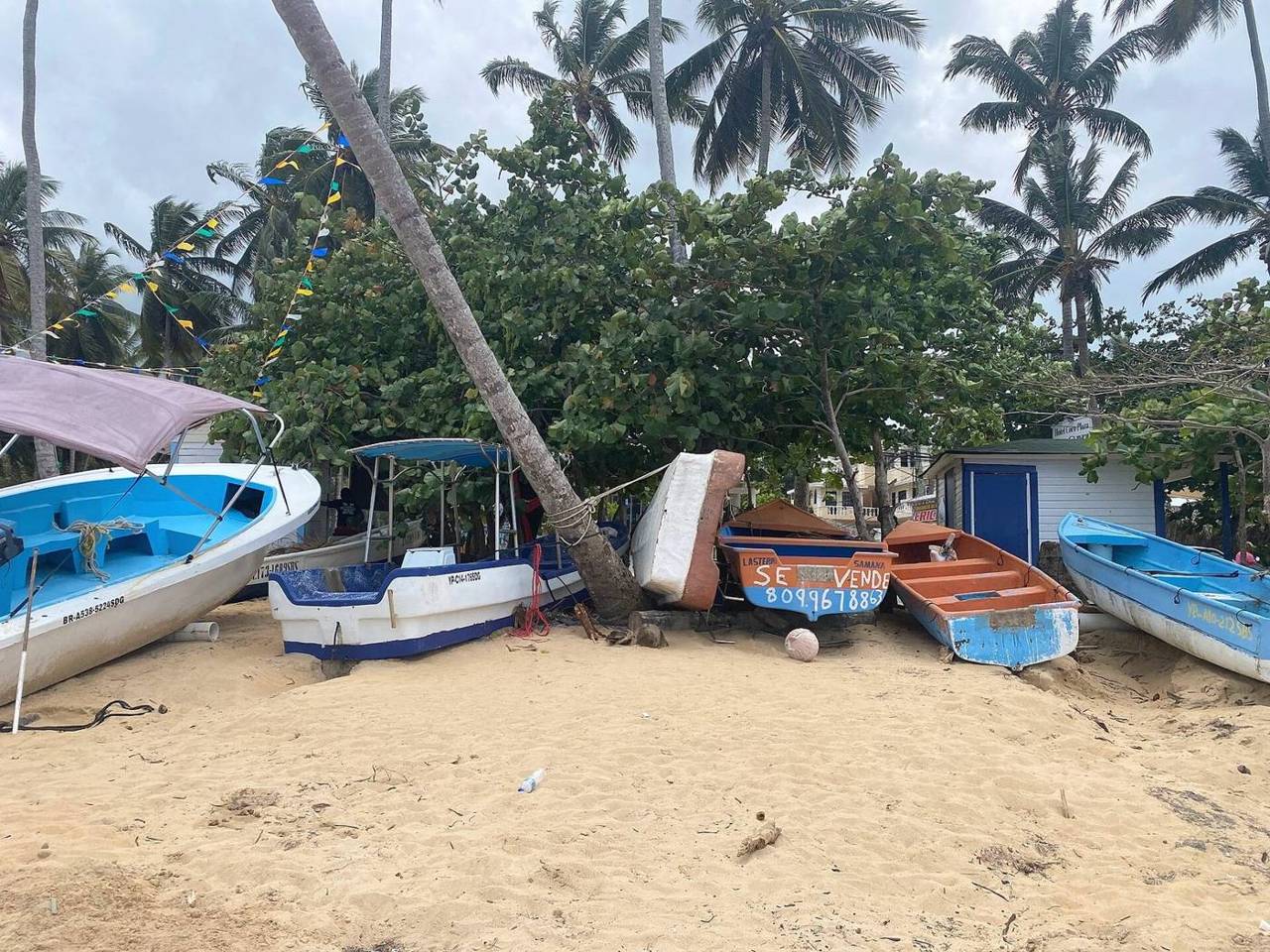
The cosmopolitan village on the Samaná peninsula, with the beaches of Playa Bonita and Cosón, El Limón waterfall on horseback and Playa Rincón, among the country's most beautiful.