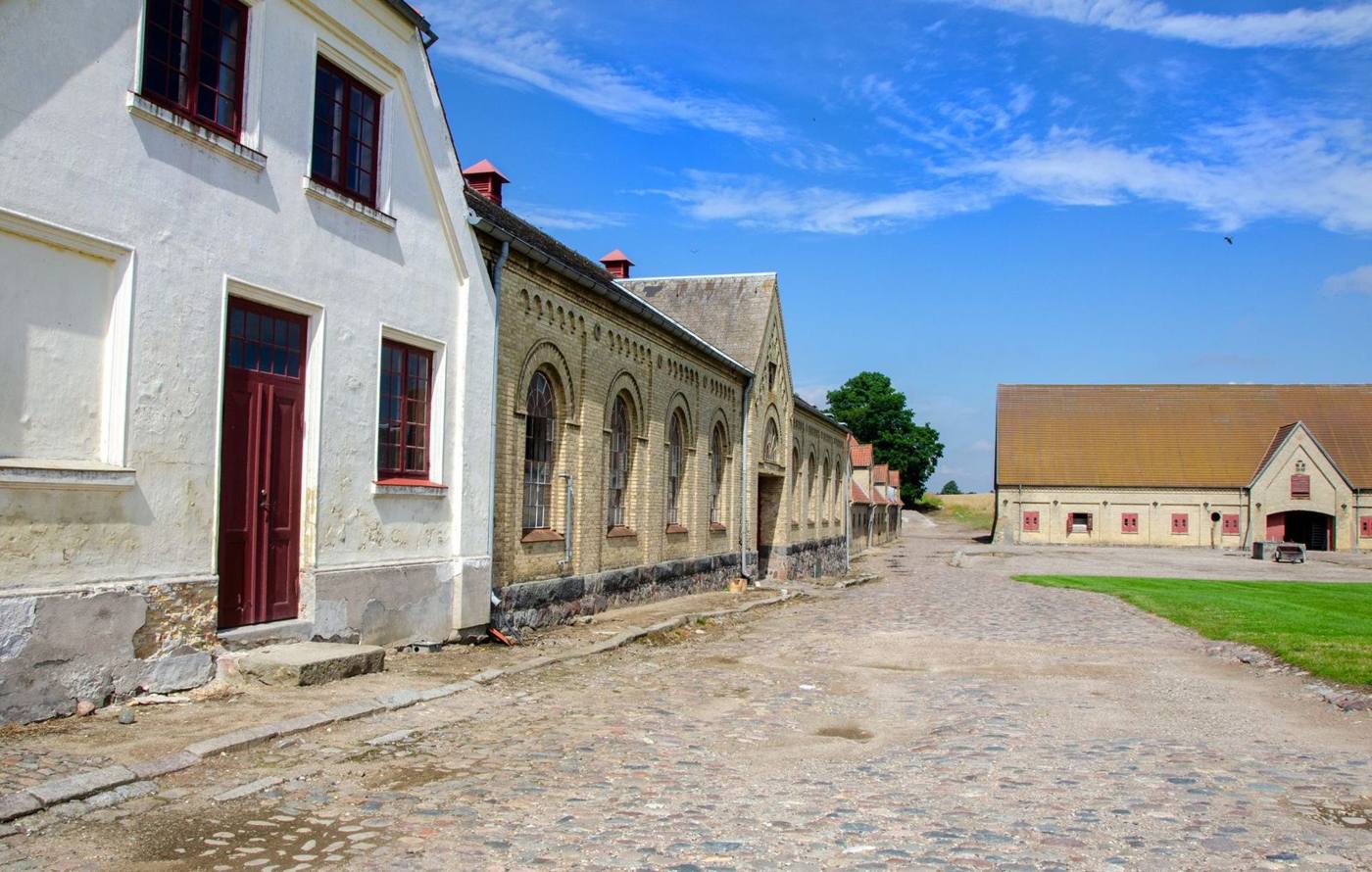
Ærø and the archipelago by bike
The south Funen islands by bike: Ærøskøbing with its colourful 18th-century houses, the beach huts of Eriksminde, Tåsinge and Langeland.
- Svendborg
- Ærøskøbing
- Marstal
- Tåsinge
- Langeland
Day by day
- Day 1
From Svendborg by ferry to Ærø
This trip takes you through the South Funen archipelago by bicycle: the island of Ærø with Ærøskøbing and Marstal, the colourful huts on the beaches, then Tåsinge with Valdemars Slot castle and the long island of Langeland. The roads are flat, traffic is light and the ferries carry bicycles.
Before you go: Italian citizens can enter Denmark with an electronic identity card or a passport. Denmark is in the EU and the Schengen area; until 17 May 2027 it is running checks on its border with Germany, so keep your document with you. Other nationalities should check their own rules. The currency is the Danish krone, and cards are used almost everywhere. The country is very safe; on country roads use lights and a reflective vest when the light fades.
You reach Svendborg by train from Odense in under an hour. If you are not bringing your own bike, hire one in town and check that it has panniers. Take a stroll around the harbour, among old wooden boats and warehouses, then board the ferry to Ærøskøbing. The crossing takes just over an hour and passes low islets and calm water.
In Ærøskøbing drop your bags and walk through the cobbled lanes. The low houses, yellow, red and blue, have decorated doors and windows full of plants. In the evening the town is silent and the harbour glows with light.
Practical tip: book a bike space on the ferry in summer and at weekends, because the spaces for bicycles are limited.
- Day 2
Ærøskøbing and the west coast of the island
Today you explore Ærøskøbing at a gentle pace and then cycle towards the west coast of Ærø.
Early in the morning you have the centre to yourself. Ærøskøbing is one of the best preserved small towns in Denmark: many houses date from the eighteenth and nineteenth centuries, when sailors and merchants lived here. Look at the cast iron water pumps, the wooden signs and the small gardens behind the houses. Go into the town museum, which tells the story of life on the island, and check prices and times.
Then walk down to Vesterstrand beach, just outside town. Here there are dozens of colourful wooden beach huts, first built in the 1920s. They are private and protected: no electricity, no water, no extensions. Photograph them from the sand without stepping into the little gardens.
In the afternoon take the road west, past wheat fields, windmills and thatched farmhouses. The route is signposted and almost flat. Ride to the cliff of Voderup Klint, where the clay coast drops towards the sea in grassy terraces. Sit on the grass and look at the islands on the horizon. Ride back to Ærøskøbing for the evening.
For dinner try smoked fish or pickled herring, served with rye bread.
Practical tip: check the wind direction before you set off and ride into the wind on the way out, so the return, when you are more tired, is easier.
- Day 3
By bike to Marstal, the sailors' town
On the third day you cycle along the island to Marstal, at the eastern tip: just over ten kilometres on the direct road, twice that if you follow the back roads along the south coast.
Along the way you pass villages with white churches and stepped gables. Stop at the small stalls in front of the farms, where farmers leave eggs, potatoes and strawberries with a box for payment. Carry a few coins, or pay by phone if a sign says so.
For centuries Marstal was a town of ships and sailors. Visit the maritime museum, with models of sailing ships, ship paintings, instruments and the stories of the families who lived from the sea. Check prices and times. Then walk along the long stone breakwater that protects the harbour and look at the yards where wooden boats are still repaired.
In the afternoon go to the beach at Eriks Hale, a sandy spit near Marstal with more colourful beach huts. The best known hut on the island is here, small, red and thatched. This coast is very exposed to storms: a storm surge in October 2023 destroyed many huts, and the community is rebuilding them. Respect the fenced areas.
Ride back towards Ærøskøbing or take the island bus, which usually carries only a few bicycles.
Practical tip: if you are tired, spend a night in Marstal; a ferry also leaves from here for Rudkøbing on Langeland, which is useful if you want to change the order of the trip.
- Day 4
Tåsinge and Valdemars Slot castle
Today you leave Ærø. Take the morning ferry from Ærøskøbing to Svendborg, then cycle over the bridge to the island of Tåsinge, just south of the town.
Tåsinge is a green island of low hills, woods and fishing villages. Follow the coast road to Troense, a village of thatched houses and painted doors where ship captains once lived. Walk along the main street and look at the flower gardens.
A little further on is Valdemars Slot, a castle by the sea. It was built in the seventeenth century by King Christian IV for his son Valdemar Christian, and later passed to an admiral who was a Danish naval hero. Visit the rooms with furniture, portraits and trophies, and walk through the park down to the shore. Check prices and times, as the castle opens mainly in summer.
In the afternoon climb the hill at Bregninge, where the church tower gives a wide view over the archipelago, with Ærø, Langeland and the smaller islands. The roads climb a little here, but they stay easy.
Sleep in Troense or a nearby village, so you can leave early for Langeland.
Practical tip: on the bridges between the islands always use the separate cycle lane and watch out for side gusts, which over open water can push your bike sideways.
- Day 5
Langeland and the way back
On the last day you cross the bridge linking Tåsinge to Langeland, a long, narrow island, and arrive in Rudkøbing, its main town.
Walk through the centre of Rudkøbing, with its cobbled lanes, the old pharmacy and the harbour. Then cycle north to Tranekær Castle, red and surrounded by a large park with outdoor artworks among the trees. Check prices and times for the indoor spaces. If you prefer the sea, head instead for the beaches on the east coast, long and quiet.
In the afternoon return to Rudkøbing and take the bus to Svendborg, which carries a few bikes, or ride back over the bridges. From Svendborg the train takes you back to Odense.
Trip summary: in five days you have cycled on Ærø, among the eighteenth century houses of Ærøskøbing, the beach huts of Vesterstrand and Eriks Hale and the sailors' harbour of Marstal, then you have seen Tåsinge with Troense and Valdemars Slot, and finally Langeland. This is a slow Denmark of ferries, fields and calm sea.
When to go: from June to August, with long days, more frequent ferries and less cold water. May and September are quieter but windier, and some museums shorten their hours.
Practical tip: bring a windproof and waterproof jacket even in July; on the islands the weather changes quickly and the wind makes the cool air feel sharper.
One of Europe's most pleasant bike trips: flat roads, little traffic and ferries that carry bikes. The wind can be strong. Ærø is also popular for quick civil weddings.
Before you go
- Documents and visa
- EU citizens need a valid identity card or passport: Denmark is in the EU and the Schengen area. Until 17 May 2027 Denmark is running checks on its border with Germany: always carry your document. Greenland and the Faroe Islands have their own rules. Other nationalities should check the Schengen rules.
- Health and vaccines
- No vaccines required. EU citizens should bring their EHIC; insurance with medical cover and repatriation is advised. In summer watch out for currents on North Sea beaches. Emergencies: 112.
- Money and payments
- Danish krone. Cards are accepted almost everywhere, even for small purchases; cash is rarely used. The euro is not the official currency.
- Power sockets
- Types C, F and K, 230 volts: you need an adapter for British plugs.
- Time zone
- Central European Time (UTC+1, summer UTC+2).
- Safety
- A very safe country with low crime. Watch out for pickpockets at stations and in crowded places in Copenhagen. On a bicycle use the cycle lanes and follow the signals, as bike traffic is heavy. On the Wadden Sea coast the tide comes in fast: walk on the seabed only with a guide. Official advice: GOV.UK.
Information checked in November 2026 for Italian and EU citizens. Rules change: always check before you travel.
Variations
In 3 days: Ærø only, with Ærøskøbing, Marstal and the beach huts, there and back from Svendborg.
In 7 days: add Odense and Egeskov Castle on Funen before you sail to the islands.
Frequently asked questions
Do I need to be fit for this cycling trip?
No. The roads are almost flat and the stages are short. The real obstacle is the wind: with a headwind even twenty kilometres feel long.
Can I take my bike on the ferry to Ærø?
Yes, the ferries carry bicycles. In summer and at weekends book a space in advance and check prices and times.
Where are the colourful beach huts?
On Vesterstrand beach, near Ærøskøbing, and at Eriks Hale, near Marstal. They are private: look at them and photograph them without going in.
Indicative itinerary written by World Atlas. Before booking, check timetables, seasonal openings, documents and safety.
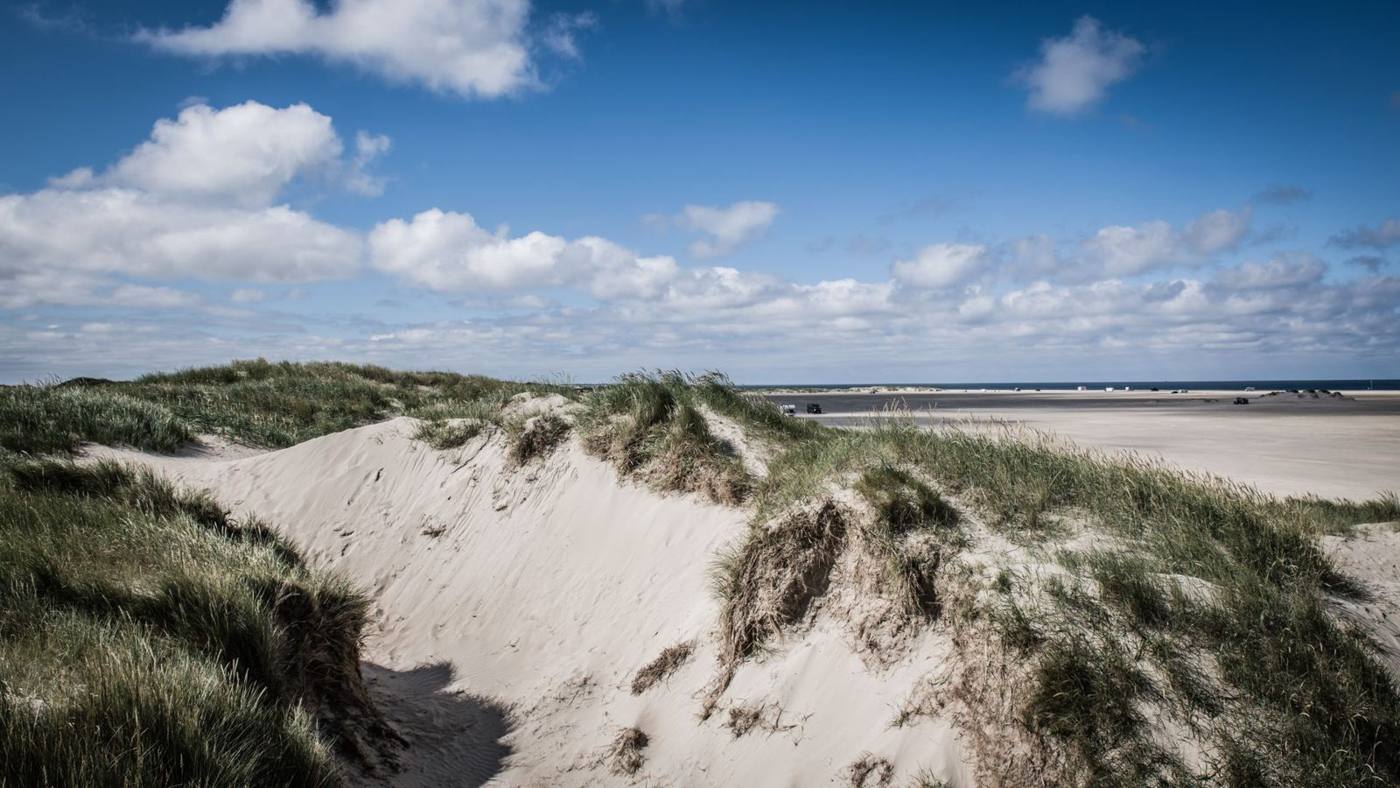 4 daysEasy
The Wadden Sea and Rømø
The UNESCO Wadden Sea park: Rømø's huge drive-on beach, oyster picking at low tide, seals and the 'black sun' of starlings.
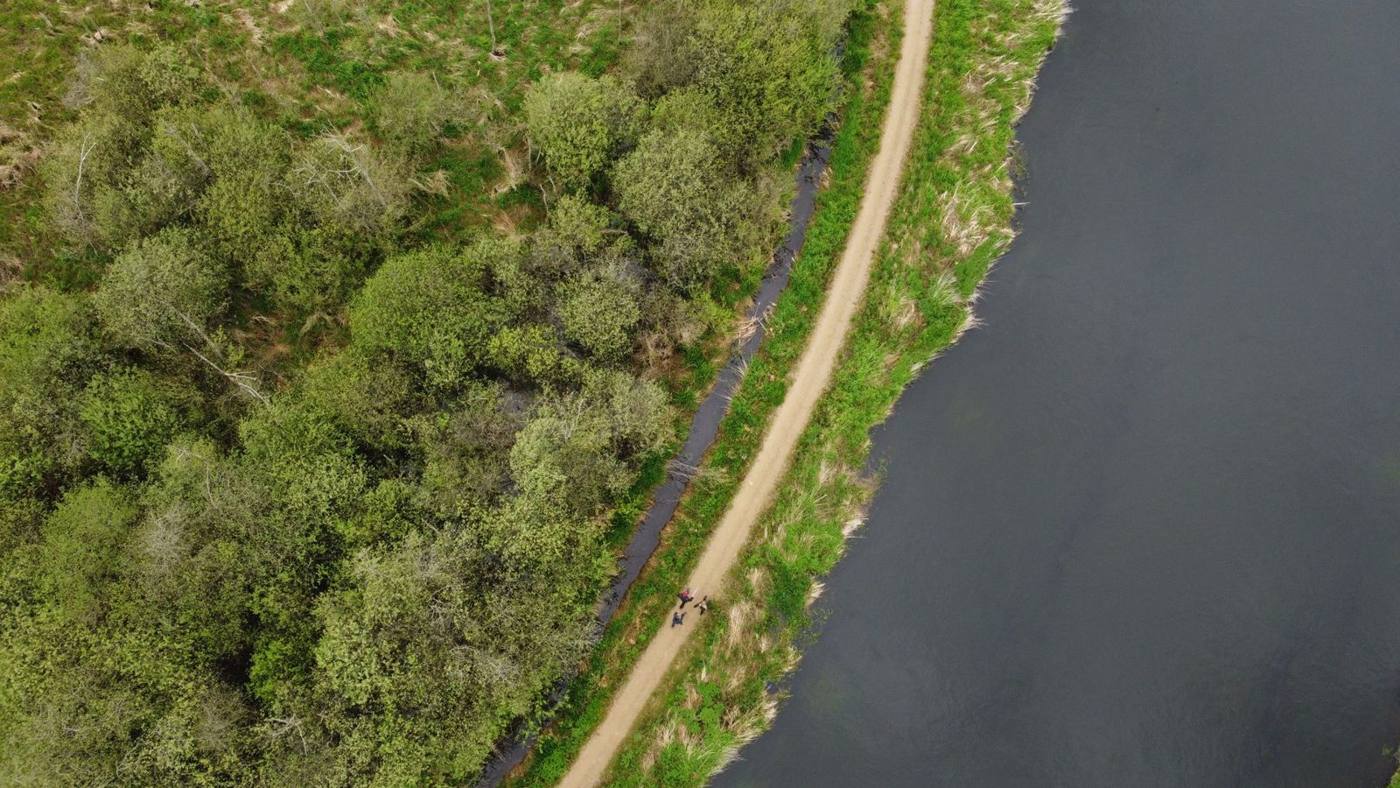 4 daysEasy
Aarhus and the lakes
The lake district around Silkeborg, canoeing on the Gudenå river, the Himmelbjerget hill and Moesgaard Museum with the Grauballe Man.
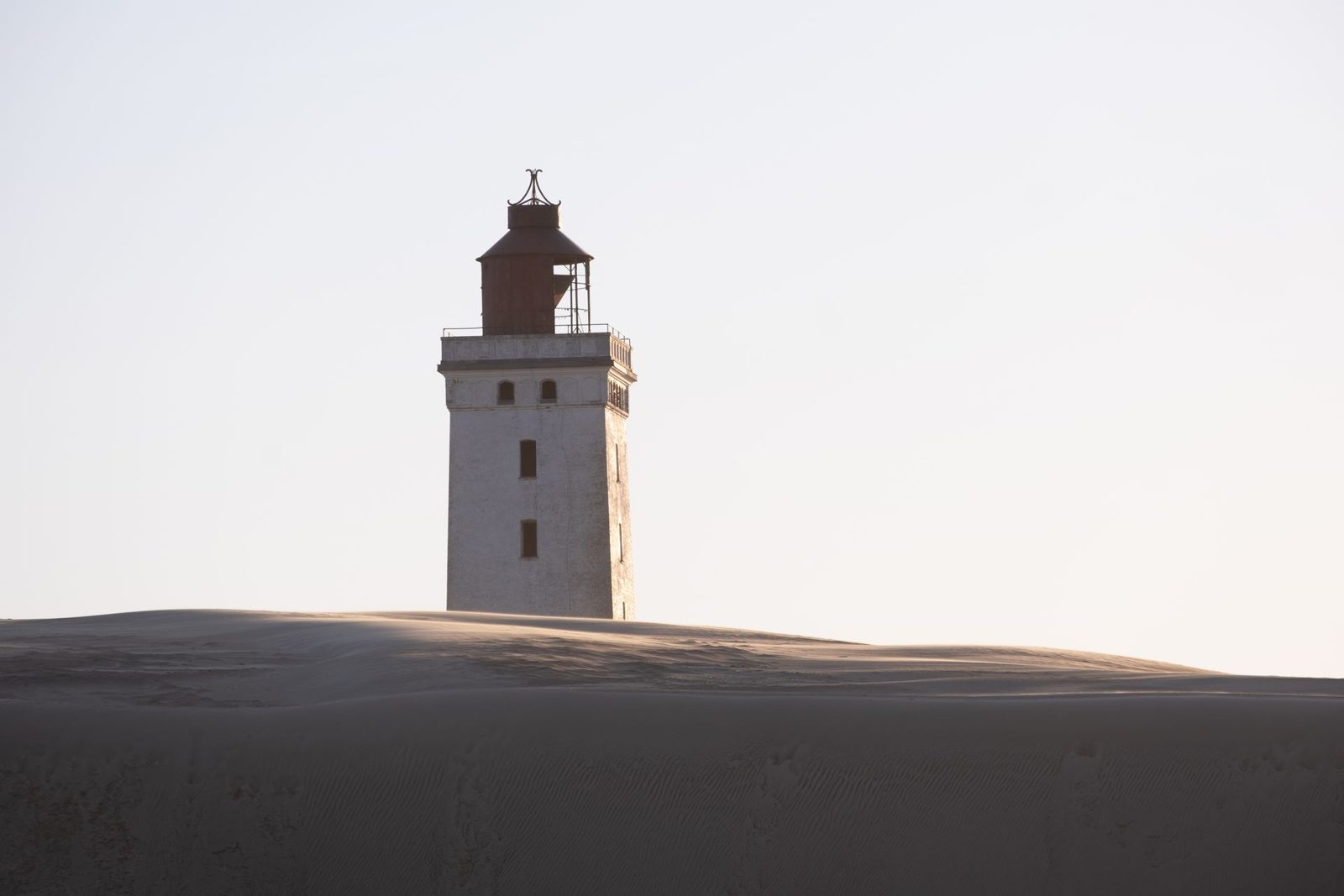 5 daysEasy
Thy and the north-west coast
Thy National Park among dunes and heath, the surf of Klitmøller known as 'Cold Hawaii', Rubjerg Knude lighthouse moved in 2019 and the sand-buried church.