Aarhus and the lakes
The lake district around Silkeborg, canoeing on the Gudenå river, the Himmelbjerget hill and Moesgaard Museum with the Grauballe Man.
- Aarhus
- Moesgaard
- Silkeborg
- Gudenå
- Himmelbjerget
Day by day
- Day 1
Aarhus and Moesgaard Museum with the Grauballe Man
This trip takes you into the heart of Jutland, to a green and wooded Denmark, very different from the flat image of the country: Moesgaard Museum in Aarhus, then the lake district around Silkeborg, canoeing on the Gudenå river and the hill of Himmelbjerget. You travel by train, bus and boat.
Before you go: Italian citizens can enter Denmark with an electronic identity card or a passport. Denmark is in the EU and the Schengen area; until 17 May 2027 it is running checks on its border with Germany, so keep your document with you. Other nationalities should check their own rules. The currency is the Danish krone, and cards are used almost everywhere. The country is very safe; in town watch out for bicycles, which have priority on the cycle lanes.
You arrive in Aarhus, Denmark's second city, by train or at the airport. Take the bus south, about half an hour, to Moesgaard Museum, among woods and meadows near the sea. The modern building has a large sloping roof covered in grass, which you can walk on.
Inside, the museum tells the story of Danish prehistory and the Viking age. The most famous room is that of the Grauballe Man, a human body found in 1952 in a peat bog near the village of Grauballe. He lived more than two thousand years ago, in the Iron Age, and the peat preserved his skin, his hair and even his fingerprints. The room is dimly lit and silent. You also see weapons laid in the bogs as offerings and reconstructions of Viking life. Check prices and times.
In the evening return to the centre and walk along the canal, the Aarhus Å, lined with bars and cafés.
Practical tip: buy a local transport card or use the official ticket app; on Danish buses you often cannot pay in cash.
- Day 2
Silkeborg and Museum Jorn
Today you leave Aarhus for Silkeborg, the small town at the centre of the lake district. The train takes less than an hour, through fields, woods and small lakes.
Silkeborg grew up in the nineteenth century around a paper mill on the Gudenå river. Today it is surrounded by lakes and large forests of beech and spruce, among the most extensive in Denmark. Drop off your bags and walk along the lakeside harbour, with its boats and rowing boats.
In the morning visit Museum Jorn, devoted to Asger Jorn, one of the most important Danish painters of the twentieth century and a founder of the CoBrA group. Jorn gave the town his collection, with his own works and those of many European artist friends. You see canvases full of colour and fantastical figures, ceramics and large tapestries. Check prices and times.
In the afternoon, if you are interested in archaeology, go to Museum Silkeborg, in the old manor house of the paper mill. Here you can see the Tollund Man, another Iron Age body found in a peat bog in 1950, with a calm face, as if asleep. Check prices and times.
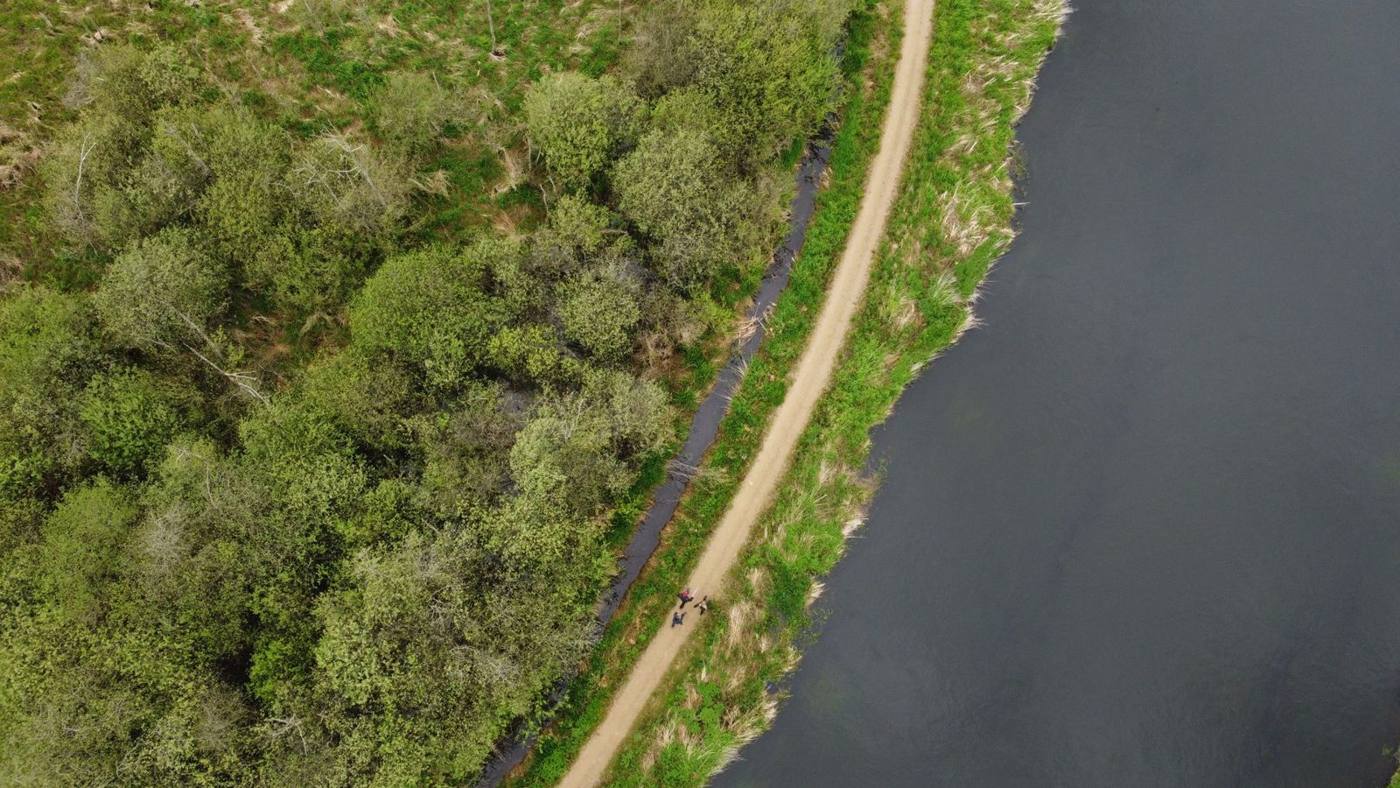
Towards evening take a walk in the woods around the lake, on marked paths, among tall beeches and dark water.
Sleep in Silkeborg for two nights.
Practical tip: if you travel in summer, book the next day's canoe and boat straight away, because places run out quickly at weekends in July.
- Day 3
By canoe on the Gudenå and by steamer to Himmelbjerget
Today is your day on the water. The Gudenå is Denmark's longest river and flows through the lakes around Silkeborg.
In the morning hire a canoe at one of the rental points in town and paddle along a quiet stretch of the river and lakes. The water flows slowly among reed beds, alders and meadows; you see herons, grebes and, with some luck, a kingfisher. On the Gudenå there are rules on times, stretches and the number of canoes, to protect nature: ask the rental company for a suitable route and the places where you can land. Always wear a life jacket.
In the early afternoon board the Hjejlen, a paddle steamer from 1861, which sails the lakes from Silkeborg. The trip passes wooded shores to the Himmelbjerget pier. Check prices and times: the boat only sails in the warm season.
From the pier walk up for about twenty minutes through the trees to the top of Himmelbjerget, the "sky mountain". It is only 147 metres high, and the name raises a smile, but it was once considered one of the highest hills in the country. At the top stands a brick tower from 1875, from which you see the lakes, the forests and the river. Then return to Silkeborg by boat or bus.
Practical tip: take a dry bag for your phone and documents in the canoe, and wear clothes that dry quickly; Danish weather changes within hours.
- Day 4
Back to Aarhus: ARoS and the Old Town
On the last day you return to Aarhus by train, in less than an hour.
Visit ARoS, the city's large art museum. On the roof is Your rainbow panorama, a ring of coloured glass in all the colours of the rainbow, where you walk above the rooftops of Aarhus and see the city change colour with every step. Inside are nineteenth-century Danish works and large contemporary installations. Check prices and times.
Then go to Den Gamle By, the Old Town, an open-air museum with wooden and brick houses brought here from all over Denmark. You walk among workshops, courtyards, a pharmacy, a bakery and streets rebuilt from different periods, up to the 1970s. Check prices and times.
Trip summary: in four days you saw Moesgaard Museum with the Grauballe Man, Silkeborg with Museum Jorn and the Tollund Man, canoed on the Gudenå and took the Hjejlen steamer to Himmelbjerget, and finished in Aarhus with ARoS and Den Gamle By. It is an easy, relaxed trip that combines well with a journey through the rest of Jutland.
When to go: from May to September, when the steamer sails, canoes are available and the days are long. In June and July it gets dark very late. In winter the lakes are beautiful but many activities are closed.
Practical tip: many streets in central Aarhus are pedestrianised and there are bikes for hire; between ARoS and Den Gamle By it is just a few minutes' walk.
A green, wooded Denmark, different from the country's flat image. Himmelbjerget is only 147 metres high: its name, 'sky mountain', raises a smile. It pairs well with the Jutland trip.
Before you go
- Documents and visa
- EU citizens need a valid identity card or passport: Denmark is in the EU and the Schengen area. Until 17 May 2027 Denmark is running checks on its border with Germany: always carry your document. Greenland and the Faroe Islands have their own rules. Other nationalities should check the Schengen rules.
- Health and vaccines
- No vaccines required. EU citizens should bring their EHIC; insurance with medical cover and repatriation is advised. In summer watch out for currents on North Sea beaches. Emergencies: 112.
- Money and payments
- Danish krone. Cards are accepted almost everywhere, even for small purchases; cash is rarely used. The euro is not the official currency.
- Power sockets
- Types C, F and K, 230 volts: you need an adapter for British plugs.
- Time zone
- Central European Time (UTC+1, summer UTC+2).
- Safety
- A very safe country with low crime. Watch out for pickpockets at stations and in crowded places in Copenhagen. On a bicycle use the cycle lanes and follow the signals, as bike traffic is heavy. On the Wadden Sea coast the tide comes in fast: walk on the seabed only with a guide. Official advice: GOV.UK.
Information checked in November 2026 for Italian and EU citizens. Rules change: always check before you travel.
Variations
In 3 days: Moesgaard in Aarhus, then a day in Silkeborg with the canoe and the steamer to Himmelbjerget.
In 6 days: add northern Jutland, with Aalborg and the tip of Skagen.
Frequently asked questions
Can I canoe on the Gudenå without experience?
Yes, on the quiet stretches around Silkeborg. There are rules on times and stretches: ask the rental company for a suitable route and always wear a life jacket.
When does the Hjejlen steamer sail?
Only in the warm season, roughly from late spring to early autumn. Check prices and times before you go.
Do I need a car?
No: there are frequent trains between Aarhus and Silkeborg, and around the lakes you get about by bus, boat, canoe and on foot.
Indicative itinerary written by World Atlas. Before booking, check timetables, seasonal openings, documents and safety.
 5 daysEasy
Thy and the north-west coast
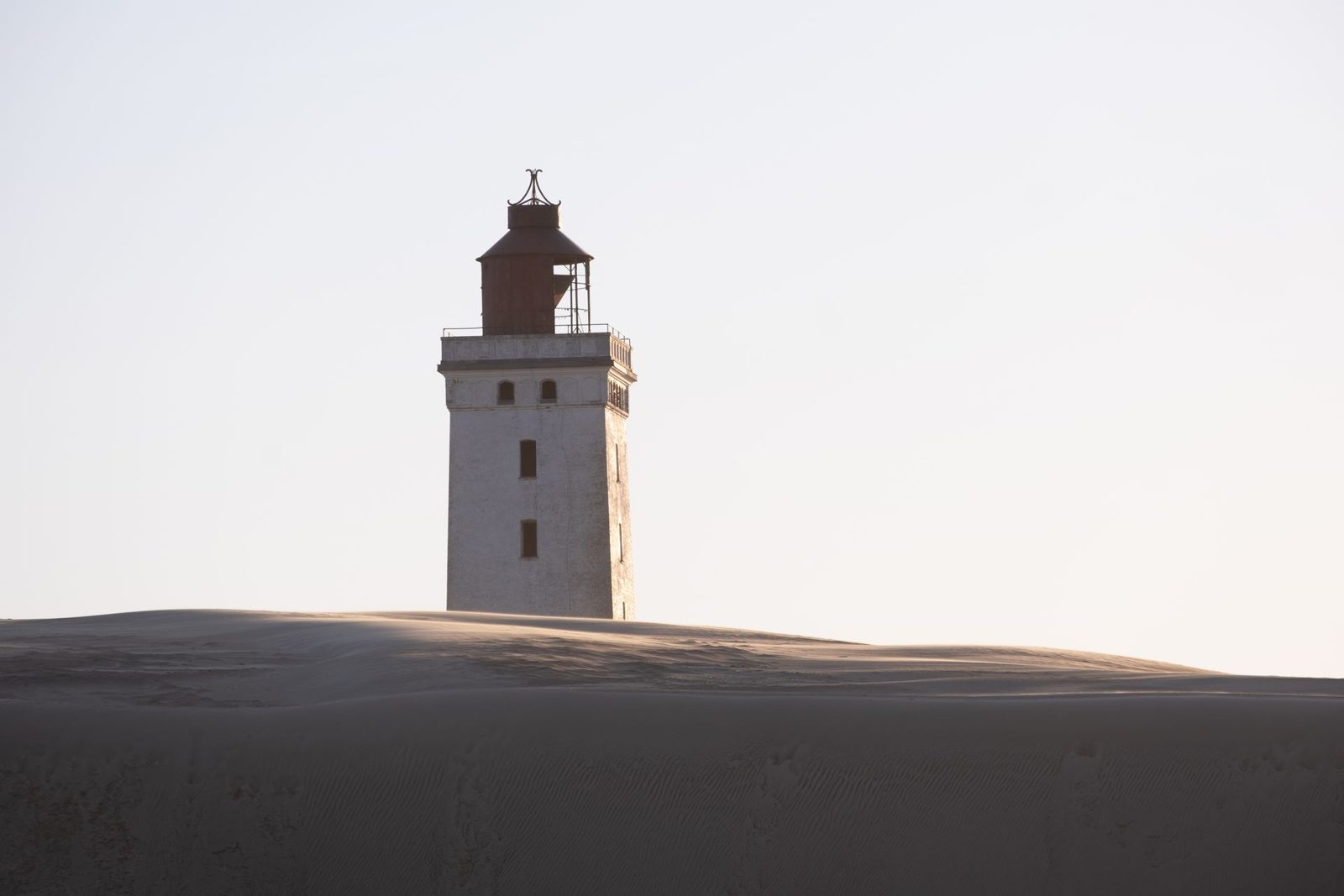
Thy National Park among dunes and heath, the surf of Klitmøller known as 'Cold Hawaii', Rubjerg Knude lighthouse moved in 2019 and the sand-buried church.
 6 daysModerate
The Faroe Islands
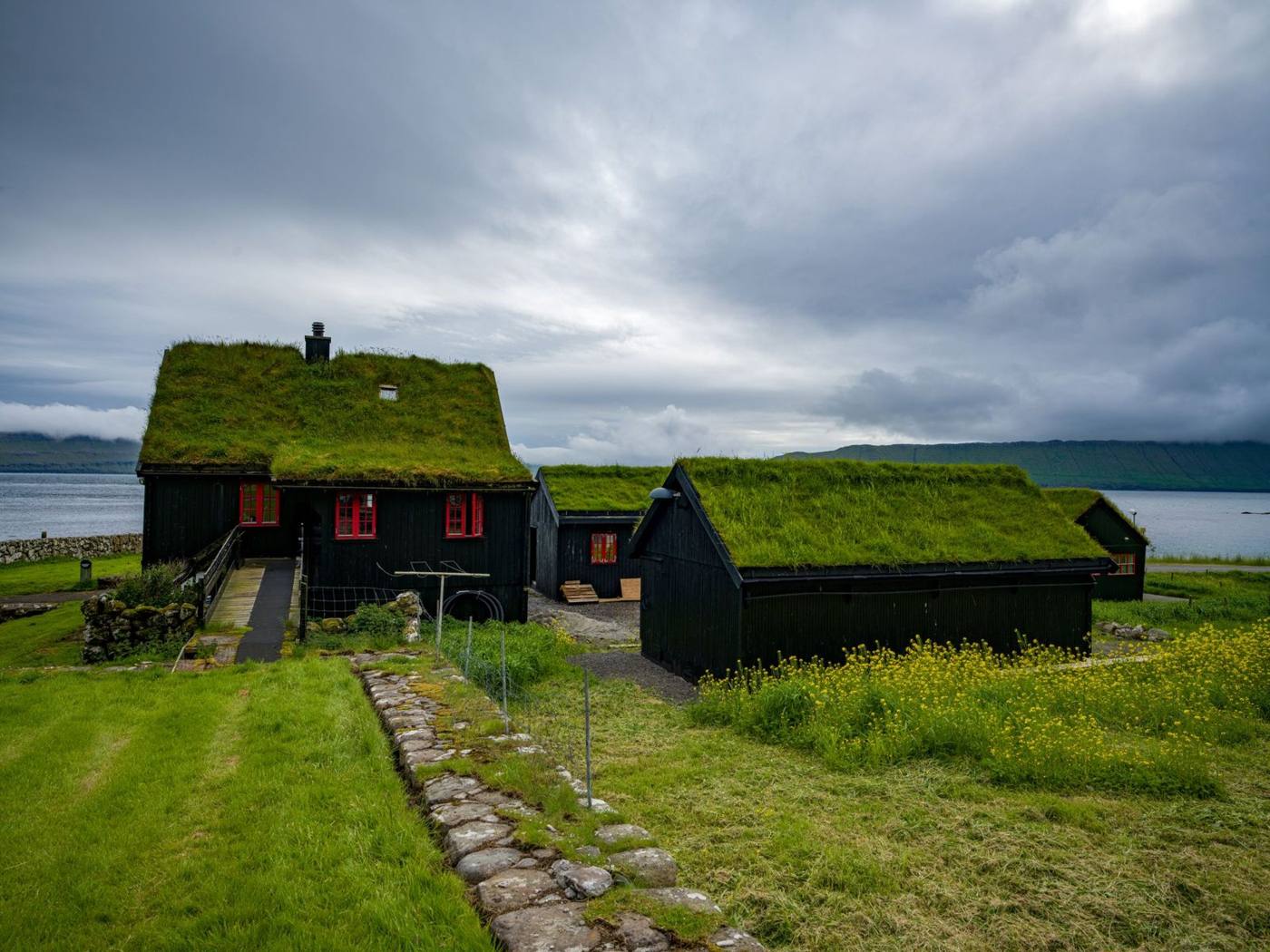
The autonomous islands of the Kingdom of Denmark: Múlafossur waterfall at Gásadalur, the lake above the ocean at Sørvágsvatn, the puffins of Mykines and turf-roofed villages.
 6 daysModerate
Greenland and Ilulissat
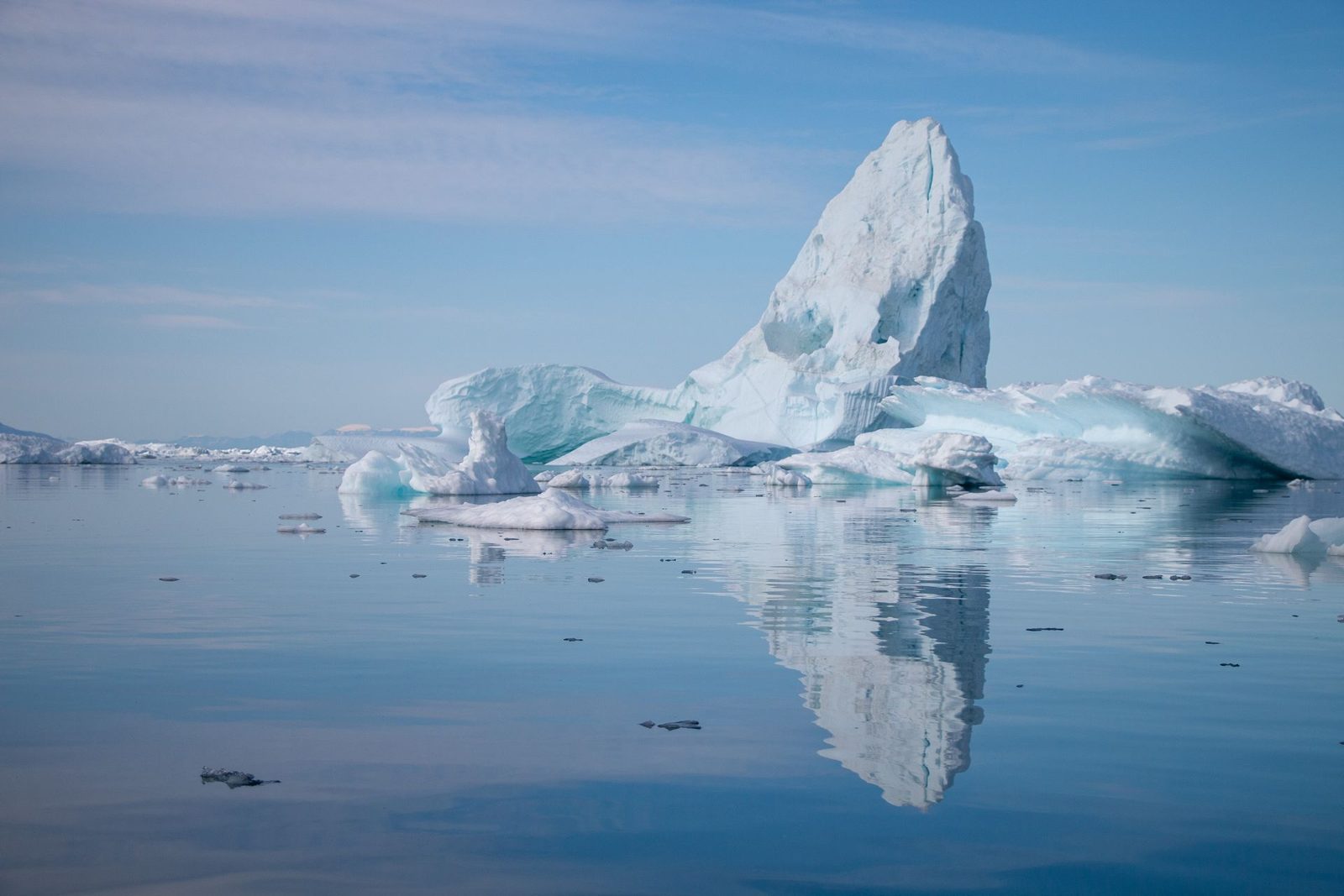
The UNESCO Ilulissat Icefjord with its giant icebergs, the midnight cruise among the ice, the village of Oqaatsut and whales in Disko Bay.