The Giant Mountains
The Krkonoše, the country's highest mountains: the summit of Sněžka on the Polish border, the source of the Elbe, peat bogs and mountain huts.
- Pec pod Sněžkou
- Sněžka
- Luční bouda
- Pramen Labe
- Špindlerův Mlýn
Day by day
- Day 1
Pec pod Sněžkou and the climb up Sněžka
This trip is a four day trek in the Giant Mountains, the Krkonoše, the highest mountains in the Czech Republic, on the border with Poland. You climb Sněžka, the country's highest peak, walk along the ridge between peat bogs and high meadows, reach the source of the Elbe and go down to Špindlerův Mlýn. The mountains are gentle and the paths well kept, but the weather changes fast.
Before you go: the Czech Republic is part of the European Union and the Schengen area, but it uses the Czech koruna; in Poland you pay in złoty. Italian citizens only need a valid electronic identity card or passport; the paper identity card has not been valid for travel abroad since 3 August 2026. Carry your document, because the trails cross the border. Other nationalities should check their own rules. The United States rates the country level 1, the lowest. Take out insurance that covers mountain rescue.
From Prague you reach Pec pod Sněžkou by car or bus in about two and a half hours. It is a mountain village at the foot of Sněžka, 1,603 metres. To get up you can take the cable car, in two sections, or walk for about three hours, climbing from the Obří důl valley or from Růžová hora.
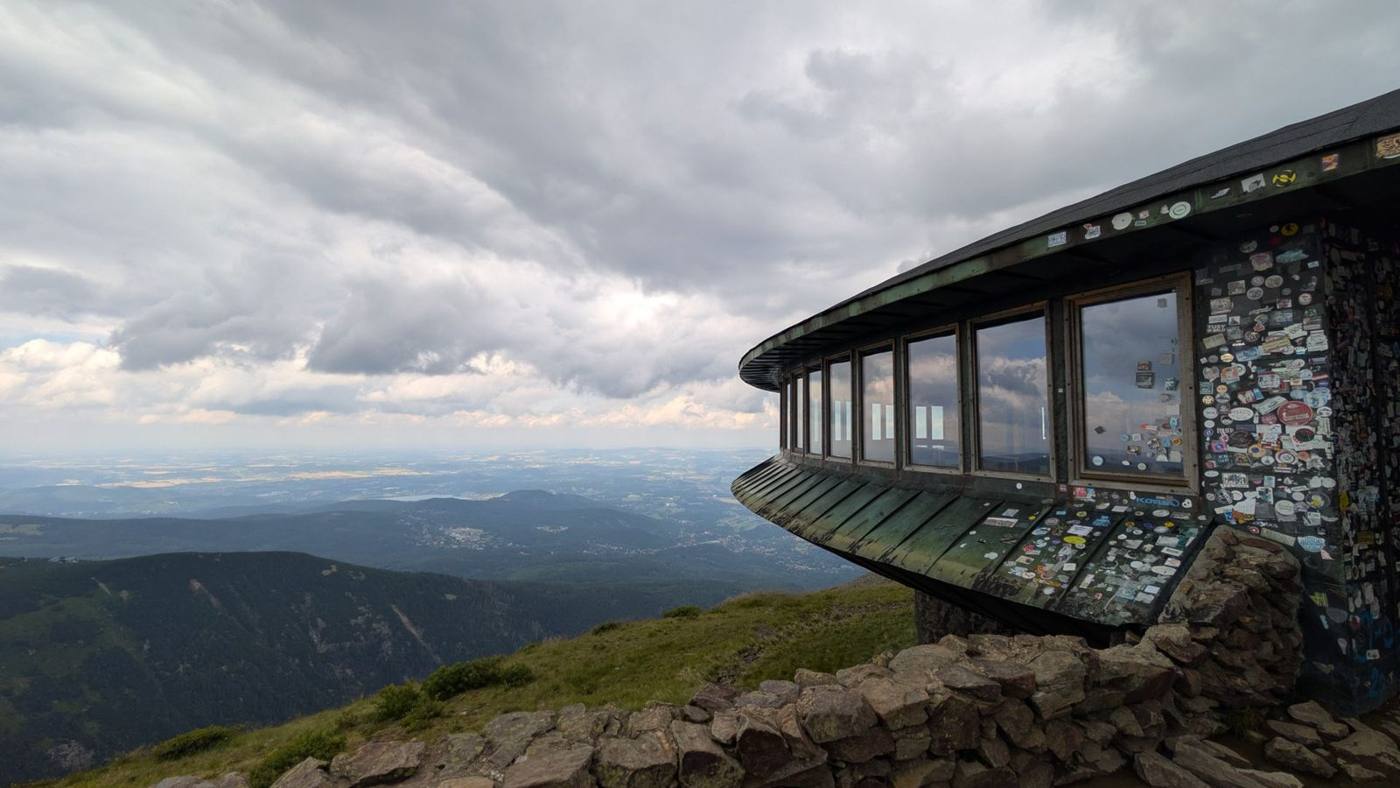
The border runs across the summit: on one side is Poland, with the old weather observatory, on the other the Czech Republic, with the small chapel of St Lawrence. On a clear day you see the mountains and plains of both countries. Check prices and times for the cable car.
Sleep in Pec pod Sněžkou.
Practical tip: the cable car stops in strong wind and during maintenance periods in spring and autumn. Check that it is running on the morning itself before you go up.
- Day 2
The ridge to Luční bouda
Today you walk the ridge, the finest part of the Krkonoše. Go back up towards Sněžka by cable car or on foot, then take the path that follows the border westwards, known as the Czech-Polish Friendship Trail.
The landscape is different from the Alps: open plateaus, grassland, low dwarf pines and large peat bogs, where rare plants left over from the last ice age grow. The largest bogs, such as Úpské rašeliniště, are crossed on wooden boardwalks.
After about two hours you reach Luční bouda, one of the oldest mountain huts in the Czech mountains, a large building standing alone among the meadows at over 1,400 metres. Here the ridge is wide and flat, and you can wander around at your own pace. Not far away, in the bog, the Úpa river rises and flows down towards Pec.
These are the core zones of the Krkonoše National Park, with strict rules: you walk only on marked paths, you do not pick plants and you do not camp. In spring some ridge sections may close to protect the black grouse during the mating season: look at the park notices.
Sleep in one of the ridge huts or go back down to Pec pod Sněžkou.
Practical tip: even in summer bring a windproof and waterproof jacket, a hat and light gloves. There are no trees on the ridge and the wind is often very strong.
- Day 3
The source of the Elbe and Špindlerův Mlýn
In the morning carry on west along the ridge. The path runs through grassland, dwarf pines and past a stone cairn dedicated to two skiers who died in a snowstorm in 1913, as far as the area of the source of the Elbe.
The source, Pramen Labe, is at about 1,400 metres, in the middle of a plateau of peat bogs. A low stone wall marks the spot and around it are the coloured coats of arms of the cities the river passes through on its way to the North Sea, such as Hradec Králové, Dresden, Magdeburg and Hamburg. From here the Elbe flows for more than a thousand kilometres.
A little lower down the river plunges into the valley over the Labský vodopád waterfall. The path drops steeply beside the waterfall, then follows the Labský důl, a deep, wooded glacial valley, down to Špindlerův Mlýn. In all, allow five or six hours of walking, with stops.
Špindlerův Mlýn is the best known mountain resort in the Krkonoše, with a bridge over the Elbe, ski lifts and the village squeezed between the forests. In winter it is a ski resort, in summer the starting point for many trails.
Sleep in Špindlerův Mlýn.
Practical tip: the descent beside the waterfall is steep and, in the rain, the stone steps are slippery. Use walking poles and take all the time you need.
- Day 4
Back to Prague
Last day. In the morning, if the weather is good, take the chairlift up Medvědín, above Špindlerův Mlýn, and walk for an hour across the ridge meadows for a last look at the mountains. Check prices and times. Alternatively, take a short walk along the Elbe, through the forests around the village.
Before leaving visit the national park information centre or the Krkonoše Museum in Vrchlabí, on the way back, with rooms devoted to nature and to the life of the mountain people. Check prices and times.
From Špindlerův Mlýn to Prague takes about two and a half hours by car or bus.
In these four days you have seen the best of the Giant Mountains: Pec pod Sněžkou and the summit of Sněžka on the Polish border, the ridge with its peat bogs, Luční bouda, the source of the Elbe, the waterfall and the valley down to Špindlerův Mlýn. It is an easy trek for anyone used to walking, with open landscapes and a northern European feel.
When to go: for walking the best months are June to September. In June the ridge meadows are in flower; September is quieter and often clear. Until May there can be snow on the ridge. From December to March the mountains are a destination for downhill and cross-country skiing, and some ridge paths are at risk of avalanches.
Practical tip: before each day of walking check the mountain forecast and the national park notices. In fog on the ridge always follow the marker poles.
The Czech Republic's mountains, gentle and easy, with well-kept trails and welcoming huts. The weather on the ridges changes quickly and the wind can be strong. The national park's core zones have strict rules: walk only on the trails. You can cross into Poland on foot.
Before you go
- Documents and visa
- EU citizens need a valid identity card or passport: the Czech Republic is in the EU and the Schengen area, so no visa is needed. Always carry your document. Other nationalities should check the Schengen rules.
- Health and vaccines
- No vaccines required. EU citizens should bring their EHIC, which covers urgent care only: insurance with repatriation is recommended. Woods and countryside have ticks that can carry encephalitis: ask your doctor about the vaccine. Emergencies: 112, ambulance 155, police 158, fire 150.
- Money and payments
- Czech koruna, not the euro. Cards are accepted almost everywhere. Avoid street money changers and exchange offices with hidden fees: use bank cash machines or change money at a bank. Motorways need an electronic vignette: buy it only on the official edalnice.cz website. The drink driving limit is zero.
- Power sockets
- Type E, 230 volts: you need an adapter for British plugs.
- Time zone
- Central European Time (UTC+1, summer UTC+2).
- Safety
- A safe country: the United States rates the Czech Republic level 1, the lowest. In Prague pickpocketing is common in Wenceslas Square, on Charles Bridge, at Můstek station, on trams and on airport transport. Do not hail taxis in the street, use known companies or apps. Beware of fake plainclothes police asking to see your passport and money. Official advice: GOV.UK.
Information checked in November 2026 for Italian and EU citizens. Rules change: always check before you travel.
Variations
In 3 days: Sněžka on the first day, the ridge to the source of the Elbe on the second and the descent to Špindlerův Mlýn on the third.
In 6 days: add the Adršpach and Teplice rocks, east of the Krkonoše, and a day on the Polish side, in Karpacz.
Frequently asked questions
Is the trek difficult?
No, it is of medium level. The paths are wide and well marked, but some days last five or six hours and the weather on the ridge changes fast. You need some fitness.
Can you get up Sněžka without walking?
Yes, with the cable car from Pec pod Sněžkou, in two sections. It stops in strong wind and during maintenance periods: check prices and times.
Can you cross into Poland?
Yes, the border runs along the ridge and you cross it on foot without checks. Still, carry your document with you.
Indicative itinerary written by World Atlas. Before booking, check timetables, seasonal openings, documents and safety.
 4 daysEasy
Telč and UNESCO Moravia
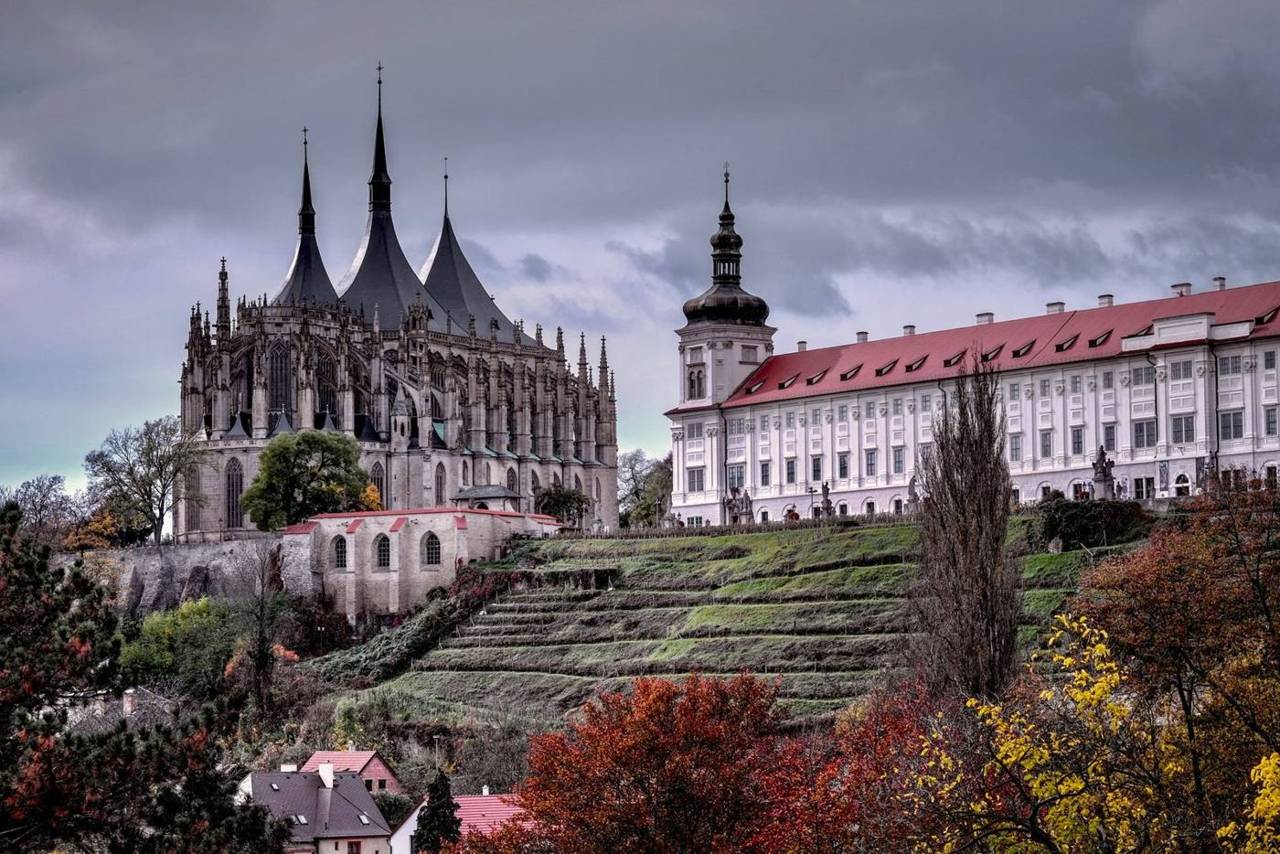
St Barbara's in Kutná Hora, the Renaissance square of Telč, the Jewish quarter of Třebíč, the star-shaped church of St John of Nepomuk at Zelená Hora and Litomyšl.
 4 daysEasy
Prague in four days
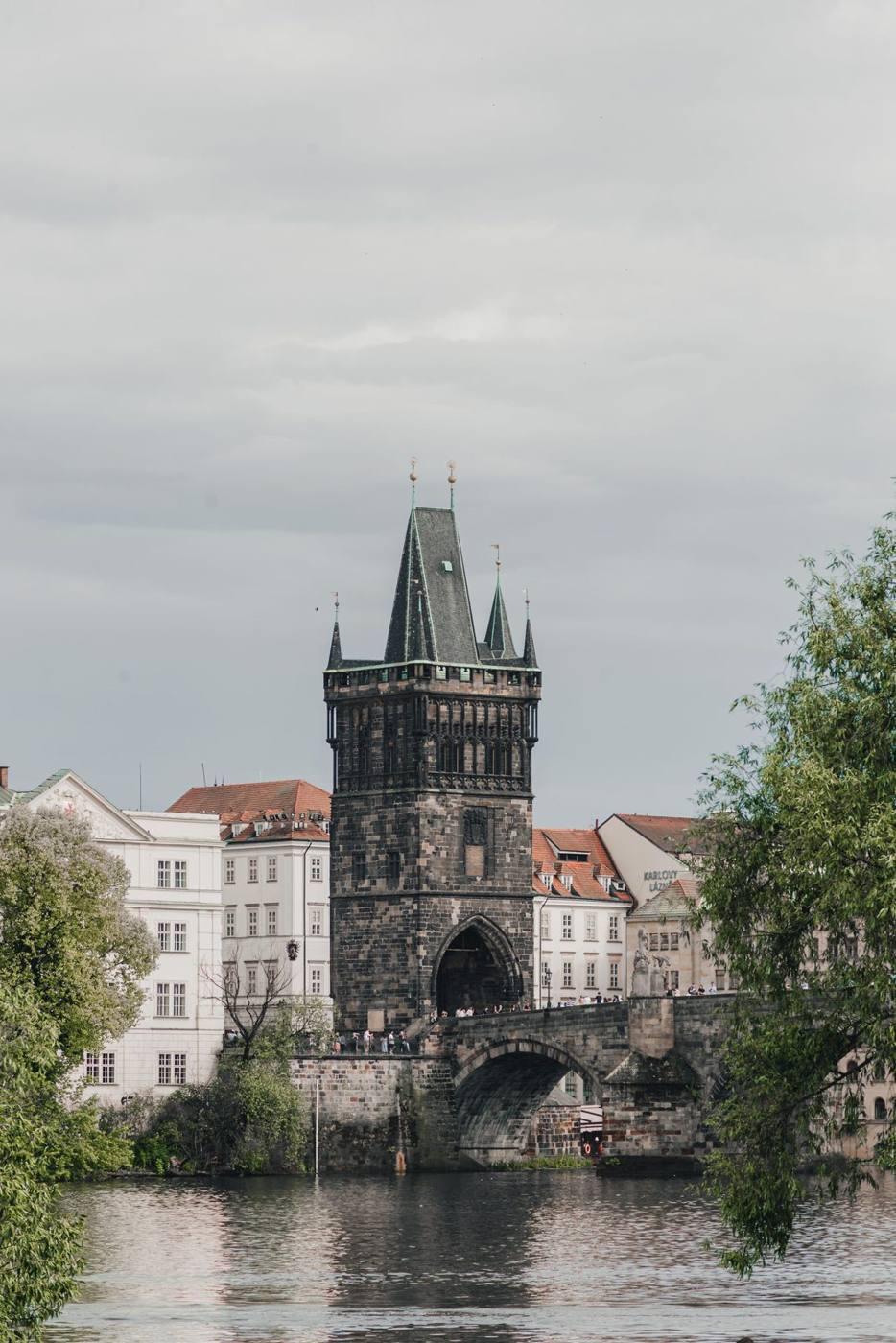
Charles Bridge at dawn, the Castle and St Vitus Cathedral, the Old Town and its astronomical clock, the Jewish quarter and the beer halls.
 7 daysEasy
Prague, Kutná Hora and Český Krumlov
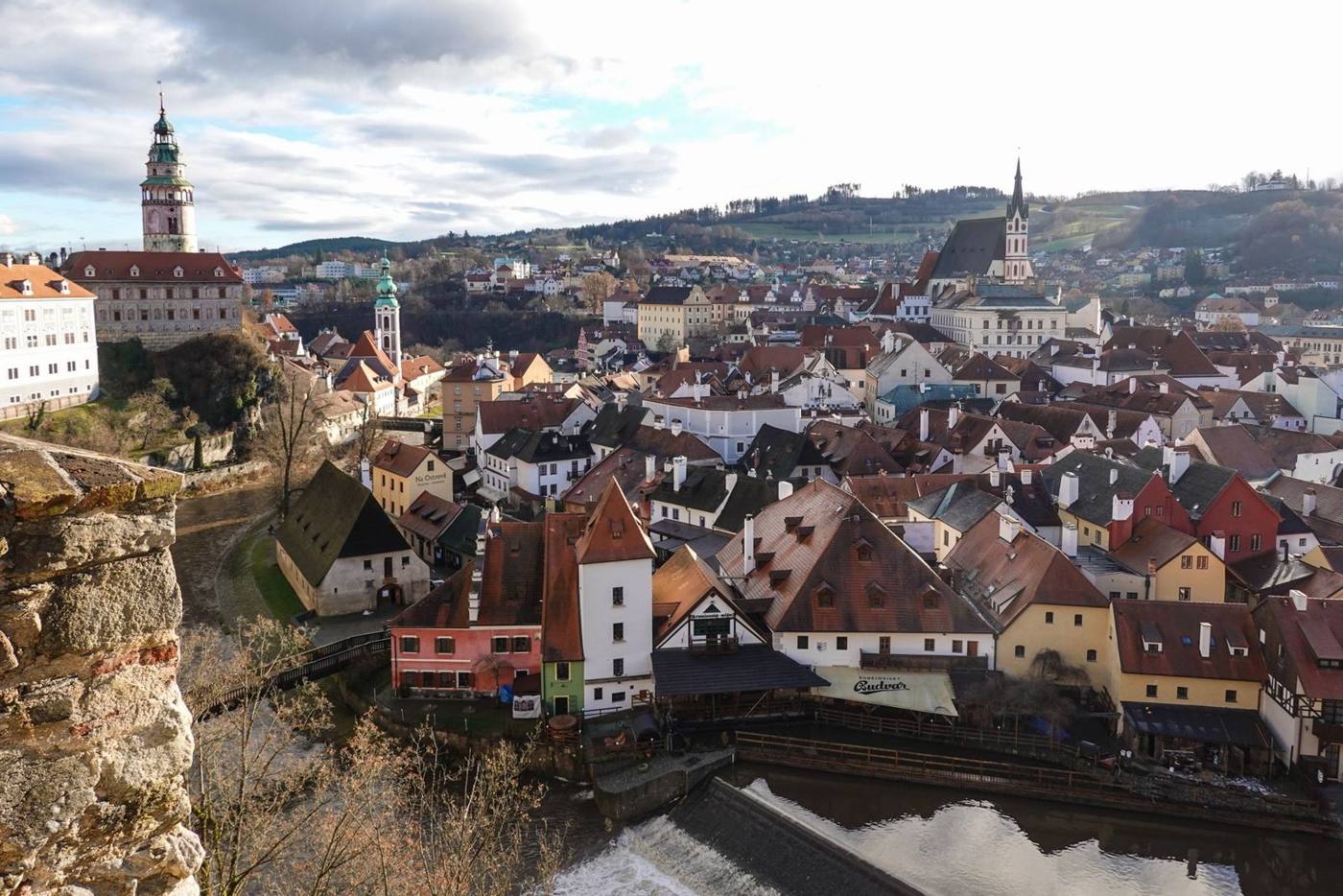
Classic Bohemia: Prague, the Sedlec ossuary and St Barbara's Cathedral in Kutná Hora, České Budějovice and the fairy-tale town of Český Krumlov.